When the forecast turns dangerous, bottled water logistics fall apart first. Our chilled station trailers put cold drinking water where the people are, refill themselves on our schedule and hand your safety officer the paperwork.
Every summer we take the same call, somewhere around the third heat advisory: a jobsite or an event where the bottled water plan collapsed by 1 p.m. The pallets went warm in the sun. The ice run took a worker off the crew for an hour (twice). And the trash line grew a mountain of crushed plastic that somebody now has to pay to haul. Our water station trailer rentals replace that whole scramble with a piece of infrastructure: chilled drinking water flowing from multi spigot rails, refilled and sanitized by our crews, parked exactly where the thirst happens. People drink more, medics treat less and the ice run disappears from everyone's job description.
The mechanics are simple on purpose. A large onboard reservoir holds hundreds of gallons of potable water. A chilling system keeps it refrigerator cold no matter what the afternoon does. Food grade lines feed a rail of spigots along the trailer's service side, spaced so seven or eight people fill bottles at once without bumping elbows. That's it. No moving parts a crowd can break, nothing to instruct anyone about.
Resupply is where our operation earns the rental. We schedule potable water deliveries against your consumption curve (event gates, shift starts, the hottest forecast hours) so the reservoir never runs low in front of a line. Sanitizing happens on the same visits. And when a week runs hotter than forecast, the dispatcher adds a delivery without being asked, because we watch the same weather you do.
"Water's the one supply you can't be an hour late on," is how our operations manager briefs new drivers. It shapes everything about how these deployments get scheduled.

Hundreds of gallons held cold around the clock. Warm water is technically compliant and practically ignored, so the chiller is the feature doing the public health work. Consumption doubles when the water's actually cold. We've measured it across enough summers to say that plainly.
A long rail of fast flow spigots serves bottles, jugs and hydration packs simultaneously. Lines dissolve because throughput is designed in, and a crew break stays a break instead of becoming a queue with a whistle at the end of it.
Lowered spigots at wheelchair height come standard, because a water point that only serves some of the crowd isn't finished. Event ADA coordinators clear our layout drawings quickly, and that's by design rather than luck.
Food grade tanks, lines and fittings, filled exclusively from potable sources and sanitized between every deployment. The quality log rides with the trailer. Health inspectors read it, nod and move on to whoever didn't keep one.
Grid power runs the chiller where it's available. Where it isn't (remote sites, festival back forties, disaster staging lots), a generator package keeps everything cold without a site electrician entering the story.
Clear FREE WATER signage and lighting for after dark operations. Sounds trivial. But at a 9 p.m. concert exit or a night paving shift, the visible water point is the one that gets used, and usage is the entire mission.
Clients booking their first station budget half a day for setup, then watch it finish before the coffee does. The sequence: the driver walks the agreed spot and checks it against the site map (three minutes, and yes we really check). The trailer backs in, then levels and blocks on its jacks. Power connects to your circuit or the onboard generator fires. The chiller gets a verified temperature reading and every spigot on the rail gets a flow test. Then the fill ticket gets signed, source documented. "I don't leave until I've watched cold water come out of all of them," one of our senior drivers says, and his 23 point sheet agrees with him. Then the driver briefs your contact: where the gauges are, what the refill schedule says, which number rings dispatch straight through after hours.
One more habit worth mentioning. Before leaving, our drivers photograph the placement from four angles and log the gauge reading down to the gallon. So when the first refill visit happens two days later, the tech knows exactly what consumption ran and whether the schedule needs tightening before the weekend. Small discipline, repeated forever. That's the whole company, honestly, and the water pages of your safety binder benefit from every bit of it.
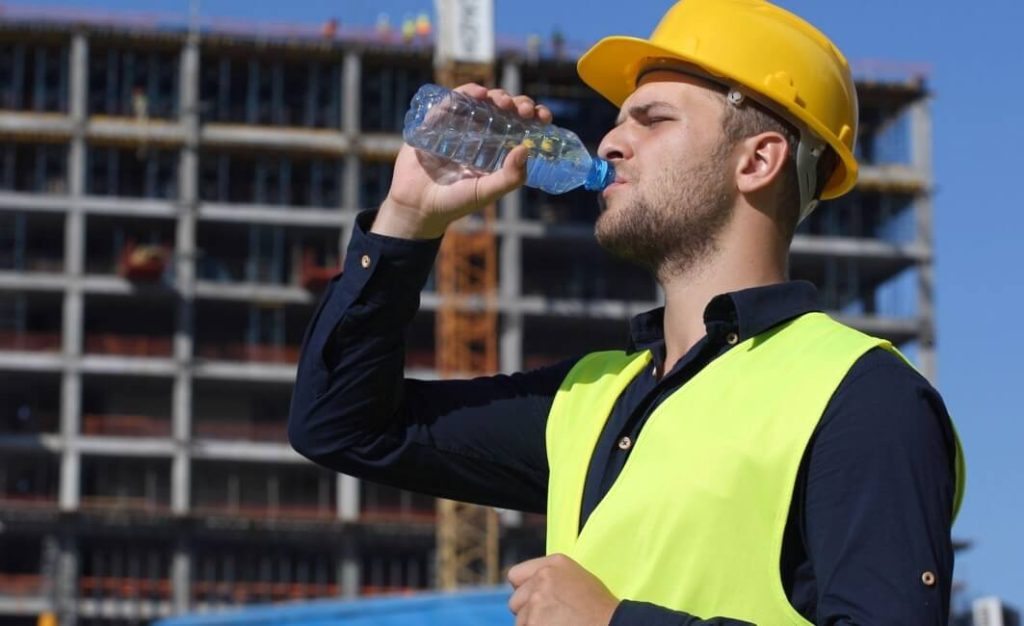
OSHA has been building toward a federal heat standard for years, and states aren't waiting. Cal/OSHA's outdoor heat illness standard already requires cool potable water positioned as close as practicable to the work, and Washington and Oregon run enforceable rules of their own. Other states keep adopting cousins of that language. NIOSH publishes the physiology behind it all: a worker in high heat needs about a quart an hour, and thirst lags the actual need. So the real question for a safety officer becomes a narrow one: would this water setup survive an inspector's unannounced afternoon visit?
A cooler in a distant truck fails the close to the work test on any honest reading. A station trailer parked at the crew staging area passes it visibly, and the placement shows up in your site photos when documentation season arrives.
The regulatory phrase is vague. Our chiller's thermometer isn't. Temperature stays logged through the rental, which converts a subjective inspection question into a boring data point. Boring is exactly what you want an inspection to be.
Adequate means nobody finds an empty tank at 2 p.m. Our refill cadence is built off your head count and NIOSH consumption figures with margin on top, then tuned by what the gauges actually show week over week.
Delivery receipts, sanitizing records, temperature logs and refill timestamps, all kept by us and available to your safety file. When the audit comes (grant funded projects and public agencies, this means you), the water chapter is already written.
NIOSH's number is a quart per worker per hour in high heat, call it a cup every 14 or 16 minutes depending on the workload. Take a 217 person crew through a nine hour shift at that rate and you're staring at 488 gallons of demand for a single day. In bottled terms, call it 3,694 half liter bottles. Every day. Nobody's cooler program survives that arithmetic, which is why the coolers always quit by mid afternoon in week one.
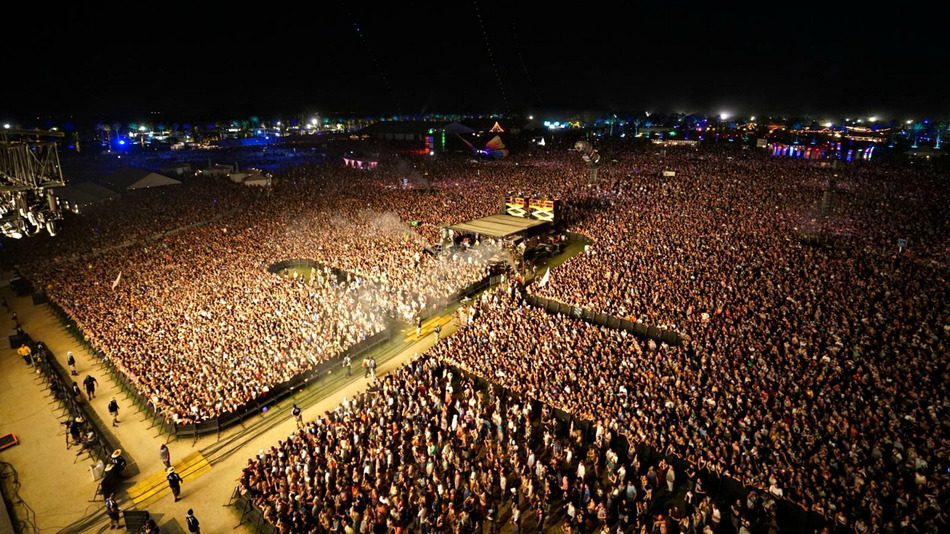
Events run different curves but bigger totals. Crowd consumption spikes at gate opening, again mid afternoon and hardest during the headline set, when 29,400 people remember they're thirsty within the same half hour. Our layout plans put stations on those surge paths with capacity staged ahead of the spike, and the refill tankers arrive between surges rather than during them. Get that sequencing wrong and the tanker fights the crowd for the same lane at the same hour. Get it right and nobody ever notices the resupply happened at all, which is exactly the review we want.
"I plan water like I plan fuel," one of our dispatchers likes to say. "Burn rate, reserve, resupply window." That's genuinely the whole science. And clients who've run out once (there's no second time, they make sure of it) become the most enthusiastic reviewers of our burn rate worksheets.

Spend a hot festival afternoon near the first aid tent and the pattern teaches itself. Guests arrive woozy, get shade and observation, and the first intervention is nearly always the same cup of genuinely cold water. When the station sits within sight, medics treat and release in minutes. When it doesn't, mild cases escalate while a volunteer jogs across the grounds, and the escalations are what fill transport logs. "Put the water where I can see it from triage," a veteran event medical director told us at a site walk, and we've heard versions of that sentence at every large event since. Several directors now write the co placement into their medical plans as a standing requirement.
The station also quietly reduces the tent's caseload before anyone gets sick. Visible free water changes crowd behavior: people drink earlier, parents refill kids' bottles on the walk past and the beer drinking demographic (the tent's most loyal clientele) alternates rounds with water because the water costs nothing and sits on the way back from the stage. One event medical lead described the effect as treating heat illness upstream, and the phrase stuck with us. It's cheaper to pour the water than to treat its absence, by any accounting anyone has attempted. Every transport log we've ever been shown agrees with the math.

Two water station trailers handled a crowd just north of 38,700 across a July weekend. The refill lines moved fast, the water stayed genuinely cold and our medical tent logged a third of the heat cases we saw the prior year. Booking them again was the easiest decision on my planning sheet.

We paved through a summer of triple digit weeks. Having chilled water a few steps from the crew instead of a cooler in a truck bed changed the whole safety picture, and my OSHA logs show it. The service guy refilled and sanitized before we even thought to call.

Our stadium fountains failed inspection a week before summer athletics. The station trailer arrived in two days, passed the county health review without a note and carried every practice and camp through August. Coaches lobbied the district to keep it permanently.

Run the bottled math for a 190 odd person crew through one hot month and it stops looking cheap. Somebody orders pallets weekly. Somebody stocks coolers with ice every single morning, and the ice melts by ten. Warm surplus bottles get abandoned half drunk, and the dumpster fills with plastic your waste hauler charges by the yard to remove.
A station trailer deletes the entire chain. Water arrives in bulk, stays cold mechanically and gets dispensed into the bottles people already carry. The labor line goes to zero on your side because our crews run the refills. Waste drops to a fraction of the bottled baseline, a shift sustainability teams have started noticing (three event clients cited our stations in last season's environmental summaries). And the crew stops rationing sips based on how far away the cooler is.
But the sharpest difference shows up at scale. Five thousand people can't be served from coolers at all. Fill rails or failure. Those are the choices once a crowd gets serious.
Serving drinking water to the public carries obligations that a rental company either takes seriously or shouldn't be in this business. We take them seriously enough to bore you with the process. Here it is anyway, because procurement officers and county health reviewers ask, and the answer is the product:
Fill water comes exclusively off potable supplies: municipal hydrant meters with backflow protection, certified water haulers or an approved on site connection. Our drivers document the source on every fill ticket. No exceptions get made because a site was in a hurry.
Between deployments every tank, line and spigot rail runs a full sanitizing flush, the same chlorination and rinse procedure water utilities use on new mains. The cycle gets logged with a date and a technician's name attached to it.
Tanks, hoses, fittings and rails are all drinking water rated components. It's the unglamorous difference between a water station and a repurposed tank that shouldn't be pouring into anyone's bottle. Ask any vendor you're comparing what their hoses are rated for. Watch the pause.
Temperature checks, refill tickets, sanitizing records and source documentation live with the unit and copy to your file on request. School districts and public agencies get audit ready paperwork without asking twice, and inspectors get answers before finishing the question.

Heat emergencies compress the timeline. An excessive heat warning drops, a county opens cooling centers, an employer suddenly realizes the crew schedule collides with a 113 degree Thursday. The calls stack up within hours of the advisory, and dispatch shifts into triage: emergency declarations first, occupied jobsites second, everything else in line behind them.
What happens next is rehearsed. The nearest ready unit gets a driver and a fill ticket. A tanker gets scheduled behind it. Your site contact gets a call with a real arrival window, not a soothing guess, and the trailer is pouring cold water the same day whenever geography cooperates. During one long August stretch we placed stations for a county OES, two utility contractors and a school district inside the same 72 hours, and every one of them started as a morning phone call.
But here's the honest advice we give every planner who calls mid crisis: next year, call in May. The clients who pre book against the forecast season never stand in the triage line at all.
Free water access is now written into mass gathering guidance nationwide, and a growing list of jurisdictions condition the permit on it. Promoters place our stations along the main crowd arteries and at the medical tent, then watch heat transport counts fall against the prior year. Insurance carriers have noticed the same math, and a documented free water plan reads well in every direction.
Highway paving for state DOT contracts, roofing, framing and utility work all put bodies in direct sun for full shifts. A station at the staging area anchors the whole heat illness prevention plan, and superintendents tell us the crews police their own water breaks once the cold supply is steps away.
Summer conditioning, band camps and stadium events run right through the hottest weeks of the calendar. Districts bring in stations when fountain infrastructure fails inspection or simply can't reach the practice fields, and the paperwork we hand facilities directors is already shaped for a school board packet. Athletic trainers become our biggest internal advocates by week two, and more than one district has extended a summer rental into football season on a trainer's memo alone.
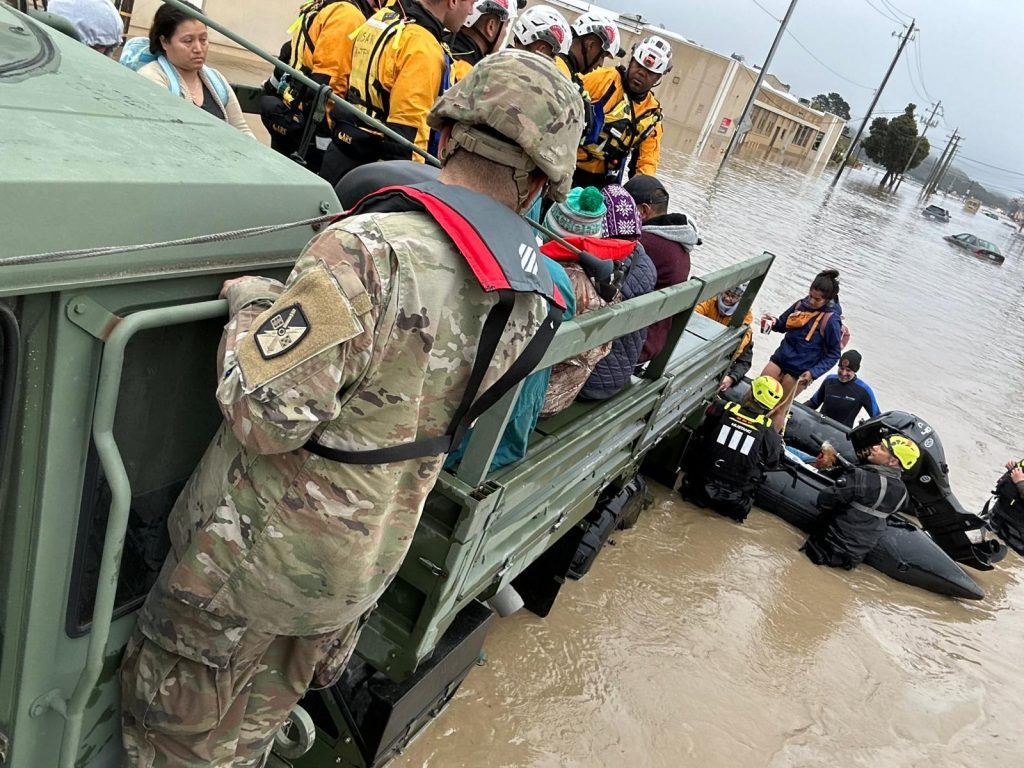
Shelters, points of distribution and responder basecamps all need safe drinking water before anything else on the list. Our stations have poured through hurricane recoveries and fire seasons alike, parked beside our shower and restroom trailers as part of one camp build.
Marathons, county fairs, Fourth of July programs and park festivals serve populations (kids, elderly attendees) who lose fluids faster than they realize. City event offices book stations as standard equipment now, the same line item as barricades and portable toilets. A parks department client keeps our layout drawing from last summer's concert series on file and just changes the dates each year.
Field crews work the same heat the regulations were written about. Growers stage stations at row ends and packing sheds, meeting state heat rules with capacity to spare during harvest weeks when the workforce triples. One vineyard operation moved its station three times across a six week pick following the crews uphill, and our service tech handled each move during a scheduled refill.
August practice fields are where heat policy stops being paperwork. State athletic associations now mandate heat acclimatization protocols, wet bulb monitoring and written hydration plans, and athletic trainers carry the liability for all of it on a clipboard. A station trailer parked at the field house turns that plan into hardware. Athletes refill between reps without leaving the coach's sight. The trainer logs cold water access as a standing fact rather than an aspiration, and the 6 a.m. freshman session gets exactly the same supply as varsity's evening practice, which the freshmen's parents notice and remember.
Band camp deserves its own sentence, because marching musicians in dark uniforms rehearse on the same asphalt that's poaching the football team, usually with less institutional attention. Districts that park the station between the practice field and the band lot cover both programs with a single placement, and the two directors negotiate refill etiquette between themselves inside a day. Nobody has ever needed us to referee it, though we've offered. By September the trailer either goes home or, in a pattern we watch repeat every single year, follows the teams into the stadium for Friday night games. The trainer's renewal request usually beats our own follow up call by a week.
Where the trailer parks decides how well the whole plan works, so we design placement off a site map before the tow vehicle ever starts. "People drink where the water's convenient. Nowhere else," our senior driver tells clients during walkthroughs, and two decades of crowd behavior back him up. The rules we apply:
Stations go where feet already travel: beside the crew staging area, along the main event artery, at the exit of the food row. Forcing a detour for water works exactly as well as forcing a detour for anything. It doesn't. Crowd flow studies at big venues keep finding the same thing: a water point 90 seconds off the main path gets a fraction of the use one sitting directly on it gets. We plan like those studies are right, because they are.
Event medics treat heat cases with shade, rest and cold water, so one station belongs within sight of the first aid tent. Medical directors ask for this placement by name once they've worked an event that had it. The pattern in the medical tent data is blunt: cold water within sight of triage means shorter observation stays and fewer transports, and the director who has read her own numbers becomes our placement's loudest defender.
A station on the sun blasted side of the lot serves warm queues of unhappy people. A tree line, a building's afternoon shadow or a rented canopy turns the same trailer into the most popular address on site. We note the sun path on every site walk. Ninety seconds, tops.
The spot has to work twice: once for the crowd, once for the resupply truck that visits mid deployment. We check turning paths on the site map first, because relocating a station mid festival is a story nobody enjoys telling.
Bigger footprints get a grid. A 63 acre festival might run five stations arranged so no attendee walks more than three minutes for a refill, with consumption weighted toward the stage bowl and the camping gate. "Put a third of your capacity where half your crowd will be at 4 p.m.," is the shorthand our layout planner teaches, and it's never steered an event wrong. We've drawn those maps for years now. The good ones look obvious afterward, which is how you know the design worked.
A water station's weak point is never the trailer. It's the resupply, and everyone who has watched a competitor's tanker try to reach a station through a festival crowd at 2 p.m. understands why we plan the run before we place the unit. The route gets drawn on the site map at booking: which gate the tanker uses, which service lane it holds, how long the transfer takes and which low demand window it lands in. Morning events get evening refills. Evening events get dawn refills. The crowd never shares a lane with 4,000 some pounds of moving water, and the event's safety officer never has to learn our tanker exists.
The transfer itself runs a fixed protocol: potable certified tanker, sanitized cam lock fittings, a source document handed over with every load and a gauge reading logged before and after. Nineteen minutes is our typical transfer, quicker when the driver has worked the site before, and our drivers usually have. Multi day deployments settle into a rhythm where your event staff learns the tanker's window the way they know the ice delivery's, which is to say they stop noticing it entirely. Invisible logistics are finished logistics. The visible kind still need work.
Most sites that need drinking water at scale need other infrastructure too, and sourcing it all through one dispatcher is the difference between a site plan and a vendor collection. Our stations share contracts, delivery windows and service visits with the rest of the Mavirus fleet, so the additions below are a sentence in a phone call rather than a second procurement:
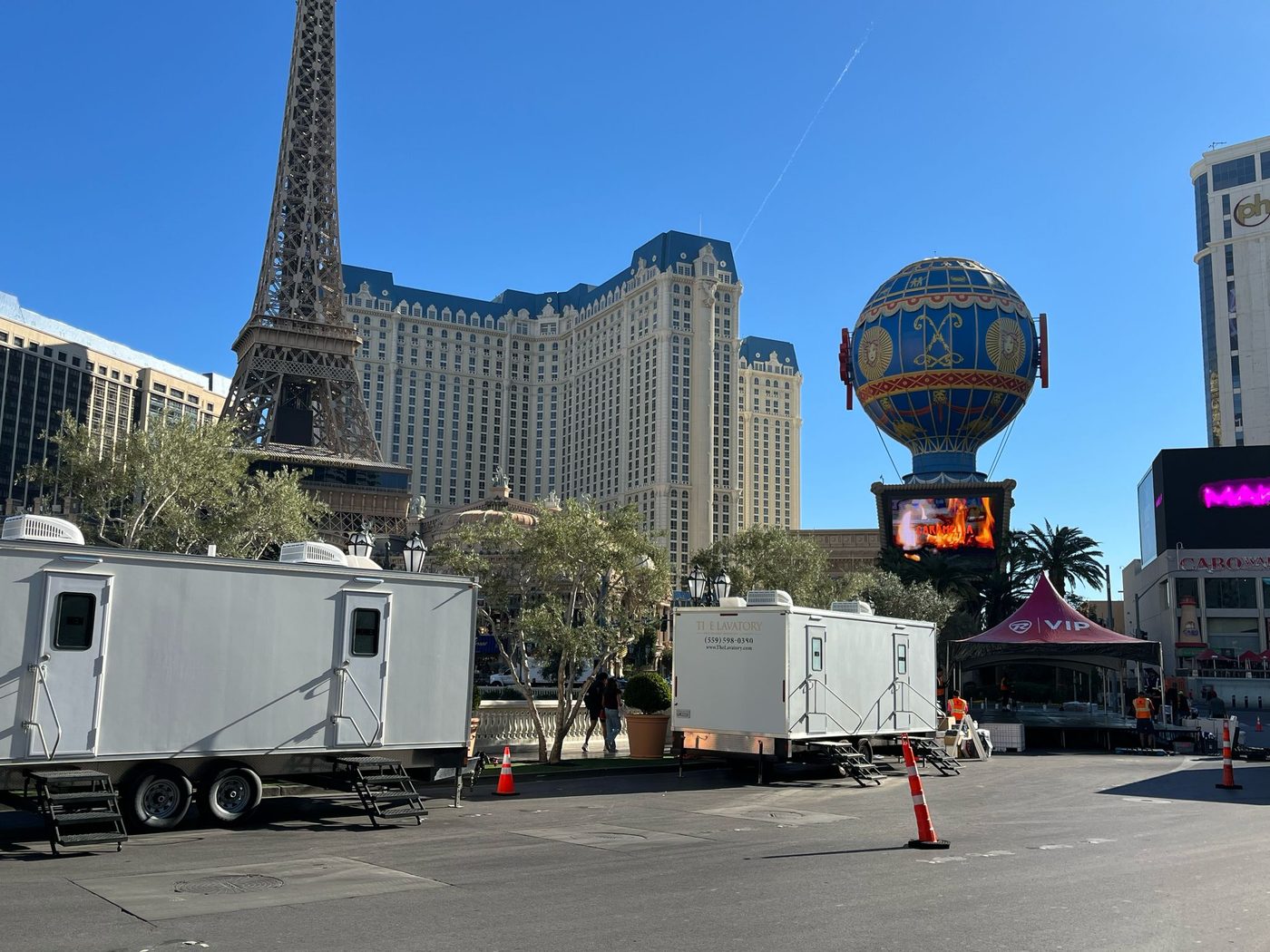
The obvious pair. Any event permit that requires free water access will demand fixtures in the very next paragraph, and our portable restroom trailer rentals arrive on the same schedule. One layout drawing covers both, and the county reviewer signs once.
Basecamps and multi day deployments add private shower trailer rentals beside the water point. Fire camps supporting Cal Fire incidents run this exact pair for weeks, with our service crew hitting both units in a single stop. One camp held the pairing for 51 straight days across two incident rotations.
Feeding operations draw serious water. When a mobile kitchen trailer rental joins the site, we coordinate the potable supply for both so the cook line and the fill rail never compete for the same tank.
Summer feeding programs and event caterers stack a refrigeration trailer rental into the order for perishables and ice. Same convoy, same fuel plan if generators are involved, same friendly invoice. A church feeding program that started with one water station now runs the station, a refrigeration unit and a restroom trailer every summer, and their coordinator still only saves one phone number.
And when an operation grows into a true basecamp (housing, feeding, washing and watering a few hundred people), we've already built that exact stack for wildfire seasons and hurricane recoveries. The water station came first on both of last year's biggest builds. It's the piece everybody remembers to ask for by Thursday.
Demand for drinking water stations runs a predictable arc, and knowing the arc is worth real money to planners. So here's the board, month by month, the way we brief new dispatchers on it:
Spring bookings lock summer positioning. School districts planning June programs, festivals with July dates and contractors bidding hot season work all call now, and every one of them gets first pick of the fleet. April is quietly our favorite month. The calls are calm and the calendars are open. A client who books on April 9th gets choices the July 9th caller can only ask about.
Heat advisories stack up, the National Weather Service map turns orange and the phone changes character. Emergency placements jump the queue while pre booked clients sail through untouched. Reading this in July with a problem on your hands? Call anyway. Triage exists for you, and the dispatcher will move mountains inside the physics available. But the May version of you had better options, and next year deserves that version.
Indoor projects, plant shutdowns, marathon season in the warm states and disaster recoveries that don't care what month it is. Stations winterize and keep pouring. And planners who book February site walks for their summer programs are the ones our dispatchers remember by name.
We'll size the stations, build the refill schedule and put cold water where your people actually are, with the paperwork your safety file wants.