Services

Twelve Trailer Fleets. One Call. Deployed Anywhere in the Country.

Mavirus Group supplies and operates complete trailer infrastructure for basecamps, disaster recovery, large outdoor events, schools, military and government projects, and long term temporary sites. You bring the mission. We bring everything your people need to live and work on it.

NationwideCoverage, all 50 states
12Trailer service categories
24/7Emergency mobilization
11,000+Deliveries completed
Who We Serve

Infrastructure for the jobs that outgrow a phone book of vendors.

When a wildfire camp needs showers for 640 firefighters, or a school district loses a building over winter break, or a festival doubles its footprint, the problem is never one trailer. It's the whole life support layer: sanitation, laundry, meals, cold storage, sleeping quarters, offices and drinking water, all arriving on the same schedule and all serviced without being asked. That's the job we built Mavirus Group to do. Not curbside drops. Sites.

  • Emergency managers activating shelters, staging areas and responder basecamps
  • Contracting officers at federal, state, county and municipal agencies
  • Project managers running plant shutdowns, renovations and long term construction
  • Event producers building sites for tens of thousands of guests
  • Facilities directors at schools, universities and public institutions
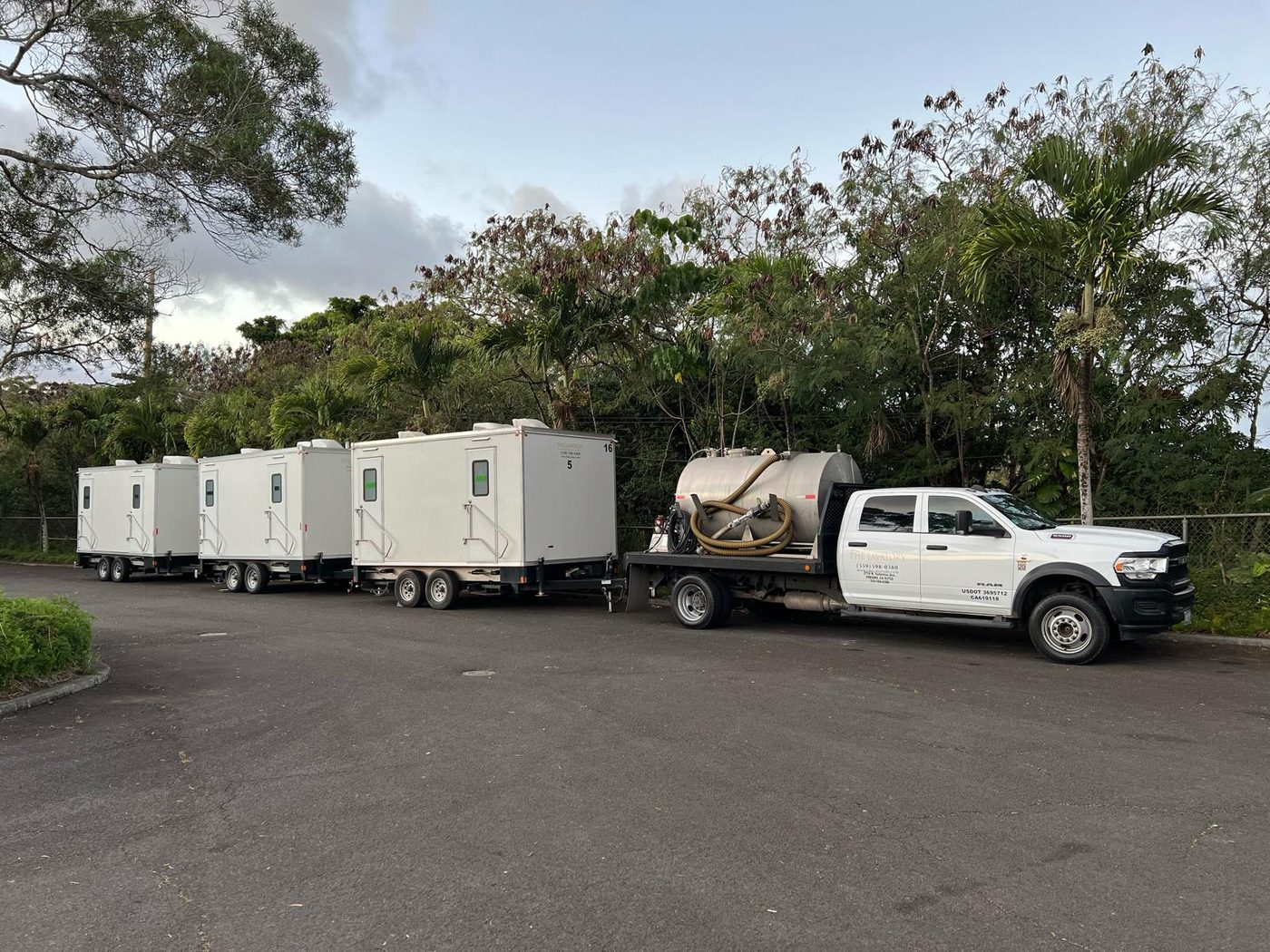
Convoy of white support trailers staged with a service truck for a field deployment
The Fleet

Twelve services. Every unit commercial grade. Every deployment managed.

Each category below is a dedicated fleet, not a subcontracted afterthought. Units arrive clean, stocked and tested, with power and water connections planned before the first trailer leaves the yard. Combine any of the twelve into a single contract with one invoice and one site contact.

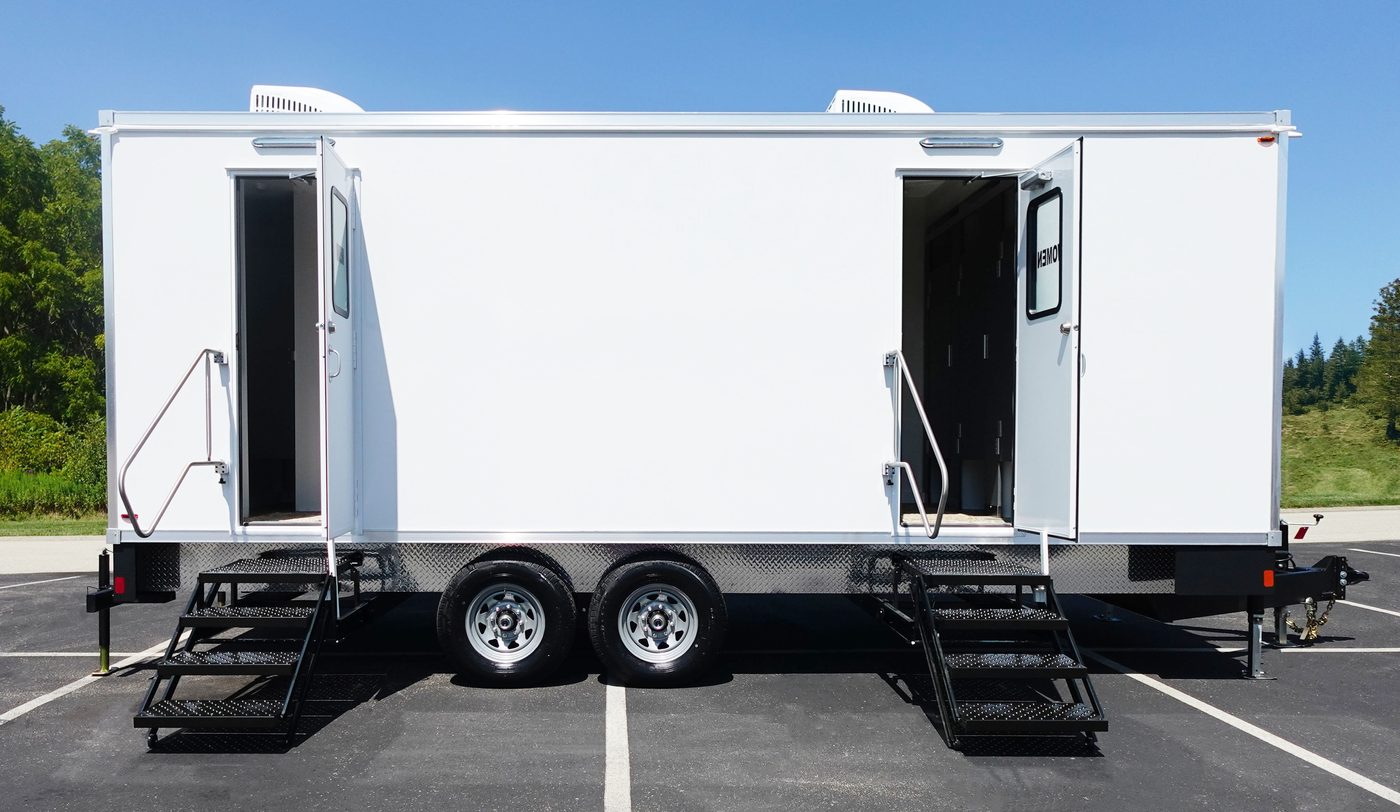
White multi station bathroom trailer with entry steps and open doors

Bathroom Trailer Rentals

Private flushing restrooms with running water sinks, climate control and interior lighting. Floor plans run 2, 3, 5 and 9 stations, and banks of multiple trailers handle populations in the thousands. These aren't porta potties. Each station is a real room with a locking door, a flushing toilet and a sink with hot water, which matters when your people are living on site for weeks. On long deployments we schedule pumping, restocking and deep cleaning around your site's hours, so the facilities never become the story of the project. Winter packages keep water systems running through hard freezes, and solar or generator power covers sites without hookups. For basecamps our planners figure one station for every nine occupants. For events it's closer to one station per 85 guests during the peak hour. We'll run those numbers with you during scoping (and we'd rather round up than watch a line form).

  • 2 to 9+ station floor plans
  • Winter packages for cold climates
  • Scheduled service included
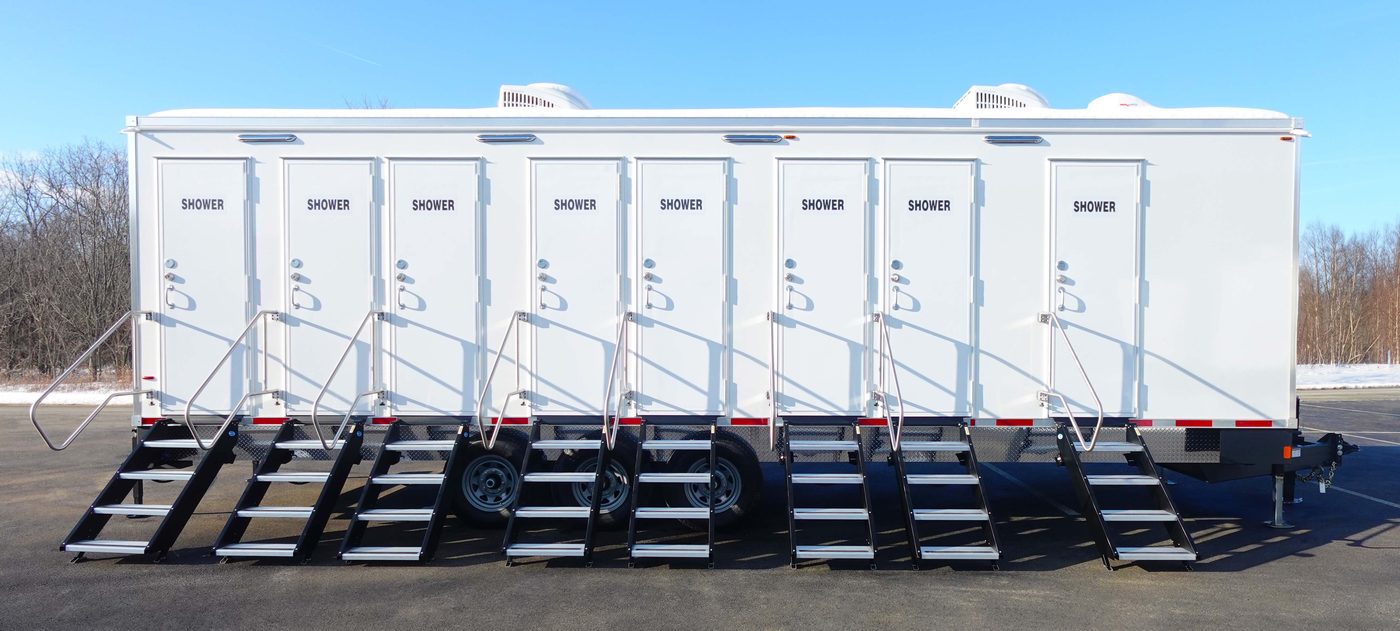
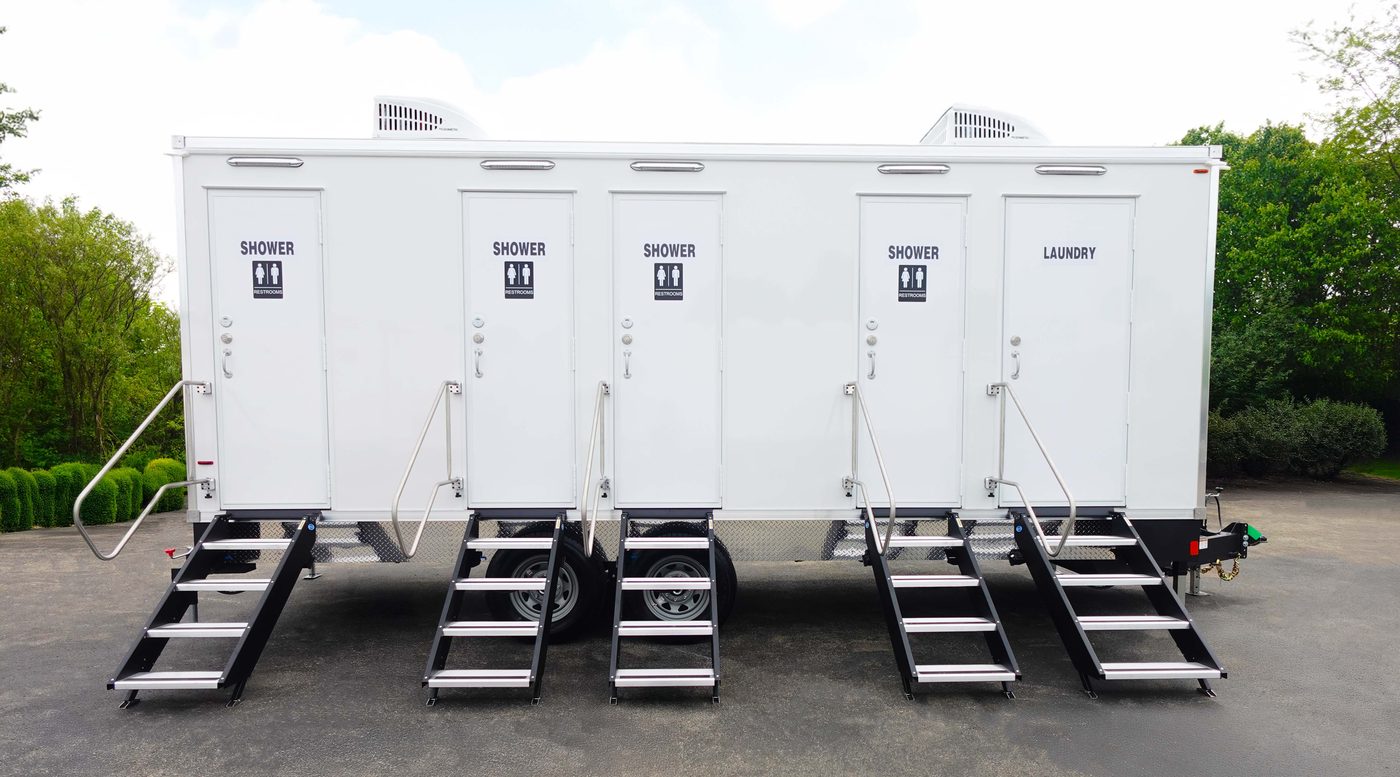
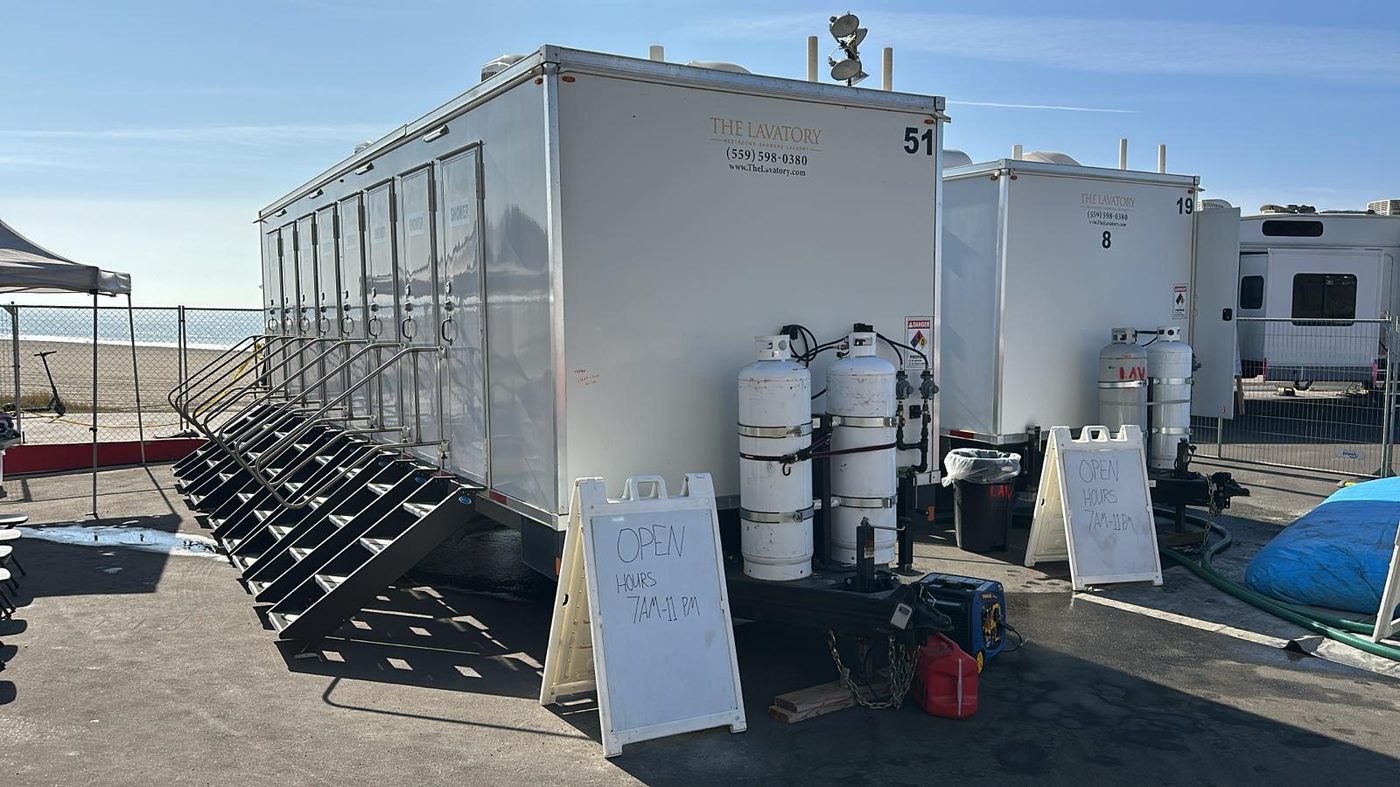
Eight station private shower trailer with individual entry doors

Shower Trailer Rentals

Private stall shower trailers with hot water, changing space and ventilation, sized for crews that come off shift dirty and on a clock. Fire camps, shelters and workforce housing run these units hard, sometimes 18 hours a day, which is why we spec continuous water heating and greywater management for sustained cycles rather than weekend duty. Each stall is fully private with its own door, bench and hooks, so a mixed crew can cycle through without staging problems. An 8 station unit turns over roughly 40 to 60 showers per hour when it's run efficiently, and we'll tell you honestly how many units your head count needs instead of letting a line form at 6 a.m. Water supply can come off site hydrants, tanks or scheduled potable delivery, and our crews manage the greywater side completely.

  • Individual private stalls
  • High capacity hot water systems
  • Greywater handling and servicing
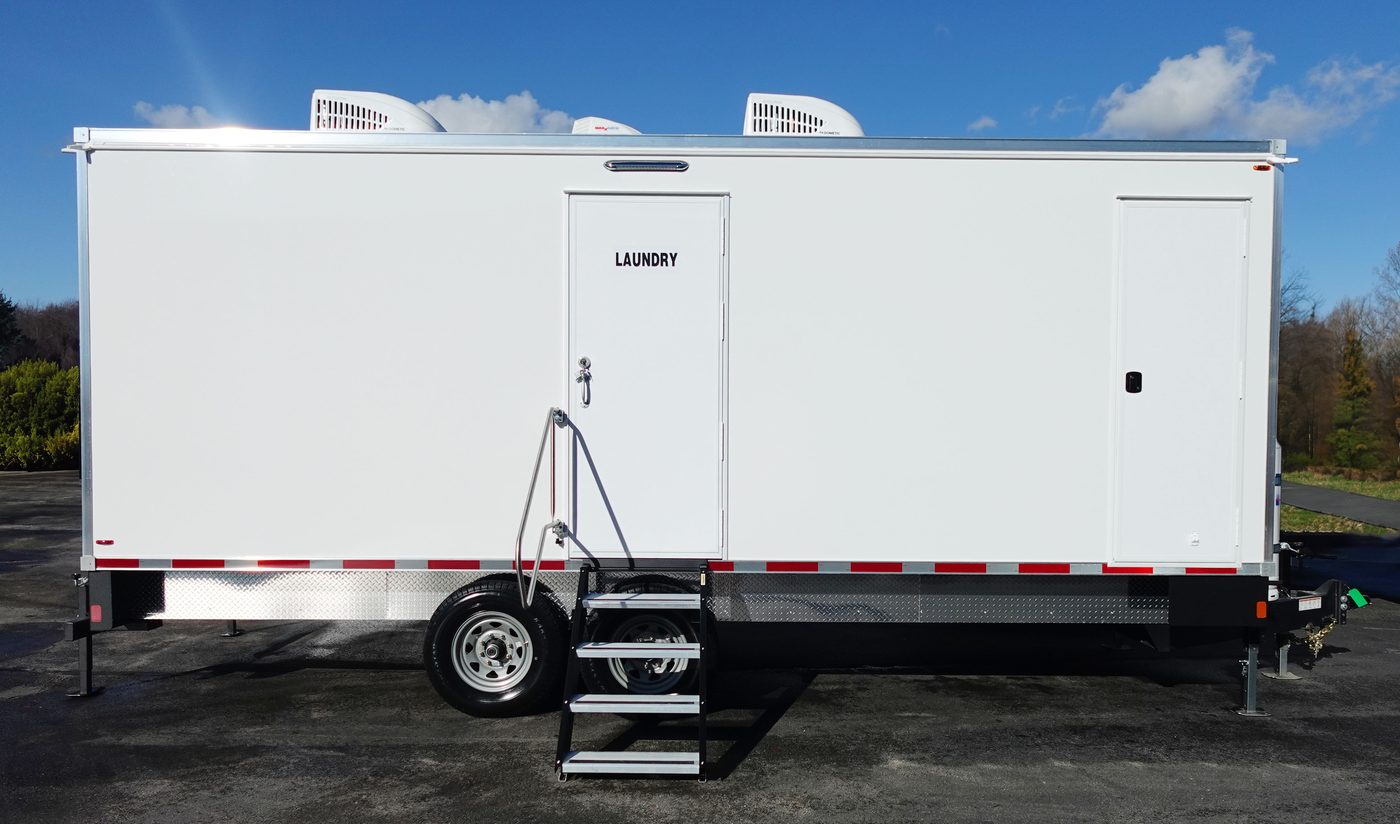
White laundry trailer with exterior utility door and fold out steps

Laundry Trailer Rentals

Multi machine washer and dryer trailers that keep a deployed workforce in clean clothes without anyone leaving the site. On extended responses, laundry is a hygiene requirement and a morale line item, not a luxury. Ask anyone who has spent three weeks at a fire camp. Our 8 station units cycle hundreds of loads per week, and detergent, restocking and machine maintenance ride on the same service schedule as the rest of your fleet. Laundry trailers pair naturally with shower and bunkhouse units at basecamps, and they're a common add for shelters, military exercises and remote construction programs where the nearest laundromat is a rumor. Power and water requirements get planned up front with the rest of the site, so the machines actually run at capacity instead of tripping breakers.

  • Commercial washer and dryer sets
  • Utility hookups planned in advance
  • Detergent and supply restocking
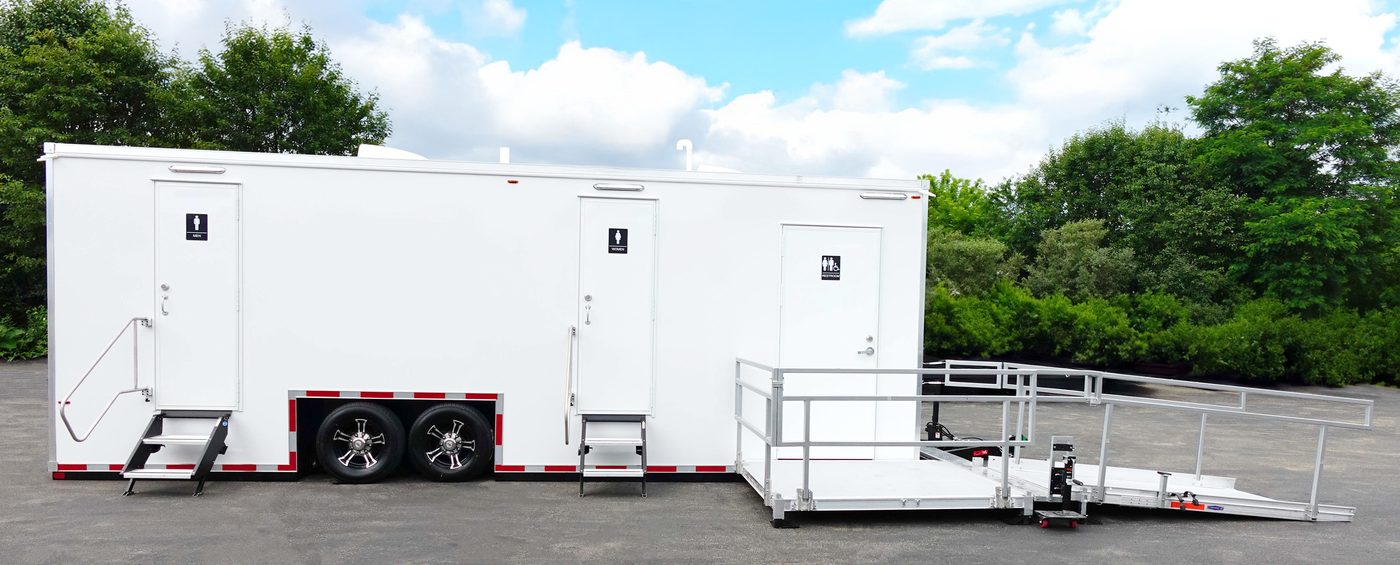
ADA accessible restroom trailer with ramp system installed

ADA Trailer Rentals

Wheelchair accessible restroom and shower trailers with ramp systems, wide doorways, grab bars and turning radius built to code. Public agencies and event producers carry legal accessibility obligations, and inspectors do check. We deliver units that pass, install the ramps ourselves and document compliance for your file, which has saved more than one permit timeline. ADA units can stand alone or anchor a bank of standard trailers, and we position them where the accessible route actually works: grade, path surface and door swing all considered before the trailer is dropped. School districts and municipal projects use these constantly, and so do event sites where a single missing accessible unit can hold up an occupancy sign off. If your site plan needs an accessibility count, send it over and we'll mark it up.

  • Ramp installation included
  • ADA restroom and shower formats
  • Compliance documentation
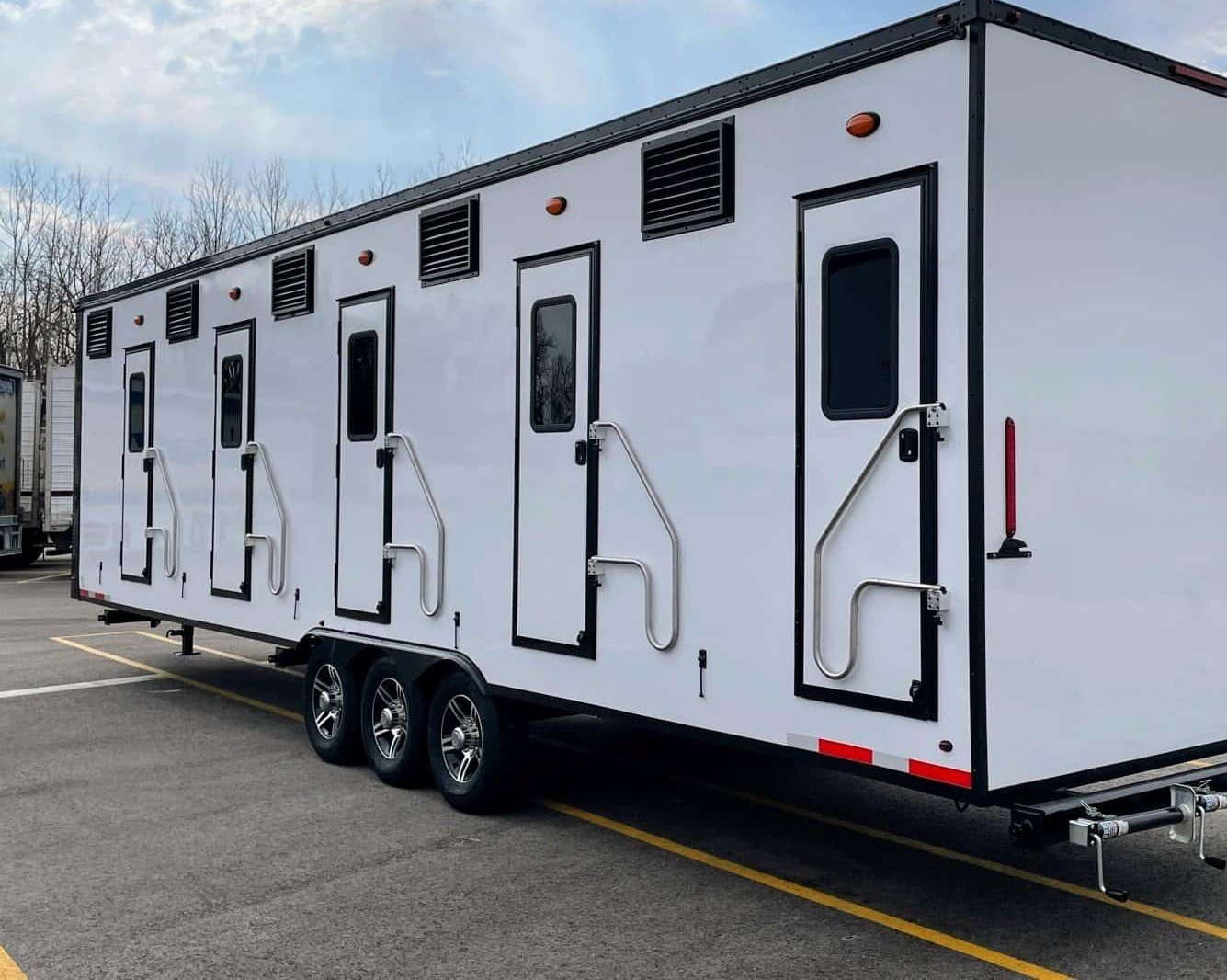
Combination shower restroom and laundry trailer with multiple station doors

Combo Trailer Rentals

Restroom, shower and laundry functions combined in a single chassis. We deploy combos where footprint is tight or the population doesn't justify three separate units. Think of a 40 person crew camp, a satellite staging area or the support pad behind a mobile command post. One water connection, one power drop and one service visit cover all three functions, which simplifies both the utility plan and the invoice. The 4 station shower, restroom and laundry combo is our most requested layout for small camps, and single station ADA combos solve accessibility on compact sites. But combos aren't always the answer: past roughly 60 occupants, dedicated units usually serve better. We'll tell you which side of that line your project sits on.

  • Shower + restroom + laundry formats
  • Small footprint, single hookup
  • Ideal for satellite crew camps
White bunkhouse sleeper trailer with multiple private entry doors and steps

Bunkhouse Trailer Rentals

Climate controlled sleeper trailers with private bunk rooms, so responders and traveling crews rest properly instead of driving an hour each way to a motel that may not exist after a disaster. Twelve station layouts put a small crew under one roof. Multiple units in formation become workforce housing for a hundred or more, and that's exactly how storm restoration contractors and pipeline crews use them. Each bunk room is private and lockable with power, lighting and climate control, because a crew that slept badly is a safety problem by Thursday. We almost always deploy bunkhouses alongside our shower, restroom and laundry fleets, and our crews lay the sleeping rows out away from generator noise and service traffic. We've learned that lesson so your crew doesn't have to. For multi month programs we rotate and service units without displacing the crew.

  • Private climate controlled bunks
  • 12 station standard layouts
  • Scales into full man camps
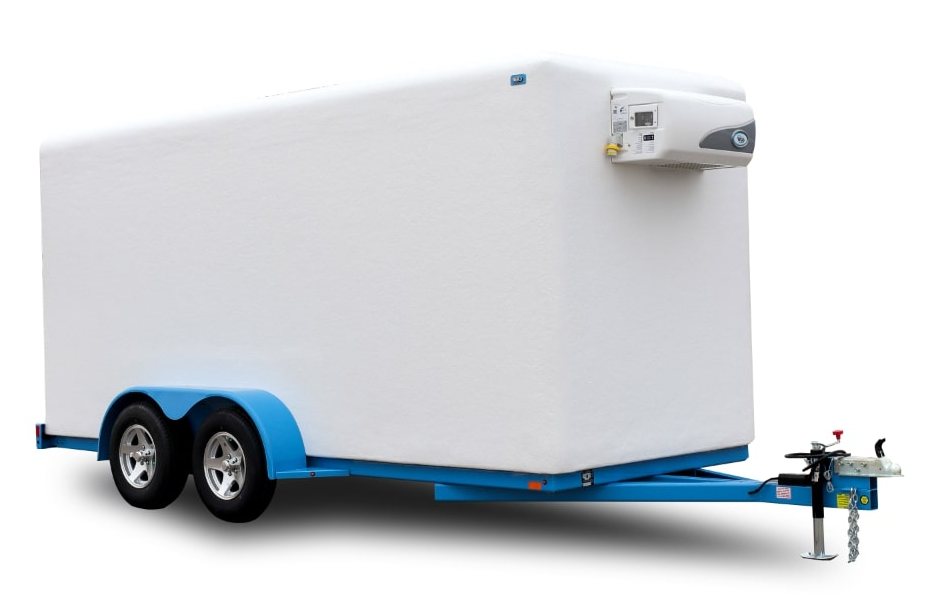
White freezer trailer rear view with cold storage door hardware

Freezer Trailer Rentals

Portable walk in freezer trailers holding sub zero temperatures for food service operations, feeding programs and cold chain contingencies. When a facility freezer fails or a feeding mission scales past kitchen capacity, a freezer trailer at the dock keeps product safe and inspections clean. Units run on generator or facility power, and they hold temperature through door cycles because they're built for working kitchens, not showroom demos. Feeding operations at basecamps lean on these daily, and institutions use them through renovations, equipment failures and seasonal surges. Health inspectors want temperature records, so we offer monitoring and logging on request. Place a freezer and a refrigeration trailer side by side at the kitchen and you've rebuilt a full commercial cold chain in a parking lot.

  • Sub zero holding temperatures
  • Generator or shore power operation
  • Food safe interiors
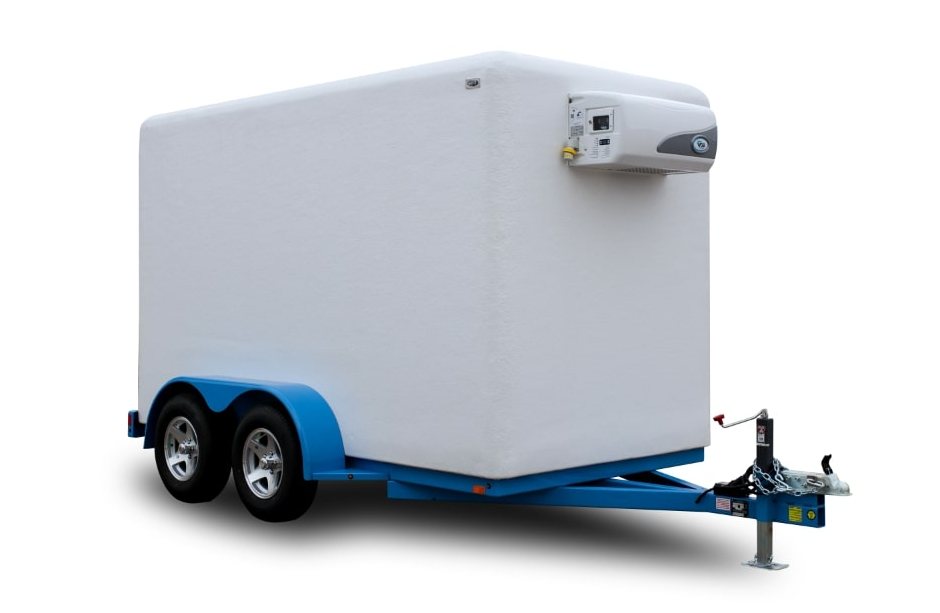
Refrigeration trailer with rear doors open at a working loading area

Refrigeration Trailer Rentals

Refrigerated trailers for produce, dairy, medical supplies and any operation that needs walk in cooler capacity brought to the site. Mobile kitchens, shelters and commissaries pair these with freezer units to build a complete cold chain in the field, with temperatures logged and equipment serviced by our crews. Cooler range holding is a different job than freezing, and the equipment is specced accordingly: consistent temperatures, high door cycle tolerance and enough capacity to receive full pallet deliveries. Emergency feeding missions, school kitchens mid renovation and event caterers all run on these. So do medical and pharmacy operations that need documented cold storage in a hurry. Tell us what you're storing and for how long, and we'll size the box, the power and the monitoring to match.

  • Walk in cooler temperatures
  • Pairs with freezer + kitchen fleets
  • Temperature monitoring available
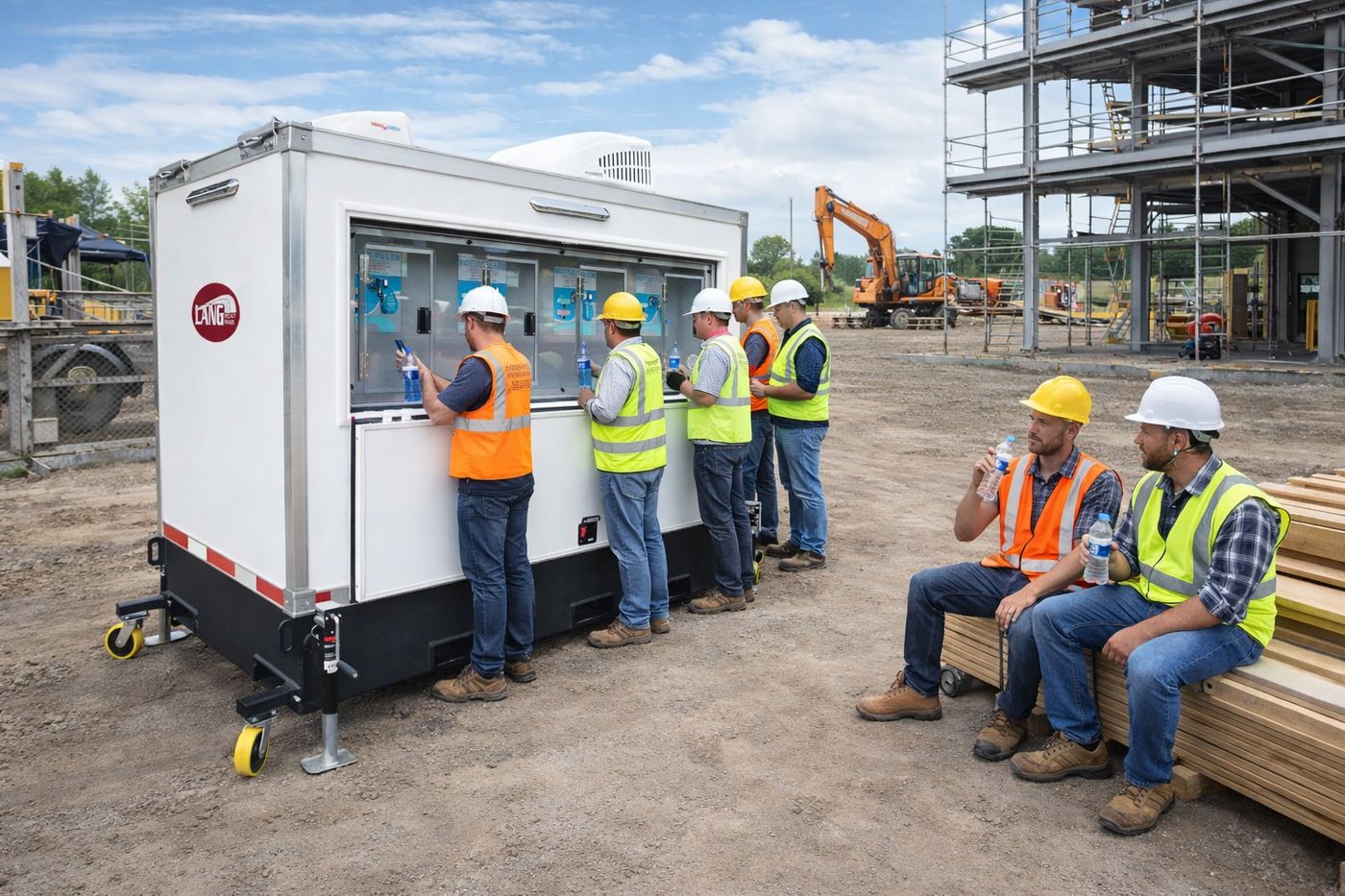
White drinking water station trailer in closed transport configuration

Water Station Trailer Rentals

Potable drinking water stations that dispense chilled water for crowds and crews, cutting pallets of single use bottles out of the budget and the waste stream. At summer deployments, heat safety plans live or die on water access, and a station that chills and dispenses continuously beats a bottle table every time. These units support OSHA aligned heat illness prevention programs and refill from approved potable sources on a schedule we manage. Festivals use them to hit sustainability targets. Fire camps and construction programs use them because dehydrated crews get hurt. Stations deploy as singles at a jobsite gate or as a distributed grid across a large event map, and we'll place them where the crowd actually walks (not where the truck happened to park). Cal/OSHA heat rules and OSHA's federal guidance both treat water access as a compliance item, and safety officers know it.

  • Chilled potable dispensing
  • Replaces bottled water logistics
  • Supports heat illness prevention plans
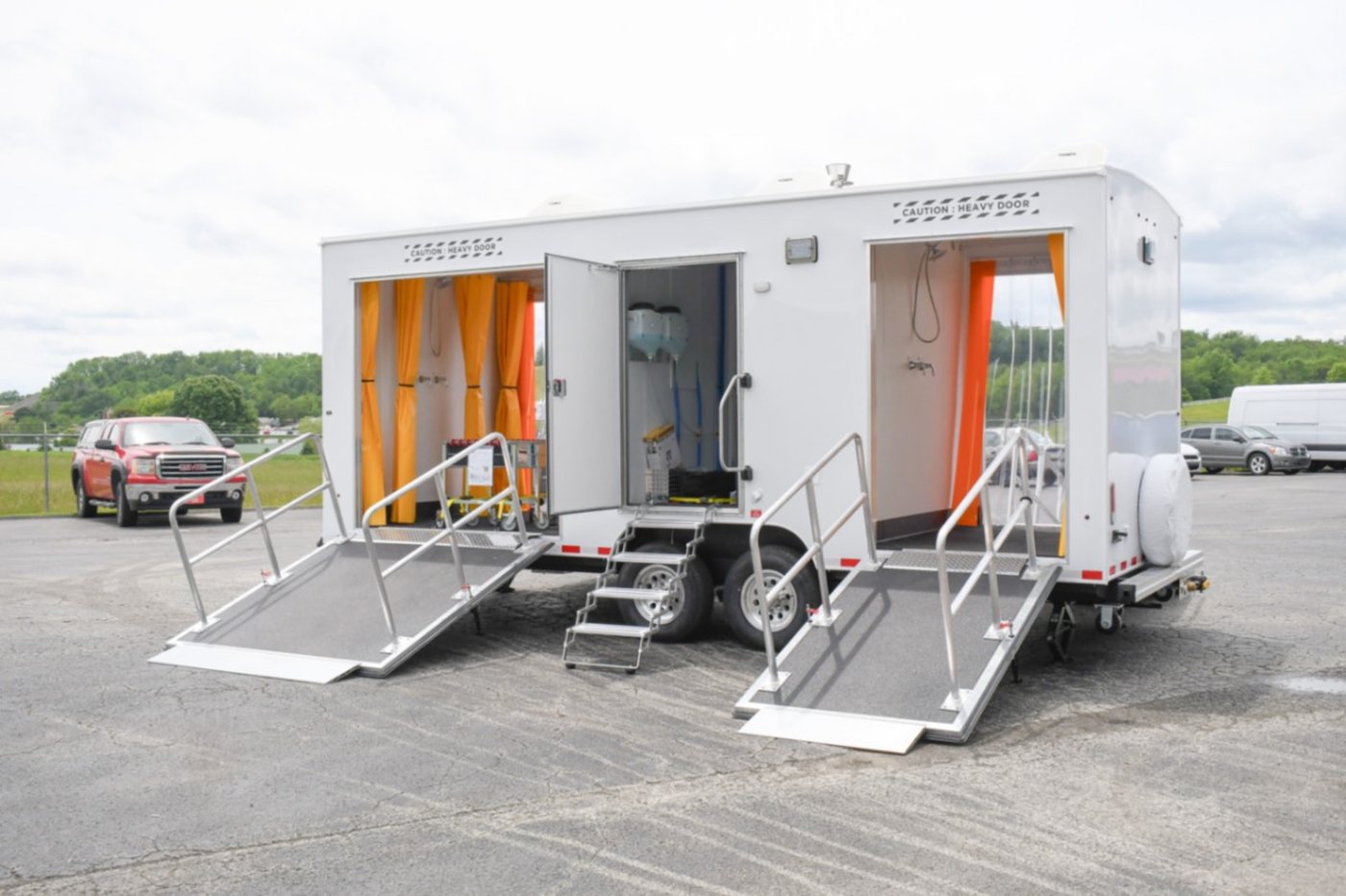
Mavirus Group decontamination unit trailer with dual access ramps, shower stations and containment curtains

Decontamination Trailer Rentals

Shower based decon units for fire, hazmat, abatement and environmental remediation work, where personnel must wash down before leaving the exclusion zone. Hot water, controlled drainage and clean side separation support your site safety plan, and our service crews handle wastewater according to the disposal requirements of the job, documented the way your environmental consultant wants it. Wildfire ash, asbestos abatement, mold remediation and industrial cleanup programs all carry decon requirements that a standard shower setup can't legally satisfy. That's the gap these units close. We coordinate placement with your safety officer so the dirty to clean flow works on the actual ground, and on long remediation contracts the decon line gets the same scheduled service cadence as any other fleet on site.

  • Hot water decon showers
  • Controlled wastewater capture
  • Supports hazmat + abatement protocols
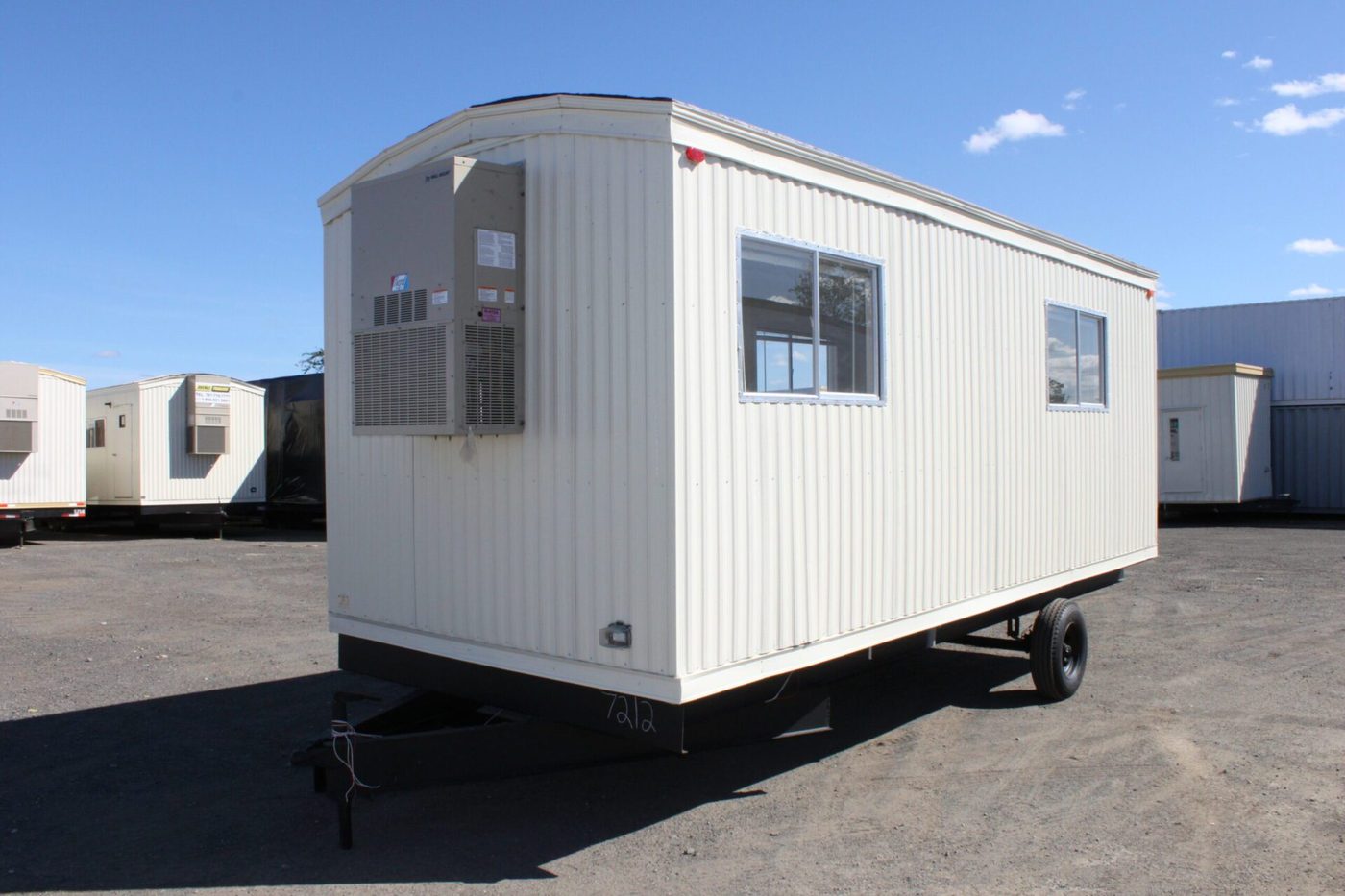
Mobile office trailer with two entry doors and steps on a project site

Office Trailer Rentals

Climate controlled mobile offices for incident command posts, site management, security and check in operations. Every serious deployment needs a room with a desk, power and a door that locks. Sometimes that's a superintendent's office on a two year project. Sometimes it's the command post coordinating a county's storm response, with radios on the table and a map on the wall. Office trailers arrive ready for power and data, with HVAC that keeps electronics and people functional in July and January alike. We place them at the natural control point of the site, near the gate for check in operations or at the center of camp for incident command, and they hold up to years of continuous occupancy because that's what they're built for.

  • Command post + site office layouts
  • Power, data and HVAC ready
  • Short and multi year terms
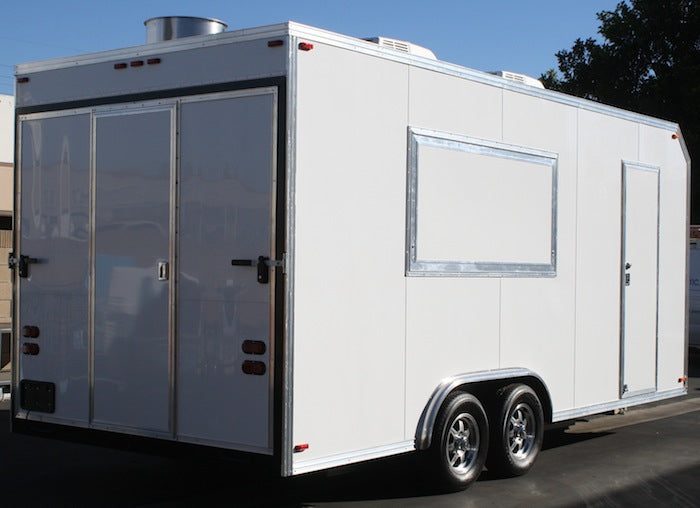
White mobile kitchen trailer with service windows open

Mobile Kitchen Trailer Rentals

Full production mobile kitchens for feeding operations at responder basecamps, shelters, institutions and campuses mid renovation. Cooking lines, prep space, ventilation and service windows arrive ready for your food service provider to plug in and start producing meals at volume. A properly equipped kitchen trailer can put out hundreds of hot meals per service, and paired refrigeration and freezer trailers complete the operation as a self contained food program. Health code readiness is the whole game here, so equipment, surfaces and handwash stations are specced for inspection, not just for cooking. School districts bridge cafeteria renovations with these. Emergency feeding missions build entire camp food service around them. And event producers use them when the caterer needs real production capacity behind the scenes.

  • Full cook and prep lines
  • Health code ready equipment
  • Pairs with cold storage fleets
What We Deploy For

Built around large scale, long duration missions.

Any rental yard can drop a single trailer at a curb. We built Mavirus Group for the other kind of job: dozens of units, multiple categories, real logistics, and stakes that don't tolerate a missed delivery. In our experience, the mission is never really about trailers. It's about whether your people can eat, sleep, wash and work.

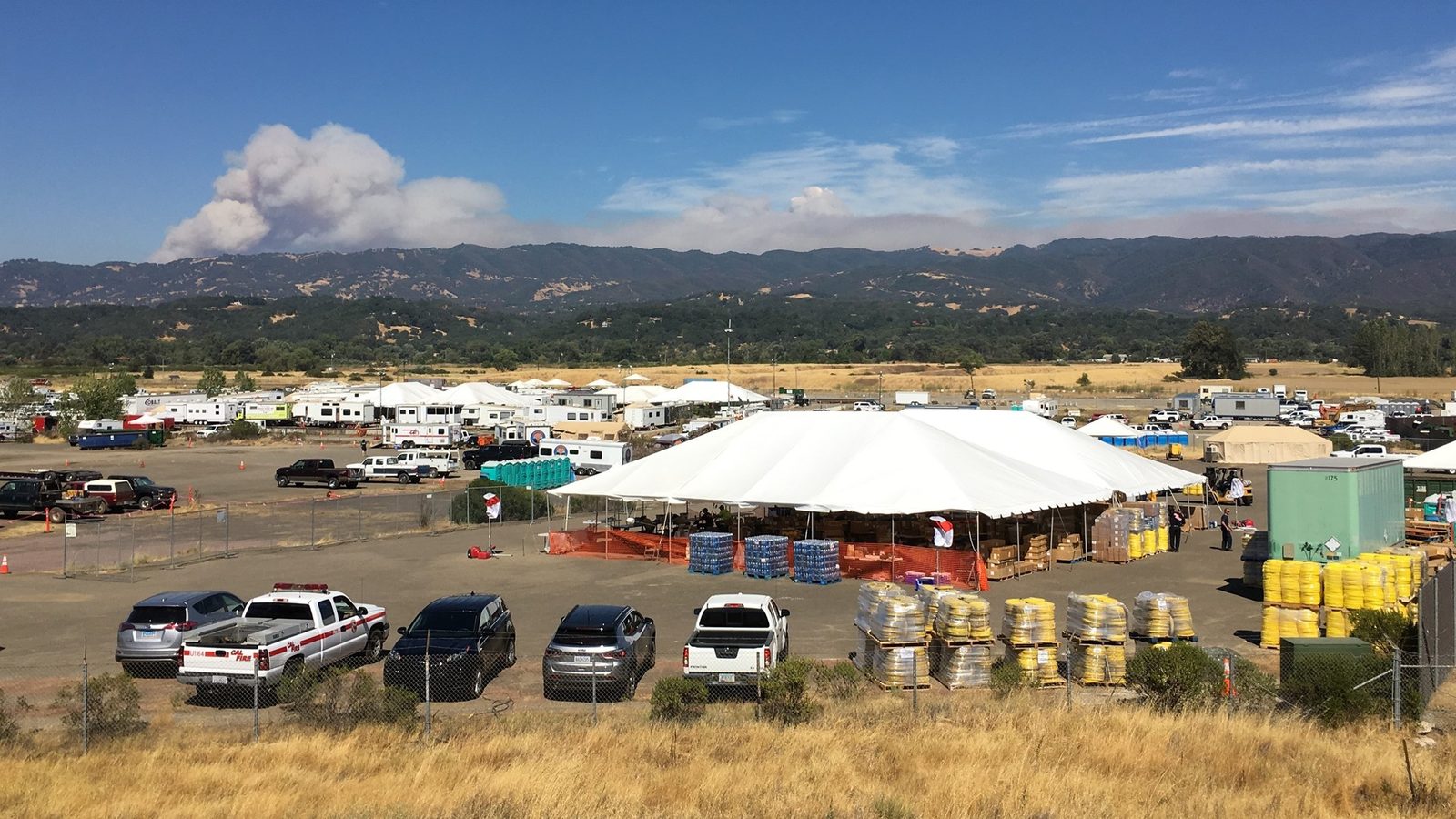
Aerial view of a wildfire response basecamp with staging areas and support tents

Basecamp and Workforce Housing Setups

A functioning basecamp is a small town. Five hundred people sleep, shower, eat, wash clothes and report for shift inside a footprint the size of a parking lot, and the layout decides whether that works or turns into lines. We design the layout with you before mobilization (down to which trailer gets dropped first), sequence the deliveries so the site builds in the right order, and keep a service schedule running for the life of the camp.

Utility planning is half the battle. Our team maps water supply, power distribution and wastewater handling for every unit on the plan, then shows up with the fittings to make it work on real ground. Paper plans are easy. Dirt is not.

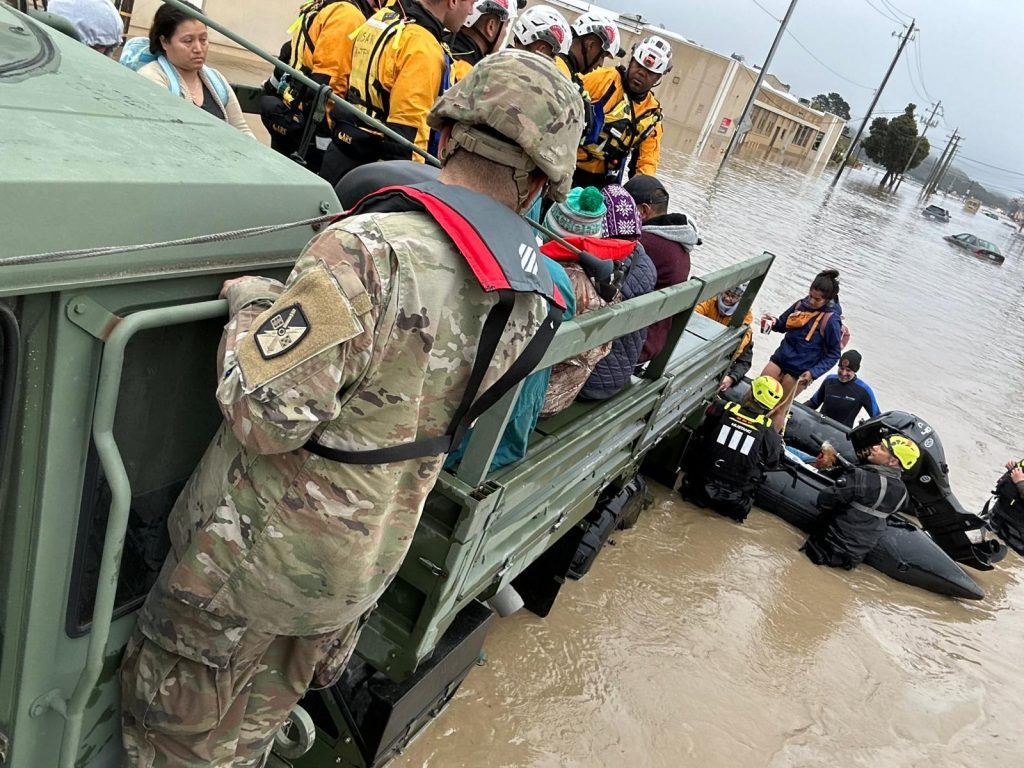
Emergency crews conducting flood rescue operations during a disaster response

Disaster Recovery and Emergency Deployment

Hurricanes, wildfires, floods and grid failures create the same problem in different clothes: a lot of people, displaced or deployed, who need sanitation and shelter infrastructure immediately. We've supported Cal Fire and US Forest Service fire operations and FEMA disaster relief missions, and the pattern never changes. Speed decides everything. Our emergency line answers around the clock, and mobilization can begin the same day the request comes in.

We've run responder camps and community recovery operations where the schedule was measured in hours, not days. Units stage in convoys. Our drivers carry the site plan. The first facilities are operational while the rest of the camp is still rolling in, because a shower that arrives Thursday doesn't help a crew that got dirty Monday.

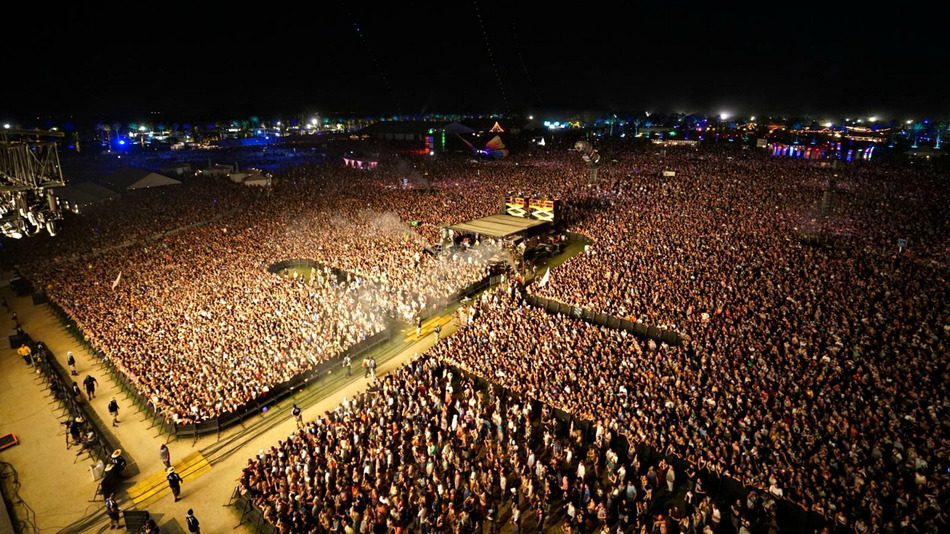
Aerial view of a massive festival crowd at a large outdoor event site

Large Outdoor Events

Festivals, marathons, county fairs and stadium overflow events concentrate enormous crowds on sites with no plumbing. We build restroom and hygiene capacity matched to your projected attendance and peak surge windows (intermission is always the stress test), with overnight servicing between event days so day two opens as clean as day one. Health departments notice. So do ticket holders.

Producers get one contract covering restrooms, ADA units, water stations and support offices, plus a single site contact who has done load in on tight urban footprints and open fairgrounds alike. We work from your site map and production schedule, hit the marshaling windows your city permit demands, and clear the site on strike night as fast as we built it. Your permit file gets our insurance certificates and unit specs without anyone chasing them.

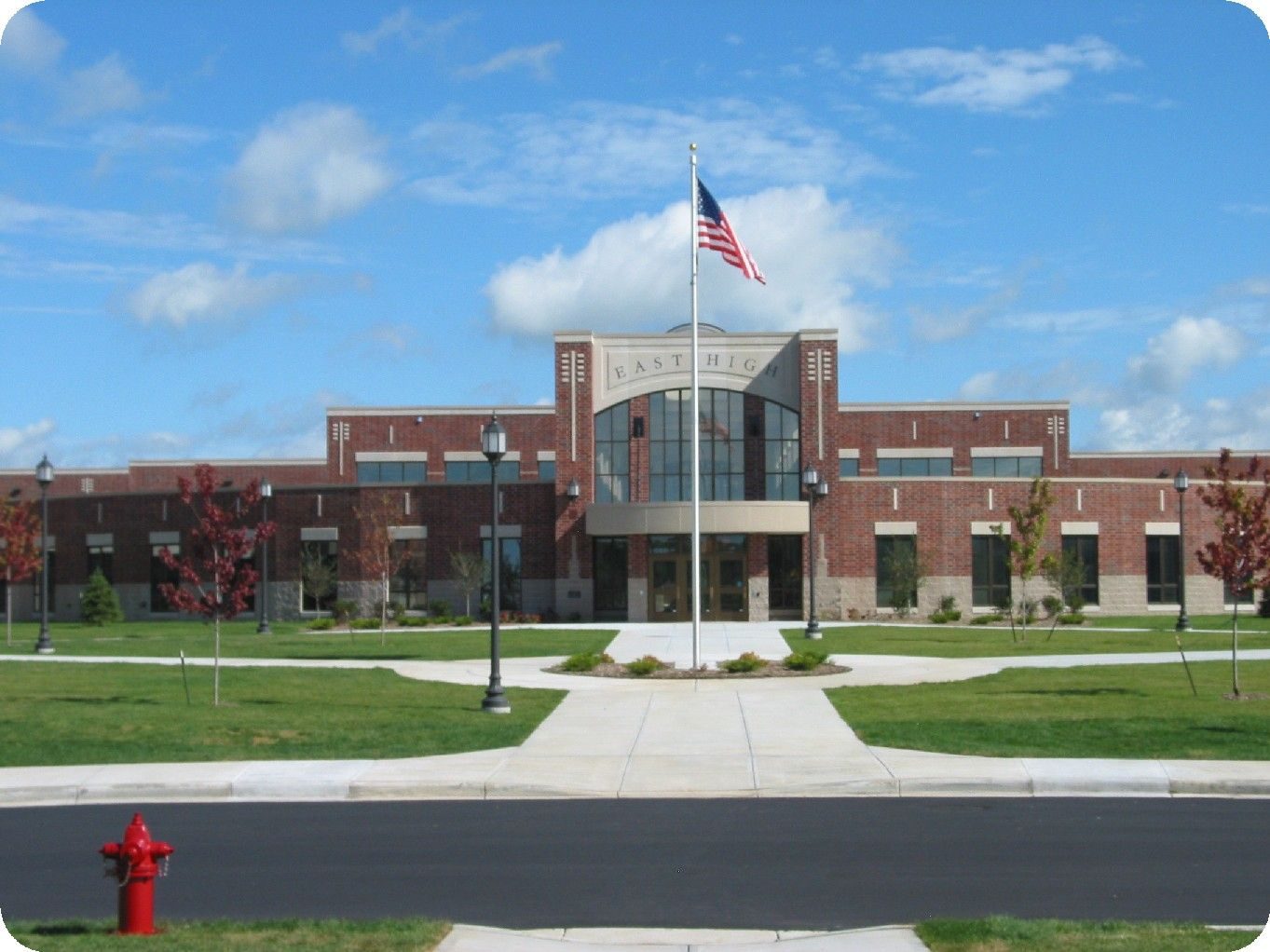
American high school campus building with flag on a clear day

Schools, Universities and Institutions

When a campus building goes offline for renovation, mold remediation or storm damage, classes still meet. We place restroom, ADA and support trailers on campuses with the background checked crews, insurance certificates and safety documentation that districts and their risk managers require before anyone drives past the gate. Superintendents don't want a vendor education project. They want it handled.

Multi semester placements are normal here. Units are positioned to keep sight lines, fencing and student traffic patterns intact, and service visits are scheduled around school hours, usually before first bell. Universities use the same program for stadium overflow, campus events and dormitory renovations, where a semester without facilities simply isn't an option the housing office can offer.

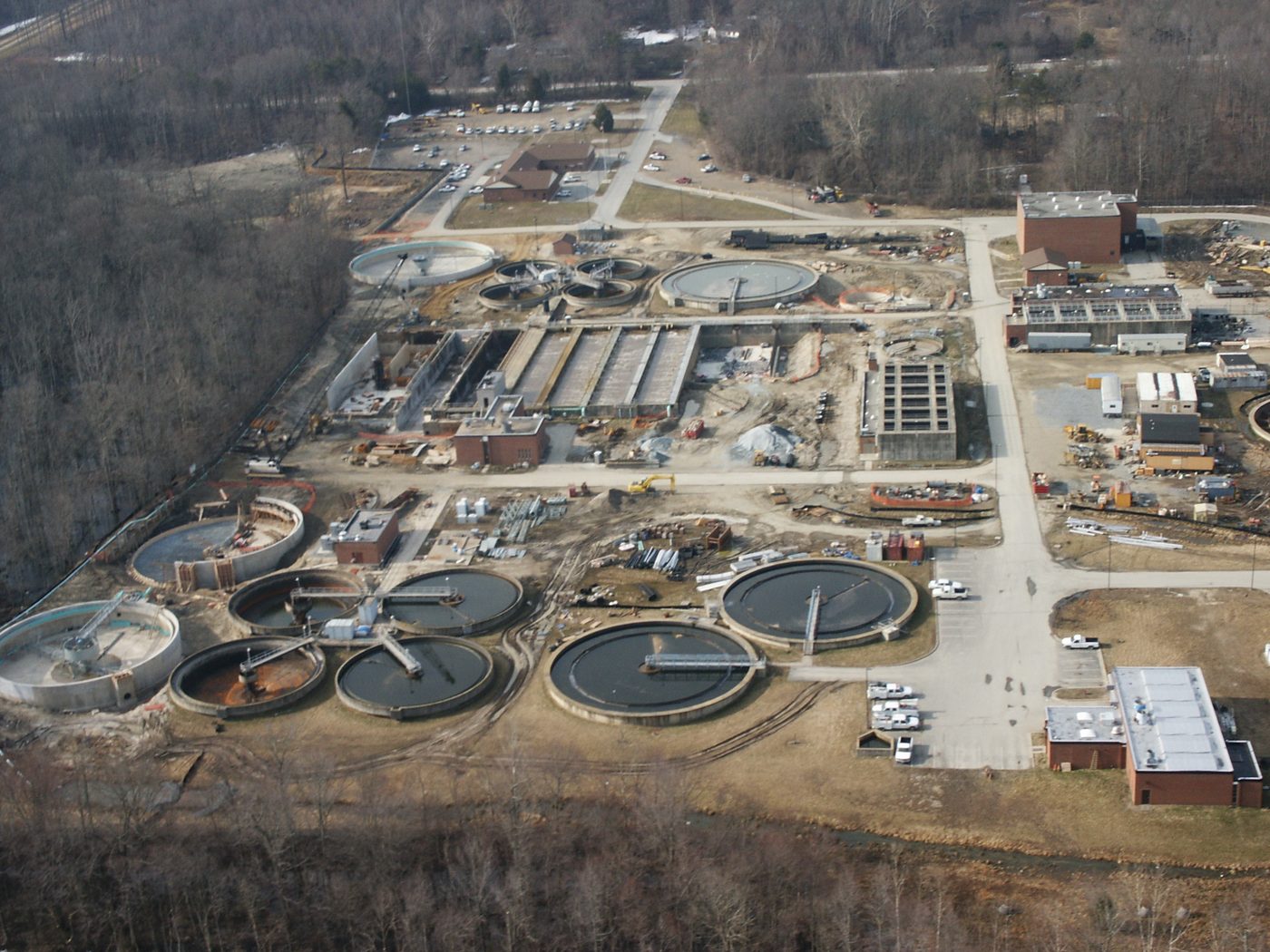
Aerial view of a municipal water treatment plant under rehabilitation

Military, Government and Municipal Projects

Public sector work runs on paperwork and reliability. Mavirus Group is a SAM.gov registered federal contractor with deployment history supporting Cal Fire, the US Forest Service and FEMA disaster relief missions. We understand procurement cycles, prevailing documentation and invoicing that survives an audit, because we've been through the audits.

City and county municipal projects get the same treatment. Water treatment plant rehabs. Civic facility renovations. Parks projects that displace a public restroom building for a season. Certificates of insurance arrive before mobilization, W-9s and compliance documents come same day on request, and the fleet shows up when the PO says it will. We've sat through enough pre construction meetings to know the vendor who slows down paperwork becomes the vendor who gets replaced.

Tower cranes over a large multi year construction program at dusk

Temporary Sites and Long Term Projects

Plant shutdowns, refinery turnarounds, multi year construction programs and facility relocations need infrastructure that behaves like a permanent installation. We support placements measured in months and years, with maintenance programs, seasonal winterization and unit swaps handled without interrupting your operation. Month twenty should look like day one. That's the standard we hold the fleet to.

Long term customers get scheduled quarterly reviews of unit condition and service records, so the facilities on month twenty look and work like they did on day one.

How Deployment Works

First call to running site, in five steps.

The process is the same whether the order is one office trailer or a forty unit basecamp. The only thing that changes is how fast we run it. On emergency activations, steps one through three happen in a single day (we've done it between a morning call and a sundown delivery).

1

Scope the mission

Head count, duration, site conditions, power and water availability, and any compliance requirements. Fifteen minutes on the phone usually covers it.

2

Site and utility plan

We produce a unit list and placement plan: what goes where, how it connects, and the delivery sequence that builds the site in the right order.

3

Mobilization

Every unit gets a full clean, a supply load and a systems test before it rolls. Drivers arrive with the site plan in hand, then set, level and connect each trailer.

4

Service and support

Pumping, fresh water, restocking and repairs run on a schedule matched to your occupancy, with an emergency line for anything between visits.

5

Demobilization

When the mission ends, we pull units on your timeline, close out utilities and leave the ground the way we found it.

Planning Numbers

How much fleet does your head count actually need?

These are the working ratios our team starts with when we scope a site. Terrain, shift patterns, weather and duration all move the numbers (a 24 hour operation is a different animal than a day shift camp), but they'll get your budget conversation into the right neighborhood before the first call. "Size for the surge, not the average" is how our operations lead puts it, and he's right.

Basecamps and workforce camps

Plan one restroom station for every nine occupants or so, and one shower stall for roughly every eleven people, assuming staggered shifts. A 280 person camp typically lands around four 9 station restroom trailers, three 8 station showers, one or two laundry units and a kitchen with paired cold storage. Bunkhouse counts follow your rooming plan, usually one 12 station unit per dozen personnel. Sites running 24 hour operations need service visits daily, not weekly.

Large outdoor events

Our event planners figure one restroom station per 85 guests in the peak hour, weighted toward intermission and closing surges. A 12,000 person festival day usually calls for a bank of a dozen large trailers (give or take) plus dedicated ADA units on every accessible route. Add water stations at roughly one per 1,800 attendees in summer heat (more if the site has long walks between stages). Multi day events need overnight servicing built into the contract, and we schedule it without being reminded.

Shower and laundry throughput

An 8 station shower trailer turns over roughly 45 showers an hour with disciplined flow, and closer to 60 when a crew boss is standing at the door. "The line tells you the truth about your unit count," as one of our field leads likes to say. If 380 firefighters come off shift in a 3 hour window, you need at least three units running simultaneously plus water heating capacity to match. For laundry, one 8 machine trailer supports about 130 people on a normal wash cycle rotation. Underbuying either one shows up as lines, and lines show up in morale reports.

Water, power and waste

A shower runs about 30 gallons per use. A restroom station burns 2 or 3 per flush cycle. A working kitchen drinks water by the barrel, all service day long. That water has to arrive, get heated and leave as managed wastewater. Every quote we issue includes the utility math: supply source, tank sizing, generator loads and pump out frequency. "Plan the water before the trailers" is the first rule our dispatch team teaches new hires. If a vendor hands you a trailer count without a utility plan, they've handed you the easy half of the problem.

Shower trailer bank with water heating systems running during a sustained deployment
The Difference

Renting trailers is easy. Running a site is the job.

Most large deployments don't fail on equipment. They fail on coordination. Five vendors, five delivery windows, five service schedules and nobody holding the site plan. By week two the restroom vendor is blaming the water vendor, and the person who signed the PO is refereeing instead of running the mission.

We built Mavirus Group to remove that failure mode. One contract carries the whole fleet. One dispatcher sequences every delivery. One service crew covers pumping, water, restocking and repairs on a cadence set by occupancy, not by whoever answers the phone. And when something breaks at 2 a.m., there's one emergency number, and it rings a person with authority to fix the problem.

  • One site plan owned by us, built with you, followed by every driver
  • One service cadence across all twelve fleet categories
  • One escalation line answered around the clock during deployments
  • One invoice your finance team can actually reconcile
Why Agencies Choose Mavirus

The paperwork is as ready as the fleet.

Government and enterprise buyers don't just need trailers. They need a contractor whose registrations, insurance and history stand up to review before the first unit ships. We keep ours audit ready year round.

SAM.gov RegisteredActive federal contractor registration, ready for government purchase orders and contract vehicles.
Wildfire and Federal Agency HistoryDeployment experience supporting Cal Fire, US Forest Service operations and FEMA disaster relief missions.
Licensed and InsuredFull commercial coverage with certificates of insurance issued before mobilization, not after.
11,000+ DeliveriesA delivery and service record built across emergency, government, institutional and event deployments nationwide.
Questions We Get From Procurement and Operations

Frequently asked questions.

How fast can you mobilize for an emergency?
Our emergency line runs 24/7 and mobilization can begin the same day. Actual arrival time depends on distance and unit mix, but on declared disasters we've had first facilities operational within hours of activation, with the balance of the fleet arriving in sequenced convoys behind them. During an activation you'll get a named dispatcher, a delivery sequence with time windows, and direct driver contact numbers, so your incident command isn't guessing where the fleet is.
Do you actually cover all 50 states?
Yes. Mavirus Group coordinates deployments nationwide. Large multi unit missions are our specialty, and we position equipment and service support around the job rather than asking the job to come to a yard. For remote or multi state operations we stage units regionally ahead of the need where the mission allows it, which is how hurricane season and fire season deployments stay on schedule when carriers get scarce.
Can one contract cover multiple trailer types?
That is the standard way we work. Restrooms, showers, laundry, bunkhouses, kitchens, cold storage, offices and water stations can all sit under one agreement with one invoice and one site contact, which is usually the difference between a managed site and a vendor traffic jam.
What do the trailers need from our site?
Reasonably level ground, access for a truck and trailer, and ideally water and power. Where utilities don't exist, we plan around it with onboard tanks, scheduled water delivery and generator power. Plenty of our deployments run fully self contained on ground that's never seen a pipe. The utility plan is part of every quote, so nothing about your site is a surprise on delivery day, and our drivers walk the placement with your site contact before a single jack goes down.
Who services the units during a long deployment?
Our crews do, on a schedule matched to occupancy. Pumping, fresh water, restocking, cleaning and repairs are part of the contract. On high occupancy sites like fire camps, servicing runs daily and sometimes twice daily during peak population. You'll never be handed a subcontractor's phone number and wished luck. If a unit needs a repair we can't make on site, we swap the unit.
Are you registered for government contracting?
Yes. We are SAM.gov registered for federal work and experienced with state, county, municipal and school district procurement. Certificates of insurance, W-9s and compliance documentation are issued promptly, and our invoicing is built to pass agency review.
Do you handle winter and extreme weather deployments?
Yes. Winterization packages keep water systems running in freezing conditions, and units are equipped for heat, dust and storm environments. Tell us the climate window during scoping and we spec the fleet for it.
Can you support ADA compliance requirements?
Yes. ADA restroom and shower trailers with ramp systems are a dedicated part of the fleet. We install ramps, verify clearances and provide documentation for your compliance file, which matters on public sites where accessibility is inspected.
How long can we keep units on site?
As long as the mission runs. A single weekend works. So does a multi year program. We support both ends and everything between, with maintenance schedules, seasonal service and unit rotations designed for long duration use.
Can you combine trailers into a full turnkey camp?
Yes, and it's the strongest way to use us. A turnkey order bundles sleeping, sanitation, laundry, feeding, cold storage, offices and drinking water into one engineered site plan. We handle the layout, the utility design, the delivery sequence and the ongoing service, and your team manages the mission instead of the vendors. Most of our largest government and disaster contracts run exactly this way, and the camps hold up for as long as the work does.
How do we get a quote?
Call (855) 687-1887 or use the Request Services form. Have a rough head count, duration and location ready. Most scoping calls take about fifteen minutes, and emergency requests jump the line.
Ready When You Are

Put the whole site on one phone number.

Tell us the mission, the head count and the ground. We will come back with a unit list, a site plan and a mobilization date.

Request Services Call (855) 687-1887