Laying out showers, laundry and restrooms at an incident base
A good fire camp layout saves crews time every single day. The goal is simple: a crew coming off the line should be able to drop gear, start a laundry load, shower and eat without crossing the whole camp. Put showers and laundry side by side near the sleeping area, and keep them away from the kitchen.
Restrooms belong in more than one spot. Crews need them near the sleeping area at night, near the kitchen at meal times and near the briefing area in the morning. Splitting restroom trailers into two or three banks cuts the walk and the lines at peak times.
Leave service lanes. The pump truck and water truck need to reach every trailer every day without driving through the sleeping area. Mark the lanes on the camp map before the units arrive, and keep them open for the life of the camp.
Think about wind and smoke. Place the laundry and shower trailers where smoke from the fire and dust from the roads will not blow straight into them. Clean clothes should come out of the dryer clean.
Finally, plan for growth. Camps often double in the first week. Leave room next to each bank for another trailer so the layout still works when the order grows.
Sources: National Interagency Fire Center
How showers and clean gear help crews stay healthy through a long fire
Wildland firefighters work long shifts in heat, smoke and dust for weeks at a time. Getting that soot off the skin and out of clothing at the end of a shift is one of the few things a camp can do to help crews recover before the next one.
Showers do more than feel good. They remove ash and sweat that irritate skin and keep crews from carrying soot into their sleeping bags. A crew that sleeps clean sleeps better, and sleep is the thing fire crews run shortest on.
Clean clothes matter for the same reason. Clothes that go back on after a shift in smoke carry that smoke into the next shift and into the tent. A camp laundry that turns loads around overnight lets crews start each shift fresh.
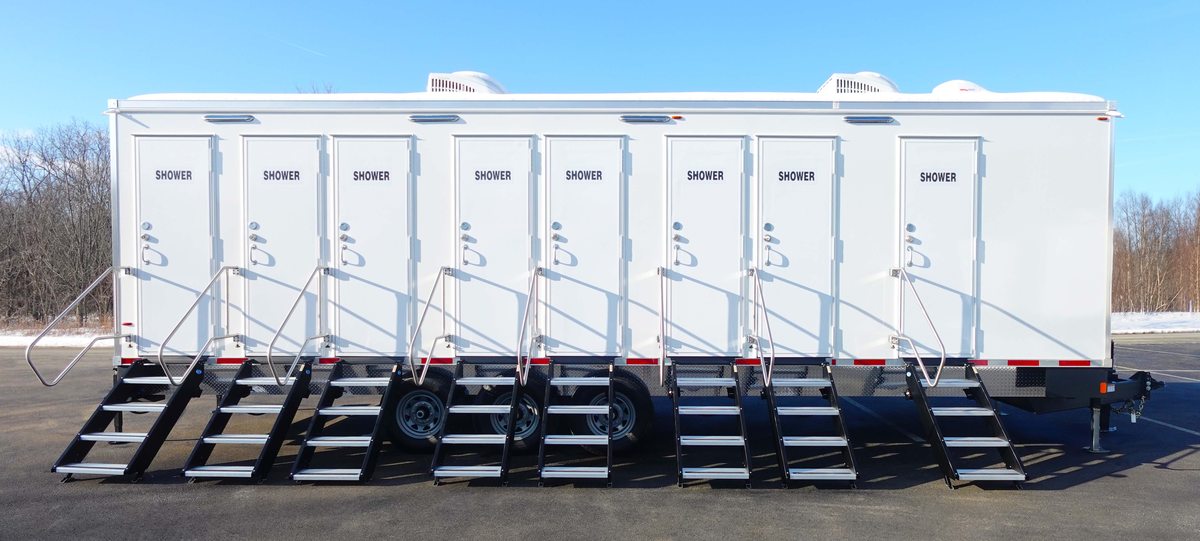
The practical question is capacity. If crews wait an hour for a shower, many will skip it and go straight to bed. Size the shower trailers so the line clears in a reasonable time after the evening rotation, and keep the laundry close enough that crews can start a load on the way.
Finally, keep the units clean. A dirty shower stall is worse than none. Service visits timed before the evening rush keep every stall ready when crews need it most.
Sources: CDC NIOSH firefighter health
Planning water, power and access for a remote fire camp
Many large fires burn far from towns, on public land reached by dirt roads. A camp there starts with nothing: no water line, no sewer and no power. The equipment you bring has to carry its own.
Water comes first. Our shower and restroom trailers carry onboard tanks, and we refill them by truck. If the camp has a water tender or a nearby hydrant, we can connect to it and reduce refill trips. Plan where the water truck will park and fill before the first trailer arrives.
Power comes next. Shower trailers need power for water heating, pumps, lights and fans. We bring generators sized to each unit and fuel them on the service schedule. Keep generators away from the sleeping area so crews can rest through the noise.
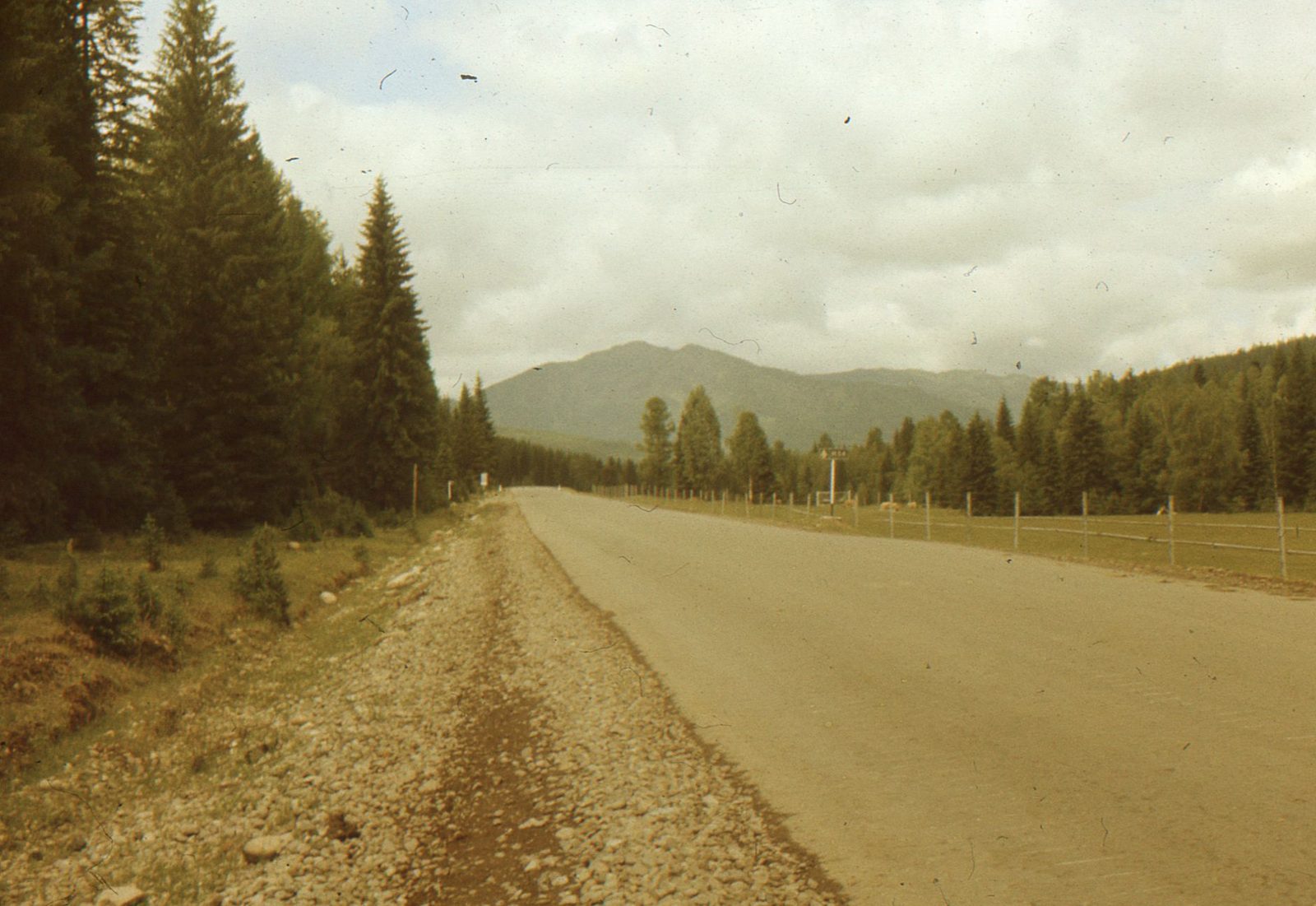
Access decides what fits. Large trailers need room to turn and a firm path in. On narrow forest roads, compact units work better. Tell us the road conditions when you call so we send equipment that can actually reach the camp.
Last, plan for weather. Fire season can bring heat, wind and sudden storms. Place units on high ground away from drainage paths, and keep the service lanes firm enough for a loaded truck after rain.
One more planning point is fuel. Generators that run shower heaters and air units through the night burn a steady amount of fuel, and a camp that runs out at three in the morning loses hot water for the morning shift. We fuel every generator we bring on the service schedule and keep a reserve on the truck, so the camp never has to send a crew member to find a fuel can.
Sources: Ready.gov wildfire guidance
Supporting evacuation centers during a wildfire
When a fire threatens a community, evacuation centers open fast, often in places that were never meant to hold hundreds of people overnight. Fairgrounds, schools and churches have restrooms for events, not for families living there around the clock.
Restroom trailers placed beside the building close that gap within hours. Private shower trailers follow once the stay stretches past a day or two. ADA units near the door help older residents and people with disabilities, who often stay the longest.
Evacuations can also bring animals. Fairgrounds that take in livestock and pets need restrooms for the volunteers who care for them, often in barns and arenas far from the main building.
Keep the service schedule tight. Evacuation centers run around the clock, and a restroom that runs out of water at night creates a problem nobody wants to solve in the dark. Schedule service before breakfast and after dinner.
When the fire passes and residents return home, some units can move to recovery work under the same order. Hazard tree crews and utility crews working through burned areas still need clean restrooms and water.
Sources: American Red Cross shelters
What to tell dispatch when you order fire camp trailers
The first call on a new incident moves fast, and good information up front gets the right equipment rolling sooner. Have a few details ready before you call our dispatch line.
Start with the location and access. Give the camp address or coordinates, the nearest paved road and anything about the route that limits trailer size, such as a weight limit on a bridge or a steep grade that a long trailer cannot climb.
Next, give the crew count and how it may grow. A camp of 200 today may be 800 by the weekend. Knowing the likely peak helps us send the first wave and line up the second.
Then tell us what the site has. Is there a water source, power, pavement or a flat field? Every answer changes what we send, from tank sizes to generators to ground pads.
Finally, give the order details your agency uses: the incident name, order or resource number and the contact in the supply unit. We put those on every delivery ticket and invoice so the paperwork lines up from the first day.
It also helps to name one person in camp who can meet our driver at the gate. Fire camps are busy and gates change often. A contact who can walk the driver to the exact spot and confirm the layout saves time on every delivery and every service visit after that.