Relief workers staging water and supplies at an emergency distribution site
Home / Industries / Disaster Response
Disaster Response

Bathroom and Shower Trailer Rentals for Disaster Response & Emergency Management

Mavirus Group rents restroom, shower, laundry, freezer and drinking water trailers to emergency managers who have to stand up a working camp after a disaster. Call our 24/7 dispatch line with the site and the head count, and we will quote the package, confirm a delivery window and keep every unit serviced until the last crew goes home.

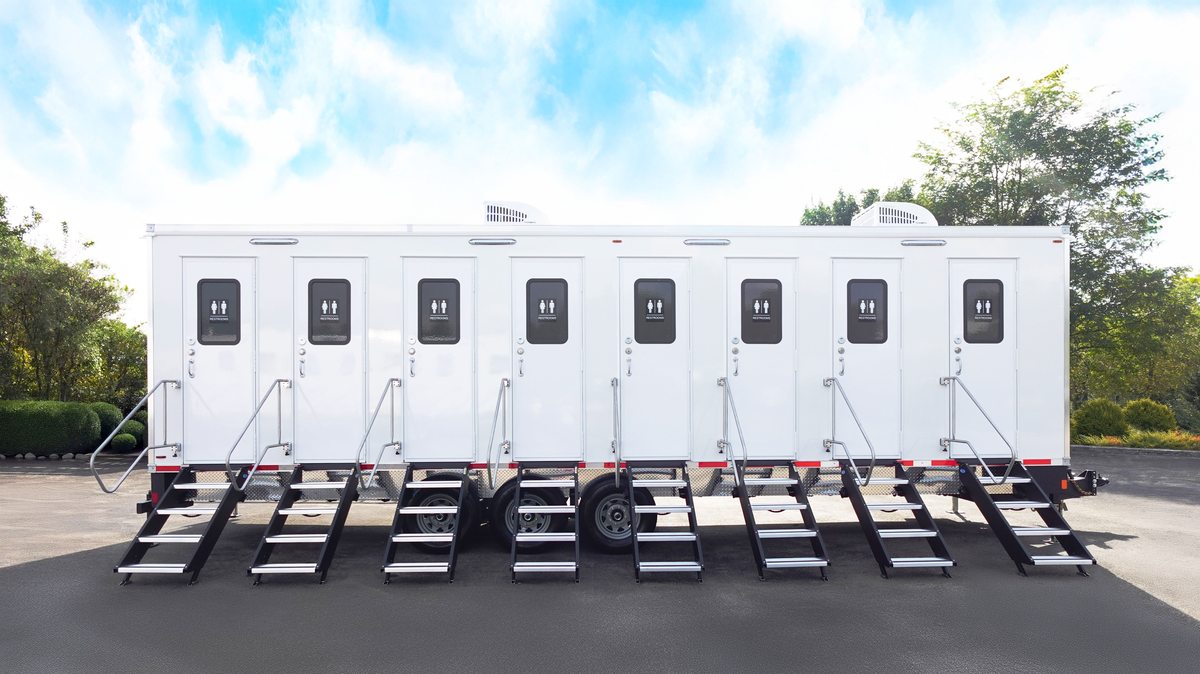
A Mavirus luxury restroom trailer with private flushing suites, ready for nationwide delivery
Nationwide trailer rentals, built for rapid deployment All 50 States 24/7 Dispatch ★★★★★ 5.0
DMATP
Trusted by construction contractors, government agencies, school districts, and disaster response teams nationwide.
SAM.gov registered federal contractor FEMA disaster support Cal Fire registered

Call now or request a quote. Our dispatch team answers 24/7, including emergencies.

Emergency Management

Disaster response trailer rentals for shelters, responder camps and recovery zones

When a storm, flood, fire or earthquake knocks out a community's plumbing, the first people on the ground need somewhere to use a restroom, take a shower and wash their clothes. Emergency managers call us because one order covers all of it. We deliver self-contained restroom trailers, private shower trailers, commercial laundry trailers, freezer trailers for feeding programs and drinking water stations, and our own crews keep them pumped, stocked and cleaned on a schedule you set. Call the dispatch line first for a fast answer on what we can stage and when, or send a quote request with the site address and your expected head count.

24/7dispatch line for disaster calls
SAM.govregistered federal contractor
FEMAdisaster support on Helene 2024
All 50states in our service area
Reviews

What customers say

D
Denise R.county emergency manager
★★★★★

The shelter had four restrooms for three hundred people. The trailers were set up by the doors before the second night, and the service crew came through twice a day without anyone having to call.

M
Marcus T.logistics section chief, regional response
★★★★★

One order covered restrooms, showers, laundry and water for the whole camp. That saved our logistics team a week of chasing separate vendors.

A
Alicia G.shelter manager, mass care
★★★★★

The ADA shower unit mattered more than anything else we got. Several of our residents could not use the school locker rooms, and now they could shower with some dignity.

The Trailers

The restroom, shower and support trailers we stage for disaster operations

A Mavirus luxury restroom trailer with private flushing suites, ready for nationwide delivery
A multi-station restroom trailer, the first unit most disaster camps order

Sanitation is the first thing a shelter or responder camp runs short on, so most disaster orders start with restroom trailers. Our units range from a compact two station trailer to an eight station bank, and each suite has a locking door, a flushing porcelain toilet, a sink with running water, lights and climate control. ADA trailers with ramp entry are available for shelters that serve older residents or people with disabilities.

Every trailer runs on its own fresh water and waste tanks, which matters when the local water system is down or under a boil notice. We place units where the camp layout needs them, connect to water and power when the site has them, and bring generators when it does not. Shower trailers, laundry trailers, freezer trailers, drinking water stations and bunkhouse trailers ride on the same order, so one contracting officer tracks one vendor.

Service is part of the rental. Our crews pump waste tanks, refill fresh water, restock paper and soap, and sanitize every suite on a schedule sized to the camp's population. When the population changes, we add or pull units under the same order. A dispatcher answers the phone at any hour, so a clogged unit at two in the morning gets a crew, not a voicemail.

Where We Deploy

The disaster sites that rent our emergency trailers

Disaster work moves through phases, and each phase needs a different mix of trailers. The first days are about shelters and responder camps. The next weeks are about distribution and debris crews. The months after that are about recovery construction and temporary housing. We size each order to the phase you are in and change it as the response changes.

Emergency Shelters

Restroom and shower trailers for emergency shelters in schools, arenas and churches

Most emergency shelters open in buildings that were never meant to house people overnight. A school gym or a fairground hall has restrooms sized for a ball game, not for hundreds of evacuees living there for a week or more. Shower capacity is usually close to zero. Shelter managers under ESF #6, the mass care function in FEMA's National Response Framework, add trailers outside the building to close that gap.

We place restroom trailers and private shower trailers close to the shelter doors on a paved or gravel pad, with ADA units nearest the entrance. A laundry trailer follows once the shelter settles into a routine, because families arrive with only the clothes they wore out the door. Every stall locks, which matters for families with children and for residents who need privacy after a hard week.

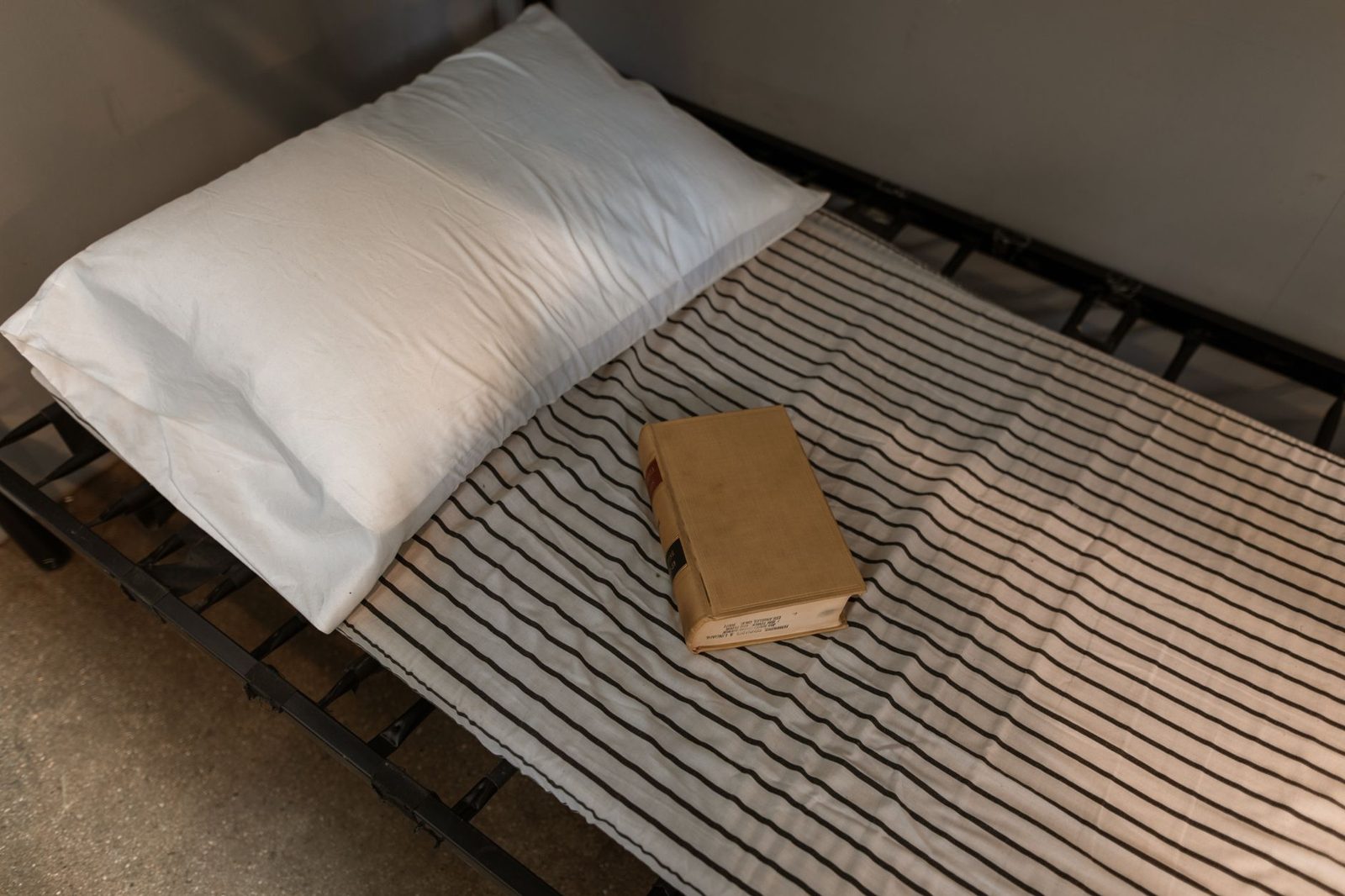
Rows of cots set up inside an emergency shelter gym
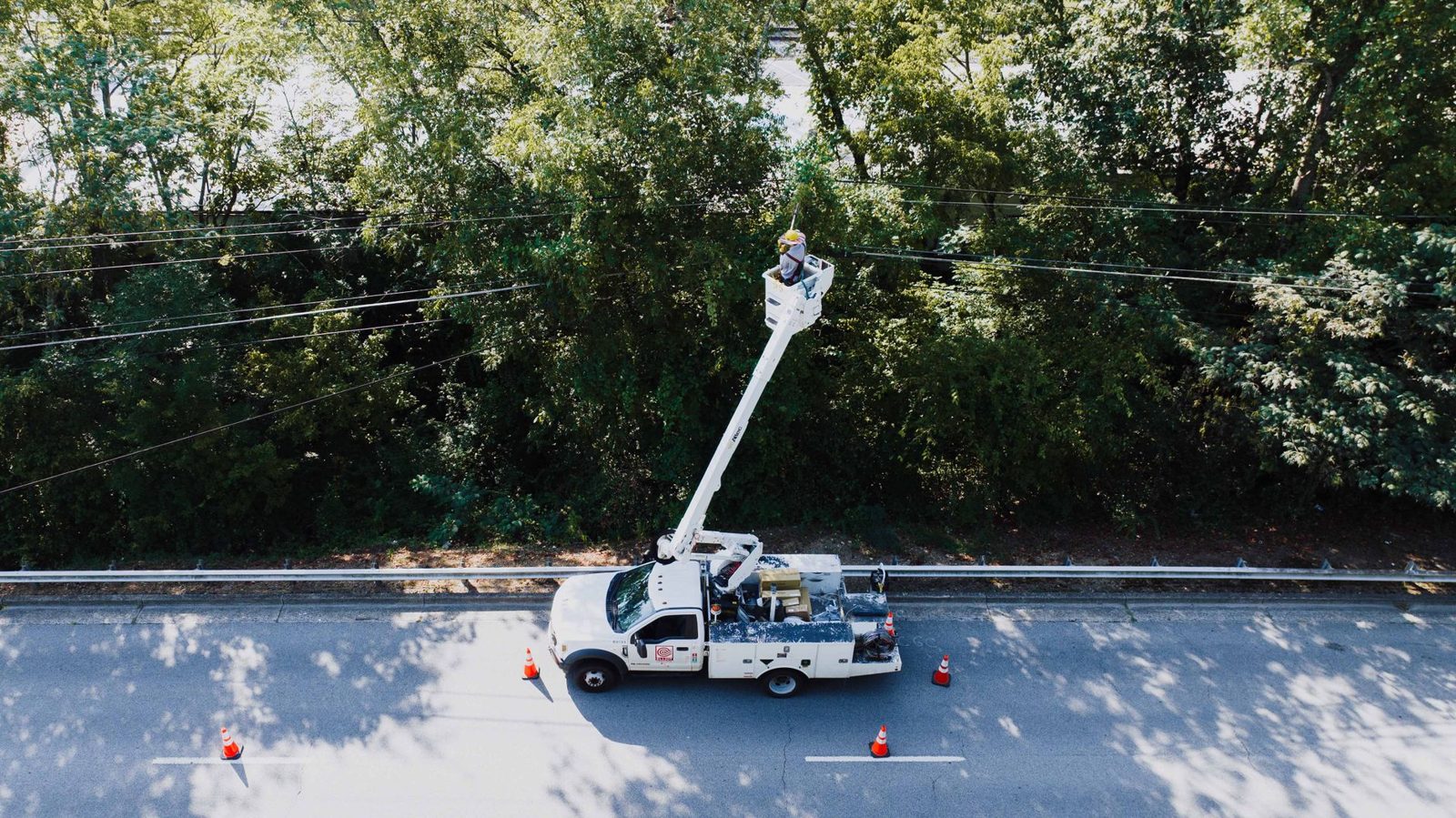
A utility bucket truck working power lines along a road
Responder Base Camps

Base camp trailer packages for utility crews, debris teams and responders

Line crews, debris contractors, search teams and National Guard units arrive by the thousands after a major event. After the January 2025 Palisades and Eaton fires in Los Angeles County, the response mobilized more than 16,000 personnel. People working 12 to 16 hour shifts in a disaster zone need a camp that works like a small town: restrooms, showers, laundry, sleeping space, cold food storage and cold drinking water.

Our base camp packages bring all of it on one order. We lay out restroom and shower trailers near the sleeping area, laundry trailers near the showers, freezer trailers beside the feeding tent and drinking water stations where crews stage in the morning. Bunkhouse trailers sleep twelve each for crews that cannot find a hotel room within an hour of the work.

Points of Distribution

Portable restroom and drinking water trailers for distribution sites

Points of distribution hand out water, food and supplies to residents who drive or walk through a parking lot. Volunteers and staff may run a site from dawn to dark for weeks, and the lot rarely has a working restroom close by. Residents waiting in line need one too, especially older people and families with small children.

We set a restroom trailer and a handwashing setup at the edge of the lot so the traffic lane stays clear, and we service it before the gates open. A drinking water station keeps the volunteer crew cold and filled without cases of plastic bottles stacking up behind the tables. A freezer trailer holds perishable food donations when the distribution program includes meals.

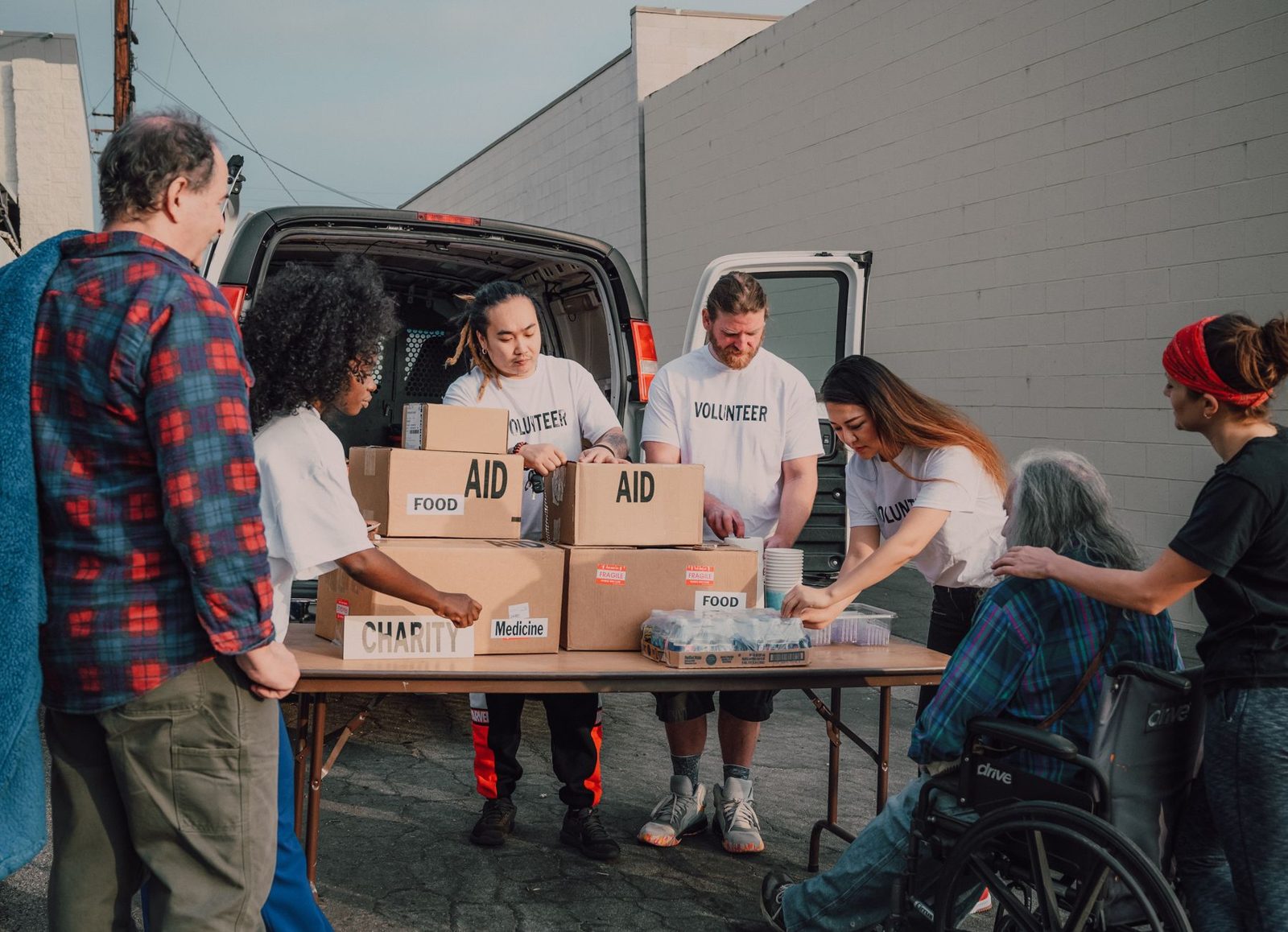
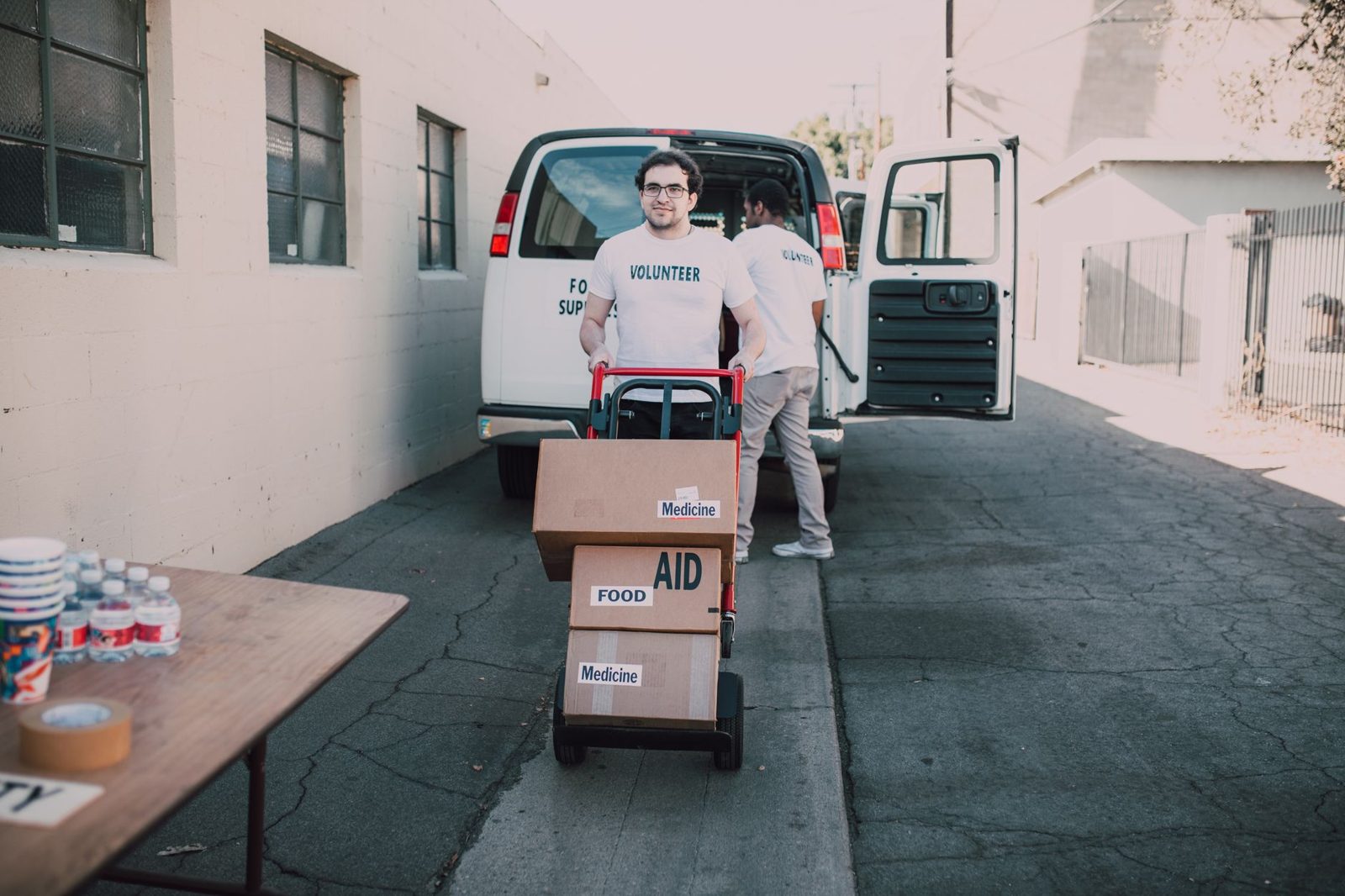
Volunteers handing out food and water boxes at a relief line
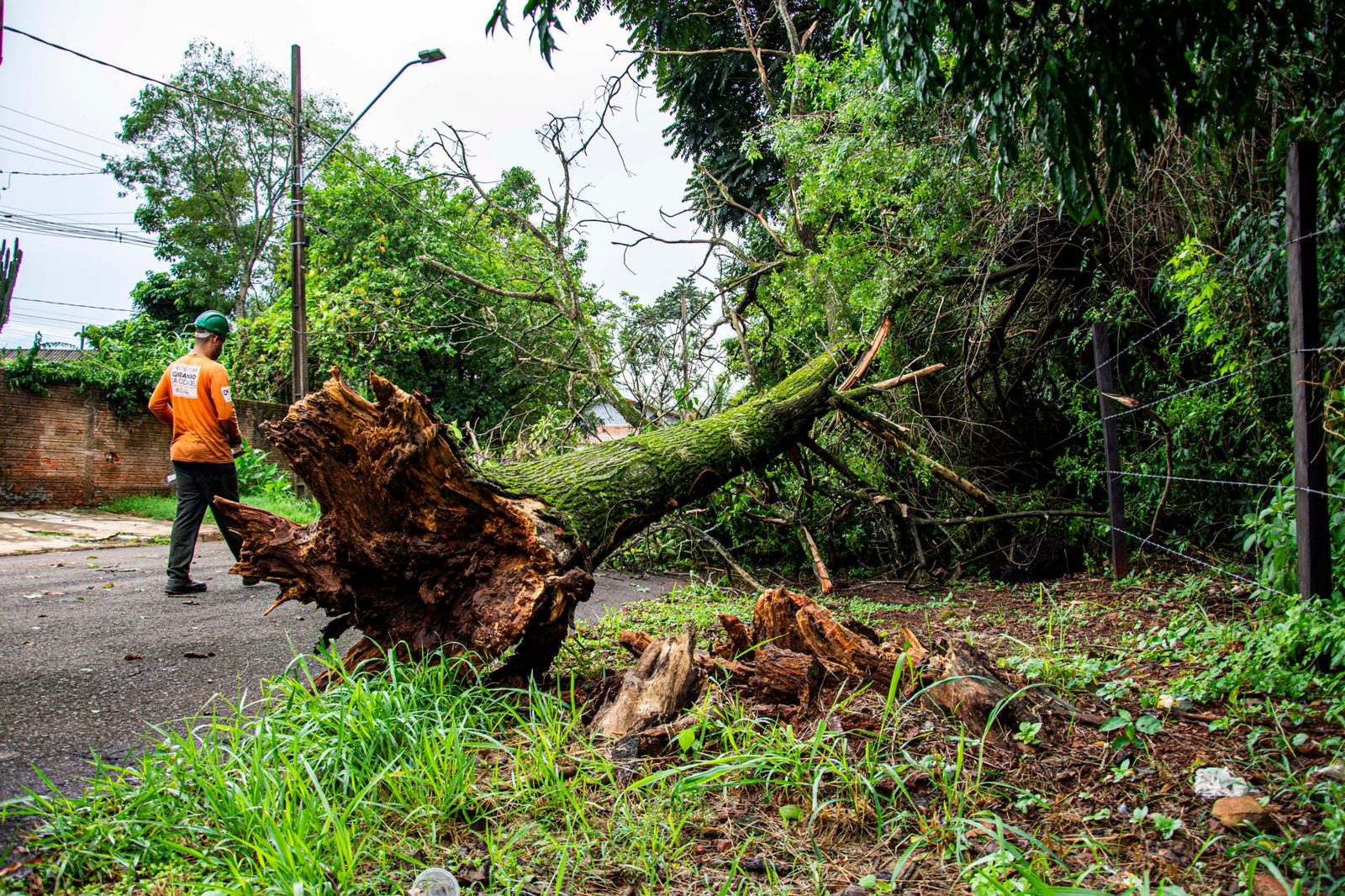
Workers clearing debris from a damaged neighborhood after a disaster
Recovery Construction

Long-term sanitation trailers for rebuild and debris removal zones

Recovery lasts far longer than the news coverage. After the Los Angeles fires, the U.S. Army Corps of Engineers cleared fire debris from roughly ten thousand eligible properties, and rebuild permits were still moving a year later. Neighborhoods with no working sewer or water service need sanitation for demolition crews, inspectors and rebuild contractors for months.

We rent restroom trailers, handwashing stations and drinking water on monthly terms for these zones. Units move from block to block as crews move, under the same order, and our service visits follow the work. Contractors get one invoice format and one point of contact for the whole recovery program.

Other Emergency Sites

Other emergency sites where we stage restroom, shower and laundry trailers

Emergency operations centers

County and city EOCs that run around the clock during an activation, when building restrooms cannot keep up with extra staff.

Boil water notices

Hospitals, nursing homes and campuses that lose safe tap water need self-contained restrooms and drinking water until the notice lifts.

Evacuation staging areas

Fairgrounds and large lots where evacuees and livestock gather while a fire or flood threat plays out.

Medical and cooling centers

Heat emergency cooling centers and field medical sites that need clean restrooms and cold water for vulnerable residents.

Search and rescue staging

Urban search and rescue teams working shift rotations near a collapse site or a flooded neighborhood.

Animal shelters and fairgrounds

Emergency animal sheltering sites where volunteers work long days far from a building restroom.

Service Area

Disaster response trailers delivered nationwide with 24/7 dispatch

Our service area covers all 50 states, and disaster and emergency work is where we plan for the longest hauls. The core fleet sits in the West, and we route units from the nearest yard with stock, then keep a service crew on the camp for the length of the order. Call the dispatch line with the site address and we will tell you what can roll and when it can arrive.

Emergency sheltersResponder base campsPoints of distributionDebris removal zonesRecovery constructionBoil water noticesCooling centersEvacuation staging
Service area: Nationwide service, all 50 states
Site Types

Disaster site layouts we plan trailers around

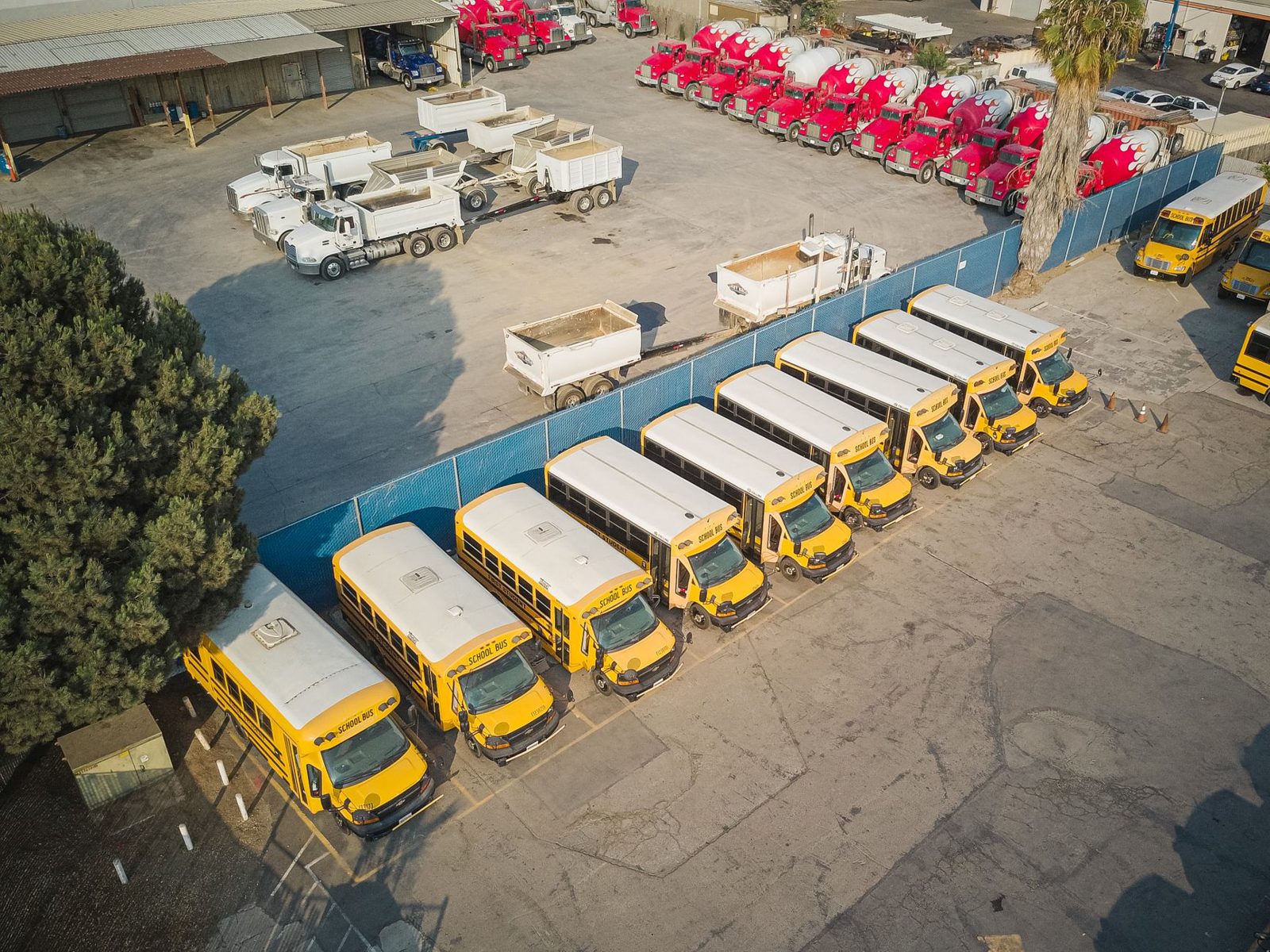
A fleet of buses lined up in a large lot, ready to move evacuees

Large paved lots

The easiest ground for a camp. We set units on the pavement, keep fire lanes open and run hoses and cords along the curb so nobody trips at night.

An empty fairground lot with the rides shut down

Fairgrounds and open fields

Big ground for big camps. We check soft soil before placing heavy units, lay out service lanes for the pump truck and keep restrooms clear of the feeding area.

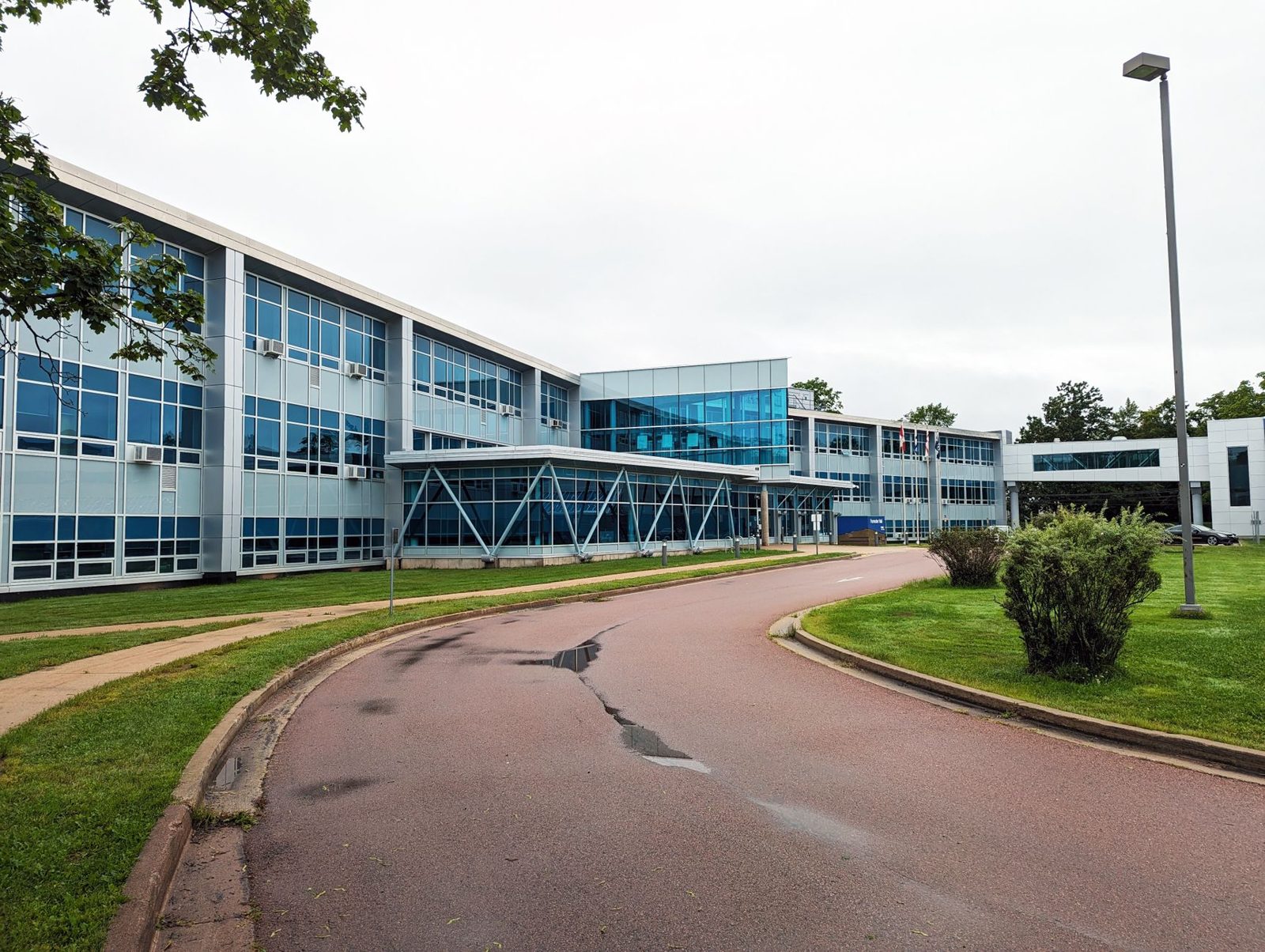
A school building used as a shelter with people outside

School and church campuses

Shelters in buildings with limited plumbing. We place trailers near the doors, add ADA units at the entrance and schedule service around meal times.

Simple Process

How renting disaster response trailers works

1

Call or request a quote

Tell us the dates, the site, and what you need. Our dispatch line answers 24/7, including emergencies.

2

We size the unit and confirm

We match the right trailer to the job and hold delivery on your schedule.

3

Our crew delivers and sets up

We deliver, level, and connect the trailer on site, ready to use the same day.

4

We keep it running

Our own crews pump, restock, and sanitize the trailer on a set schedule, then pick up when the job ends.

Why Choose Us

What you get when you rent disaster trailers from Mavirus Group

One order for the whole camp

Restrooms, showers, laundry, cold storage, drinking water and sleeping space on a single order, so your logistics section tracks one vendor instead of six.

Paperwork agencies expect

We are SAM.gov registered and ready with a certificate of insurance, W-9 and capability statement the day you ask for them.

Units move with the mission

When a shelter consolidates or a camp relocates, we move the trailers under the same order without starting a new contract.

Service logs you can file

Every pump, restock and cleaning visit is logged with a time, so your documentation unit has records for reimbursement files.

A dispatcher at any hour

Disasters do not keep office hours. The dispatch line is answered around the clock, including the first night of an activation.

Credentials on record

FEMA disaster support after Hurricane Helene in 2024 and Cal Fire registration. We are licensed and insured and hold an A+ rating with the BBB, so your contracting office can check us quickly.

Customer Stories

How a typical disaster response setup works

How we would set up a 300 person evacuation shelter

For a shelter in a high school gym with 300 residents, we would start with two eight station restroom trailers and an ADA unit by the main doors, then add a shower trailer with eight private stalls on day two. A laundry trailer comes in once families settle. Service runs twice a day, timed before breakfast and after dinner, and we log every visit for the shelter manager's daily report.

How we would stage a responder camp for 500 line and debris workers

For a camp of 500 on a fairground, we would plan restrooms using the federal construction ratio of one toilet seat and one urinal per 50 workers above 200, then round up for shift change. Shower trailers sit near the sleeping area, laundry next to the showers and freezer trailers beside the kitchen. We would add drinking water stations at the morning briefing area and bunkhouse trailers for crews without lodging.

How we would support a six month recovery zone

For a neighborhood rebuild with no working sewer, we would place restroom trailers and handwashing on the blocks where demolition crews are working that month and move them as the work moves. One monthly invoice covers every unit under the recovery program's purchase order, and one coordinator answers for all of them.

Standards and Planning

The federal sanitation rules and response frameworks we plan disaster trailers around

Federal disaster support is organized under FEMA's National Response Framework into Emergency Support Functions. The ones that touch our work most are ESF #6 for mass care, emergency assistance, temporary housing and human services, ESF #7 for logistics, and ESF #3 for public works and engineering. State and county emergency management agencies usually mirror the same structure, so we write our quotes in terms the logistics section already uses.

For crews, the federal sanitation standard for construction work, 29 CFR 1926.51, sets the planning floor. It requires an adequate supply of potable water at every place of employment. It calls for one toilet for crews of 20 or fewer, one toilet seat and one urinal per 40 workers for crews of 20 or more, and one toilet seat and one urinal per 50 workers once a crew reaches 200. Where showers are required, the rule sets one shower per 10 employees of each sex, with hot and cold water.

Shelters plan to a higher comfort level than a jobsite, because residents live there around the clock and include children, older adults and people with disabilities. Accessible units matter here. We bring ADA restroom and shower trailers with ramp entry and grab bars so the shelter manager can meet the needs of every resident from the first night.

Reimbursement is the other half of disaster work. Agencies that expect federal public assistance keep records of what was rented, when, where and why. Our delivery tickets, service logs and monthly invoices are built to line up with those records, and we can break out charges by site or by mission number when the finance section asks.

Reviews

Emergency managers and camp leads on our disaster response trailers

T
Tom W.debris removal superintendent
★★★★★

They moved the restroom trailers block by block as our crews moved. Same order, same contact, no new paperwork each time.

P
Priya S.finance and documentation lead
★★★★★

The service logs had times and locations on every visit. When it came time to build our reimbursement file, the rental records were the easy part.

G
Greg H.utility restoration coordinator
★★★★★

Our line crews worked sixteen hour days. Hot showers and clean clothes at the camp made a real difference in how they held up by week two.

K
Karen L.distribution site lead
★★★★★

We ran a drive through site for three weeks. The restroom trailer at the edge of the lot was clean every morning when we opened the gates.

FAQ

Frequently asked questions

How fast can you deliver restroom and shower trailers after a disaster?
It depends on where the nearest units are staged and whether roads into the area are open. Call the 24/7 dispatch line with the site address and head count. We will tell you what can roll right away, when it can arrive and what follows in a second wave.
How many restroom trailers does a responder base camp need?
For crews we start from the federal construction ratio in 29 CFR 1926.51, which calls for one toilet seat and one urinal per 40 workers for crews of 20 or more and one per 50 once a crew passes 200. Then we round up for shift change, when everyone uses the restrooms at once. Shelters get more capacity than that because residents are there all day and night.
Do your trailers work if the local water system is down?
Yes. Every restroom and shower trailer carries its own fresh water and waste tanks. We refill the fresh water and pump the waste on a schedule, so the units keep working during a boil water notice or a broken main. We bring generators when the site has no power.
Are you able to work under a FEMA or state emergency contract?
We are a SAM.gov registered federal contractor and provided FEMA disaster support after Hurricane Helene in 2024. We can supply a certificate of insurance, W-9 and capability statement quickly, and we write invoices by site or mission number to fit your documentation needs. We are licensed and insured, and we staff the dispatch line ourselves.
Can you provide ADA accessible restroom and shower trailers for shelters?
Yes. We rent ADA restroom trailers and ADA shower suites with ramp entry, wider doors and grab bars. We usually place them nearest the shelter entrance so residents with mobility needs have the shortest walk.
What does a disaster trailer rental include?
Delivery, setup, leveling, water and power connection when available, scheduled pumping and fresh water refills, restocking of paper and soap, cleaning, and pickup. You pay for the equipment and service on one order rather than hiring separate crews for each task.
How often do you service trailers at a shelter or base camp?
Service frequency follows the population. A busy shelter or a large crew camp usually needs service at least once a day and often twice. We set the schedule with the camp manager and adjust it when the head count changes.
Can you add or remove units as the response changes?
Yes. Responses grow and shrink fast. We add units when a camp expands and pull units when a shelter consolidates, all under the same order, so you only pay for what is on the ground.
Do you rent laundry trailers for disaster camps and shelters?
Yes. Our laundry trailers carry commercial washers and dryers sized for work clothes and bedding. Families in shelters and responders in camps both run out of clean clothes fast, so laundry is usually the second wave after restrooms and showers.
Can you store food for a disaster feeding operation?
Our freezer trailers hold frozen product for feeding programs and run on standard power or on generators we bring. They are a common add on for camps with a field kitchen and for distribution programs that hand out perishable food.
Do you provide drinking water at disaster sites?
Yes. Our drinking water station trailers deliver chilled, filtered water through bottle fill stations, which cuts down on pallets of plastic bottles at a camp or distribution site.
Where do you deliver disaster response trailers?
Our service area covers all 50 states, with the core fleet in the West. Disaster and emergency work is where we plan for the longest routes, so call with the site and we will give you a straight answer on timing.
Resource Library

Disaster response trailer guides for emergency managers

A team planning around a table with notes and a laptop

Planning sanitation for the first 72 hours of a shelter operation

The first three days of a shelter operation set the tone for everything after. Residents arrive tired and scared, and the building they arrive at usually has restrooms sized for normal daytime use. A school gym with four stalls in each locker room can serve a basketball crowd for two hours. It cannot serve three hundred people living there around the clock.

Start by counting the restroom fixtures inside the building and comparing them to the expected population. Then plan the gap as trailers. Most shelter managers add a multi-station restroom trailer on the first day and a second one within 48 hours once the real head count is known. ADA units go closest to the door, because older residents and people with disabilities are often the ones who stay longest.

Showers are the next pressure point. Residents can go a day or two without one, but by day three the lack of showers becomes a health and morale problem. A private shower trailer with locking stalls gives families privacy that a school locker room cannot. Plan the shower schedule by family groups and post it at the door so the line stays short.

Handwashing matters as much as toilets in a crowded building. Illness spreads fast when hundreds of people share space and food. Every restroom trailer we rent has sinks with running water, and we restock soap and paper towels on each service visit. Adding a handwashing station near the feeding area is a small step that helps a lot.

Finally, plan the service schedule before the first night. A shelter restroom that runs out of water or fills its waste tank at midnight creates a problem nobody wants to solve in the dark. Set service visits around meal times and bedtime, and make sure the shelter manager has a dispatch number that is answered at every hour.

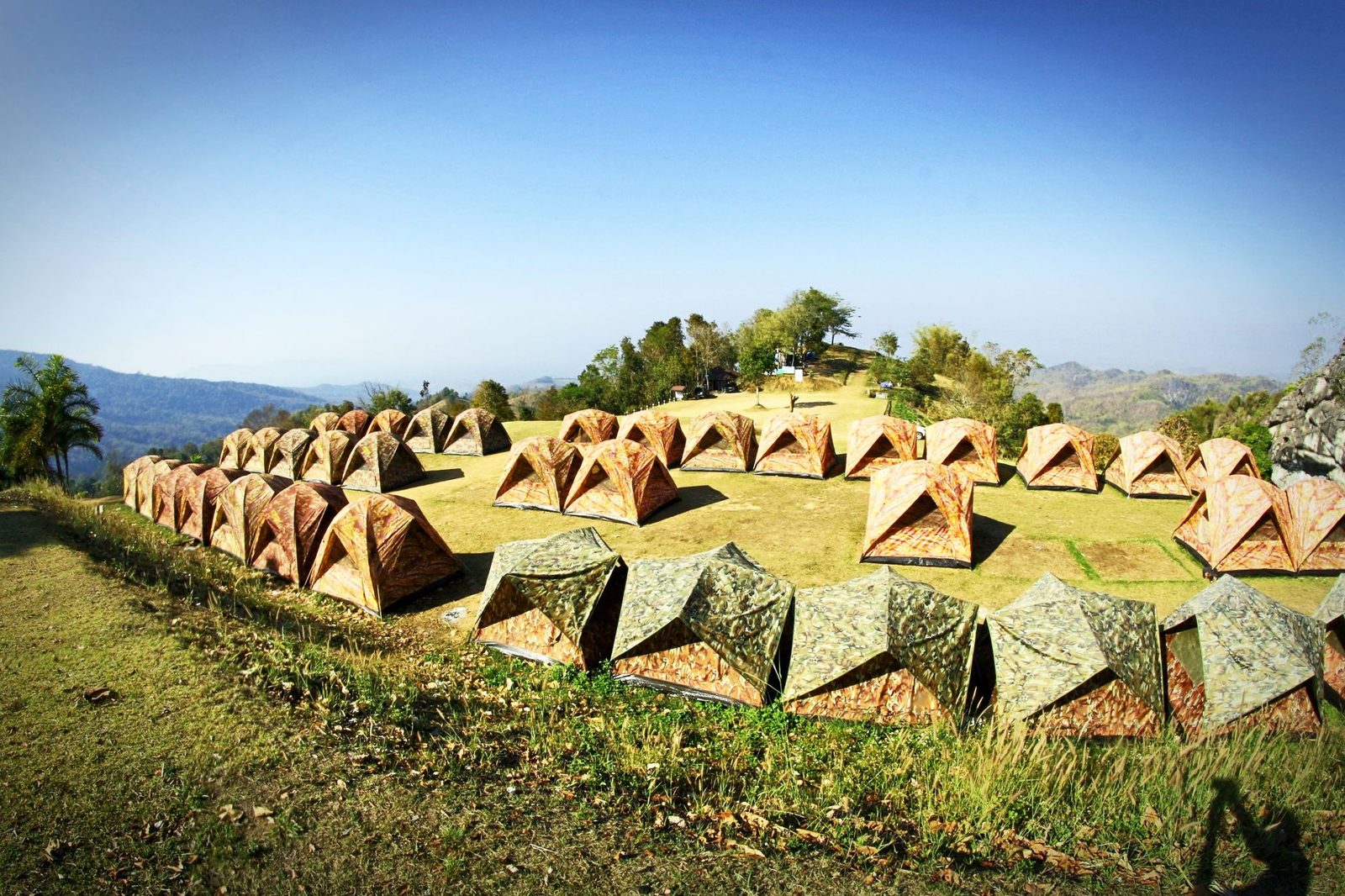
Rows of matching tents set up on a grassy field

How to size restroom and shower trailers for a responder base camp

A responder base camp is a workplace, so the planning floor comes from federal sanitation rules. The construction standard at 29 CFR 1926.51 calls for one toilet seat and one urinal per 40 workers once a crew reaches 20, and one toilet seat and one urinal per 50 workers once a crew reaches 200. It also requires an adequate supply of potable water for drinking and washing.

Those numbers are a floor, not a plan. A camp crowds its restrooms at two moments each day: when crews wake up and stage for the morning briefing, and when they return from the field. If everyone lines up at once, a camp sized to the bare ratio will have lines that eat into sleep time. Most camp managers add at least one extra station per hundred people to handle those peaks.

Showers follow a different curve. Crews shower after shift, so the load arrives in a wave over an hour or two in the evening. Where showers are required, the federal rule sets one shower per 10 employees of each sex. A camp of 200 split evenly would need twenty stalls to meet that ratio. Our eight stall shower trailers make that math simple to lay out.

Laundry is the third piece. Crews working in smoke, mud or floodwater need clean clothes daily, and a camp that sends them to a town laundromat loses hours of rest. A commercial laundry trailer with eight washer and dryer sets handles hundreds of loads a week. Place it next to the shower trailers so crews can start a load and shower at the same time.

Last, plan for change. Camps grow when a response ramps up and shrink when crews rotate out. Rent from a company that can add and pull units under the same order, so the camp matches the crew count each week instead of the peak count from the first day.

Keeping rental records ready for disaster reimbursement

Agencies that expect federal public assistance after a declared disaster spend months documenting what they spent and why. Equipment rentals are a large piece of that file, and weak records slow the whole claim. The time to set up good records is the day the first trailer arrives, not the week the auditor asks for them.

Ask your rental vendor for a delivery ticket on every unit that shows the date, the site and the unit type. Keep the service logs that show each pump, refill and cleaning visit. Those logs prove the equipment was in use, which matters when a reviewer asks why a unit stayed on site for six weeks.

Tie every rental to a mission or a site name that matches your own incident records. If the shelter at the high school and the camp at the fairground are separate cost lines in your plan, make sure the invoices break out the same way. We write invoices by site or by mission number so your finance section does not have to split them by hand.

Keep a simple change log when units are added, moved or pulled. Responses shift fast, and a reviewer months later will want to see why the camp had twelve trailers one week and six the next. A short note that the shelter consolidated or a crew rotated out answers the question in one line.

Finally, keep copies of the vendor's registration and insurance documents in the same file. Our SAM.gov registration, certificate of insurance and W-9 are available the day you ask. Having them on hand from the start saves a round of emails when the claim goes in.

Water, power and ground: site checks before trailers arrive

A trailer is only as useful as the spot it lands on. Before delivery, walk the site with three questions in mind: can a truck and trailer reach the spot, is the ground firm enough, and where will water, waste and power come from. Answering those early saves hours on the day of delivery.

Access comes first. Our delivery trucks need a clear path wide enough for a towed trailer and room to back into place. Downed trees, debris piles and parked response vehicles block that path more often than anything else. Mark a delivery lane and keep it open until the units are set.

Ground comes next. Pavement is easiest. Grass and dirt fields can be fine in dry weather and turn soft after rain, which is common after floods and storms. We check the ground before placing heavy units and use pads or boards when the soil is soft. Keep units out of low spots where water collects.

Water and waste are where many sites get stuck. Our trailers carry their own tanks, so they do not need a sewer connection. They do need a service lane where our pump truck can reach them every day. If a hose bib or hydrant is available, we can connect fresh water to cut down on refills.

Power is the last check. Restroom and shower trailers need power for lights, fans, pumps and water heating. If the site has outlets we can use them. When the grid is down, we bring generators and fuel them on the service schedule, so the camp stays lit and the water stays hot.

Moving from response to recovery without starting over

Every disaster response reaches a turning point where shelters close, responder camps shrink and the work shifts to debris removal and rebuilding. That handoff is where many sites lose sanitation coverage, because the contract that covered the response ends before the recovery contracts start.

Plan the handoff early. Talk with your rental vendor about which units will stay, which will move and which will go back to the yard. Restroom trailers that served a shelter can often move to a debris staging area or a permit center under the same order.

Recovery sites need different service patterns. A shelter needs service around meal times and bedtime. A demolition crew needs a clean restroom at the start of shift and handwashing after lunch. Adjust the schedule to the new use instead of keeping the old one out of habit.

Recovery also lasts longer than most people expect. After large wildfires and floods, rebuilding a neighborhood takes many months, and some areas take years. Monthly rental terms and a single point of contact make those long timelines easier to manage than a string of short orders.

Finally, keep the records going. The documentation habits you built during the response still matter in recovery, especially when grants and insurance claims are involved. A vendor that logs every visit and invoices by site makes that part of the job simple.
More Rentals

More industries and trailers

Disaster sites need more than restrooms. The same order can add every trailer type below, and our other industry pages cover related work.

Get a Quote

Get a disaster response trailer quote from our 24/7 dispatch team

Tell us the site, the expected head count and what is already working on the ground. We will quote restrooms, showers, laundry, cold storage and drinking water on one order and confirm when the first units can arrive.

Get a Quote Call (855) 687-1887
Call (855) 687-1887 - 24/7 Dispatch