Planning laundry for a long-term crew camp
Laundry is the camp service people notice most when it fails. A crew living on site for months needs clean work clothes every day and clean bedding every week. When laundry falls behind, morale follows.
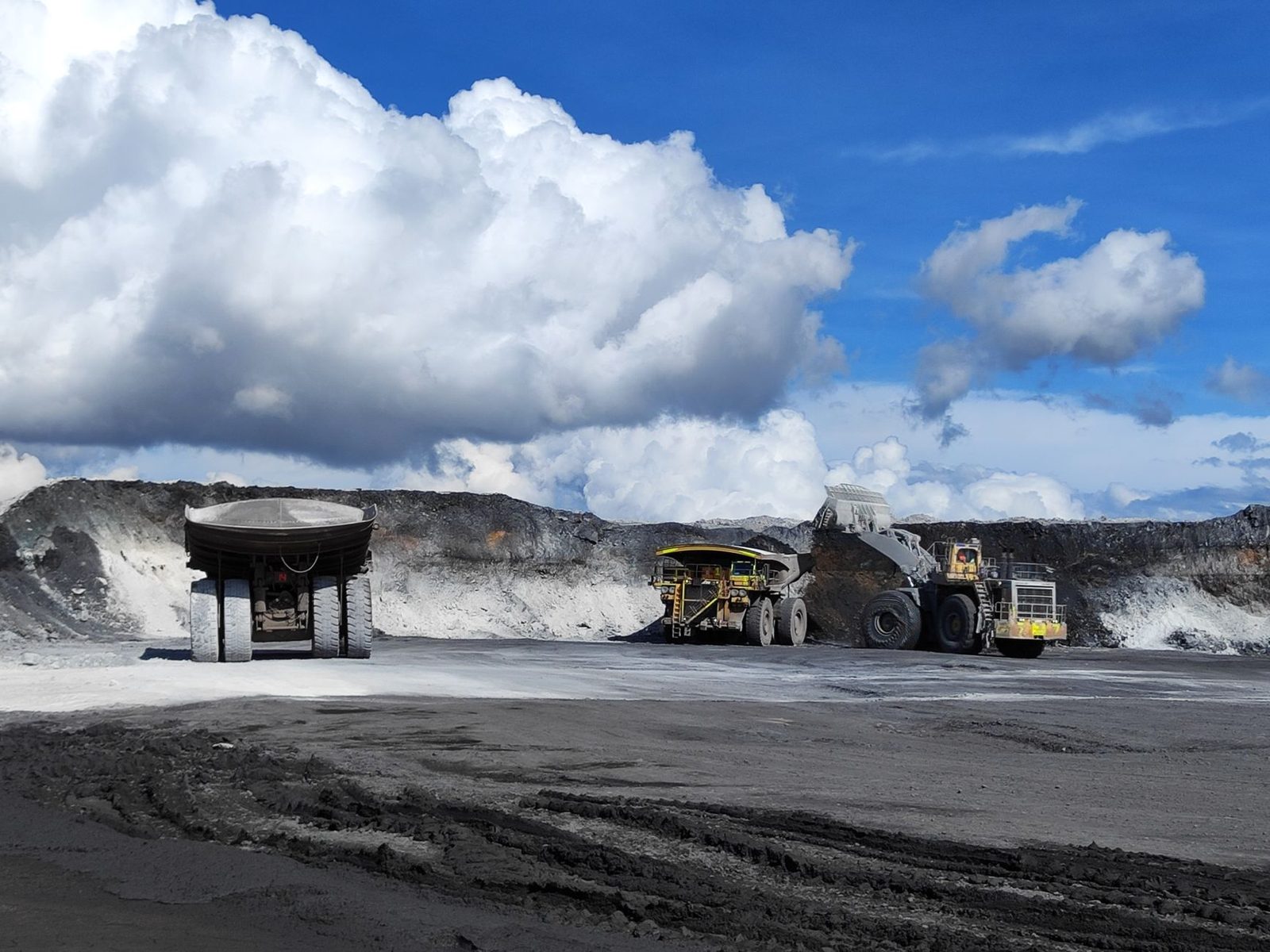
Start with the numbers. Count the crew, the shift pattern and how many loads each person runs a week. Work clothes from mines, pipelines and fire crews are heavy and dirty, so plan for full loads and longer dryer cycles.
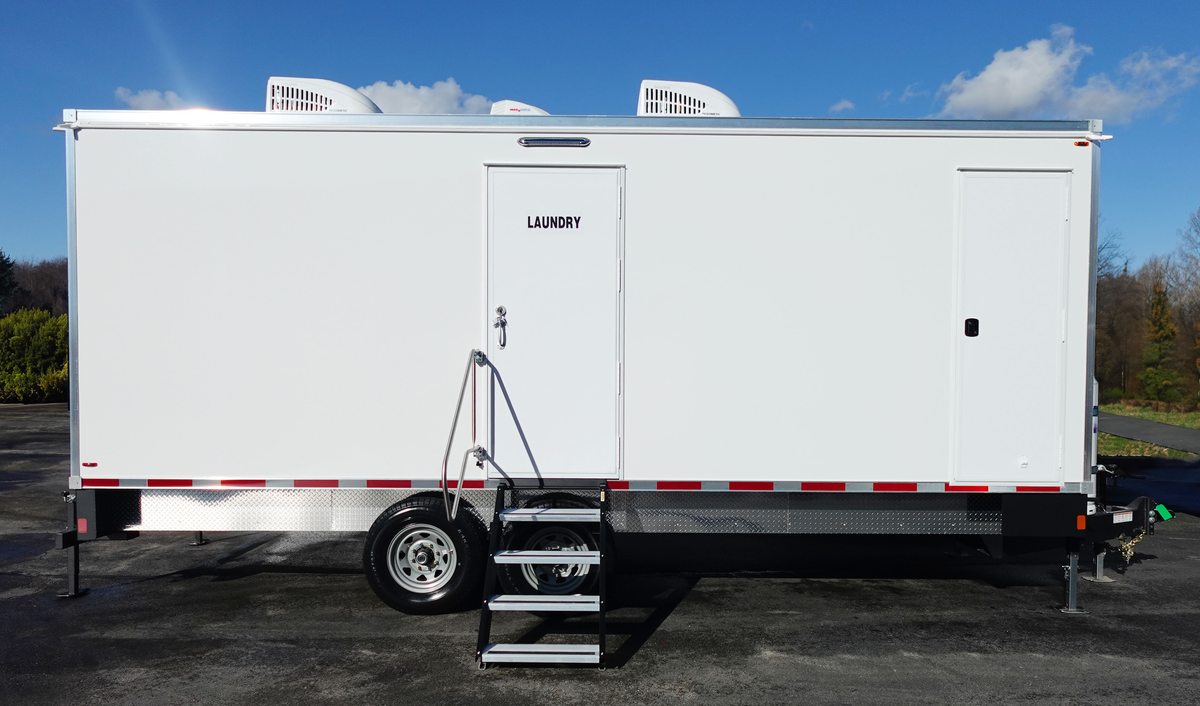
Place laundry next to the showers. Crews coming off shift can start a load, shower and come back to move it to the dryer. A layout that makes them walk across camp twice will leave machines idle and baskets waiting.
Plan maintenance from day one. Lint traps, belts and dryer vents need regular attention on a machine that runs all day. A missed lint trap is a fire risk as well as a slow dryer.
Plan for growth. Camps often fill in stages. Leave room in the layout for another laundry unit so adding one later does not mean moving everything else.
It also helps to post a simple laundry schedule by crew or shift. Machines stay busy all day instead of all at once after dinner, and nobody waits for a dryer.
Sources: 29 CFR 1926.51 Sanitation
Keeping trailers working through a winter
Freezing temperatures are the biggest threat to any long-term trailer rental. Water in a line or a tank that freezes can crack pipes and pumps and take a unit out of service for days.
Protect exposed lines with insulation and heat tape before the first freeze, not after. Check that every heat source has reliable power overnight, because the coldest hours are the ones nobody is watching.
Adjust the service calendar. Early morning roads can be icy, and pump trucks work better in the warmer middle of the day. Moving service to midday cuts risk for everyone.
Plan for idle time. If a camp shuts down over the holidays, drain the units and secure them. A unit left full and unheated for a week in January is likely to need repairs.
Keep a spare plan. Even good freeze protection can fail in an extreme cold snap. A vendor with a 24/7 line and parts on the truck can get a unit running again before the next shift.
Ask your vendor what the winter plan costs up front and what it covers. A clear plan agreed in the fall avoids surprise repair bills in January.
Sources: National Weather Service cold safety
Choosing between month to month and a fixed term
Long-term rentals come in two main shapes: month to month, and a fixed term of a year or more. Each fits a different kind of project.
Month to month fits projects with an uncertain end date, such as disaster recovery or a construction job waiting on permits. You keep the units as long as you need them and give notice when you are done.
A fixed term fits programs with a known schedule, such as a multi-year build or a planned series of field seasons. A term makes budgeting simple and lets the vendor plan crews and equipment around your calendar.
Agencies and large contractors often use a blanket purchase agreement. It sets terms once and lets the buyer call units in and out as each need arises.
Whatever the shape, ask for line item pricing, a clear service schedule and a simple way to add or pull units. Those three things matter more over a long job than any single month's cost.
Some projects start month to month and switch to a fixed term once the schedule firms up. A good vendor will let you make that change without moving any equipment.
Sources: FAR Subpart 13.3 Simplified Acquisition Methods
Crew welfare and retention on remote projects
Remote projects compete for workers. Crews weigh the pay against how hard the life on site is, and small things add up: a hot shower after shift, clean clothes, a quiet place to sleep.
Showers matter first. Crews coming off a long shift want to clean up before they eat or sleep. A shower line that takes an hour pushes people to skip it, and that shows up in morale fast.
Laundry comes next. Workers who have to drive to town to wash clothes lose part of their time off to a chore. On site laundry gives that time back.
Sleep ties it together. Bunkhouse trailers with air conditioning give crews a cool, quiet place to rest after a night shift or in summer heat.
None of it works without service. A camp with plenty of units that are dirty or broken is worse than a smaller camp that is always clean. Pick a vendor that services on a fixed calendar and fixes problems on the first visit.
Many remote projects also track retention closely. Asking crews what they would change about camp life often points straight at showers, laundry and sleep, which are the easiest things to fix with the right equipment.
Sources: CDC NIOSH worker health
Keeping good records over a long rental
Over a long job, records protect everyone. The client needs proof that facilities were provided and kept up. The vendor needs proof that the work was done. Auditors may ask for both.
Keep the delivery and pickup tickets for every unit so the rental period is clear. When units move between sites, keep a short note of each move with the date and the reason.
Keep service logs. A log with a date and time for every pump, refill, cleaning and maintenance visit shows the units were kept to the standard the contract required.
Match invoices to cost codes. Long programs often charge rentals to different phases or sites. Ask for invoices broken out by site, unit and cost code so finance does not have to split them by hand.
Review the order every quarter. Head counts and phases change. A short quarterly review makes sure you are paying only for units you still need.
At the end of the job, a final report that lists every unit, its dates and its service record makes closeout simple for both sides.