A pre-season checklist for base camp laundry in California
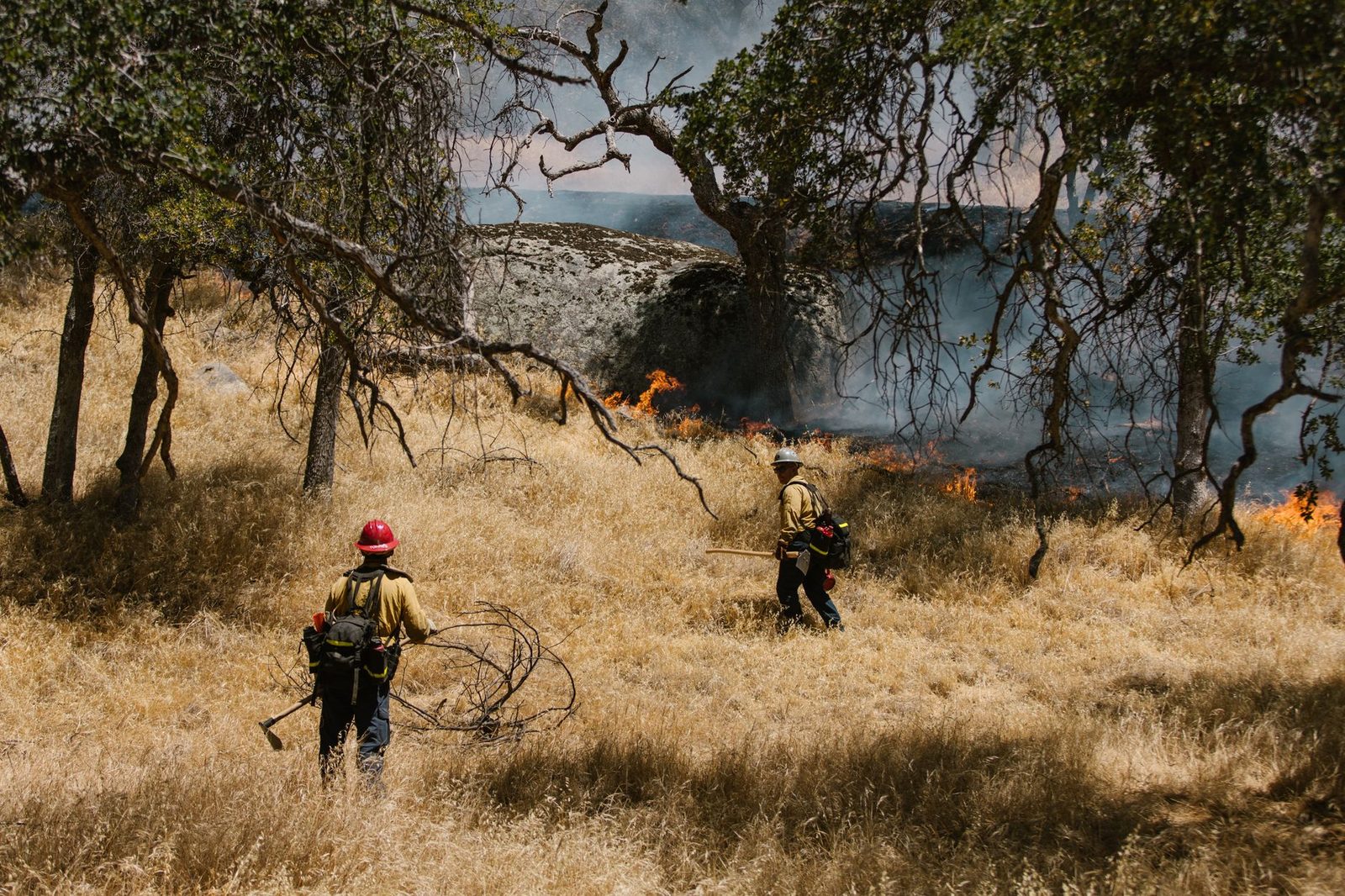
Fire season is a bad time to find a vendor. The first big camp of the year always goes up faster than anyone expects, and every item on the resource order is fighting for the same few hours of attention from the same few people in the logistics section. Laundry tends to get ordered late, after food, water and showers. The camps that handle it well almost always lined it up in spring.
Start with the paper. Ask any laundry vendor for proof of SAM.gov registration, current insurance certificates and the right contact for after-hours orders, and get all of it into your logistics files before June. If your agency uses standing agreements, ask whether the vendor can be added to one. Mavirus Group keeps all of this ready and will send it on request, with no order attached.
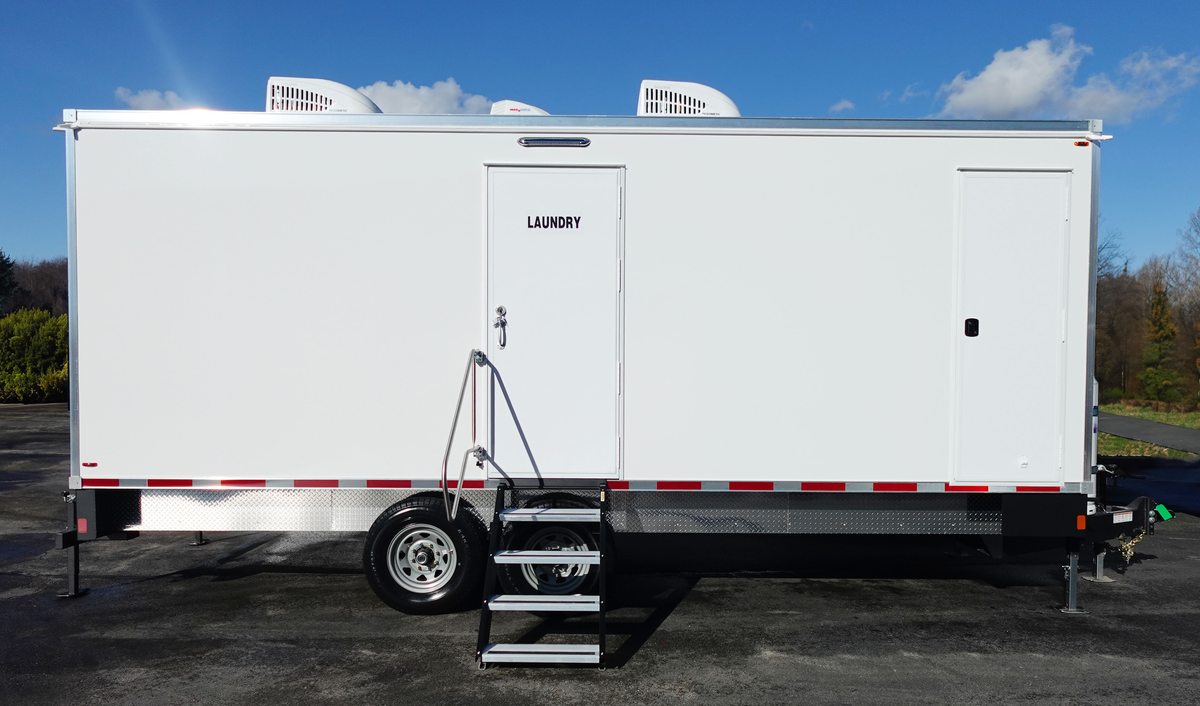
Next, know your likely camp sites. Most California base camps land on a short list of places, usually county fairgrounds, school athletic fields and open land near the fire. Walk the ones your unit uses most. Where's the nearest panel with spare 50 amp, 240 volt capacity? Is there a water tie-in? Can a truck pulling a 26 foot trailer get in, set up and turn around without backing across a parking lot full of engines? Write the answers down. A one page site sheet for each likely camp saves an hour of guessing on the day.
Then think about who runs the machines. Some units have staff for it, while others count on crews washing their own clothes after shift. Both work, but the choice changes how many machines you need, how much folding space you want and where the drop point goes, so decide it before the camp exists rather than on the first night.
Plan the rest of camp support at the same time. Laundry sits next to showers in almost every camp we set up, and the kitchen needs cold storage too. If you're pricing camp kitchen freezer trailer rentals in California anyway, put them on the same list. One vendor for several trailers means one delivery plan, one service schedule and one person to call when something changes.
Don't skip the power question. A generator is fine, but somebody has to fuel it, and somebody has to decide whose generator it is before the trailer arrives and the electrician asks. We plan that with you up front. The worst time to discover a missing circuit is at nine o'clock on the first night.
Set your contacts. Who at the camp can approve a second trailer on day four? Who signs off on demob, and who gets the call if the waste tank pump-out has to move? A camp can double in size in a few days, and a vendor stuck waiting on an approval can't help you when it does.
Check your season calendar too. California fire season has stretched in both directions over the last decade, and some of the most damaging fires in recent years burned in January, not August, during Santa Ana wind events in Southern California. A laundry plan that only covers June through October leaves a gap. We keep our dispatch line open year round for that reason.
Last, get a standby quote. It costs nothing, and it gives your logistics section a number to call and a scope already written down. When the first camp of the season goes up, the order becomes a phone call, and our 24/7 line takes it from there.
Sources: Cal OES Response Operations
How to lay out a camp or shelter laundry area so dirty and clean never cross
Layout matters more than people think. A trailer dropped in the wrong spot turns into a traffic jam at shift change, and a bad drop point sends soiled bags right past clean ones. We've set up enough camps and shelters to know the usual mistakes, and nearly all of them can be fixed with twenty minutes of planning before the truck backs in.
Pick the spot first. Near the showers is best. Crews tend to shower and then drop clothes on the same walk back to their tents. Keep the trailer clear of the lanes where engines, crew buses and supply trucks move. Leave room for our service truck to reach the waste tank without backing through a crowd. Make sure the stairs face somewhere people can stand in line.
Then set one-way flow. Dirty goes in one side. Clean comes out the other. In a staffed setup that means a drop table with numbered bags at one end and a pickup table at the far end, with enough distance between them that a person carrying a dirty bag never walks past a stack of folded towels. In a self-serve setup it means crews load from one door and fold at the table before they leave.
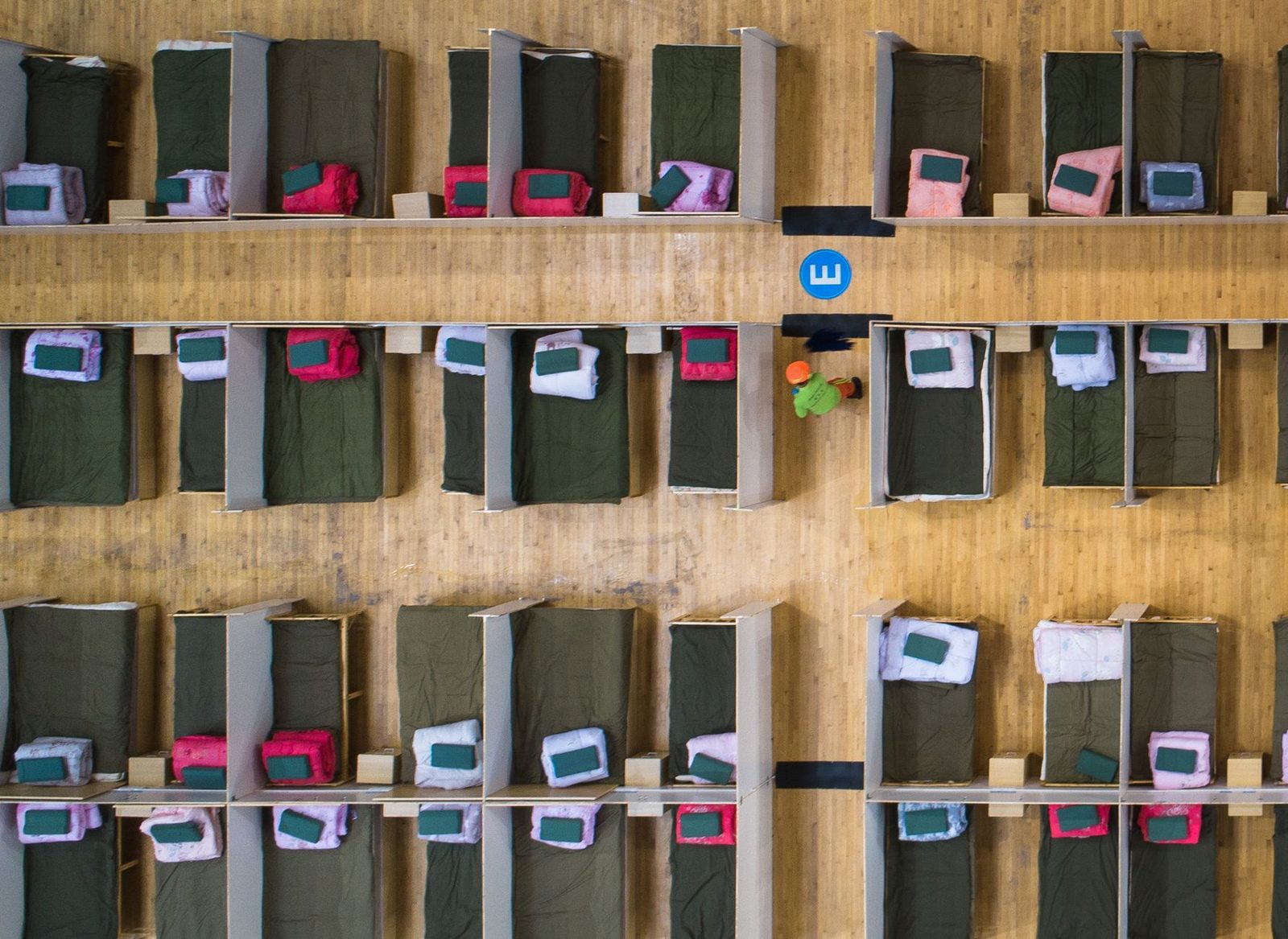
Shelters need an extra step. A first aid station or cot area can produce soiled linens that need special handling. Give those their own drop point, away from general laundry, and let your medical staff run it under their own protocol. Bags from that point should be clearly marked, which keeps people safe and keeps the shelter clean on an inspection.
Light it. Crews come off shift after dark, and a shelter runs all night. Our trailers have LED lighting inside, but the line outside needs light too, so plan a light tower or a well lit tent at the drop point, especially at a fairground where the nearest pole light might be a long walk away.
Plan for ash and dust. Fire camp clothes shed ash with every shake. Have crews knock off what they can outside, and keep the drop area downwind of the dining tent and the sleeping areas. The basin sink inside the 8-Station helps for pre-soaking the worst items before they go into a washer.
Think about bags. Numbered mesh bags make staffed loads easy to track and hand back by name, while clear bags work for a shelter where parents drop off their own family's clothes. Whatever you choose, keep more on hand than you think you'll need. Bags run out before detergent does.
Mind the weather. A shelter line in a Central Valley heat wave needs shade, and a line at a Sierra camp in October needs a spot out of the wind. People will wait for clean clothes, but they won't wait long in 105 degree sun or freezing rain, and a line that breaks up means bags left sitting on the ground.
Last, walk the layout once before the rush. Stand where a tired crew member would stand after a 16 hour shift, and follow the path from the showers to the drop table and back to the tents. If anything makes you turn around or wait, move it now. After the first night it's much harder to change.
Laundry for rebuild crews in Altadena and Pacific Palisades
The January 2025 fires in Los Angeles County became the costliest wildfire disaster in US history. The cleanup went faster than anyone expected. The US Army Corps of Engineers ran the debris mission and cleared more than 9,600 eligible properties by about September 2025, which was called the fastest major disaster cleanup in American history. Now the long part starts.
Rebuilding takes years. About a year after the fires, roughly 6,191 rebuild permit applications had been filed, about 2,617 permits had been issued and 3,487 were still in review. A single Palisades home is still expected to take 18 to 24 months from design to move-in. Two whole neighborhoods on that timeline means crews working in the burn areas for years.
Where does laundry fit? Not every rebuild crew needs it. A local framing crew that drives home every night can wash clothes at home. A lot of the work in a burn zone is dirty in a way normal construction isn't. Demolition and site prep stir up ash and old debris that settles into every seam of a work shirt. Plenty of workers would rather not carry that home to their families.
Traveling crews are the other case. Big rebuild programs pull trades from out of the area, and those crews often live in short-term housing for months. A mobile laundry trailer at a staging yard or a crew housing site saves them hours a week, and keeps them on the job instead of hunting for a coin laundry after a ten hour day.
The county has made bundled work easier. LA County's Bundled Projects Program lets builders group several properties into one effort, and it sits alongside the PreCheck program and one-stop permit centers. Bundled work means bigger crews on nearby lots for longer stretches, which is the kind of job where one laundry unit at a central yard serves the whole group.
Placement takes some thought in a residential rebuild. Lots are tight. Streets are narrow, and neighbors are already moving back into the homes that survived. We usually look for a staging yard, a larger lot being used for materials, or a crew housing site nearby. The trailer needs its two 50 amp circuits, so we plan a generator or a temporary power drop with your electrician.
Noise and hours matter here more than at a fire camp. A generator running at five in the morning beside a family that just moved back in will cause a complaint by lunch. We talk through quiet hours with you, and we point the exhaust and the stairs away from occupied homes whenever the lot allows it.
Keep the schedule simple. Most rebuild crews do fine with a weekly service visit, a waste tank pump-out on the same day, and a set wash window before and after shift. If your program adds lots mid-year, we add machines.
If you're running a bundled project or housing a traveling crew in either burn area, call us with the crew size and the site. We'll quote a portable laundry setup that fits the lot you actually have, not the one on the plans.
Sources: LA County Recovery, rebuilding programs
How laundry demand changes from the first night to demob on a long California fire
A fire camp is not one size for its whole life. It starts small, grows fast, sits at a peak and then shrinks. Laundry demand follows that curve, but it runs a day or two behind the headcount, which is exactly why camps that order laundry based on the first night's numbers end up short by the third.
The first night is light. Crews arriving at camp are still wearing their first set of clothes, and most have a spare in their bag. Nobody lines up for laundry on day one. That's why the first trailer should arrive early, before anyone needs it. Setup goes a lot smoother on an empty site.
Days two through four are the jump. Spares are used up. The camp is often growing as more crews come in through mutual aid, and everyone who has worked two shifts in ash wants clean clothes. If you only have one 8-Station for a camp heading past a thousand people, this is when the dryer line gets long.
Take the 2025 Gifford Fire. It burned more than 122,000 acres, and CDCR reported 20 conservation camp crews, 288 crew members in all, working alongside CAL FIRE on it. That's one group of crews on one fire. Add engines, overhead, hand crews from other agencies and all the support staff, and the headcount at camp climbs fast.
The peak can last a while. Big California incidents have run for one to three weeks at full camp strength, and during that stretch the machines work close to around the clock. Our techs keep up with restocking and pump-outs, and all they need from you is a heads-up when the planning section expects another jump.
Then the camp shrinks. Crews demob in waves, not all at once. The laundry need drops, but not to zero. The crews still on the line keep working the same hard shifts. This is the time to release a second trailer, not the first, and to keep one unit on site until the last crews go home.
Watch for a second peak. A wind event or a new start nearby can push crews right back into camp, or send them to a new camp down the road. Sometimes the trailer from one camp can move straight to the next, and we plan that with the logistics section so no camp goes a night without machines.
Staffing follows the same curve. If camp staff run the loads, the busiest days need two shifts of people at the drop table, not one, and a small crew can fall a day behind in a single night. We flag that on day two when the bag count starts to climb. It's easier to add a person early than to catch up later.
The short version for an order is simple. First trailer before day two. Second trailer ready by day four on a big fire. Release the second one first at demob. Call our 24/7 line when the camp is laid out, and we'll match the trailers to the curve.
Sources: CDCR, fire crews on the 2025 Gifford Fire
Getting a mobile laundry trailer across California: passes, fog and slide country
California is a long state with hard roads. A trailer that leaves Sacramento for a fire camp might cross a snowy pass, a foggy valley or a canyon road with slides before it gets there. The drive is part of the plan, and it's also where honest arrival times come from.
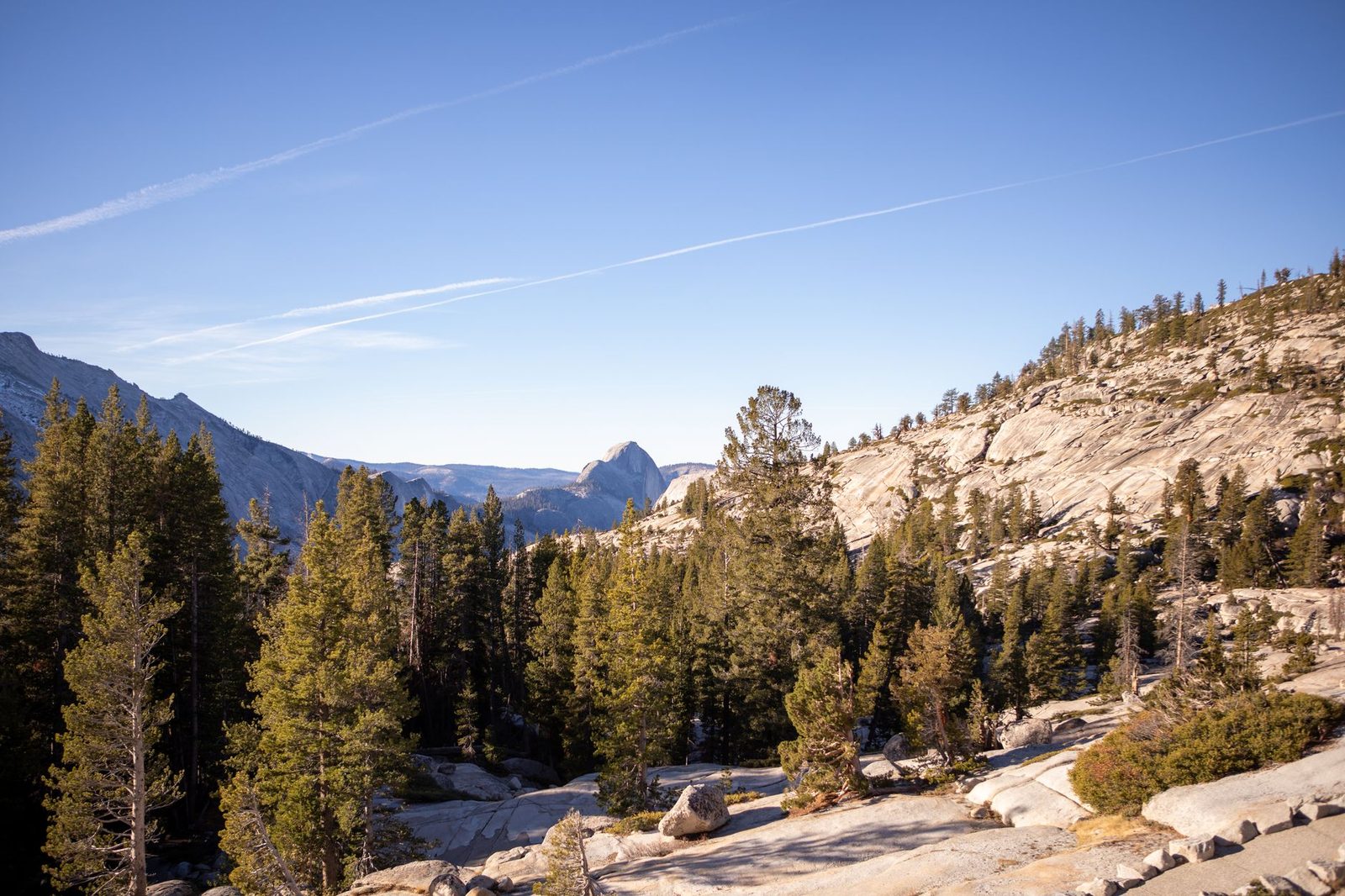
The Sierra is the first problem in winter. Passes on Interstate 80 over Donner Summit, Highway 50 and Highway 4 go to chain control or close outright during storms, which matters for any move between Northern California and Nevada or up to a job at Lake Tahoe. A 26 foot trailer on chains moves slowly. Sometimes it doesn't move at all until the road opens.
The Central Valley is flat and easy most of the year. Winter tule fog on Highway 99 and Interstate 5 can shut down travel for hours. We don't push a trailer through zero visibility. If the fog is in, we tell you, and we give you a new window as soon as it lifts.
The far north is its own trip. Del Norte, Humboldt, Trinity and Siskiyou counties depend on Highway 101 and Highway 299 through steep, slide-prone terrain, and winter storms there can cut off a job site for days. For a long job up north, we like to deliver during a clear stretch and plan service visits around the forecast.
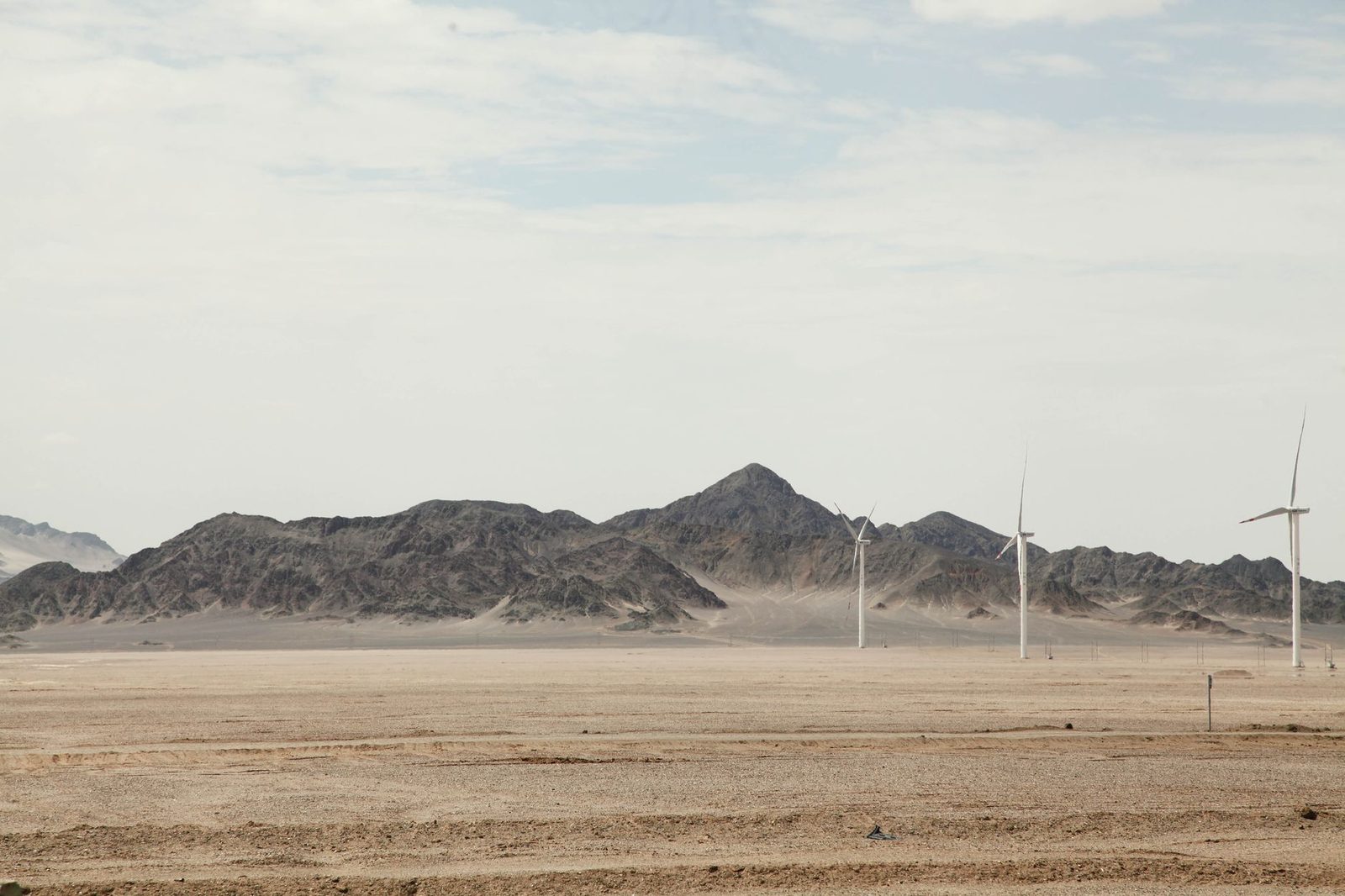
The desert is hot, not slow. Roads through the Mojave and the Imperial Valley are open most of the time, but summer highs of 105 to 120 degrees are hard on trucks, tires and people. We schedule long desert hauls early in the day when we can, and we check the last miles of dirt road before we send a trailer onto them.
Elevation adds its own wrinkle. The state runs from 282 feet below sea level in Death Valley to 14,505 feet at Mount Whitney, and those two points sit only about 85 miles apart. A camp in the high Sierra can freeze at night in September while a valley job two hours away bakes. We plan water lines and waste tank timing for the camp's actual elevation, not the county seat's.
Then there's the fire itself. Roads near an active fire close with little warning, and evacuation traffic can fill the only route in. The logistics section usually knows the best way into camp. We ask for it, and we ask for a phone number at the gate so the driver isn't guessing.
Island work is rare, but it does come up. San Nicolas Island, part of the range operations at Naval Base Ventura County, sits well off the coast, and anything headed there moves on the Navy's schedule. If a military job ever calls for laundry offshore, we plan it with the base logistics office weeks ahead.
What does this mean for you? Order early when you can, especially in winter and at the start of fire season. Tell us the exact site, not just the nearest town. A fairground address and a staging area ten miles up a forest road are very different drives. Expect a straight answer about timing on the first call.