What a contracting officer should ask a trailer rental vendor
Buying temporary facilities for an agency is not like buying for a private company. The vendor has to be registered, insured and able to follow your security and billing rules. A few questions up front save weeks of back and forth later.
Start with registration. Ask for the vendor's SAM.gov status and Unique Entity ID before you go further. A vendor that cannot show an active registration cannot take a federal award, and many state and local offices check it too.
Next, ask for the insurance certificate. Confirm the limits your contract requires and whether the vendor can name your agency as an additional insured. Ask for the W-9 at the same time so the payment office has it ready.
Then ask how the quote is built. A good quote lists each unit type, quantity, service frequency, term, delivery and pickup, so each item can become a purchase order line. Vague lump sum quotes cause trouble when the order changes.
Finally, ask how changes work. Projects change. A vendor that can add, move or pull units under the same order saves you from issuing a new procurement every time the scope shifts.
It also helps to ask who the vendor's single point of contact will be. When a site has a problem at night, your project manager should know exactly who picks up the phone and who can send a crew.
Sources: SAM.gov
Keeping a public building open during a restroom renovation
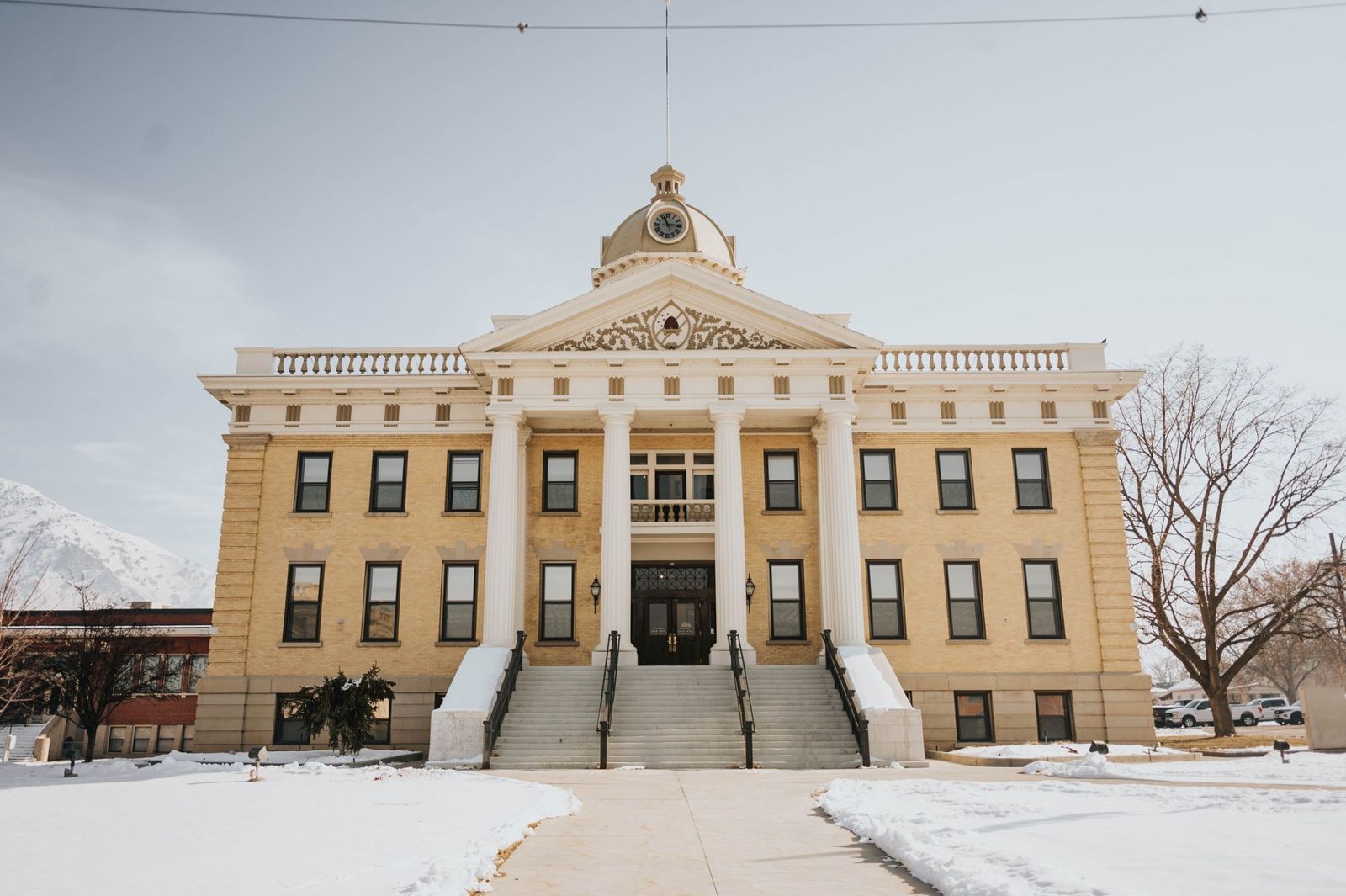
Restroom renovations in public buildings are some of the hardest projects an agency runs. The public still comes in, staff still work full days and nobody can go without a restroom for weeks. Temporary restroom trailers solve the problem if they are planned well.
Pick the location with security and facilities together. The trailer needs a firm, level spot close to an entrance, a path the public can find and a place where the service truck can reach it without blocking traffic.
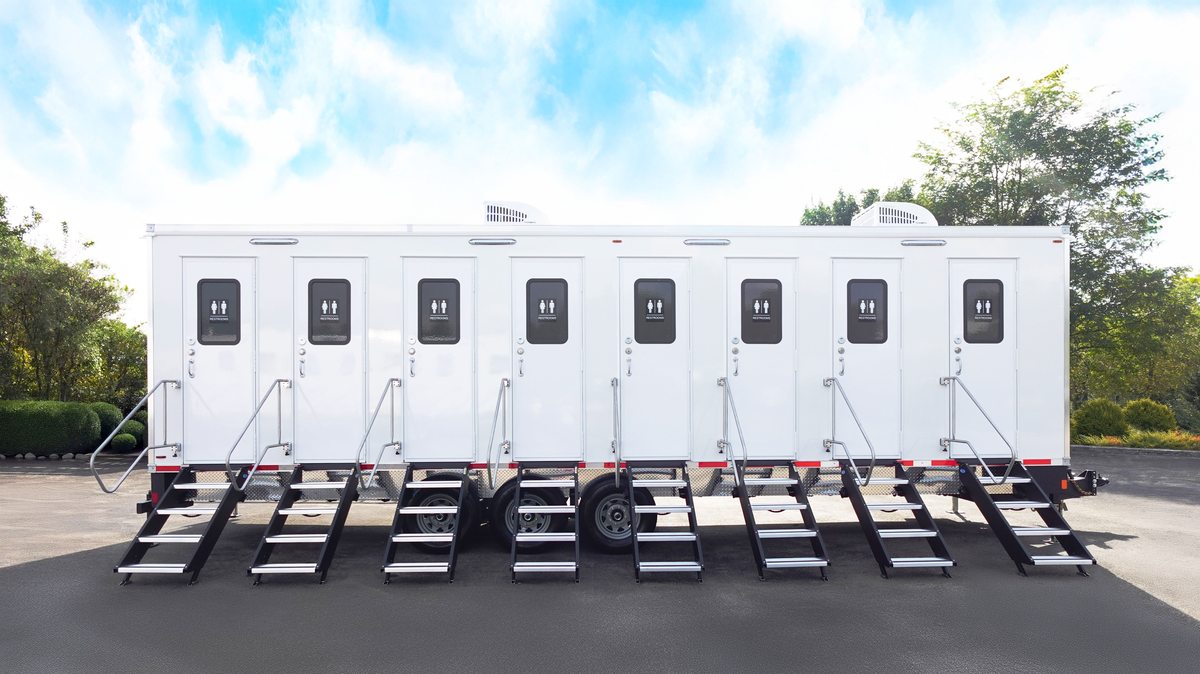
Plan for accessibility from the start. If the renovation takes accessible restrooms offline, an ADA trailer with ramp entry near the entrance keeps the building usable for everyone.
Set the service schedule around the building's hours. Early morning service means clean units when the doors open and no pump truck in view of the public during the day.
Last, plan for phases. Many renovations move floor by floor or wing by wing. If the open entrance changes, the trailer should move with it under the same order.
Ask about the service record too. Service that is logged with a date and time protects your office as much as the vendor, because it shows the facilities were kept clean and working as the order required.
Sources: U.S. Access Board ADA Standards
Planning facilities for a remote field operation
Agency field work often happens far from a building: surveys, inspections, land management, research and fire prevention. Teams that stay out for days need restrooms, showers and sometimes beds, and the site has none of them.
Start with head count and length of stay. A crew of ten for a week needs far less than a crew of forty for a summer. Tell your vendor both numbers so the order is sized right from the first delivery.
Check access next. Remote roads limit trailer size. A long unit that cannot make a turn or cross a soft wash will not help anyone. Share road conditions and any gate or cattle guard details when you call.
Plan water, waste and power. Self-contained trailers carry their own tanks, and a generator covers power. The service schedule decides how often tanks get refilled and pumped, so match it to the crew size.
Finally, think about rest. Crews that drive two hours each way lose sleep and time. Bunkhouse trailers that sleep twelve on site can turn a tiring commute into a full day of work.
One more detail: plan for accessible routes, not just accessible units. The path from the building door to the ADA trailer should be firm, level and free of cords and hoses, and signs should point visitors to it from the closed restrooms inside.
Sources: Bureau of Land Management
Documenting trailer rentals for audits and reimbursement
Government rentals get reviewed. An auditor may ask months later why a unit was on site, how often it was serviced and what it cost. Good records make that a short conversation.
Keep the delivery ticket for each unit. It should show the date, site and unit type. Keep the pickup ticket too, so the rental period is clear.
Keep the service logs. A log with a date and time for each pump, refill and cleaning visit proves the unit was in use and serviced as ordered.
Match invoices to order lines. When each invoice breaks out charges by site and unit, finance can reconcile them without guessing. Ask your vendor to use your order and line numbers on every invoice.
Keep vendor documents in the same file. The SAM.gov registration, insurance certificate and W-9 belong with the rental records, especially when federal funds or reimbursement are involved.
When the season ends, plan the pickup as carefully as the delivery. Remote roads can close with weather, and a unit left behind over winter can freeze. Set the pickup date early and confirm it in writing.
Sources: FAR Part 13 Simplified Acquisition
How state and local agencies share resources in an emergency
Large emergencies stretch any single agency. States have built formal ways to share people and equipment so help can arrive faster than a new contract could be written.
The Emergency Management Assistance Compact, known as EMAC, is one of the main tools. It lets a state that has declared an emergency request help from other member states under terms agreed ahead of time.
Inside a state, county and city emergency managers work through the state emergency operations center. Requests move up when local resources run short, and the state decides whether to fill them from its own stock, from other states or from vendors.
Private vendors fill a big share of those requests, especially for equipment like restroom, shower and laundry trailers that agencies do not keep in stock. A vendor with a 24/7 line and ready paperwork can turn a request into delivered units quickly.
Planning ahead helps. Agencies that keep a list of registered, insured vendors with confirmed contacts can place orders in the first hours of an event instead of the first days.
The same planning applies to local governments. A county that has registered, insured vendors on file before storm season can place an order the same day a shelter opens, rather than waiting for a new procurement to clear.