Planning emergency drinking water for a boil water notice
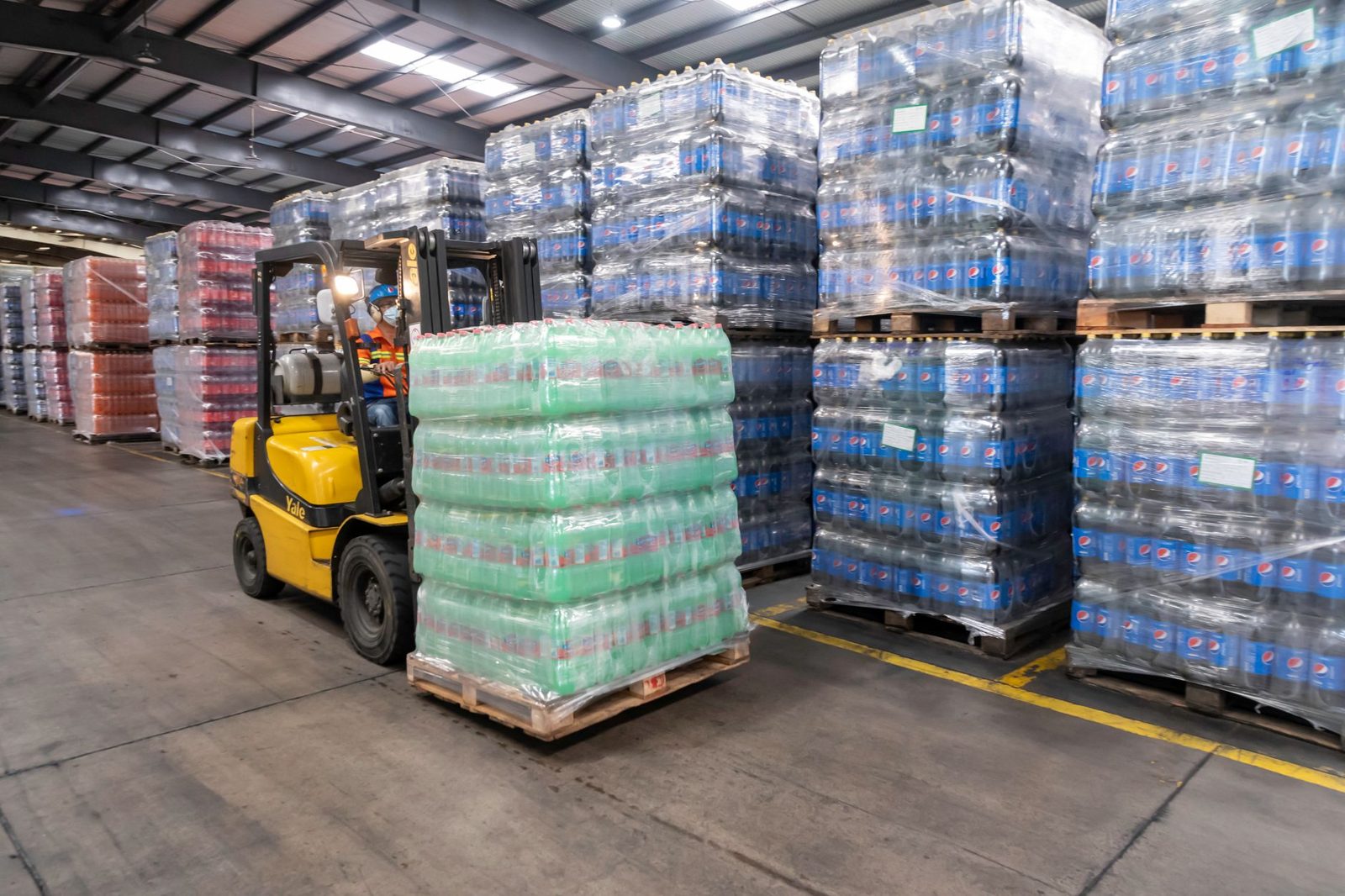
A boil water notice tells residents their tap water may not be safe to drink without boiling. The EPA describes notices as a step utilities take when pressure drops or a test finds bacteria. The notice may last a day or a week, and residents want a clear answer on where to get safe water.
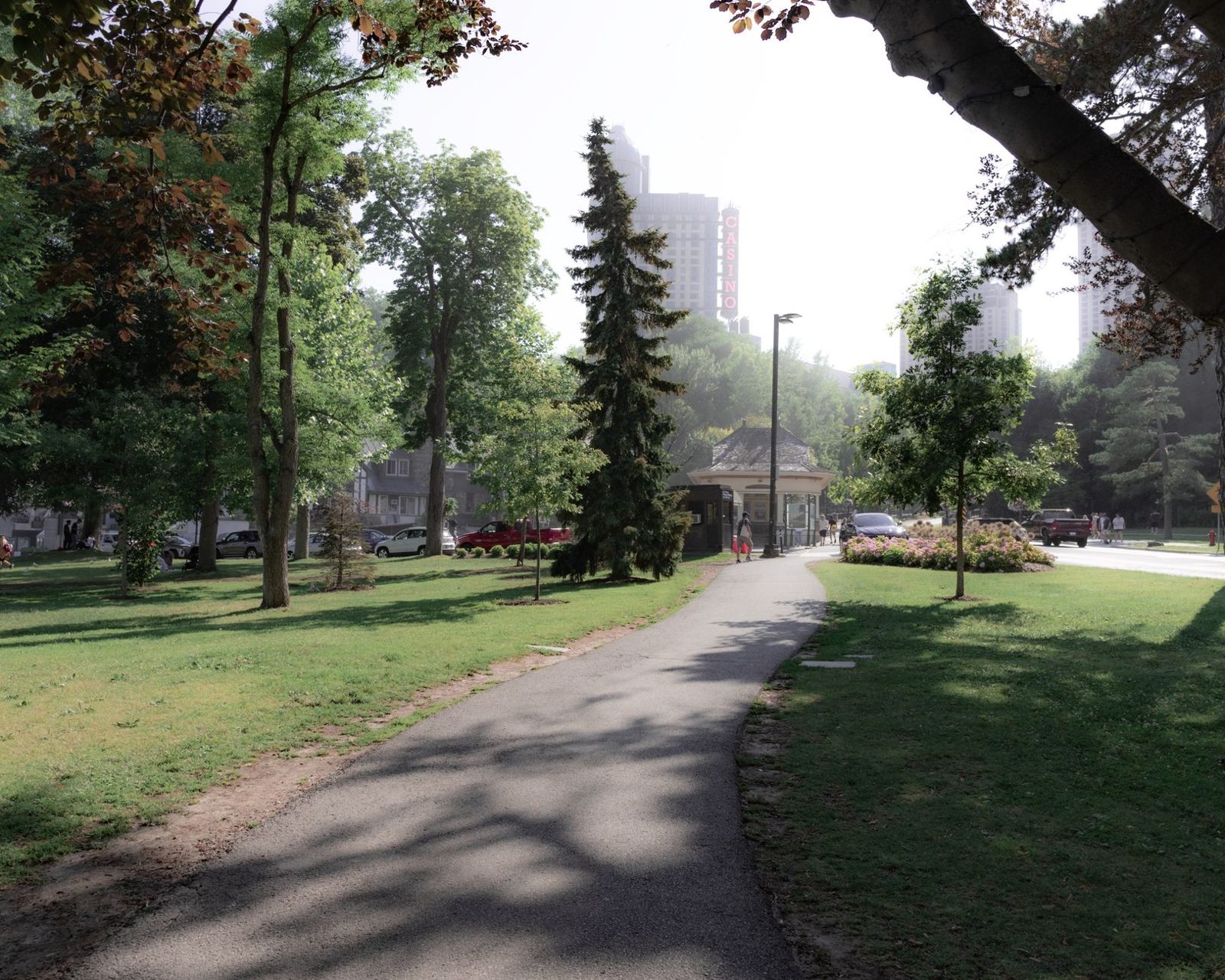
Pick pickup sites residents can reach. Parks, schools and community centers inside the affected area work well because people know where they are and many can walk there. Avoid sites that put a line of cars onto a busy arterial.
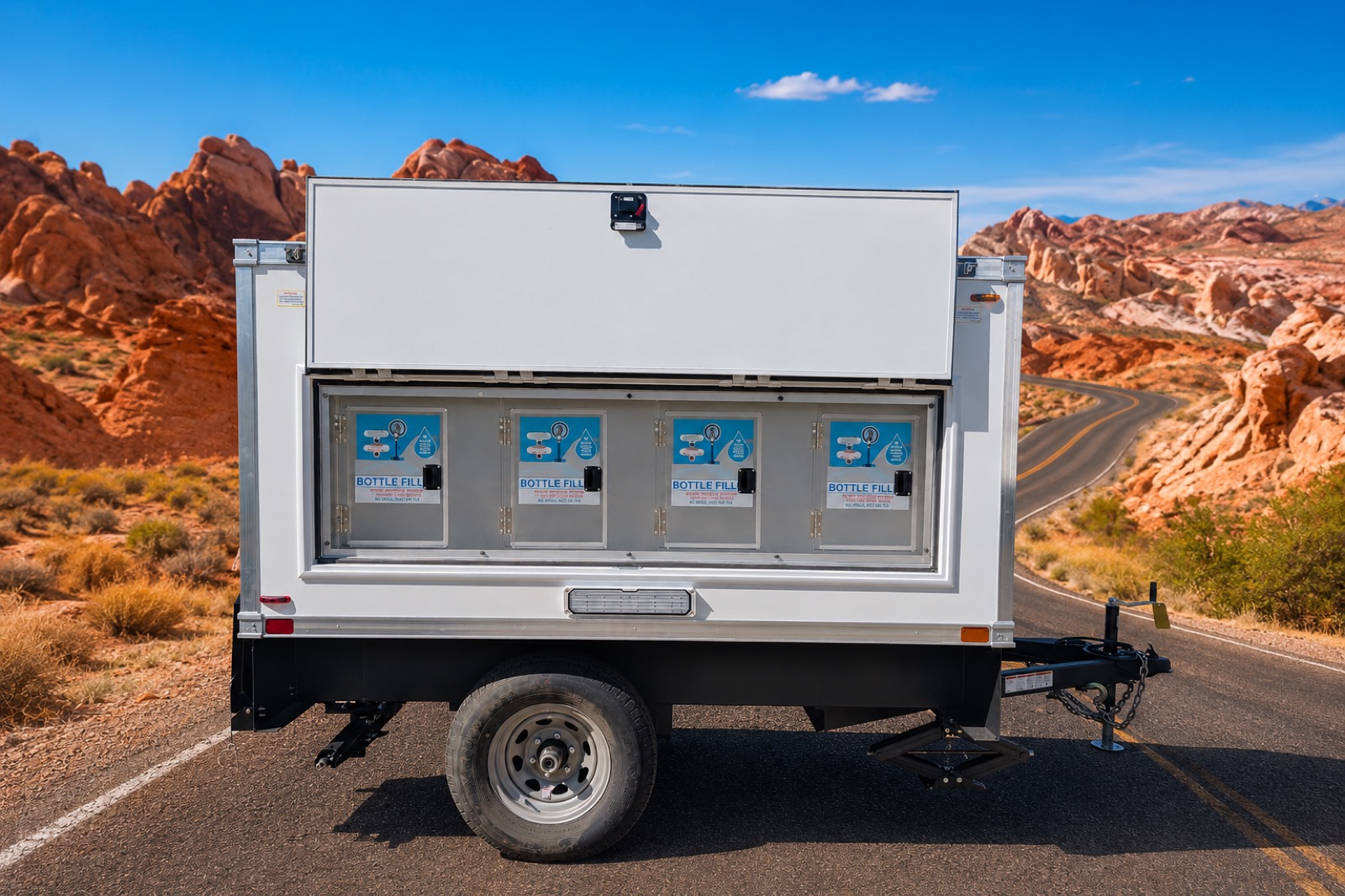
Size the stations to the population. A water station trailer with several bottle fill points serves a steady line well. Large notices may need a station in each neighborhood rather than one big site.
Post clear hours and service times. Residents plan around them, and posted times keep lines short. Our crews refill and sanitize on the schedule you post.
Close cleanly. When the notice lifts, announce it at the pickup sites too, and have the vendor pick up the trailers promptly so the parks and schools go back to normal use.
It also helps to have a plan for bottles. Many residents come without containers. Keep a supply of clean jugs at each site, or tell residents ahead of time to bring their own clean containers.
Sources: EPA emergency drinking water guidance
Keeping road crews cool and supplied through a summer project
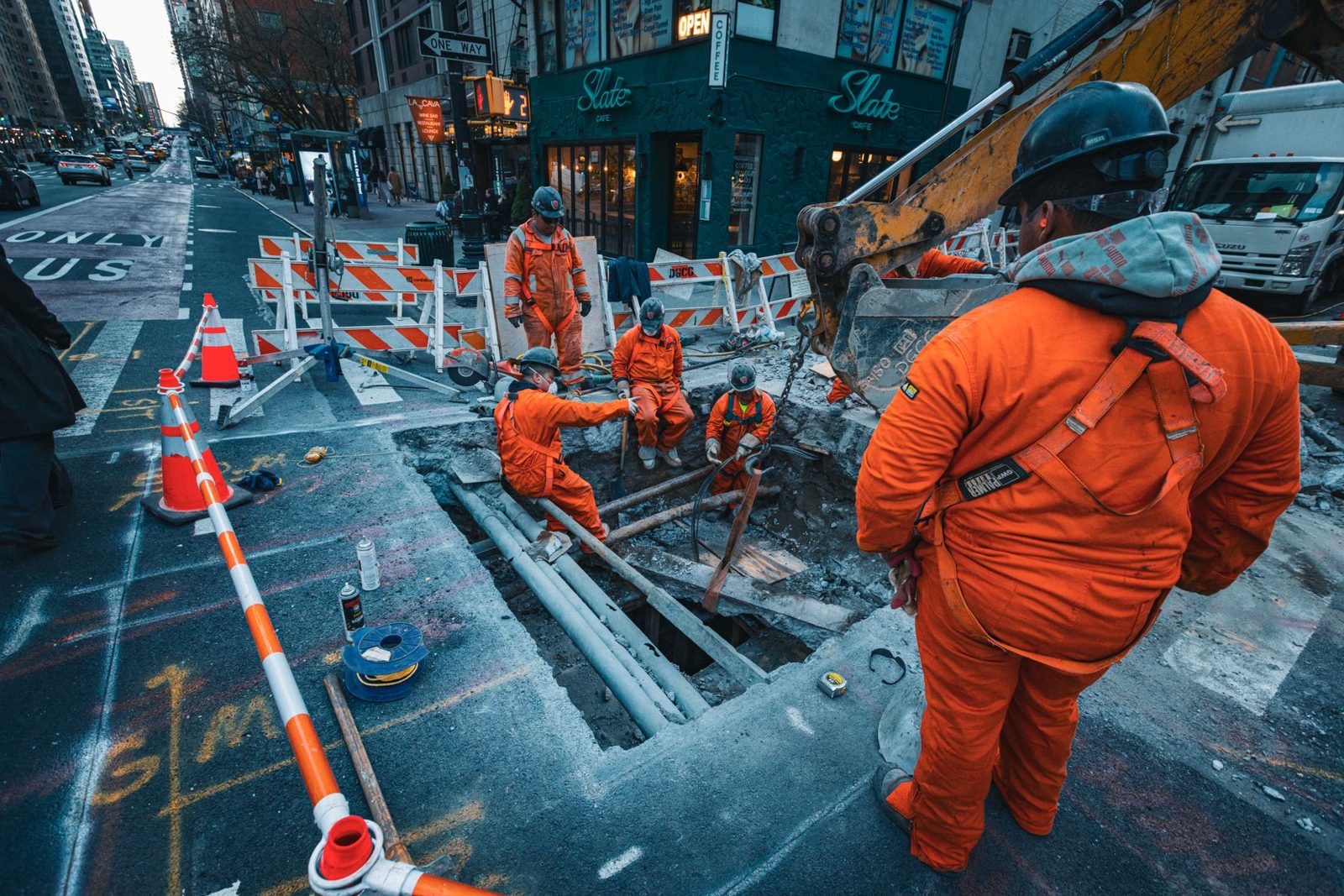
Summer road work puts crews on the hottest surfaces in the city. Fresh asphalt holds heat, and work zones rarely have shade. Heat illness rules in several western states now require employers to plan for water, shade and rest.
Start with water. Place a chilled water station at the crew yard so every worker fills bottles before rolling out. Add a second station at long work zones so crews do not drive back for water.
Plan restrooms along the route. A crew that has to leave the work zone to find a restroom loses time and may skip water to avoid the trip. A compact restroom trailer that moves with the crew solves both problems.
Watch the calendar. Heat waves raise water use fast. Ask your vendor to watch refill volumes and add visits when the forecast turns hot.
Keep records. Service logs showing water refills and restroom cleaning support your heat illness plan if an inspector ever asks how it was carried out.
Crews also need a cool place to rest. A restroom trailer with air conditioning gives workers a clean, cool space for a few minutes on the hottest afternoons, which helps as much as the water.
Sources: Cal/OSHA heat illness standard
Renovating restrooms in city buildings without closing them
City halls, libraries and recreation centers need restroom renovations like any building, but they cannot close for months. Temporary restroom trailers let the building stay open while the work goes on.
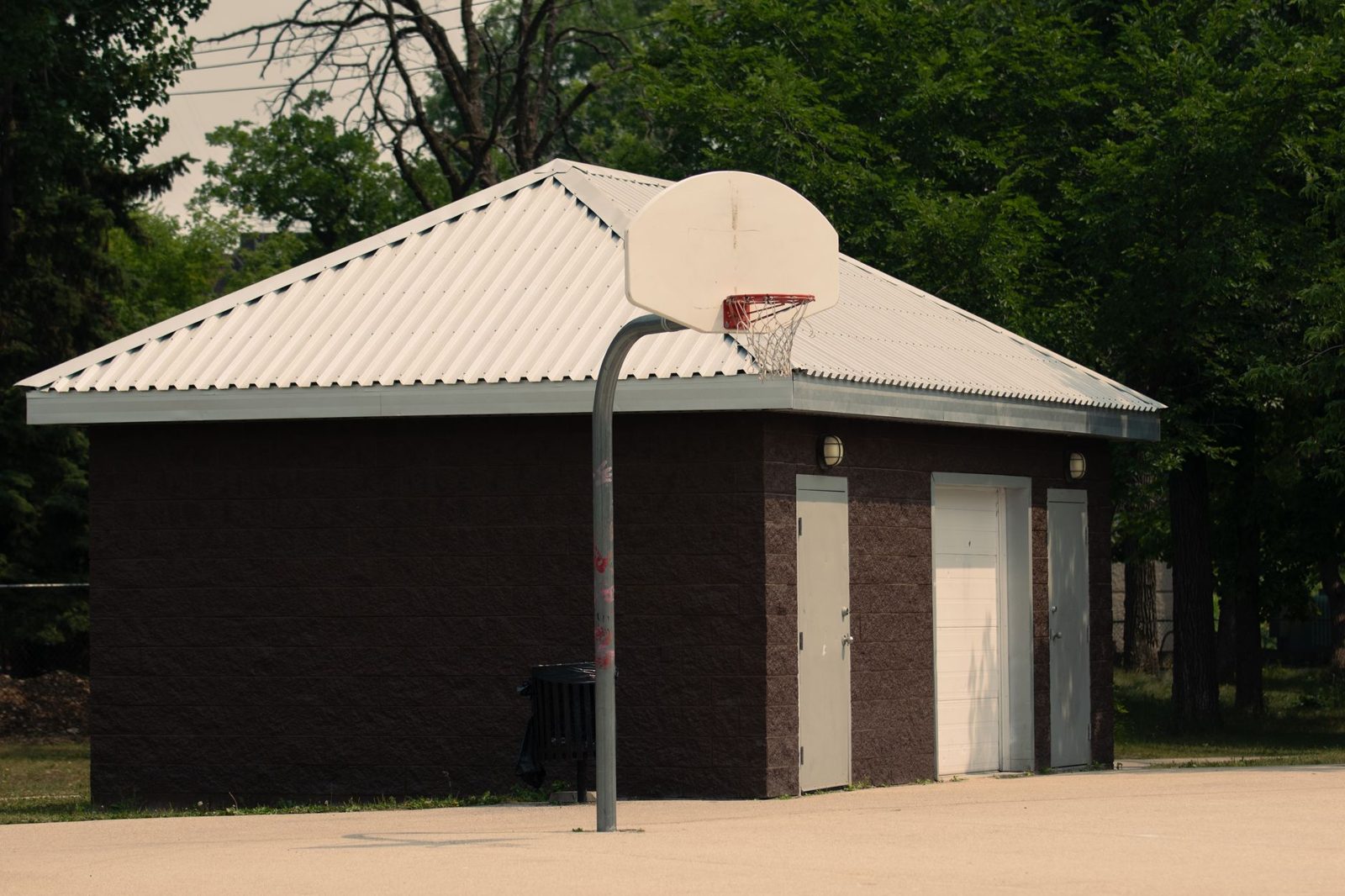
Choose the spot with facilities and security staff. The trailer needs firm ground near an entrance. It also needs a spot the service truck can reach without blocking traffic.
Plan for accessibility. If the renovation takes accessible restrooms offline, an ADA trailer with ramp entry must be part of the plan from day one.
Set service outside public hours. Early morning service keeps the units clean at opening and keeps the pump truck out of view during the day.
Plan for phases. If the construction moves from one wing to the next, move the trailers with it so the nearest entrance always has a restroom.
Once the renovation is done, walk the site with the vendor before pickup. Make sure the pad, the path and any cords are cleared, and that the entrance is back to its normal use.
Sources: ADA.gov
Buying trailer rentals through public purchasing rules
Public works departments buy under rules set by their city or county. Small purchases may need a few quotes. Larger ones may need a formal bid or council approval. Knowing where a rental falls saves time.
Many departments use cooperative purchasing contracts for repeat needs. These let a city buy from a vendor under a contract another agency already bid, which can cut weeks off the process.
Blanket purchase orders help too. A department that knows it will need water stations or restrooms several times a year can set up a blanket order and call units out as projects start.
Ask for line item quotes. A quote that lists each unit, its term and its service frequency makes it easy to build the purchase order and to change it later.
Keep vendor documents on file. Registration, insurance certificate and W-9 should be ready before the first emergency, so an order can go out the same day a main breaks.
Last, keep contacts current. The person who answers at the vendor and the person who can approve an order at the city should both be on a list your dispatch staff can reach at night.
Sources: NIGP public procurement
Planning facilities for a treatment plant upgrade
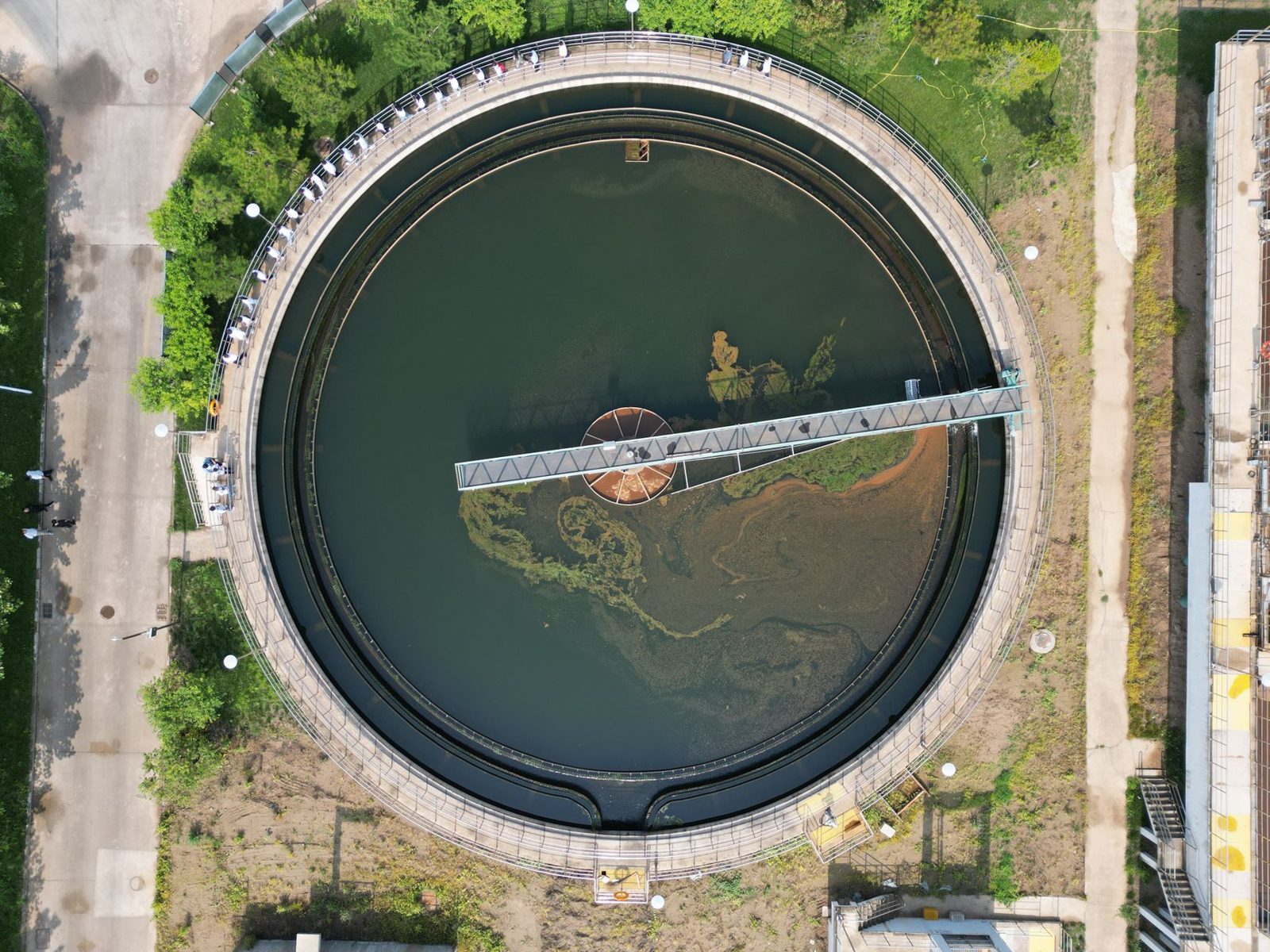
Water and wastewater plants run every day of the year, even during major upgrades. Staff still need restrooms, locker rooms and showers while contractors rebuild the buildings that hold them.
Start by listing what the upgrade takes offline. If the locker room closes, staff lose showers as well as restrooms. Plants where staff handle wastewater especially need handwashing and showers close to the work.
Place units away from contractor traffic. Plants have tight roads and heavy equipment. Pick spots where staff can reach the trailers safely and where our service truck can get in without crossing the construction zone.
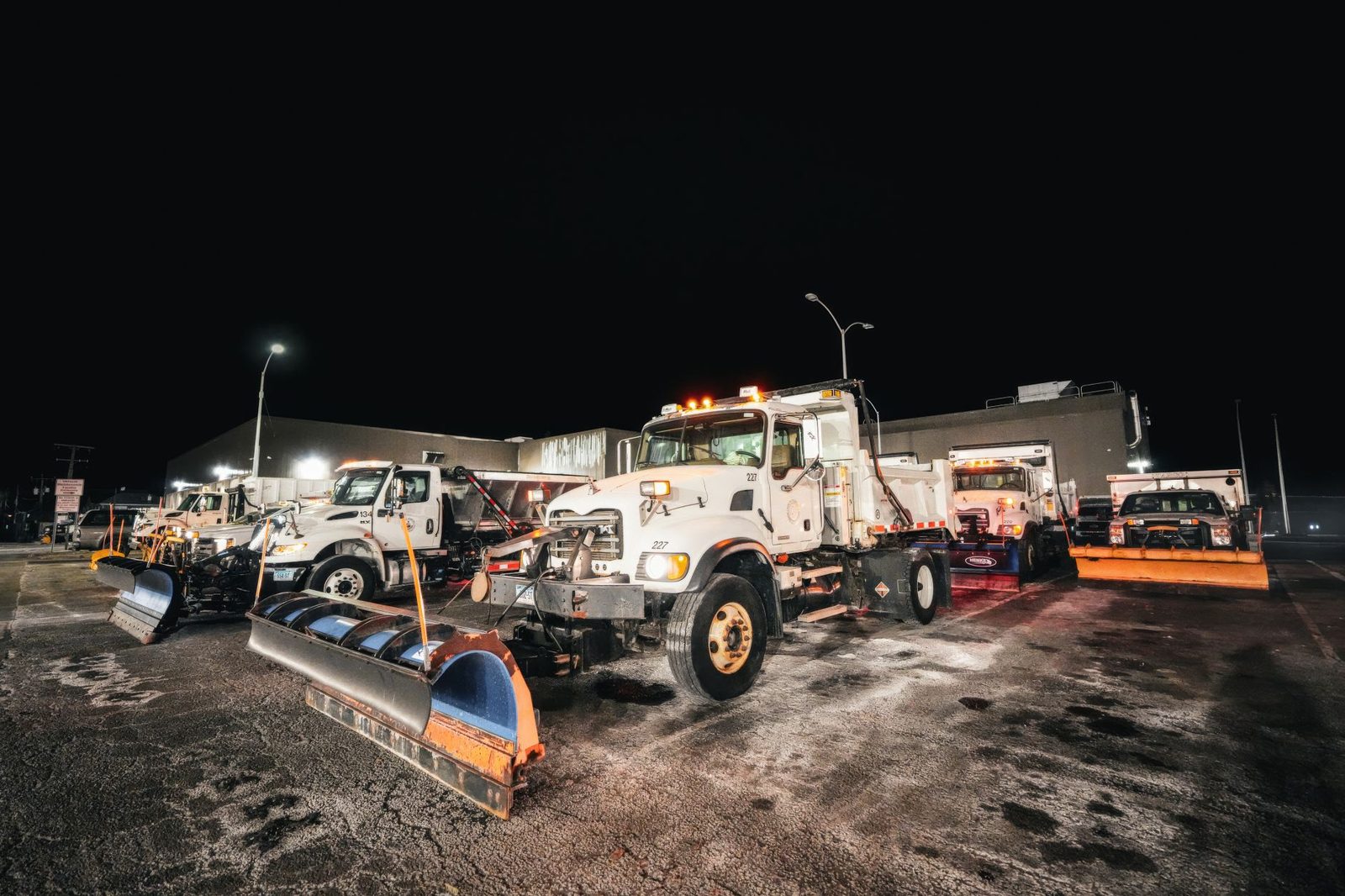
Plan for weather and freezing. A plant upgrade can run through winter. Ask for units that can be protected from freezing and a vendor that plans service around snow and ice.
Keep the contractor and the plant on the same order when it makes sense. One vendor serving both plant staff and contractor crews keeps the site simpler and the billing clear.
When the upgrade ends, plan the pickup around plant operations. Removing units during a shift change or a chemical delivery can block plant roads, so pick a quiet window with the plant supervisor.