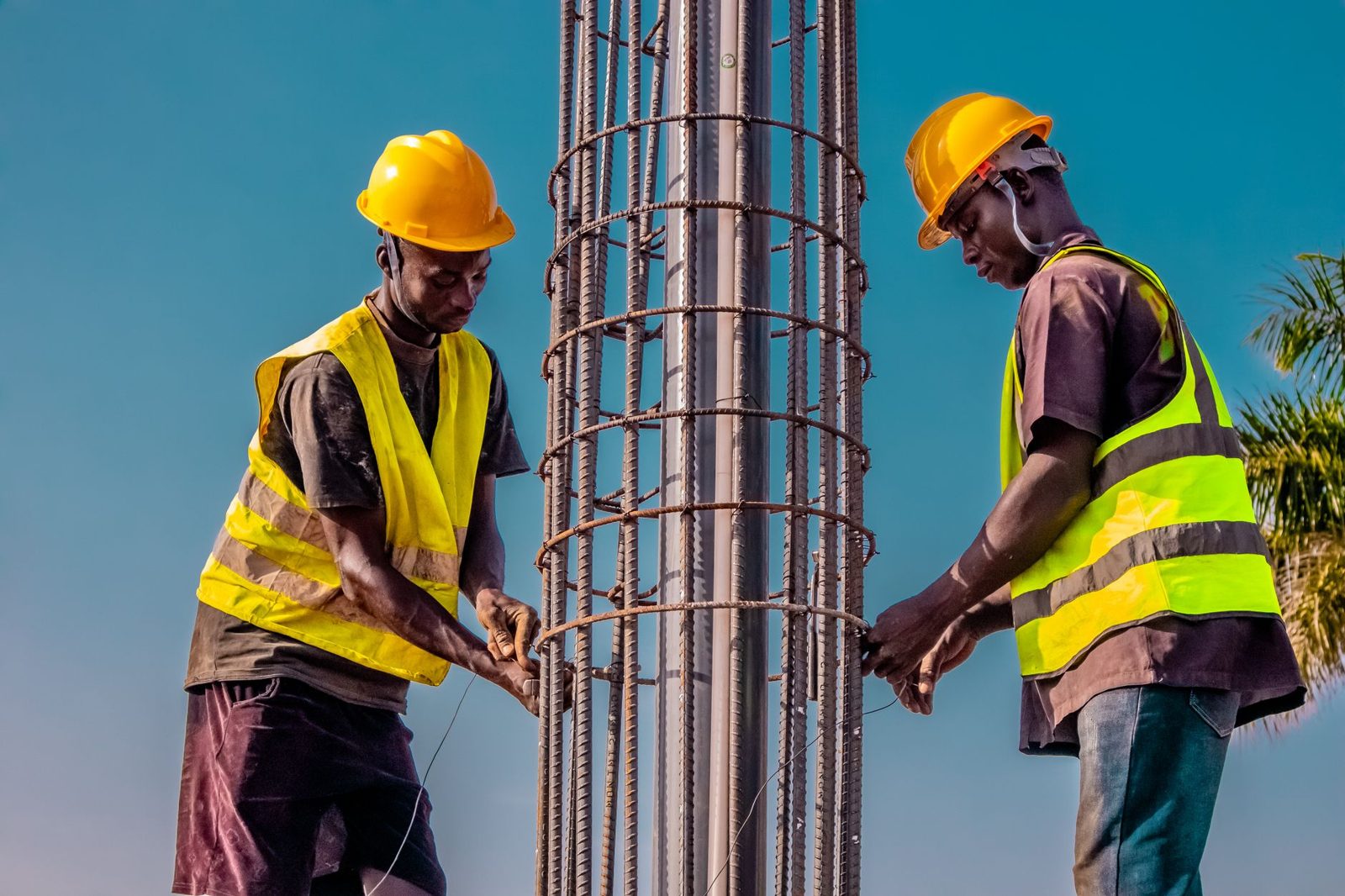
Two workers tying rebar for a concrete column
Home / Industries / Commercial Construction
Commercial Construction

Portable Multi-Trailer Rentals for Commercial Construction Jobsites

Mavirus Group rents portable restroom and shower trailers, chilled drinking water stations and crew welfare units to general contractors running large commercial jobsites. Call with the address, the start date and your peak crew count. We will size the package, send back a quote and keep every unit pumped, stocked and cleaned so your superintendent can spend the day on the schedule instead of the restrooms.

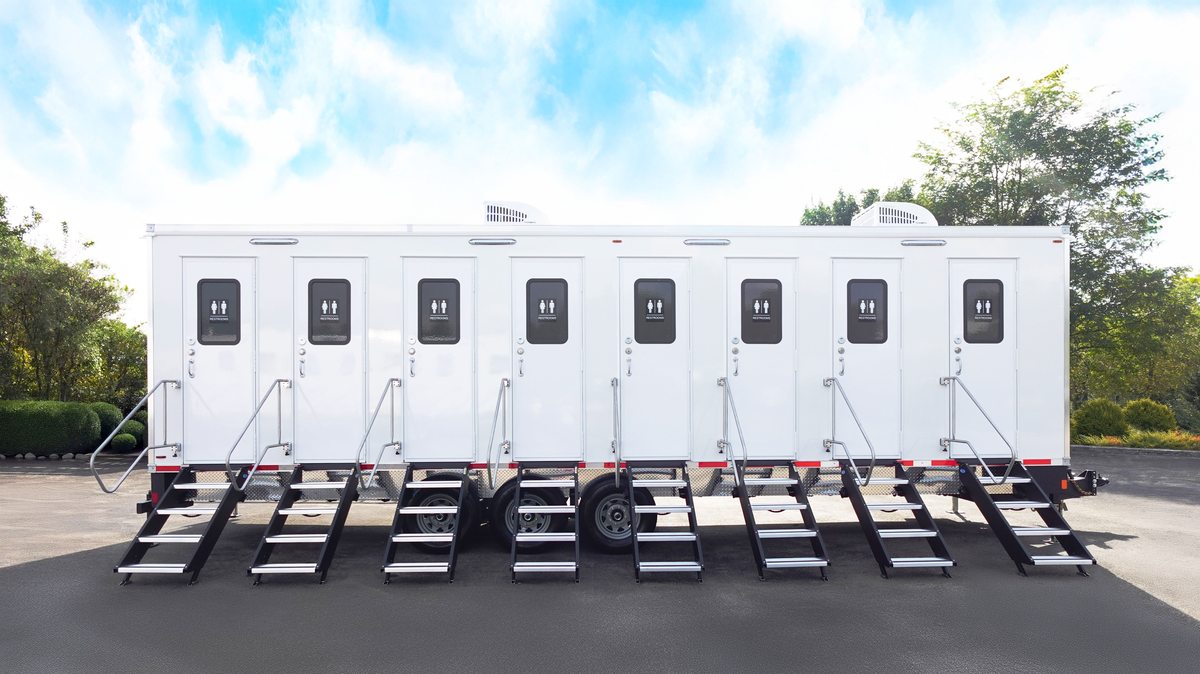
A Mavirus luxury restroom trailer with private flushing suites, ready for nationwide delivery
Nationwide trailer rentals, built for rapid deployment All 50 States 24/7 Dispatch ★★★★★ 5.0
RMLBD
Trusted by construction contractors, government agencies, school districts, and disaster response teams nationwide.
SAM.gov registered federal contractor FEMA disaster support Cal Fire registered

Call now or request a quote. Our dispatch team answers 24/7, including emergencies.

General Contractors

Construction jobsite trailer rentals for general contractors and superintendents

A big commercial job can carry a few dozen trades in month one and more than a thousand at peak. The restrooms, wash stations and drinking water have to grow with that curve, and somebody has to keep them clean every day. We take that job off the superintendent's list. We deliver restroom trailers with flushing toilets and running water, private shower trailers for crews coming off dirty work, drinking water stations for summer heat and bunkhouse trailers for remote sites. Our own service crews pump, refill and restock on a schedule we set with you. Call the dispatch line first for a fast answer on sizing and delivery dates, or send a quote request with the site plan and your manpower curve.

24/7dispatch line for jobsite service calls
1926.51federal jobsite sanitation ratios
A+ BBBrated, licensed and insured
All 50states in our service area
Reviews

What customers say

R
Ray D.general superintendent, data center project
★★★★★

We went from 150 guys to almost a thousand in four months. Every time I sent the updated manpower count, more trailers showed up that week. I never had to chase anybody.

M
Monica P.project safety manager
★★★★★

The service logs made our weekly safety audit easy. Every pump and cleaning visit had a time on it, and the units were always stocked when I walked the site.

L
Luis C.concrete foreman
★★★★★

My crew pours at four in the morning. The restroom trailer was clean and lit when we got there, which is more than I can say for most jobs.

The Trailers

The restroom, shower and crew support trailers we set on commercial jobsites

A Mavirus luxury restroom trailer with private flushing suites, ready for nationwide delivery
A multi-station restroom trailer, the unit most large jobsites start with

Most construction orders start with restroom trailers, because the sanitation count is the first thing a safety manager checks. We rent units from a two station trailer for a small crew up to an eight station bank for a large one. Each suite locks, flushes and has a sink with running water, lights and heat or air conditioning. Crews treat a clean trailer better than a row of plastic boxes, and owners walking the site notice the difference.

Each trailer carries its own fresh water and waste tanks. That means we can set units on a pad before the permanent sewer and water lines are in, and move them when the site logistics plan changes. When there is temporary power on site we tie in. When there is not, we bring a generator and fuel it on the service schedule. Shower trailers, laundry trailers, drinking water stations and bunkhouses can ride on the same order.

Service is included in the rental. Our crews pump waste, refill fresh water, restock paper and soap and clean every suite on a set schedule. We time visits around your shift start, lunch and cleanup so the pump truck never blocks a crane pick or a concrete pour. When the crew count climbs, we add stations under the same order. When the job winds down, we pull them back.

Where We Deploy

The commercial jobsites that rent our construction trailers

Large commercial construction falls into a few kinds of jobs, and each one stresses crew facilities in its own way. Data centers stack huge crews on remote ground. Hospitals put builders next to patients. Warehouses cover acres of open slab. Highway and rail work never stays in one place. We plan the trailer package around the kind of job you are running.

Data Center Campuses

Restroom and shower trailers for data center construction crews

Data center campuses are some of the largest jobs in the country right now, and many sit on open industrial land far from town. In the Tahoe Reno Industrial Center in northern Nevada, several campuses have been building at the same time, and one new project was reported to need 1,000 to 1,500 trades workers at peak. A crew that size needs sanitation planned like a small city.

We lay out restroom trailers near each building pad and the parking area, with a service lane our pump truck can use without crossing active work. Shower trailers help electricians and mechanical crews who spend long shifts in hot, dusty conditions. Drinking water stations go where crews stage in the morning, and bunkhouse trailers cover crews that cannot find lodging within a reasonable drive.

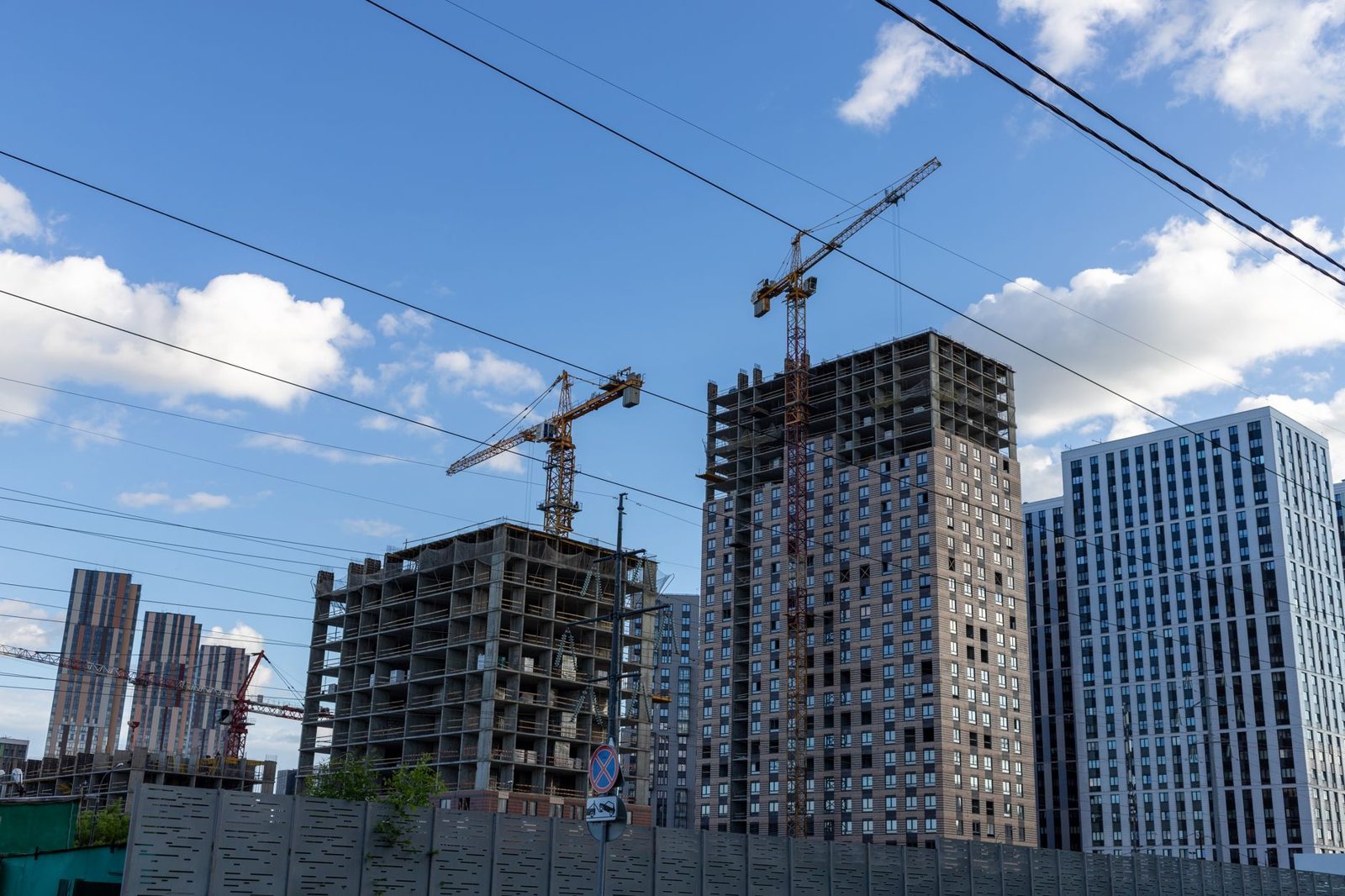
Tower cranes over a large building under construction
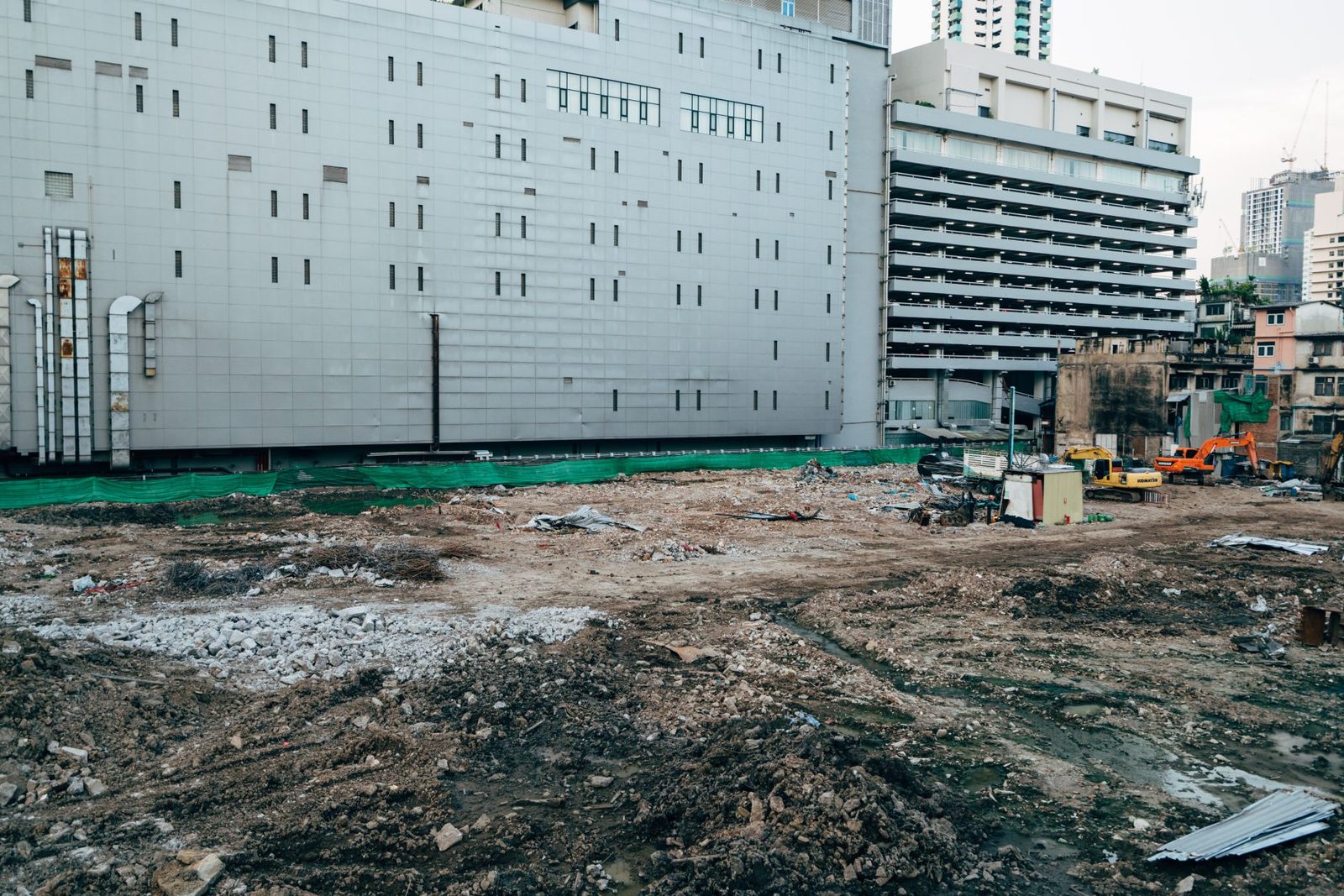
A large new building rising beside a cleared dirt lot
Hospitals and Healthcare

Jobsite restroom trailers for hospital additions and medical campus builds

Hospital work often happens on a campus that never closes. Construction crews cannot share restrooms with patients and visitors, and infection control teams want trades kept out of clinical corridors. The contractor needs a separate set of facilities that stays clean and stays on the construction side of the fence.

We place restroom trailers inside the construction boundary, close to the crew entrance, and schedule service when it will not interfere with ambulance routes or patient drop off. Units carry their own tanks, so nothing ties into the hospital's plumbing. The trailers look and work like a real restroom, which matters when hospital leadership tours the job.

Warehouses and Logistics

Portable restroom trailers for warehouse and distribution center jobs

Warehouse and logistics buildings cover huge footprints. In California's Inland Empire, a single logistics center in Apple Valley sits on about 177 acres. On a job like that, a crew working at the far corner of the slab can be a long walk from the only restroom on site, and long walks cost production time.

We spread restroom trailers across the site instead of stacking them at the gate. One bank sits near the trailer village and parking, and smaller units follow the work as the building shell moves from one end to the other. Drinking water stations go near the tilt-up crews during summer, when the slab reflects heat back at everyone standing on it.

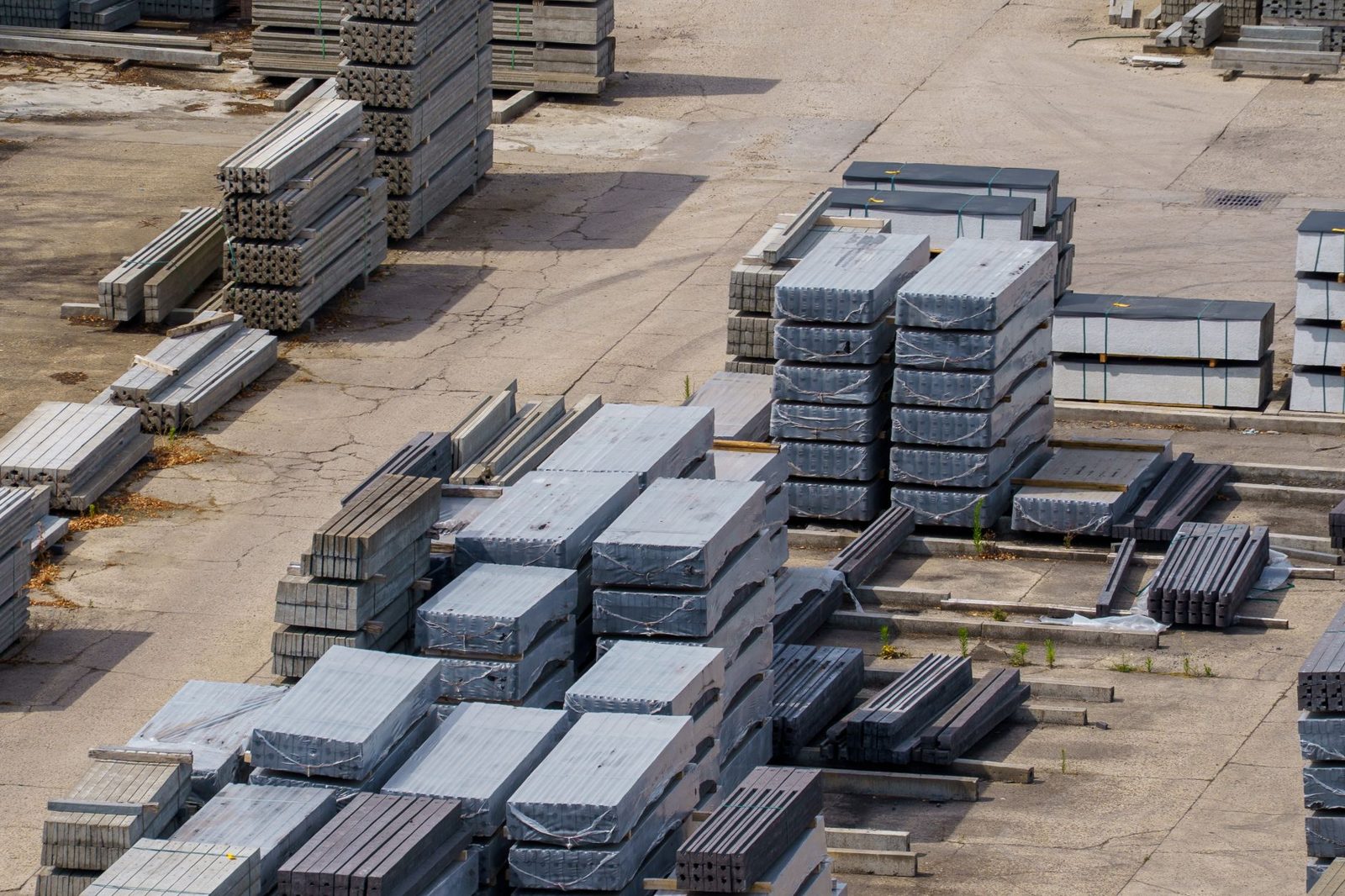
Precast concrete panels stacked at a jobsite
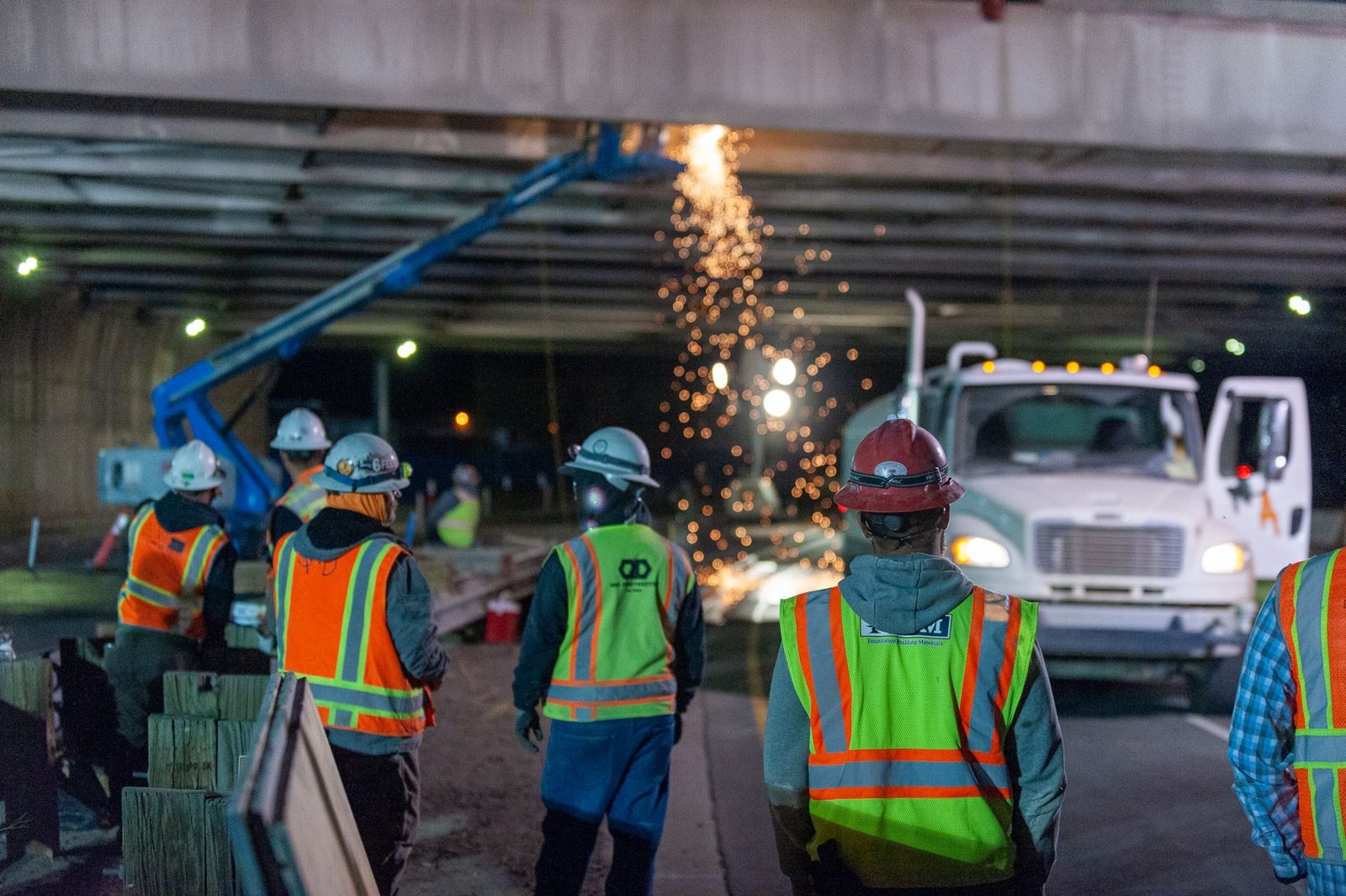
A night crew in safety vests working under an overpass
Highway and Rail

Crew trailers for highway, rail and linear infrastructure projects

Linear jobs move every week. California's high speed rail program has active design and construction along a 171 mile stretch between Merced and Bakersfield, and highway interchange work along State Route 99 runs county by county. A restroom that was close to the crew in March can be miles away by June.

We rent restroom trailers and handwashing on monthly terms and relocate them as the work zone moves, all under the same order. Our dispatcher tracks where every unit sits, so your field engineer can ask for a move by phone. Drinking water stations and shower trailers can follow the crews to each new staging yard.

Other Jobsites

Other construction jobsites where we place restroom, shower and water trailers

Solar and battery storage builds

Utility-scale solar and storage projects on desert ground where crews work hundreds of acres from the nearest town.

Airport terminal programs

Terminal and concourse work inside a secure airport, where crews need facilities that stay on the construction side of security.

Port and terminal upgrades

Crane, wharf and rail upgrades at working seaports, where crews rotate through long shifts next to active cargo lanes.

Mining and processing plants

Construction of processing buildings and infrastructure at remote mines, where crews live far from services.

Master planned redevelopment

Large mixed use sites built in phases over several years, where facilities move from one phase to the next.

Occupied building renovations

Renovations of offices, schools and plants that stay open, where crews cannot use the building's own restrooms.

Service Area

Construction trailers delivered to jobsites nationwide with 24/7 dispatch

Our service area covers all 50 states. The core fleet sits in the West, and we route units from the nearest yard that has stock. For long jobs we set up a service route that runs on your schedule for the life of the project. Call the dispatch line with the jobsite address and the start date, and we will tell you what can arrive and when.

Data center campusesHospital additionsWarehouse and logisticsHighway interchangesRail corridorsSolar and storageAirport terminalsOccupied renovations
Service area: Nationwide service, all 50 states
Site Types

Jobsite layouts we plan construction trailers around

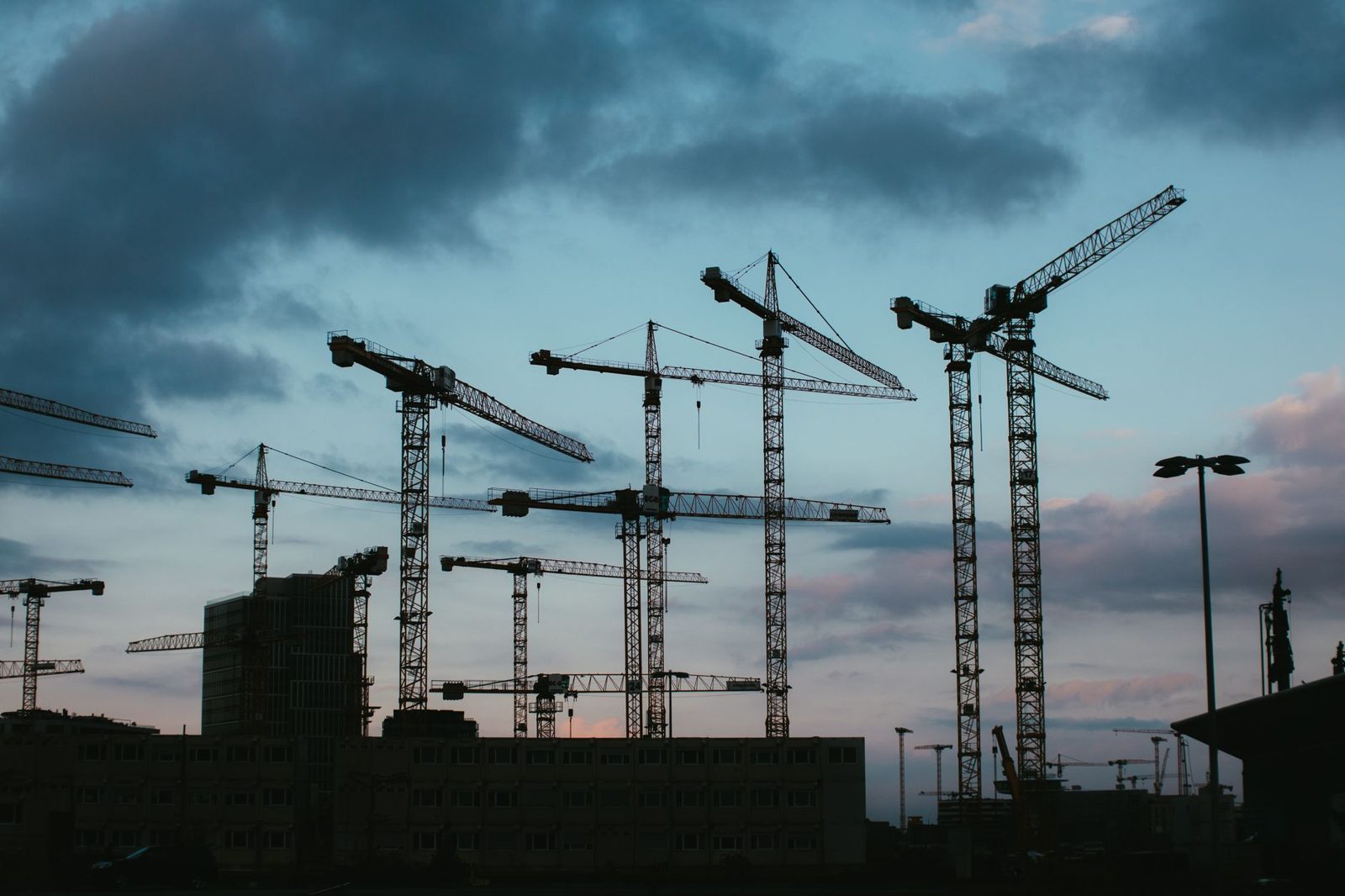
Tower cranes against an evening sky

Tight urban lots

Every square foot is spoken for. We use compact units, set them where the logistics plan allows and schedule service before the street gets busy.

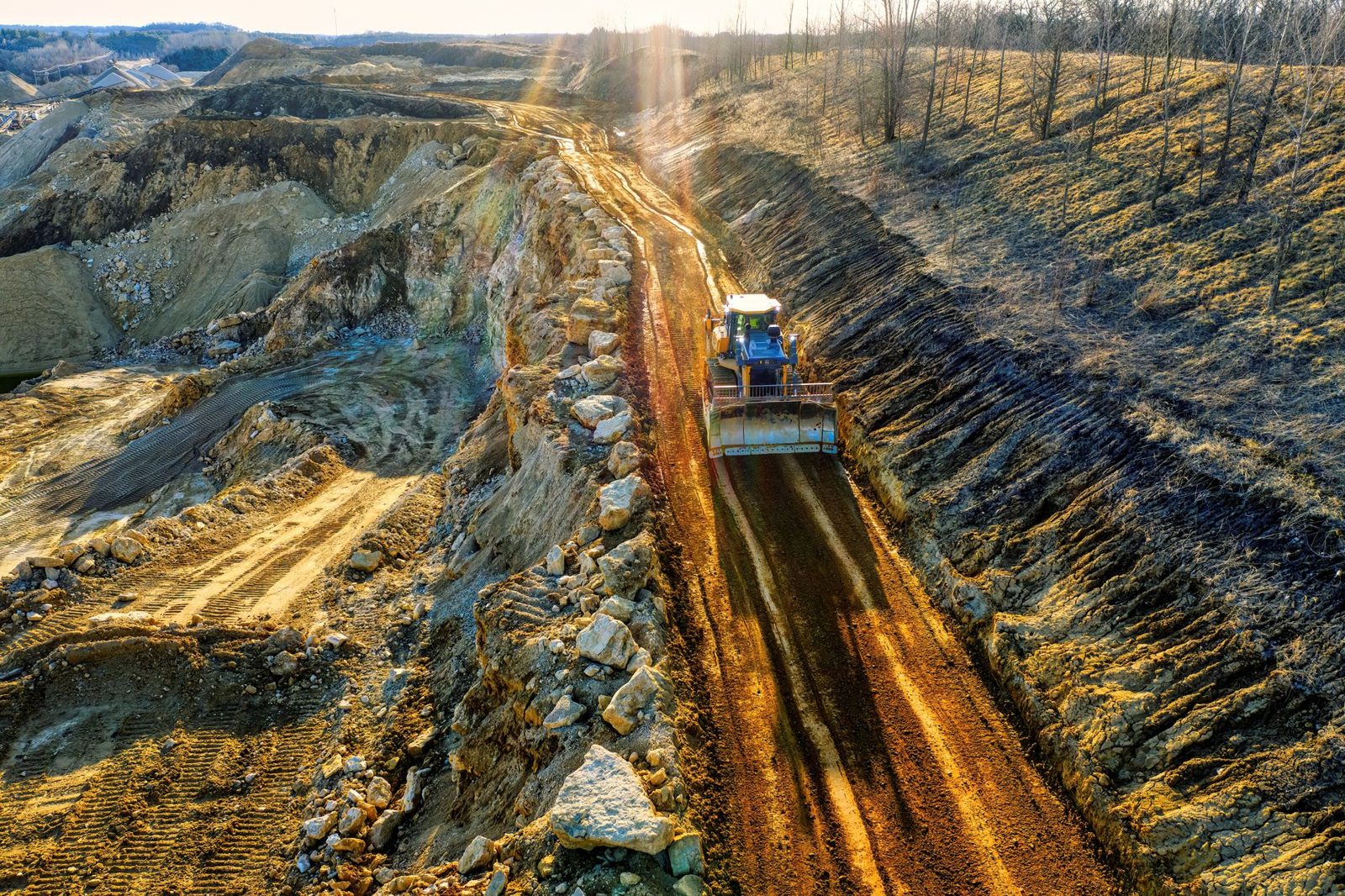
A dozer grading a long cut across a site

Remote greenfield sites

Open ground with no utilities yet. We bring self-contained units, generators and a service lane plan, and we add bunkhouses when lodging is far away.

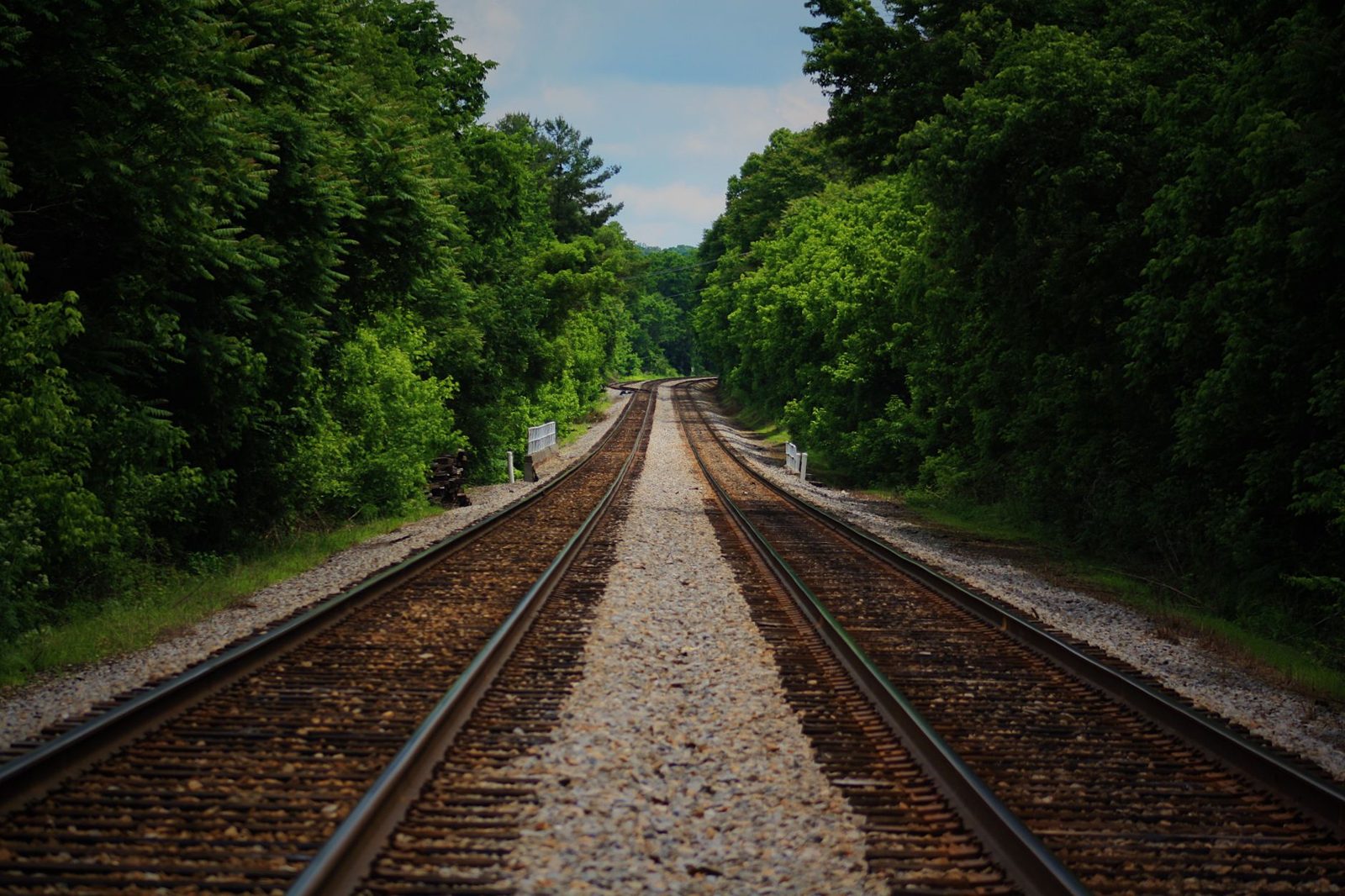
A rail line running through a wooded corridor

Linear corridors

Work that moves down a road, rail line or pipeline. We relocate units as the zone moves and keep a running map of where each trailer sits.

Simple Process

How renting construction jobsite trailers works

1

Call or request a quote

Tell us the dates, the site, and what you need. Our dispatch line answers 24/7, including emergencies.

2

We size the unit and confirm

We match the right trailer to the job and hold delivery on your schedule.

3

Our crew delivers and sets up

We deliver, level, and connect the trailer on site, ready to use the same day.

4

We keep it running

Our own crews pump, restock, and sanitize the trailer on a set schedule, then pick up when the job ends.

Why Choose Us

What you get when you rent jobsite trailers from Mavirus Group

Units that follow the manpower curve

We add stations as the crew grows and pull them as trades finish, so the rental matches the headcount each month instead of the peak.

Invoices broken out by cost code

We bill by building, phase or work zone when you ask, so your project accountant does not have to split one invoice across cost codes.

Safety paperwork on request

Service logs, a certificate of insurance naming your additional insureds and a W-9 are ready when your safety or compliance team asks.

Winter plans for cold sites

On cold jobs we plan heat, tank protection and service timing so the units keep working through freezing nights.

One contact for the whole job

A single coordinator handles deliveries, moves and service changes, so your superintendent makes one call instead of chasing drivers.

Credentials your owner will check

We are licensed and insured, hold an A+ rating with the BBB and are a SAM.gov registered federal contractor for public and federal jobs.

Customer Stories

How a typical commercial jobsite setup works

How we would set up a data center build with 1,200 trades at peak

We would start from the federal jobsite ratio of one toilet seat and one urinal per 50 workers once a crew passes 200, then add capacity for shift start and lunch. On a 1,200 person peak that means a row of eight station restroom trailers spread between the parking area and each building pad. Shower trailers sit near the parking area, with a commercial laundry trailer beside them for crews in heat and dust. We would ramp units up month by month to match the manpower curve instead of paying for the peak on day one.

How we would support a hospital addition on an open campus

For a four story addition beside a working hospital, we would place two restroom trailers inside the construction fence near the crew gate. Service would run early in the morning before visitor traffic starts. Units stay self-contained, so nothing connects to hospital plumbing, and we would log each visit for the contractor's infection control binder.

How we would cover a 40 mile highway widening job

For a corridor job with several active work zones, we would place a restroom trailer and a handwashing unit at each staging yard and a drinking water station at the zones with the most outdoor work. Each month we would move units forward with the crews under the same order. The field engineer gets one map of unit locations and one monthly invoice broken out by work zone.

Jobsite Standards

The sanitation and heat rules we size construction trailers around

The federal sanitation standard for construction, 29 CFR 1926.51, sets the starting point for every jobsite we quote. It requires an adequate supply of potable water in all places of employment. It calls for one toilet for crews of 20 or fewer, one toilet seat and one urinal per 40 workers for crews of 20 or more, and one toilet seat and one urinal per 50 workers once a crew reaches 200. Under temporary field conditions, at least one toilet facility has to be available.

The same standard requires handwashing facilities in all places of employment and adequate washing facilities for crews applying paints, coatings or other harmful substances. The lead in construction standard, 29 CFR 1926.62, goes further for crews exposed to airborne lead above the permissible limit. It calls for shower facilities where feasible, with crews showering at the end of the shift, plus handwashing and clean eating areas. Renovation of older buildings often triggers these rules.

Heat rules add another layer in the West. In California, Cal/OSHA's outdoor heat standard, Title 8 Section 3395, requires fresh, suitably cool drinking water close to where people work. Where water is not plumbed, employers must supply enough at the start of the shift for one quart per worker per hour. Shade is required above 80 degrees Fahrenheit, and construction is one of the industries that must follow high heat procedures at 95 degrees and above.

Nevada adopted its own heat rule under NAC 618. It requires a job hazard analysis for job classifications where most workers face heat for more than 30 minutes in any 60 minute period. When the analysis finds a hazard, the employer needs a written heat illness prevention plan that covers potable water and a means of cooling. Our drinking water stations and air conditioned trailers give your safety manager physical answers to both lines of that plan.

Reviews

Superintendents and safety managers on our construction trailers

B
Brian K.project manager, healthcare construction
★★★★★

The hospital did not want our trades anywhere near their restrooms. The trailers stayed inside our fence and the service truck came before visitors showed up.

D
Dana M.field engineer, highway widening
★★★★★

They moved our units to the next staging yard every few weeks. I called it in, they showed up, and the invoice still matched our work zones.

J
Jeff S.electrical foreman, remote solar build
★★★★★

Out in the desert the water station was the most popular thing on site. The water stayed cold all afternoon and the crew stopped hauling coolers from town.

A
Angela R.project accountant
★★★★★

They billed each building separately like we asked. Coding the rentals to the right phase took five minutes instead of an afternoon.

FAQ

Frequently asked questions

How many restroom trailers does a commercial jobsite need?
We start from 29 CFR 1926.51. It calls for one toilet for 20 or fewer workers, one toilet seat and one urinal per 40 workers for crews of 20 or more, and one per 50 once the crew reaches 200. We then add stations for shift start and lunch, when everyone lines up at once. Send us your manpower curve and we will show the count month by month.
Can restroom trailers work before the site has sewer or water?
Yes. Each trailer carries its own fresh water and waste tanks. We pump and refill them on a schedule, so the units work from the first day of earthwork. When temporary water and power are available, we can tie in to cut down on refills.
How often do you service jobsite restroom trailers?
Service follows the crew size and the hours. A small crew might need a visit or two each week. A large site with several hundred workers usually needs daily service or more. We set the schedule with your superintendent and change it as the headcount changes.
Do you rent shower trailers for construction crews?
Yes. Our shower trailers have private locking stalls with hot water. Contractors use them on remote jobs, for crews in heat and dust, and for crews working near lead or coatings, where showering at the end of the shift is part of the hygiene plan.
Can you add units as the crew grows?
Yes. Most large jobs ramp up over several months. Send us the updated headcount and we add restroom stations, shower stalls or water stations under the same order. We pull them back as trades finish, so you are not paying for the peak during the slow months.
Do you provide drinking water for summer heat plans?
Yes. Our drinking water station trailers hold a large supply of chilled, filtered water with bottle fill stations. We refill them on a schedule, which helps contractors meet heat rules that call for cool water close to the work.
Can you move trailers as the work zone changes?
Yes. On highway, rail and pipeline jobs we relocate units along the corridor as crews move. Moves happen under the same order, and our dispatcher keeps track of where each unit sits.
Do you have ADA accessible restroom trailers for jobsites?
Yes. We rent ADA restroom trailers with ramp entry, wider doors and grab bars. Many contractors place one beside the jobsite office trailers where owners, inspectors and visitors arrive, in addition to the crew banks.
What paperwork can you provide for our safety and compliance team?
We provide a certificate of insurance, a W-9 and service logs with visit times. We are licensed and insured, hold an A+ rating with the BBB and are SAM.gov registered for public and federal projects.
Do you rent bunkhouse trailers for remote jobsites?
Yes. Our bunkhouse trailers are 34 feet long, carry three air conditioning units and sleep 12. They work well for crews on remote sites where hotels are an hour or more away.
What is included in a construction trailer rental?
Delivery, setup, leveling, water and power connection when available, scheduled pumping and refills, restocking, cleaning and pickup. You get one order and one invoice for all of it.
Where do you deliver construction trailers?
Our service area covers all 50 states, with the core fleet in the West. Call the dispatch line with the jobsite address and start date, and we will give you a straight answer on timing.
Resource Library

Construction trailer guides for contractors and superintendents

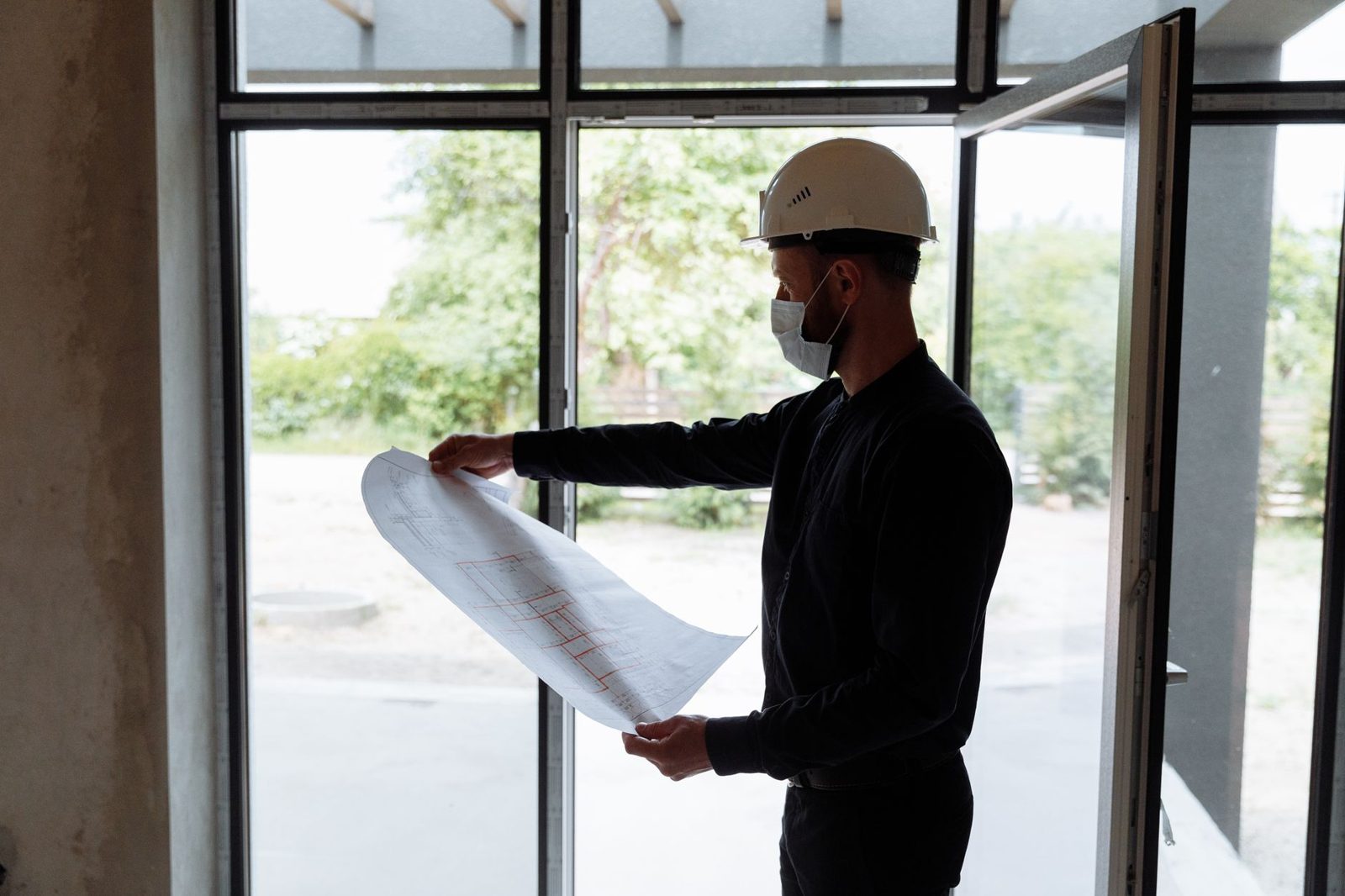
A superintendent in a hard hat reviewing plans at a window

How to size restroom trailers from your manpower curve

Most contractors size jobsite restrooms once, at mobilization, and never look at the count again. That works on a small job. On a large commercial project the crew can grow tenfold between the first month and the peak, and a count that was right in month one is badly short by month six. The better approach is to size from the manpower curve that is already in your schedule.

Start with the federal numbers. The construction sanitation standard, 29 CFR 1926.51, calls for one toilet for crews of 20 or fewer. For 20 or more workers it calls for one toilet seat and one urinal per 40 workers. Once the crew reaches 200, the ratio becomes one toilet seat and one urinal per 50 workers. Those ratios are the floor your safety manager will check.

Next, look at when people use the restrooms. On most jobs the rush comes at shift start and at lunch, and again when the shift ends. A site sized to the bare ratio will have lines at those times, and lines cost production. Many superintendents add one station for every hundred workers to cover those peaks, and more on sites with staggered shifts that overlap.

Then think about distance. A restroom at the gate does no good for a crew working a quarter mile away on a large slab. Split the count into banks placed where crews actually work, and plan a service lane to each bank. A pump truck needs room to reach every unit without crossing a crane swing or a concrete pour.

Finally, set review points. Send the updated headcount to your rental company each month, or whenever a new trade mobilizes. Adding and pulling units under the same order keeps the count right through the whole job and keeps you from paying for peak capacity during the slow months at the start and finish.

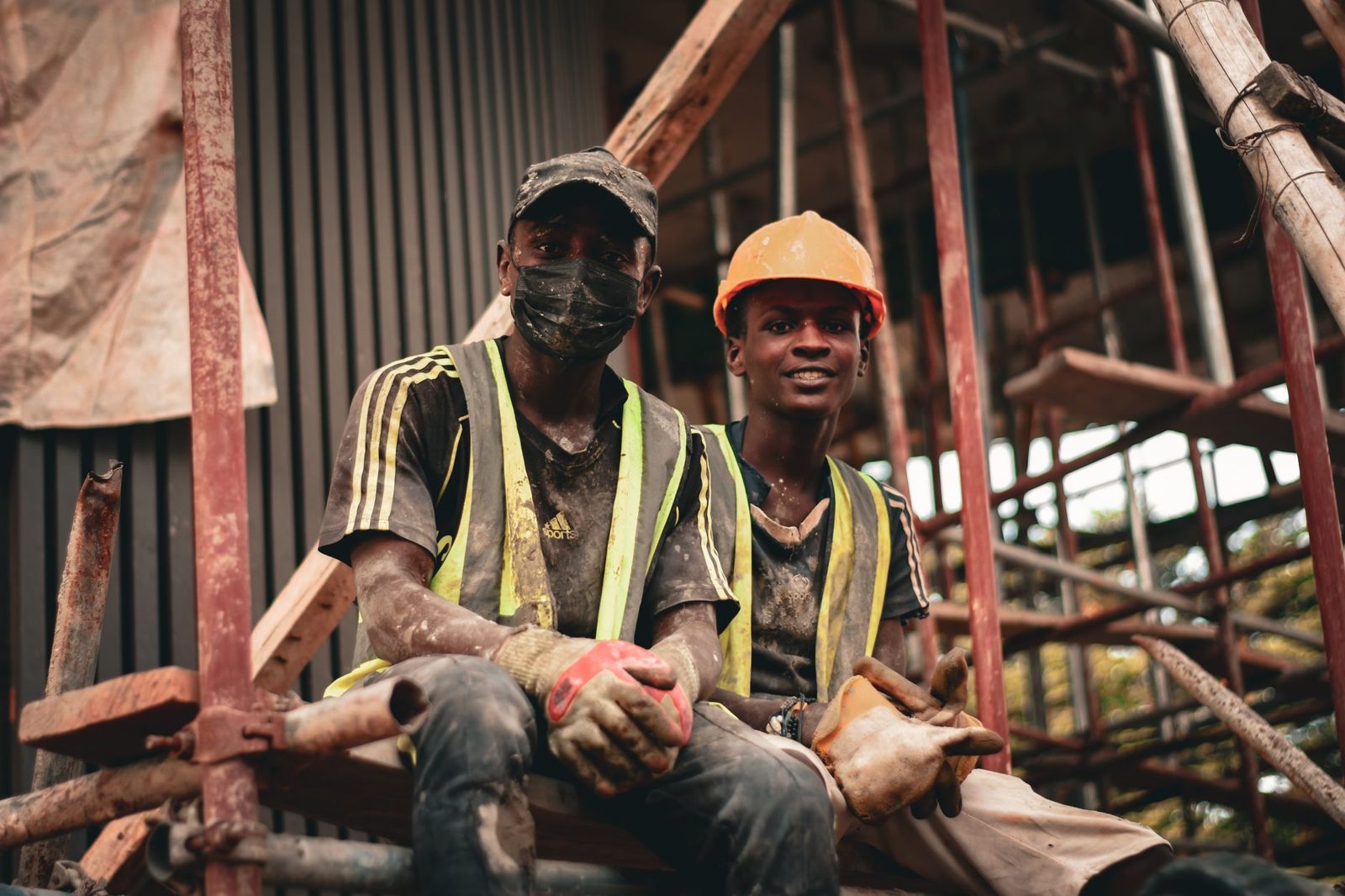
Two workers in hard hats taking a break on a jobsite

Drinking water and heat plans on summer jobsites

Heat is one of the most common hazards on Western jobsites from late spring into fall. Crews on open slabs, roofs and road work take the worst of it, and heat illness can come on fast when people push through a hot afternoon. A good heat plan starts with water, and water only helps if it is cold, clean and close to the crew.

California spells out what that means. Cal/OSHA's outdoor heat standard, Title 8 Section 3395, requires drinking water that is fresh, pure and suitably cool, provided free and located as close as practicable to the work. Where water is not plumbed or continuously supplied, the employer must have enough at the start of the shift to provide one quart per employee per hour for the whole shift.

The same standard requires shade when the temperature passes 80 degrees Fahrenheit. The shade has to be big enough for everyone on a rest or recovery break. At 95 degrees and above, construction is one of the industries that must use high heat procedures, which include steady communication with a supervisor and closer watch on crews for signs of illness.

Water coolers on the tailgate of a pickup are hard to keep full and cold for a large crew. A drinking water station trailer holds a large supply, chills and filters it and lets crews fill bottles fast at several taps. Place it where crews stage in the morning or near the shade structure, so taking a drink does not mean a long walk away from the work.

Write the water plan down. List where the stations sit, how often they are refilled and who checks them each day. A rental company that logs every refill gives you a record to hand an inspector, which is much stronger than a note that says water was available.

When construction crews need showers at the end of the shift

Showers are not part of most jobsite plans, and many superintendents only think about them when a specification or a safety plan calls for them. There are three common reasons a construction job ends up renting shower trailers: lead and other contaminants, long shifts in heat and dust, and remote sites where crews live far from home.

Lead is the clearest case. Renovation and demolition of older buildings, bridges and industrial structures can put crews in contact with lead paint. Under 29 CFR 1926.62, when airborne lead exposure is above the permissible limit, the employer must provide shower facilities where feasible and make sure crews shower at the end of the shift. The rule also calls for handwashing and for clean eating areas, so lead does not leave the site on skin and clothes.

Heat and dust are the second case. Electricians pulling wire in an unfinished building in July, or dirt crews on a desert site, finish the day covered in sweat and grit. A hot shower before the drive home is a real benefit for crew retention, especially on jobs competing for trades against other large projects nearby.

Remote sites are the third case. When crews stay in bunkhouse trailers on site or in a camp nearby, showers and laundry become basic living needs. Place shower trailers near the sleeping area and a laundry trailer next to them, so crews can start a load and shower at the same time.

Whatever the reason, plan the shower count around the end of shift, when everyone arrives at once. An eight stall shower trailer clears a crew much faster than a single unit, and scheduled service keeps hot water and clean stalls ready for the next rush.

Heat illness plans for Nevada data center and solar builds

Nevada's big construction work sits in some of the hottest country in the nation. Data center campuses outside Reno, solar fields in the southern desert and mining projects in the rural north all put crews outdoors or inside unfinished, unconditioned buildings for months at a time. Nevada responded by adopting its own heat illness rule, known by its code section, NAC 618.

The rule works through a job hazard analysis. It generally applies to employers that already need a written safety program, which usually means employers with ten or more employees. For each job classification where most workers face heat for more than 30 minutes in any 60 minute period, the employer has to look at air temperature, humidity, radiant heat, how hard the work is and what protective gear people wear.

When the analysis finds a heat hazard, the employer needs a written heat illness prevention plan. That plan has to address potable water, a rest break for anyone showing signs of heat illness, a means of cooling, ongoing monitoring of workers and training on how to spot the symptoms.

Two of those line items are physical, and a rental company can supply both. A drinking water station trailer covers potable water with chilled, filtered supply at several taps. An air conditioned restroom or break trailer gives crews a cool place to recover. Placing both near the work turns those plan items into something an inspector can see.

Keep the paperwork tied to the equipment. Note in the plan where each water station and cooling trailer sits and how often it is serviced. Service logs from your rental company show the water was refilled and the units were working on the days that matter.

Keeping crew facilities steady on multi-year infrastructure programs

Some construction programs run for years instead of months. California's high speed rail program is one example, with design and construction along 171 miles of the Central Valley between Merced and Bakersfield and a 150 acre railhead facility completed in Kern County in early 2026. Programs like this need crew facilities that last as long as the work and move with it.

The first decision is contract structure. A string of short rental orders means new paperwork every time a unit moves or a phase starts. A long-term order with monthly terms lets you add, move and remove units without starting over, and gives your accounting team one vendor and one invoice format for the life of the program.

The second decision is how to track units. On a linear job, trailers end up spread across many miles. Ask your rental company for a unit list with locations that updates with each move. That list answers the question every field engineer asks sooner or later, which is where the nearest restroom sits right now.

The third decision is service rhythm. A single site can run on one service route. A corridor with several active zones needs a route that hits each zone on a set day, and a dispatcher who can send a truck to a problem unit the same day. Build that schedule at the start and review it whenever a zone opens or closes.

Finally, plan for the seasons. A multi-year job will see summer heat and winter cold. Summer calls for extra drinking water and cooling. Winter calls for heat in the trailers and a plan to keep tanks and lines from freezing. Planning both at the start avoids a scramble when the weather turns.
More Rentals

More industries and trailers

Construction sites need more than restrooms. The same order can add every trailer type below, and our other industry pages cover related work.

Get a Quote

Get a construction trailer quote sized to your manpower curve

Send us the jobsite address, the start date and your expected crew count by month. We will quote restrooms, showers, drinking water and crew support on one order and confirm when the first units can arrive.

Get a Quote Call (855) 687-1887
Call (855) 687-1887 - 24/7 Dispatch