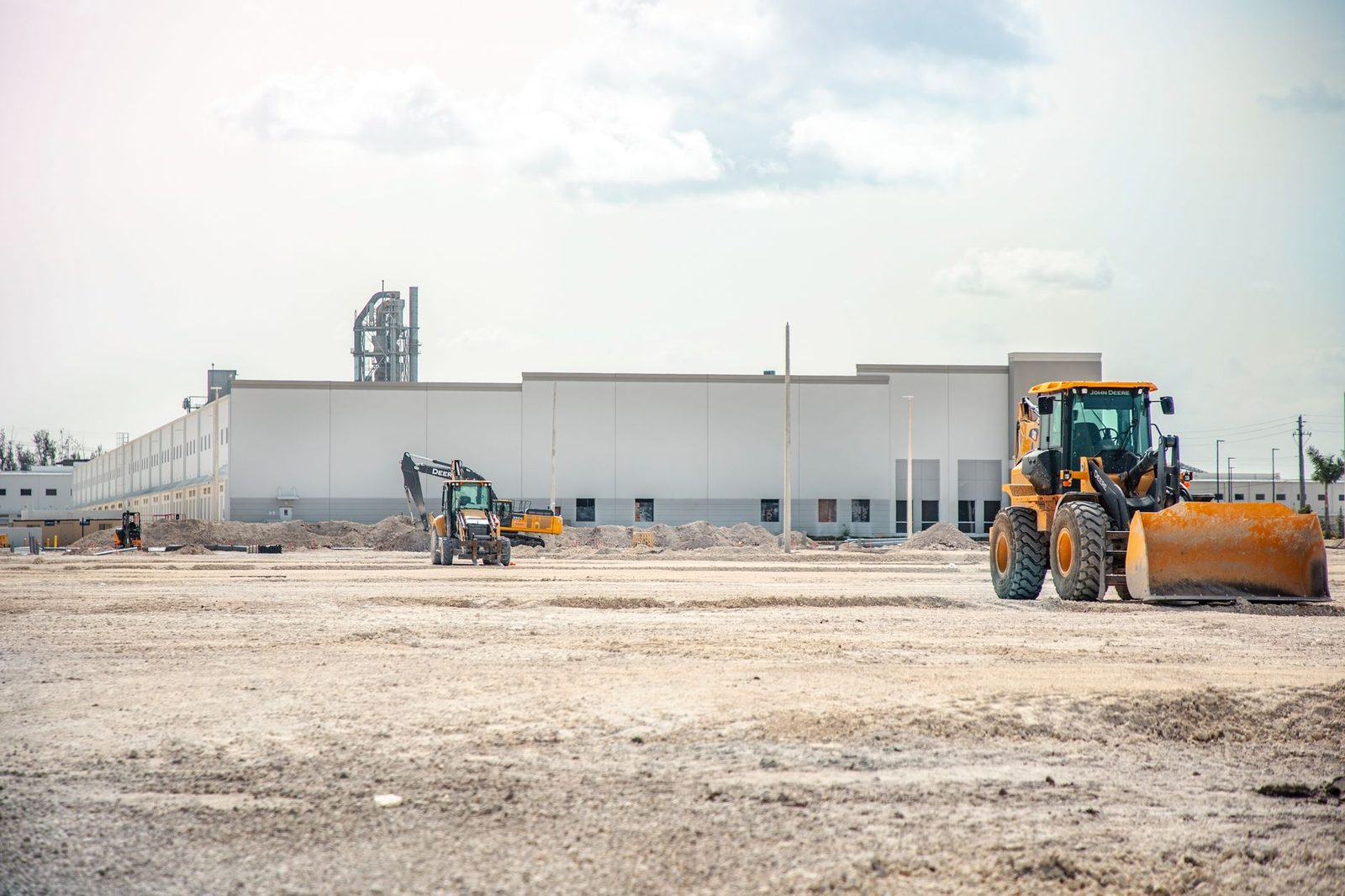
A large warehouse construction site with a loader working the graded pad under a clear summer sky
California

Water Station Rentals in California

Mavirus Group rents chilled, filtered water station trailers to general contractors and public builders across California. We deliver the trailer, set it level near your crew, fill it with cold drinking water and log every refill so your safety file stays current. Warehouse pads in the Inland Empire. Port yards in San Pedro. Solar fields in the Mojave. Call now or request a quote, and we will size the water plan to your head count and your hottest week.

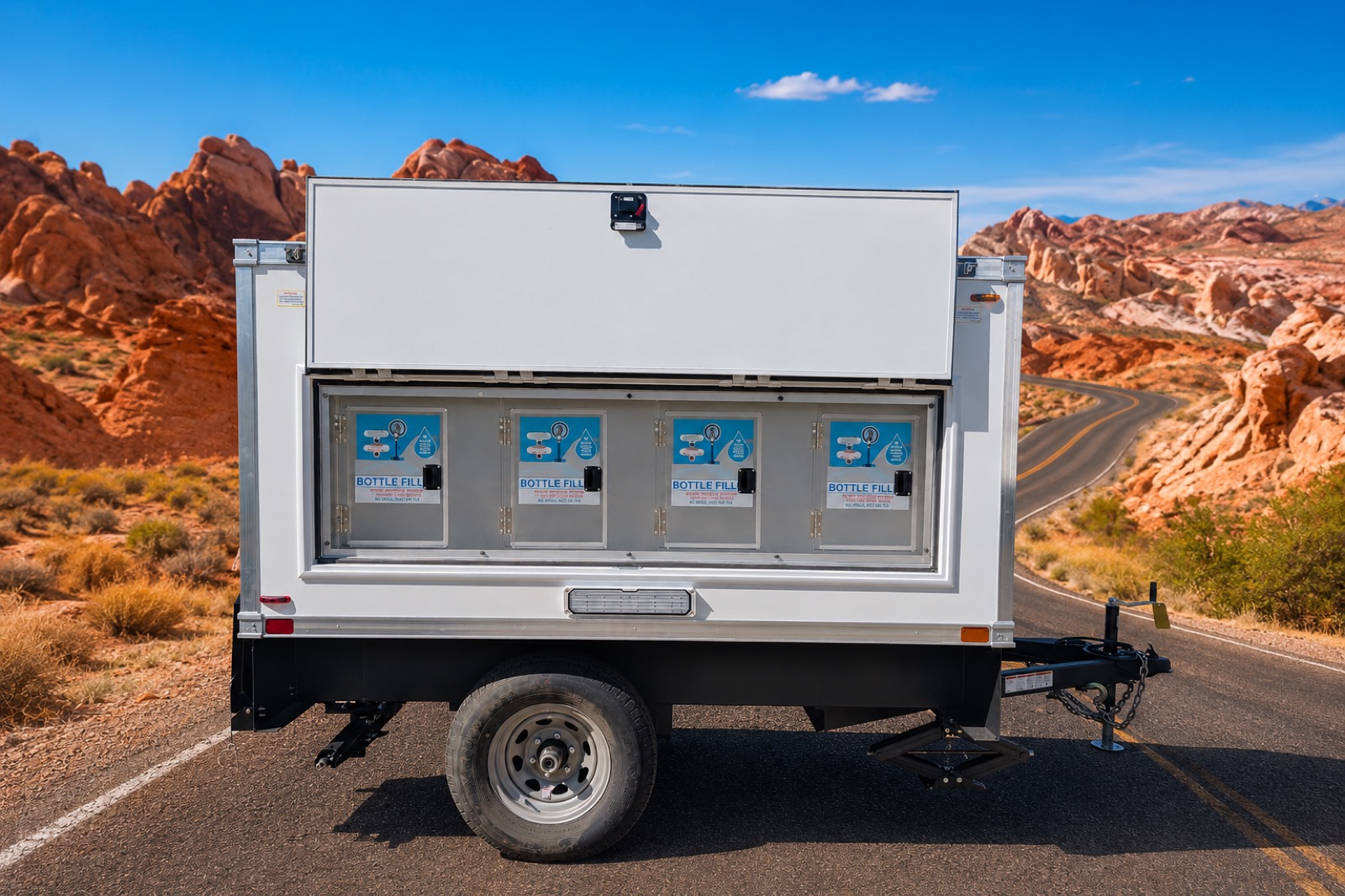
Our Signature Series water station trailer with four bottle-fill stations, ready for California delivery
Nationwide water station trailer rentals, built for rapid deployment All 50 States 24/7 Dispatch ★★★★★ 5.0
DARMT
Trusted by construction contractors, government agencies, school districts, and disaster response teams nationwide.
SAM.gov registered federal contractor FEMA disaster support Cal Fire registered

Call now or request a quote. Our dispatch team answers 24/7, including emergencies.

Contractor Water, Logged

Mavirus Group puts a chilled water station and a written fill log on every California crew

General contractors ask us for two things. Water close to the work, and proof it stayed there. Every Mavirus Group water station rental comes with a service log that records the date and time of each fill and each cleaning, so your superintendent can pull it up the day a site inspector walks the job. We are a SAM.gov registered federal contractor and a Cal Fire registered provider, licensed and insured with an A+ BBB rating, and we supported FEMA during the Hurricane Helene recovery. If your company also builds out of state, our chilled water station rentals nationwide work the same way. Call us or request a quote, and we will send back a trailer count and a fill schedule you can drop straight into your plan.

24/7line for quotes and emergencies
SAM.govregistered for public contracts
Cal Fireregistered disaster response provider
A+ BBBrated, licensed and insured
Reviews

What customers say

D
Dave P.project superintendent, Inland Empire warehouse build
★★★★★

We had ninety guys on a huge pad and one water spot. They set two trailers at each end and logged every fill. When the state came out in July I handed over the log, and that was the end of the water question.

A
Angela M.safety manager, general contractor, Central Valley
★★★★★

I care about the paperwork as much as the water. Every visit is written down with a time on it, and it goes right into our heat plan binder. Their dispatcher also picks up at 5 a.m., which counts on a pour day.

R
Rick S.facilities director, school district, San Joaquin Valley
★★★★★

Our plumbing project shut the fountains in two wings for most of the summer. Two trailers, fenced away from the work, and not one complaint from staff. The quote and insurance papers were exactly what our business office asked for.

Our Signature Series Trailer

Our Signature Series chilled water station trailer for California job sites

Our Signature Series water station trailer with four bottle-fill stations, ready for California delivery
The Signature Series chilled water station trailer, staged for a California job site

The Signature Series is our featured water station trailer. It tows behind a truck, carries a large tank holding hundreds of gallons of drinking water, and chills and filters that water on board. Four bottle-fill stations sit along one side, so a crew coming off a hot slab can fill bottles and jugs at the same time instead of lining up at one spigot.

It asks very little of your site. We can tie it to a hose bib or a hydrant, or run it from its own tank and top it off by truck. The chiller draws power from the site or from a generator we bring, which is how the same portable water station works on a finished street in Irvine and on a dirt pad outside Blythe. Lowered ADA-height stations come standard.

Everything that touches the water is food grade. We fill from potable sources only, sanitize between rentals and keep a written service log with each unit. Delivery, setup, scheduled refills, cleaning and pickup are part of the rental, not add-ons. Call or request a quote and we will hold a trailer for your start date. In California we set each trailer's fill route by region, from Central Valley heat to Sierra chain control.

Who Rents From Us Here

Portable water stations for California builders, campuses and fire camps

California water jobs usually start with general contractors on big commercial jobs. School districts and university campuses come next, usually when a remodel shuts the fountains off. Then the emergency calls. Fire camps, evacuation shelters and towns under a boil-water notice. Each one needs the water placed and serviced a little differently, and we plan it that way from the first call.

Commercial Construction

Chilled water station rentals for warehouse, port and energy builds

Big California jobs are spread out. A distribution center pad can cover a hundred acres or more, and the Inland Empire North Logistics Center in Apple Valley sits on about 177 acres by itself. A crew pouring tilt-up walls at the far end should not walk ten minutes for a drink, so we place the station where the crew works and move it when the work moves. On a large pad that usually means two trailers, not one.

The ports are their own world. The Port of Los Angeles covers 7,500 acres with 25 cargo terminals, and crane and rail upgrades there never really stop. Gate access, badging and truck routes all take planning before the first delivery. Our Los Angeles water station rentals for port and warehouse crews are set up around those steps, and we pair them with portable restroom trailer rentals in California when a yard has no permanent facilities.

Out in the desert the jobs get bigger and farther from town. The Edwards Sanborn solar and storage project covers about 4,600 acres in the Mojave. A large AI data center campus has been moving forward in Imperial County. Sites like these have no water main, and no shade until the buildings go up. We run the trailer off its own tank, bring a generator for the chiller and set the fill route before day one.

A superintendent gets a service log for each trailer, with every fill and cleaning written down by date and time. He also gets a dispatcher who answers at night, and a fill schedule built for your hottest week instead of your average one. That way, when a safety manager needs to show where the water came from on a Tuesday in August, the answer is already on paper.

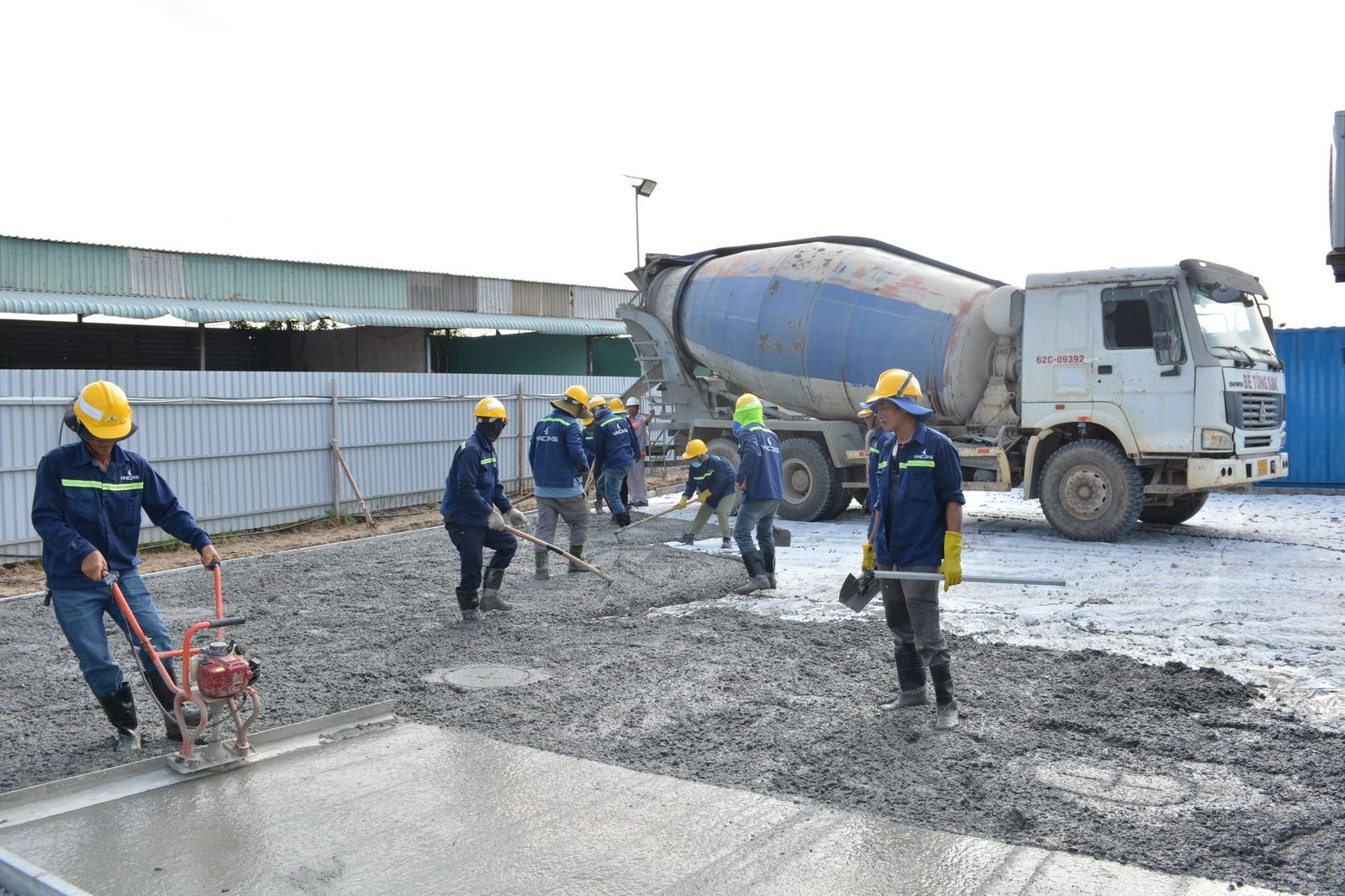
A construction crew pouring and finishing a concrete slab next to a ready-mix truck
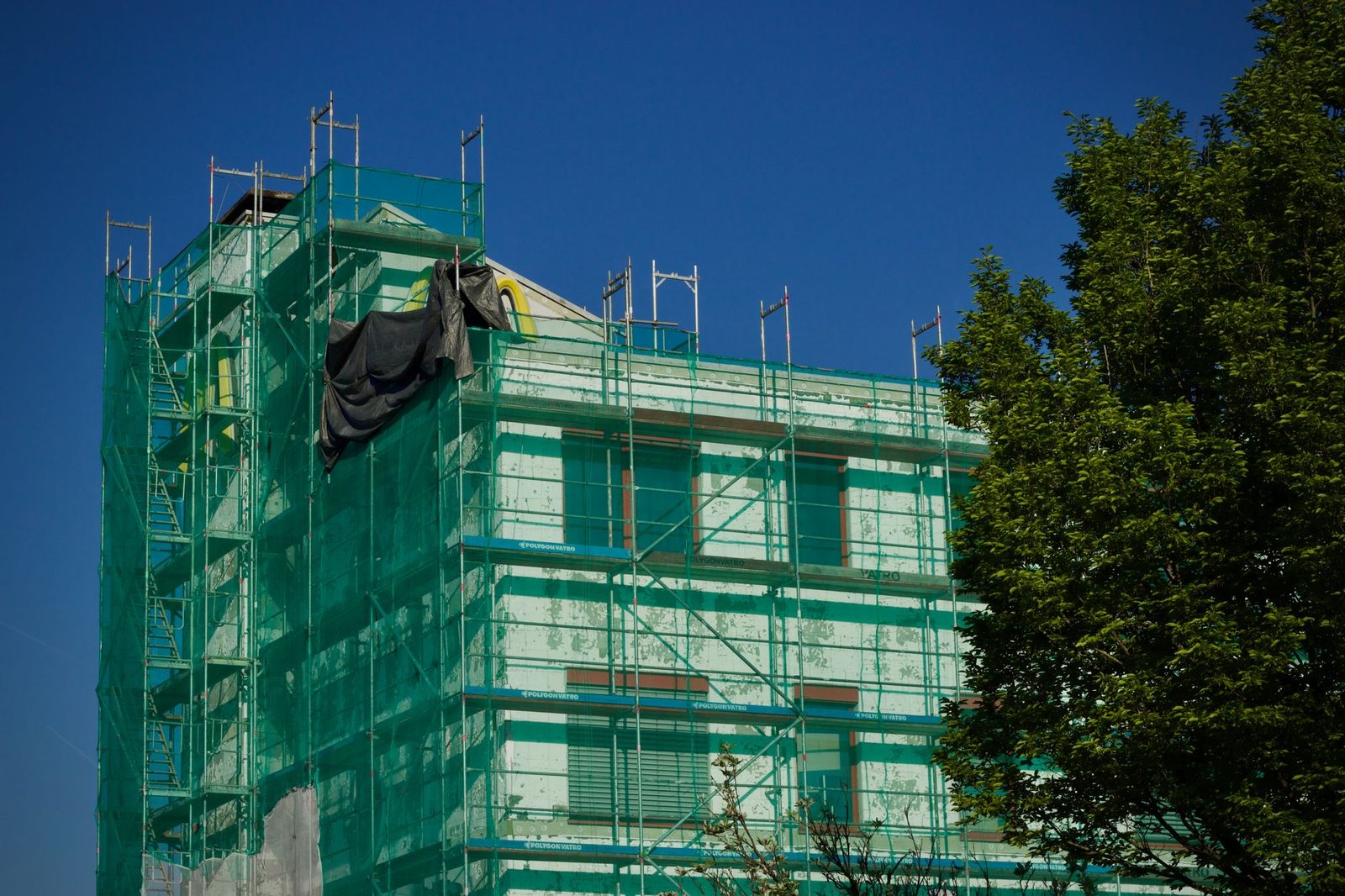
A building wrapped in scaffolding and safety netting during a summer renovation
Schools and Campuses

Temporary water stations for school and university construction

California voters approved 205 of 267 local school bond measures in November 2024, including 14 of 15 for community colleges. That money is being spent now. With no new local school bonds on the 2025 ballot, the next couple of years are mostly about building. For a facilities director, that means fountains and restroom lines shut off in phases, often while summer school or sports camps are still on campus.

We see it every summer. A district shuts the water to a wing for new plumbing, and the backup plan is a stack of bottled water cases in the front office. Those run out by lunch. A chilled trailer parked by the quad or the practice field covers students, staff and the construction crew at once. Our chilled water stations in San Jose for campus builds show how we stage near the work but outside the fence line.

Higher education is the steady part. The California State University system has 22 campuses and more than 460,000 students, and the University of California runs ten campuses with a long list of student housing projects. Housing builds keep crews on campus for a year or longer. We set fills around class changes and game days so our truck is not fighting foot traffic. The same thinking goes into temporary water station rentals in San Francisco, where campus sites are tight and parking for a service truck takes real planning.

Districts buy differently than contractors, too. There is a purchase order, a board approval and sometimes a bid. We send what a business office needs: a written quote, proof of insurance and our SAM.gov registration for jobs with federal money. Call or request a quote early in the spring and we will hold trailers for your summer shutdown dates.

Fire and Disaster Response

Emergency water station trailers for fire camps, shelters and boil-water notices

Fire season is the busiest time on our emergency line. Large incidents set up base camps on fairgrounds, school fields and open land near the fire, and hundreds or thousands of firefighters and support staff live there for days or weeks. The fairground's own water lines were never built for that crowd. As a Cal Fire registered provider, we know how a camp logistics section orders support, and we move fast once the order comes in.

The state's emergency system works up a ladder. Cities and counties ask for help first, then the region, then the state through Cal OES. Water can be ordered at any of those levels. We keep our paperwork ready for a county office of emergency services, a state agency or a federal buyer. Our Sacramento portable water station rentals for fire season are staged with that in mind, close to the capital and the foothills.

Shelters and recovery zones need water too. During the Palisades Fire in January 2025, firefighting demand dropped pressure across the local system, and LADWP issued a boil-water notice for Pacific Palisades on January 8. Rebuilding there will take years. The crews working those lots need drinking water every day. Add California mobile shower trailer rentals for fire camps and a crew has the basics covered in one delivery.

Boil-water notices happen outside fire season as well. In 2025 alone, the Lopez system in San Luis Obispo County, Cambria, and the Granada Hills and Porter Ranch area of Los Angeles all went under notices for reasons ranging from bacteria to a failed tank sensor. A public works department in that spot needs clean water at a set location, and someone to keep it full. We fill from a source outside the affected system and keep coming back until the notice lifts.

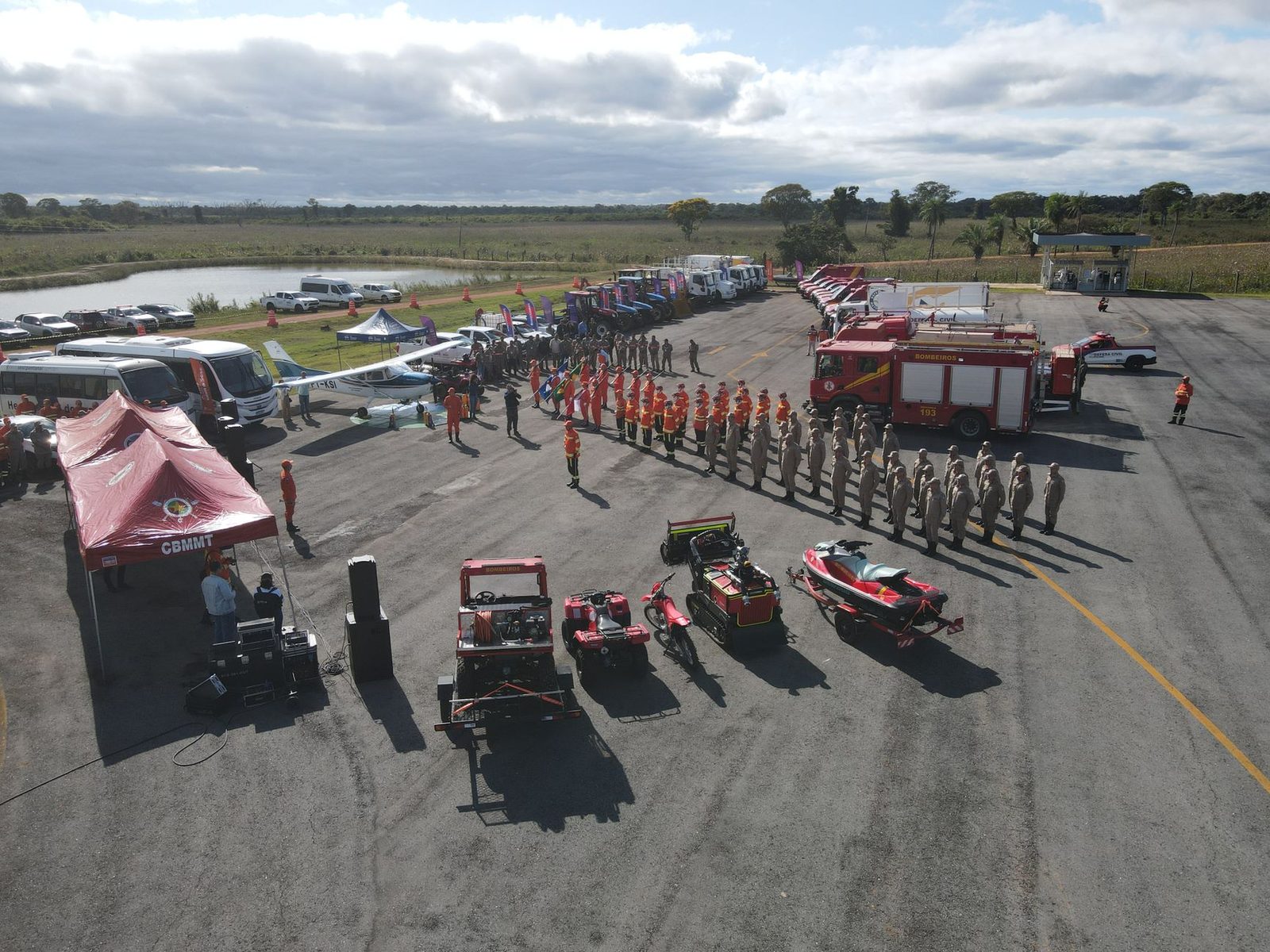
Fire engines, crews and support gear lined up at an outdoor staging area
More California Work

Other California sites where our filtered water stations work

Delta levee and pump station crews

Levee repair in the Sacramento-San Joaquin Delta and pump station work along the 705-mile State Water Project keep crews on remote reaches with no tap nearby. We park the trailer at the staging yard and move it as the reach changes.

Kern County oil field turnarounds

Plant shutdowns and well-servicing jobs in Kern County pull big crews away from fixed buildings for weeks. A chilled trailer at the turnaround yard saves them the drive back to the office for water.

Harvest housing in the Salinas and Imperial valleys

Seasonal crews, including H-2A workers in employer housing, arrive for planting and harvest windows. We set water at the housing and near the fields for the weeks the crews are there, then pull it when the season ends.

Lithium Valley builds at the Salton Sea

Geothermal and lithium work along the Salton Sea sits in one of the hottest corners of the state, near Calipatria at about 180 feet below sea level. Those builds will run for years, and we plan fills around the summer heat.

Highway 99 interchange packages

Caltrans upgrades on Highway 99 are rebuilding one interchange after another through Tulare and Fresno counties into the late 2020s. Each package is its own short job, and a mobile water station moves with the crew from one to the next.

County fair and campus event weeks

County fairs and big campus event days also call for a chilled trailer. The same unit that serves a crew handles a crowd, with four stations filling at once.

Service Area

Our California service area for portable water station rentals

We deliver chilled water station trailers anywhere in California, from the Oregon line to the Mexican border, and across all 50 states with rapid deployment when a job or an emergency calls for it. Many camp and shelter jobs also add freezer trailer rentals across California for field kitchens. Send us an address or a GPS pin and we will plan the route, the timing and the first fill.

Los AngelesLong BeachAnaheimSanta AnaRiversideSan BernardinoOntarioVictorvilleSan DiegoChula VistaEl CentroPalm SpringsBakersfieldFresnoVisaliaModestoStocktonSacramentoSan JoseOaklandSan FranciscoSanta RosaSalinasSan Luis ObispoReddingEureka
Service area: California
Around the Region

Where our water station rentals reach across California's eight regions

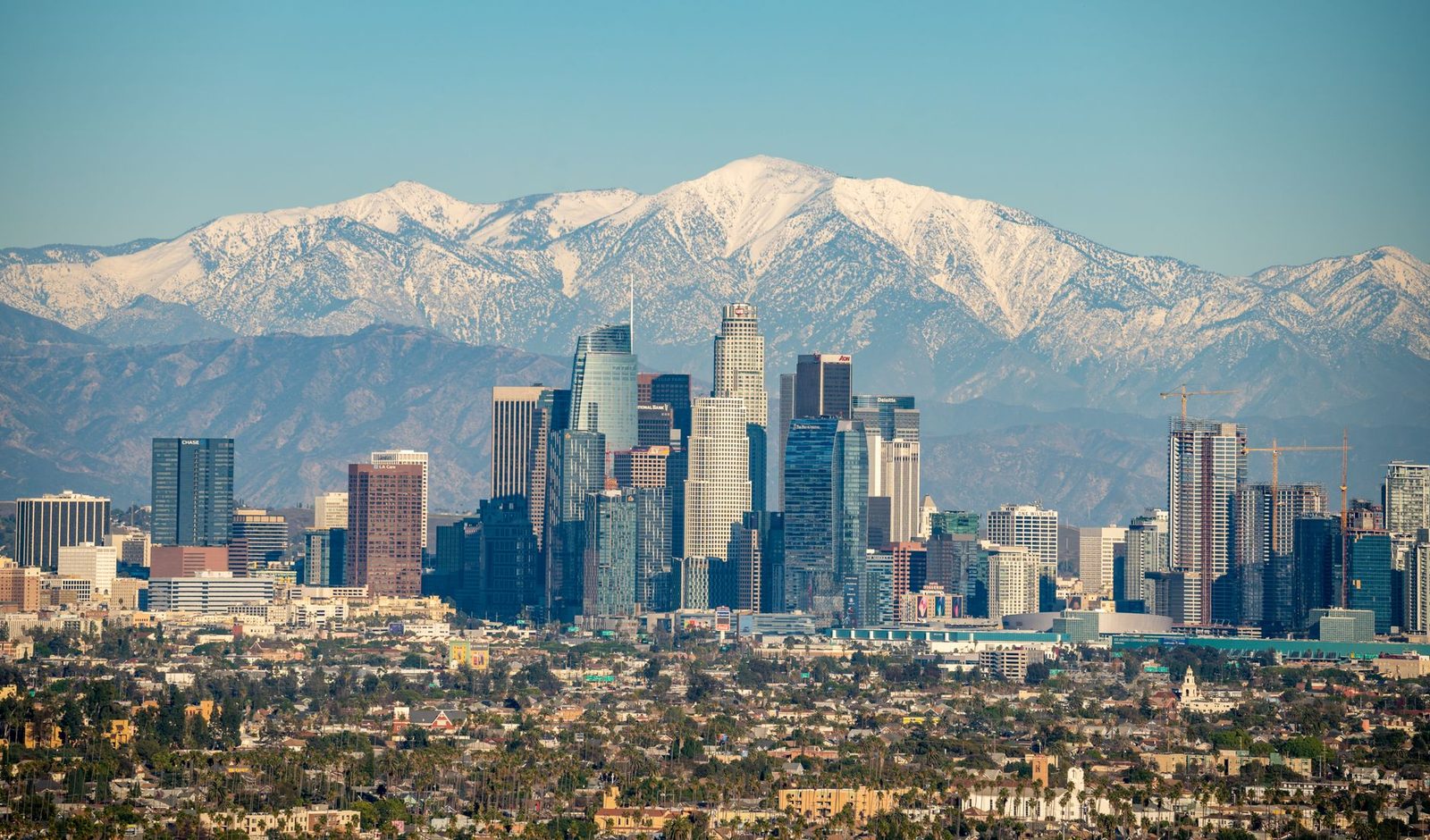
The Los Angeles basin skyline with the San Gabriel Mountains behind it

Los Angeles Basin and South Coast

Port yards, high-rise jobs and fire recovery lots keep this region busy all year. We deliver to Los Angeles, Long Beach, Anaheim, Santa Ana, Glendale and Pasadena.

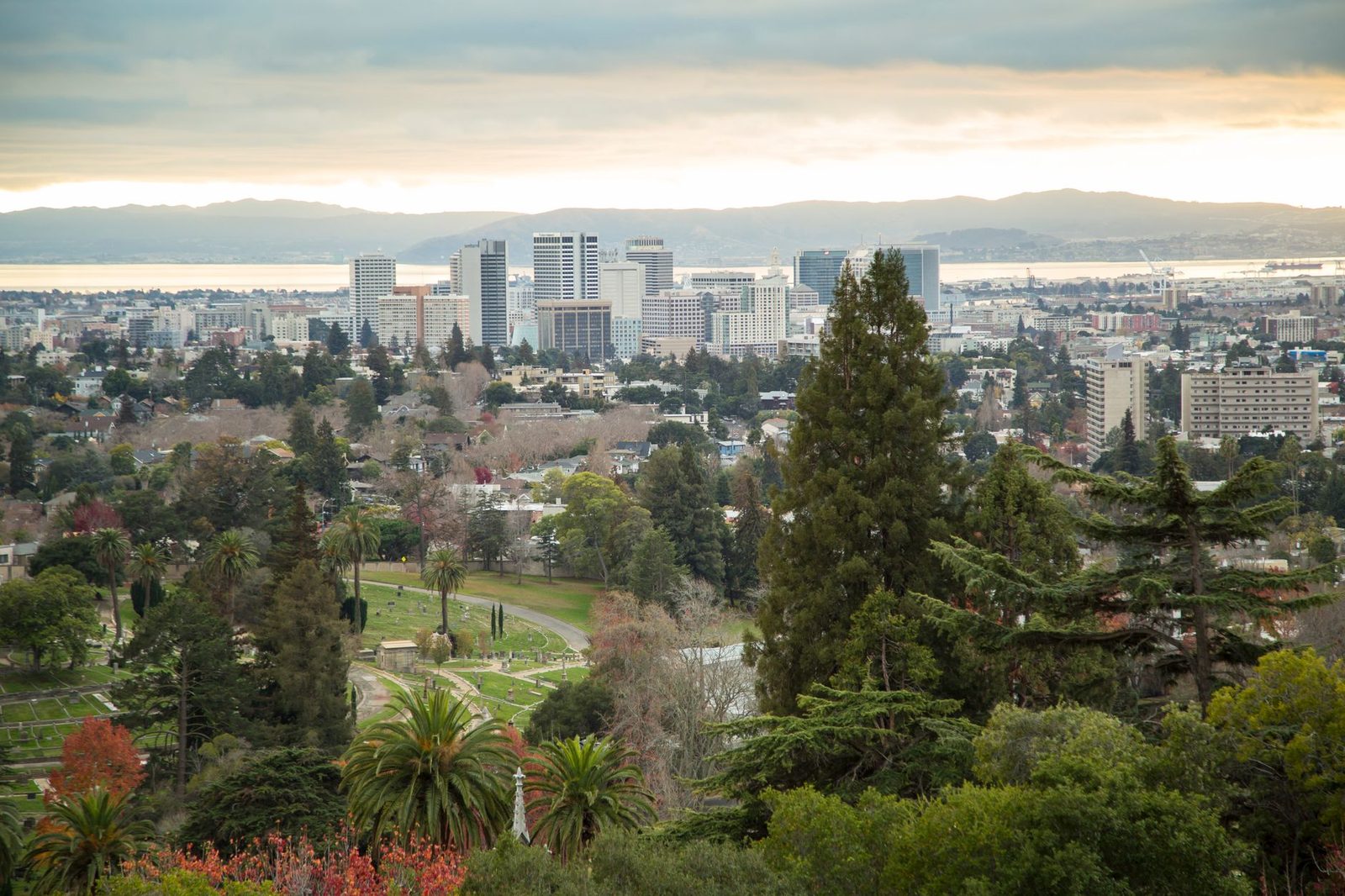
The San Francisco Bay Area seen from the East Bay hills

San Francisco Bay Area

Tight urban sites and campus builds are the norm here, and inland valleys like Livermore and Concord run much hotter than the bay shore. We cover San Francisco, Oakland, San Jose, Fremont, Concord and Santa Rosa.

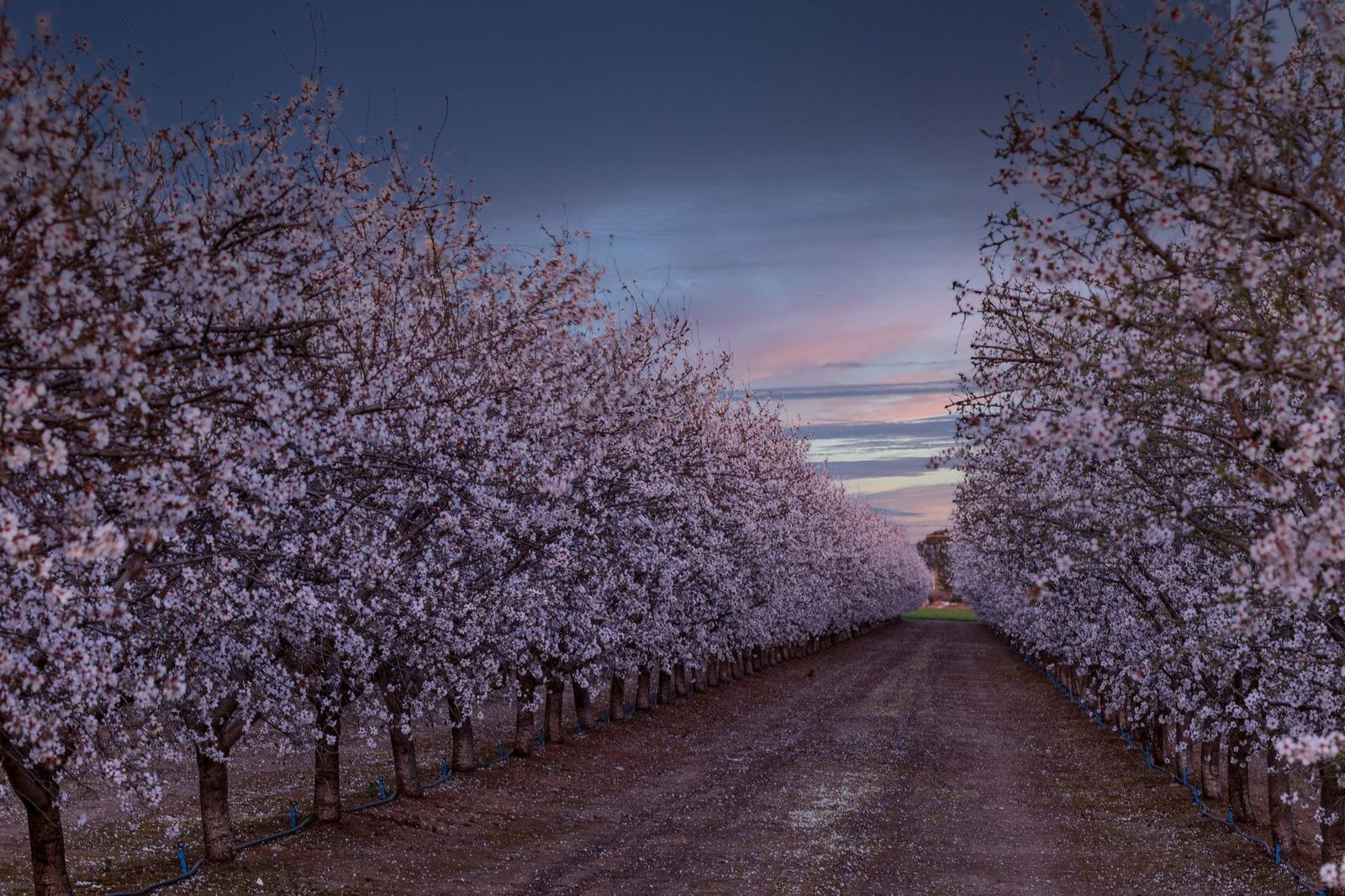
Almond orchard rows in bloom at dusk

Central Valley

Flat ground, long hot summers and the state's biggest farm and rail work. We serve Sacramento, Stockton, Modesto, Fresno, Bakersfield and Visalia, plus the farm roads between them.

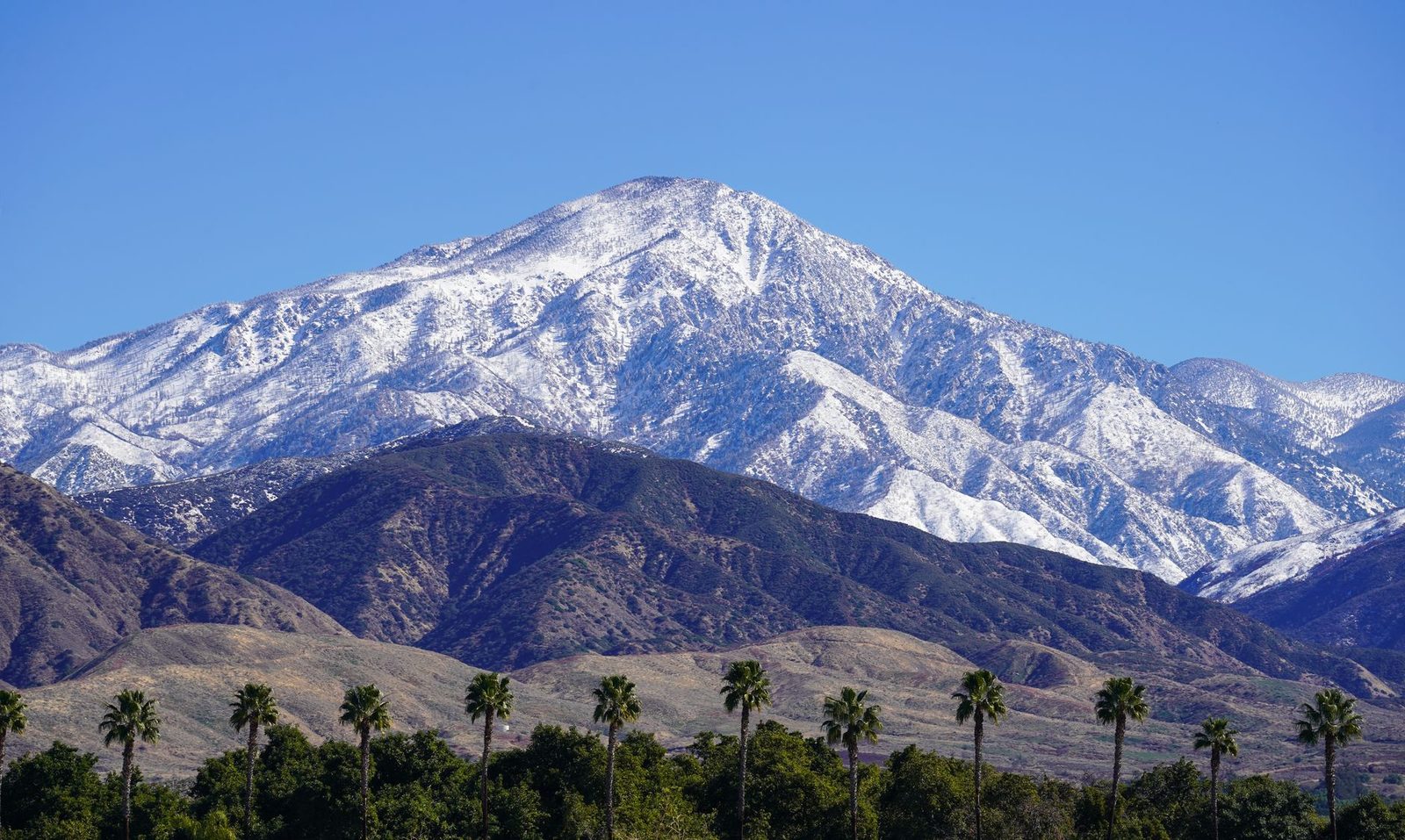
Snow-capped mountains above palm trees on a clear winter day

Inland Empire

Warehouse and data center construction keeps big crews outdoors, in heat well above the coast. We deliver to San Bernardino, Riverside, Ontario, Fontana and Victorville.

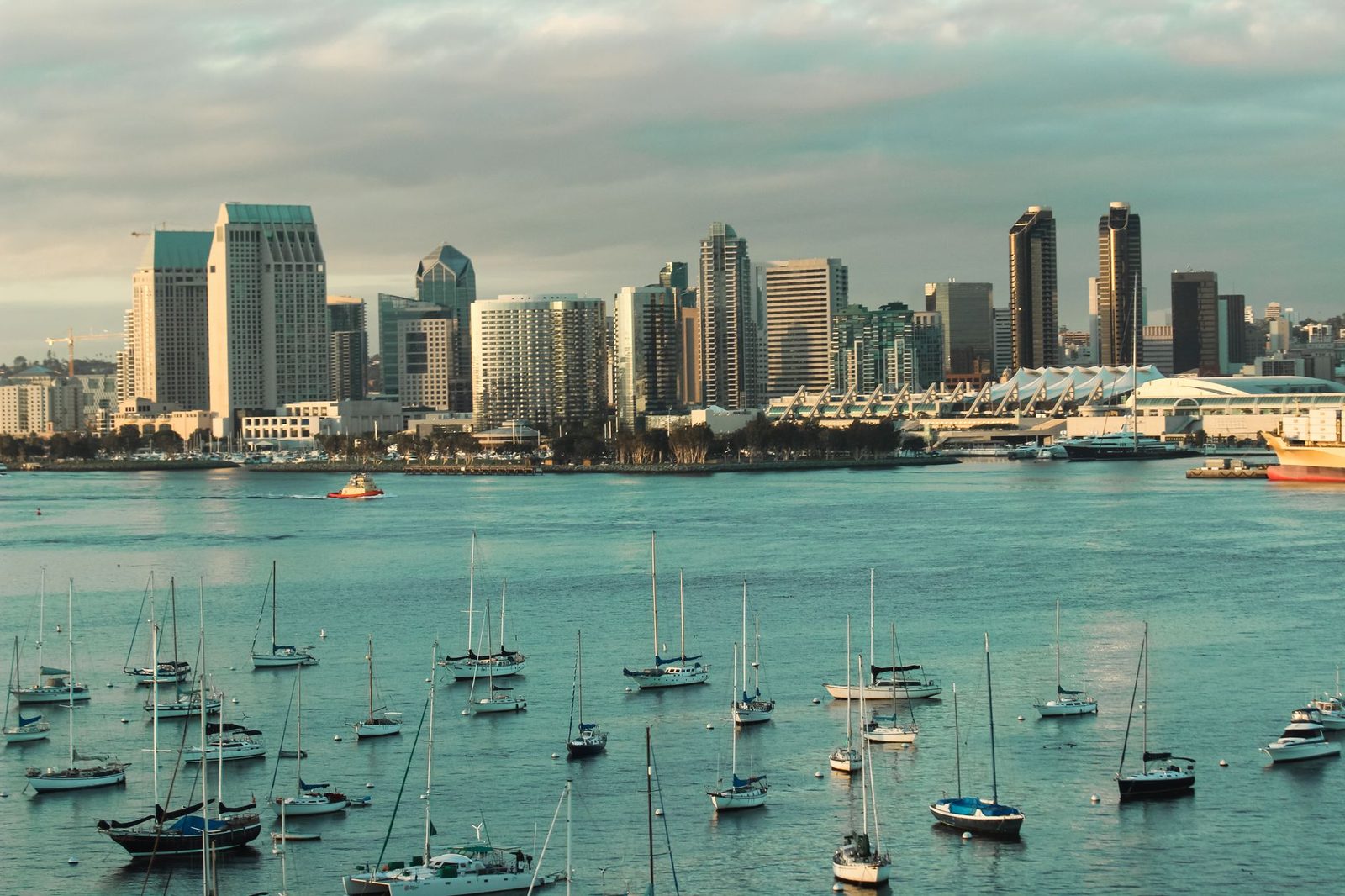
San Diego Bay and the downtown skyline

San Diego and the Border

Military bases, school builds and border-area projects fill the calendar here. We cover San Diego, Chula Vista, Oceanside and El Cajon.

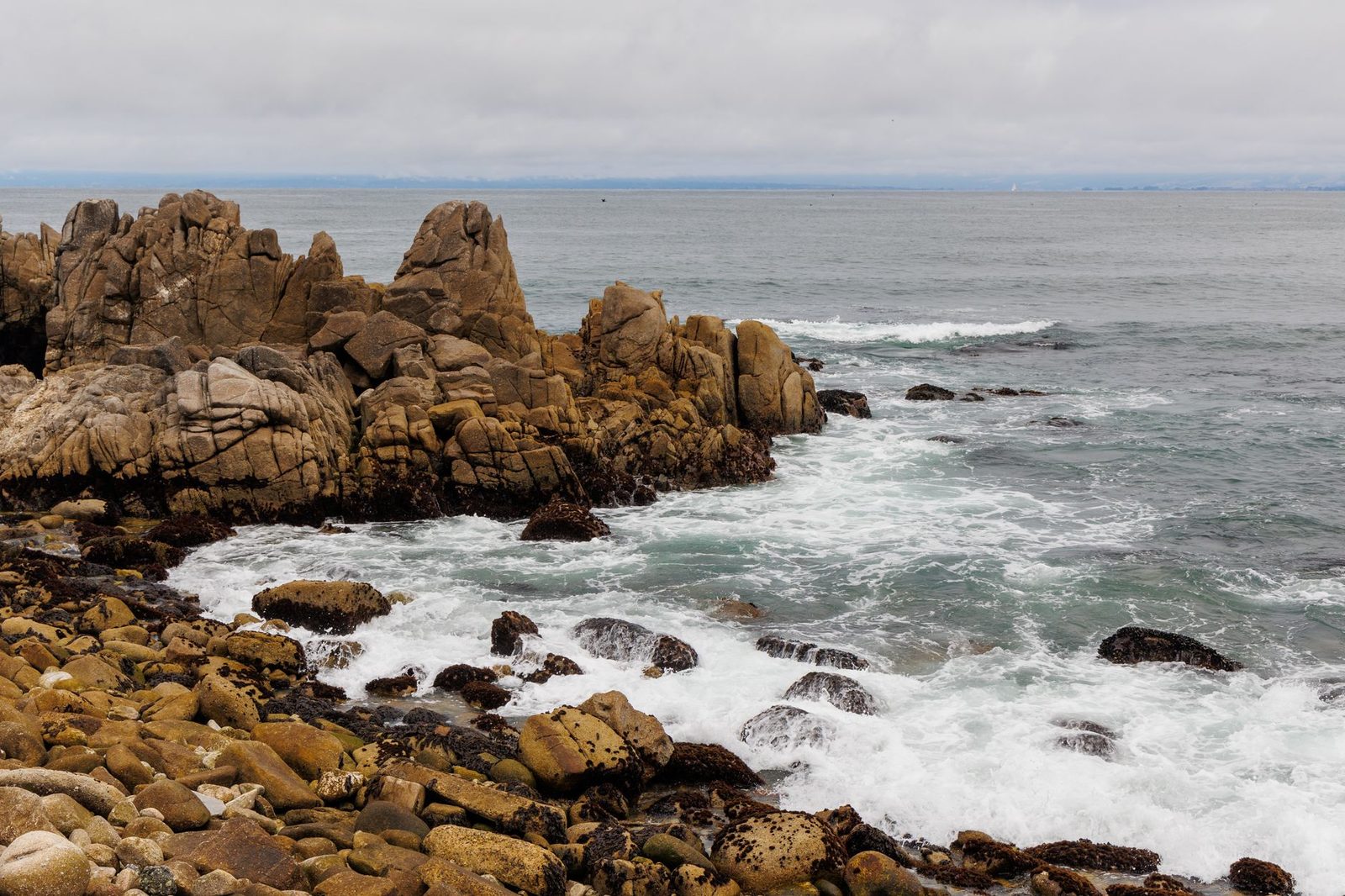
A rocky Pacific shoreline with surf rolling in

Central Coast

Water system repairs, farm housing in the Salinas Valley and campus projects are the regular jobs. We serve Santa Barbara, San Luis Obispo, Monterey and Salinas.

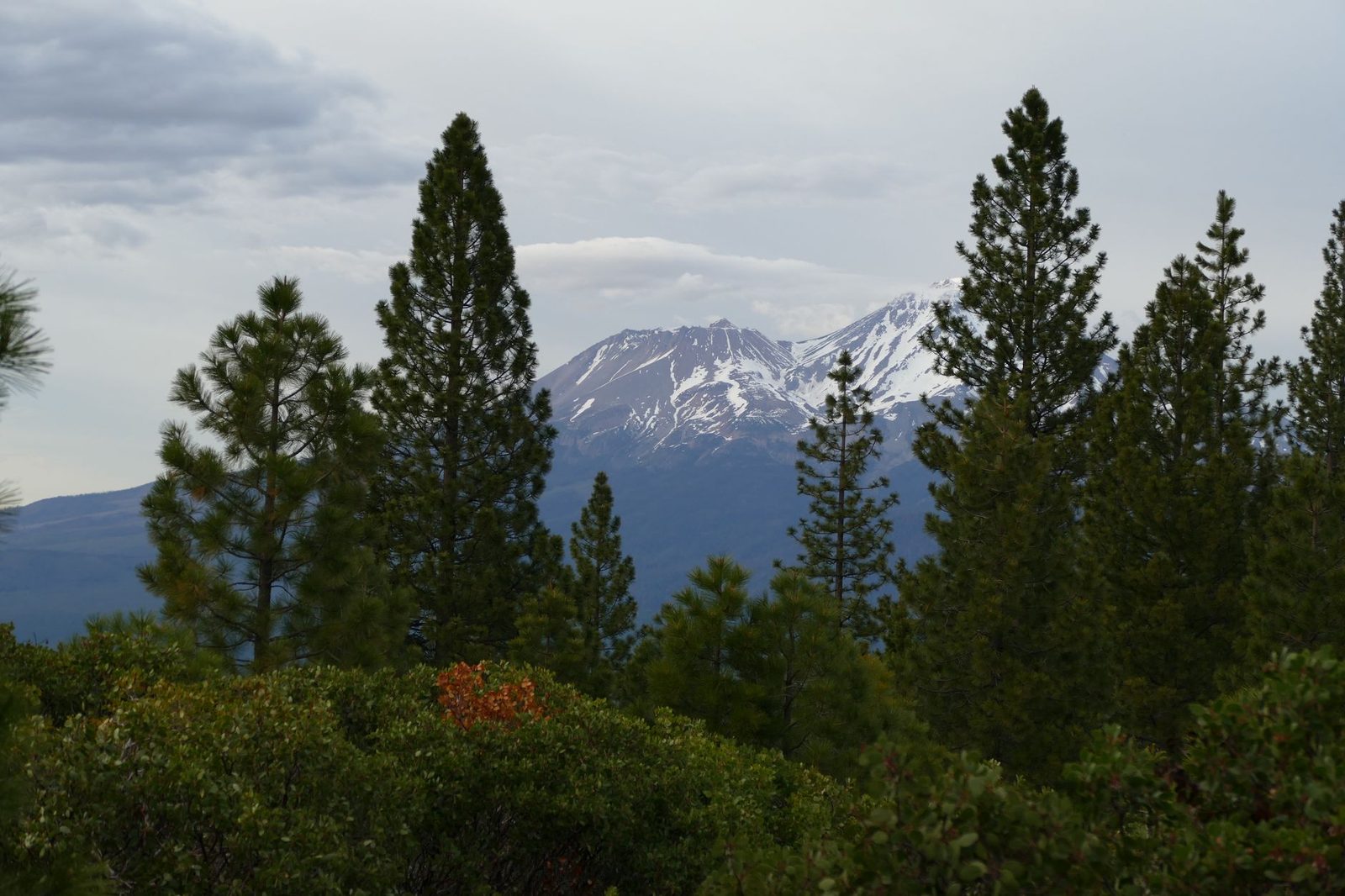
Mount Shasta above forested North State hills

North State and Sierra

Fire camps, foothill construction and mountain jobs that deal with winter chain control. We reach Redding, Chico, the Sacramento foothills, Lake Tahoe and the Yosemite gateway towns.

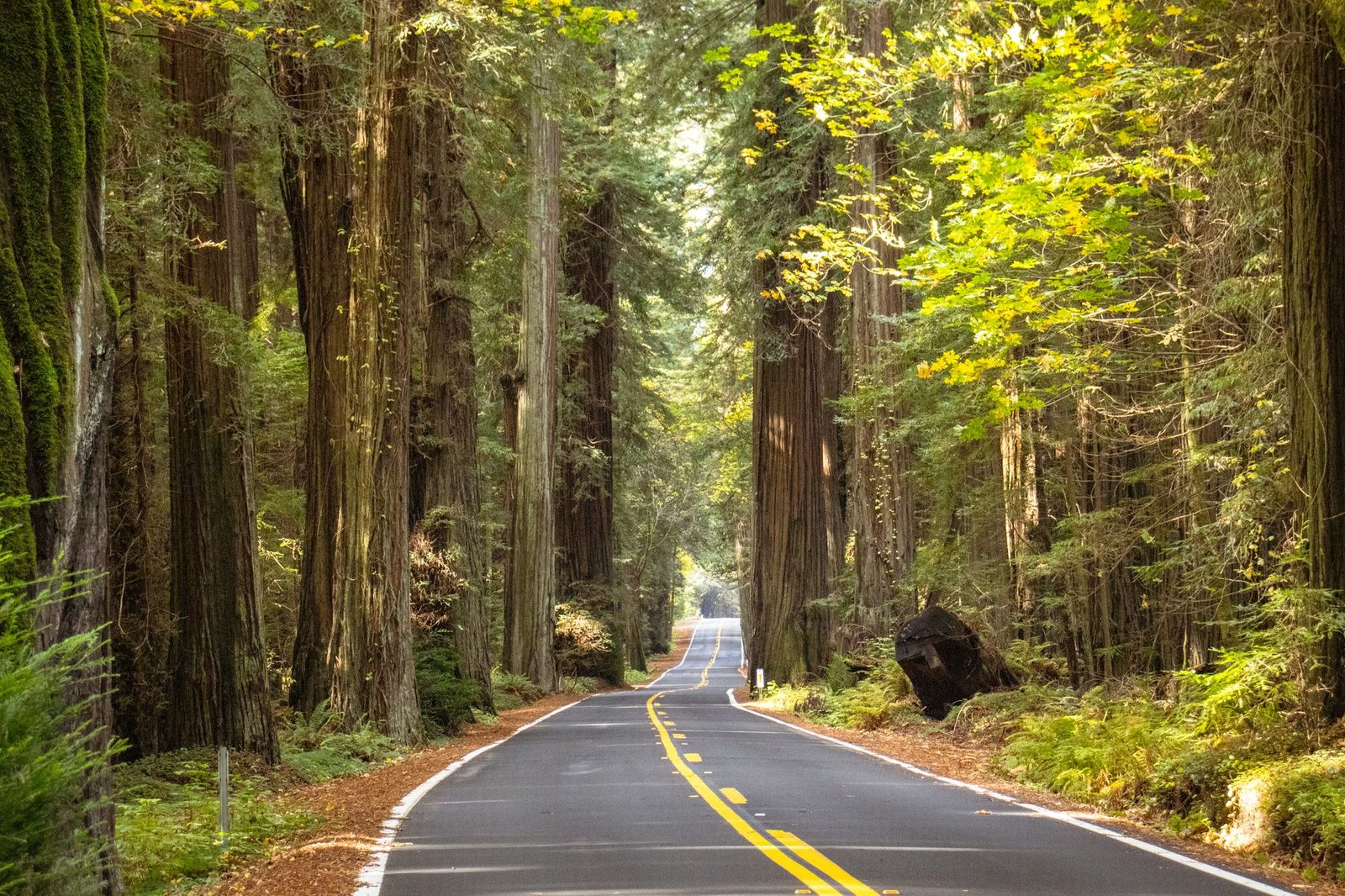
A two-lane road through a redwood forest

North Coast and Far North

Remote jobs on slide-prone highways, where one storm can close the road for days. We cover Eureka, Ukiah and Crescent City and stage extra water on site before winter.

Simple Process

How renting a water station trailer in California works

1

Call or request a quote

Tell us the dates, the site, and what you need. Our dispatch line answers 24/7, including emergencies.

2

We size the unit and confirm

We match the right water station trailer to the job and hold delivery on your schedule.

3

Our crew delivers and sets up

We deliver, level, and connect the trailer on site, ready to use the same day.

4

We keep it running

Our own crews refill and sanitize the station on a set schedule, then pick up when the job ends.

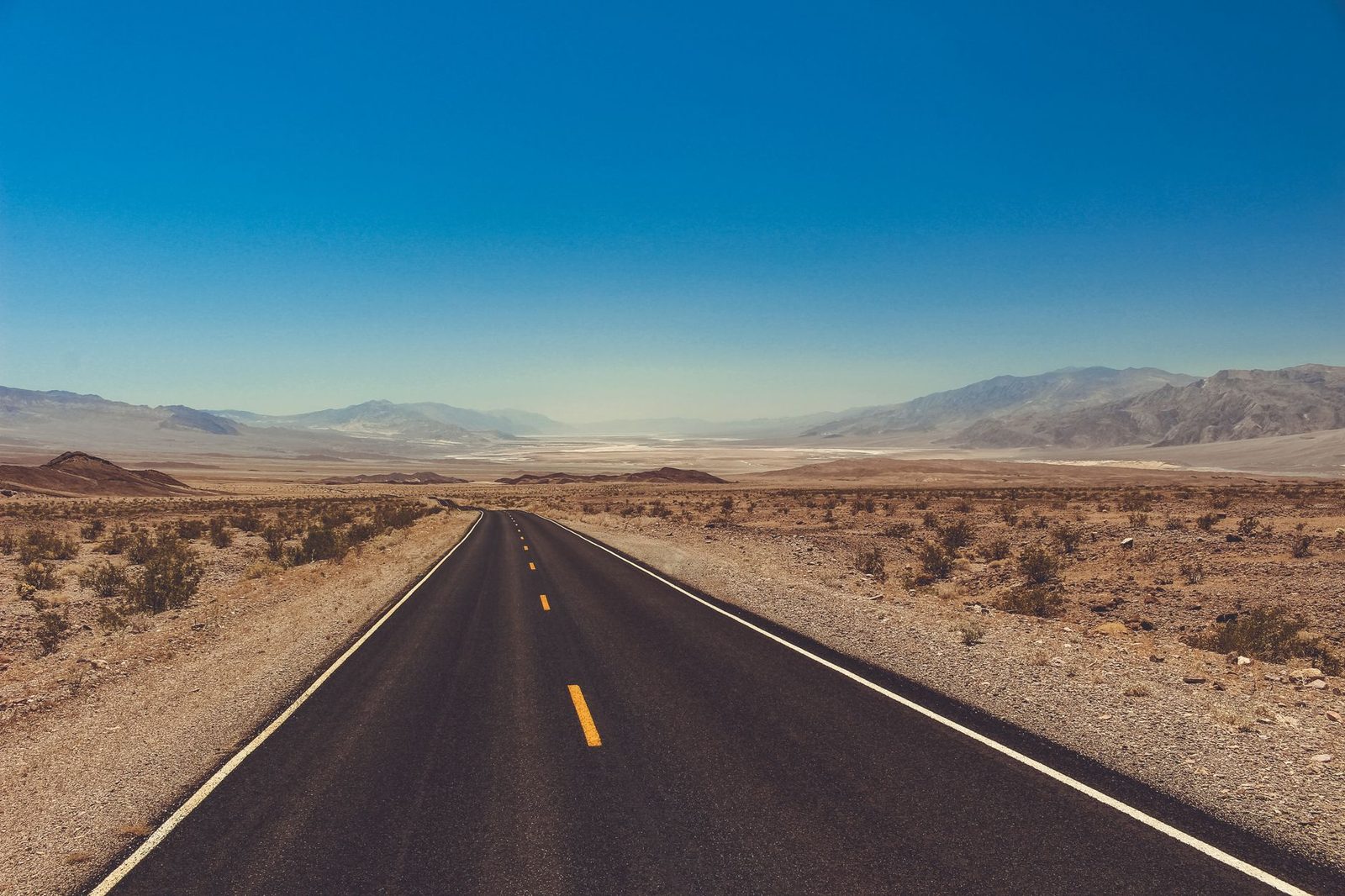
A straight desert highway running across a hot, dry valley floor
Heat Across the State

Why cold water station rentals matter from the valley floor to the desert

California is about 770 miles long, and the heat changes with every region. Summer highs in Fresno, Bakersfield, Redding and Sacramento regularly land between 95 and 108 degrees. The Coachella and Imperial valleys and the country around Death Valley often reach 105 to 120. The Inland Empire frequently runs 10 to 20 degrees warmer than the coast on the same afternoon. A framing crew in Ontario and a paving crew in Long Beach, barely an hour apart on the freeway, can be working in very different conditions in the same August heat.

Heat is not the only weather problem. Tule fog in winter can shut down stretches of Highway 99 and Interstate 5 for hours. The Sierra passes on Interstate 80, Highway 50 and Highway 4 go to chain control or close from about November through April. On the North Coast, storms and slides on Highway 101 and Highway 299 can cut a job site off for days too. We plan fill routes around all of it.

Crews drink more when the water is cold. A warm jug in a truck bed gets ignored by early afternoon, which is right when people need it most. Our trailer keeps the water chilled through a long shift and a long job. We time the fills so the tank is full going into the hottest hours, not halfway through them.

Largest Fires on Record

California's largest modern wildfires and the water station demand behind them

Roughly three-quarters of the state's twenty most destructive wildfires on record have burned since 2015. The biggest ones ran long base camp operations in remote counties, far from any town water system.

Largest modern California wildfires, acres burned
1,032,648August Complex, 2020
963,309Dixie, 2021
459,123Mendocino Complex, 2018
429,603Park, 2024
396,625SCU Lightning, 2020
379,895Creek, 2020
Acres burned per fire. The August Complex is the largest wildfire in modern California history, and the Dixie Fire is the largest single fire on record in the state.
Why Choose Us

What you get with a Mavirus Group water station rental in California

Planned region by region

A job in Redding and a job in El Centro are different trips with different weather. We set each fill route for its region, so the truck shows up when the tank needs it.

A fill log for every trailer

Each unit comes with a written service log showing every fill and cleaning by date and time. Your safety manager can hand it to an inspector or drop it into the job file.

Placed where the crew works

We put the station close to the work, not wherever parking is easy for our truck. When the work shifts across a big pad or down a corridor, we come back and move it.

Sized to your hottest week

We ask for head count, shift length and the site before we quote. Then we set the trailer count and the fill schedule for August, not for a mild week in May.

One contract for the whole site

Water often comes with restrooms, showers, laundry or freezer space. We quote it together on one contract, so your office tracks one vendor instead of five.

Paperwork public buyers need

SAM.gov registration, proof of insurance and written quotes are ready when a school district, county or federal office asks. We are also Cal Fire registered, and we supported FEMA during the Hurricane Helene recovery.

Someone answers overnight

Emergencies do not keep business hours, and our line is answered around the clock. When a fire camp or a boil-water notice needs water tonight, you reach a person.

Customer Stories

How a typical California water station trailer job is set up

How we set up water for a California warehouse or logistics build

For a large tilt-up or logistics build, we size chilled trailers to the crew working each phase and place them at opposite ends of a big pad, so nobody has to cross the site for a drink. We set fills before the morning shift and hand the superintendent a written log that already matches what a state inspector or safety officer will ask to see.

How we set up water for a California school district construction project

For a summer plumbing or remodel job that shuts off campus fountains, we place a trailer clear of the fenced work zone, close to where students, staff or summer programs gather. Fills are tied to the class or camp schedule rather than a fixed clock, and the district keeps the unit for as long as the fountains stay down.

How we set up water for a California emergency shelter activation

For a county office of emergency services shelter, we plan for a call that comes with little notice and a building whose fountains cannot keep up with a sudden crowd. We stage a trailer at the entrance, run two fill visits a day, and keep a second unit ready if the population count climbs.

Cal/OSHA Section 3395

Section 3395 and how a chilled water station fits your heat illness plan

Cal/OSHA's outdoor heat standard, Title 8 Section 3395, covers every California employer with outdoor work. It calls for fresh, pure, suitably cool drinking water, free to workers, at a rate of at least one quart per employee per hour, placed as close as practicable to where people are working. Shade has to be up once it passes 80 degrees. At 95 degrees, high heat steps kick in, like closer watching of crews and better ways to reach people spread over a big site. Every employer also needs a written Heat Illness Prevention Plan, and workers and supervisors get trained on it before outdoor work starts.

Federal jobs add a second layer. OSHA's construction rule, 29 CFR 1926.51, says drinking water containers must close tightly, have a tap, be clearly marked and never be used for anything else. Shared cups are banned. On a California site the two rules stack. The federal one covers the container, and the state one covers how much, how close and when. Our trailer meets the container side by design. Central Valley crews face all of this at its hardest, and our filtered water station rentals in Fresno for farm crews are built around the same plan.

State law now also calls for paid cool-down recovery periods on top of water and shade. Cal/OSHA's own enforcement data puts access to water among the most cited problems in agriculture. Most of those citations come down to paper. A plan that names the water source, where it sits and who refills it is only as good as the proof behind it, and our service log gives you the date and time of every fill.

Reviews

Customer reviews for our California water station trailers

M
Monica L.capital projects manager, university campus, Southern California
★★★★★

Housing construction next to classrooms is tricky. They timed refills around class changes so the truck was never in the middle of foot traffic.

T
Tom N.county emergency manager, North State
★★★★★

Our shelter opened on a fairground in the middle of the night. Water was there by morning and stayed full until we closed.

C
Carla D.public works supervisor, Central Coast water system
★★★★★

During a boil-water notice we needed clean water at the community center fast. They filled from outside our system and came back every day until it lifted. Good people on a bad week.

S
Steve G.incident logistics lead, Sierra foothills fire camp
★★★★★

Camp grew from a few hundred people to well over a thousand in three days. They added a second trailer without us having to chase anyone.

P
Priya K.construction manager, solar project in the Mojave
★★★★★

Nothing out there. No water, no power, forty minutes of dirt road. They brought a generator for the chiller and never missed a fill in four months.

FAQ

Frequently asked questions

Does a rented water station trailer meet Cal/OSHA's drinking water requirement?
It covers the water side, and covers it well. Section 3395 asks for fresh, cool water, free to workers, in enough volume and close to the work. A chilled, filtered trailer placed near the crew and refilled on schedule does all of that. Your written plan still has to describe it, and our service log gives you the record to back it up.
How close to my crew does the water station need to be?
As close as practicable to where people are working. Think about the walk, not a tape measure. If it takes a worker several minutes each way, they will skip the drink, so move the water or add a second unit. We look at your site plan before delivery, mark where the crews will actually be working each week, and come back to move the trailers whenever the work shifts to a new part of the site.
Do I need water and power hookups on site?
You do not need a water hookup. The trailer can tie into a hose bib or a hydrant, or run from its own tank that we refill by truck. The chiller needs power, which can come from the site or from a generator we bring. What we really need from you is a level spot, firm enough to hold a loaded trailer, and enough room for our truck to get in, turn around and get back out without blocking your deliveries.
How often will you refill and clean the trailer?
It depends on crew size, heat and how much water the job uses. A big crew in a Central Valley summer may need a visit every day. A small crew in spring may go several days between fills. We set the schedule when we quote, adjust it as the job changes, and sanitize on a set routine. Every visit goes in the log.
Can I get a copy of the service log for my safety file?
Yes. Each trailer comes with a written service log showing the date and time of each fill and cleaning. You can ask for a copy weekly, at the end of the job, or any time in between. Many safety managers file it with their heat plan so it is ready if an inspector asks.
Can you get a trailer to a remote desert or mountain job in California?
Yes. Remote sites are a normal part of our work. Send us a GPS pin, the road conditions and any gate or access rules. In the Sierra, winter chain control can slow a delivery, so we build in extra time. In the desert we plan for long dirt roads and bring a generator for the chiller.
How fast can you get water to a fire camp or evacuation shelter?
Our line answers 24/7, and emergency orders go to the front of the schedule. How fast depends on distance and what we have staged nearby, so call as soon as the need is clear. As a Cal Fire registered provider with FEMA disaster support experience, we know how incident logistics orders work and what paperwork follows them.
Can state and federal agencies contract with Mavirus Group?
Yes. We are a SAM.gov registered federal contractor, licensed and insured, with an A+ BBB rating. We can quote to a statement of work, a purchase order or an emergency order. Send your contracting requirements with the request and we will match them.
Is the water safe to drink during a boil-water notice?
Yes. We fill only from potable sources, and during a notice we fill from outside the affected system. The tanks and lines that touch the water are food grade and get sanitized between rentals. The onboard filter adds one more step before the water reaches a bottle.
Can a water station trailer stay on a multi-year project?
Yes. Rail, water and campus housing jobs in California can run for years, and we set up long-term rentals with a standing fill and cleaning schedule. We review the plan each season. Summer demand is far higher than winter. You keep one vendor and one running log for the life of the job.
Are the bottle-fill stations ADA accessible?
Lowered, ADA-height stations come standard on our Signature Series trailer. We also set the trailer on firm, level ground with a clear path so every worker, student or guest can reach it. Tell us about any special access needs and we will plan the layout around them.
What happens to the chiller during a PSPS power shutoff?
The tank keeps water available without grid power, but the chiller needs electricity. On sites in high fire-risk areas we bring a generator and a fuel plan, so the water stays cold through a shutoff. Tell us if your site has been de-energized before and we will plan for it.
What do you need from me to send a quote?
The site address or a GPS pin, your start and end dates, your head count and shift hours, and anything about access, like gates, badging or dirt roads. If you already know you need restrooms, showers or laundry too, include that. We send back a written quote with the trailer count and fill schedule.
Resource Library

How to plan water station rentals in California: guides from our team

The top of a large blue water storage tank against a cloudy sky

How much drinking water a California crew needs, and how many water stations to order

Most water problems on a job start with a guess. Someone orders one trailer because the last job had one, and by two in the afternoon the tank is low and a foreman is off buying cases of bottled water. Start with the math, then add what the math misses.

The state floor is simple. Section 3395 asks for enough water that every worker can drink at least one quart an hour for the whole shift. A quart is a quarter of a gallon. A crew of 40 on a ten-hour day needs at least 100 gallons, before anyone fills a bottle for the drive home. A crew of 150 on the same shift needs at least 375 gallons.

That number is a minimum, not a plan. People drink more in August than in April. A crew doing heavy work in direct sun drinks more than a crew finishing drywall inside a shaded building. On hot jobs we plan well above the floor, so a slow truck or an extra shift does not drop you under it.

Then look at how many people hit the water at once. A break for 60 people means 60 bottles in a few minutes. Our Signature Series trailer has four bottle-fill stations, so four people fill at the same time. If a big crew breaks together, one trailer still works, but the line gets long and people give up. Staggered breaks help. A second trailer helps more.

Distance is the next question. The standard says as close as practicable to where people work. On a compact site that is one spot. On a warehouse pad, a solar field or a long road job, it is not. If a worker has to walk several minutes each way, they will skip the drink. We look at the site plan, place trailers so the walk stays short, and move them as the work moves.

Now set the fill schedule. Tank size, crew size and heat decide how often the truck comes. A small crew in mild weather might need a fill every few days. A big crew in the Central Valley in July can need a daily visit, sometimes two. We time fills before the hottest hours so the tank is full when demand peaks, and every visit goes in the service log.

Say you have 120 people on a tilt-up job in Riverside in July, working 6 a.m. to 4:30 p.m. That is ten and a half hours, so the floor is 1,260 quarts, or 315 gallons. Most of that crew breaks at the same two times. We would plan two trailers at opposite ends of the pad, fill both before noon, and add a late-day visit during heat waves.

A few things change the count. Night shifts drink less, but not zero. Remote sites far from our fill source need more buffer in the tank. Smoke days can move work or change break times. A crew that grows mid-job needs a fresh count, not last month's number.

Send us your head count, shift length, site address and start date. We will do the math with you, show you the trailer count and the fill schedule, and put it in writing so it can go straight into your plan.

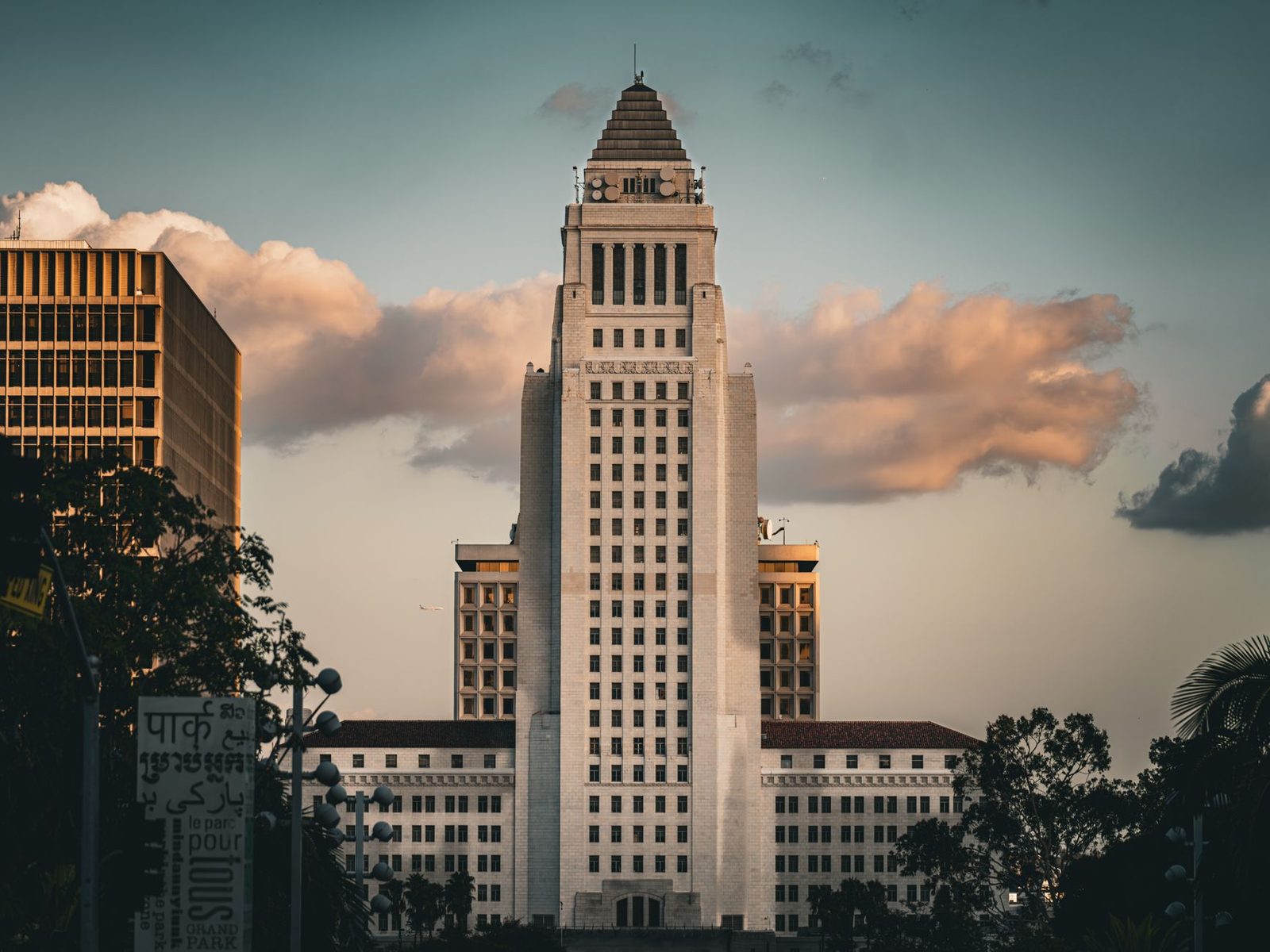
Los Angeles City Hall against an evening sky

Questions public buyers should ask before hiring a water station vendor in California

A county office, a school district and a federal agency all buy water in different ways. The questions that separate a good vendor from a risky one are the same. Ask them before the award, not after the first missed fill.

Start with registration. For any job with federal money, check that the vendor is registered and active in SAM.gov. It sounds basic. It also saves a contracting officer a week of back and forth when the purchase order is ready and the vendor is not. We are SAM.gov registered and send our details with the quote.

Ask who actually does the work. Some vendors broker a job to whoever has a truck nearby. That can work on a quiet week. During fire season it often means a missed fill. The subcontractor took a better-paying call instead. Ask whether the company delivers and services its own trailers with its own crew. Ours does.

Ask how they size the order. A vendor who names a trailer count before asking about head count, shift length and heat is guessing. The right questions come first: how many people, how many hours, how far the site sits from the fill source, and how hot it gets there in the worst week of the job. The answer should come back as a trailer count and a fill schedule, in writing.

Ask how the water is handled. Everything that touches the water should be food grade. The tank should be filled only from a potable source and sanitized between rentals. If you are buying during a boil-water notice, ask where the fill water comes from. It should come from outside the affected system. A vendor who has to think about that answer has not done this before.

Ask for a sample service log. This is the one most buyers forget. A written record of every fill and cleaning by date and time protects you when an inspector, an auditor or a parent asks what was done and when. If a vendor cannot show you one, that tells you how the job will go.

Ask about response time and after-hours coverage. Who answers at 2 a.m.? How long to get a second trailer if the crew doubles? What happens if a chiller fails on a Saturday in August? A good answer describes a process with names and phone numbers. A weak one is a promise.

Ask about insurance and what your site has to provide. You want a certificate of insurance on file before the first delivery. You also want the vendor to tell you, in writing, what the site needs: a level spot, a way in for the truck, and power or room for a generator. Surprises on delivery day slow everyone down.

Ask what happens when the job changes. Crews grow. Schedules slip, and a summer shutdown at a school can run well into September. A good contract lets you add a trailer, extend the dates or move a unit to a second site without starting the paperwork over. Find out how much notice they need for each of those.

Ask whether they can cover the rest of the site too. A camp or a long build usually needs restrooms, showers or laundry as well. We quote them together on one contract when that helps the buyer, and our long-term laundry trailer rentals nationwide for crew camps are the most common add-on to a water order.

Call us or request a quote with your bid documents attached, and we will answer each of these questions in writing.

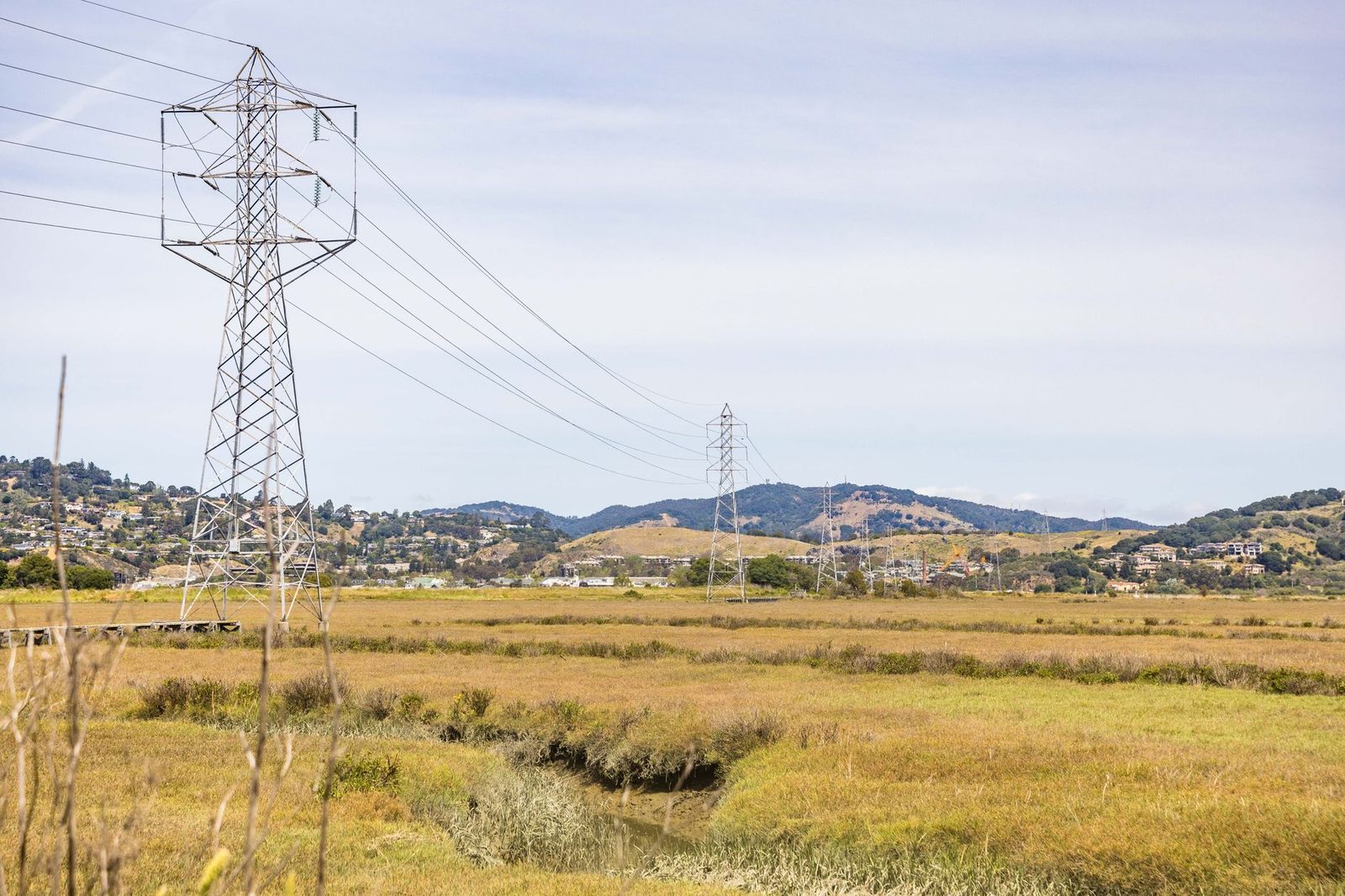
High-voltage transmission towers crossing dry golden hills

Keeping drinking water on site during a PSPS power shutoff in California

When fire weather hits, California's big utilities can cut the power on purpose. PG&E, Southern California Edison and San Diego Gas and Electric all use Public Safety Power Shutoffs, or PSPS, to take lines offline during high wind so they do not start a fire. The shutoffs are tracked and reported through the California Public Utilities Commission. Southern California Edison filed post-event reports for shutoffs in both May and September of 2025.

A shutoff is more than a dark building. Water systems need power to pump. That is why the CPUC lists water and wastewater providers as critical infrastructure, right next to hospitals and fire stations. A shutoff that lasts several days can cut water pressure in the same area where it cuts the lights. A job site or facility on its own well can lose water completely.

Plan for it before the wind forecast. If your site sits in a high fire-risk area, find out how your utility will notify you, and put the water plan in writing now. A trailer with its own tank does not care if the local pump stops. The chiller is another story. It needs power, so on a PSPS-prone site we bring a generator with enough fuel for the expected outage.

Care facilities have their own chain of command. Skilled nursing and long-term care sites in California report outages, generator and fuel status, and resource needs to county public health and the Medical Health Operational Area Coordinator. That same chain can approve emergency contracts during a long outage. If you manage one of these facilities, it helps to have a water vendor already on file before the season starts.

Job sites face a different problem. The crew is still working. It is often hot and windy, and the site office water cooler stopped the moment the power did. A chilled trailer with its own generator keeps your heat plan intact through the outage, and the service log shows the water never stopped.

Timing is the hard part. Shutoffs come with the same dry wind events that raise fire risk, so demand for generators and trailers spikes at the same moment across the region. Book before the season, not during the warning. We can stage a unit ahead of a forecast event and hold it for you.

Generator placement takes some thought. It needs level ground, distance from dry brush and a clear path for a fuel truck. On a windy red-flag day, nobody wants a hot exhaust pipe next to tall grass. We set the generator where it is safe to refuel and where the noise does not sit right on top of a break area.

Long outages need a tank plan too. If the local system loses pressure, we fill from a source outside the outage area and keep coming on the same schedule, so the water stays full even when the taps in town do not.

Keep the checklist short. Know your utility's notice process. Know where crews or residents will get water if the local system loses pressure. Line up a trailer and a generator in advance, and keep the fuel plan in writing. Then call us when the forecast turns, and we will confirm the delivery window.

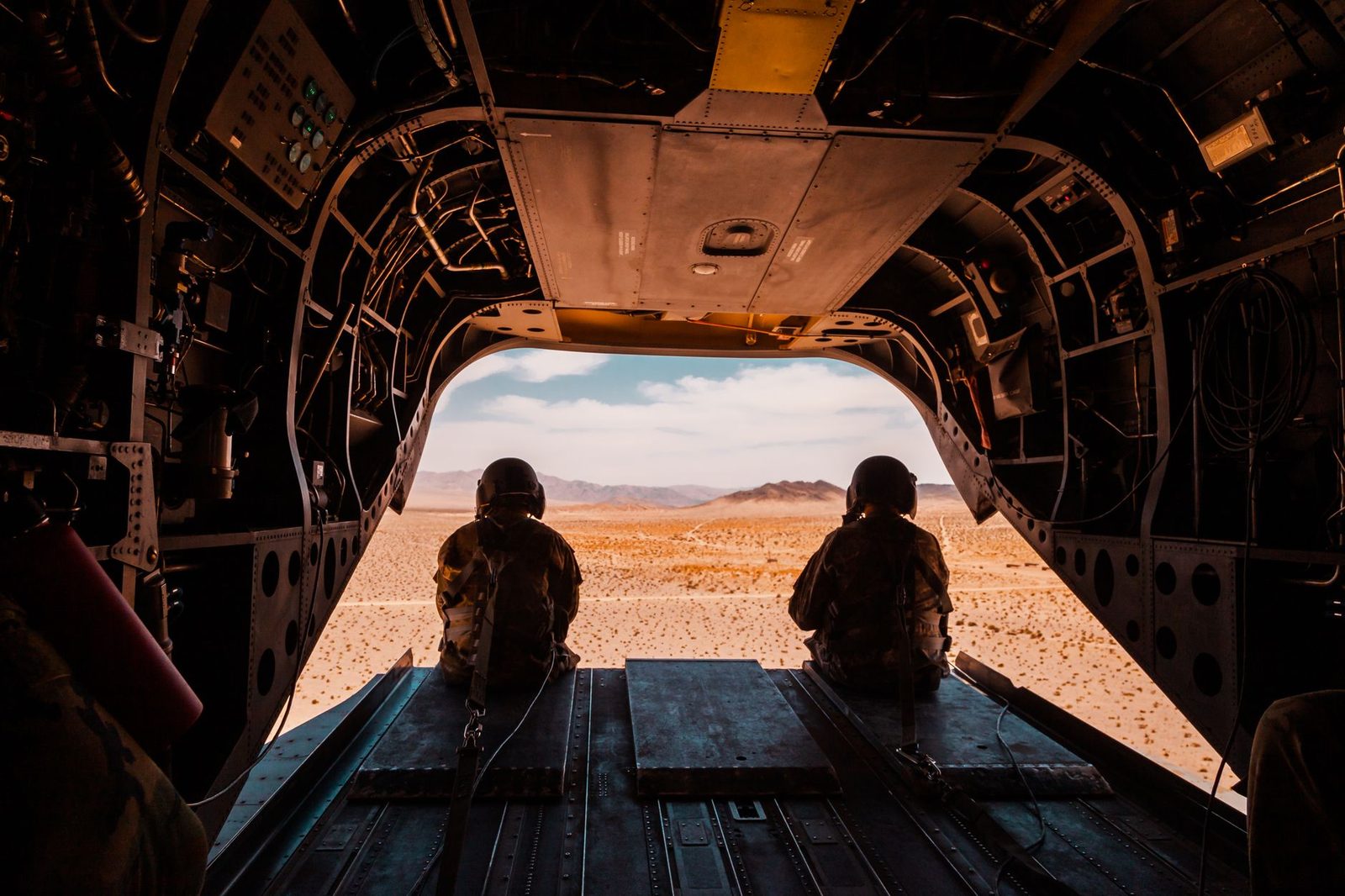
Soldiers looking out the open rear ramp of a military helicopter over desert terrain

Planning water for military field exercises and desert range work in California

California has about 44 military installations across six branches, more than any other state. Several of them are among the biggest training grounds in the country, and much of that training happens in the desert, a long way from a water main.

Fort Irwin's National Training Center near Barstow runs multi-week armored and mechanized rotations in the Mojave. Marine Corps Air Ground Combat Center Twentynine Palms is the largest Marine Corps installation in the world by land area. Camp Pendleton covers a long stretch of the North San Diego County coast. Edwards Air Force Base, Naval Air Weapons Station China Lake and the Mojave Air and Space Port turn the high desert into a flight-test corridor with its own field activity.

Field exercises often outgrow what the garrison has. When a large rotation stands up temporary support in the field, water has to go where the troops and contractors are, not where the pipes are. Base construction and renovation add a second kind of demand. Contractor crews can work inside a secure fence for months, and they need drinking water every day of it.

The Mojave is hard on equipment and people. It gets less than six inches of rain a year and sits between 3,000 and 6,000 feet. Summer days are brutal. Nights can turn cold. Long dirt-road hauls are normal. We run the trailer off its own tank, carry a generator for the chiller and plan fills around range schedules and gate hours.

Placement in the field follows the same idea as on a job site. Put the water where people gather, like the motor pool, the chow line or the staging lot. Night operations change the pattern. Crews often drink the most in the late afternoon before a night movement. We time fills so the tank is full before those peaks.

Winter rotations still need a plan. Desert nights in January can drop hard, and a unit left alone for a week is a unit nobody has checked. We look the trailer over at every visit and note it in the log.

Access is the other half of the job. Installations have their own steps for vendor badging, vehicle inspection and escorts, and they differ from base to base. Send us the contracting office's requirements early. We will get drivers and trucks cleared before the first delivery, so the water is not sitting at the gate while a crew waits.

Contracting runs through base contracting offices and federal systems. We are SAM.gov registered, licensed and insured, and we can quote to a statement of work. For a prime contractor on base construction, federal jobsite water rules still apply to your own crew, and a service log with every fill recorded makes that easy to show.

Exercises also change fast. A rotation can add people, move a staging area or run later than planned. Tell us who to call when the plan shifts, and we will move or add a trailer without a new round of paperwork where the contract allows it.

Send the location, the dates, the head count and any access rules, and we will build the water plan around the exercise schedule.

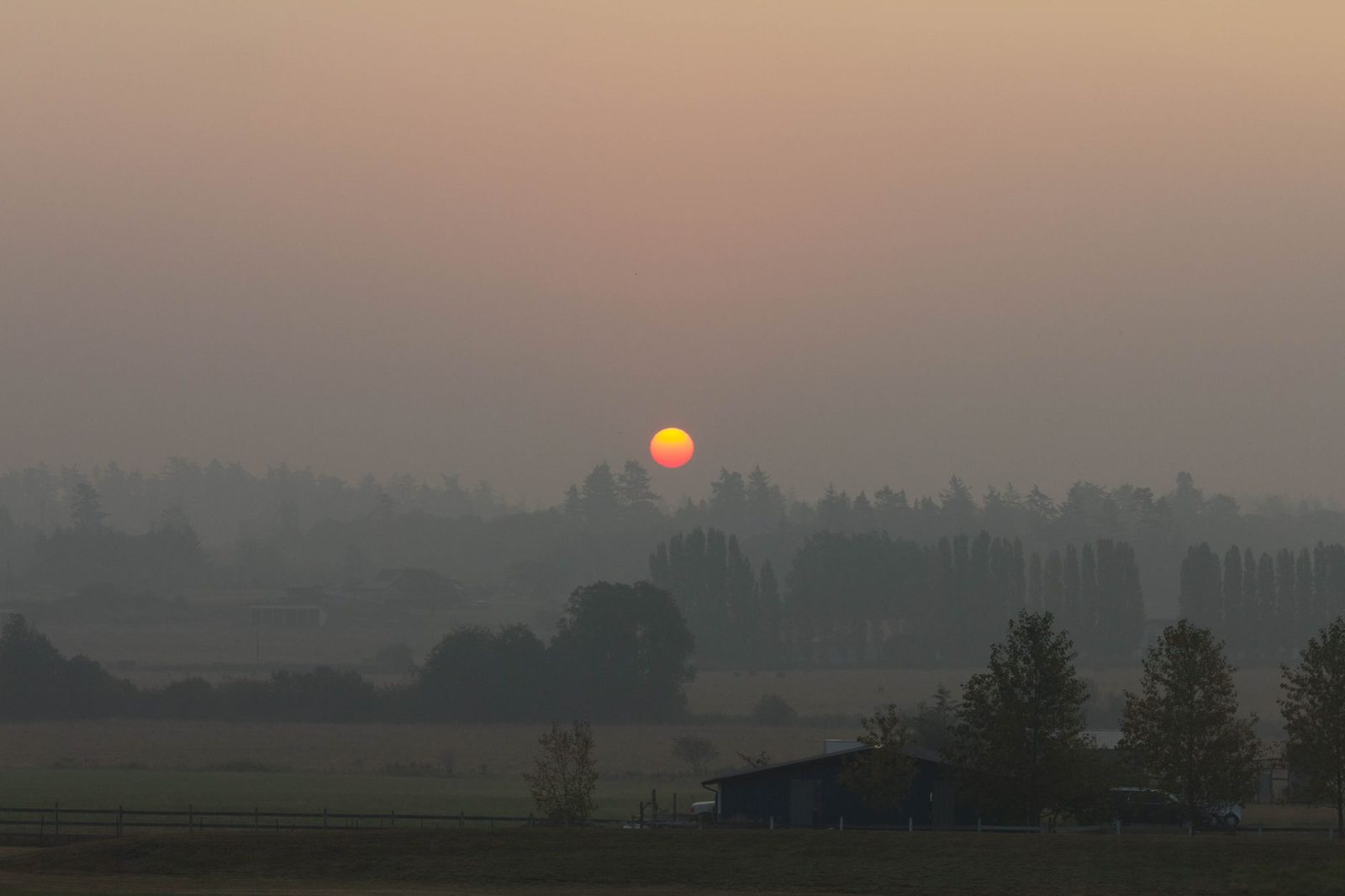
The sun glowing orange through heavy smoke haze over a valley

When heat and wildfire smoke hit the same California job site

Fire season and heat season now overlap across much of California. A crew in the Central Valley, the Los Angeles basin or the North State can be working under two outdoor rules on the same day, each with its own effect on water, shade and breaks.

The smoke rule is Title 8 Section 5141.1. It kicks in when the Air Quality Index for PM2.5 reaches 151 or higher and workers can be expected to be exposed. Once it applies, employers track PM2.5 through EPA AirNow, the local air district or their own monitor. They tell workers the current AQI and what protection is available. They also train workers on smoke hazards.

Controls come in a set order. First come engineering controls, like filtered, enclosed buildings or vehicles. Next come administrative controls, like moving the work, changing the schedule, cutting how hard people work, or adding rest breaks. Respirators come last. N95s are offered for voluntary use between AQI 151 and 500 and are required above 500. Workers exposed one hour or less a shift, and people already inside filtered buildings or vehicles, fall outside the rule.

This is where the two rules meet. More rest breaks and moved work are the same tools a heat plan uses. A crew sent to a filtered break room still needs water, and more breaks mean more people at the water at once. Respirators also make heavy work harder and hotter. Crews need more to drink on those days, not less.

Plan the water around the break plan. If smoke days mean a filtered break room or a cooled site trailer, put the water station right outside the door. If breaks get longer or more frequent, check the station count. The four bottle-fill stations on our trailer can only serve so many people in a few minutes.

Watch the fill schedule too. On a smoke day, roads near an active fire can close and trucks run slower. We keep an extra buffer in the tank during active fire weeks, so a late truck does not leave your crew short. If a road does close, we reroute and tell you the new window.

Moved work means moved water. If the plan shifts a crew to the far side of a site, or to a second site with cleaner air, the water has to follow. Call us the day before if you can, and we will move the mobile water station so it is waiting when the crew gets there. If smoke shuts the site down for a few days, tell us as well. We will adjust fills instead of topping off a tank nobody is using.

Supervisors should know where the water is, just like they know where the N95s are kept. It sounds obvious, but in a fast change of plans, the water is the thing that gets left behind.

Write it all down in one place. A heat plan and a smoke plan that point to the same water source, with the same service log behind them, are easier to follow on a bad day. They are also easier to show an inspector later.

If your crews work in fire country, call us before the season starts, and we will set the water plan for both.

More Rentals

Other trailers we rent in California

Most California jobs need more than water. We also rent restroom, shower, laundry, freezer and bunkhouse trailers, and one contract can cover all of them.

Get a Quote

Get a California water station quote with a fill schedule attached

Give us the site, the start date and your head count. We will set the trailer count, write up the fill schedule and hold the units, and our line answers 24/7.

Get a Quote Call (855) 687-1887
Call (855) 687-1887 - 24/7 Dispatch