Planning restroom capacity for a summer renovation window
Summer is when school districts get their big restroom and plumbing projects done, and the window is short. Contractors often mobilize the week after the last day of school and have to finish before teachers return. Planning temporary restrooms early keeps the project from starting with a scramble.
Start by listing who will be on campus while the work runs. Summer school students, custodial crews, office staff, coaches and camp programs all need restrooms. Count them by week, because summer use changes a lot between June and August. A campus with only office staff in July may host a full sports camp in late July.
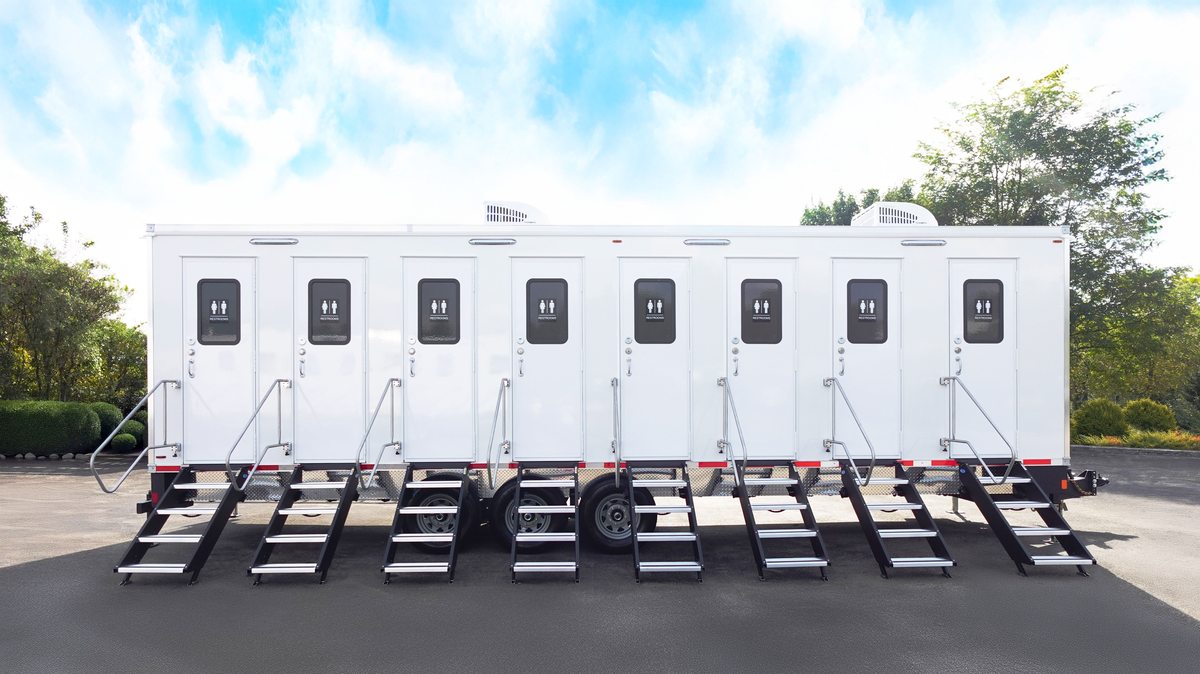
Next, count the fixtures that will be offline. A renovation of the main restroom block can take out most of a building's capacity at once. Compare the offline fixtures to your weekly headcount and plan trailers to close the gap. Remember accessibility. The 2010 ADA Standards apply to temporary facilities as well as permanent ones, so plan at least one ADA unit in every group of trailers you place.
Then choose the spot. Trailers work best on pavement near the doors of the building that lost its restrooms. Keep them out of fire lanes and bus loops, and place them where the contractor's fence and staging will not block the path. Mark a service lane so the pump truck can reach the units without driving through areas where people walk.
Finally, book early. Many districts across a region renovate in the same summer weeks, so reserve units as soon as the project dates are firm. Set the pickup date for the week the new restrooms pass inspection, with a little slack in case the job runs long.
Sources: 2010 ADA Standards for Accessible Design
Keeping construction crews and students apart on an occupied campus
Most campus renovations happen while at least some students are on site. Keeping construction trades and students in separate spaces is one of the first things a facilities director negotiates with the contractor. Restrooms are one of the easiest places for that separation to break down.
Construction crews have their own sanitation requirements. The federal construction standard, 29 CFR 1926.51, calls for one toilet for crews of 20 or fewer and one toilet seat and one urinal per 40 workers for crews of 20 or more. It also requires handwashing and an adequate supply of drinking water. If the contractor has no facilities of its own, crews end up walking into the school to use the building restrooms.
The fix is simple. Put a restroom unit inside the construction fence, close to where the crews stage. Make it part of the contractor's site logistics plan or rent it directly and bill it back. Either way, crews stay on their side of the fence all day. Put the unit on the contractor's side of the fence even when a student restroom sits closer, because the goal is to keep adults who are not school staff out of student spaces.
Student facilities come next. If the renovation takes student restrooms offline, place a separate set of trailers on the student side of the fence, near the doors students already use. Keep the two sets of trailers far enough apart that nobody mistakes one for the other, and label them clearly.
Service schedules close the loop. Ask your rental company to service student units before arrival or after dismissal, and contractor units at the start or end of the construction shift. That keeps service trucks out of drop-off lines and away from students moving between buildings.
Sources: 29 CFR 1926.51 Sanitation
Residence hall shower capacity during housing renovations
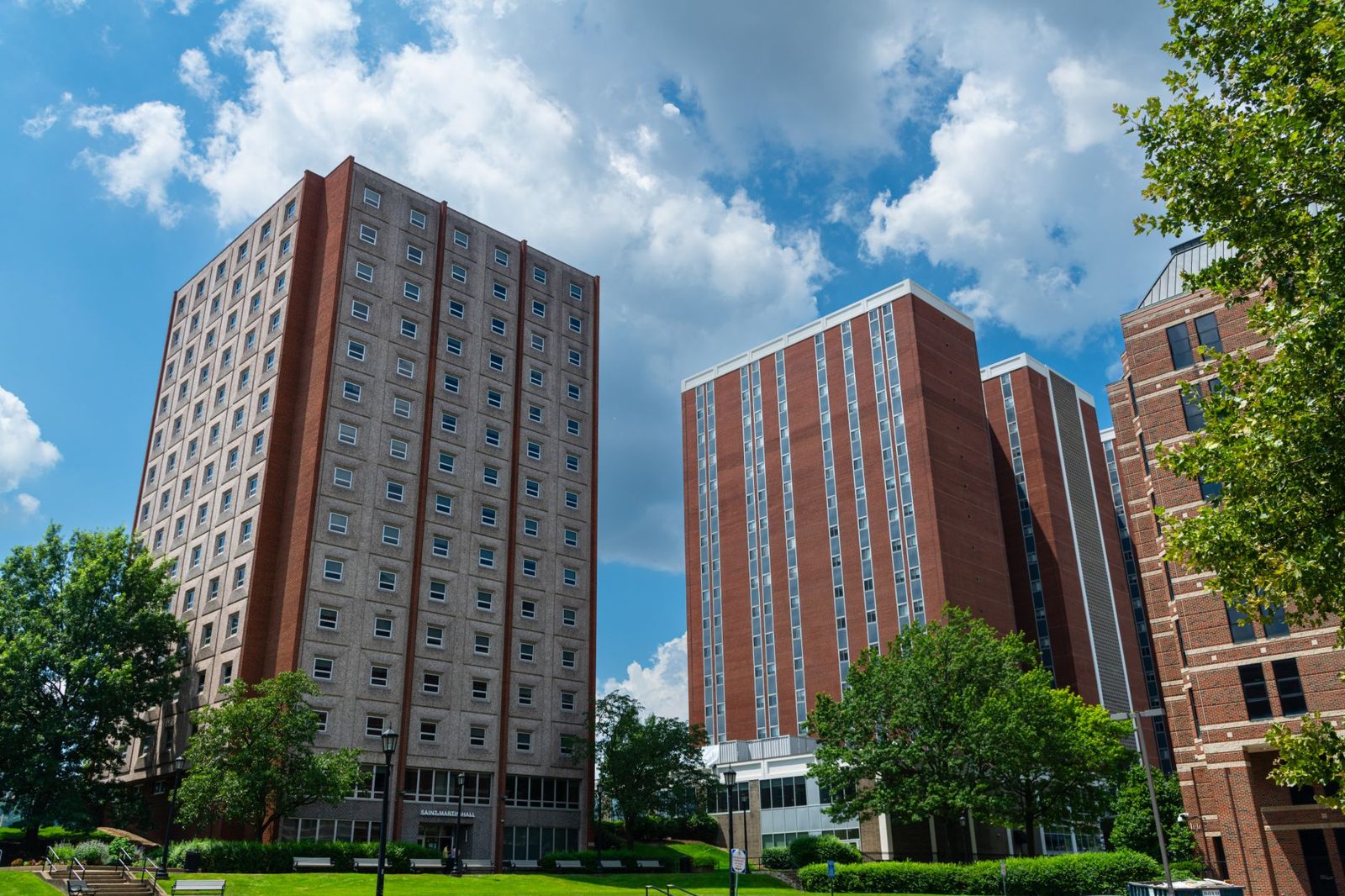
Housing renovations are some of the hardest campus projects to schedule. Residence halls are full for most of the year, and summer is often booked with camps, conferences and summer session students. Many universities end up renovating bathrooms one floor at a time while students live in the building.
Shower capacity is where these projects feel the most pressure. Students can walk to a restroom on another floor. Showers are different, because the morning and evening rush hits every stall at once. Taking one floor of showers offline can push dozens of students onto the remaining floors and create long lines.
A shower trailer beside the hall solves the rush. Our private shower trailers have locking stalls with hot water. Place the trailer on a lit path near the main entrance, inside the area your housing office can monitor. Card access or staffed check-in, if your campus uses it, can extend to the trailer area.
Accessibility applies here too. Public universities fall under Title II of the ADA, which says all state and local governments must follow the ADA regardless of their size. Plan an ADA shower suite closest to the door with a level path, so students with mobility needs keep the same access during the project.
Finally, set the service time around student life. Midday service, while most residents are in class, keeps the stalls clean and stocked for both rushes. Share the service schedule with your residence life staff so they can answer student questions without calling the facilities office.
Sources: ADA Title II, State and Local Governments
Bringing building water back after a summer closure
When a school building sits mostly empty for the summer, the water in its pipes sits too. The EPA notes that building and business closures lasting weeks or months reduce water use and can leave stagnant water inside building plumbing. That water can become unsafe to drink or to use for other purposes.
The EPA recommends that building owners and managers take steps to limit stagnation during a closure and to address water quality before reopening. It publishes guidance and a checklist for restoring water quality in buildings that are coming back into use. Facilities teams often plan flushing and testing in the last weeks before students return.
That work can take fixtures out of service for days. Drinking fountains may be bagged until testing clears, and restrooms in a wing may close while lines are flushed and repaired. The timing often lands right when teachers are back setting up classrooms.
Temporary units keep the campus working through that stretch. Restroom trailers carry their own fresh water and waste tanks and do not depend on the building's plumbing. A drinking water station trailer delivers chilled, filtered water through bottle fill stations while fountains are offline.
Build this into your summer calendar. If a renovation or a long closure is planned, book temporary restrooms and drinking water to stay a week or two past the end of construction. That gives your team time to flush, test and reopen the building's own fixtures without rushing.
Sources: EPA guidance on water quality in buildings with low or no use
Drinking water on campus during lead testing and fixture replacement
Many districts test drinking water at schools for lead and replace fountains, faucets and fittings that do not pass. The EPA's 3Ts program, which stands for training, testing and taking action, helps schools and child care facilities set up a voluntary program to reduce lead in drinking water. It includes a manual, a checklist and a toolkit.
Testing and repair take outlets out of service. A fountain that fails a test may stay bagged until it is replaced and retested. On a busy campus, losing several fountains at once can leave a building with few places for students to fill a bottle, especially in hot months.
A drinking water station trailer covers the gap. It holds a large supply of chilled, filtered water and lets students and staff fill bottles quickly at several taps. Place it near the cafeteria, the gym or the main hallway doors where students already gather. A station near the gym also helps coaches and athletes during summer practices, when fountains in the building may still be offline.
Plan refills around the school day. A station set before the first bell and refilled after dismissal stays full through lunch and recess. Your rental company should log each refill, which gives you a record to share with families and the school board if questions come up.
Keep the temporary water in place until the permanent outlets are cleared. Rushing a station off campus the day a new fountain goes in can leave a gap if the retest takes longer than expected. A few extra days of rental is a small cost compared with a building that has no working water outlets.