Sizing restroom trailers for an office or plant restroom renovation
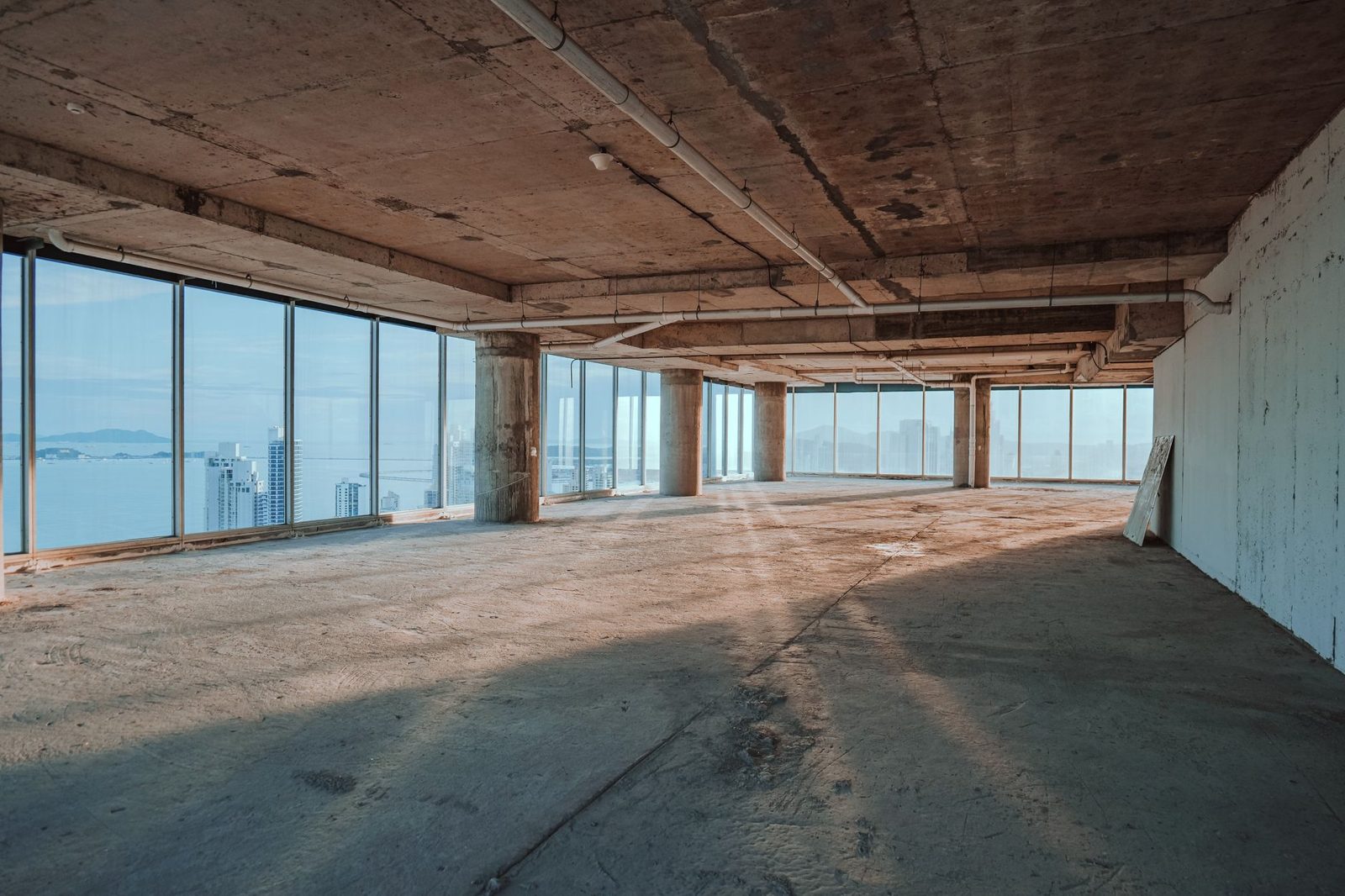
Restroom renovations in occupied buildings are a staple of facility management. The work is predictable, but the planning around it often is not. The most common mistake is assuming the restrooms left open on other floors or in other wings can absorb everyone. They usually cannot, at least not without long lines and frustrated staff.
Start with the federal minimum. The general industry sanitation standard, 29 CFR 1910.141, sets the number of water closets by the number of employees. It calls for one for 1 to 15 employees, two for 16 to 35, three for 36 to 55, four for 56 to 80, five for 81 to 110 and six for 111 to 150. Above 150, it adds one for each additional 40 employees. The count is figured separately for each sex.
Next, count what stays open. If your building has three restroom cores and you are renovating one, the other two carry the load. Compare what remains to the minimum for your headcount, then plan trailers to close the gap. Include an ADA unit so every employee has access during the project.
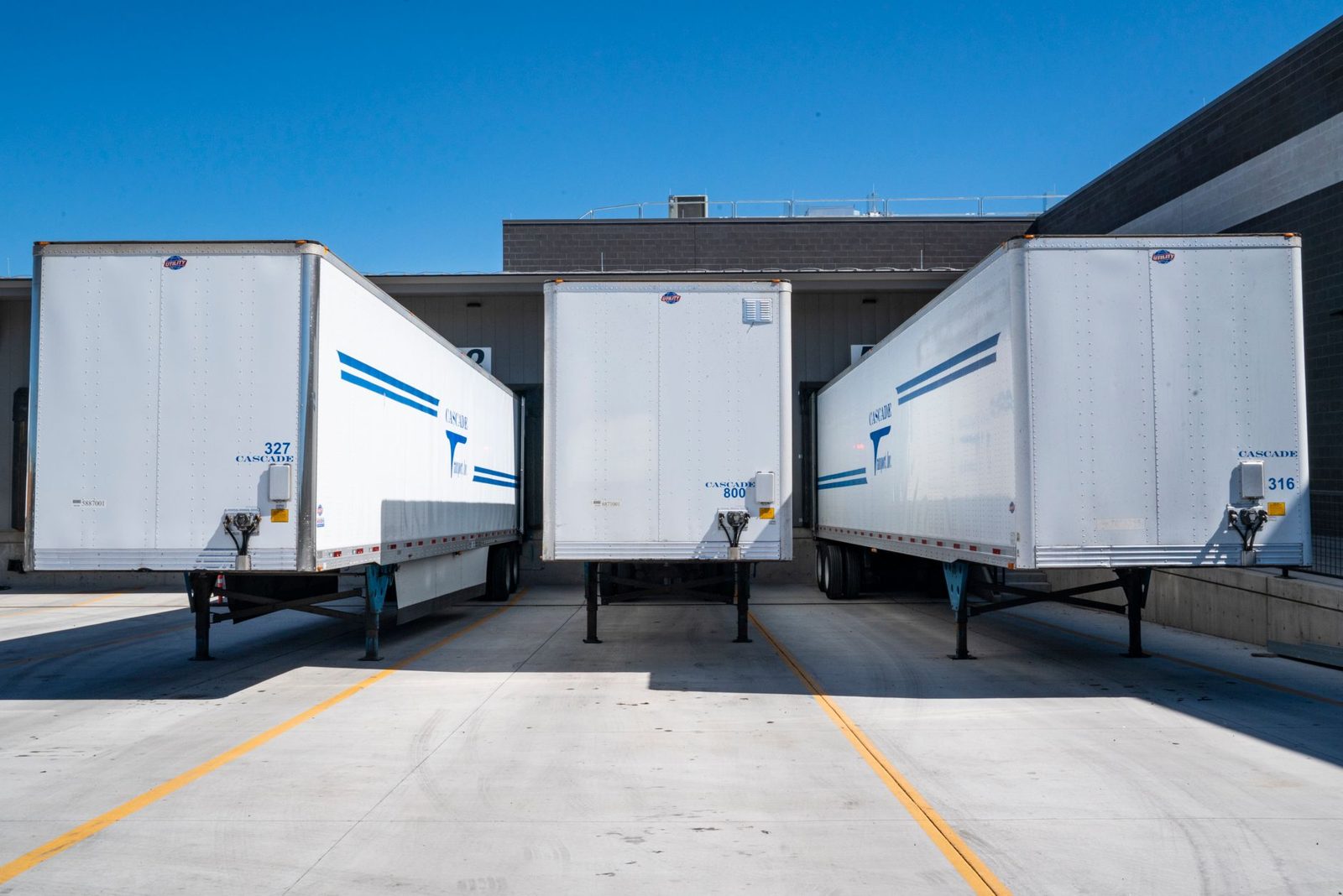
Then think about distance. A trailer in the far corner of the lot does little for staff on the top floor of a tall building. Place units near the entrance closest to the work, and mark a clear, lit path to them. In a plant, place them near the employee entrance or break room so shift workers do not lose time walking. In a large distribution center, a single restroom core can serve a very long floor, so place units at the end of the building farthest from the permanent core.
Finally, set the service schedule. Office restroom trailers do best with service before the workday starts. Plant units may need service between shifts. Your rental company should adjust as you learn how people actually use the units in the first week.
Sources: 29 CFR 1910.141 Sanitation
Planning crew facilities for a plant shutdown or turnaround
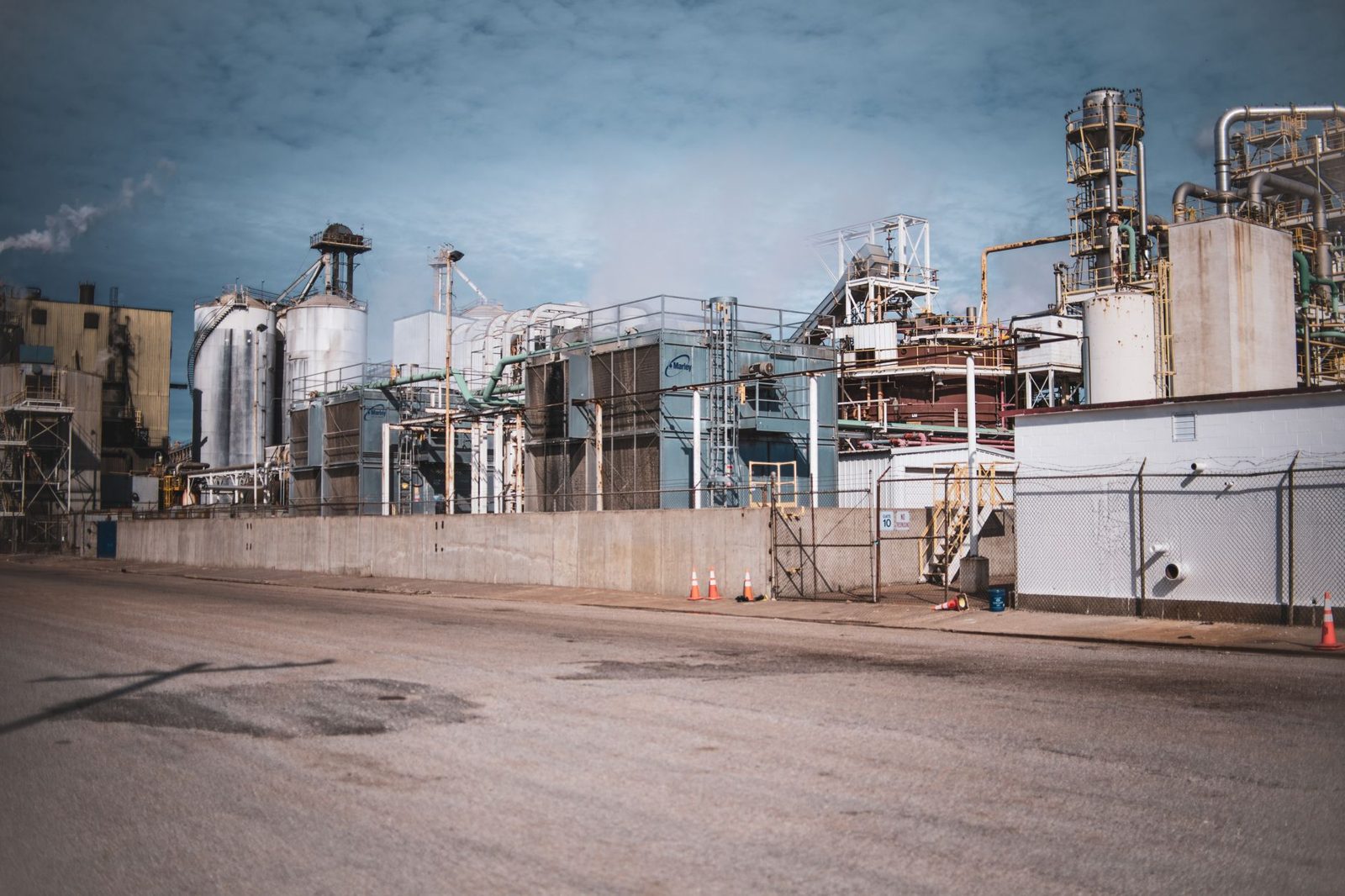
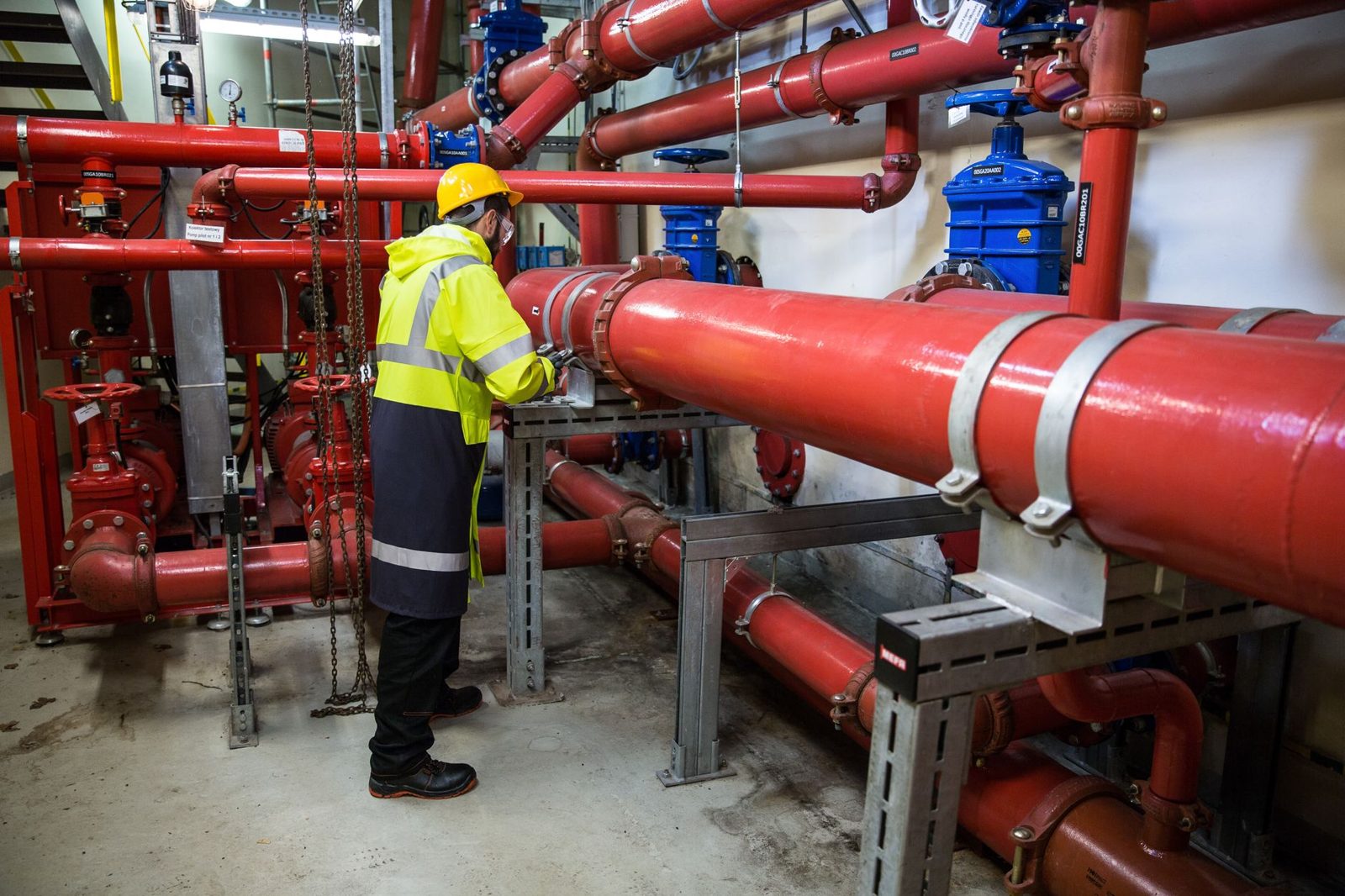
A turnaround can bring more people onto a plant in one week than the plant normally sees in a year. Contract crews arrive for maintenance, inspections and upgrades, and the permanent restrooms, break rooms and water points were never built for that crowd. Planning crew facilities early is part of a clean startup.
Size the restrooms to the peak contract crew. Contractors doing construction type work follow 29 CFR 1926.51, which calls for one toilet seat and one urinal per 40 workers for crews of 20 or more and one per 50 once the crew reaches 200. Round up for shift change, when a whole shift arrives and leaves at once.
Heat matters in summer turnarounds. In California, Cal/OSHA's heat standard, Section 3395, requires fresh, suitably cool water close to where people work, and enough at the start of the shift for one quart per worker per hour where water is not plumbed. It lists oil and gas extraction and construction among the industries that must use high heat procedures at 95 degrees Fahrenheit.
Showers and laundry come next. Turnaround crews work in heat, grime and chemical residue, and many plants want them to clean up before leaving the site. Shower trailers with private stalls and a laundry trailer for coveralls keep that work on site instead of in the crews' vehicles.
Finally, place everything with your safety team. Units need to sit outside hazard zones, away from vehicle routes and within walking distance of the work. Share the plan at the pre-turnaround safety meeting so every contractor knows where facilities sit before the first shift starts.
Sources: Cal/OSHA Title 8 Section 3395 Heat Illness Prevention
Keeping a building open through a water main break
A water main break is one of the fastest ways to close a building. Restrooms stop working, drinking fountains go dry and in some cases the water that does come back is not safe to drink until it is tested. Without a plan, the decision to send people home gets made in the first hour.
Ready.gov, the federal preparedness site, encourages businesses to build preparedness plans that include communications, IT recovery and continuity plans. It also stresses training and exercises so everyone knows what to do when business operations are disrupted. A water outage plan fits neatly inside that work.
Write down three things before you ever need them. First, who calls for temporary restrooms and drinking water, and what number they call. Second, where the trailers will go, with a spot that has room for a truck to deliver and service them. Third, how you will tell employees where the temporary facilities are. Keep a copy of the plan with security and the front desk, since they are often the first to hear that the water is off.
When the break happens, move fast. Call your rental company with the site address and the number of people on site. Restroom trailers carry their own water and waste tanks, so they work while the building is dry. A drinking water station trailer covers the site until the utility clears the water.
Keep the units in place until the repair is confirmed. Water service can come back before it is cleared for drinking, and repairs sometimes fail on the first try. A day or two of extra rental protects your employees and your schedule.
Sources: Ready.gov business preparedness
What to do when a cafeteria walk-in freezer fails
Walk-in freezers are easy to forget until they fail. A corporate cafeteria or plant kitchen can hold a large frozen inventory, and a dead compressor puts all of it at risk. The first hours decide whether the product is saved or thrown out.
Food safety in retail and food service follows the FDA Food Code, which the FDA describes as a model for safeguarding public health and its best advice for a uniform system of food safety provisions. State and local health departments build their own rules from it. Your food service director or contractor will know what your local health department expects when a freezer fails.
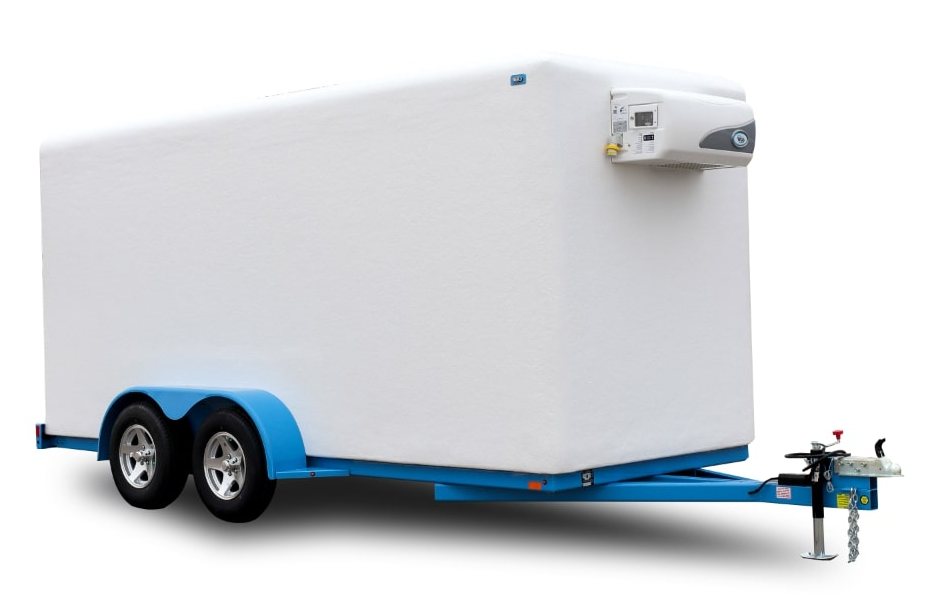
Plan the replacement before the failure. Know where a freezer trailer could park at your dock, and confirm there is a standard power outlet within reach. Our freezer trailers plug into ordinary 120V power, so a dock outlet is usually all you need. Put the rental company's dispatch number in your kitchen's emergency plan.
When the walk-in quits, keep the doors closed while you call. Tell the dispatcher roughly how much product you have, so the right size trailer arrives. Once the trailer is at temperature, move product in quickly and start a temperature log right away.
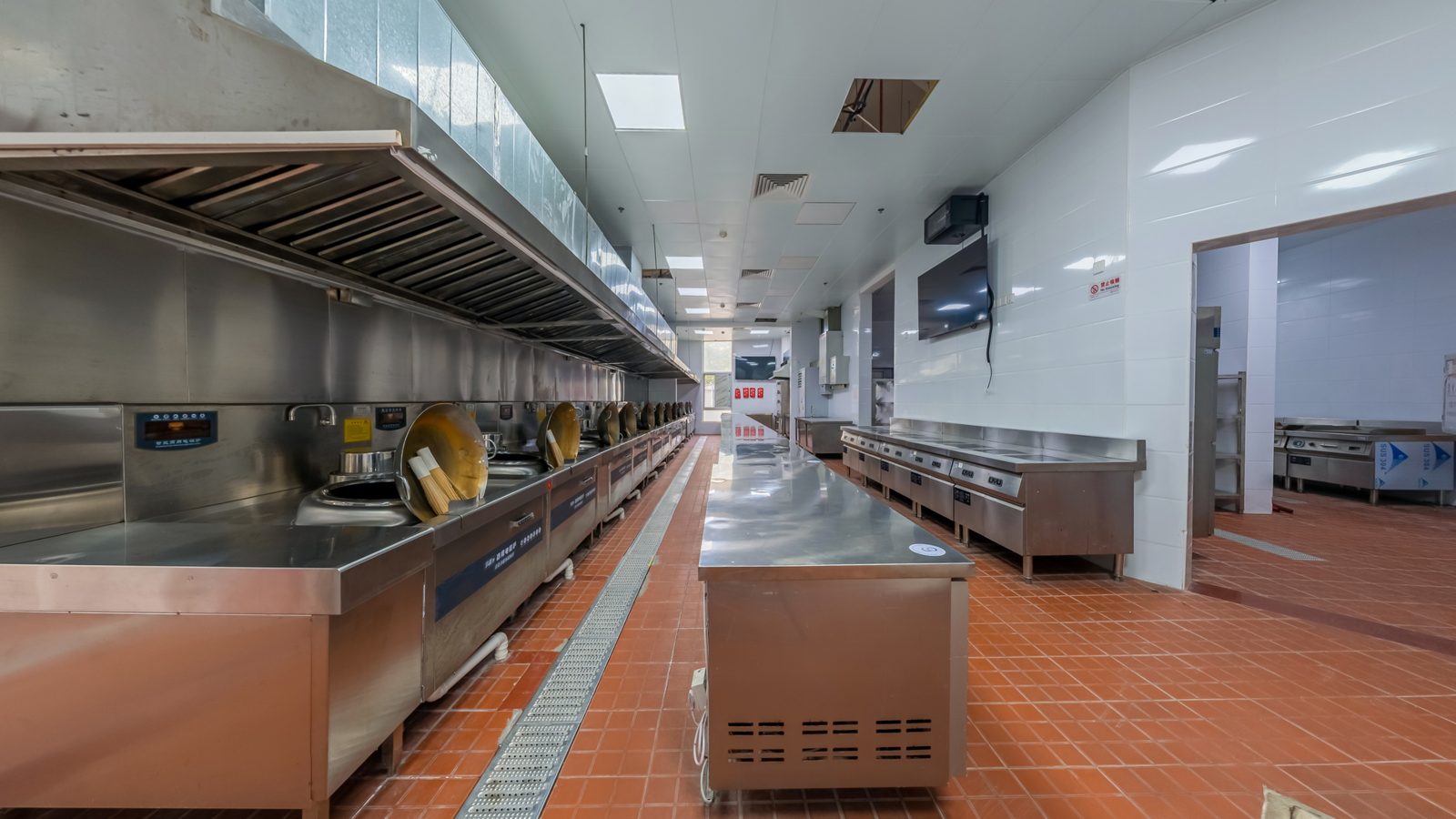
Use the same approach for planned kitchen renovations. Book the freezer trailer to arrive the day before the walk-ins come out, and keep it until the new equipment holds temperature. That turns a stressful move into a routine one.
Sources: FDA Food Code 2022
Planning for utility power shutoffs at California facilities
California's electric utilities can shut off power to lines during dangerous fire weather. These de-energization events are known as Public Safety Power Shutoffs. For a facility manager, a shutoff can mean hours or days without power, even when the building itself is nowhere near a fire.
The California Public Utilities Commission regulates how these shutoffs work. In 2018 it adopted a resolution that strengthened notice requirements before de-energization events and required utilities to report within 10 days after each one. It has since run a formal proceeding on the rules utilities must follow.
A shutoff hits some systems harder than others. Freezers and refrigeration start warming as soon as the power drops. Buildings that depend on electric pumps for water can lose restrooms too. Laundry, kitchen and HVAC systems stop. Advance notice gives you a window to act, if you already know what to do with it.
Build a shutoff plan around your most sensitive systems. For frozen inventory, line up freezer trailers that can run on generators your rental company brings and keeps fueled. For restrooms, plan self-contained trailers that do not rely on building pumps. List who makes each call and when. If your site has a backup generator for the building, check whether it covers refrigeration and water pumps or only lights and life safety systems.
Review the plan before each fire season. Staff change, inventory grows and the building evolves. A short annual review keeps the plan current, so the next shutoff notice leads to a quick set of calls instead of a scramble.