Keeping a campus building open while its restrooms are remodeled
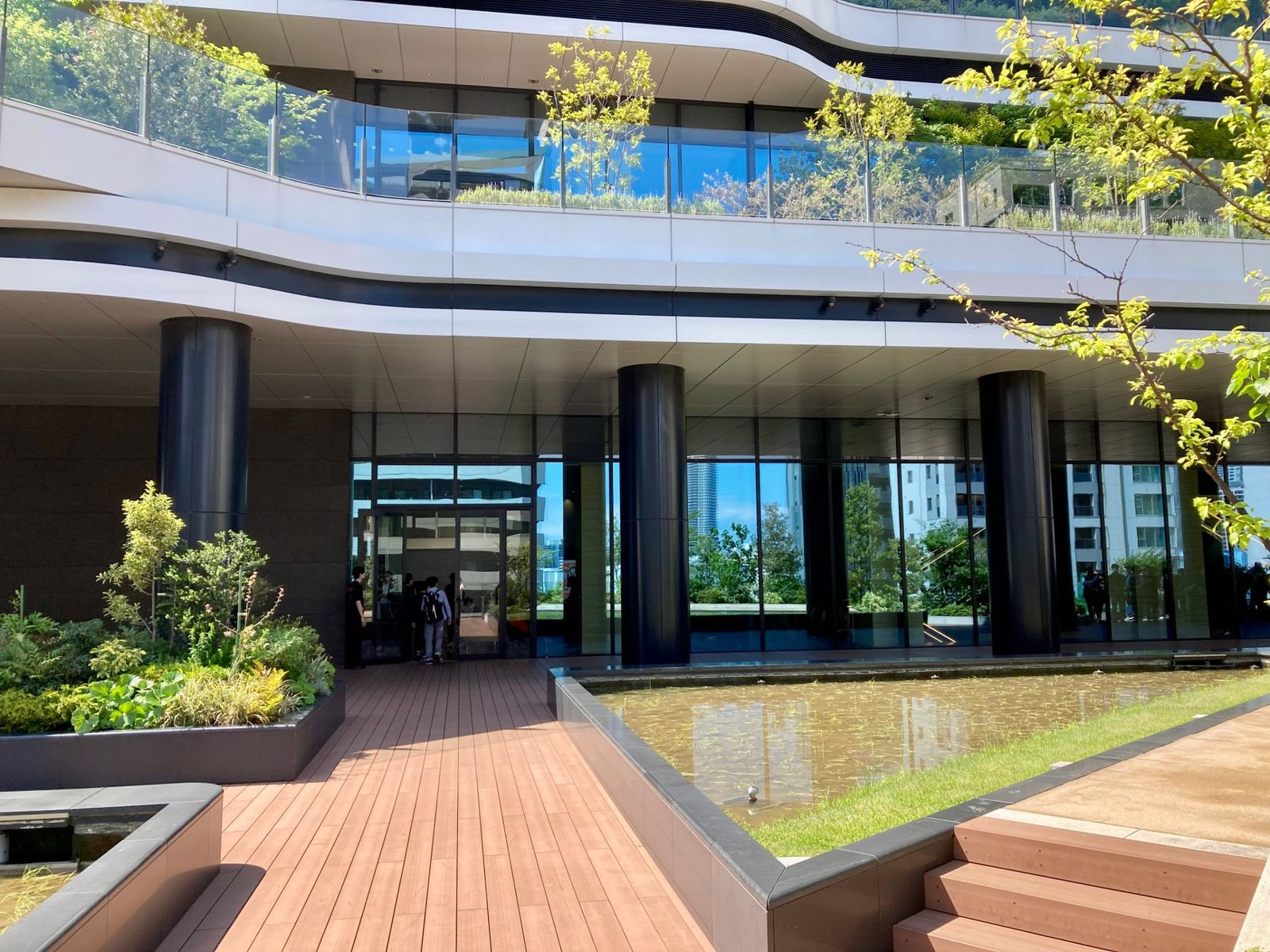
Restroom remodels are some of the hardest projects to schedule in an occupied building. People still come to work, and the closest restrooms are gone for weeks or months. A trailer outside can keep the building running without sending everyone to another floor.
Count the people first. Figure out how many employees work on the affected floors at the busiest time of day. Our sizing starts from that number, not the building's total headcount.
Choose the spot. Pick a place near an entrance that people already use, with a short, well-lit path. Level pavement and an exterior outlet within 100 feet make setup easy. Avoid fire lanes and loading docks.
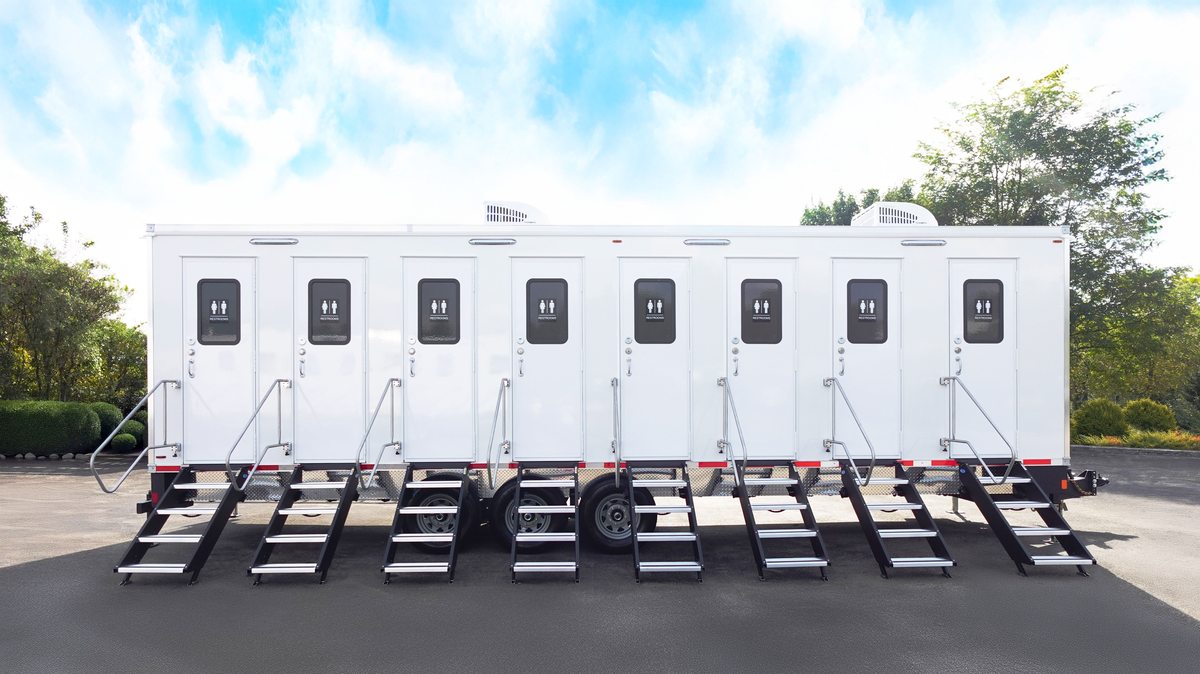
Plan for access. An ADA +6 unit makes sure every employee and visitor can use the restroom. Place it closest to the door and make sure the path has no curbs or steps.
Set service around the workday. We can pump and clean at dawn or after the building empties. Employees arrive to a clean unit and never see a truck in the lot.
Plan the end date with the contractor. Remodels slip, and a restroom core that was due back in six weeks may take ten. We write extensions into the order at the same terms, so the trailer stays put until the new restrooms pass inspection and open.
Post simple signs. A sign at the elevator bank and at each closed restroom pointing to the trailer saves a lot of questions. Section 3366 calls for washing facilities within reasonable reach, and clear directions help make that true in practice.
Sources: Cal/OSHA Title 8 Section 3366
Restrooms that move with a utility relocation corridor
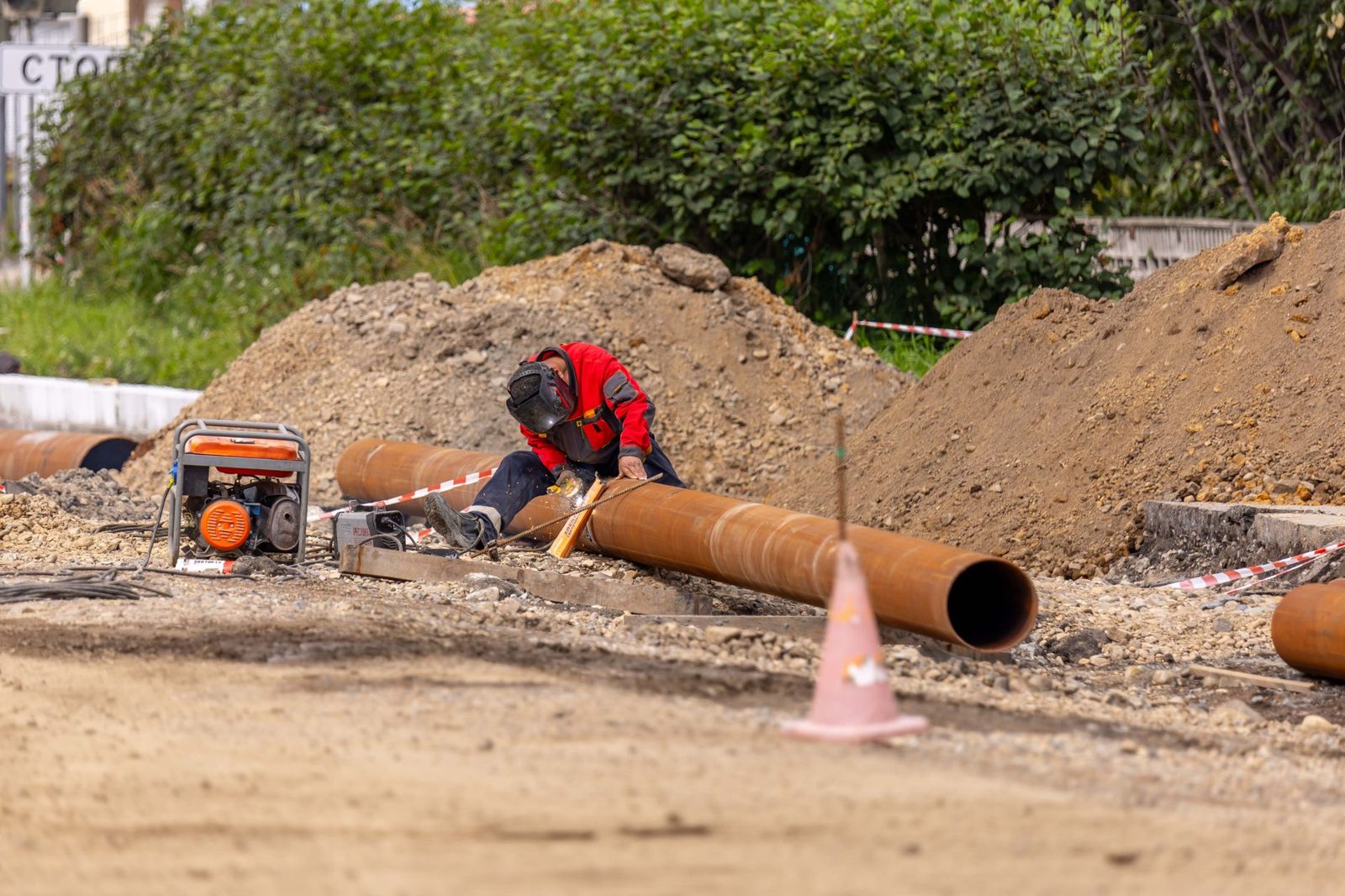
Utility relocation doesn't stay in one place. A crew might spend a week on one block, then move three blocks down. Restrooms that stay behind become useless fast.
Use small units. A 2-Station trailer fits in one parking space and runs on one standard circuit. It can move with the crew as often as the work requires.
Plan the moves up front. Share the work zone schedule, and we'll write each move into the original order. When the crew shifts, a call and a date are all it takes.
Keep a base unit. The staging yard or launch site stays put for the whole project. A larger unit there serves everyone who starts or ends the day at the yard.
Coordinate with traffic control. Street work needs lane closures and permits. We'll place units inside the approved work zone and away from pedestrian paths.
Watch the weekends. Some utility work runs Saturday shifts or overnight cutovers to avoid traffic. Tell us which days crews work, and we'll time service so each unit starts the week clean and the weekend crew never finds a full tank.
Big transit projects have public information pages that show where work is heading next. The Santa Clara Valley Transportation Authority publishes updates on the BART Silicon Valley extension, and those updates help plan the next few moves.
Sources: Santa Clara Valley Transportation Authority
Evacuation center restrooms when a creek floods
The 2017 Coyote Creek flood sent about 14,000 San Jose residents out of their homes. Some left by boat. Evacuation centers filled with families who had grabbed what they could carry.
Centers in gyms and community buildings have restrooms sized for a normal day. When people sleep there, lines form at night and in the morning. Trailers on the parking lot add private stalls where they're needed most.
Place units on high ground. A flood can reach farther than expected. Pick the highest firm spot on the lot, away from storm drains and creek banks.
Plan for families and accessibility. Private stalls let a parent help a young child. An ADA +6 unit gives wheelchair users and older evacuees a ramp and room to move.
Set daily service. Heavy use fills tanks fast. We'll pump each day and more often if the center stays full.
Plan before the rain. Valley Water manages flood protection along local creeks, and its updates help cities know when risk is rising. A shelter plan with restroom trailers already written in saves hours when the call comes.
Sources: Valley Water, Santa Clara Valley Water District
Restroom planning for a major Bay Area earthquake
The Hayward Fault runs from San Jose up through the East Bay. Its last major rupture was in 1868, and regional planners treat it as capable of a damaging quake. Restrooms are one of the first things to fail after one.
Buildings can stand while their plumbing doesn't. Broken water mains cut supply, and cracked sewer lines make it unsafe to flush. A building that is safe to enter may still have no working restroom.
Self-contained trailers fill that gap. They carry their own fresh water and hold waste in their own tanks. They don't depend on city water or sewer.
Plan staging sites now. Emergency managers can pick parking lots near likely shelters and command posts. Look for firm, level ground and a route trucks can use if some roads close.
Think about power. Lights and air conditioning need power. A generator plan keeps units usable at night when grid power is out.
Earthquake readiness guidance from the U.S. Geological Survey covers what to expect after a major quake. A restroom plan belongs next to water, food and shelter in that planning.
Sources: U.S. Geological Survey Earthquake Hazards Program
Accessible restrooms for interim housing and outreach sites
San Jose runs outreach sites, interim housing communities and safe parking lots for people without stable housing. These sites often open on vacant land or parking lots with no restrooms at all.
Restrooms are a basic need at every one of them. Clean, private, lit restrooms help residents stay healthy and safe. They also make the site easier to manage for staff.
Accessibility matters here. Many residents are older or have disabilities. An ADA +6 trailer gives a ramp entry, grab bars and room for a wheelchair, plus six standard stations.
Lighting and placement help with safety. Place units in a well-lit area within sight of staff, with a clear path from sleeping areas. Our units have LED lighting inside.
Set a steady service schedule. Sites with round-the-clock use need frequent pump-outs and cleaning. We'll set that schedule with site staff and change it as the population changes.
Budget for wear. Units at round-the-clock sites see more use than a jobsite unit, and doors, latches and fixtures take a beating. Our techs check every part on each visit and fix or replace what's worn, so residents never lose a working stall for long.
City programs list the sites and the services they offer. Program managers can use that planning to decide where restroom trailers belong before a site opens.