Keeping restrooms close to a moving harvest crew
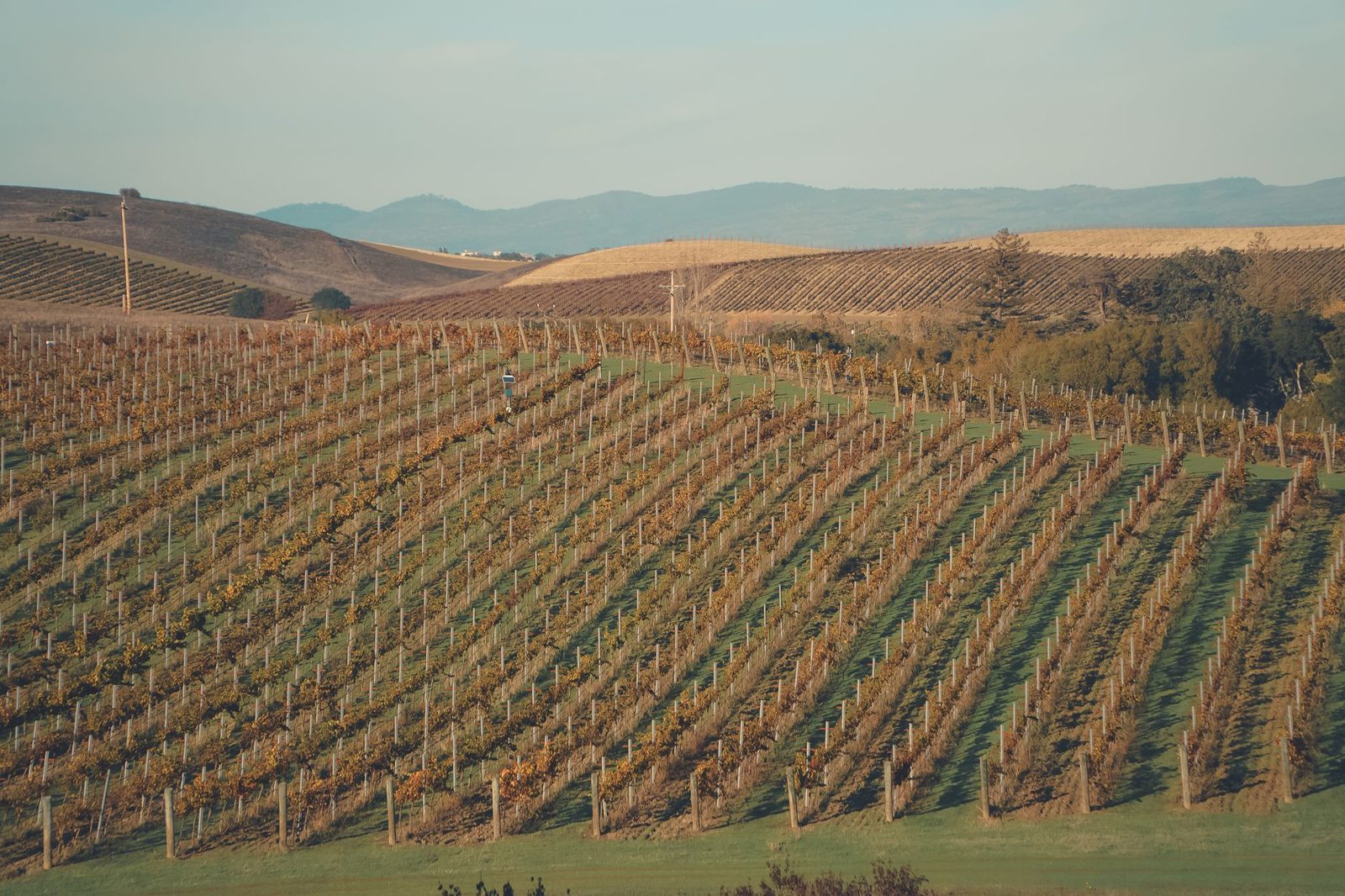
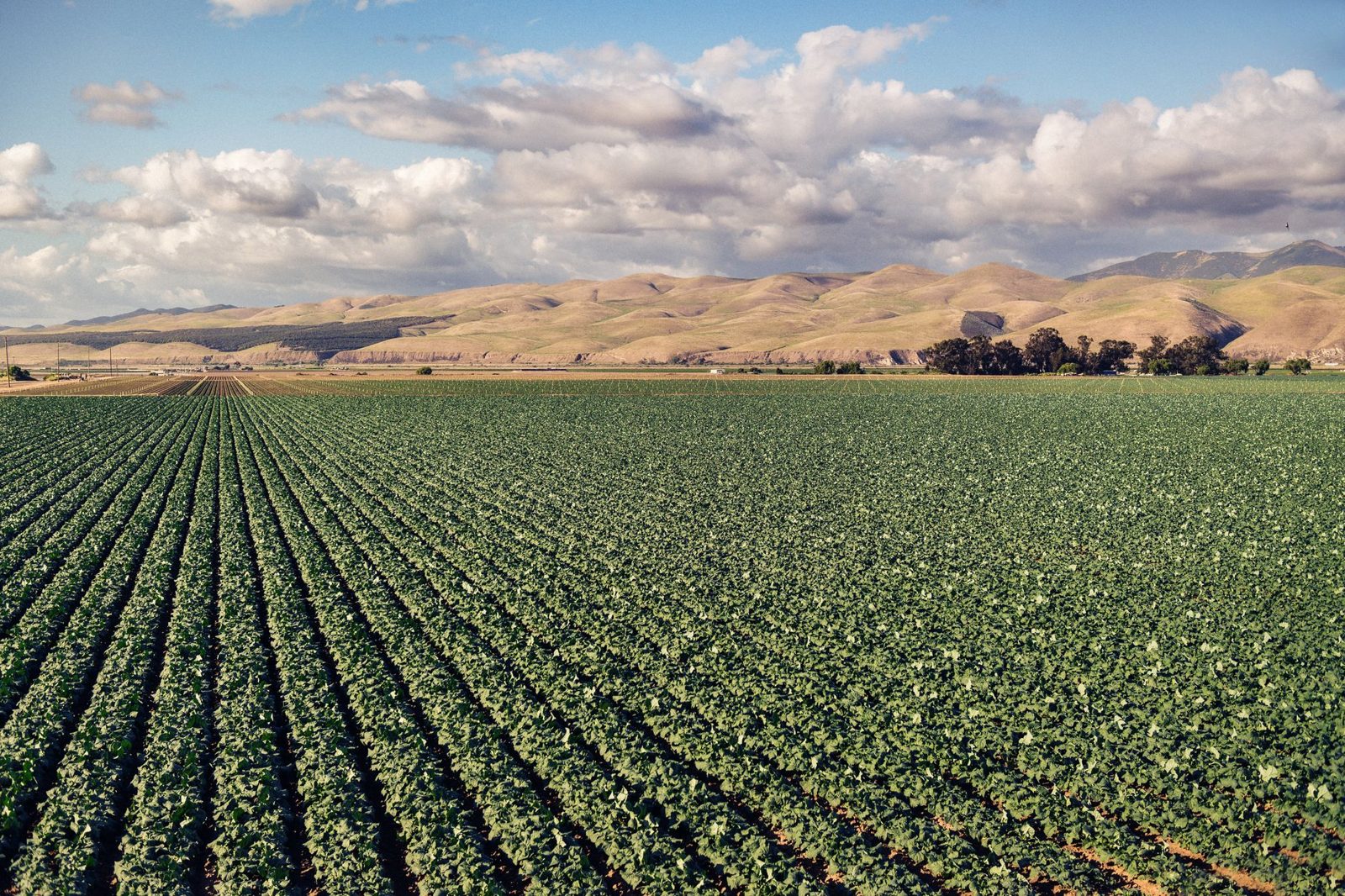
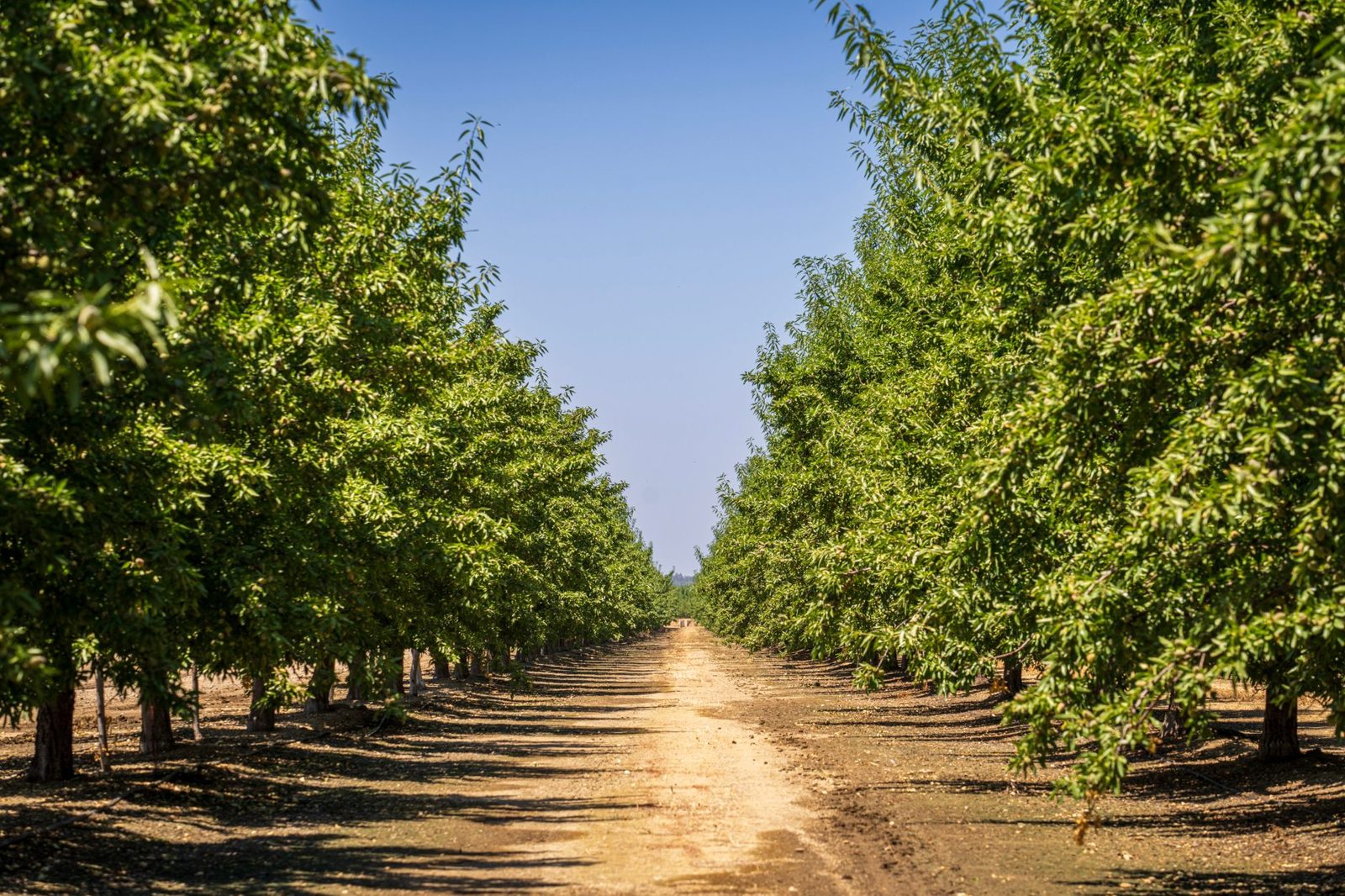
Harvest crews move fast. A crew picking grapes or shaking almonds can clear a block in a day or two and move a mile down the road. Restrooms that stay at the shop fall behind right away.
Start with the harvest calendar. Stone fruit starts in mid-May, grapes in mid-July, almonds in August and raisins in September. Share your block plan for each window, and we'll plan the unit moves ahead of time.
Place units at the end of the rows. Crews working toward the end of a row can reach the restroom without walking the length of a block. Keep the unit on firm ground next to a ranch road so our truck can reach it.
Put water and restrooms together. Cal/OSHA's heat rule calls for cool water close to the work and names agriculture directly. A restroom next to the water station and the shade area makes the break area one stop.
Plan for the heat. Crews drink more and use the restroom more on hot days. We pump more often from June through September so units don't fill before the next visit.
Keep handwashing easy. Our units have running water sinks, and we refill the fresh water on every visit. Crews can wash before eating without walking back to a truck.
Sources: Cal/OSHA heat illness prevention information
Planning restrooms for a block-by-block downtown rebuild
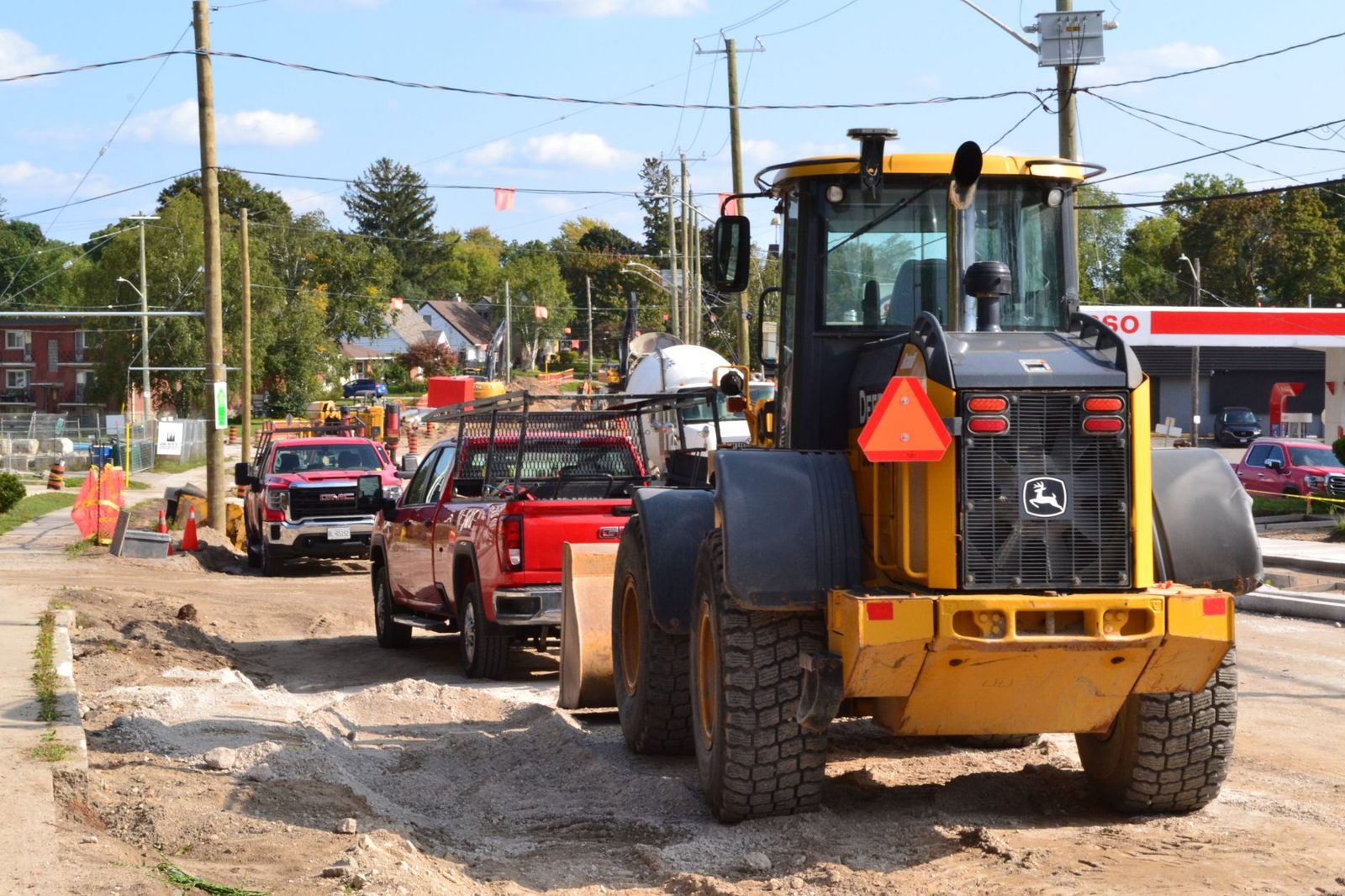
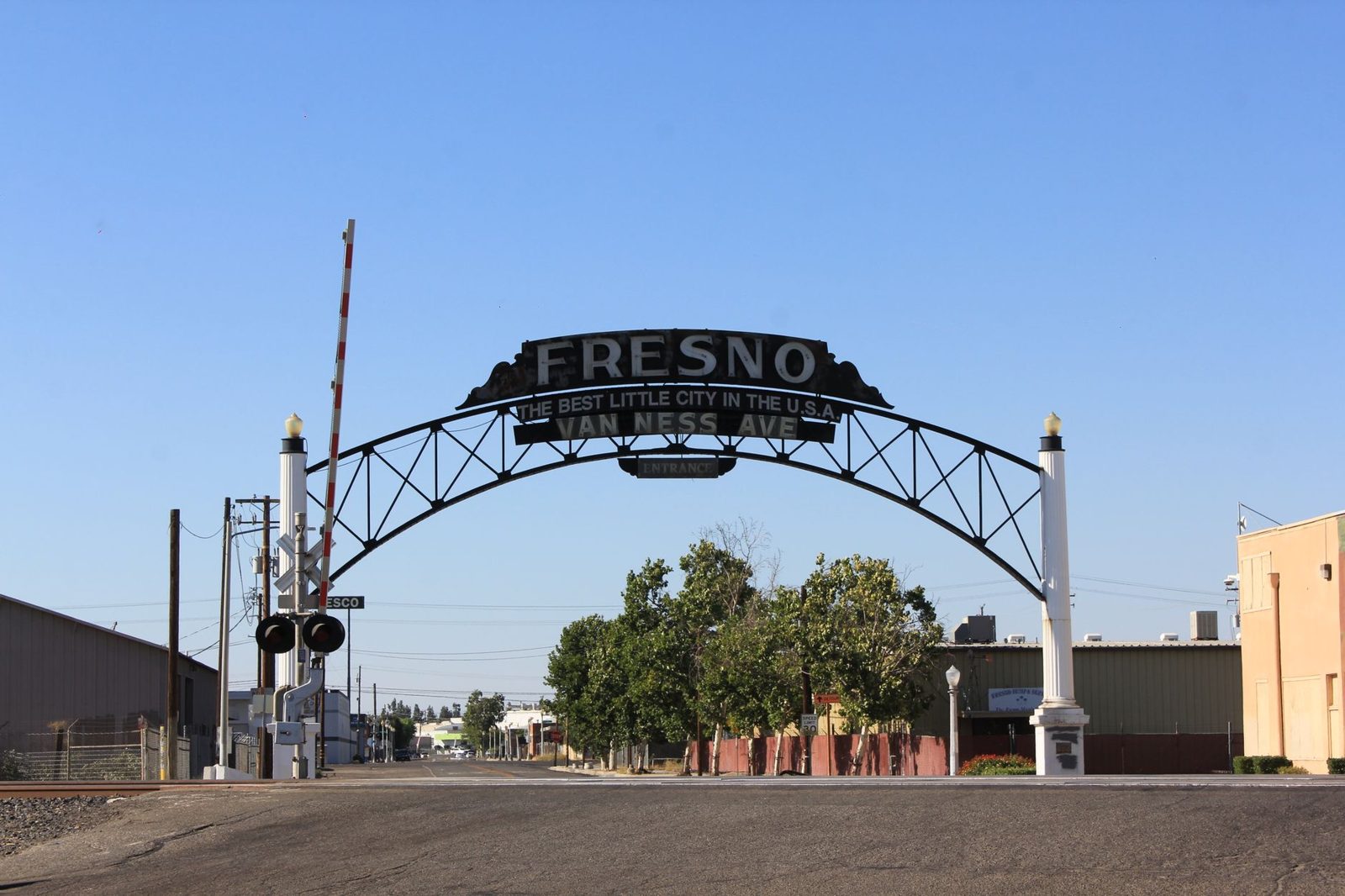
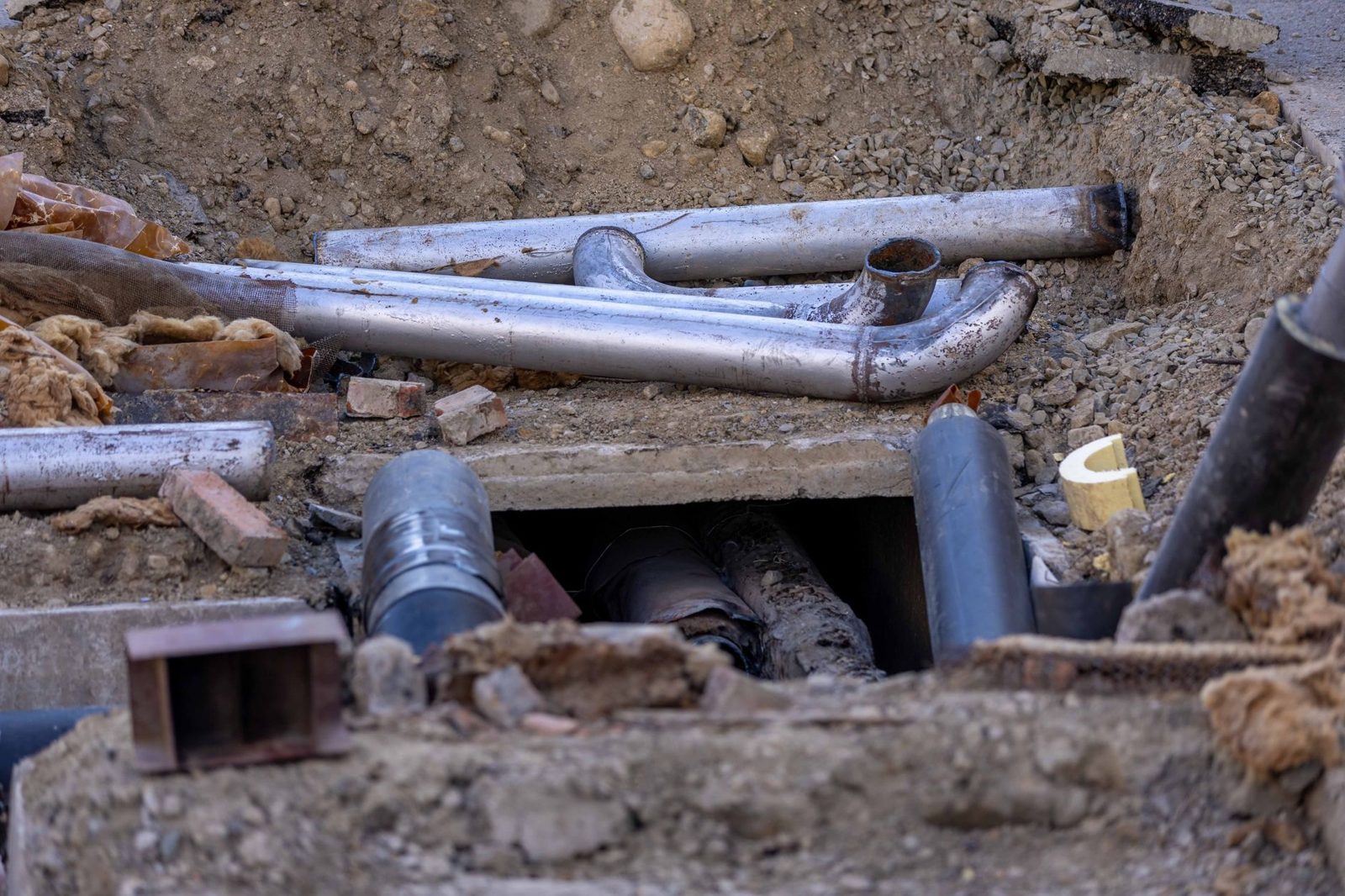
Replacing water and sewer lines downtown means opening one block, fixing it and moving on. Every block is its own small jobsite. Restrooms need to move just as often.
Use compact units. A 2-Station trailer fits inside a single-lane closure and runs on one standard circuit. It can move with the crew every time the work shifts.
Place units inside the traffic control zone. That keeps them away from moving cars and pedestrians. It also keeps the path from the work to the restroom short and safe.
Write the moves into the order. Share the block schedule with us, and each move becomes a phone call and a date. There's no new paperwork each time.
Keep neighbors in mind. Downtown businesses stay open during the work. A clean, closed trailer is far easier to live with than open booths on the sidewalk.
Plan for the hottest weeks. Downtown pavement soaks up heat, and crews in an open trench feel it all afternoon. We tighten the pump-out schedule in summer and keep the unit's air conditioning running, so the restroom stays a cool place to step into on a break.
The City of Fresno posts updates on public works projects and street closures. Those updates help crews and vendors plan the next move before it arrives.
Sources: City of Fresno
Restrooms for remote solar builds on the west side
Utility-scale solar work puts large crews on open land far from town. The Darden Clean Energy Project on Fresno County's west side covers 9,500 acres and is expected to bring more than 2,000 workers for up to three years.
Distance changes everything. A crew that has to drive to town for a restroom loses a big part of each break. Restrooms need to be on site and spread out across the work areas.
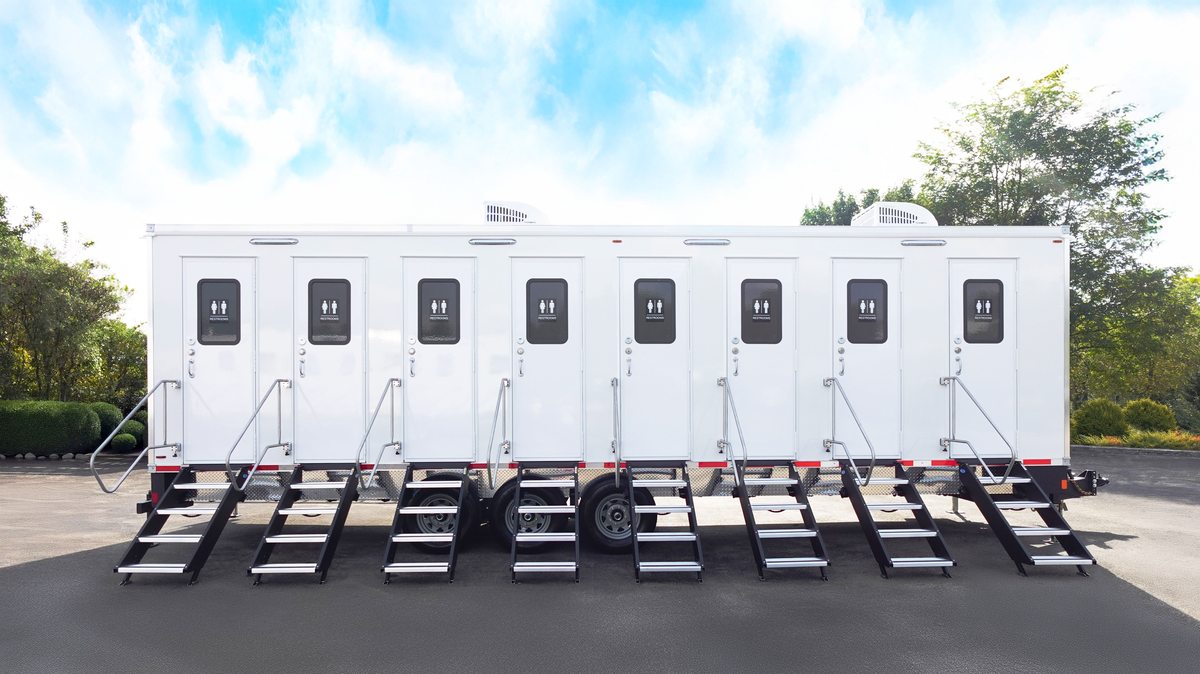
Use large units at the gate and small ones in the field. An 8-Station unit near the site office serves shift changes and meetings. Smaller units closer to the arrays serve crews during the day.
Plan service around the drive. Long trips to remote sites mean fewer visits, so tank size matters. We'll size units and schedule pump-outs so no unit fills between visits.
Think about heat and dust. West side summers run hot, and dust gets into everything. Air conditioning and closed doors keep the inside clean and cool. Crews living near the site may also need California shower trailers for remote solar crews.
The California Energy Commission tracks large energy projects across the state. Its project pages help planners see how long a build will run and how many workers it will need. Long builds like that suit long-term restroom trailer rentals for rail and solar contracts.
Sources: California Energy Commission
Modernizing old school buildings without closing the campus
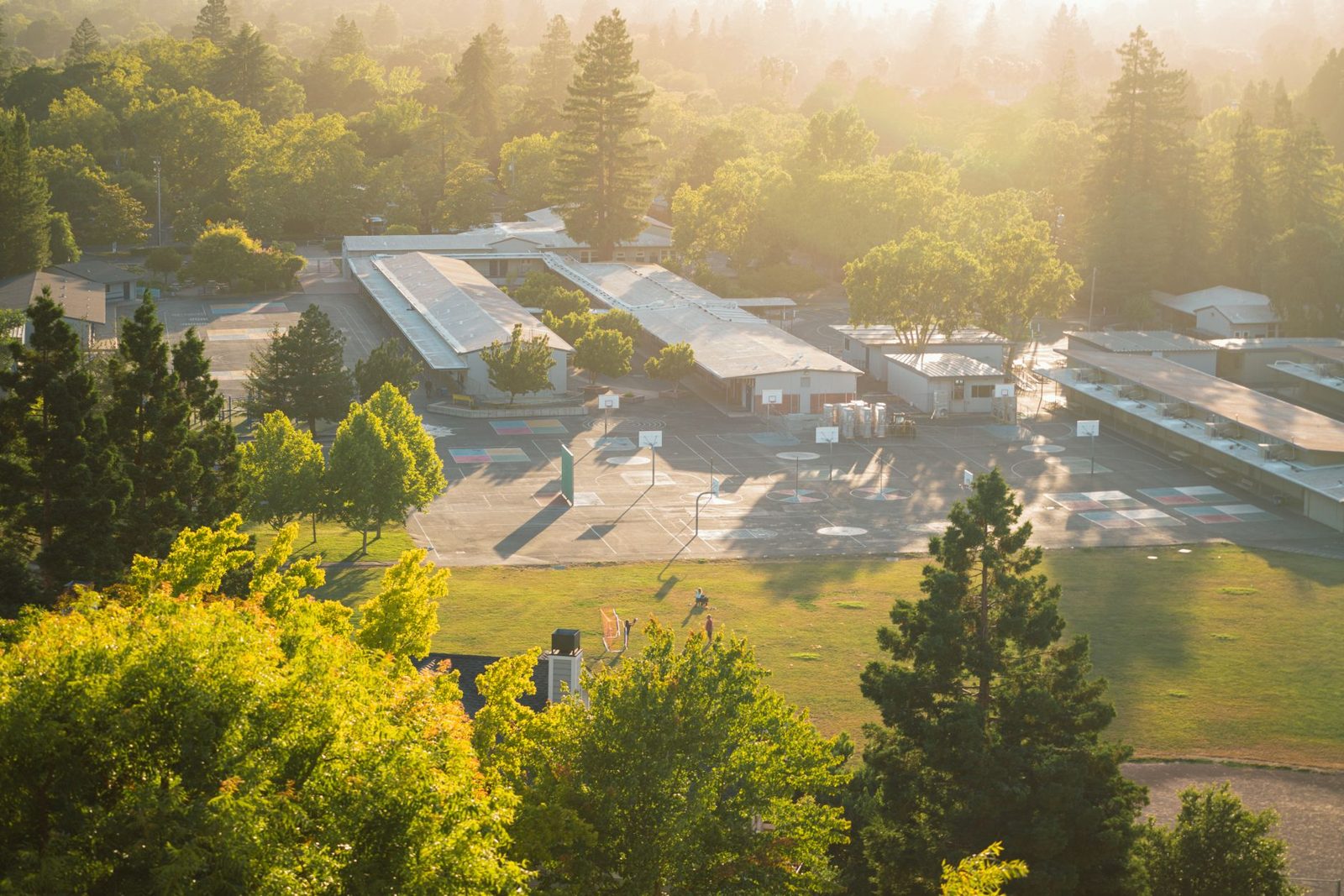
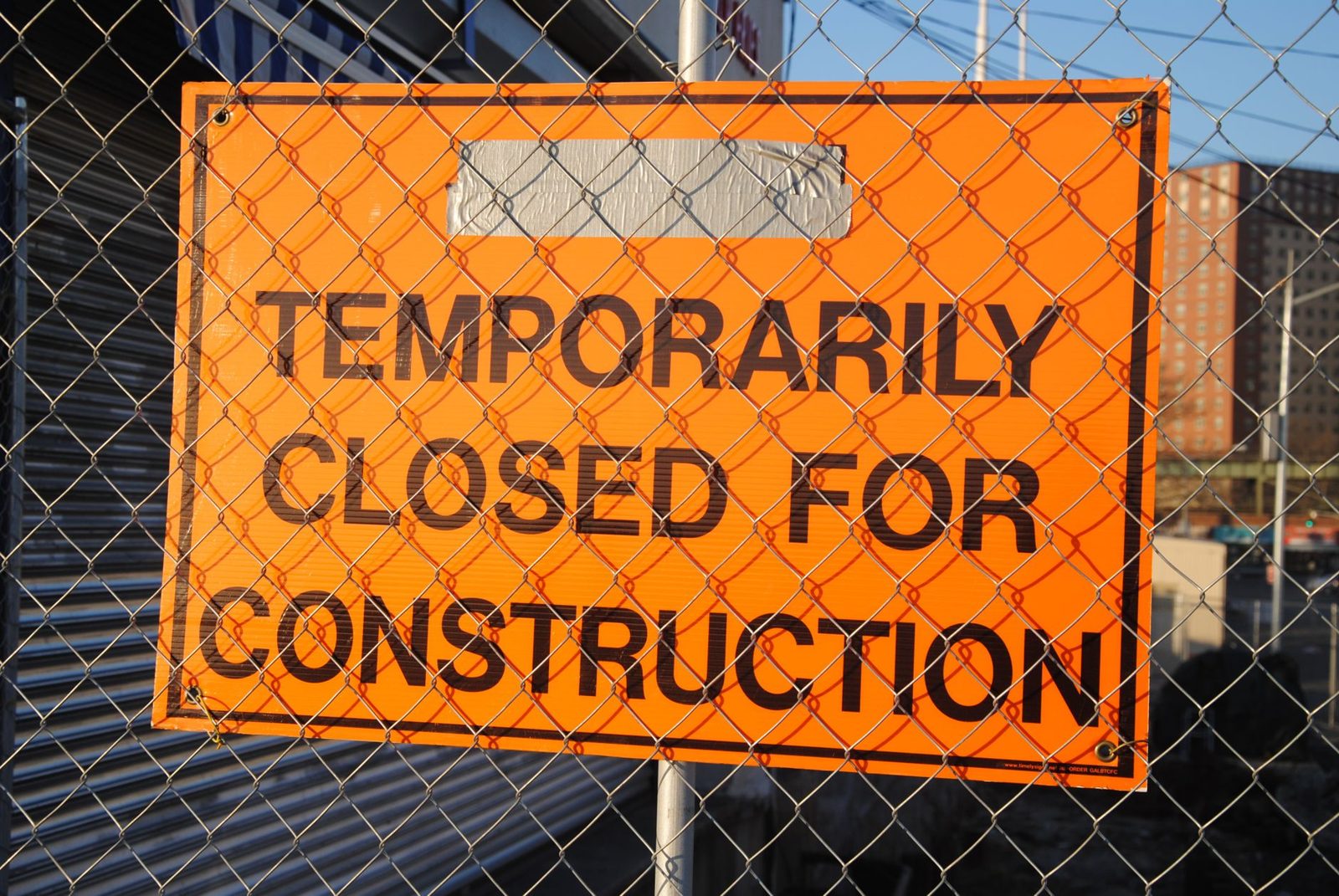
More than two-thirds of Fresno Unified's schools were built before 1970. Measure H pays to repair and modernize them. Many of those projects reach into restrooms and plumbing, often while school is in session.
The school still has to run. Students need restrooms close to their classrooms, and younger students need more help. A trailer placed near the closed wing keeps the day on track.
Match the trailer to the campus. The ADA +6 gives students a ramp entry plus six standard stations. Large middle and high schools may need an 8-Station unit as well.
Plan supervision. Put units where staff can see the door, such as near the office or the playground gate. Lock them after school and on weekends.
Schedule around the bell. We deliver and service before school, after dismissal or on weekends. No truck needs to cross a campus during recess or lunch.
Think about the summer break. Many districts push the heaviest work into June and July, when campuses are nearly empty. A large unit can serve the construction crew during those months, then swap for an ADA +6 when students return in August.
Fresno Unified publishes information on its bond program and campus projects. Facilities teams can use that project list to plan restroom coverage for each site before work begins.
Sources: Fresno Unified School District
Flood season restroom planning in the Tulare Lake basin
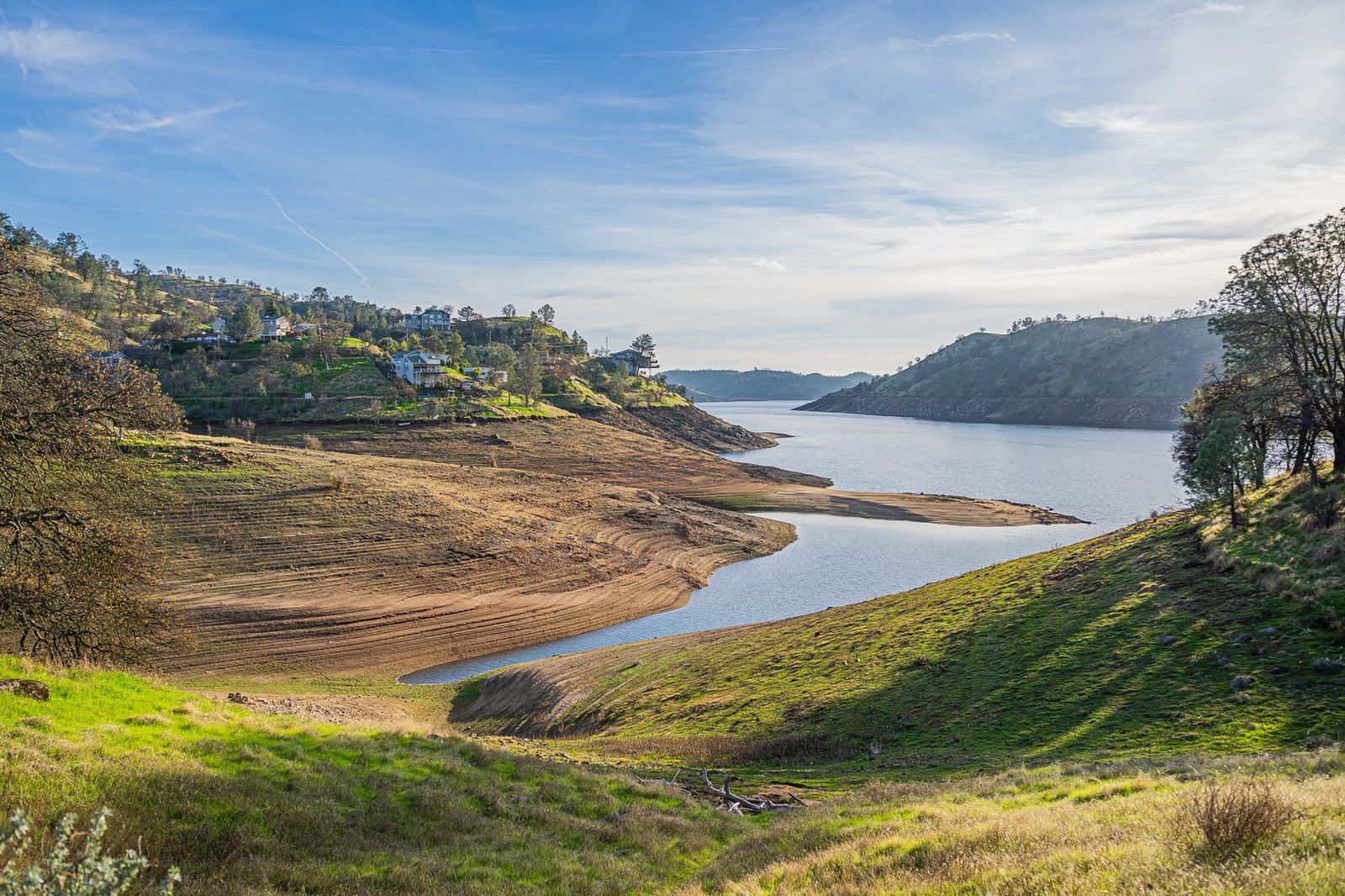
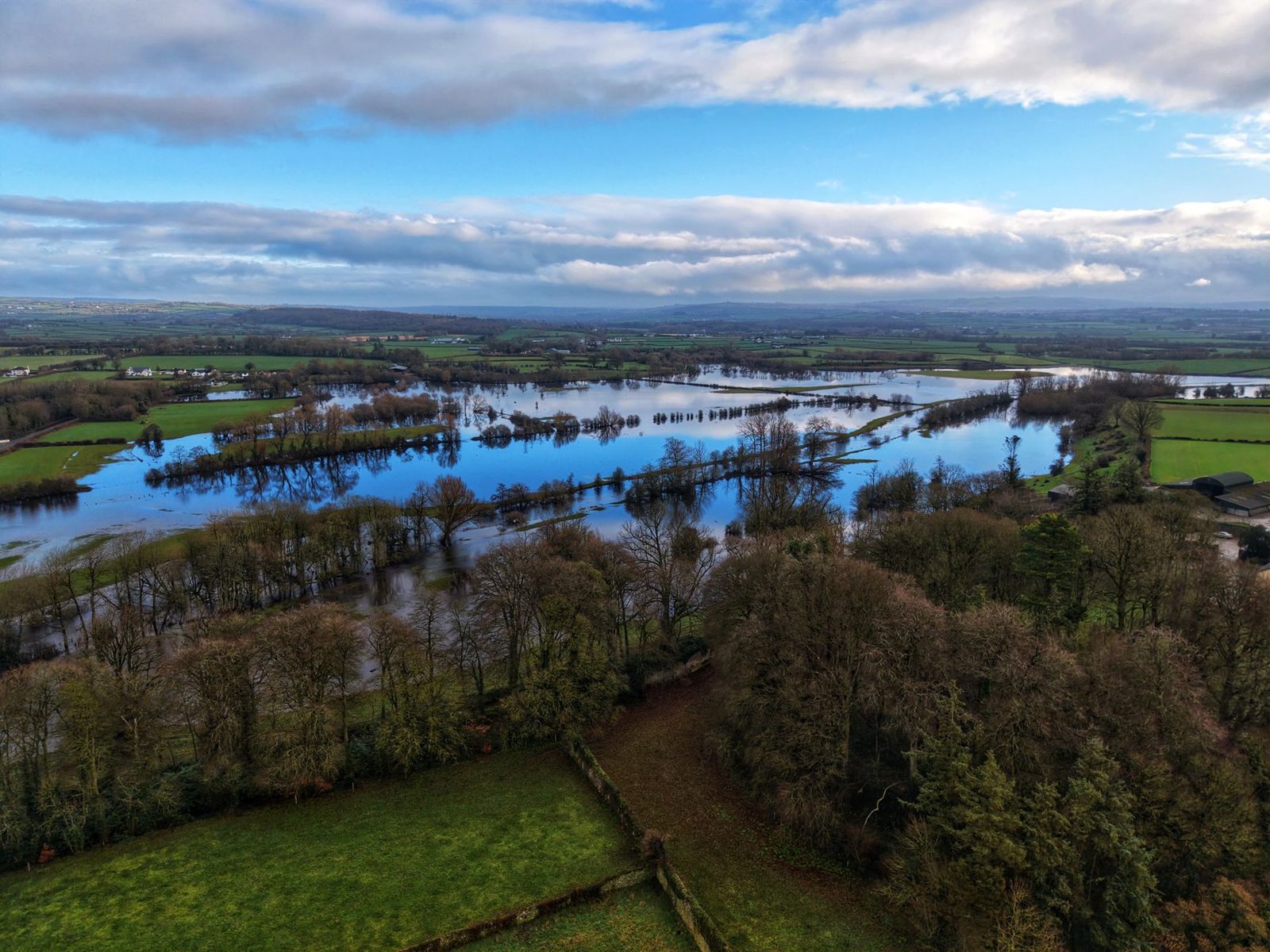
The winter of 2023 brought about a dozen atmospheric river storms to California. South of Fresno, the old Tulare Lake basin filled with water again. Levee breaches led Tulare County to order evacuations west of Highway 43, affecting about 1,000 people in Allensworth and Alpaugh.
Small towns have small shelters. A church hall or a school gym may have only a few restrooms. When families sleep there, those restrooms fall far short.
Flood zones add another problem. Local water and sewer systems may be damaged or shut off. Self-contained trailers carry their own water and hold their own waste, so they keep working.
Pick high ground for every unit. Pick the highest firm spot at the shelter, away from ditches and low areas. Water can rise for weeks after a storm as reservoirs release runoff.
Plan for a long stay. In 2023, high water kept flowing into the basin through spring and summer. Families may be away from home for a long time, so set the service schedule for weeks.
Stage units before the water comes. When forecasters warn of a string of storms, emergency planners can ask us to hold units for likely shelter sites. Units that are ready to roll cut the wait once the first evacuation order goes out.
The California Department of Water Resources tracks flood conditions and reservoir releases. Emergency planners can use its updates to decide when to stage restroom trailers near likely shelters.