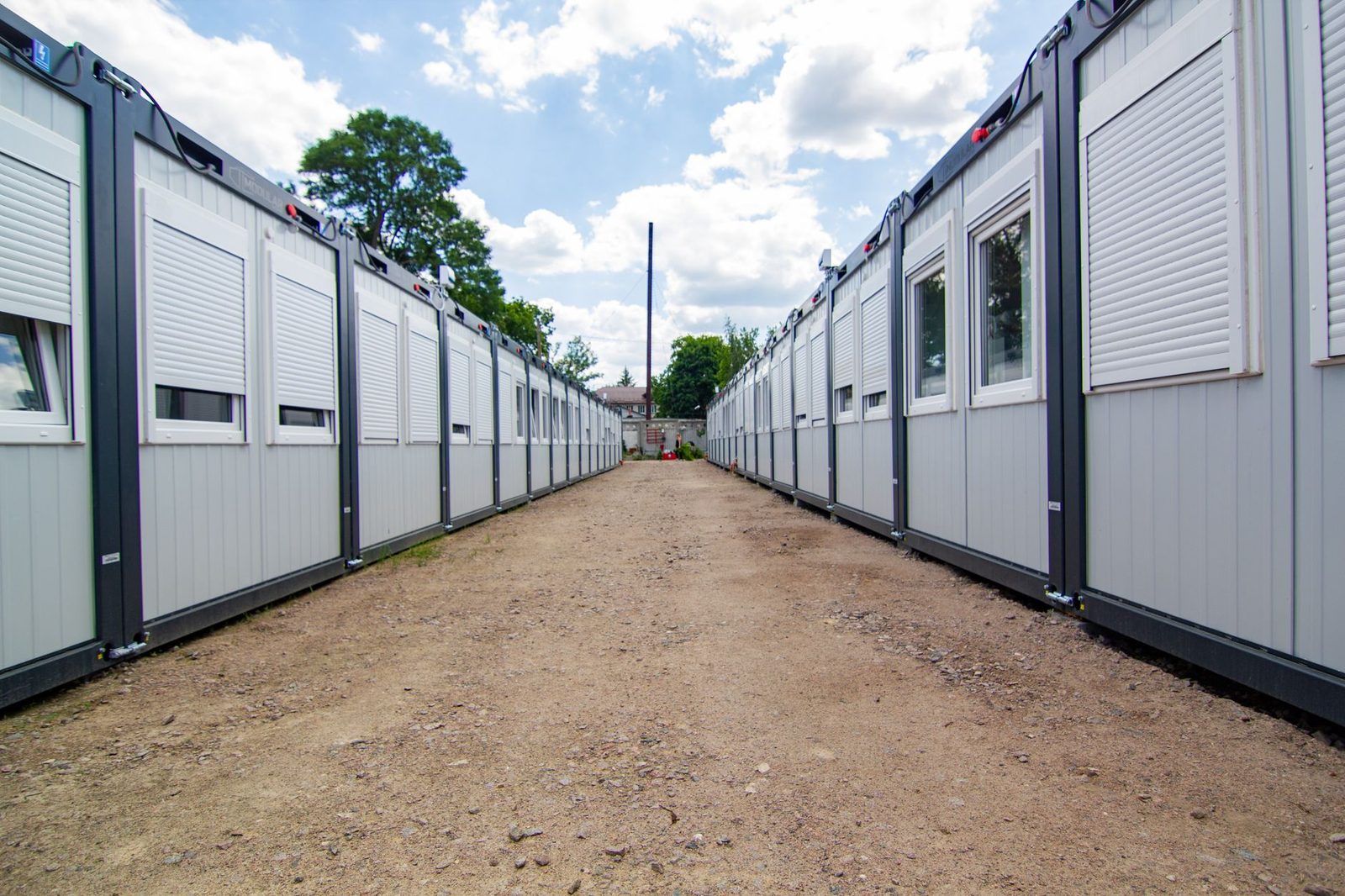
Rows of modular housing units along a dirt road at a crew camp
Utah

Crew Laundry Trailer Rentals in Utah

Mavirus Group rents commercial laundry trailers to Utah contractors who house crews on site for months or years at a time. We deliver the unit, set it up beside your bunk rows or modular housing, and send our own team back on a set calendar to service it. No broker in the middle. Pipeline camps near Vernal, mine support crews in the Oquirrh Mountains and long base builds in Salt Lake County all fit that pattern. Call us today or request a quote, and we will size the machines to your roster.

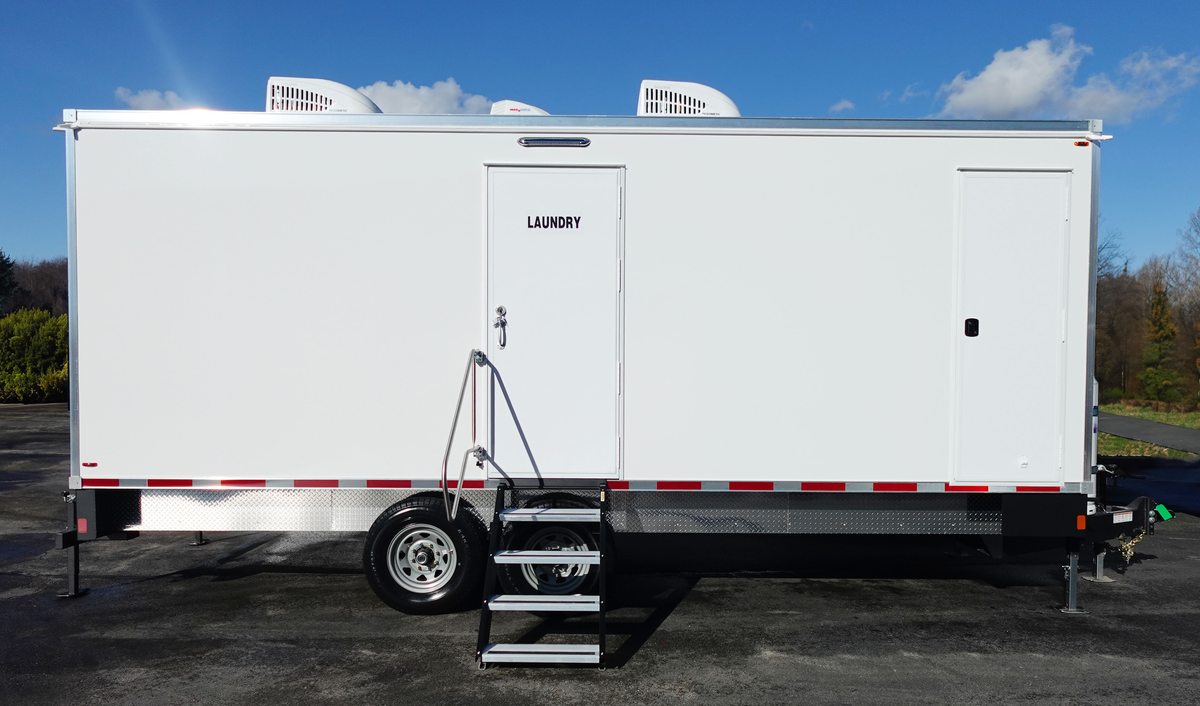
A Mavirus mobile laundry trailer with commercial washers and dryers, ready for Utah delivery
Nationwide laundry trailer rentals, built for rapid deployment All 50 States 24/7 Dispatch ★★★★★ 5.0
WCRLH
Trusted by construction contractors, government agencies, school districts, and disaster response teams nationwide.
SAM.gov registered federal contractor FEMA disaster support Cal Fire registered

Call now or request a quote. Our dispatch team answers 24/7, including emergencies.

Long-Term Crew Laundry

Mavirus Group supplies laundry trailer rentals for Utah crew housing that lasts months or years

Most Utah crew camps don't last a week. A pipeline spread in the Uinta Basin or a base construction job in Salt Lake County can keep the same people on site for a year or more, and the laundry has to keep pace the entire time. Mavirus Group writes multi-month and multi-year contracts with a service calendar you can see from the first day, and the same team that sets the trailer comes back to service it on those dates every time. Utah is one of our home states, and we deliver and service our own fleet here. We are SAM.gov registered, licensed and insured, and we supported FEMA during the Hurricane Helene recovery. Call us to talk through your project, or request a quote and we'll send a written plan with dates.

24/7line for new orders and emergencies
16industrial machines in the 8-Station unit
SAM.govfederal contractor registration
A+BBB rating, licensed and insured
Reviews

What customers say

W
Wade J.camp manager, pipeline crew housing, Uintah County
★★★★★

We had crews living in camp for most of a year, and I never once had to call about a missed service day. When our headcount jumped in the spring, a second unit showed up that same week and was running before the new crew finished orientation. No chasing anybody.

C
Colleen T.county emergency manager, central Utah
★★★★★

We opened a shelter in a middle school gym after the flooding and had nowhere for families to wash anything. The combo unit arrived the next day. People could shower and run a load of clothes on the same trip, which made a real difference for families with young children.

R
Russ B.project superintendent, military construction job, Salt Lake County
★★★★★

They sent the truck and driver details a week out so our security office could clear them. Delivery went in on the first try, and so did every service visit after that.

Our Laundry Trailer Fleet

The 8-Station and combo commercial laundry trailers we set up at Utah camps

A Mavirus mobile laundry trailer with commercial washers and dryers, ready for Utah delivery
The 8-Station unit, with eight industrial washers, eight dryers and a basin sink for muddy work clothes

The 8-Station Laundry Trailer is our signature unit for large crews. It holds eight industrial washers and eight industrial dryers, each running a full wash and dry cycle, inside a box that measures 8 feet 5 inches by 21 feet. Two HVAC units keep the room comfortable in a Vernal summer or a Tooele winter. There's a large basin sink for soaking muddy work clothes, plus a folding table and LED lighting for the night shift.

Plan on a footprint of 26 feet 4 inches long with the tongue and 12 feet 4 inches wide with the stairs down. The trailer draws power from two 50 amp, 240 volt circuits within 100 feet, and wash water drains to a 750 gallon waste tank that our crew pumps on the service schedule. No site sewer is needed. Tell us what your site has for power and water before delivery day, and we'll plan the hookup with your camp manager so the machines start the day they land. Crews who also need a place to wash up can add Utah shower trailer rentals for crew housing on the same order.

For smaller crews, the 4-Station Restroom, Shower and Laundry Combo puts a stacked washer and dryer in its own room next to four private baths. Each bath has a toilet, a sink, a shower and an outlet, and the unit serves up to 30 crew members or 200 guests. It carries 105 gallons of fresh water and a 750 gallon waste tank, so a small crew gets everything from one trailer. Power can come from one 220 volt, 50 amp circuit or two 110 volt, 20 amp circuits within 100 feet, which makes it a good fit for a remote survey team that needs all of its hygiene in one trailer. For Utah camps that house a hundred people or more, we usually start with the 8-Station unit and add a second one as the roster grows. Smaller survey or shutdown crews often do fine with the combo.

Utah Laundry Work

Where our mobile laundry trailers work across Utah

Utah laundry trailer work usually falls into three main groups. Long-term crew housing comes first, where a contractor keeps workers on site for many months, far from any town with enough laundry to go around. County shelters after floods and storms come next, and then wildfire base camps during the summer and fall. Each one sets a different pace for loads, service visits and contract length, so we plan every setup around that pace.

Long-Term Crew Housing

Commercial laundry trailers for long-term crew housing in the Uinta Basin and Oquirrh Mountains

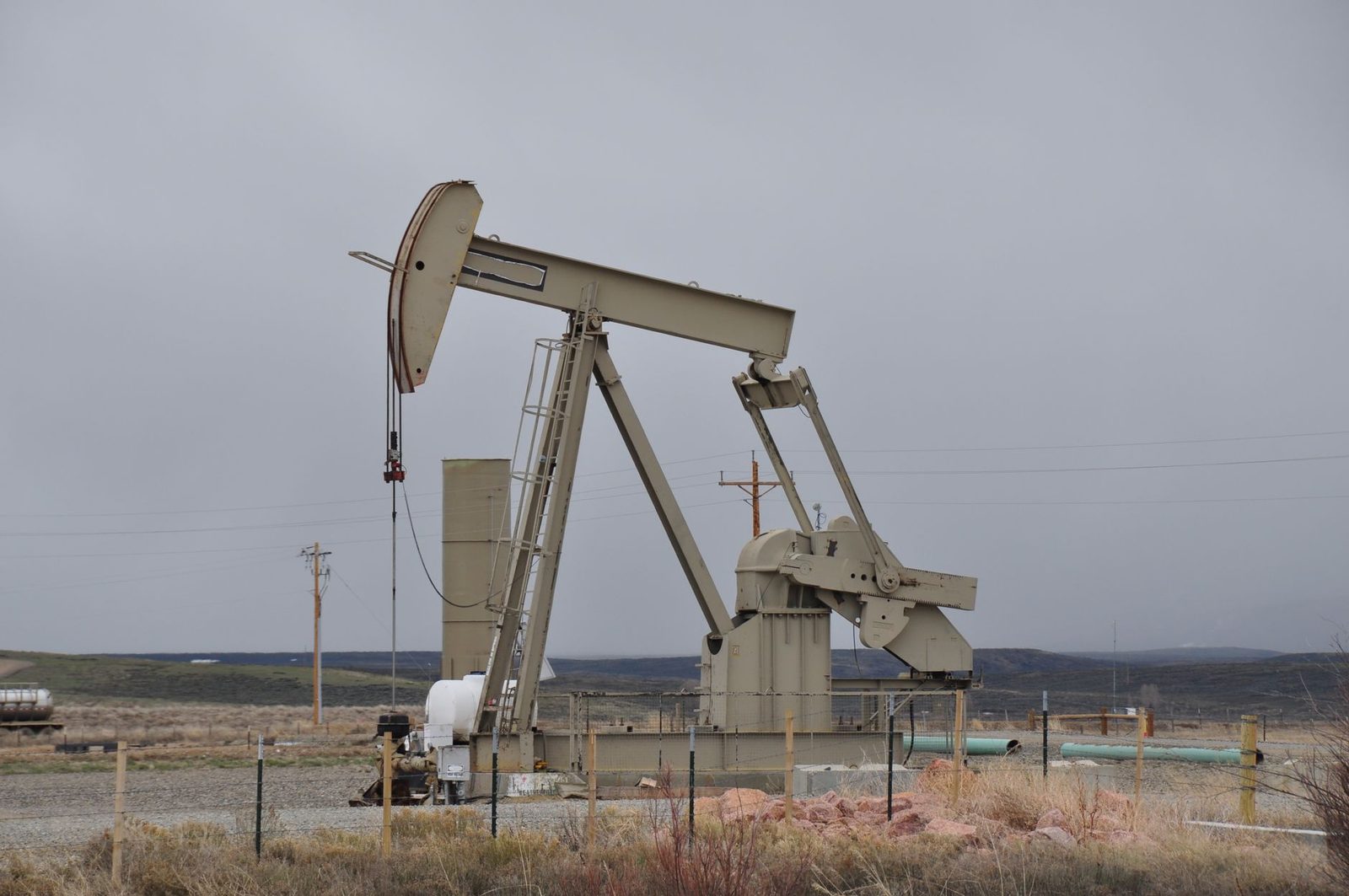
Pipeline and well pad crews in the Uinta Basin often live on site for most of a year. The work spreads across Duchesne and Uintah counties, far from any town with more than a few coin laundries. Vernal is the biggest town in the basin, and it is still a small town with small-town services. A contractor with 200 people in camp can't count on local laundry to keep up, and nobody wants to spend a day off driving loads of muddy clothes back and forth across the basin.

The Bingham Canyon Mine in the Oquirrh Mountains sets a different pace. The pit is about 0.75 miles deep and 2.5 miles wide and the mine and the plants around it work around the clock. Contract crews brought in for long shutdowns or new construction projects cover every shift, and their clothes come back covered in dust and grease. A mobile laundry trailer near their parking or housing area lets them wash at shift change instead of hauling dirty clothes home in the truck every evening.

Camp Williams, near Bluffdale on the Salt Lake and Utah county line, has its own long build going. The Utah National Guard is putting up a new Army Readiness Center there, with completion targeted for 2026, after moving Army Reserve work out of Fort Douglas in 2023. Base projects like that keep crews on site for many months. Some of those workers come from out of state and live in temporary housing the whole time.

Rosters on long jobs rarely hold still. A camp might start with 60 people during site preparation, double once the main construction work begins, and then taper off gradually over the last few months of the contract. We plan for those swings. We add a second 8-Station unit when the count climbs and pull it back when the numbers drop, so you aren't paying for machines that nobody is using. Call us with your start date and your best estimate of peak headcount, and we'll quote the first phase while holding equipment for the next one.

An oil pumpjack on open ground in an energy field
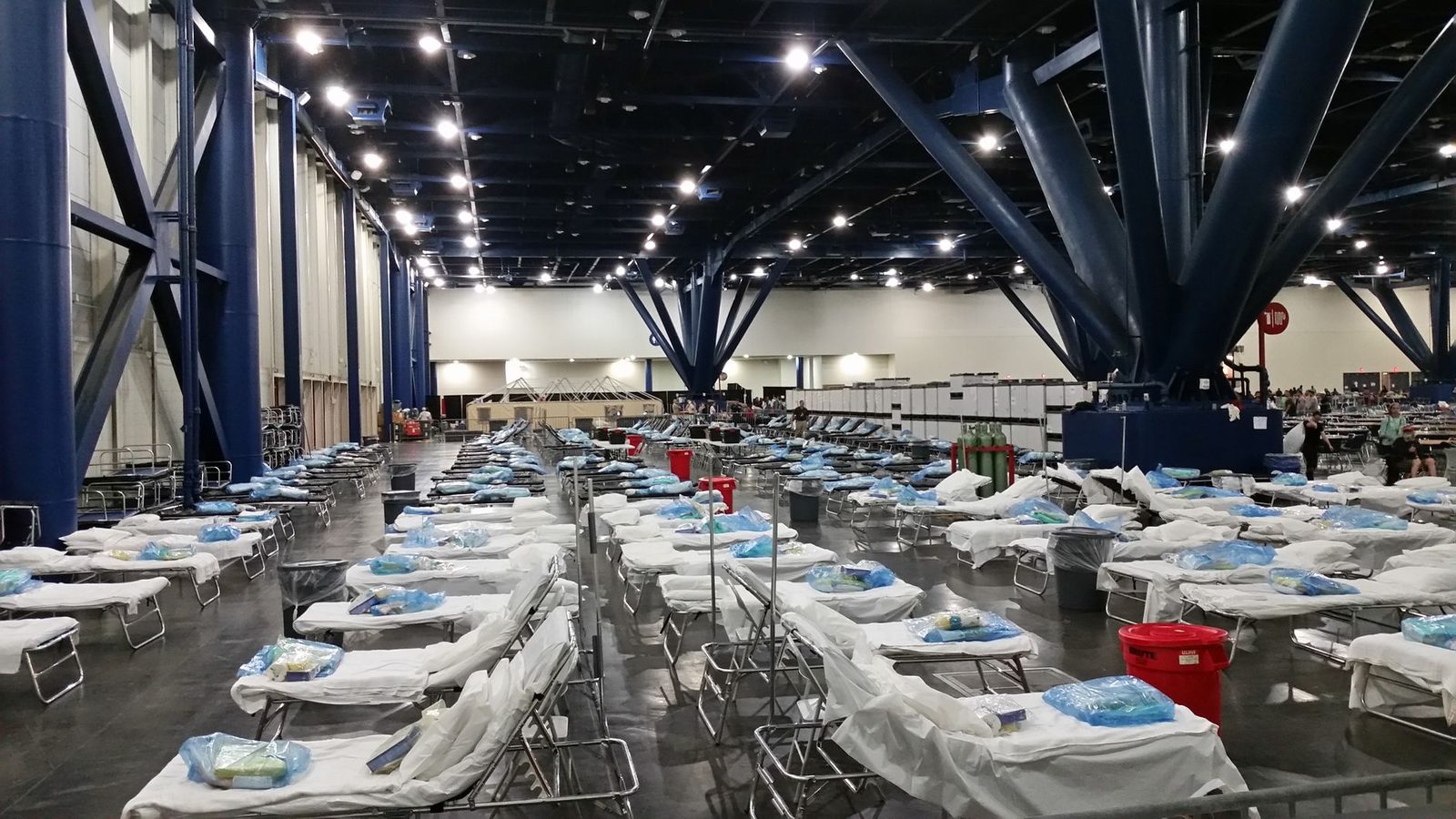
Rows of cots set up inside a large hall used as an emergency shelter
Shelters After Floods and Storms

Temporary laundry trailers for county flood and storm shelters in Utah

Shelters usually open in buildings that were never designed for overnight sleeping. School gyms, church halls and community recreation centers work well enough for cots and meals, but none of them has washers and dryers sized for families who may stay a week or two. People who left home in a hurry need clean clothes and bedding quickly, and a pile of donated clothing only goes so far. Clean socks run out first.

This has happened in Utah more than once. Winter storms and flooding in April 2017 led to a federal disaster declaration for Box Elder and Cache counties. A flood declaration in December 2023 reached into Sanpete and Iron counties. Each time, county emergency managers opened shelters and recovery sites while the damage was sorted out, and families in rural areas often had a long drive to reach any kind of laundry at all. It will happen again.

Behind the counties sits the state. The Division of Emergency Management runs the State Emergency Operations Center from Taylorsville. It works with county emergency managers region by region instead of running everything from one room in Salt Lake City. Utah is also part of a mutual aid system called the Emergency Management Assistance Compact, which moves people and gear across state lines during big incidents. Help can come from far away. A shelter plan that already names a laundry source is much easier to put in motion when that call comes.

We keep the setup simple for shelter staff. The combo unit puts four private baths and a separate laundry room in one delivery, which suits a small shelter with no showers inside. Larger shelters get the 8-Station unit parked near the entrance, with a folding table and a basin sink for sorting. Pair it with bathroom trailer rentals for Utah shelters, and families have a full hygiene setup right outside the building. Call our 24/7 line when a shelter opens, and we'll tell you how fast a unit can get there.

Wildfire Base Camps

Portable laundry trailers for Utah fire camps from Iron County to the Uintas

Big fires bring big camps. Once a fire grows past what local crews can handle, an incident management team takes command through the Great Basin Coordination Center in Salt Lake City, and a base camp goes up. Those camps hold several hundred firefighters, support staff and overhead, and the biggest ones top a thousand people. Many of them stay open for weeks.

Recent seasons have kept those camps busy. The Silver King Fire burned in 2024. The Forsyth, Deer Creek and Monroe Canyon fires followed in 2025, and the 2026 season has already brought the Iron, Cottonwood, Cherry and Rocky Canyon fires. Every one of them drew a FEMA fire management declaration. Many camps like these sit on a fairground, a school lot or open Forest Service land with no laundry anywhere nearby.

Fire crews come off the line in clothes full of smoke, ash and sweat. Nobody wants to wear them twice. Some of that gear needs its own cleaning routine, and the camp medical unit creates linens that must stay apart from everything else. We set up camp laundry with separate intake points for crew clothes, gear and medical items, and we plan the layout with the logistics section before the first load goes in. Crews sleeping in camp may also want bunkhouse trailer rentals for Utah fire crews on the same order.

The first night in camp matters most. Crews coming off the line want a shower, a hot meal and clean socks, in about that order. We won't promise an arrival time before we know the road, but we answer the phone at any hour and tell you straight how fast a unit can reach your camp. Call us before the season starts to set standby terms, and the call on day one will go a lot faster.

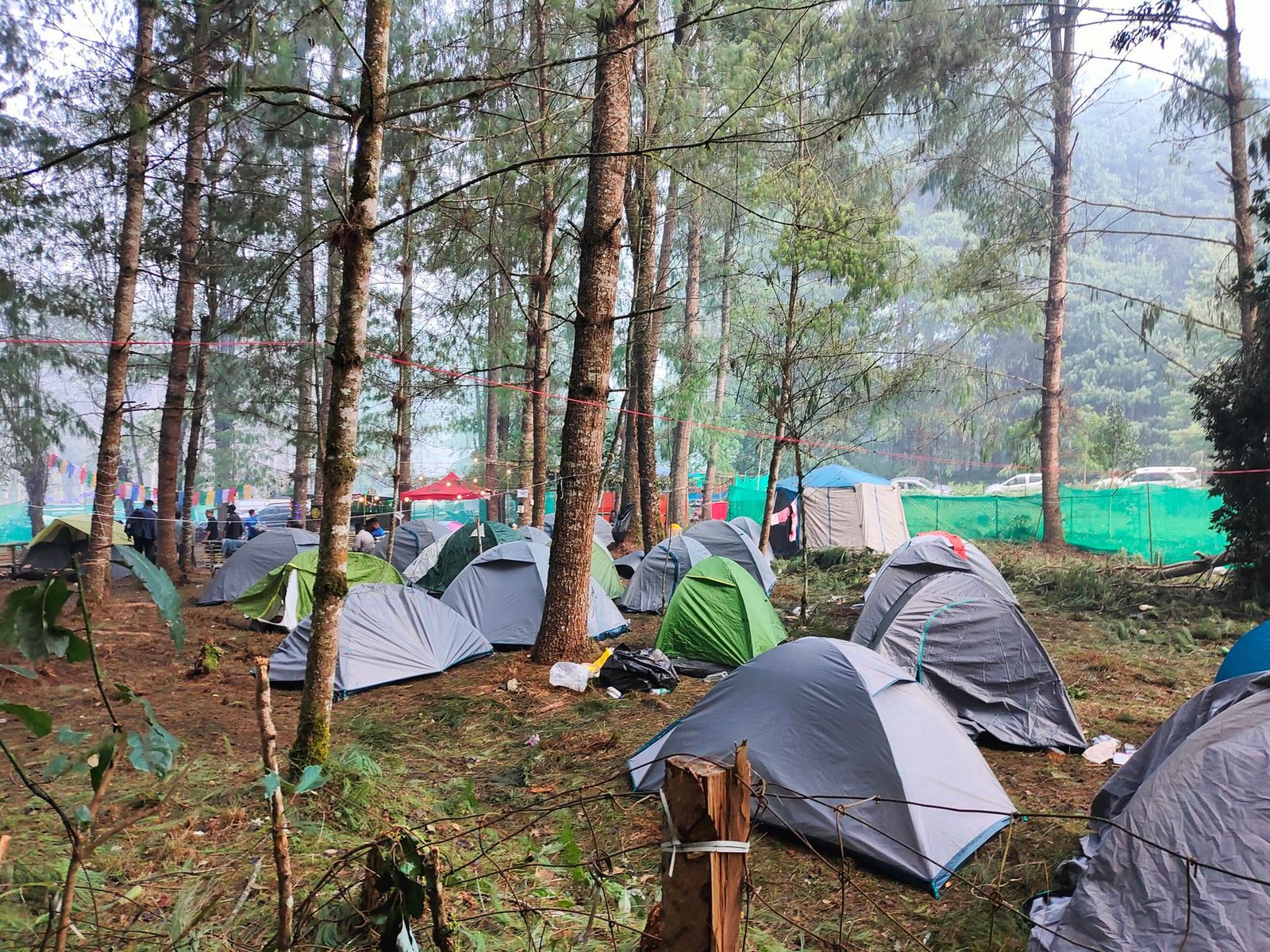
Rows of tents pitched among tall trees at a crew base camp
More Utah Sites

Other Utah sites that rent our self-contained laundry trailers

Dugway Proving Ground test rotations

Dugway covers a stretch of Tooele County roughly the size of Rhode Island, and only 342 people lived there at the 2020 census. Contract crews on long test rotations have almost no town services nearby. A portable laundry trailer at their housing area saves a very long drive.

Park City and Cottonwood Canyon resort staff housing

Ski resorts like Deer Valley and Snowbird bring in big seasonal staffs every winter, and overflow housing often comes up short on laundry. A laundry unit at a staff lot covers the whole season. We plan delivery and service around canyon road closures.

Bryce Canyon and Moab park season staff

Concession and facility staff near Bryce Canyon, Arches and Canyonlands work a long spring through fall season. Temporary housing for those crews rarely comes with commercial washers. We schedule delivery before the first staff arrive in spring.

Campus housing move-in weeks

Dorms like Kahlert Village at the University of Utah, home to 990 first-year students, see big laundry spikes at move-in and move-out. Move-in week is the worst. When a building project takes a campus laundry room offline, a mobile unit can cover the gap until it opens again.

Southern Utah hospital backup plans

St. George Regional Hospital is the only 24-hour trauma center between Las Vegas and the Wasatch Front. A hospital that far from a sister facility has to plan for outages and patient surges that could slow normal linen service. We can talk through a backup laundry plan long before it's ever needed.

Service Area

Portable laundry trailer delivery to Logan, Vernal, St. George and every Utah county

We deliver anywhere in Utah, including Cache Valley up north, the Arizona line down south and the West Desert out west. Remote sites are normal for us. Our service area covers all 50 states, with rapid deployment for long projects and emergencies. Tell us where your camp sits and what the roads look like in winter, and we'll build the delivery and service plan around it. For the full fleet and how our contracts work, see our nationwide mobile laundry trailer rentals for long projects.

Salt Lake CityMagnaHerrimanRivertonBluffdaleTooeleGrantsvilleDugwayOgdenLaytonLoganPark CityHeber CityVernalRooseveltDuchesnePriceHelperCastle DaleMoabRichfieldEphraimCedar CitySt. George
Service area: Utah
Around the Region

Utah regions where we place portable laundry trailers for crews

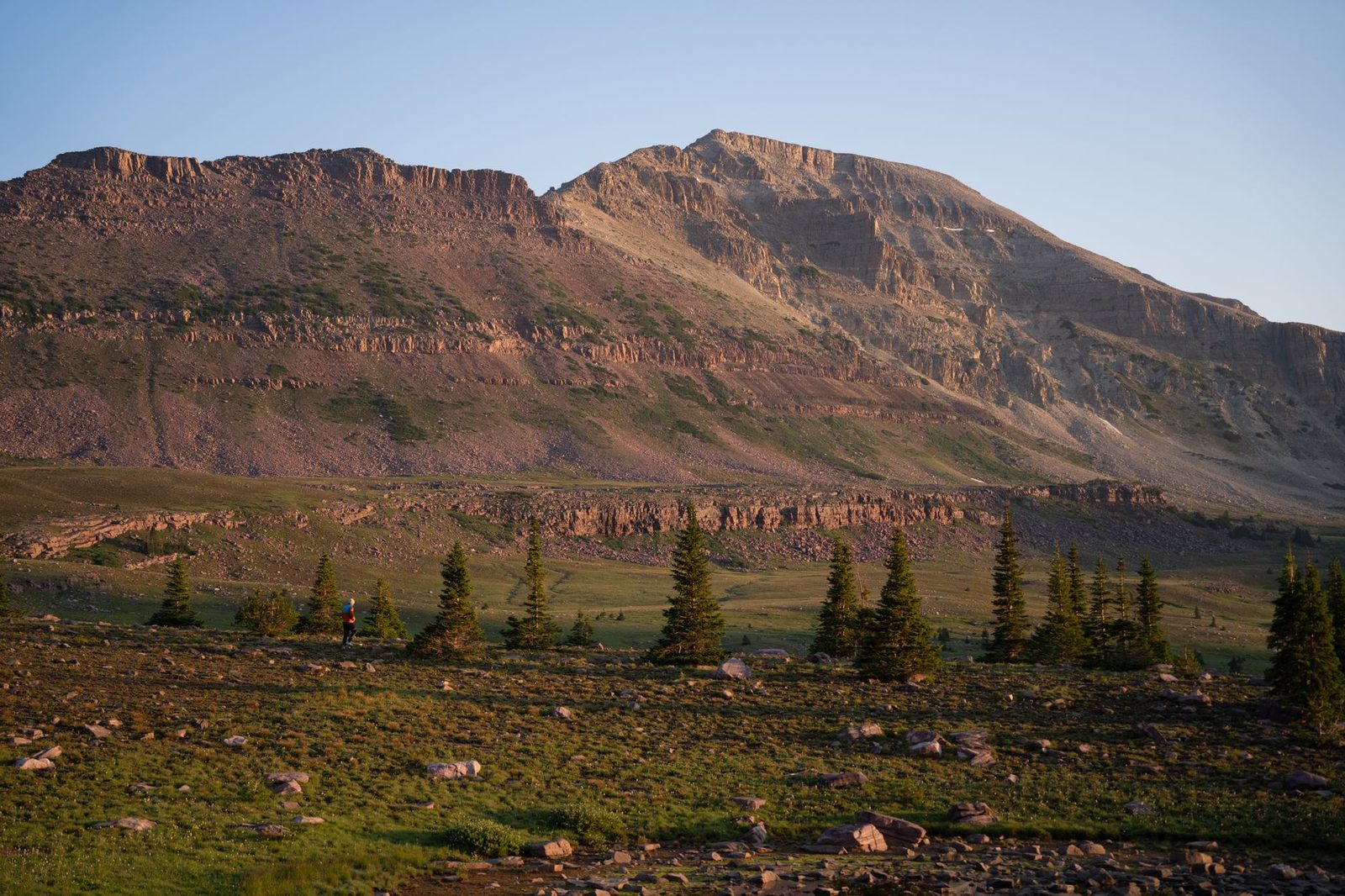
Sagebrush flats and scattered pines below a high mountain ridge

Uinta Basin: Vernal, Roosevelt and Duchesne

Well pads and pipeline spreads keep long-term crews out in Duchesne and Uintah counties. We run US-40 to camps around Vernal, Roosevelt and Duchesne and plan winter service around the inversion season.

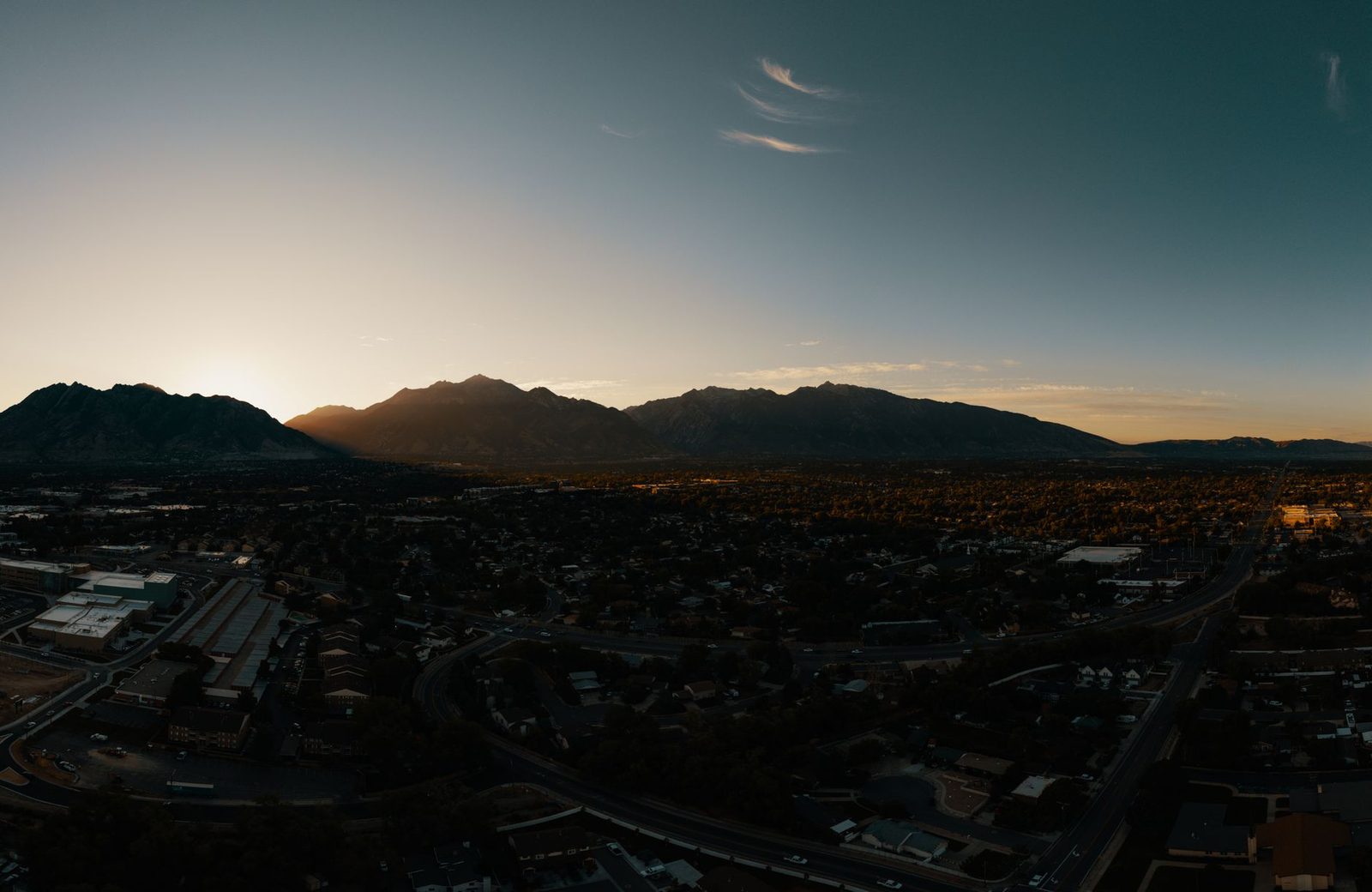
A valley city under a mountain range at sunrise

Oquirrh Mountains and the southwest valley

Mine support crews near Bingham Canyon and build crews at Camp Williams work along this edge of the Salt Lake Valley. We deliver to sites around Magna, Herriman, Riverton and Bluffdale, one of the quickest runs we make.

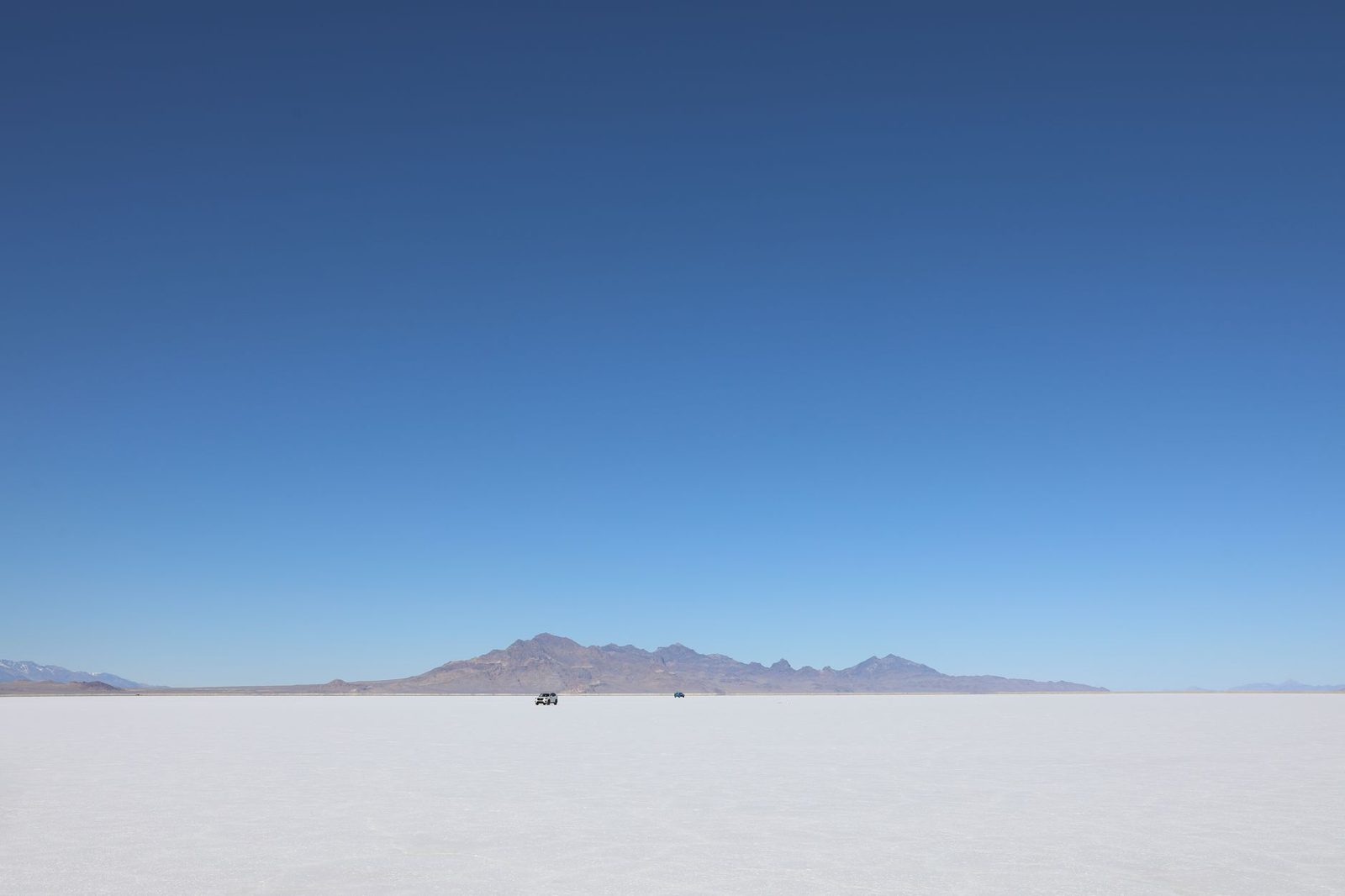
The Bonneville Salt Flats in the Tooele County West Desert

Tooele Valley and the Dugway range

Long test rotations and remote range work fill this dry stretch of desert west of the Oquirrh Mountains. We deliver through Tooele and Grantsville and out toward Dugway, with the gate paperwork handled well ahead of time.

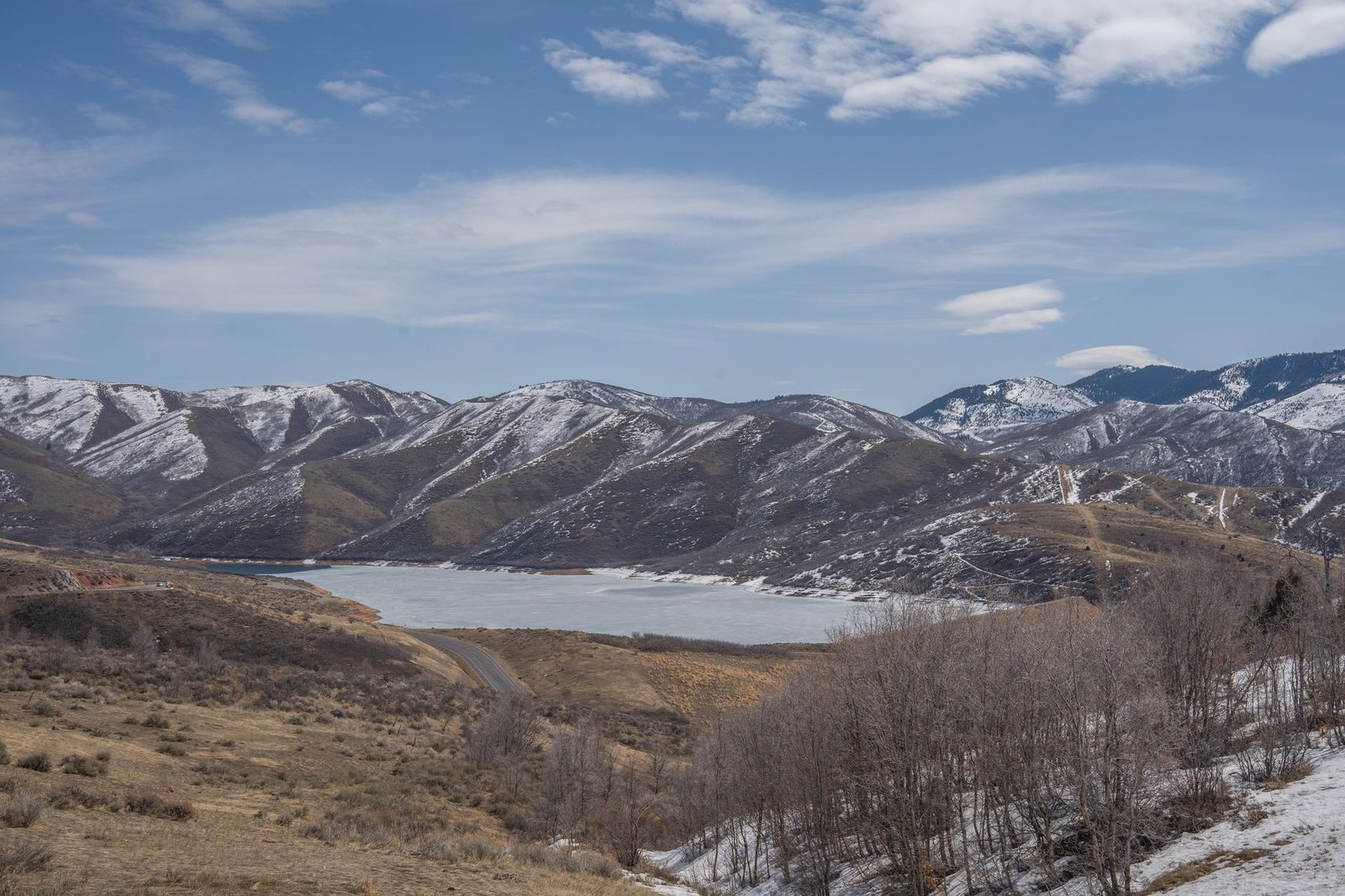
Snow-dusted brown mountains above a reservoir under a clear sky

Price, Carbon and Emery counties

Coal mining built this part of the state, and mining and natural gas work still keep crews busy in the area. We reach Price, Helper, Huntington and Castle Dale over Soldier Summit, a mountain pass that can close during winter storms.

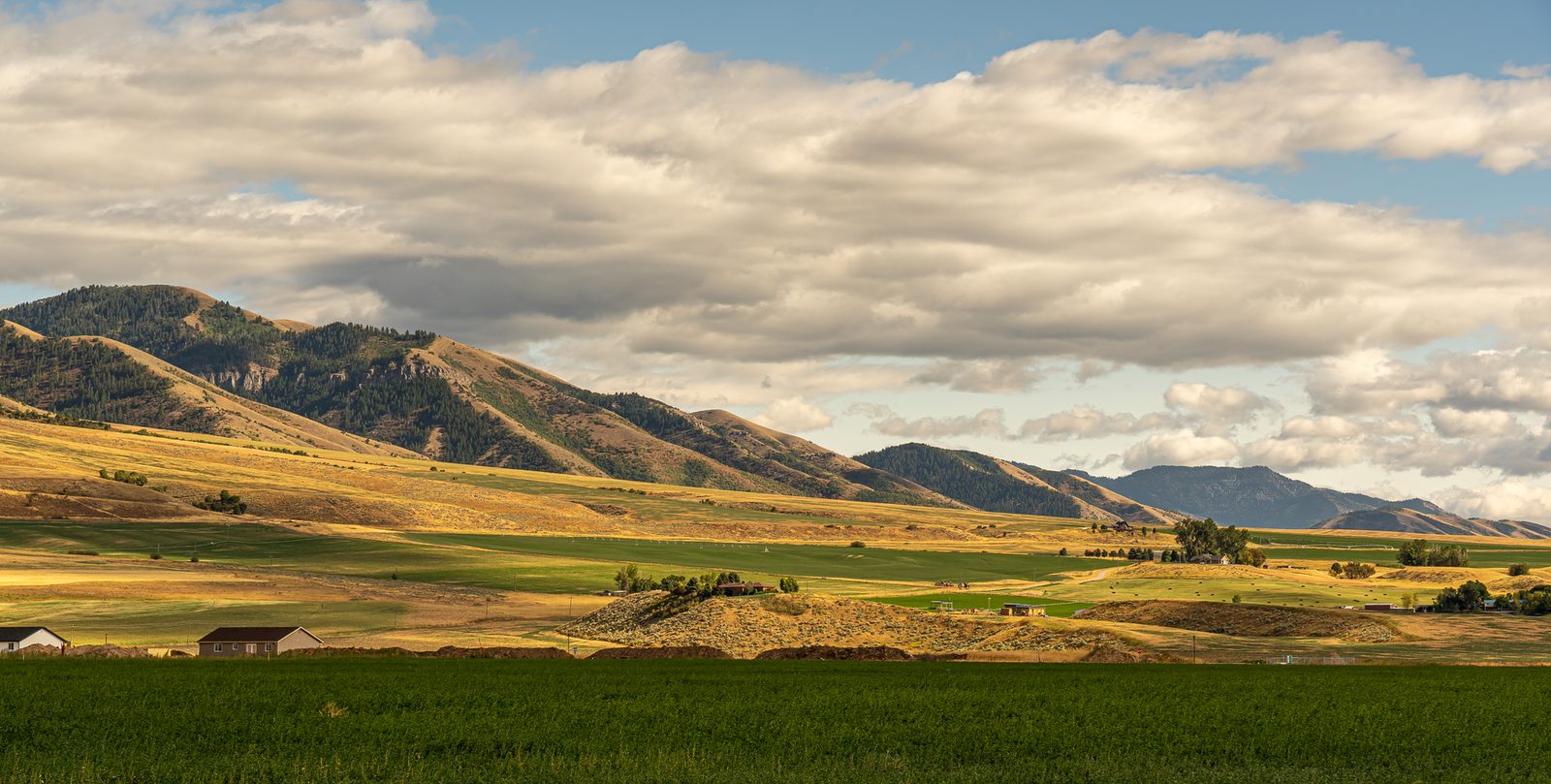
Green farm fields and foothills under white summer clouds

Sanpete and Sevier valleys

Rural shelters here sit a long way from any large laundry, and flooding in late 2023 reached into Sanpete County. We cover Manti, Ephraim, Gunnison and Richfield for shelters, farm crews and county projects.

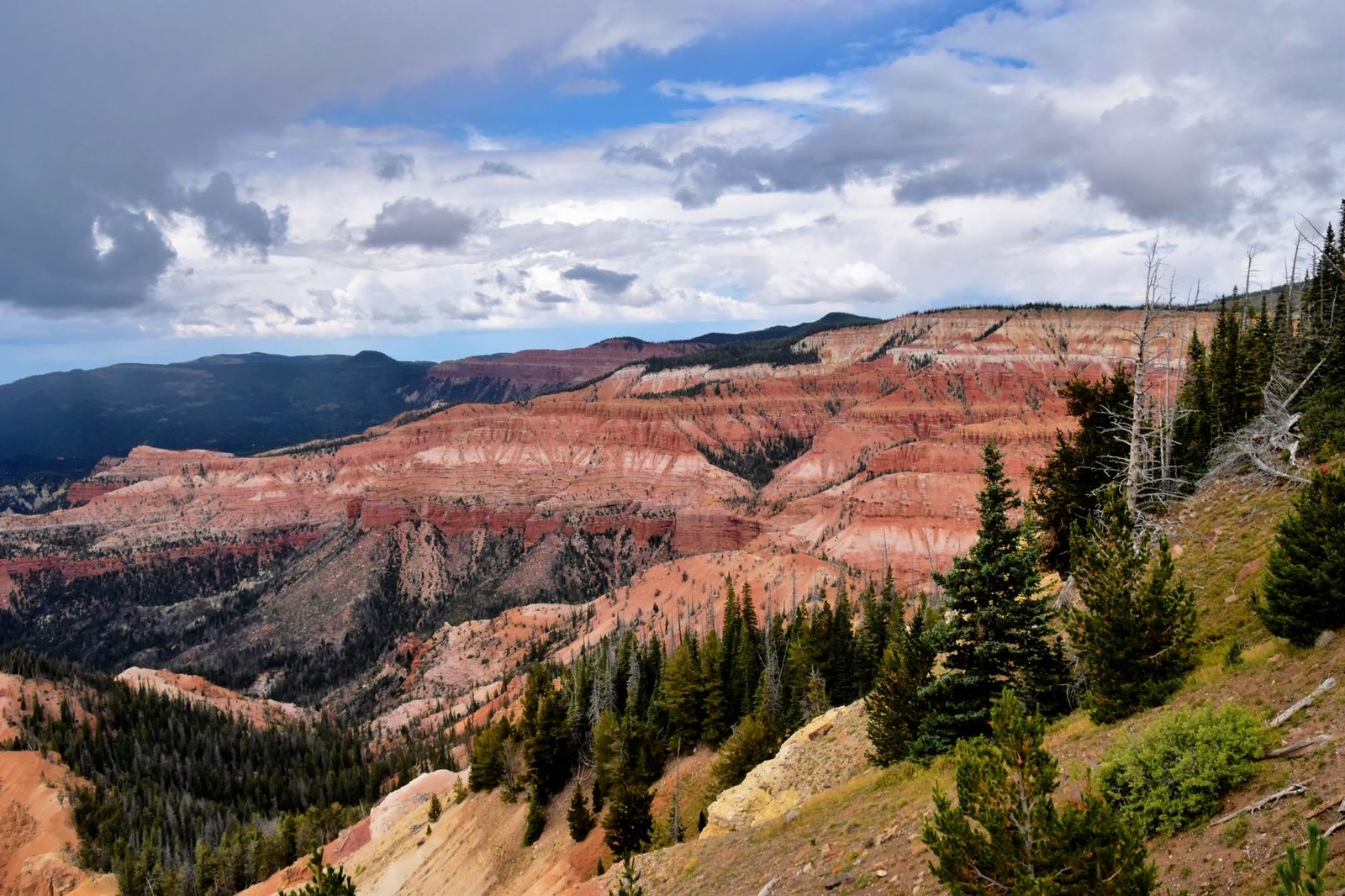
The red rock amphitheater and pine forest of Cedar Breaks near Cedar City

Cedar City and the Dixie region

Fire camps have gone up in Iron and Garfield counties several times over the last decade, usually on short notice. We serve Cedar City, Parowan, Brian Head and St. George, where camps and work crews deal with long, hot summers and plenty of distance from the nearest major city.

Simple Process

How renting a laundry trailer in Utah works

1

Call or request a quote

Tell us the dates, the site, and what you need. Our dispatch line answers 24/7, including emergencies.

2

We size the unit and confirm

We match the right laundry trailer to the job and hold delivery on your schedule.

3

Our crew delivers and sets up

We deliver, level, and connect the trailer on site, ready to use the same day.

4

We keep it running

Our own crews restock detergent and service the machines on a set schedule, then pick up when the job ends.

Rows of cots set up inside a large hall used as an emergency shelter
Utah Winter Planning

How Utah winters change the way we set up a mobile laundry trailer

Cold is the bigger problem for laundry in Utah. The state record low, minus 69 degrees, was set at Peter Sinks in the Bear River Range on February 1, 1985. Most sites never see anything close to that. A winter camp in the Uinta Basin or a January exercise at a Guard training area still sees plenty of nights well below freezing, and a water line left open to the air will freeze solid.

The Uinta Basin adds its own twist. Cold air settles into the basin in winter and can sit there for weeks under a temperature inversion, with haze and fog that won't clear. Frozen hoses are common. Camps there need supply lines that are insulated and kept short, along with a service crew that knows the roads in and out of the basin. We plan those details before the first cold snap arrives, not after it.

Roads matter as much as temperature. Soldier Summit on the way to Price, Provo Canyon into Heber City and Parleys Canyon into Park City can all close or require chains during storms. We set service dates with some room around the storm calendar, so a closed pass doesn't turn into a full waste tank. In the far south the problem flips, and long summers in Washington County are what the two HVAC units have to handle.

Why Choose Us

What you get when you rent a temporary laundry trailer from Mavirus Group

Placed to fit your camp layout

We work from your camp map, whether that means modular housing rows, a bunkhouse line or a gym parking lot. The laundry goes where crews already walk on the way to meals or to bed, with light on the walkway and room for our service truck.

One crew that knows your camp

Our own techs deliver, service and pick up the trailer, so the person at your gate in month ten has been there before. They already know where the hookups are, which access road turns to mud after a storm, and who on your team signs off on each visit.

Machines matched to shift change

We count how many people come off shift at the same time, not just the total headcount. That rush is what sets the machine count. A camp of 150 people working two shifts needs a very different laundry plan than 150 people working one.

Separate loads when the job calls for it

Fire camps and shelters produce laundry that should never share a machine, like medical linens and smoke-soaked gear. We set separate intake points and mark which machines take what, so camp staff don't have to invent a system.

Paperwork agencies can use

We are SAM.gov registered, licensed and insured, and rated A+ by the BBB. County, state and federal buyers get quotes in a form their purchasing office can work with.

Coverage past the state line

Utah jobs are close to home for us, and our service area covers all 50 states with rapid deployment. If your company runs camps in two or three states, one vendor can cover every one of those locations.

A person answers, day or night

Our line is staffed around the clock for orders and emergencies. When a shelter opens on a Sunday night, you talk to someone who can dispatch a unit, not a voicemail box.

Customer Stories

How a typical Utah laundry trailer job is set up

Camp manager planning pipeline crew housing near Roosevelt

For a job that could run eight months or longer, we'd start the camp with the combo unit while the first survey crew is on site, then bring in an 8-Station trailer once the main construction crew arrives. Service visits land on the same weekday for the whole run, so the schedule never has to be relearned partway through the job.

County emergency manager planning a rural Utah flood shelter

For families sleeping in a church hall with no showers and only a home washer in the kitchen, we'd set a combo unit behind the building the day the shelter opens and put a folding table in the laundry room for sorting donated clothes. That keeps the machines running for as long as the shelter needs to stay open.

Facilities lead planning a winter field exercise at a Guard training area

For an exercise that runs through January with soldiers rotating in from several states, we'd insulate the supply line, park the trailer out of the wind behind a row of storage containers, and move a pump-out up ahead of a storm whenever one is forecast. That way the training staff never has to think about laundry during the coldest stretch of the month.

Washing Standards

Fire gear and medical linen standards our self-contained laundry trailers are set up for

Workplace safety in Utah falls under UOSH, the state safety and health program run by the Utah Labor Commission. It is an OSHA-approved State Plan that covers most private employers, along with every state and local government worker. That covers most camps. For laundry, the rule that comes up most is the federal Bloodborne Pathogens Standard, 29 CFR 1910.1030. It applies wherever work creates laundry soaked with blood or other infectious material.

That standard gets specific. Contaminated laundry should be handled as little as possible and with as little shaking as possible. It is bagged or contained right where it was used, in labeled or color-coded containers, and staff who handle it wear gloves and other protective gear. If it goes off site, it still has to be bagged and labeled unless the receiving laundry treats every load with universal precautions. At a camp or shelter, that usually means the medical unit's linens get their own bin and never ride in with crew clothes.

Fire gear has its own national standard. NFPA 1851 covers the care and cleaning of structural and proximity firefighting gear, and departments that follow it put gear through routine cleaning rather than just airing it out. That is one reason a camp wants washing capacity on site rather than sending gear home with each crew. Shelters are different. For shelters, county emergency managers and the State Emergency Operations Center lead the response, and clean clothes and bedding are part of keeping people healthy in a crowded building. We keep them apart. Our commercial laundry trailers are set up for exactly that, and we'll walk your safety officer through the layout before the first load.

Reviews

Site managers and emergency planners on our Utah laundry trailer rentals

L
Lena M.logistics section chief, wildfire base camp
★★★★★

What I liked was the separate bins for medical linens and gear. I didn't have to explain it. They had clearly set up fire camps before.

H
Hank D.shutdown coordinator, mine contractor, Oquirrh Mountains
★★★★★

Our shutdown crew worked twelve-hour shifts for six weeks straight. Having washers right by the parking area meant nobody was hauling filthy coveralls home in a personal truck every night. Small thing, but the crew definitely noticed.

T
Tasha W.housing coordinator, ski resort staff lot, Wasatch Back
★★★★★

Our staff laundry room was always backed up by January. The trailer took the pressure off for the whole ski season, and service kept going on schedule even through a couple of canyon road closures.

O
Owen G.crew lead, survey team in Carbon County
★★★★★

We had a small survey crew working out past Price for about three months. The combo trailer gave them a bathroom, a shower and a washer in one unit, so nobody had to drive back into town for any of it.

J
Janet R.housing director, university campus, northern Utah
★★★★★

A renovation shut our residence hall laundry room right before move-in week, about the worst timing possible. Their unit was parked by the hall two days before students arrived, and we kept it until the room reopened. Huge relief.

FAQ

Frequently asked questions

How many washers and dryers does a Utah crew camp of 150 people need?
It depends more on your shift pattern than on your total headcount. If all 150 people come off shift at the same time, the rush right after shift change is what sets the machine count. For most camps of that size, one 8-Station unit with eight washers and eight dryers is a good starting point, and a second unit makes sense when everyone works one big shift or the work is especially dirty. Send us your roster and shift times, and we'll size the setup for you.
What does the 8-Station unit need for power and water on site?
It draws power from two 50 amp, 240 volt circuits within 100 feet of where it sits. It also needs a water supply, and wash water drains to its own 750 gallon waste tank. Tell us what your site has before delivery day, and we'll plan the hookup with your camp manager so the machines are ready the day the trailer arrives.
Where does the wash water go, and who empties the tank?
Wash water drains into a 750 gallon waste tank built into the trailer. Nothing drains onto the ground. Our crews pump that tank on the service schedule we set with you at the start, and we move the schedule up whenever a camp is using the machines harder than planned. If your site already has a sewer connection nearby, bring it up when you request a quote and we'll look at whether it makes sense to use it.
Can a temporary laundry trailer stay at a Uinta Basin camp through the winter?
Yes, as long as the winter setup is planned ahead of time. We insulate the supply lines, keep them as short as possible, and park the trailer out of the wind wherever the site allows it. Service dates also get extra room around winter storms. Snow and ice can slow the drive into the basin considerably. Call us early in the fall if you already know your camp will keep operating through the coldest months.
What's the difference between the 8-Station unit and the combo trailer?
The 8-Station Laundry Trailer is all laundry, with eight industrial washers, eight dryers, a basin sink and a folding table. The combo trailer has four private baths, each with a toilet, sink, shower and outlet, plus a separate room with a stacked washer and dryer. The combo suits a crew of up to 30 that needs everything in one trailer. The 8-Station suits larger camps that already have showers and restrooms.
Do you supply detergent, or does our camp buy it?
Our crews restock supplies during the scheduled service visits, and we'll go over exactly what your camp needs when we put the quote together. Some agencies have their own rules about which products can touch fire gear or medical linens. Tell us about those rules up front, and we'll plan around them.
How do you keep fire gear and medical linens apart from regular camp laundry?
We set separate intake points and mark which machines handle which loads. Medical linens that may carry blood go into labeled or color-coded bags right where they're used, under the federal Bloodborne Pathogens Standard. Gear that needs its own cleaning routine gets its own cycle. We walk the camp safety officer through the setup on the first day.
How fast can a mobile laundry trailer reach a county shelter after a flood?
It depends on the distance and the road conditions, so we won't promise a specific time before we know where the site is. We'd rather be honest. Call our 24/7 line as soon as the shelter opens, and we'll tell you honestly when a unit can get there. Counties that set up terms with us ahead of time usually move faster. The paperwork is already finished before the emergency starts.
How much room does the 8-Station unit take up at a camp?
The 8-Station unit measures 26 feet 4 inches long with the tongue and 12 feet 4 inches wide with the stairs down. Leave enough room around it for people walking up with laundry bags and for our service truck to pull in and back out without trouble. Level, firm ground works best, and a gravel pad helps a lot on a muddy site during spring runoff.
Can you deliver to Camp Williams, Dugway or Hill Air Force Base?
Yes, we do. We deliver to military and federal sites, and we plan for gate access well before delivery day. Send us your base contact and any badge or escort rules, and we'll get driver and vehicle details to your security office early. We are SAM.gov registered, which helps on the purchasing side too.
Can crews use the laundry machines at any hour?
Yes, any hour. The machines are available to your crew around the clock, and the LED lighting and HVAC make late-night use comfortable in any season. Many camps set quiet hours near the sleeping rows or post a sign-up sheet during the busiest weeks of the project. We only ask that nobody overloads a machine. That's the quickest way to lose one for a day.
Can we keep the same laundry setup if our project moves to a new site in Utah?
Usually, yes. Pipeline spreads and highway jobs often move camp partway through a contract. Give us the new location and the move date, and we'll pump the tank, haul the trailer and set it up again at the new site on a planned day, so crews go only a short time without laundry.
Resource Library

Utah laundry trailer rental guides for camps, shelters and long contracts

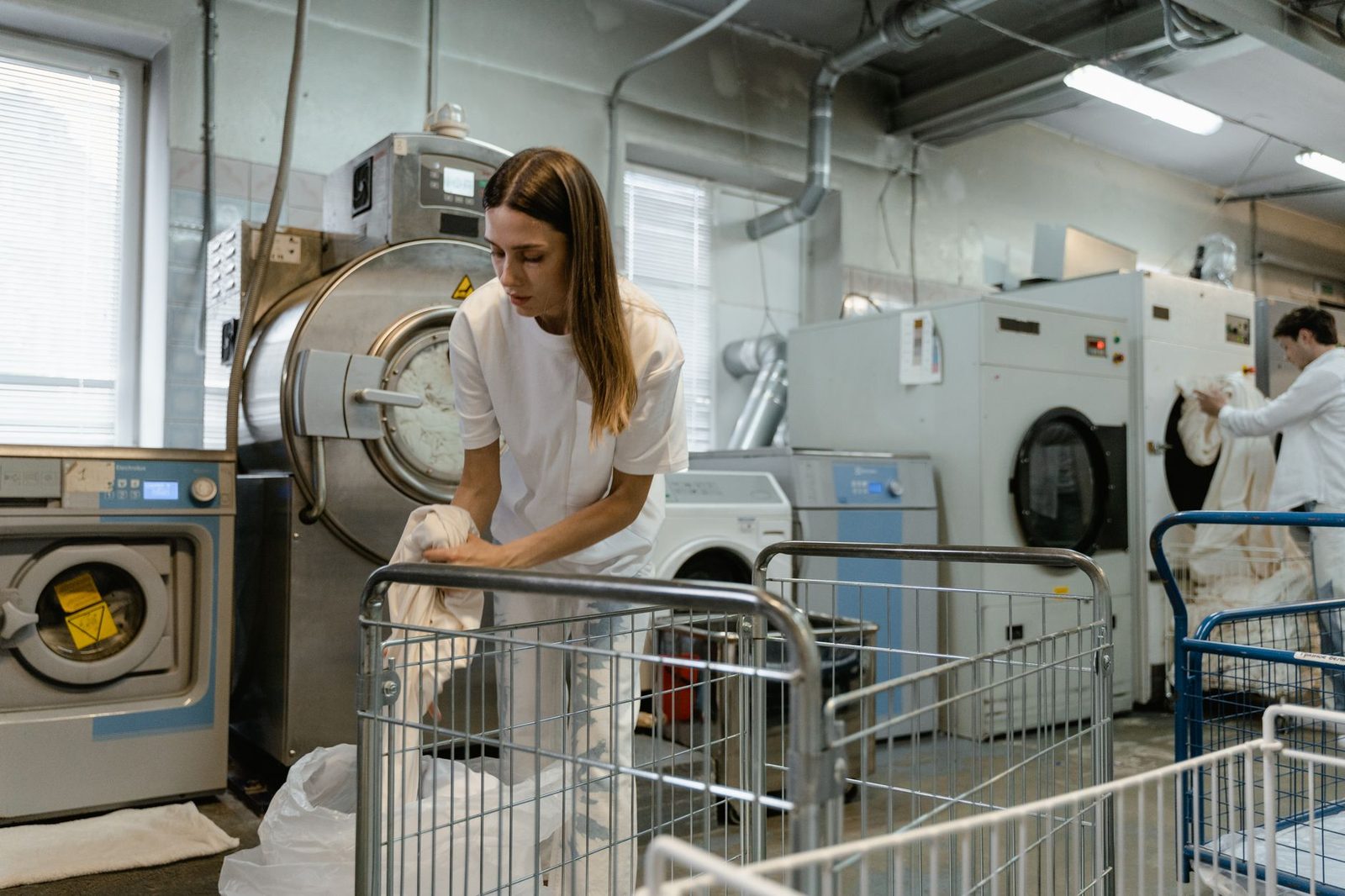
A worker loading linens into commercial washers in an industrial laundry

Planning laundry through every phase of a long Utah construction job

A long construction job is really several jobs in a row: site preparation, the main build, the taper at the end and, here in Utah, usually at least one winter somewhere in between. Each phase puts a different number of people in camp and a different kind of dirt on their clothes. The laundry plan should change with the phase instead of staying fixed from the first day of the contract to the last. Plan for each one.

Site preparation usually brings the smallest crew of the whole project. Surveyors, dirt crews and a few mechanics might total 20 or 30 people for the first month or two, and at that size the combo trailer often covers everything. It pairs four private baths with a washer and dryer in a room of its own. That's plenty for a small crew. It also means you aren't paying for sixteen machines while most of them sit idle, waiting for the main crew to arrive.

The main build is where early planning pays off. Headcount climbs quickly once the big trades arrive, and it can easily double in a few weeks, so tell us your expected peak as early as you can, even if it's only a rough estimate from your preliminary project schedule. We can hold an 8-Station unit for your ramp-up date and set it beside the combo, or swap the combo out entirely if the camp already has showers. The worst possible time to start looking for laundry is the week 150 people show up at the gate. Don't wait for that week.

Dirt changes with the work. Grading and pipeline trenching in the Uinta Basin put mud and fine dust into everything a crew wears, while mine support work in the Oquirrh Mountains adds grease and gritty residue that is hard to get out. Concrete and steel crews on a base project fall somewhere in between. Dirtier work means more loads per person and more soaking in the basin sink, so tell us what your crew actually does every day, not just how many people are on the roster.

Then there's winter. A job that starts in April can easily run into January, especially when weather or permits push the schedule back. Let us know by early fall if your camp will stay open through the cold months. That way the winter changes happen during a normal service visit, not as a rush job after the first hard freeze catches everyone off guard.

Camps also grow sideways as the work goes on. Plan the layout early. A mess hall or a kitchen trailer often arrives during the main build, and many of our customers add Utah freezer trailer rentals for crew mess halls at about the same time. When laundry, food storage and housing arrive on one plan, the whole site layout makes more sense, and the laundry can sit on the path between the beds and the meals, where people already walk every day.

The taper at the end is easy to forget. The last few months of a big project often run with a third of the peak crew or even less, and that is the right time to pull the second unit or drop back to the combo. We write the notice terms into the quote at the very start, so scaling down takes one phone call to our office and not a new round of paperwork.

Demobilization is the final phase. We pump the waste tank one last time, clean the machines and haul the trailer out after the last crew leaves the site, never before. Give us the final date a couple of weeks ahead, and we'll schedule the pickup around your cleanup crew so the trailer isn't in anyone's way on the last day of the job.

A person signing a service agreement on a clipboard

What to put in writing before a multi-month laundry contract starts

Short rentals can usually be set up with a single phone call, but long ones shouldn't be. When a portable laundry trailer is going to sit at your camp for eight months or two years, a few details written down at the start will save a lot of confusion later. By month six, the people who arranged it may have moved on to another project.

Start with the service calendar, which should list the day of the week for each visit, what happens during that visit and who on your side signs off when it's done. Restocking, machine checks and waste tank pumping usually happen on the same trip, so one visit covers all three jobs. If your camp works the machines especially hard, say so up front, and we'll build extra pump-outs into the calendar instead of waiting for a full tank to tell us something is wrong.

Next come the hookups. Write down who supplies power and water, where each one connects to the trailer and who is responsible for repairs if either one fails. If your camp depends on generators, name the person who keeps them fueled. A washer-dryer trailer without power on a Tuesday afternoon is really a hookup question rather than a machine question, and it helps when everyone already knows whose problem it is.

Then come the roster terms. Long projects grow and shrink, and the contract should say how much notice you'll give us to add another unit or send one back. The same goes for extensions. Schedules slip, and a clause that carries the rental forward on the same terms keeps the laundry going when the finish date moves back by a season or more.

Site rules come next, and in Utah they vary a lot from job to job. No two are alike. A mine site usually requires its own safety orientation before anyone drives onto the property. A school campus may limit truck hours to stay clear of morning drop-off, and a ski area may close its access road during avalanche control work. Put the contact names and the rules in the contract file, so a new service tech in month nine isn't turned away at the gate.

Winter deserves its own line in the contract. If the job will run through a Utah winter, write down when the cold-weather setup will happen and exactly what it includes. Then nobody is surprised when a service visit in November takes longer than one in July.

Government buyers have a few more steps to handle. Federal, state and county purchasing offices usually need a vendor registered in SAM.gov, the federal System for Award Management, before they can issue an award. Mavirus Group is registered, with an active CAGE code and UEI, and we're licensed and insured. That part is done. Ask your contracting officer early what format the quote needs to follow, and we'll match it so the paperwork doesn't hold up delivery.

Last comes the pickup. Put the expected end date in the contract, along with a note on how much warning you'll give once that date firms up. We pump the tank a final time and haul the trailer out after your last crew leaves, and a two-week heads-up is usually plenty of notice for our dispatch team to plan the trip.

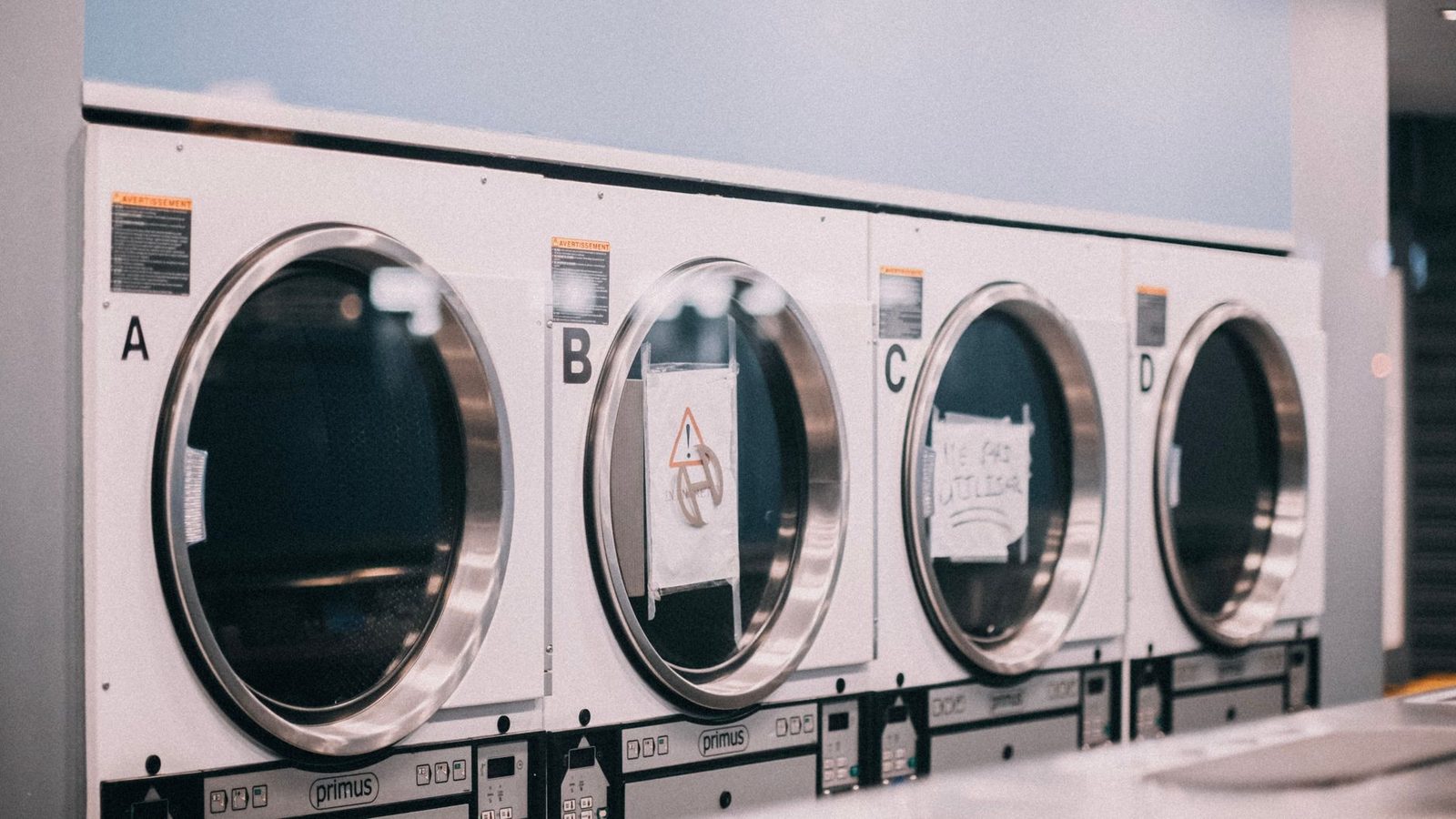
A row of front-load washers labeled A through D in a shared laundry room

Setting laundry rules at a Utah crew camp that people will actually follow

Machines don't cause most camp laundry problems, and people usually don't mean to cause them either. Someone leaves a load in a washer overnight, someone else pulls it out wet and dumps it on the folding table, and by the end of the week there's an argument in the mess hall. It's avoidable. A few plain rules posted on the very first day will stop most of that before it ever starts.

Start with the busy window. At most camps the rush comes right after shift change, when half the crew wants to wash clothes at the same time. A sign-up sheet posted on the trailer door for that one or two hour window usually works better than any rule about the rest of the day. Outside of the rush, a simple first come, first served approach is perfectly fine.

Set a clear pickup limit. A load left sitting more than 30 minutes after the cycle ends can be moved to a labeled bin, which keeps the machines turning and protects everyone's clothes at the same time. Post the rule in plain words, and have the camp manager back it up the first time somebody tests it.

Ask crews to knock off the worst of the dirt before they wash. Mud from a pipeline right-of-way or grit from a mine bench will cake inside a washer and slow down the drain, which can take a machine out of service. The basin sink on the 8-Station unit is there for a quick soak or a rinse, and two minutes at the sink can save a machine from being down for a whole day.

Keep detergent simple. Too much soap is one of the most common problems in camp laundry. Tired people pour it in by feel at the end of a long shift. Pre-measured pods or a marked scoop cut down on extra suds and residue. Measure every load. If your company or agency has rules about which products can touch certain gear, post those rules right on the machines where nobody can miss them.

Night shifts need their own plan. Camps that work around the clock will have people washing clothes at three in the morning while others are trying to sleep nearby. The trailer has LED lighting and its own HVAC, so the room itself works fine at any hour, but it should be placed far enough from the sleeping rows that slamming doors and running dryers don't wake anyone up.

A lost and found sounds like a minor detail until you have 150 people living in camp. A single labeled bin by the door, emptied every week, saves a lot of hunting for missing gloves and socks. Some camps also ask crews to mark their clothing with a name or a crew number, which cuts down on mix-ups at the folding table.

Finally, give people one number to call. If a machine starts acting up, the crew should tell the camp manager, who then calls us, instead of trying a repair on their own. Our techs handle the problem on the next scheduled visit, or sooner if it can't wait, and a simple sign by the door explaining that process is all most camps need.

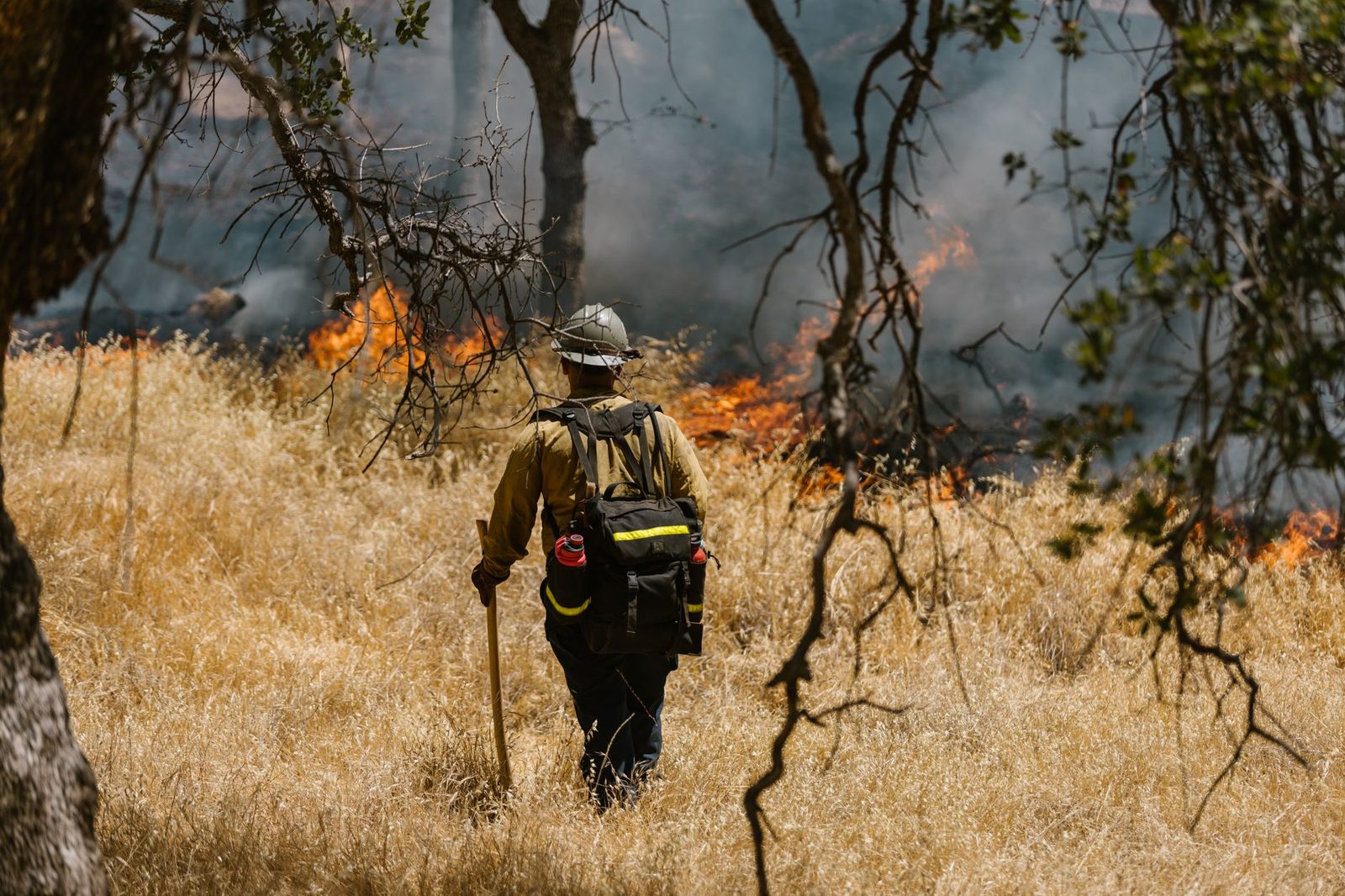
A wildland firefighter walking through a smoky grass fire

Questions a fire camp logistics chief should ask a laundry vendor

Fire camps don't leave much time to shop around for vendors. When an incident management team takes over a big fire, the logistics section may have only a day or two to stand up a camp for hundreds of people. The time to size up laundry vendors is before the season starts, not in the middle of an incident, and these are the questions we would ask if we were sitting in your seat. Ask them early.

How fast can you really get here? Anyone can promise a time on the phone, so ask where the unit would come from and which roads it would take to reach you. A camp in the high country east of Cedar City is a very different trip from one out in the west desert, and a vendor who knows Utah roads will tell you that without being asked.

How many people can one unit really handle? Ask the vendor to size the setup from your camp population and your shift pattern rather than from a general rule of thumb. For a camp of several hundred people, one 8-Station unit is often a reasonable starting point, and a large camp may need more than one. A vendor who answers without asking about your shifts is probably guessing.

How will you keep gear, crew clothes and medical linens apart? Camp medical units create laundry that falls under bloodborne pathogen rules, and structural fire departments that send engines to a camp often follow NFPA 1851 for their gear. Ask how the vendor sets up separate intake points and which machines will take which loads. You want a written plan, not a shrug and a promise to figure it out later.

What does the unit need from the camp? Power, water and a place for wastewater matter most, so ask about the power draw and the size of the waste tank before the unit arrives, which lets the camp's generator plan cover it. Get the numbers. Our 8-Station unit, for example, needs two 50 amp, 240 volt circuits and holds 750 gallons in its waste tank, which our crew pumps on a set schedule.

Who services the equipment overnight? Fire camps don't shut down at five in the afternoon, so ask who you're supposed to call when a dryer quits in the middle of the night shift, and whether a real person actually answers that call. Our line is staffed around the clock, every day of the year, including holidays and weekends during the busiest stretch of fire season. Test that number once.

Can you bring the rest of the camp too? A logistics chief juggling ten different vendors has less time left over for the fire itself. Many camps get laundry, showers, restrooms and drinking water from a single source, so ask whether the vendor can also send water station trailer rentals for Utah base camps on the same order.

What happens at demobilization? Camps close quickly once a fire is contained, so ask how fast the vendor can pump out and pull the unit, and exactly when the rental stops counting after the camp closes. Get those answers in writing before the season. If you want quick answers to any of these questions for a Utah incident, call our 24/7 line and a real person will pick up.

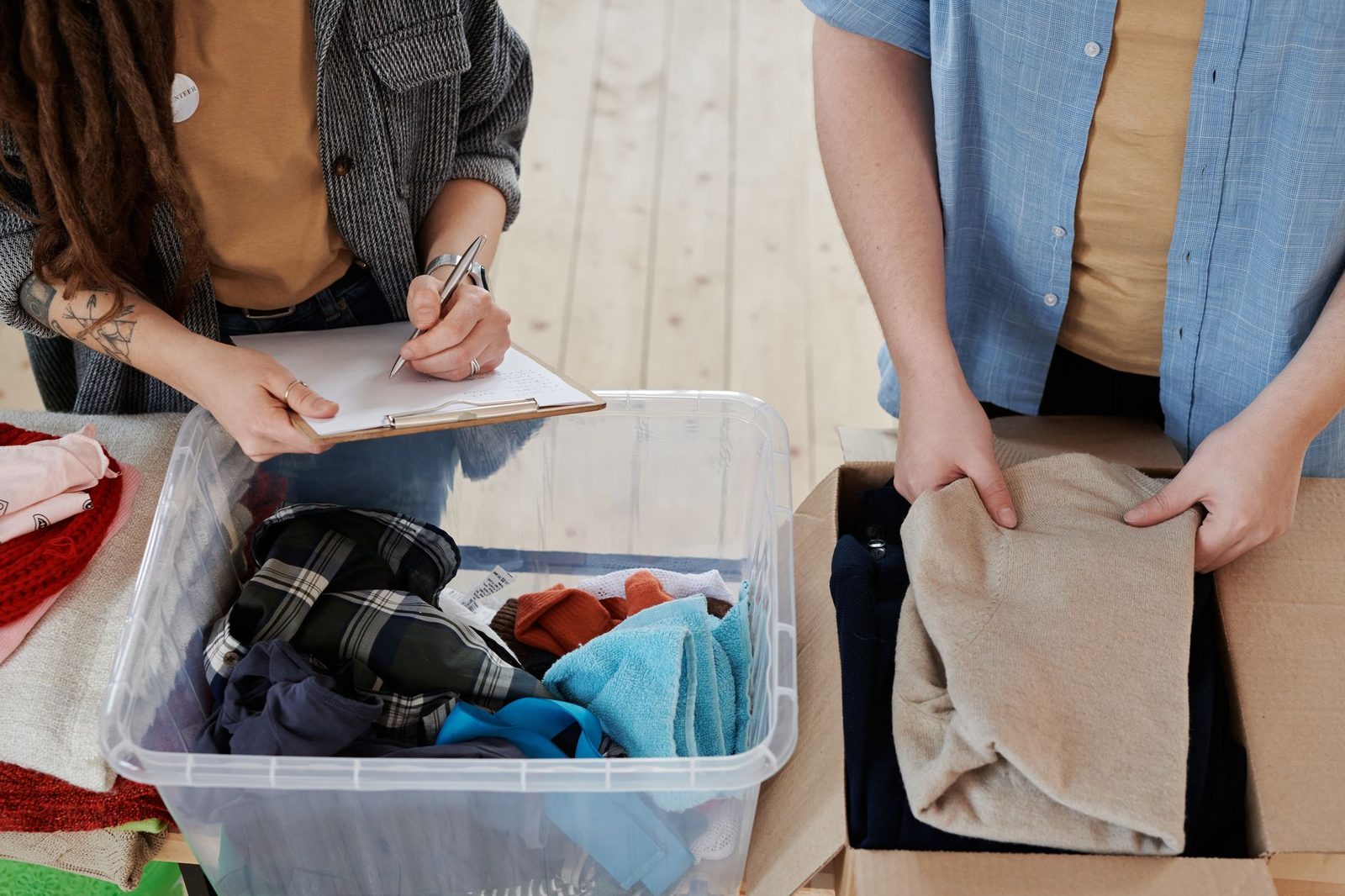
Volunteers sorting donated clothing into bins at a relief center

Running shelter laundry when families arrive with almost nothing

People who reach a shelter after a flood or an earthquake often arrive with nothing but the clothes they're wearing and maybe one bag. The first few days are mostly about cots and meals. By the third day, clean clothes and bedding become a real problem, and a shelter set up in a school gym or church hall has no good way to handle the volume.

Plan the laundry flow before the first load goes in. Families need somewhere to drop off dirty clothes and somewhere to pick up clean ones. They also need a simple way to know which bag belongs to which family, especially when several families share the same section of the shelter. Numbered mesh bags or tags tied to a family's cot number usually work well. Set the drop-off point near the trailer door and the pickup point inside the building, so nobody has to stand outside in bad weather waiting for a load to finish.

Bedding needs a schedule of its own. Blankets on cots need washing every few days, and more often if someone in the section is sick, so many shelters rotate bedding by section, a few rows each day, to keep the machines from getting swamped all at once. Keep a clean stack of blankets on hand so nobody waits around for one to finish drying.

Donated clothes need a stop at the washer too. Wash it first. Shelters often receive boxes of used clothing from neighbors, churches and schools, and washing it before it goes out is kinder to families and cuts down on odors and pests. The folding table inside the trailer makes sorting donations by size and type much easier for volunteers.

Think about who will actually run the machines. At some shelters volunteers handle all of the washing, and at others families do their own laundry on a posted schedule. Both ways work. Either way, put simple instructions on each machine and hand out detergent in measured amounts. If anyone in the shelter is sick, their laundry should be bagged separately and handled with gloves by whoever carries it.

Privacy is a real concern for families in a crowded building. Many people don't want strangers handling their clothing, so a do-it-yourself hour for each section of the shelter can help. The combo trailer adds four private baths with showers, which gives families a place to clean up and change in private while their clothes are in the wash.

Shelters can stay open much longer than anyone planned at the start. Recovery after a flood takes time, and rural counties may have fewer places to move people once the first week passes. Plan the laundry for two weeks rather than two days, and scale it back gradually as families begin returning home.

Emergency managers can make all of this faster by planning ahead of the next disaster. Do it this year. Name a laundry source in your shelter plan, list the buildings you would use and note where a trailer could park at each one. FEMA's Ready.gov has useful guidance on shelters for families and communities, and when the call finally comes, a plan with the parking spot already picked out will save hours.

More Rentals

Other trailers we rent in Utah

A camp needs more than clean clothes. We can send restrooms, showers, bunk trailers, cold storage and drinking water with the same delivery.

Get a Quote

Call for a Utah laundry trailer quote on your next long job

Send us the site address, the start date and your expected peak headcount. We'll come back with a written quote and a delivery window, with the service calendar attached, and someone answers our phone at any hour of the day or night.

Get a Quote Call (855) 687-1887
Call (855) 687-1887 - 24/7 Dispatch