How to size a freezer trailer for a Utah job, without guessing
Most people call knowing they need cold and not much else. That is fine. After years of placing units across Utah, we can size a trailer off a short phone call. But it helps to know the handful of numbers we ask about, because they are the ones that decide which box shows up.
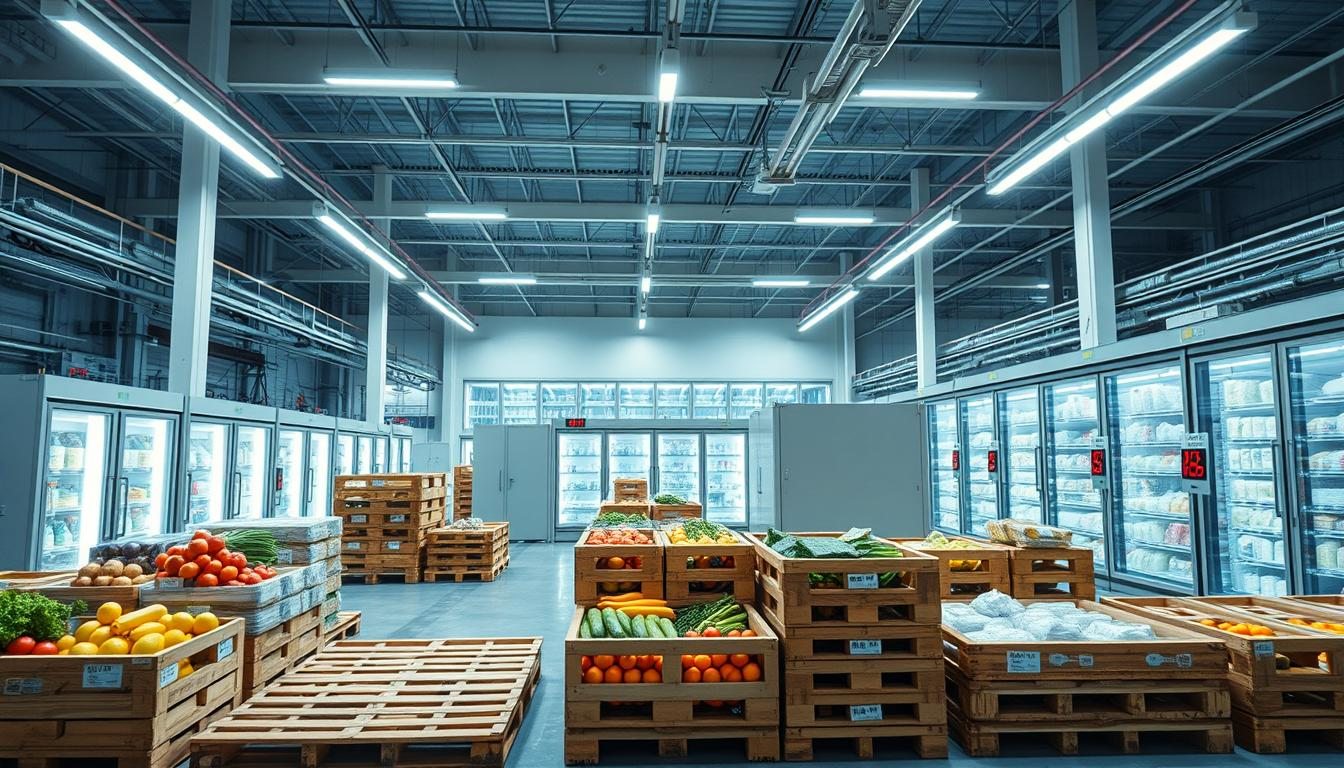
Start with what you are holding. Frozen protein, produce, prepared meals, bagged ice, and packaged drinks each stack and breathe differently. A pallet of frozen boxes packs tight and holds cold well. Loose product and open bins need more airflow and more room. So we ask for a rough case or pallet count, not a guess at square feet. Give us the load and we work back to the footprint.
Then the temperature. One adjustable unit runs anywhere from about 50 above zero down to 10 below, so a cooler hold and a hard-freeze hold come off the same box. If half your load is produce and half is frozen, tell us. Sometimes one setpoint splits the difference. Sometimes two trailers is the cleaner answer, and we will say so.
Next, door traffic. A trailer that stays shut holds temperature for a long time. A trailer a crew opens every four minutes during a lunch rush does not. If you are pulling stock all day, we size up and pre-chill hard before delivery. The busier the door, the more headroom you want.
Now the site. We ask three plain questions. Is there an ordinary 120V, 20-amp dedicated circuit within 100 feet? Is the ground firm and level enough for a trailer and a truck to reach it? And how long is the job? No power means a generator package rides along. Soft ground means we plan the approach. A long job changes nothing about the box, only the service plan.
We run three footprints. A compact unit fits one parking stall behind a restaurant or a concession stand. A mid-size box covers most walk-in failures and kitchen jobs. And a long box carries pallet volume for food banks, campus dining, and disaster feeding. When in doubt, we lean one size up. A little extra room costs less grief than a unit packed to the doors.
The last question is pace. How often do trucks come and go, and how fast does stock move? That sets the service cadence, not the trailer size. Tell us the load, the temperature, the door traffic, the site, and the timeline, and dispatch matches the box on the first try. And that is the method, start to finish.
Sources: FDA Food Code: cold-holding rules · Utah Dept. of Agriculture and Food: food safety
A pre-position checklist for Utah counties staging cold storage
The best emergency cold-storage call is the one you make before the emergency. We have staged units for Utah counties both ways, in a scramble after an incident and parked and ready before one. The parked-and-ready version wins every time. Here is the short checklist we walk emergency managers through when they plan ahead.
First, pick the site. You want a spot with firm ground, a truck path in and out, and a little distance from the crowd a shelter draws. Armories, fairgrounds, and county emergency lots tend to check every box. Walk it once in daylight and mark where the trailer and the generator sit. Do that now, not at 2 a.m. during a callout.
Second, settle power. If the lot has an ordinary 120V, 20-amp dedicated circuit within reach, note it. If it does not, plan for a generator package from day one. Write down who fuels the generator and how often. A self-contained unit with a fuel plan runs for weeks. A unit with no fuel plan runs until the tank hits empty.
Third, size for the worst likely week, not the average one. Feeding a shelter and holding donated protein at the same time takes more room than people guess. A long box holds pallet volume and buys you slack. We would rather stage one trailer with headroom than two you have to juggle.
Fourth, sort the paperwork before you need it. Reimbursement after a declared event lives or dies on records. Every one of our visits writes the setpoint and the actual reading, so the temperature file builds itself from the first day the unit lands. Know which agency signs off and what format they want. Ask us and we set the log up to match.
Fifth, name the trigger. Decide in advance what forecast or alert moves a trailer from the yard to the lot. A clear trigger beats a group text during a crisis. And it means the cold shows up while there is still calm to place it well.
Run this list once, on a quiet afternoon, and a real event turns into a phone call instead of a panic. Staging ahead is the whole job. We answer the 24/7 line either way, but the county that planned it out is the one feeding people the next morning.
Sources: Utah Division of Emergency Management · Ready.gov: continuity planning
The Utah cold-storage calendar: when demand spikes and why
Portable cold is not a flat business in Utah. It has a season, and the season is summer. If you run a kitchen, a feeding program, or an event, knowing when the crunch lands helps you book before the fleet is spoken for. Here is how the year actually shapes up from where we sit.
Spring is quiet, and that is the time to plan. Kitchen and dining renovations get scheduled in the off months, and smart facility managers lock a trailer for the whole job before summer books up. Ask in April and you have your pick of the fleet. Ask in July and you are working around everyone else's emergency.
Summer is the peak, and two curves stack on top of each other. Heat makes coolers and freezers work harder and fail more often, so walk-in failure calls climb. At the same time, summer feeding programs move their heaviest volume. The Utah Food Bank's Kids Cafe program has served 482,257 meals to kids at 124 after-school and summer sites, and a big share of that lands in the hottest weeks. More frozen product to hold, right when spare cold is scarcest.
Events pile on through the warm months. The state fair, rodeos, garden concerts, and city festivals all want frozen stock held on site instead of trucked in mid-event. Caterers hit wedding season and need overflow room behind the shop. If your event is in July or August, reserve in spring. The good units go first.
Fall eases off, but harvest keeps a few corners busy. Processors and outfitters hit short windows where product outruns the freezer room, and a trailer for a six-week season beats owning a building for it. These runs are predictable, so they are easy to book early.
Winter is the wildcard. Storms knock out power in the valleys and create cold-chain gaps at the worst moment. A shelter or feeding site that loses the grid in January faces the same question a fire camp faces in August: where does the frozen stock go, and how do we hold it until the lights come back. The answer is the same, a generator-capable unit on call.
The takeaway is simple. Book renovation and event cold in spring, expect emergency calls to spike in the July heat, and keep a plan for winter outages. Read the calendar and you rent on your schedule instead of the weather's.
Sources: Utah Food Bank: Kids Cafe program · National Weather Service: Salt Lake City
Rent or own, trailer or truck: what really drives a Utah cold-storage bill
When a Utah operator asks us what cold storage should cost, the honest answer is that it depends on a few things you control. We do not quote prices on a web page. But we can tell you exactly which choices move a bill up or down, so you can plan the smart version instead of the expensive one.
Start with rent versus own. Owning a walk-in makes sense when you need the same cold, in the same spot, every day for years. It stops making sense the moment the need is temporary or seasonal. Building permanent cold for a six-week harvest, a two-month renovation, or a once-a-year event peak means paying all year for space you use for weeks. Renting flips that. You pay for the window you actually use.
Next, trailer versus reefer truck, because people mix them up. A refrigerated truck runs a diesel engine around the clock and prices like a vehicle, chassis and cab included, even though you never drive it. And the company wants its route asset back fast. A refrigerated trailer sips from a wall circuit or a generator, prices like storage, and sits for as long as the job runs. For anything past a few days parked in one place, the trailer is the cheaper tool.
So what moves the number on a trailer rental? Length of stay is the big one. A weekend and a six-month job are different animals. Longer jobs actually price better per week, because the delivery and pickup spread across more time.
Power is the next driver. A site with an ordinary 120V, 20-amp dedicated circuit is the simple case. A remote pad that needs a generator package adds the generator and the fuel plan. Neither is a problem, but a generator run costs more than a wall plug, so it is worth knowing before you site the unit.
Location and access matter too. A downtown dock is easy. A gravel pad an hour out in the West Desert means more drive time for delivery and every service visit. Soft ground, tight turns, and long distances all show up in the plan. Tell us the site up front and there are no surprises later.
The rest is service pace and size. Heavy door traffic and fast stock turns mean more frequent visits. A bigger box costs more than a small one. None of it is a mystery, and none of it is a moving target once we know the job. Give us the length, the power, the site, and the load, and the quote holds.
Sources: SAM.gov: federal contractor registration · U.S. Dept. of Energy: commercial refrigeration