Running restrooms across dozens of fire rebuild lots at once
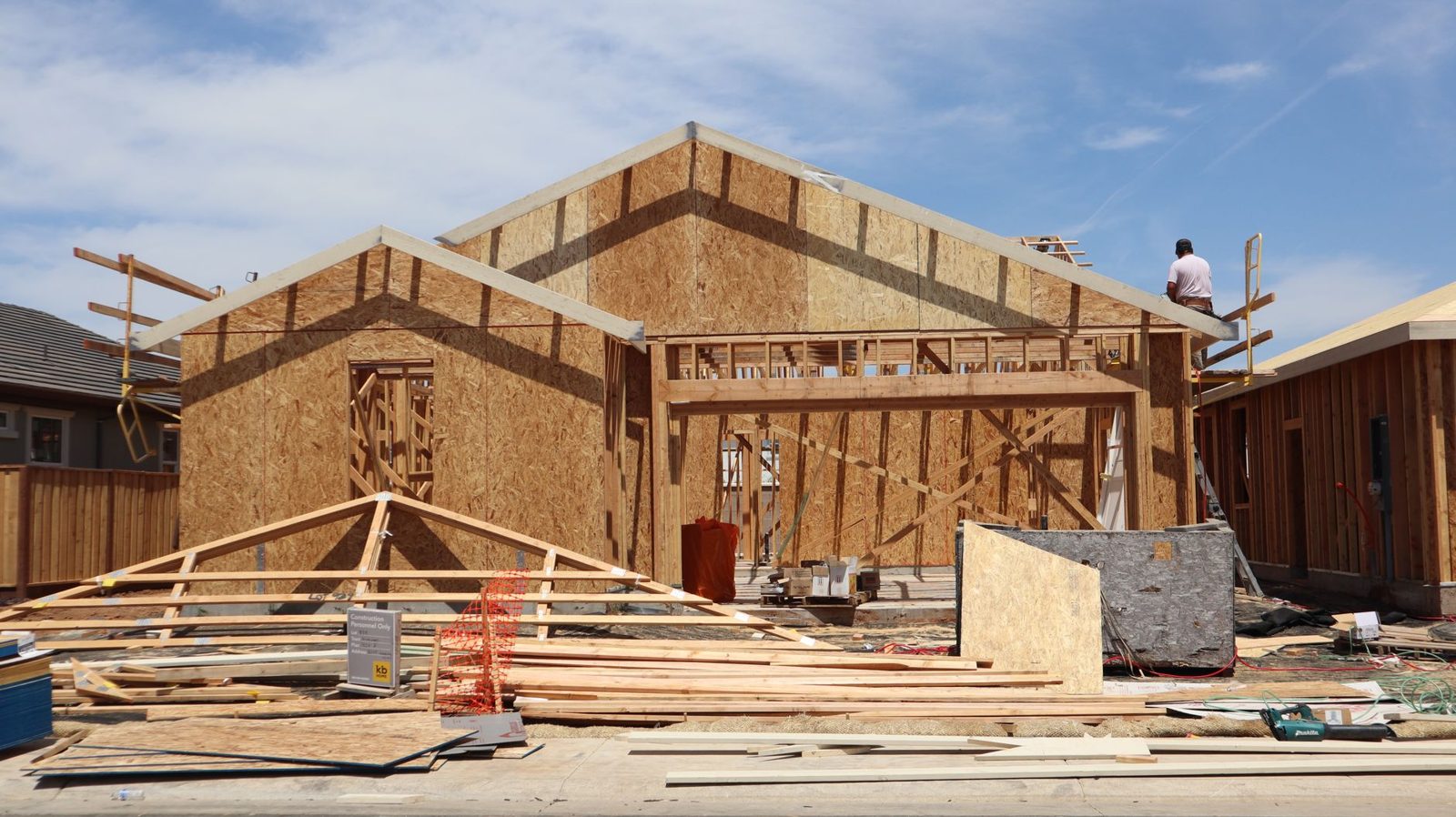
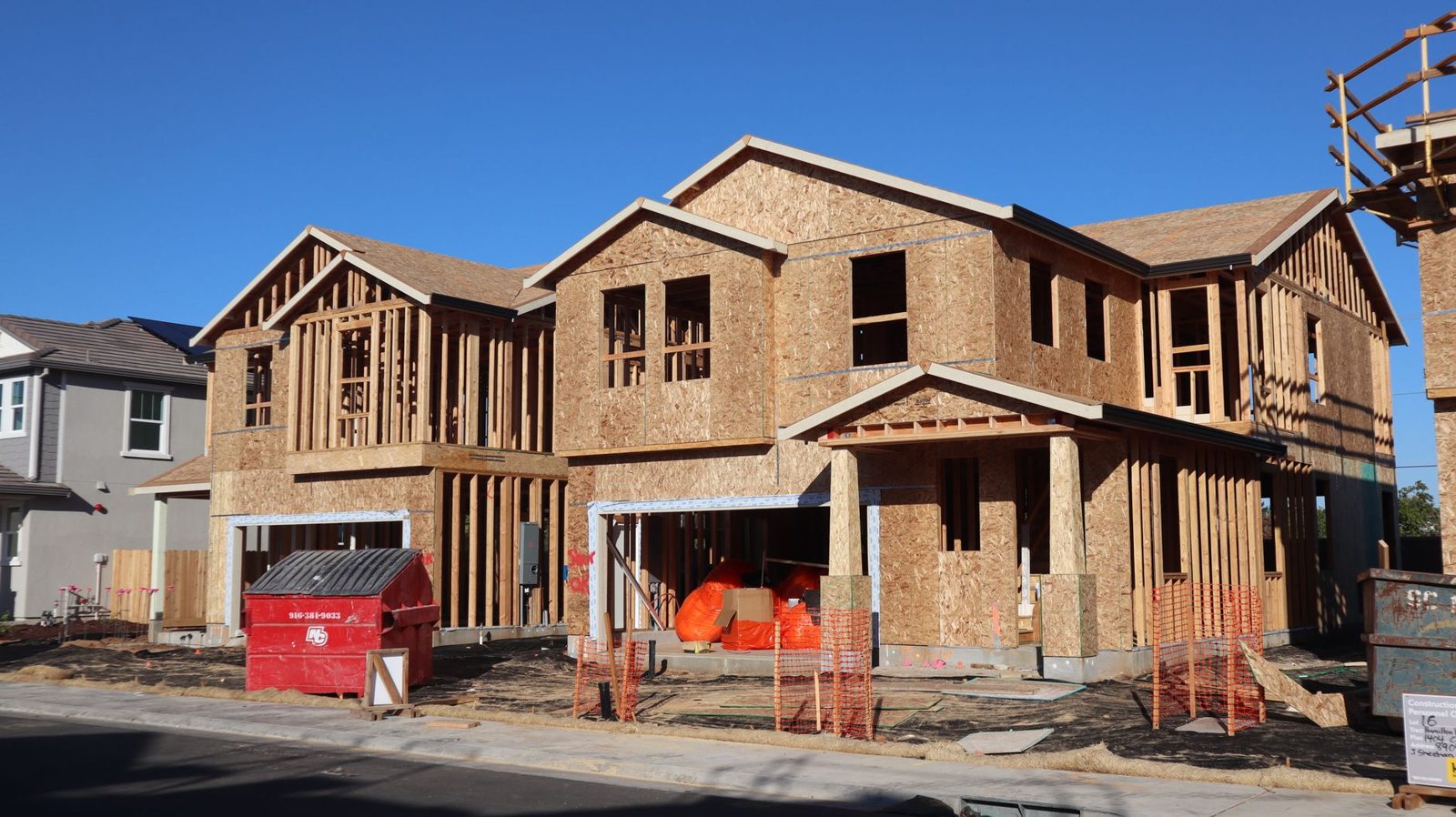
A builder rebuilding one house has a simple restroom problem. A builder rebuilding twenty houses across Altadena has a logistics problem. The lots are scattered, each one is at a different stage and none of them has plumbing yet.
Start with a map. Mark every active lot and group the ones within a short walk of each other. Clusters of two or three lots can share a 2-Station unit, which cuts the number of trailers you need without making anyone walk far.
Match units to the building stage. Grading and foundation crews are small, so one unit per cluster is plenty. Framing and finish crews are larger, and a cluster in that stage may need its own unit. Plan the moves ahead so a unit follows the busy work.
Keep one service route. When every unit sits on one weekly route, you get one report and one invoice. Our techs can also flag lots where a unit sees more use than expected, so you can adjust before a tank fills early.
Think about the neighbors. Families are moving back onto these streets, and many of them lost everything. A tidy trailer set away from front walks sends a better message than a line of booths at the curb.
Plan for the long haul. The federal disaster declaration came on January 8, 2025, and rebuilding will run for years. A contract written for the full program saves you from renegotiating every quarter.
Sources: FEMA disaster declaration for the 2025 Los Angeles County wildfires
Getting a restroom trailer onto a Los Angeles film basecamp
Location shoots in Los Angeles run on permits, and restrooms have to fit inside that process. The time to plan a restroom trailer is when the permit is filed, not the morning of the shoot.
FilmLA administers film permits across the City of Los Angeles and much of the county. Neighborhood notification covers at least a 500-foot radius, and posted no-parking signs go up one to two days ahead. Once those signs are up, the basecamp footprint is set.
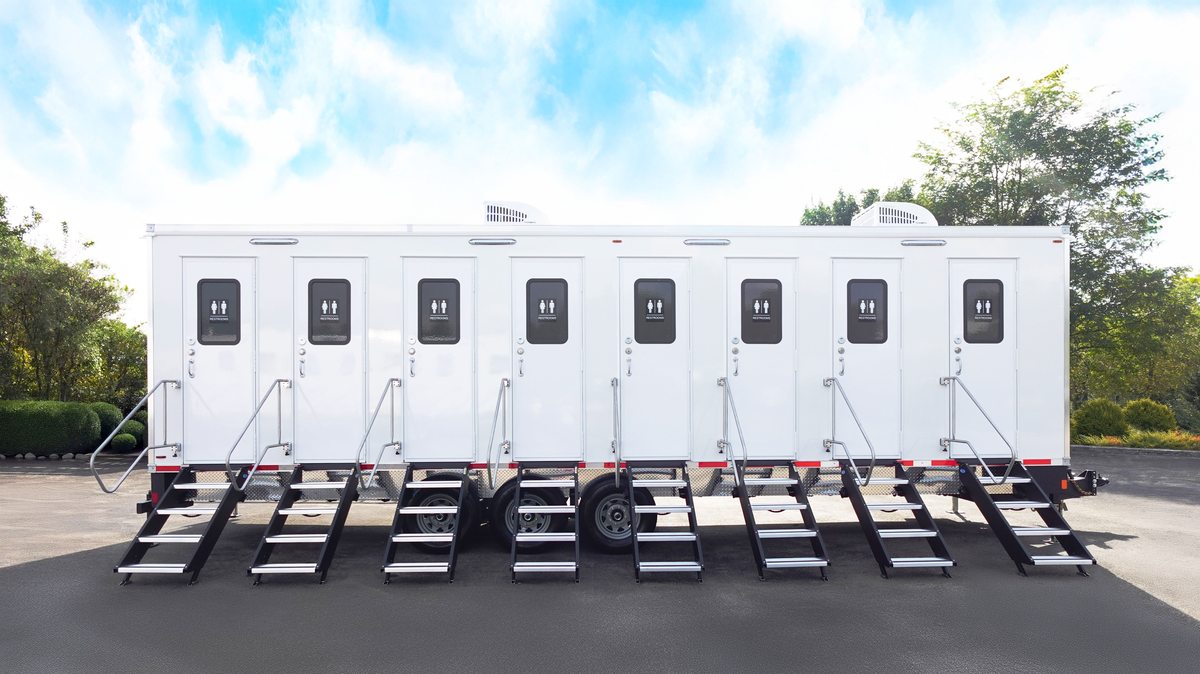
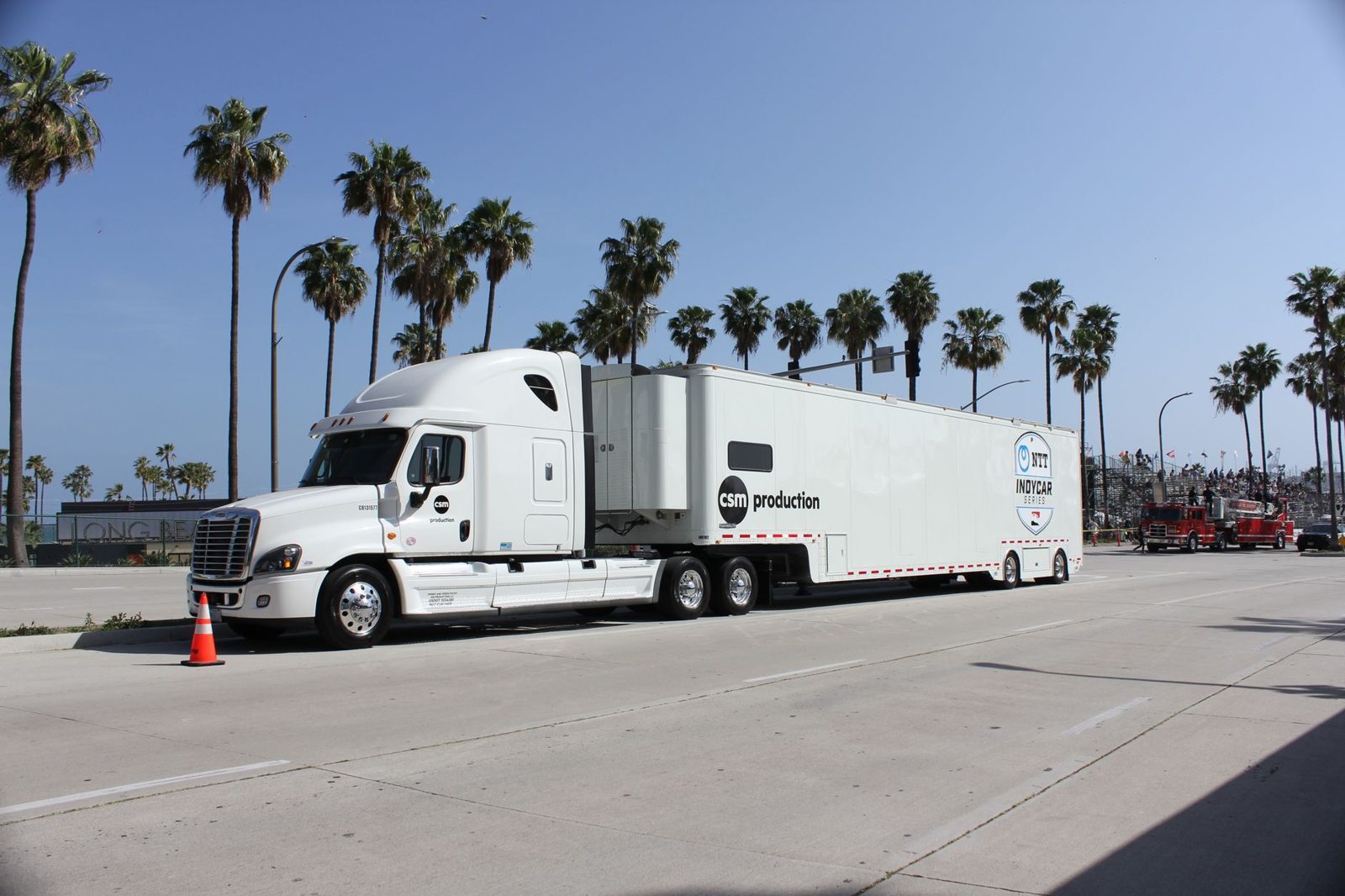
Put the trailer on the vehicle list with its length and width. A 2-Station unit fits a small basecamp. A larger cast and crew may need the 8-Station unit, which runs 35 feet long with the tongue. Knowing the size early helps the location manager place it.
The Los Angeles County Department of Public Health regulates mobile units that serve productions. A self-contained unit with fresh and waste tanks, serviced by a vendor with a record of pump-outs, is the kind of setup that fits that oversight.
Remote locations need extra thought. Canyon and high-desert shoots may be far from any restroom, and trucks may need a specific route in. Tell us the location and any road limits, and we'll confirm the unit can get there.
Plan the wrap too. Give us the strike time, and we'll pull the unit after the last truck leaves. The lot goes back to its owner clean.
Sources: Los Angeles County Department of Public Health, Environmental Health
Fixture counts and all-gender signs on large Los Angeles jobsites
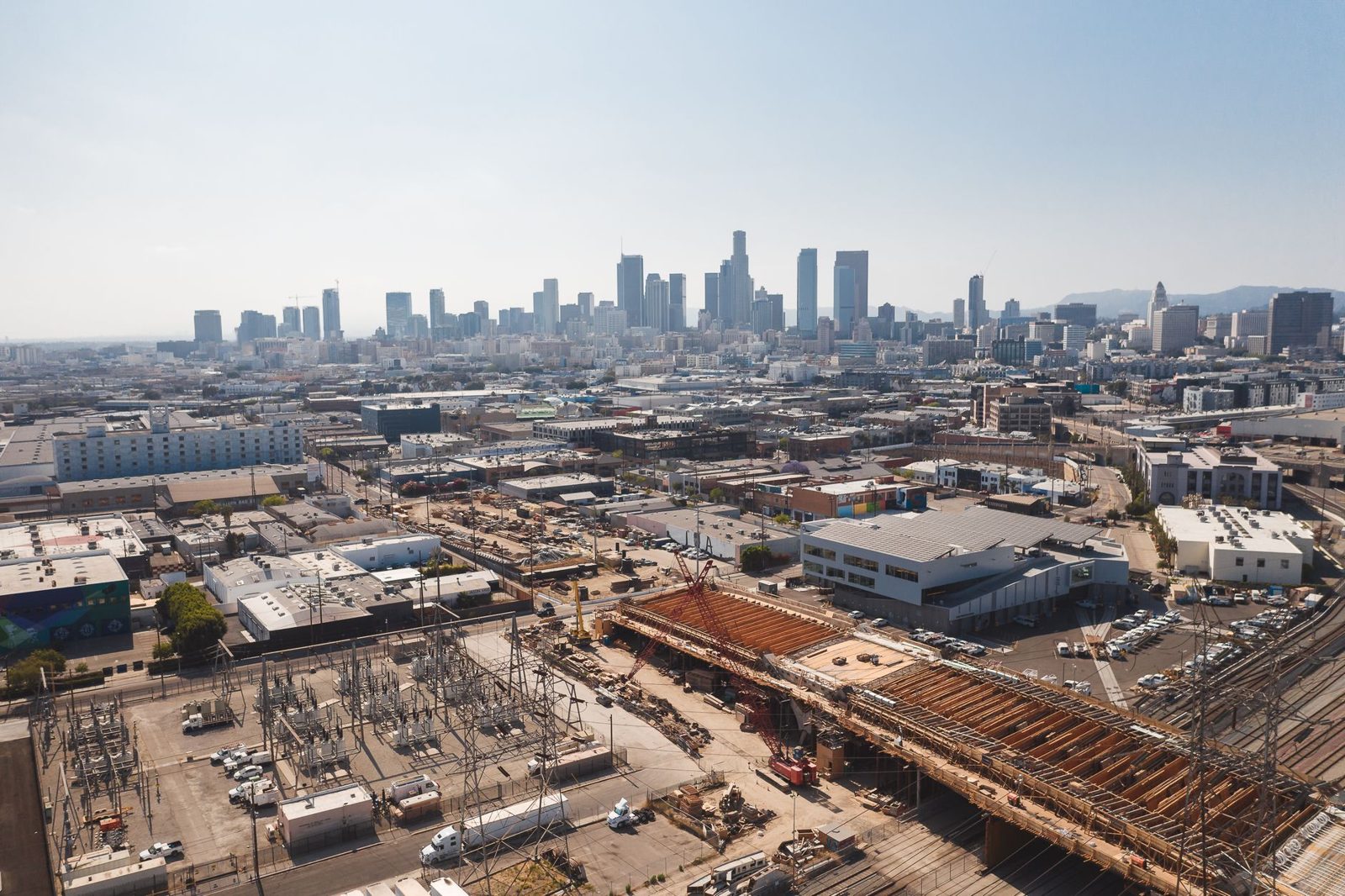
Big sites grow fast. A transit station or a convention center push can double its crew in a few weeks. Restroom counts have to keep up, and the rules on counting are worth a quick review before the peak arrives.
Cal/OSHA ties the number of toilets on a construction site to the number of workers. Use your peak crew for that count, not your average. A site sized for Monday's crew can fall short by Thursday.
Single-user toilets may be designated all-gender under Health and Safety Code Section 118600. Cal/OSHA's guidance says the total fixture count is still enforced. Changing a sign doesn't reduce the number of stations a site needs.
Our 8-Station unit helps here. Each stall is a private room with its own toilet, urinal and sink, so every stall can serve anyone. That makes all-gender signage simple, and it avoids a line at one door while another sits empty.
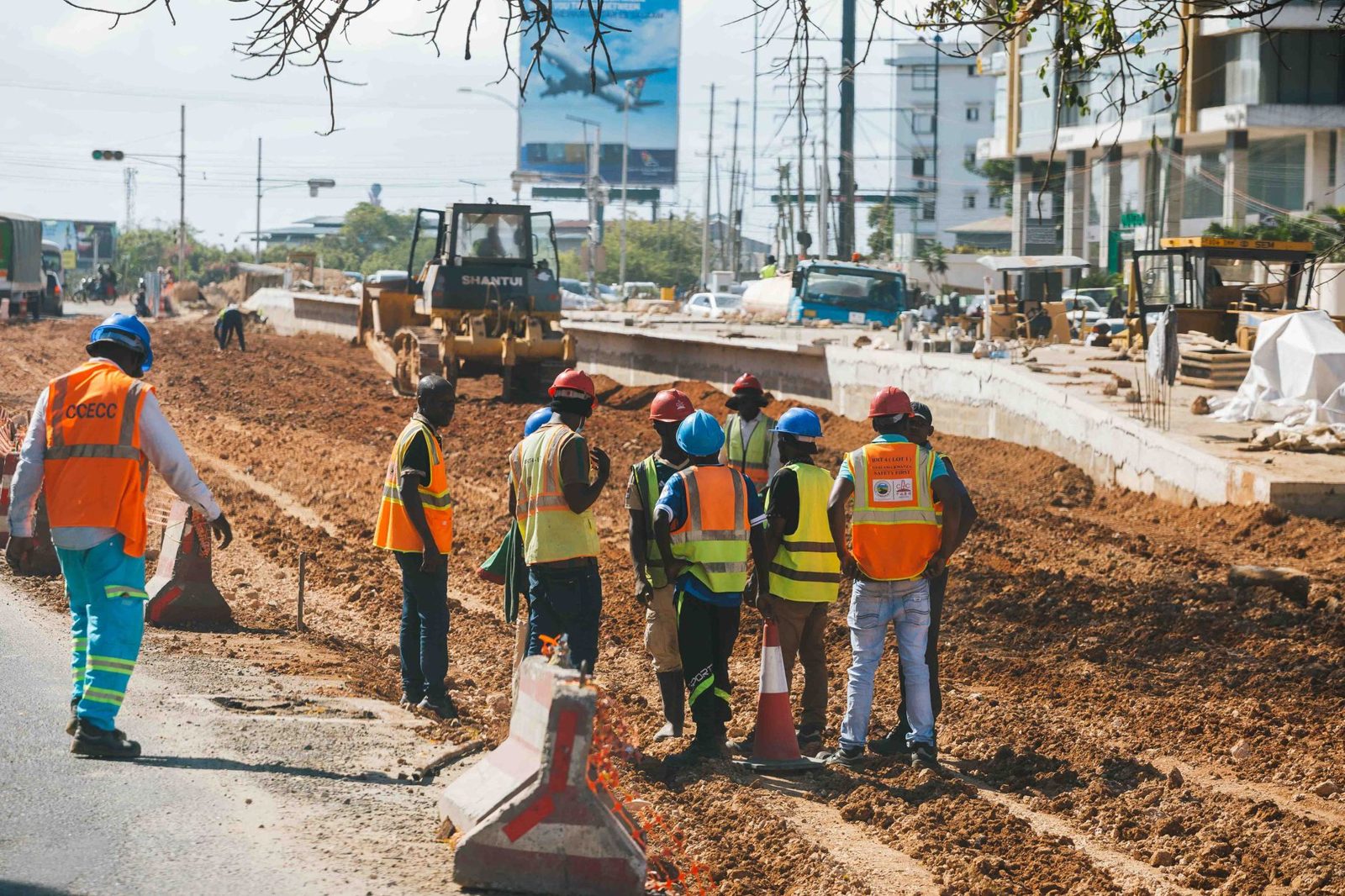
Placement matters on a dense site. Put units close to where the work is, since a long walk to the restroom costs time on every break. On a tall building, that may mean units at two gates instead of one.
Review the count at each phase. When a new trade comes on, send us the new head count, and we'll add or swap units before the crew arrives.
Sources: Cal/OSHA toilet facilities FAQ
When the tap water is off: self-contained restrooms after a fire
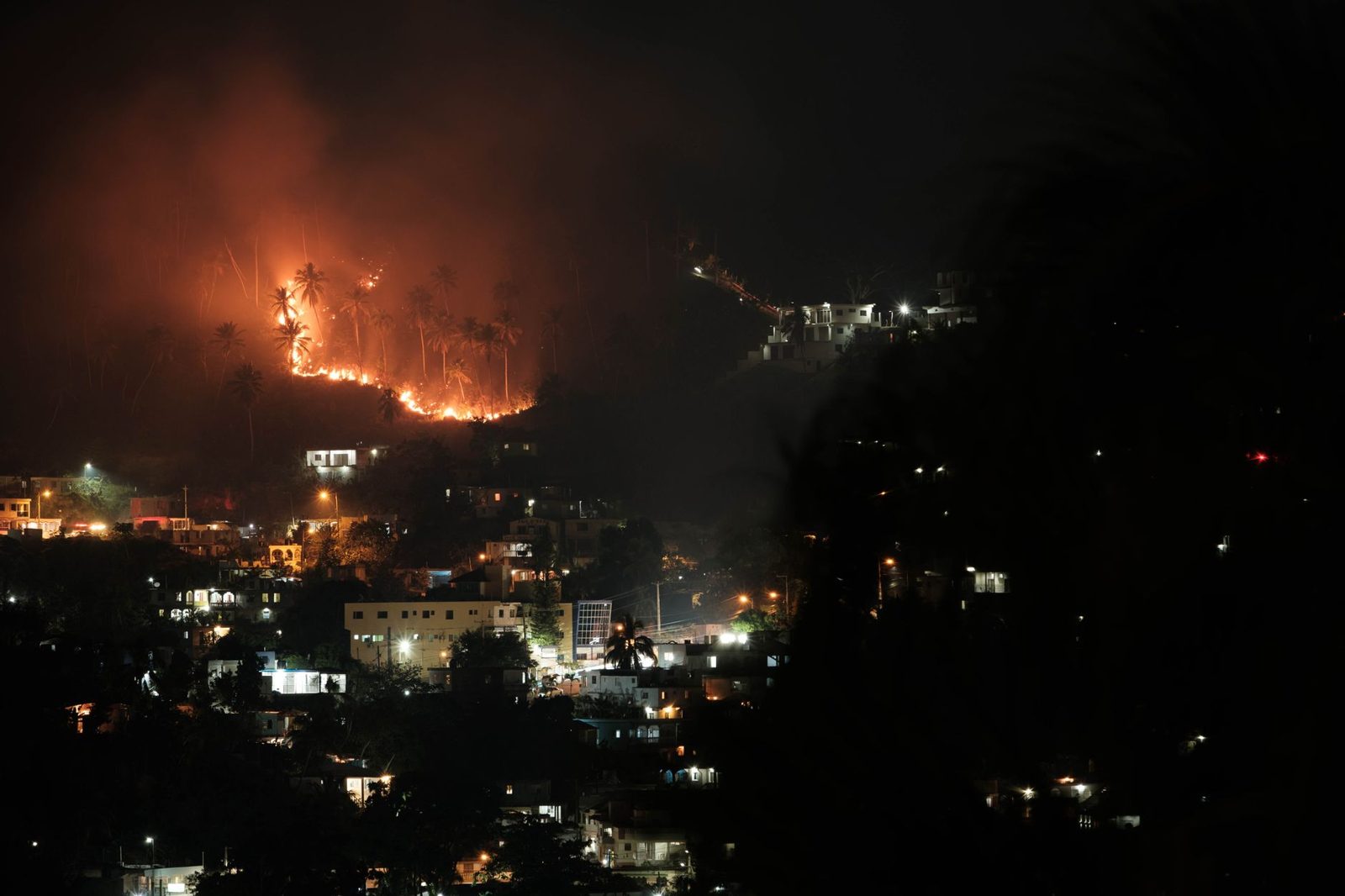
Fire does damage below ground as well as above it. On January 8, 2025, the Los Angeles Department of Water and Power issued a boil-water notice for Pacific Palisades after firefighting drew down water pressure. Burned neighborhoods can go weeks with water that isn't safe to use.
That affects restrooms directly. A restroom that depends on the local water system can't be trusted when the system is under a notice. A self-contained trailer carries its own fresh water, so it keeps working while the utility makes repairs.
Check the waste side too. Damaged sewer lines and debris can make local connections risky. Our units hold waste in their own tanks, and our crews pump them on a schedule. Nothing goes into a damaged line.
Plan fresh water for handwashing. The 8-Station unit carries 400 gallons, and our techs refill tanks on service visits. On busy sites, we can add visits so the sinks never run dry.
Watch for the notice to lift. Once the utility clears the water, a unit near a working connection can switch to it. Until then, keep everything on the unit's own tanks.
Emergency guidance from federal agencies covers drinking water after a disaster. The same caution applies to restrooms and handwashing on a recovery site.
Sources: U.S. EPA drinking water guidance
Keeping LAUSD campuses open during bond-funded construction
Los Angeles Unified passed the largest local school bond in California's record November 2024 cycle. Statewide, 205 of the 267 local bond measures on that ballot passed. That means campus construction across the district for the next few years, often while students are still on site.
The hardest part is the restroom wing. When a remodel closes a set of restrooms, the campus still needs enough fixtures for students and staff. A trailer placed near the closed wing keeps the school open without crowding the restrooms that remain.
Choose the right unit. An ADA +6 trailer covers accessible needs and adds six standard stations. For a large high school, an 8-Station unit may join it. Tell us the enrollment and how many restrooms are closing.
Keep service away from students. We schedule deliveries and pump-outs before school, after school or on weekends. No service truck needs to cross a campus during passing periods.
Think about supervision. Place units where staff can see the door, such as near a main office or a lunch area, and lock them after hours. Some campuses assign a staff member to check the unit during lunch.
Plan for summer. Many projects push hardest in June and July, then slow when school starts. We can swap unit sizes between summer and fall, so the campus pays for what it uses.