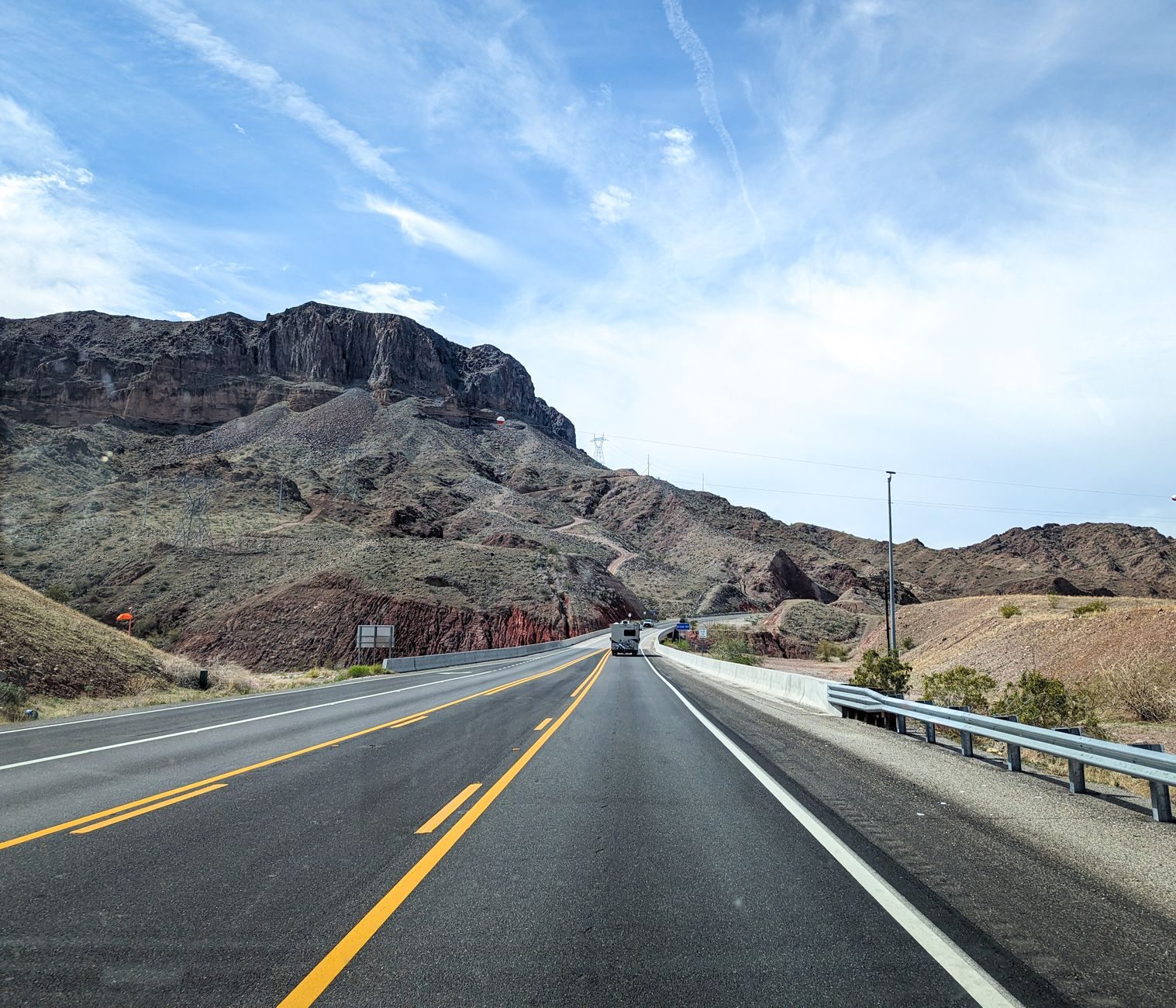
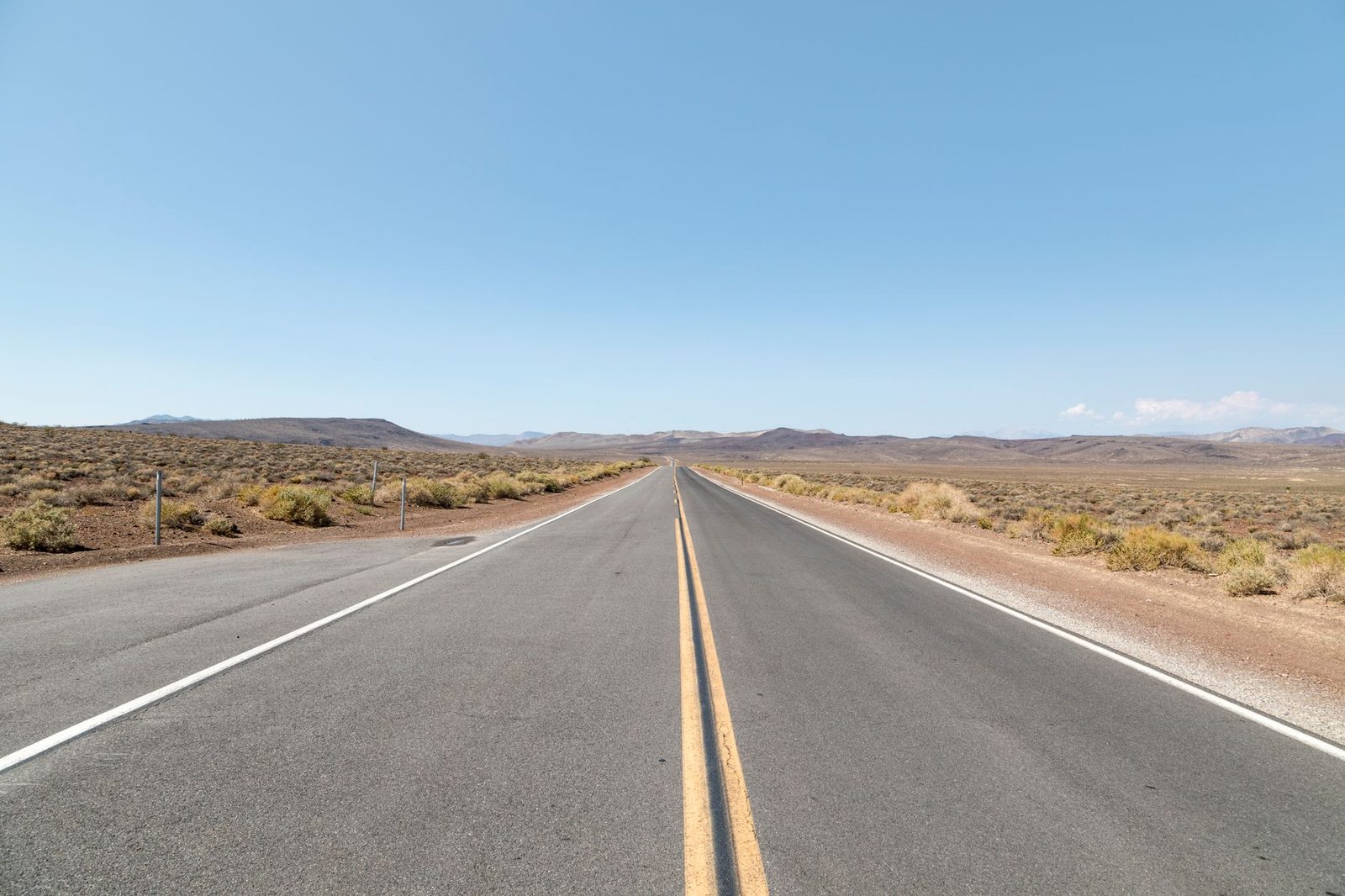
A divided desert highway winding through dry, rocky Mojave mountains under a hot summer sky
Nevada

Cold Water Station Rentals in Nevada

Mavirus Group rents chilled, filtered water station trailers to Nevada agencies, public works departments and the contractors who build for them. We deliver our Signature Series trailer, set it level, fill it with cold drinking water and come back on a schedule to keep it full. That covers a freeway work zone in the Las Vegas Valley or a data center pad east of Sparks. Call now or request a quote, and we will size the water plan to your crew.

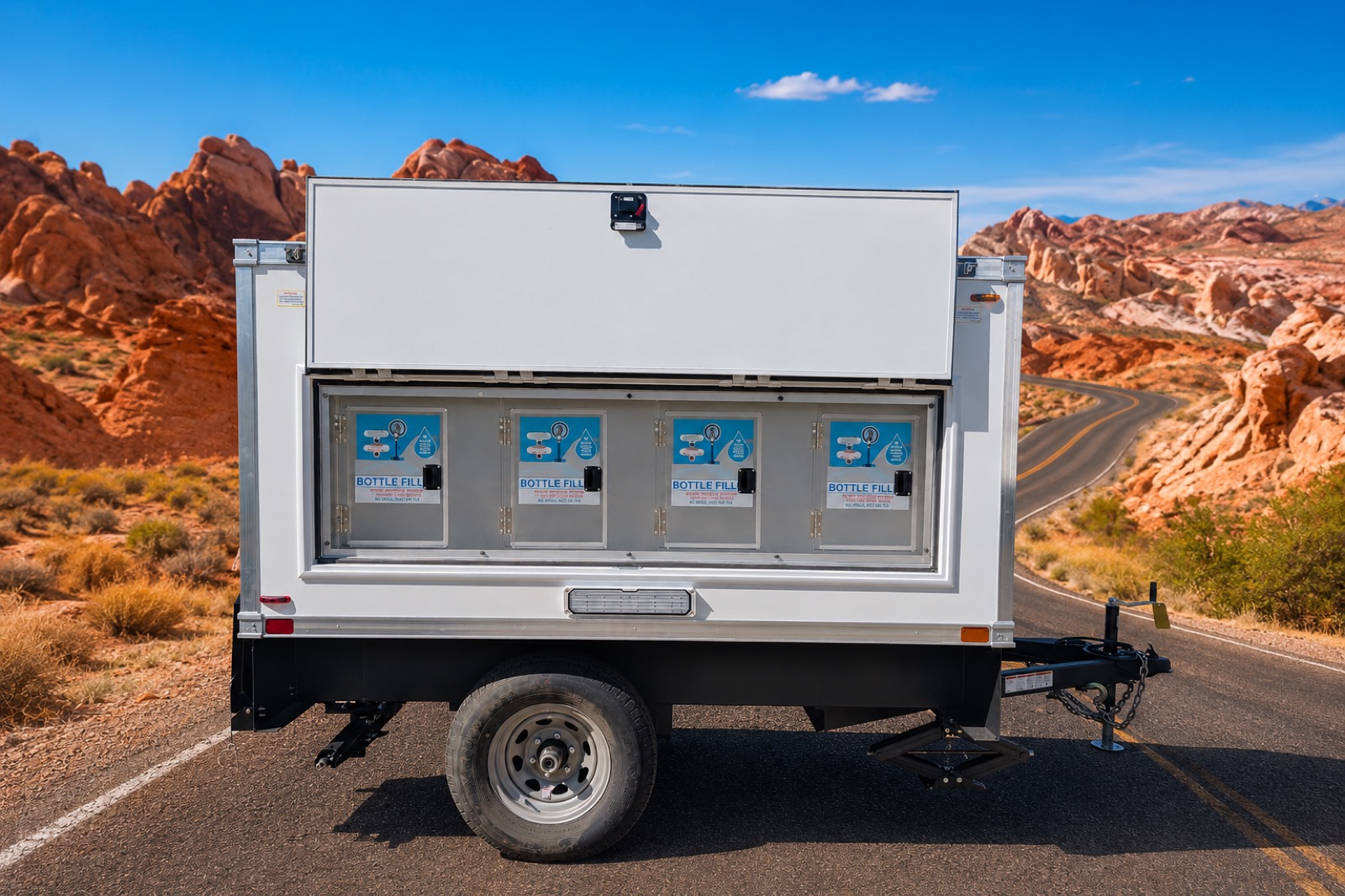
Our Signature Series water station trailer with four bottle-fill stations, ready for Nevada delivery
Nationwide water station trailer rentals, built for rapid deployment All 50 States 24/7 Dispatch ★★★★★ 5.0
MDLKR
Trusted by construction contractors, government agencies, school districts, and disaster response teams nationwide.
SAM.gov registered federal contractor FEMA disaster support Cal Fire registered

Call now or request a quote. Our dispatch team answers 24/7, including emergencies.

Nevada Agency Water

Water station trailers for Nevada agencies and public works crews

Summer in the Mojave is hard on a crew. Mavirus Group builds every Nevada water plan around that: we size the number of bottle-fill stations to your head count, keep the water chilled, and show up on a set fill schedule so the tank never runs dry in the middle of a shift. We are a SAM.gov registered federal contractor and a Cal Fire registered provider, and we supported FEMA during the Hurricane Helene recovery. Agency paperwork does not slow down delivery. Our own crews deliver and service our own fleet, the same way we handle chilled water station trailer rentals nationwide for agencies and large contractors. Call us today or request a quote, and we will confirm your dates and a delivery window.

24/7dispatch and emergency line
SAM.govregistered federal contractor
FEMAdisaster support on Hurricane Helene
A+ BBBlicensed and insured
Reviews

What customers say

M
Marcus T.public works superintendent, Las Vegas Valley road crew
★★★★★

We had a night paving crew going through water faster than we could buy it. Two trailers, fills timed before the shift, and the problem was gone the first week. They moved a unit twice when our zone shifted and never made it a big deal.

D
Denise R.county emergency manager, northern Nevada
★★★★★

We opened a shelter after an evacuation and they had a trailer on site the same day, and it stayed full the whole time we were open. Easy people to work with on a bad week.

L
Luis A.site superintendent, data center build east of Sparks
★★★★★

Big site, lots of trades spread out. They staged units close to each work area so nobody was hiking across the pad for water, and the fill log was ready every time our safety guy asked for it.

Our Signature Series Trailer

The Signature Series water station trailer we deliver across Nevada

Our Signature Series water station trailer with four bottle-fill stations, ready for Nevada delivery
The Signature Series water station trailer, set up and ready for a Nevada job site

Our Signature Series water station trailer is a towable unit with a large tank, a cooling unit, a filter and a row of bottle-fill stations along one side. The tank holds hundreds of gallons of cold, filtered drinking water. Several people can fill a bottle or a jug at the same time, so a shift break does not turn into a long line.

It asks very little of your site. We can tie it to a hose connection or run it from its own tank that we top off by truck, and the cooling unit draws power from the site or from a generator we bring. That makes it a fit for a paved lot in Henderson or a gravel pad off US 50. Lowered stations at ADA height come standard.

Everything that touches the water is food grade. We fill only from potable sources, clean the unit between rentals, and keep a service log with the trailer so anyone on your side can see when it was last filled and cleaned. Delivery, setup, scheduled fills, cleaning and pickup are part of the rental, not extras you find on the invoice later. Call with your dates and site, or get a quote online. In Nevada we run the same trailer in Mojave heat and high desert cold, and we plan the fill schedule for each.

Who We Serve in Nevada

Portable water stations for Nevada agencies, builders and bases

Nevada water jobs usually fall into three groups, and public agencies with crews doing public works come first. Then the big private builds, the data center campuses and the mines. Then military ranges and bases, where the nearest tap can be an hour away. Each one asks something different of a water station.

Agencies and Public Works

Chilled water stations for NDOT corridors, county crews and state agencies

Road crews work where the heat is worst, on fresh asphalt with no shade for a mile. In the Las Vegas Valley, the I-11 SafeTech Corridor Project is adding seven traffic gantries and twelve wrong-way driver alert systems at six interchanges. That work covers about five miles of I-11 and US 95 between Summerlin Parkway and the Spaghetti Bowl interchange, and it is scheduled in phases that keep crews on the corridor through 2027. A job like that moves, so we place the trailer where the crew stages, not where it is easy for our truck, and we move it when the work zone shifts.

County and city crews have the same problem on a smaller scale. Nevada has roughly 600 public water systems, and a lot of the small rural ones are old. When a line breaks or a system goes under a boil-water order, the repair crew still needs clean water to drink, and so does the building that lost its tap. A filtered, chilled trailer covers both. Pair it with Nevada portable restroom trailer rentals and a remote pump station or tank site has what a crew needs for the length of the repair.

State and federal agencies send a lot of crews into the field in Nevada. The Nevada Division of Forestry, the Division of Emergency Management and the six BLM district offices in Elko, Winnemucca, Carson City, Ely, Las Vegas and Battle Mountain all send people into the field, far from town. Those crews need a vendor who shows up on the date promised. For long agency assignments we also bring nationwide laundry trailer rentals for crew camps.

Sizing is where most agency jobs go wrong. Someone orders one unit for a crew of eighty. By early afternoon the tank is low and a foreman is burning an hour of his day driving to a gas station for cases of bottled water. We ask about head count, shift length and how far the site is from our fill source before we quote. Then we set the fill schedule for the hottest week of the job, not the average one.

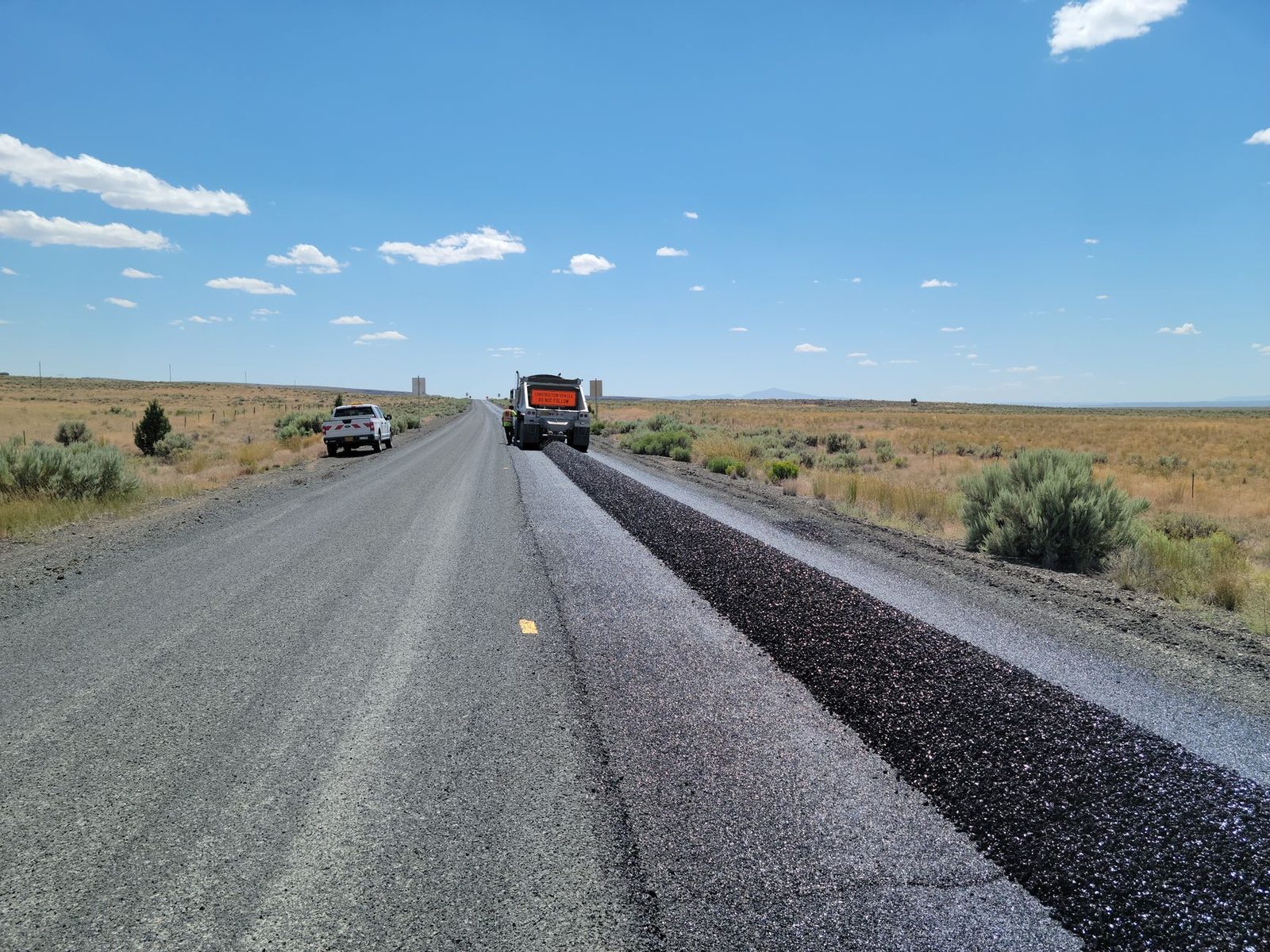
A highway road crew paving a desert freeway work zone in summer heat near Las Vegas
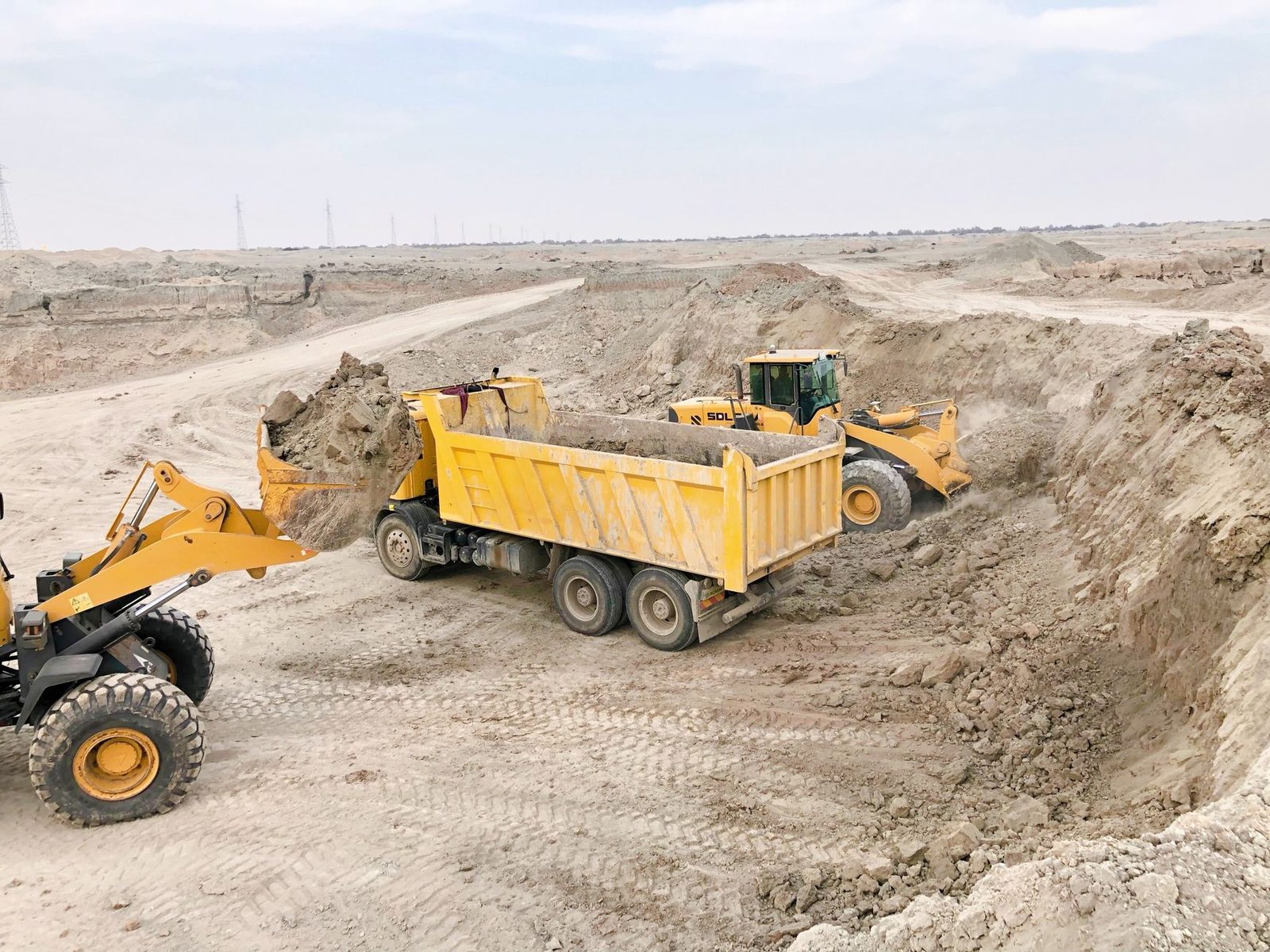
A wheel loader filling a dump truck during earthwork on a large, dusty construction site
Data Centers and Mines

Temporary water stations for TRIC data center builds and Carlin Trend mines

The Tahoe Reno Industrial Center in Storey County is the busiest construction zone in the state. Switch, Google and Tesla are there, and new campuses keep breaking ground. Fleet Data Centers alone is building two campuses, South Valley and Peru Ridge, each covering about 769 acres and together expected to peak at 1,000 to 1,500 trades workers. The site is far enough from town that even the power had to come from a temporary plant while the grid caught up.

A single chilled trailer will not cover a site this size. We stage several water station trailers across a big campus, close to where each trade is working, so an electrician on the far pad is not walking ten minutes for a drink. On a campus build we set the schedule by phase. Earthwork crews in July need more water, and more stops from our truck, than a crew hanging drywall in March.

Mining is the other big draw up north. The Carlin Trend runs through Elko and Eureka Counties, with large gold complexes at Cortez, Carlin, Turquoise Ridge and Long Canyon. The Thacker Pass lithium project is under construction in Humboldt County, with housing going up in Winnemucca for close to 2,000 construction workers. Mine sites keep their own safety programs under federal MSHA rules, but the contractors building roads, pads and plants around them still need a steady water source on the ground.

Nobody running a multi-year build wants to break in a new vendor every quarter, re-badge a new set of drivers and explain the site all over again. We keep the same temporary water stations on site, keep the fill log, and add units when headcount climbs. For crews who sleep on site, we also handle nationwide bunkhouse trailer rentals for remote crews, so housing and water come from one call.

Military Ranges and Bases

Mobile water stations for Nellis, Fallon and remote Nevada ranges

Some of the busiest military training ground in the country sits in Nevada. Nellis Air Force Base runs the Red Flag exercises. Creech Air Force Base is the center for MQ-9 Reaper operations. Naval Air Station Fallon is home to the Navy's TOPGUN course, and Hawthorne Army Depot in Mineral County is described as the largest ammunition storage depot in the world.

The ranges are huge. The Nevada Test and Training Range covers about 4,531 square miles across Nye, Lincoln and Clark Counties. Out there, there is no city tap and no store. Whatever water a range support crew or a construction contractor drinks has to be brought in and kept full.

Fallon is in the middle of a range upgrade, and Hawthorne is building a new small-arms training range, both funded through the 2025 defense authorization. That means construction crews and training units share the same remote ground for years. A mobile water station at a range work site covers both, and we set fill visits around range access windows.

Base work needs a vendor who plans for the gate. We sort out gate checks, escorts and delivery windows before the truck leaves the yard, and when a training rotation or a contractor camp needs more than water, we bring mobile shower trailer rentals in Nevada to the same site on the same order.

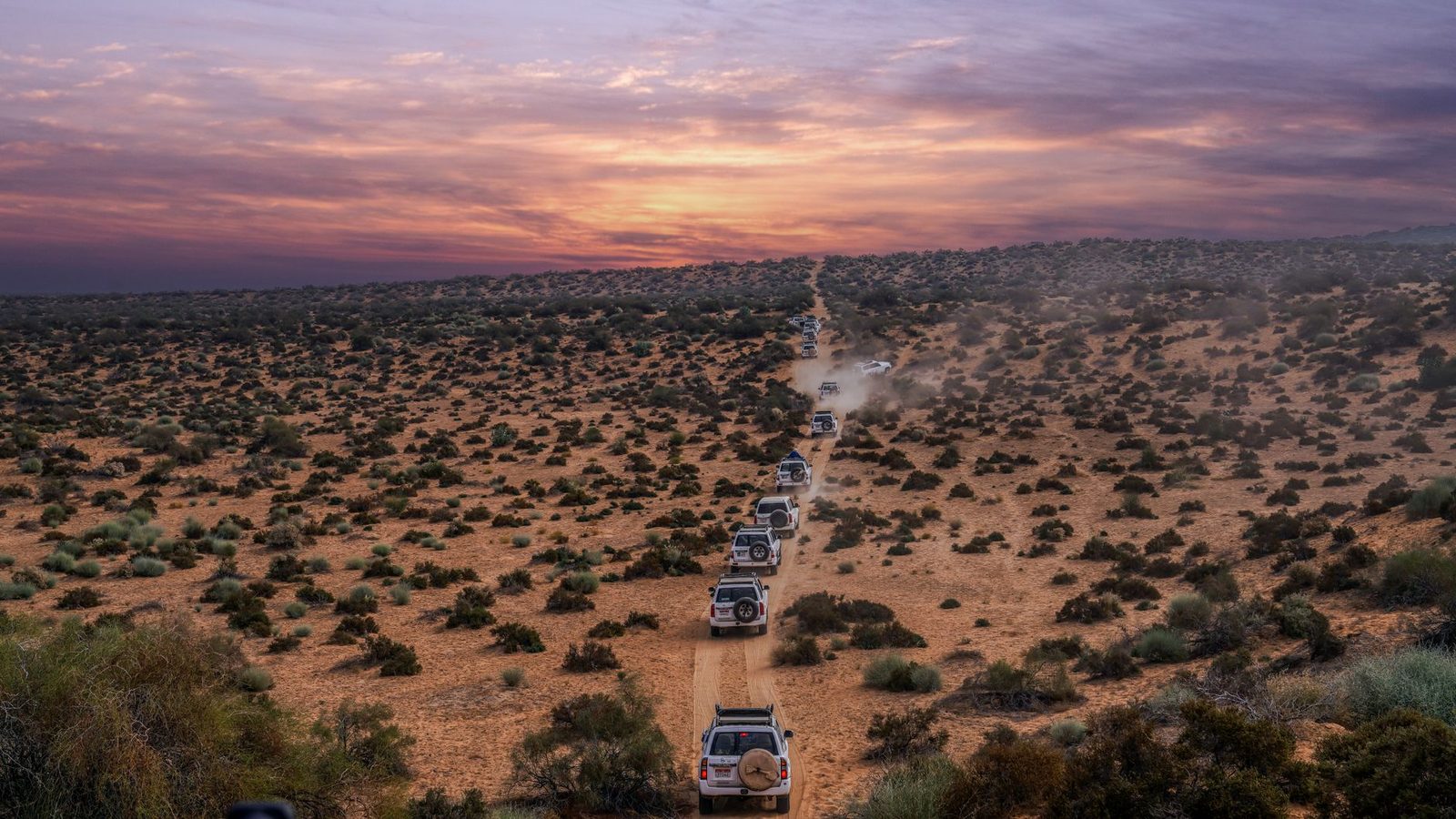
A line of vehicles driving a dirt road across open desert scrub at dusk
More Nevada Uses

Other places our drinking water stations work in Nevada

Fire camps on BLM ground

Nevada fire camps often sit on remote BLM land with no town water anywhere nearby, so we stage a chilled trailer at camp and keep it full for as long as the incident runs, day and night.

Washoe and Clark County school campuses

Washoe County School District opened Stead Elementary and Vaughn Middle School for 2026-27, with Smithridge Elementary and the Libby Booth rebuild next. Clark County keeps adding elementary schools too. When fountains go offline during phased work, a filtered trailer covers students, staff and crews.

Solar fields near Boulder City

Utility solar is hot, slow work. The Copper Mountain Solar Facility grew in five phases, and one phase alone put more than 350 workers on the ground setting panels by hand. We place water where the rows are going in.

Shelters after a state activation

When the Nevada Emergency Operations Center opens shelters after an evacuation, the site needs safe drinking water for as long as residents stay. We deliver, fill and service a trailer on the shelter's own timeline.

Warehouse and plant shutdowns

Distribution centers in the Las Vegas and Reno-Sparks corridors schedule shutdowns and renovation work in summer. A trailer covers the crew for the days or weeks while the building's own water is shut off.

The occasional large event

We do take the odd large outdoor event, a fair or a race in the valley. It is a small part of our work, but the same trailer and the same fill plan apply.

Service Area

Water station trailer rentals from Las Vegas to Elko

We deliver chilled water station trailers anywhere in Nevada, from the Las Vegas Valley to the Idaho line, and across all 50 states with rapid deployment when a job or an emergency calls for it. Remote sites are normal for us. Many of those jobs also pair water with freezer trailer rentals in Nevada for camp kitchens. Give us the address or a GPS pin and we will plan the route, the timing and the fill schedule.

Las VegasHendersonNorth Las VegasBoulder CityLaughlinMesquitePahrumpBeattyTonopahHawthorneFallonFernleyRenoSparksCarson CityMindenGardnervilleStatelineLovelockWinnemuccaBattle MountainElkoSpring CreekWellsElyEureka
Service area: Nevada
Around the Region

Regions of Nevada where we stage water station trailers

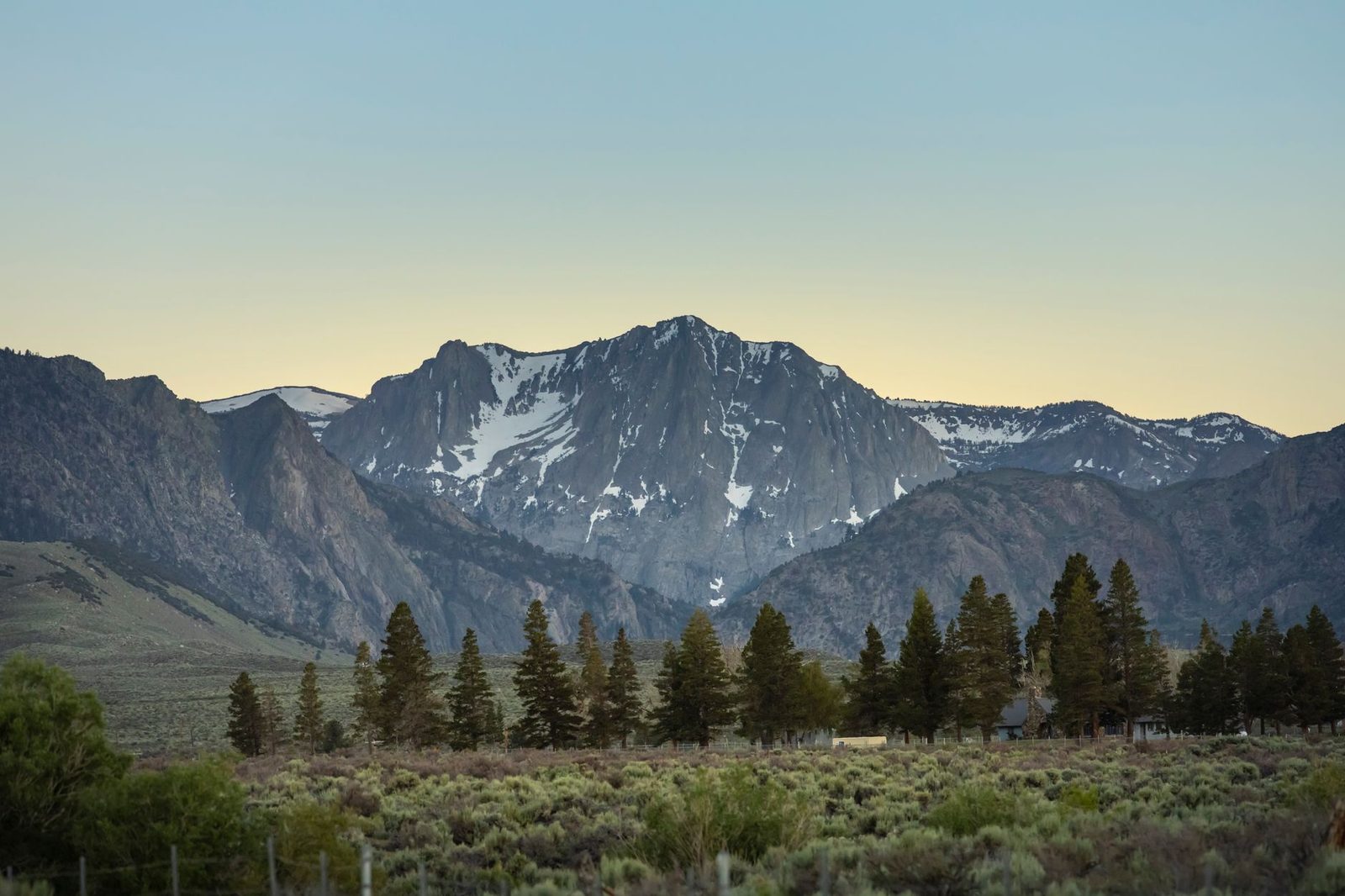
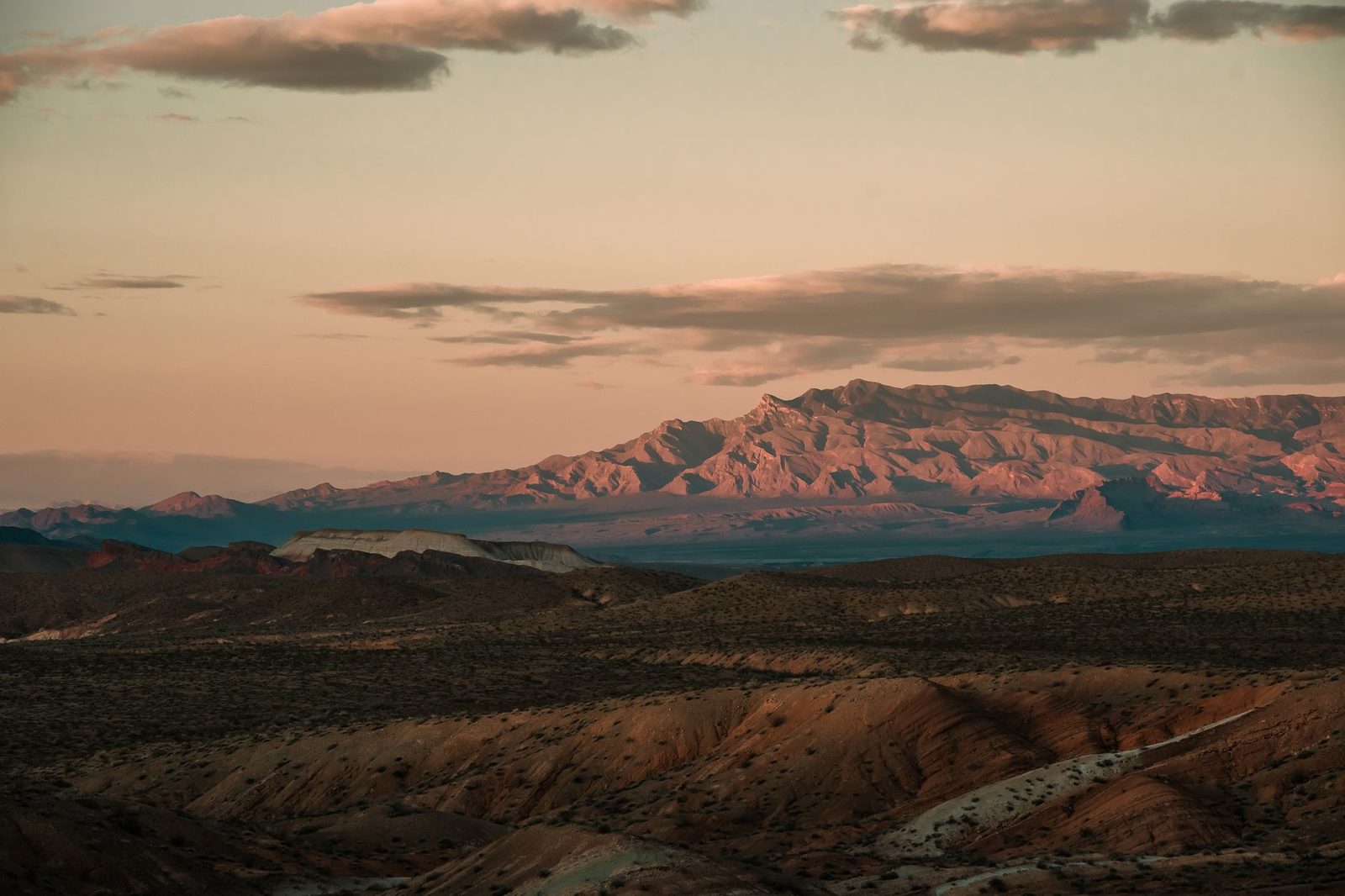
The Las Vegas Valley and its desert mountains at sunrise

Las Vegas Valley and Boulder City

Freeway work, school builds and solar fields near Boulder City all happen in the hottest part of the state, and we deliver to Las Vegas, Henderson and North Las Vegas, and out toward Laughlin and Mesquite.

High desert hills along USA Parkway east of Sparks, Nevada

Reno, Sparks and Storey County

The data center campuses along USA Parkway keep big crews outdoors for years. We cover Reno, Sparks, Fernley and the whole Storey County industrial corridor.

Carson Valley ranch land with the Sierra Nevada behind it

Carson City and Douglas County

The Carson Valley and the Tahoe side of the state see frequent wildfire declarations and shelter openings. We serve Carson City, Minden, Gardnerville and Stateline, with chains on the truck in winter.

The Ruby Mountains above the high desert near Elko, Nevada

Elko County and the Carlin Trend

Gold mines, long fire assignments and hard winters meet here. We run water to Elko, Spring Creek, Carlin and Wells, and to mine and camp sites well off the pavement.

An open desert valley and mountain range near Fallon, Nevada

Fallon, Hawthorne and the I-80 towns

Naval Air Station Fallon and Hawthorne Army Depot both have active building and training. We serve Fallon, Hawthorne, Lovelock and Winnemucca along I-80 and US 95.

A wide desert basin and two-lane highway near Tonopah, Nevada

Nye County, Pahrump and Tonopah

South-central Nevada is range country, with long drives between towns, and we reach Pahrump, Beatty and Tonopah and plan every fill run around the distance.

Simple Process

How renting a water station trailer in Nevada works

1

Call or request a quote

Tell us the dates, the site, and what you need. Our dispatch line answers 24/7, including emergencies.

2

We size the unit and confirm

We match the right water station trailer to the job and hold delivery on your schedule.

3

Our crew delivers and sets up

We deliver, level, and connect the trailer on site, ready to use the same day.

4

We keep it running

Our own crews refill and sanitize the station on a set schedule, then pick up when the job ends.

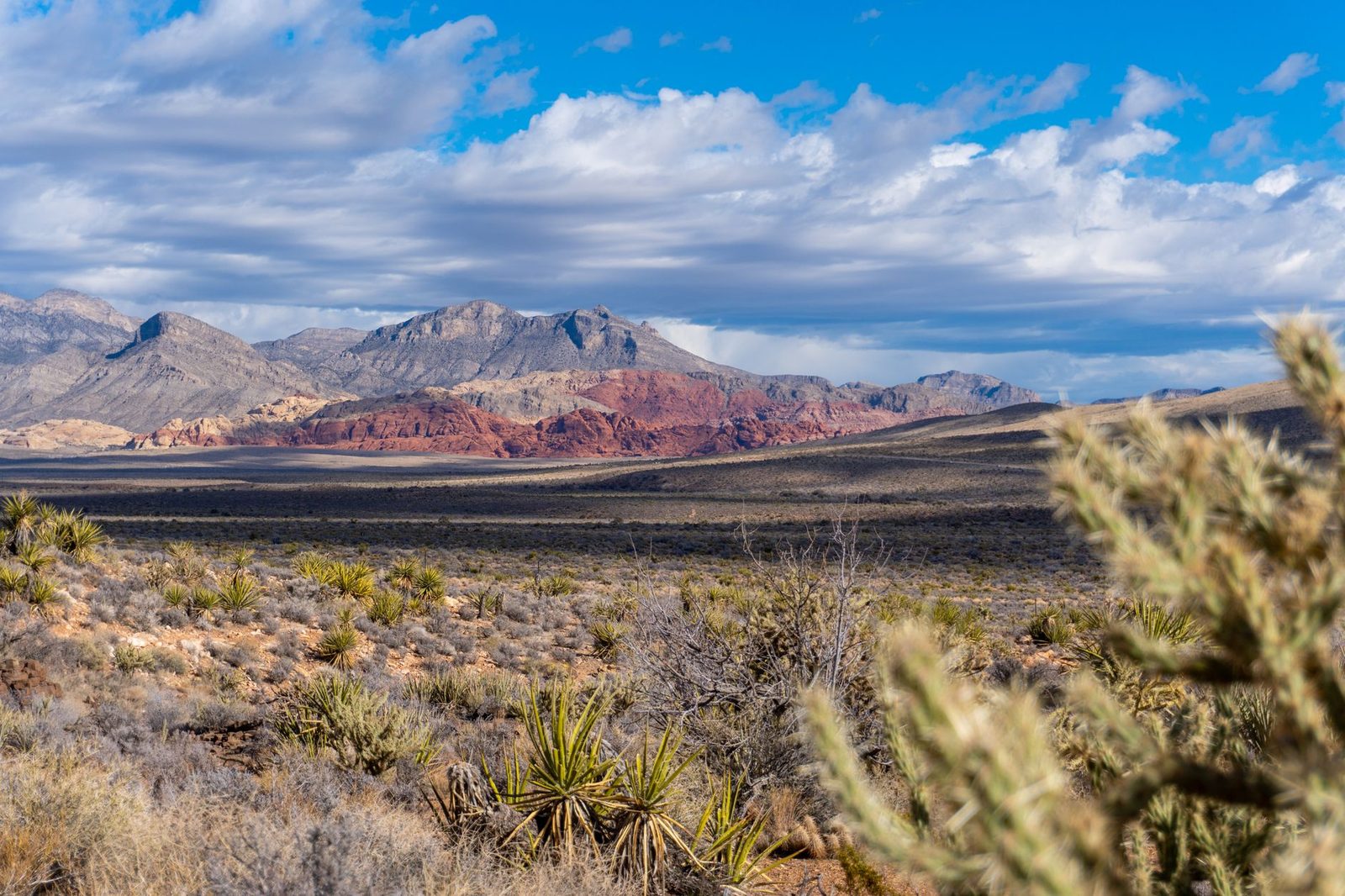
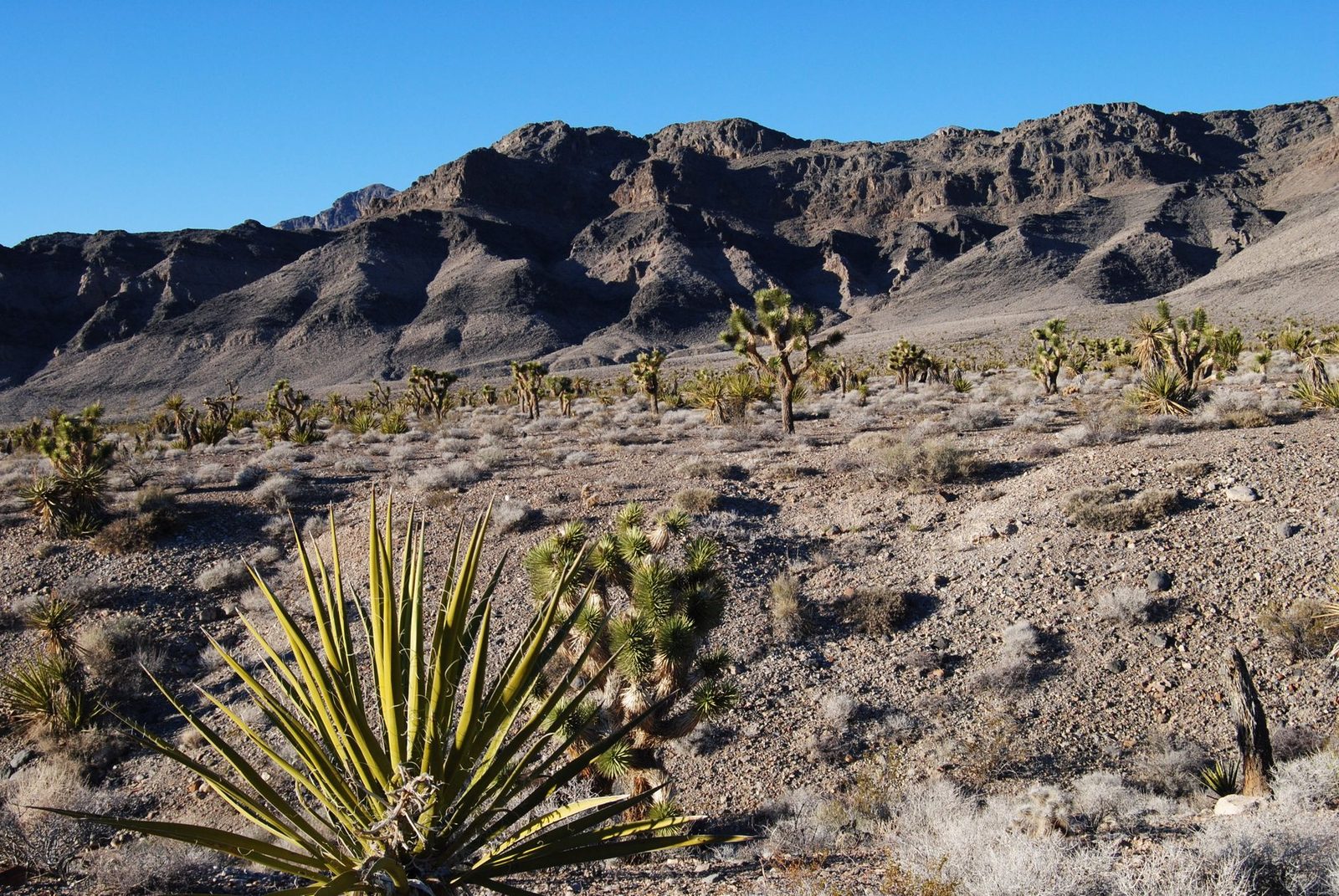
Joshua trees and yucca on a dry Mojave Desert slope below bare mountains
Heat and Cold

Water station trailers for Mojave heat and high desert freezes

Southern Nevada summer heat is dangerous for outdoor crews. The Clark County coroner reported 279 heat-related deaths in 2025. By the end of July 2026 the count for the year was already 46, and in early September the county reopened cooling stations after a late excessive heat warning. Summer highs in the Las Vegas Valley regularly pass 110 degrees in July and August. Local health officials list hard physical work, too little water and too little time to adjust to the heat as risk factors. Outdoor crews face all of them.

The north is different. Reno sits around 4,500 feet, Elko around 5,000 and Ely around 6,400. Summers there still run into the 90s and 100s for weeks. Hard freezes are normal from about November through March, though, so a fire camp held into late fall, or a data center build through a Sierra-front winter, puts a water trailer through freezing nights.

We plan the two halves of the state differently. In the south, the question is how many fill visits a crew burns through in August. Up north, it is where to park the trailer, how to protect it overnight, and whether smaller, more frequent fills make more sense. Tell us which months your job runs and we will plan for both.

Fire Season Scale

Nevada's largest 2025 wildfires, and what they mean for water station planning

Nevada burned 395,265 acres in 2025, close to four times the 2024 total. The biggest fires sat in remote counties far from any town water system, and several burned for weeks.

Largest 2025 Nevada wildfires, acres burned
132,600Cottonwood Peak, Elko
82,200Jakes, Elko
35,200Gothic, Nye
17,700Conner, Douglas
17,600Barber, Pershing
16,300Cat Canyon, Nye
Approximate acres, 2025 Nevada wildfire season. Cottonwood Peak burned from mid-August into late November.
Why Choose Us

How our chilled water stations are different on a Nevada job

A winterizing plan for cold-season jobs

Jobs that run from November through March get a winterizing plan for the trailer itself, not just a fill schedule, so freezing nights in Elko or Ely do not shut the water down.

One invoice, one PO format, every agency

Every Nevada agency job runs on the same invoice layout and the same PO structure, whatever level of government places the order, from Clark County to a federal agency in Reno, so your accounts payable team never has to learn a new format.

Cold on day forty, not just day one

The onboard cooling unit keeps the water cold through a long job, well past the first week. Crews drink more when it is cold, and that counts most in August.

Units move with the job, under one order

When a work zone shifts or a campus adds a phase, we move or add units under the same order and the same point of contact, instead of writing a new contract for every change on site.

After-hours fills when the job calls for them

Night paving shifts, early shift changes and weekend camp operations get fill visits outside normal business hours, arranged ahead of time so a crew is never waiting on a truck.

Paperwork agencies already know

We work with purchase orders, agency contracts and emergency task orders. Your contracting officer gets clean documents, and a live person answers our line 24/7 when a plan changes.

Our crews, our trailers

The team that drops off the trailer is the same team that fills it every visit and picks it up at the end. No broker in the middle, and no third-party truck that has never seen your site.

Customer Stories

How a typical Nevada water station trailer job is set up

How we set up water stations for a Nevada highway corridor project

When a highway or corridor project calls, we start with the phase schedule and the staging yards along the route. We plan chilled trailers at each yard, size them to the crew working that phase, and set fill visits before the shift starts so the tank is full and cold when crews arrive. As the work zone moves, we move the trailer to the next staging point on the same schedule, so water always sits where the crew actually takes a break.

How we set up water stations for a Nevada data center or mine campus build

On a large campus build, we start by mapping where each trade works across the site, not just where the gate is. We stage more than one trailer, spaced so no crew has to walk far for a drink, and we set the fill schedule by construction phase. Earthwork crews in summer heat drink more water than a framing crew working in cooler months. As headcount grows, we add units and adjust the route.

How we set up water stations for a Nevada wildfire incident base camp

For an incident base camp, we plan for a call with little notice and a site with no water infrastructure of its own. We confirm the camp location, road access and expected headcount, then deliver a trailer filled and ready. The fill schedule runs day and night for as long as the incident stays active, and we keep extra capacity ready to add fast if the camp grows.

Nevada Heat Rule

Nevada's heat illness rule and where a water station fits in your plan

Nevada OSHA, part of the state Division of Industrial Relations, adopted a heat illness prevention regulation in NAC Chapter 618 on November 15, 2024. It issued compliance guidance on January 29, 2025, and began enforcing the rule on April 29, 2025. The rule applies to employers who already must keep a written safety program, which generally means ten or more employees. It covers indoor and outdoor work.

Covered employers start with a job hazard analysis for each job class where most workers face heat for more than 30 minutes in any 60-minute period. The analysis looks at air temperature, humidity and radiant heat. It also weighs how hard the work is and what gear people wear. If it finds a hazard, the employer writes a heat illness prevention plan. That plan has to address drinking water, rest breaks for anyone showing signs of heat illness, a way to cool workers down, monitoring, and emergency response. Workers also get training on the warning signs.

Two of those plan items, drinking water and a way to cool down, are things a chilled water station covers on the ground. Federal construction rules add a baseline everywhere in the state. 29 CFR 1926.51 requires enough potable water for the crew, served without a shared cup. Active mines add federal MSHA rules on top. The employer still owns the written hazard analysis and the rest break schedule, and crew training stays with the employer as well.

Reviews

Reviews from our Nevada water station customers

K
Karen W.facilities director, school district campus
★★★★★

Our fountains were off most of the summer during a remodel. The trailer sat by the gym, stayed cold, and went home the week the plumbing passed.

R
Ray M.project manager, remote range construction
★★★★★

We are over an hour from anything. They worked out the gate timing, kept the tank full, and added a second trailer on short notice when we brought on another crew.

T
Tanya B.safety manager, solar construction near Boulder City
★★★★★

Summer panel work is rough. Cold water close to the rows changed how often crews actually stopped to drink. Clean units, on time, every visit.

G
Glen H.contracting officer, federal land agency field office
★★★★★

Paperwork was clean and the invoices matched the order every month, which is most of what I need from a field vendor.

H
Hector S.contractor foreman, Elko County mine site
★★★★★

They get that winter up here is real. Late fall job, freezing nights, and they planned the fills and the parking spot around it without us asking.

B
Brenda K.incident logistics, fire camp in central Nevada
★★★★★

Called on a Saturday night and had water at camp the next day. The driver knew how a camp works and stayed out of the way.

FAQ

Frequently asked questions

How many water stations do I need for a crew of 200 in Las Vegas summer heat?
It depends on shift length, how spread out the crew is and how far the site sits from our fill point. Federal heat guidance tells workers to drink about a cup of water every 15 to 20 minutes during hot work, so summer volume adds up fast. For a crew that size we usually plan more than one trailer, placed near where people actually work, with fill visits set for the hottest weeks. Send us the head count and a site plan and we will give you a number, not a guess.
Does a water station trailer need a water line or power on site?
You do not have to supply either one. The trailer can connect to a hose connection or run from its own tank that we top off by truck. The cooling unit draws power from the site or from a generator we bring. Most remote Nevada jobs run on the tank and a generator.
How often do you refill a water station on a remote mine or range site?
We set the schedule from your head count and the weather, so a small crew in spring may only need a visit every few days. A big crew in August may need daily visits or a second unit. On far sites we plan the run around the drive time, so the tank is never close to empty while our truck is still an hour out.
Can your water stations keep working through a northern Nevada winter?
Yes, with planning. Elko, Ely and the Reno area see hard freezes from about November through March, so we plan placement, overnight protection and fill timing around that, and we will tell you straight if a winter job needs a different setup. Let us know early if your job runs past October.
Are you set up for government purchase orders and SAM.gov contracts?
Yes. Mavirus Group is a SAM.gov registered federal contractor with FEMA disaster support experience. We take purchase orders, agency contracts and emergency orders from state, county, tribal and federal agencies. Our quotes spell out what is included, so a contracting officer can compare offers line by line.
How fast can you get a water trailer to a Nevada fire camp or shelter?
Our line answers 24/7 and emergency orders move to the front of the schedule. After that, delivery time depends on where the nearest trailer is staged and how far out the camp is, and some Nevada camps are a long drive from pavement. Call as soon as the incident or shelter is confirmed, even before you know the full head count, and we will add units once the numbers firm up.
Is the water safe to drink, and where does it come from?
Yes. We fill only from potable sources, the tank and lines are food grade, and the water passes through a filter before it reaches the stations. Each unit is cleaned between rentals and carries a service log, and if your site has its own approved water connection, we can use that instead.
Will a water station help with our Nevada heat illness prevention plan?
It covers two items the plan has to address, drinking water and a way for workers to cool down. The fill log also gives your safety lead a record of when water was provided and where. We can share unit details and fill dates for your plan file whenever your safety team asks.
What does my site need ready before the trailer arrives?
Level, firm ground and a clear path for a truck and trailer. A spot near where the crew takes breaks works best, especially one with some shade from a building, a canopy or a row of equipment. Tell us about gate codes, escort rules or base access before delivery day. If we are using site power or a hose connection, show us where they are.
Can you set up a water station at a school while the fountains are off?
Yes. Renovations often shut down fountains and interior lines while students or summer programs are still on campus. We place the trailer where it is easy to reach and away from construction traffic, with lowered stations at ADA height, and it stays until the plumbing is back and inspected.
Can one contract cover several work sites, like a road corridor or a multi-campus build?
Yes, and many agency and contractor jobs run that way. We track each trailer by location, move units as work zones shift, and keep it all under one order. You get one contact instead of a vendor per site.
How long can we keep a water station trailer on a Nevada job?
As long as the job runs, whether that is a single week of emergency work or a multi-year build like a data center campus or a mine expansion. Long jobs get a steady fill schedule that we adjust by season. If your finish date slips, call us and the unit stays put.
Do you also rent restrooms and showers for the same Nevada site?
Yes. We rent restroom, shower, laundry, freezer and bunkhouse trailers along with water stations. On a fire camp, a range job or a remote build, one order can cover the whole site, so ask for them on the same quote and we will stage the deliveries together.
Resource Library

Nevada water station planning guides

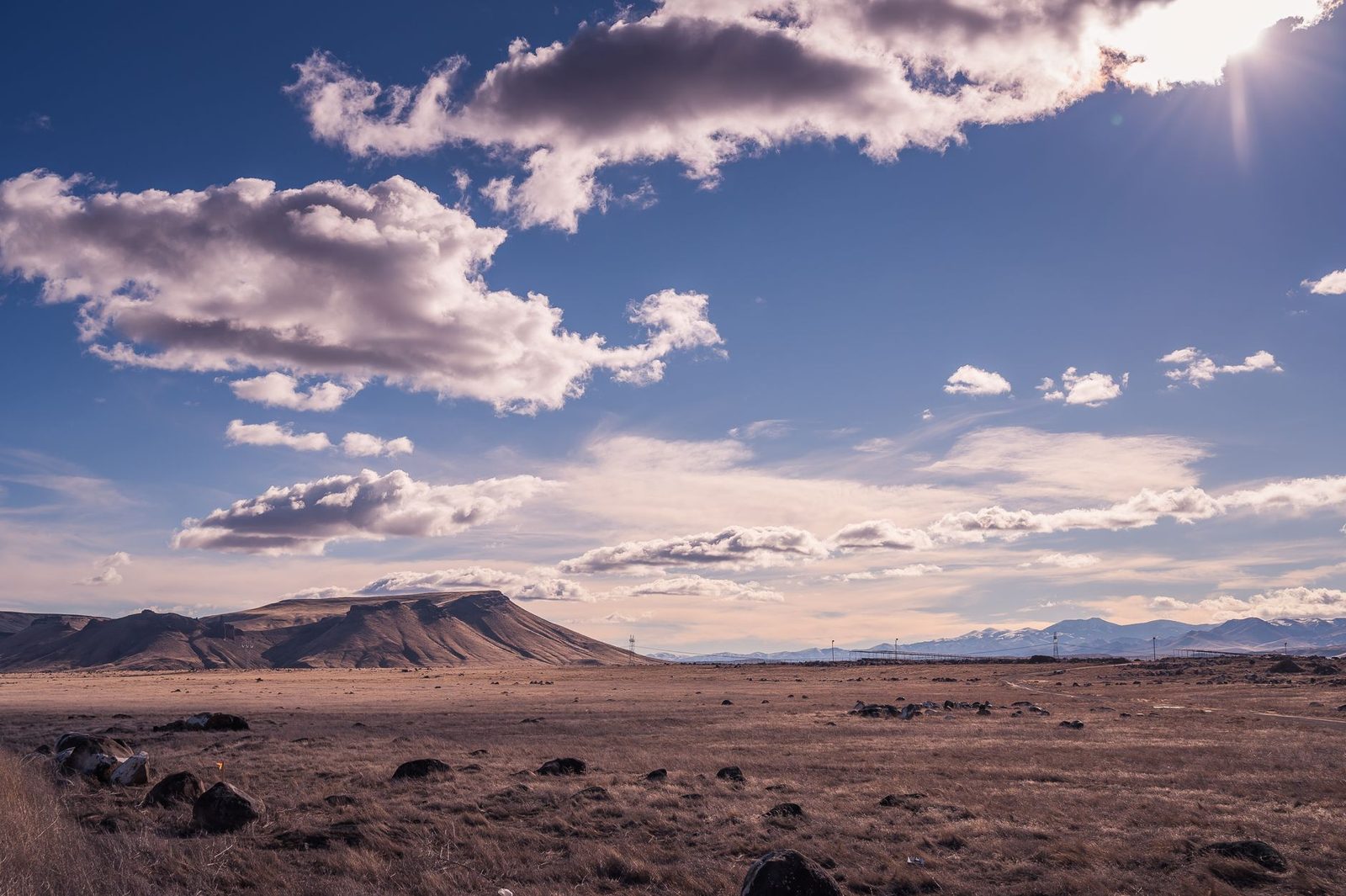
An open desert basin under a hot afternoon sky, the kind of ground outdoor crews work on all summer

How to document drinking water in a Nevada heat illness prevention plan

A written plan is only as good as what you can show on the ground. When a Nevada OSHA inspector asks how drinking water gets to your crew, a line in a binder that says water is available will not carry much weight. What helps is a plan that names the source, where it sits, who keeps it full, and how you know it happened.

Start with the job hazard analysis. List each job class that works in the heat for long stretches. Then note where those crews actually spend the day. A crew moving along a road corridor needs a different water plan from a crew that stays on one building pad all summer.

Next, write down the source. If you rent a water station trailer, put the unit, its spot on the site map and the fill schedule in the plan. If you use coolers too, say who fills them and how often. Be specific. "Chilled trailer at the east staging yard, filled every morning before 6 a.m." is a line an inspector can check.

Plan for distance. A water source that sits a ten-minute walk from the work is not really available to anyone on a short break, no matter what the plan says. On large sites, place more than one station, or add smaller water points near the far work areas. Mark every one on the site map that goes in the plan.

Keep a log. Our trailers carry a service log with every fill and cleaning date, and a lot of safety leads copy it into their own records each week. If you run your own coolers, keep a simple sheet with the date, the time, who filled it and whether the ice held. When something slips, the log shows how fast you caught it.

Tie water to the cooling part of the plan. The rule asks for a way to cool workers down, which takes more than a drink. Cold water helps. Shade next to the water point helps too. Put the trailer where there is shade or set up a canopy, so a stop at the station is also a break from the sun.

Train people on where the water is. New hires and subcontractor crews who show up halfway through a job often have no idea where the stations sit on a big site, and nobody thinks to tell them. Add the locations to the daily safety talk for the first week of any hot stretch, and again when a station moves.

Review the water section when the job changes. A plan written in April for twenty people will not fit a crew of eighty in July. When headcount, work areas or hours change, update it and call your vendor to adjust units and fills. For the official wording, the Division of Industrial Relations guidance document is the place to check.

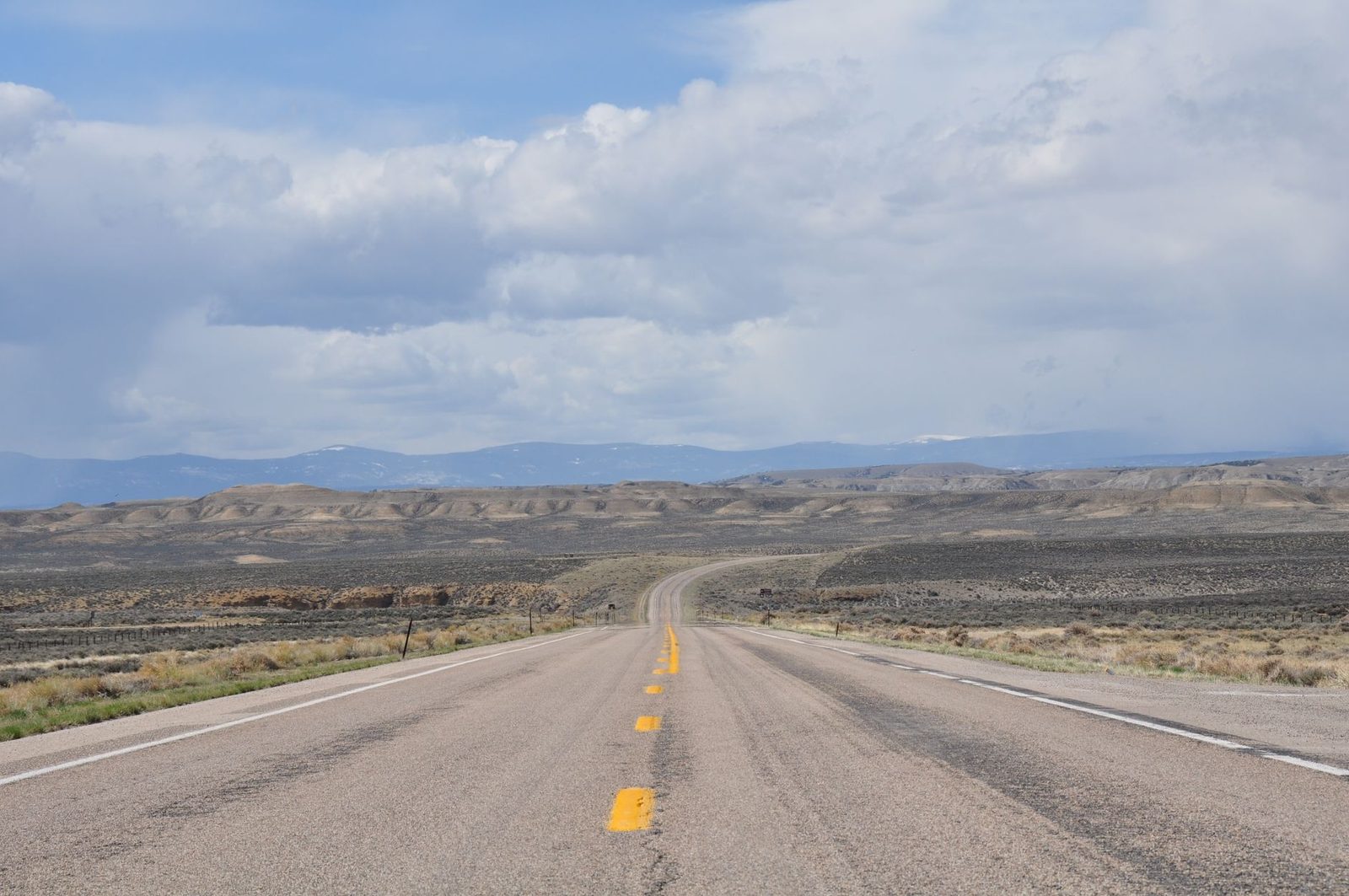
A long two-lane highway running across an open high desert basin toward distant mountains

What changes the cost of a water station rental in Nevada

We do not publish a price list, and there is a good reason. Two water station jobs in Nevada can look the same on paper and cost very different amounts to run. These are the things that actually move a quote, so you can plan a budget and ask better questions.

Distance comes first. A trailer headed to a Henderson school is a short drive. One headed to a mine road outside Eureka or a camp off US 50 is not. Every fill visit on a far site means hours on the road, so distance shows up in every week of the rental, not just on delivery day.

Fill frequency is next. A small crew in a mild month might need a visit a couple of times a week. A big crew in August may need us daily. On long jobs, fill frequency is often the biggest single factor, and it comes down to head count and heat.

The number of units matters too, though not always the way people expect. One trailer for a compact crew is simple. Several trailers spread across a large campus or a moving road corridor take more planning and more visits. Two units placed well can still cost less to run than one unit that needs constant fills.

Job length matters. A one-week emergency order and a two-year build are priced differently. Longer jobs usually allow a steadier schedule, and steady is easier for everyone to plan around.

Power and water on site make a difference. If the site can give us power and an approved water connection, we may skip the generator or cut down on truck fills. If it cannot, we bring what is needed, and the quote reflects that.

Access takes time. Base gate rules, escort needs, night-only delivery windows and winter chain requirements all take time. After-hours emergency calls change the plan too, and none of that is a problem. It just needs to be on the table when we quote.

Want to keep cost under control? Give us an honest head count and the real site address, and then tell us the months the job runs. Costs go up fastest when we are missing one of those three things. Send us that information and we will come back with a clear quote that lists what is included.

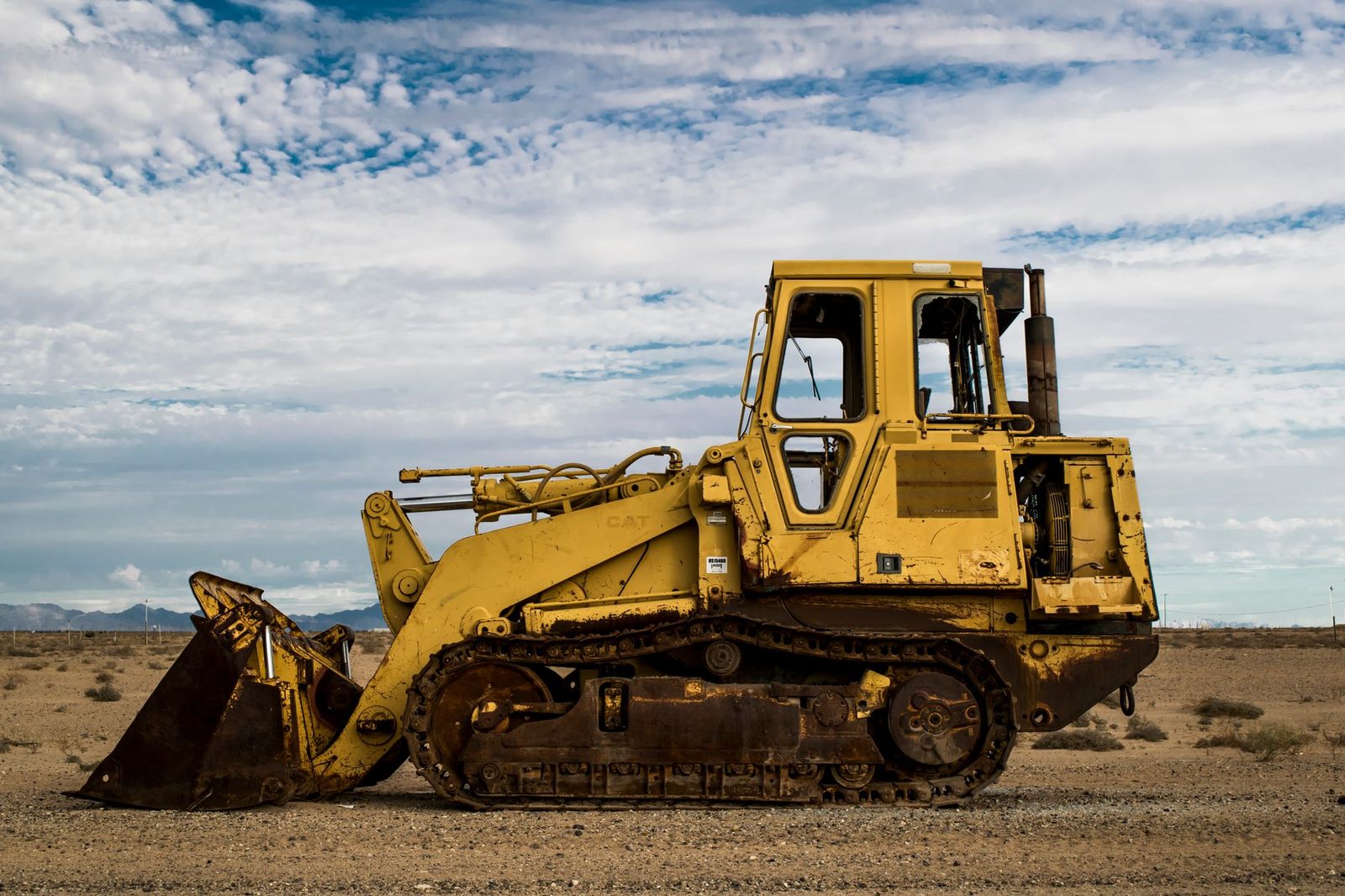
A track loader parked on a flat desert work site with low mountains on the horizon

Planning drinking water for a moving road work zone in Nevada

Road jobs are different. The crew does not stay put. A paving or barrier crew might move a mile in a week, and the water plan has to keep up or it stops being useful.

Map the staging points first. Most road projects have a main yard plus a few spots along the corridor where crews park, gear up and take breaks through the shift, and those spots are where the water belongs. Not the office trailer. A trailer at the main yard alone leaves the far end of the zone dry by lunch.

Count the whole crew, not just your own people. Flaggers, traffic control subs, survey crews and inspectors all drink from the same station. On a big corridor job, the real head count on site can run well above the prime contractor's own crew.

Plan the moves ahead of time. Share the phase schedule with us and we will set dates to shift the trailer as the work advances. Moving a towable unit is quick when it is planned and slow when someone calls at noon asking for it to be two miles east by one o'clock.

Think about traffic control. The trailer belongs inside the protected work area or in the staging yard, never on a live shoulder. Our driver also needs a safe way in and out for fills. Build that into the traffic control plan so the fill truck is not an afterthought.

Match fills to the shift. In summer a lot of valley road crews work nights and early mornings to dodge the worst heat. Fills should land before the shift starts, so the tank is full and cold when the crew pulls in.

Remember the federal baseline. Bottle-fill stations take care of the no-shared-cup part of the construction sanitation standard by design. Crews can also carry a full bottle to the far end of the zone, which matters when the next station is a quarter mile back.

Keep a simple record of which staging point had water on which days. If an inspector or a project engineer asks, you can show that the water moved with the crew.

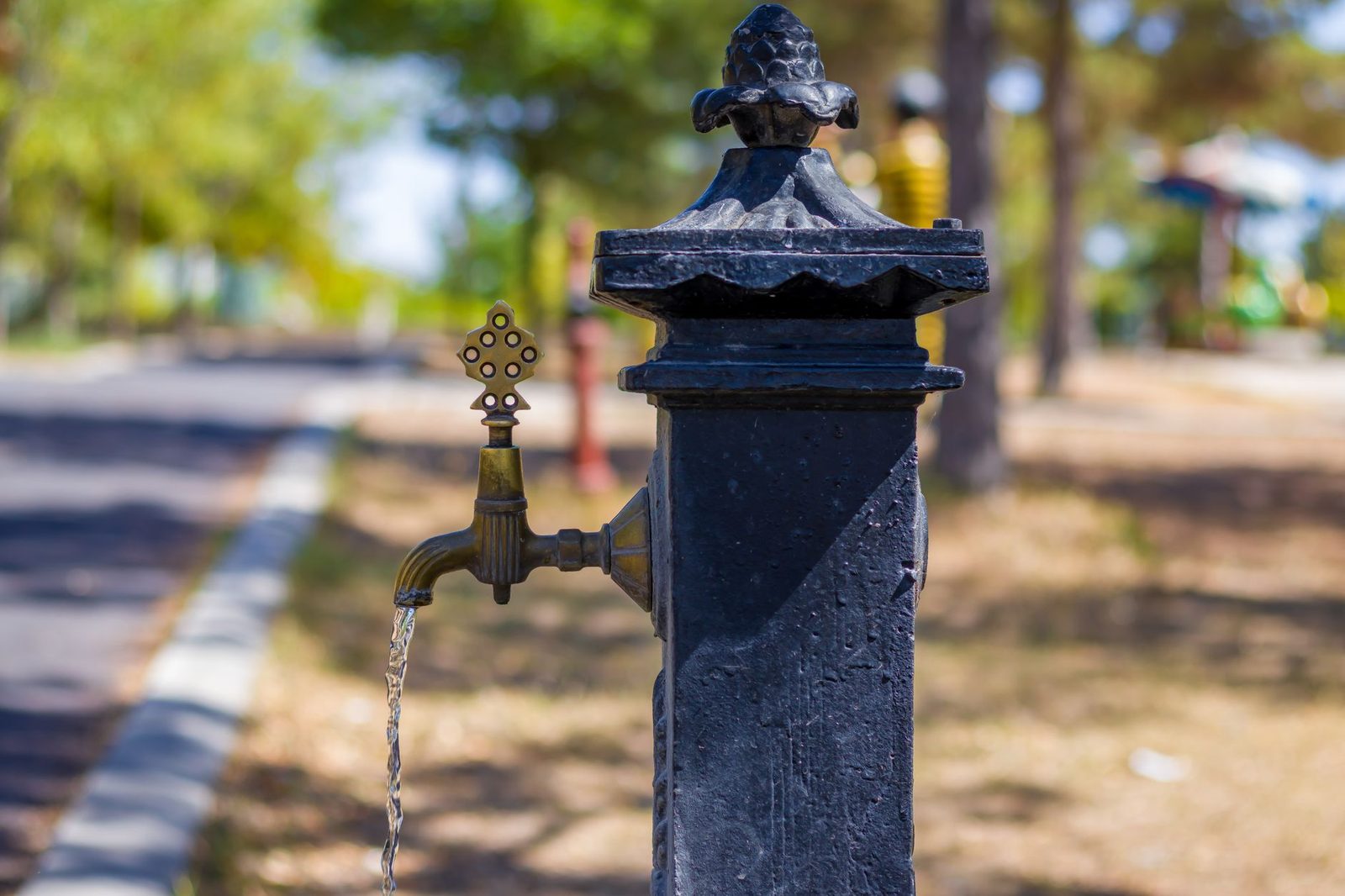
An outdoor public drinking water tap running beside a paved path

A boil-water order checklist for Nevada facilities and work camps

Boil-water orders come fast. A small system fails a test or a main breaks, and by lunch the tap is off limits. For a school, a clinic, a work camp or a small plant, the next few hours matter.

Know your water system. Plenty of Nevada facilities in small towns sit on small public systems, and some of those systems are old enough that a single failed test or a broken main can shut off the tap for days. Find out who runs yours, how they send notices, and who on your staff gets the call. Put that name on your emergency contact sheet today.

Decide what counts as drinking water on your site. Under an order, tap water is out for drinking, ice and food prep unless it has been boiled. Fountains and ice machines need to be shut off or bagged so nobody uses them by habit.

Line up a backup source before you need one. Cases of bottled water work for a day, but for a larger building, or a camp that could be under an order for a week, a filtered water station trailer filled from an approved source is easier to manage. Get the vendor's emergency number into your plan now, not during the order.

Pick the spot in advance and choose level ground near the main entrance or break area, where a truck can reach it for fills. On the first morning, tell staff and visitors exactly where it is.

Think about who drinks the most. Outdoor crews, kitchen staff and anyone caring for patients or kids should come first, and their needs should set the fill schedule, not the building's average use.

Wait for the all clear. The water system only lifts the order after its tests come back clean. Flush your lines and reset ice machines and fountains the way the notice says, then call to have the trailer picked up.

The state drinking water program at the Nevada Division of Environmental Protection explains how public systems are regulated and where notices get posted. It is worth a bookmark for any facility manager.

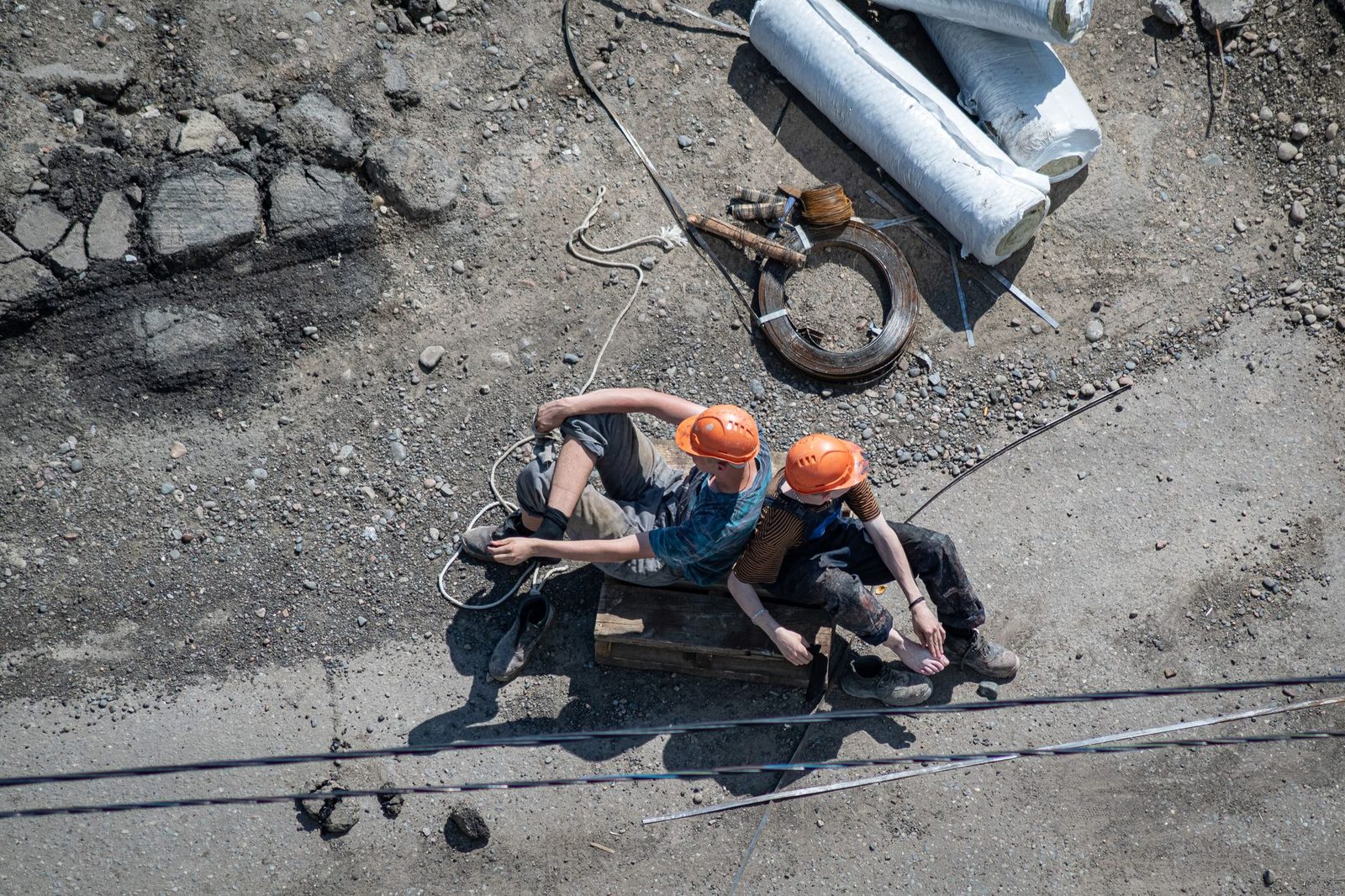
Two workers in hard hats sitting down for a break among equipment on a dusty job site

Water station trailer, bottled water or coolers: an honest comparison for large Nevada sites

Almost every crew in Nevada has tried the cooler route. For a small crew on a short job, it works fine. The trouble starts once the crew grows past a couple dozen people on a site that is a long drive from town, and it gets worse when the job runs through a whole summer.

Coolers are cheap. Someone still has to fill them, ice them and clean them every day, and that someone is usually a laborer pulled off real work. In desert heat the ice is gone by mid-morning, and warm water sitting in a cooler all afternoon is water people skip.

Bottled water is simple on day one. Over a long job it turns into pallets to store and cases to haul, and by the end of the summer somebody is stuck clearing a pile of empty plastic off the site. Bottles also wander off into trucks and lunch boxes, so the count never quite matches the crew.

A water station trailer costs more to bring in than a stack of coolers. It also does more. It holds hundreds of gallons, keeps the water cold with its own cooling unit, filters it and lets several people fill bottles at once. The fills and cleaning are on us, with a log that shows when they happened.

Coolers work for a small crew close to a store, and bottled water fits a short emergency while something better is on the way. A trailer fits big crews, long jobs, remote sites, and any job where you want a written record of how water was provided.

There is a cooling side to this too. Federal heat guidance keeps coming back to water, rest and shade. Crews drink more when the water is cold and close by. Park the trailer in shade near the break area and a quick stop turns into real recovery time.

Plenty of sites use all three: a trailer at the main staging area, coolers filled from the trailer for the far crew, and a few cases in the truck for a breakdown. That mix works well on corridor jobs and big campuses.

Not sure which fits your job? Give us the head count and the address. If a trailer is more than you need, we will say so.

More Rentals

Other trailers we rent in Nevada

Water is usually one piece of a bigger site. We also rent restroom, shower, laundry, freezer and decontamination trailers for Nevada jobs, camps and shelters.

Get a Quote

Tell us about your Nevada job and we will size the water plan

Send the site, the dates and the head count. We will pick the number of trailers, set the fill schedule and give you a delivery window, and our line answers 24/7.

Get a Quote Call (855) 687-1887
Call (855) 687-1887 - 24/7 Dispatch