How to size shower capacity for a Nevada workforce
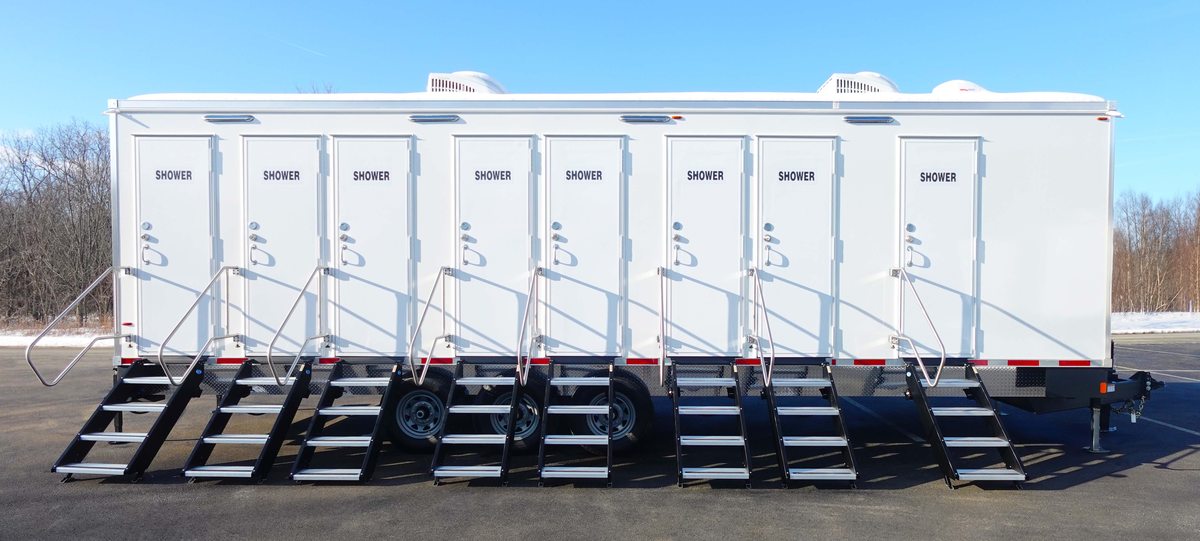
Sizing shower capacity sounds simple. Count the crew, divide by the stalls. In practice it is trickier than that, because on a Nevada site the whole crew tends to hit the showers in one narrow window. It is one window.
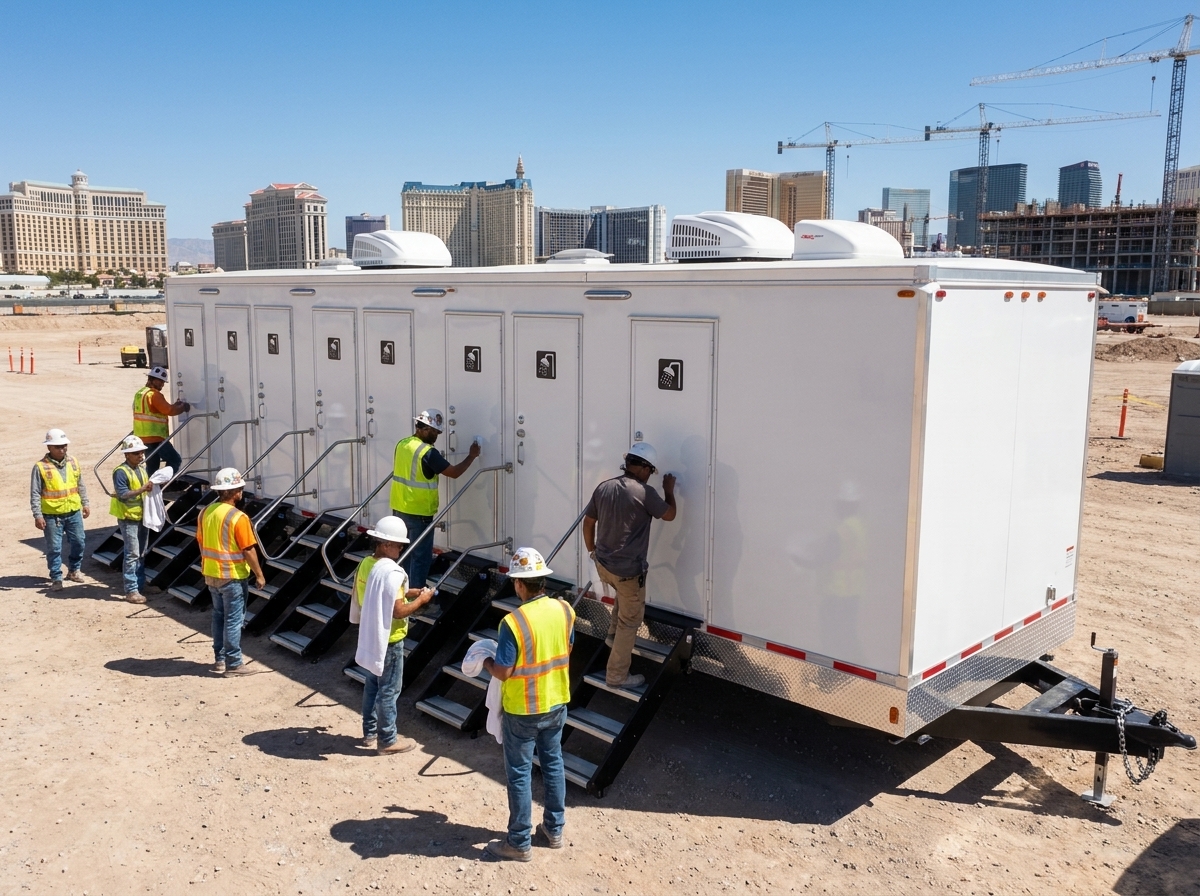
Start with the shift change. A crew coming off a long shift wants to clean up and leave. If forty people finish at the same time, a couple of stalls will back up fast. So the number that matters is not headcount alone. It is how many people want a shower in the same hour.
Water is the second limit. A stall is only useful if the hot water lasts. Size the tanks and the heater to the peak rush, not the daily average, or the last few people in line get a cold rinse. In the desert, that gap between first and last matters even more.
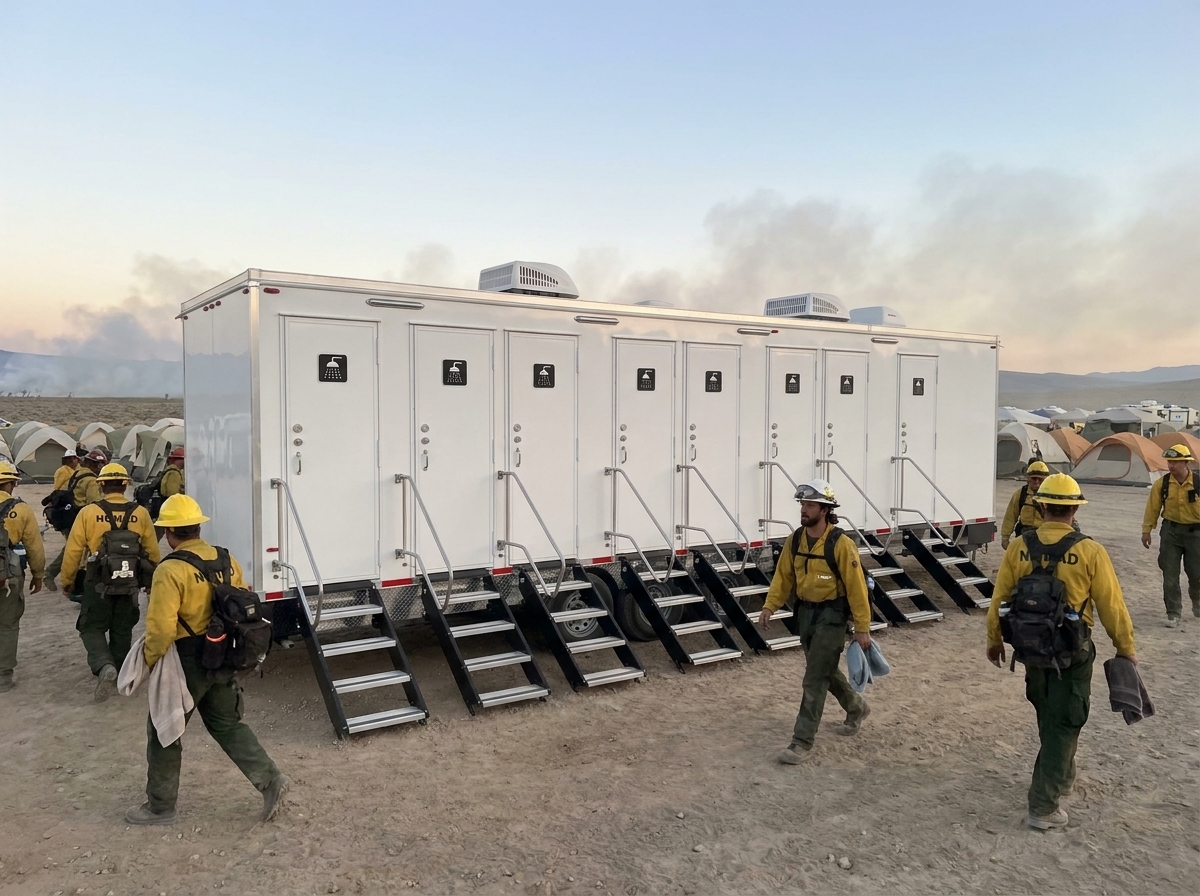
Rotations change the math again. Some sites run back-to-back shifts, so the showers never really rest. Others have one big rush and then quiet. We look at the schedule, not just the roster, before we quote a stall count.
Then there is growth. Crew counts on a build rarely hold steady. They climb toward peak and then taper off. The smart move is to add stalls as the workforce grows, so you are not paying for capacity months before you need it.
Distance shapes the plan too. A remote camp cannot wait on a second delivery if it guesses low. Out there it is better to stage a little extra capacity up front than to strand a crew while a truck drives in from town.
Combos can stretch a placement. When crews live close to the work, pairing showers with restrooms or laundry cuts the number of separate units to manage. That keeps a tight camp simpler without shorting anyone on stalls.
So before you lock in a number, walk through the peak hour, the water, the rotation, and the growth curve. Get those right and the line at shift change stays short. Get them wrong and you are renting more trucks mid-project. Plan the peak first.
Sources: Clark County, Nevada · Nevada Governor's Office of Economic Development
Questions to ask before you rent shower trailers in Nevada
Most shower trailer problems trace back to a question nobody asked up front. A few minutes on the phone before you book saves a lot of grief on site. Here is what to ask.
First, can it run with no hookups? On a remote Nevada pad there may be no water main and no sewer for miles. You want a unit that carries its own water, heats it onboard, and holds its own greywater. If the answer is no, the location just got a lot harder.
Second, how much hot water, and for how long? Ask about the peak rush, not the average. A unit that looks fine on paper can run cold when the whole crew shows up at once. The honest answer is a number tied to your shift change.
Third, who handles the waste? Greywater has to be captured, hauled, and disposed at an authorized facility. You want that inside the rental, not dropped back on your team. Ask exactly who pumps it and how often.
Fourth, what does daily service look like? Ask if a driver comes through to clean and restock, and on what schedule. On a long build, service is the difference between a clean unit and a complaint. Get the cadence in writing.
Fifth, can they scale? Crew counts move. Ask whether you can add or drop stalls mid-project without swapping the whole setup. A provider who can flex saves you a second contract later.
Sixth, do they have ADA? Public shelters and mixed crews often require an accessible suite with a ramp, roll-in entry, a fold-down seat, and grab bars. Ask if that is on the fleet before you need it, not after.
Last, who answers when something goes wrong at 2 a.m.? On an emergency job that line matters more than the brochure. Ask for the number, and see if a person actually picks up.
Sources: Tahoe-Reno Industrial Center · Nevada Division of Minerals
Running hot showers off-grid at a remote Nevada site
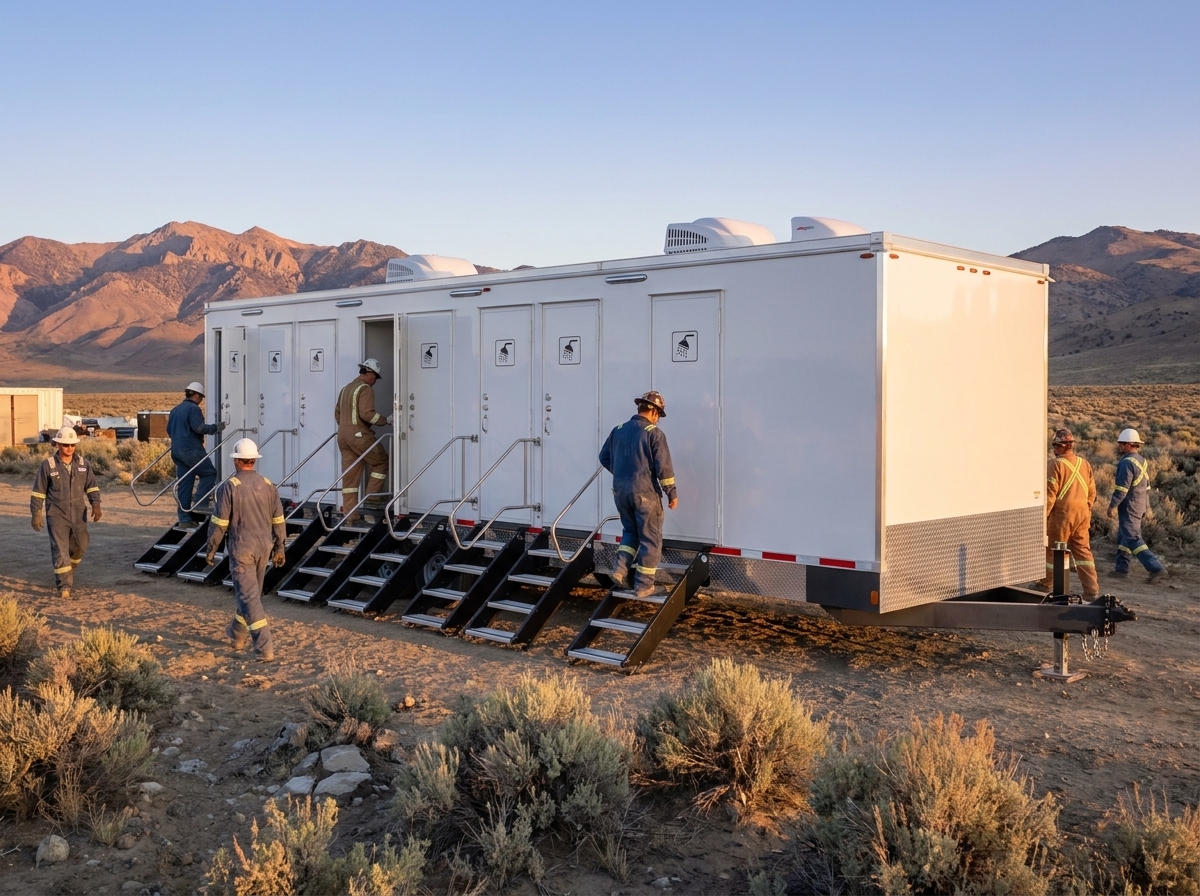
A lot of Nevada work happens where the pavement ends. No water main, no sewer, no power drop. Just a graded pad and a crew that still needs to get clean after a long day. The pavement just ends.
Off-grid shower gear exists for exactly that. The unit carries its own fresh water in onboard tanks. It heats that water with its own system. And it holds every gallon of greywater on board until a truck hauls it away. Nothing depends on the site.
The water supply sets the clock. A remote unit only holds so much fresh water, so someone has to refill it on a schedule. Plan that route before the crew arrives, because running dry in the high desert is not a small problem.
Heating is where cheap gear fails. Onboard heaters have to keep up when the whole crew showers in one window. In a northern Nevada winter they also have to fight the cold. Good units are built for both ends of that range.
Greywater is the other half. Used water cannot just soak into the ground. It gets captured and hauled to an authorized facility, which keeps the site inside state rules. On a bare pad, that closed loop is the only way to stay clean and legal.
Power is usually the easy part. Many units run on their own generator or a modest fuel supply, so they do not wait on a utility drop. A camp can stand up in days instead of weeks.
Then the site utilities show up. On a long build, water and power eventually reach the pad. When they do, a good unit ties right in and stops leaning on its tanks. Same trailer, lower running cost.
So off-grid does not mean roughing it. It means a private, warm shower on a pad that had nothing yesterday, served on a schedule, with the dirty water carried back out.
Sources: Nevada Division of Forestry · Nevada Division of Emergency Management
Site prep and service for shower trailers on a Nevada jobsite
A shower trailer is only as good as the spot you put it and the service behind it. Get the pad and the schedule right, and the unit disappears into the background. Get them wrong, and it becomes a daily headache.
Start with the ground. The unit wants a firm, roughly level pad it can sit on without rocking. Soft sand or a steep grade makes leveling a fight. On a fresh Nevada site, a little grading up front pays off all season.
Then the approach. A delivery truck has to get in, drop the trailer, and get back out. Tight corners, soft shoulders, and low clearances all slow that down. Walk the access route before the truck rolls, not while it is stuck.
Placement makes a bigger difference than it sounds. Put the unit near where the crew ends the day, but clear of the main haul path. Close enough to use, far enough that it is not in the way of the work.
Service is the part that never stops. A driver comes through to clean, restock supplies, and pump the tanks on a set schedule. On a busy site that is daily. Every single day. Miss it, and a clean unit turns into a complaint by the weekend.
The waste side rides along with service. Greywater gets pulled and hauled to an authorized facility under state rules. That keeps the site compliant, and it keeps your team out of the disposal business entirely.
Water refills follow the same rhythm on off-grid sites. The fresh tank gets topped off when the truck comes through, so the unit never runs dry between visits. On a remote pad, that route is planned, not improvised.
None of this is glamorous. It is a level pad, a clear road in, and a driver who shows up. But that is what keeps hot water running for a crew that just wants to clean up and go home.
Sources: Nevada Division of Environmental Protection · Nevada Division of Public and Behavioral Health