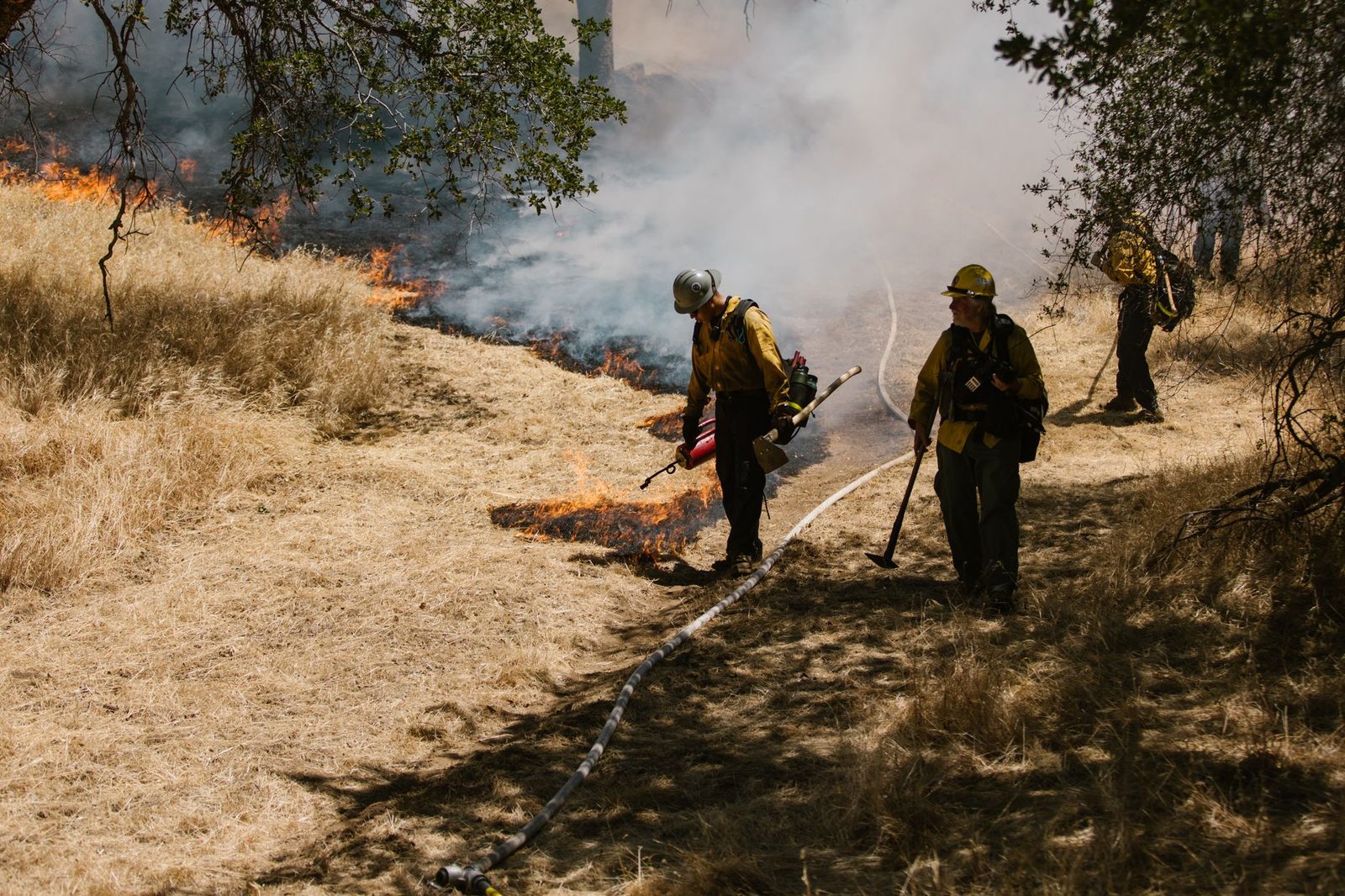
A wildland fire crew working a hose line through dry grass and scrub oak during fire season
Colorado

Water Station Rental Company in Colorado

Mavirus Group rents chilled, filtered water station trailers to wildfire and disaster response agencies across Colorado. Our dispatch line is answered 24 hours a day. When a fire camp or an evacuation shelter opens, we deliver our Signature Series trailer, set it where your crews eat and gear up, fill it with cold drinking water, and keep it full for as long as the incident lasts. That might be a ranch field below a burning ridge in Larimer County or a fairground shelter on the Front Range. Call now or request a quote, and we will get a trailer moving toward your location.

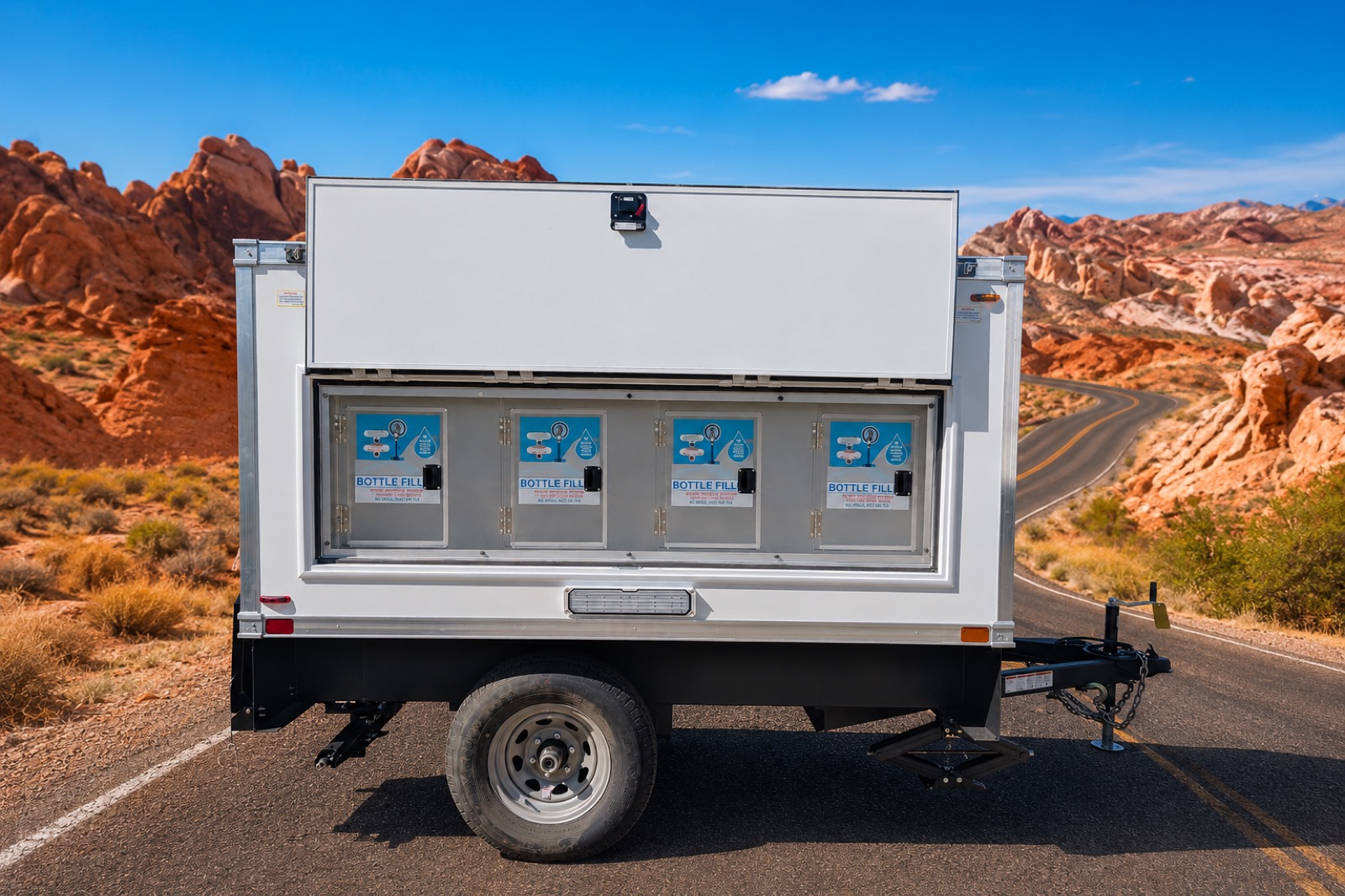
Our Signature Series water station trailer with four bottle-fill stations, ready for Colorado delivery
Nationwide water station trailer rentals, built for rapid deployment All 50 States 24/7 Dispatch ★★★★★ 5.0
JCRHT
Trusted by construction contractors, government agencies, school districts, and disaster response teams nationwide.
SAM.gov registered federal contractor FEMA disaster support Cal Fire registered

Call now or request a quote. Our dispatch team answers 24/7, including emergencies.

Colorado Incident Water

Mavirus Group gets base camp hydration stations to Colorado incident sites fast, day or night

Fires in Colorado do not keep office hours, and neither do we. When a supply unit leader or a county emergency manager calls at 2 a.m., a real person picks up, takes the head count and the drop point, and starts a trailer moving toward the incident. Mavirus Group supported FEMA during the Hurricane Helene recovery and is a Cal Fire registered provider and a SAM.gov registered federal contractor, licensed and insured with an A+ BBB rating. A resource order or an agency purchase order does not stall the truck. Our own crews deliver and service our own fleet, the same crews that handle our emergency water station trailer rentals across the country. Remote staging is normal for us. It might be a forest road above 9,000 feet or a gravel lot on the eastern plains. Call us now or request a quote, and we will confirm the trailer count and a delivery window.

24/7incident dispatch line
FEMAdisaster support on Hurricane Helene
A+ BBBrated, licensed and insured
SAM.govregistered federal contractor
Reviews

What customers say

J
Janelle P.logistics section chief, northern Colorado fire camp
★★★★★

We called late at night and had a trailer at camp before breakfast the next morning. When we relocated camp two days later, they towed it over without being asked twice, which is exactly what I need during a fire.

C
Curtis W.county emergency manager, Front Range
★★★★★

Our shelter was in a recreation center with four drinking fountains and a few hundred evacuees inside. The trailer out front solved that problem on the first night, and every refill showed up when they said it would.

R
Ramon D.supply unit leader, incident camp in the San Juans
★★★★★

The road into our camp was narrow and steep, and I was worried about getting a trailer up it. Their driver scouted the route first, told us which turnout would work, and parked the unit exactly where the crews came off the fire line.

Our Signature Series Trailer

Our Signature Series chilled water station trailer, set up for Colorado elevations

Our Signature Series water station trailer with four bottle-fill stations, ready for Colorado delivery
The Signature Series chilled water station trailer, staged and ready for a Colorado incident camp

The Signature Series is our featured water station trailer, and it is usually the first unit we send to a Colorado camp or shelter. It tows behind a truck, carries a tank that holds hundreds of gallons, and cools and filters the water on board before it ever reaches the taps. Four bottle-fill stations line one side of the trailer. When a hand crew walks in off the line, four people can fill bottles or hydration packs at once instead of waiting on one spigot.

The trailer does not depend on anything at your site. We can connect it to a hydrant or a hose bib when one is nearby, or we can operate it from the onboard tank and deliver more water by truck on a set schedule. The cooling unit uses site power or a generator we deliver with the trailer, which is how the same portable water station works at a Denver recreation center and at a spike camp at the end of a Forest Service road. Every unit has lowered stations at ADA height.

Clean water comes first on every rental. We fill only from potable sources, the tank and the lines are food grade, and each trailer is sanitized before it goes out to another customer. A service log travels with the unit and records every fill and every cleaning by date, which gives your safety officer a written record without any extra paperwork. Inspectors like that. Delivery, setup, refills, sanitizing and pickup are all part of the rental, so call or request a quote and we will hold a trailer for your start date. Because thin air cuts a generator's output at Colorado elevations, we size the generator we bring to the height of your particular site.

Who We Serve in Colorado

Where our portable water stations work hardest in Colorado

Colorado water station work usually comes from three kinds of jobs, and wildfire camps come first. Next come the evacuation shelters and recovery sites that open after a disaster, followed by the public works and construction crews who build and repair the state's highways, power lines and airport. Each type of job asks for something different from a water station, so we plan each one on its own terms.

Wildfire Incident Camps

Emergency water stations for Colorado wildfire camps and staging areas

Fire camps grow fast. The Cameron Peak Fire started near Chambers Lake on August 13, 2020, and it kept burning until early December, which made it one of the longest fire assignments Colorado crews have ever worked. At its peak it drew more than 1,000 firefighters, and ten different incident management teams rotated through the fire over those four months. Every one of those people needed cold drinking water at the main camp, at the spike camps and at the drop points, far from any town water line, and that is the kind of assignment our trailers are built to handle.

Some fires give you almost no warning at all. In October 2020 the East Troublesome Fire grew from about 19,000 acres to more than 170,000 acres in roughly a day and a half, and it forced the whole town of Estes Park to evacuate. When a fire moves like that, a camp can pack up and relocate twice in the same week. We never treat a camp as a fixed address, and we keep a truck ready to hitch up and tow the trailer to the new location on the same day, with a refill finished before the next shift arrives.

Placement matters more than most people expect. We set water where crews actually stop, near the food line, the supply tent and the vehicle area, rather than wherever it is easiest for our truck to park. A trailer 200 yards from the food line gets skipped by tired crews. For camps that need more than drinking water, we also bring Colorado shower trailer rentals for fire crews, and our Colorado freezer trailer rentals for incident kitchens keep the food line stocked through a long assignment.

Colorado fire seasons tend to stack up. In 2026 alone, FEMA approved fire management assistance for the Aspen Acres Fire in Pueblo and Custer counties, the Gold Mountain Fire in Ouray County and the Willow Fire in Lake County, all within about one week of each other. Crews and equipment get stretched thin during weeks like that, and the logistics section needs a vendor who picks up the phone. We answer every call around the clock, and we tell you honestly how soon a trailer can reach your camp before you commit to anything.

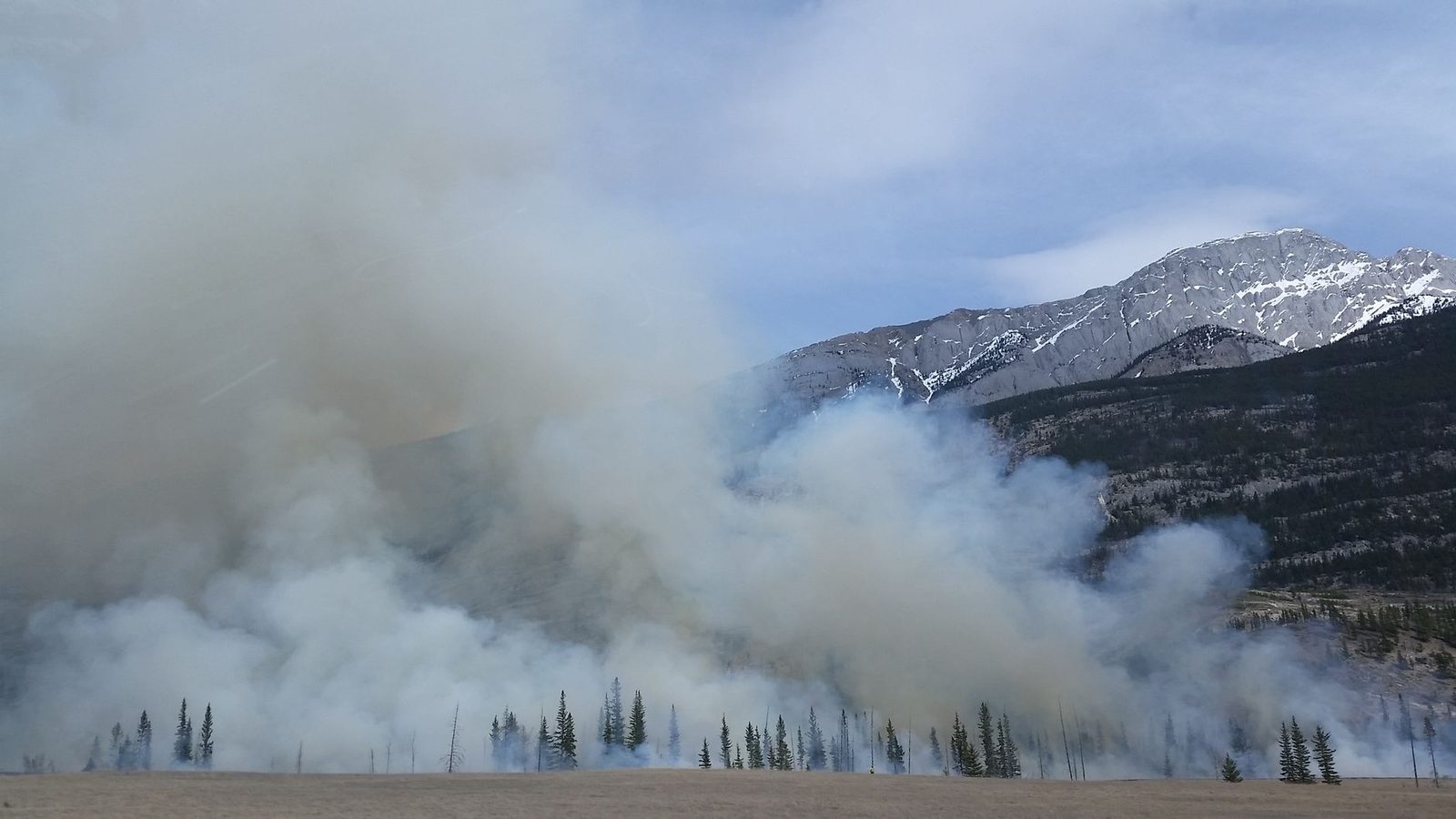
Wildfire smoke rising from a burning pine forest below snow-capped mountains
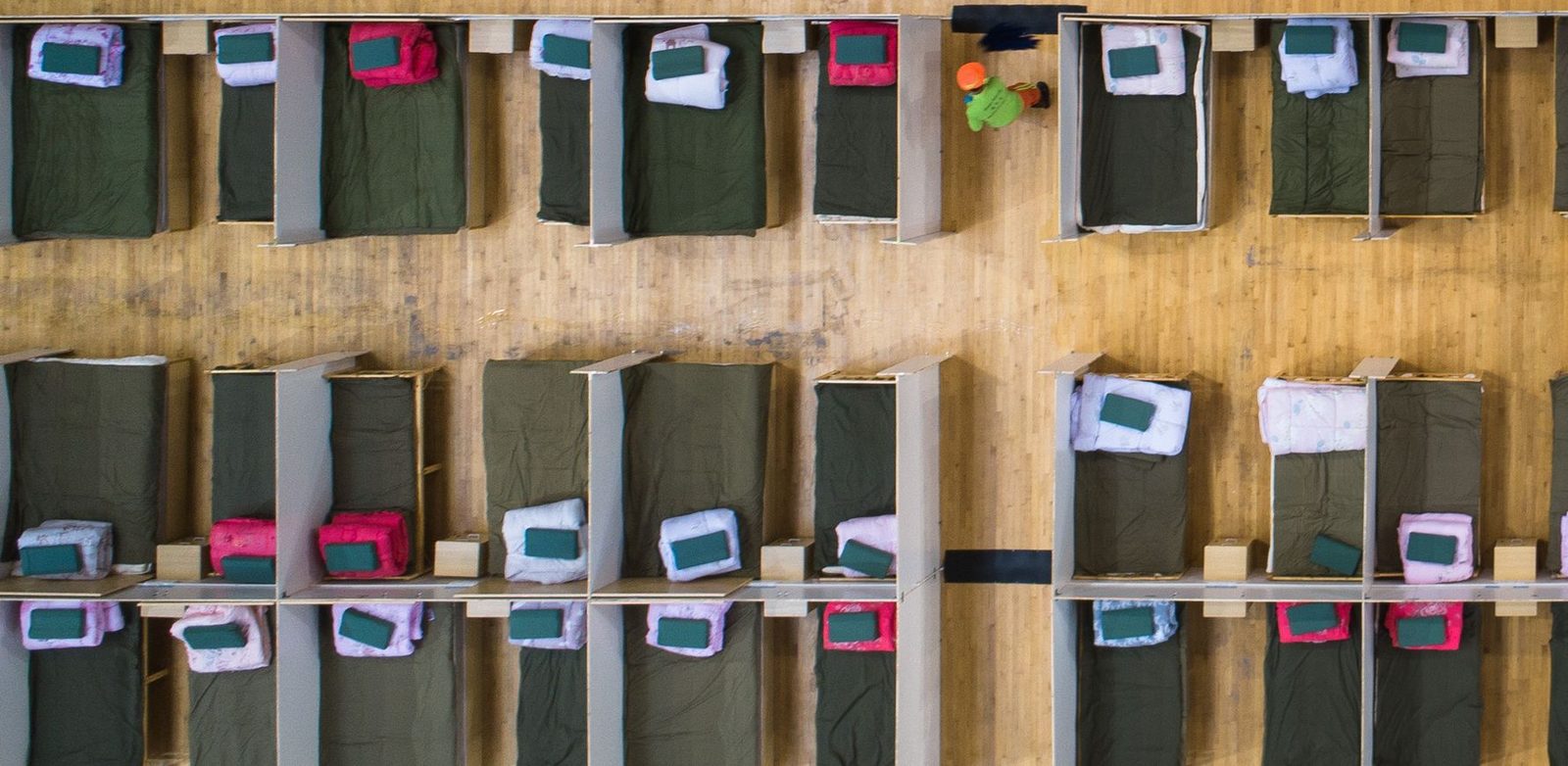
Rows of cots laid out on a gymnasium floor set up as an emergency shelter
Shelters and Disaster Recovery

Filtered water station trailers for evacuation shelters and disaster recovery

Not every Colorado disaster happens in the backcountry. The Marshall Fire started on December 30, 2021, in Boulder County. Wind gusts reached 115 miles per hour and pushed the fire through Superior, Louisville and nearby neighborhoods in a single afternoon and evening. Boulder County issued ten evacuation notices that covered about 37,500 people, and 1,084 homes and other buildings were destroyed. It all happened within hours. A suburban area built for everyday demand suddenly had thousands of people who needed somewhere safe to go, along with water, food and restrooms.

Shelters fill up faster than their water supply can keep up. A school gymnasium or a recreation center usually has a few drinking fountains sized for a normal crowd on a normal day, and those fountains fall behind by the first night once a few hundred people move in. We park a filtered trailer outside the main entrance, so people can fill bottles without crowding the hallways, and our crew refills it on a set schedule. If the building's own water goes under a boil order, the trailer keeps working because it carries its own supply.

Recovery usually lasts much longer than the emergency itself. A county may keep a disaster assistance center open for several weeks or even months after a fire or a flood. The debris staging yard and the volunteer site often run just as long. In August 2023, a single disaster declaration for storms, flooding and tornadoes covered fourteen Colorado counties. It reached from Baca and Prowers in the southeast up to Logan and Washington in the northeast. A long recovery like that needs water at several places at once. We can put all of them on one agreement and one fill route, and pair them with private restroom trailer rentals in Colorado for the same sites.

State agencies manage the larger picture during a disaster. The state's Division of Homeland Security and Emergency Management opens the State Emergency Operations Center. It tracks requests from every county. It also takes part in EMAC, the mutual aid system that moves help between states. We fit inside that system and follow the ordering steps your agency already uses. For shelters and recovery camps that stay open for weeks, our laundry trailer rentals for long Colorado deployments handle clean clothes and bedding. One phone call can set up water and laundry together.

Public Works and Construction

Temporary water stations for highway, power line and airport projects in Colorado

Road crews in the mountains deal with more than heat. Altitude is part of it. Vail Pass on I-70 sits at 10,666 feet, Glenwood Canyon squeezes the work between the river and the canyon walls, and the nearest store can be an entire mountain pass away from the job. We set a temporary water station at the staging area or the pull-off where the crew parks, and we schedule refills around lane closures and the afternoon thunderstorms that roll in on most summer days.

On the Front Range, the I-25 widening known as the Gap covers 18 miles between Castle Rock and Monument, and a project that long does not stay in one spot. The work zone moves down the corridor week by week. We move the trailer along with it and keep one steady fill schedule, so the crew always knows when fresh water is coming. For crews that stay out for weeks at a time, we also offer bunkhouse trailer rentals for remote Colorado crews, so the same contract can cover a place to sleep.

Power line construction spreads crews out even farther. The Colorado Power Pathway is a new high voltage transmission line being built across the eastern plains, with most of the construction scheduled to finish by about 2027. A line crew can cover several miles in a single week, often far from any town with a public water tap. We place a mobile water station at the yard where the crews gather each morning, and we tow it forward as the line moves east across the counties.

Airport construction is a different world. Denver International Airport covers more than 33,000 acres, and its building work takes place inside a secured, badge-controlled fence. Tapping into the airport's own water for a construction crew is rarely simple. A self-contained trailer that the contractor controls avoids that problem entirely. We work through the site's badging, escort and vehicle check steps ahead of time, so delivery day goes smoothly and nobody waits at the gate.

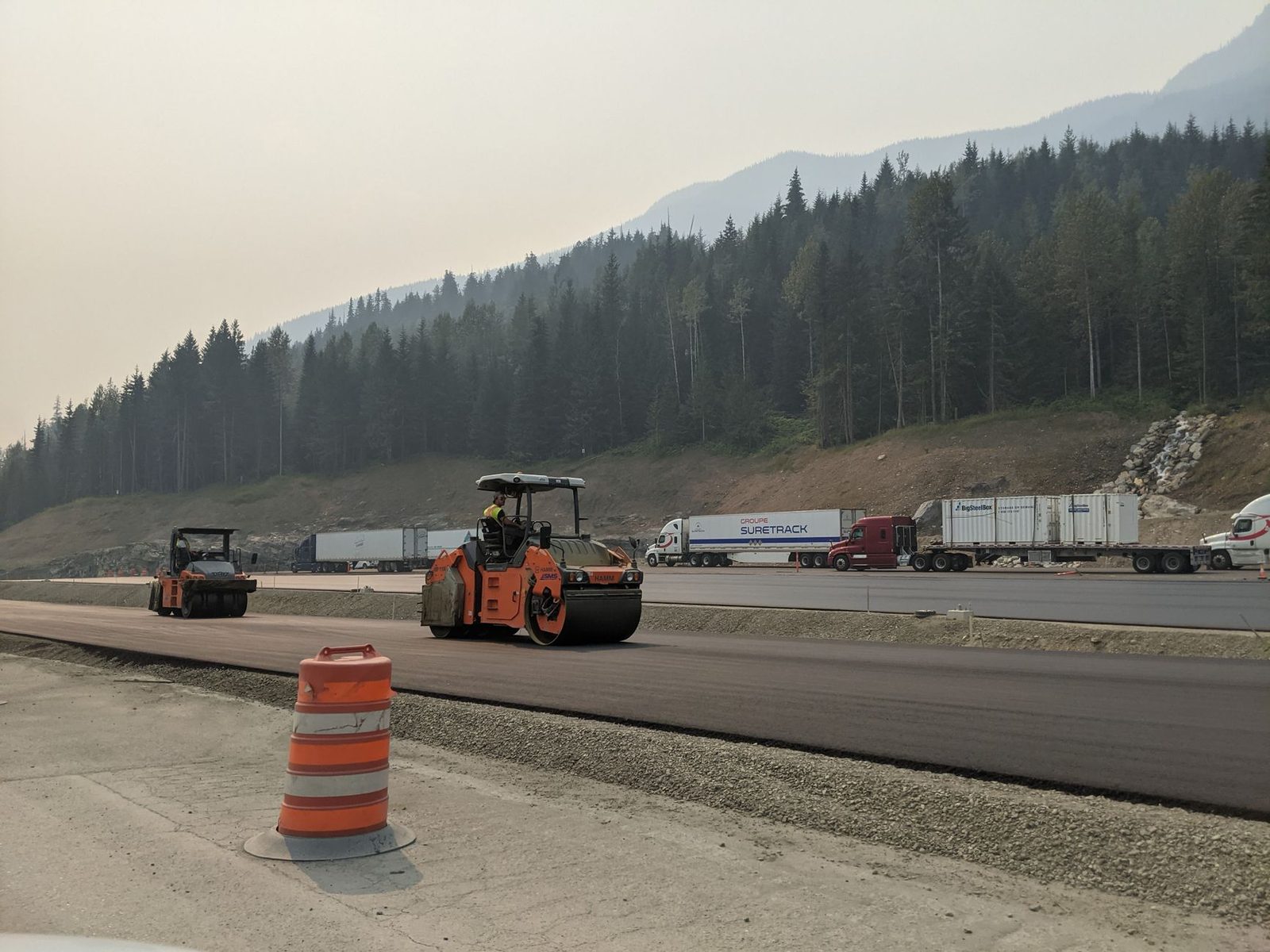
A paving crew rolling fresh asphalt on a mountain interstate lined with pine forest
More Colorado Uses

More Colorado job types that use our mobile water stations

Fort Carson and Pinon Canyon field training

The Pinon Canyon Maneuver Site covers 235,000 acres about 150 miles southeast of Fort Carson, well away from any town water system. Field exercises and the contractors who support them need water that moves with the units. We plan every delivery around the post's gate and escort rules.

Space Force and Air Force Academy projects

Schriever Space Force Base is adding Space Delta 15, while Peterson, Buckley and the Air Force Academy keep steady construction going around Colorado Springs and Aurora. Base jobs mean badges and vehicle checks. We start that paperwork early and arrive with everything the gate expects.

San Luis Valley and Eastern Plains harvest crews

Potato harvest in the San Luis Valley continues through the hottest weeks of late summer at about 7,500 feet. Field crews move from one field to the next during the season, and we tow the portable trailer along with them so the water stays close to the work.

CU Boulder and CSU campus builds

Both flagship universities have put up big new buildings while tens of thousands of students kept going to class nearby. A trailer set away from the building's plumbing keeps the crew supplied without touching the campus water system.

Piceance Basin and Western Slope energy work

Natural gas crews north of Grand Junction often work an hour or more from the nearest town. We stage a trailer at the pad or the equipment yard and schedule refills around the long drive back to a potable water source.

Stock Show and State Fair weeks

The National Western Stock Show in Denver and the Colorado State Fair in Pueblo bring large crowds, vendors and livestock crews for a short, busy stretch. Events are a small part of our Colorado work, but the same trailer handles them without any trouble.

Service Area

Water station delivery from Denver to Durango and the Kansas line

We deliver chilled water station trailers anywhere in Colorado, from the Front Range cities to the Western Slope, the San Luis Valley and the far eastern plains. We also cover all 50 states with rapid deployment when a fire, a flood or a large contract calls for it. Distance is rarely the hard part. Mountain routes take real planning. A trailer has to clear high passes, narrow canyon roads and the odd dirt spur before it reaches a camp. Send us the address or a GPS pin, and we will work out the route, the delivery window and the refill schedule before the truck leaves.

DenverAuroraLakewoodBoulderLongmontFort CollinsLovelandGreeleyEstes ParkCastle RockMonumentColorado SpringsPuebloCanon CityAlamosaGlenwood SpringsVailBreckenridgeSteamboat SpringsKremmlingGrand JunctionMontroseDurangoSterlingBurlingtonLamar
Service area: Colorado
Around the Region

Colorado regions we cover with chilled water station rentals

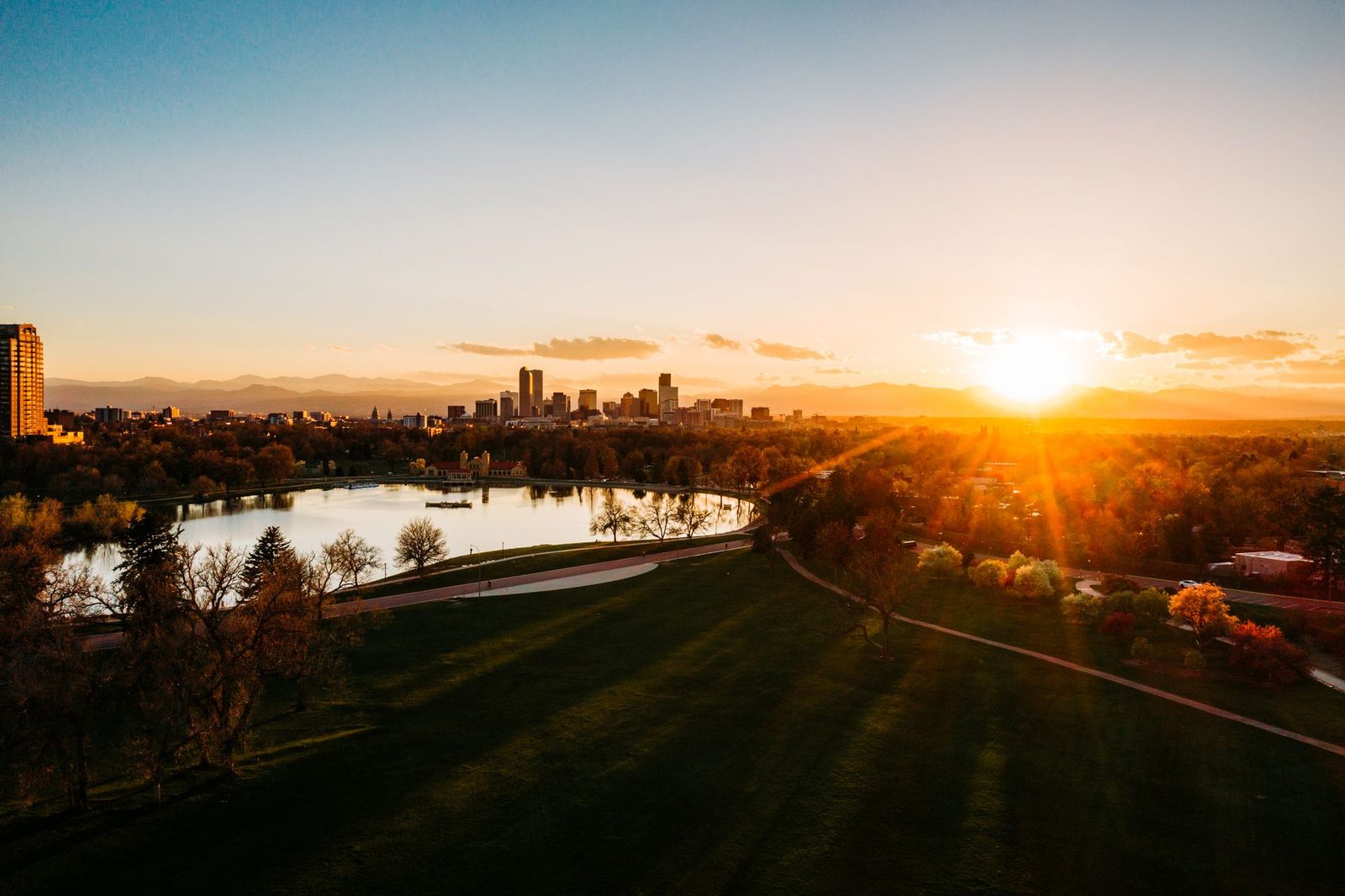
The Denver skyline at sunset seen across a city park lake

Denver metro

Shelters, airport work and school projects keep us busy across the metro area. We deliver to Denver, Aurora, Lakewood and the suburbs around them, where the state's wildland fire agency keeps its main office.

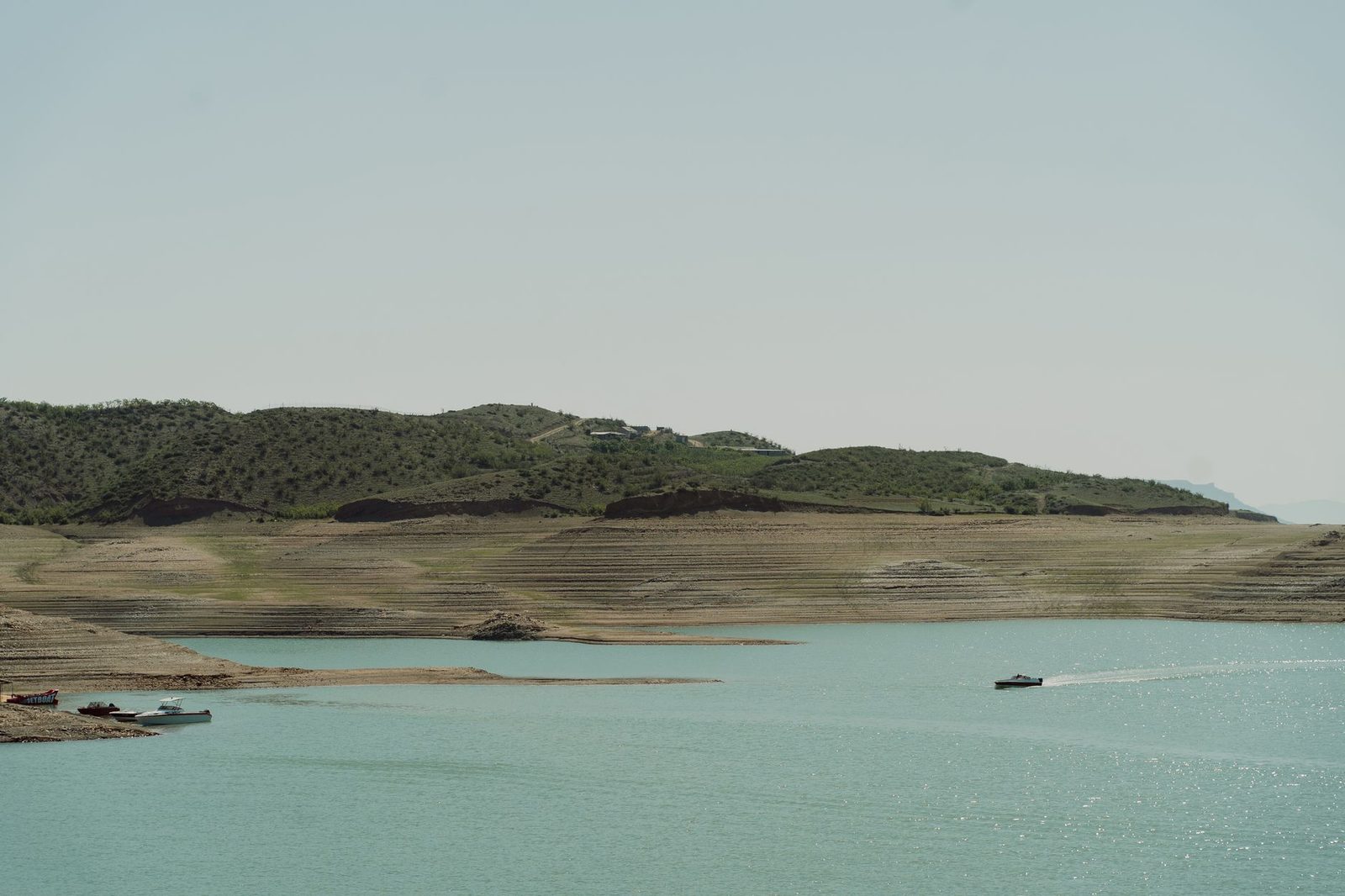
Horsetooth Reservoir and the foothills west of Fort Collins

North Front Range

This region is fire country and university country at the same time, with national forest west of Fort Collins and two large campuses nearby. We reach Boulder, Longmont, Loveland, Fort Collins, Greeley and the canyon roads that climb toward Estes Park.

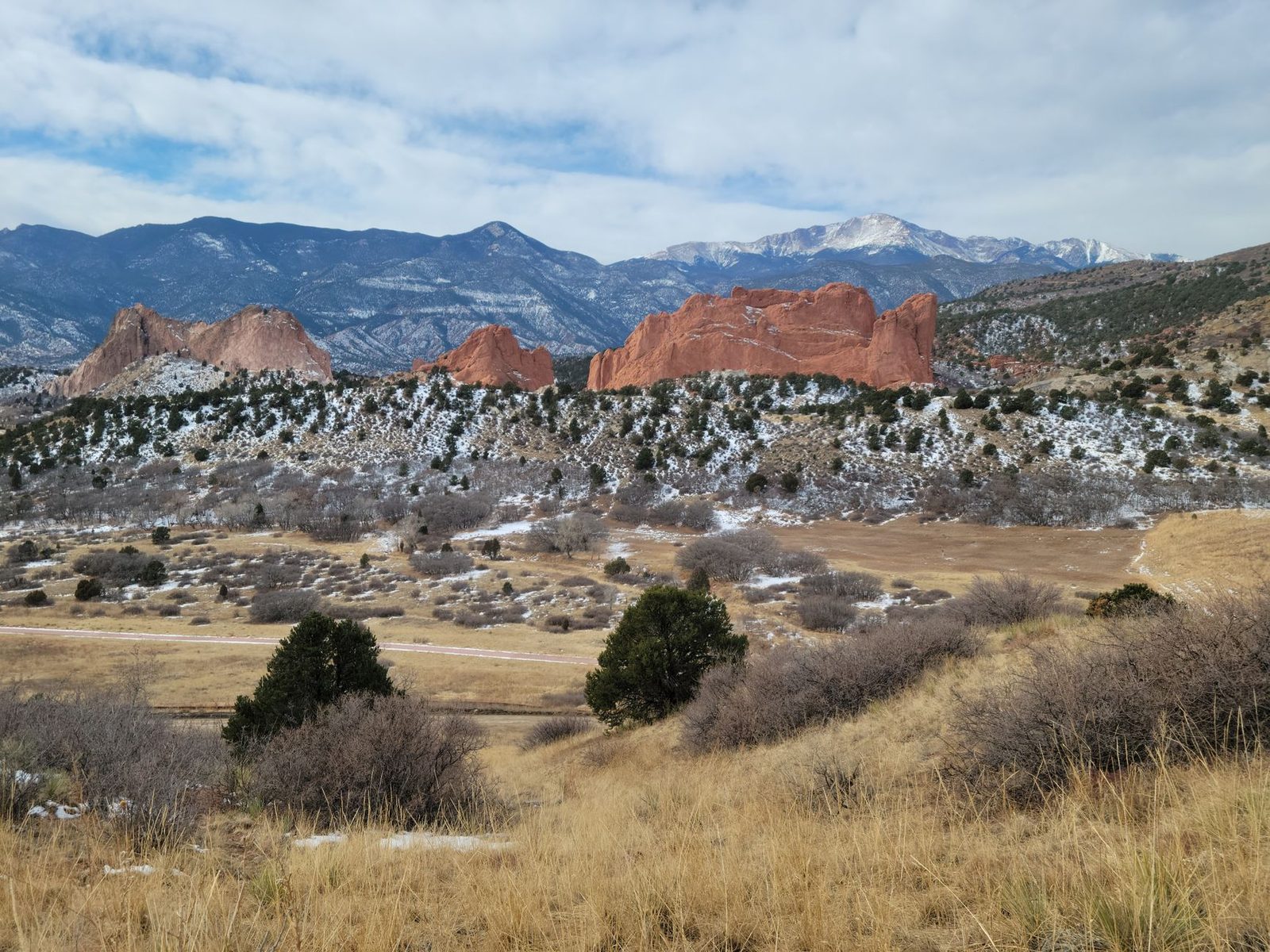
Pikes Peak rising behind the red rocks of Garden of the Gods in Colorado Springs

Pikes Peak region and Pueblo

Army posts, Space Force projects and the steel city of Pueblo make up most of the work here. We deliver to Colorado Springs, Fort Carson, Monument, Canon City and Pueblo, and out to field training sites farther southeast.

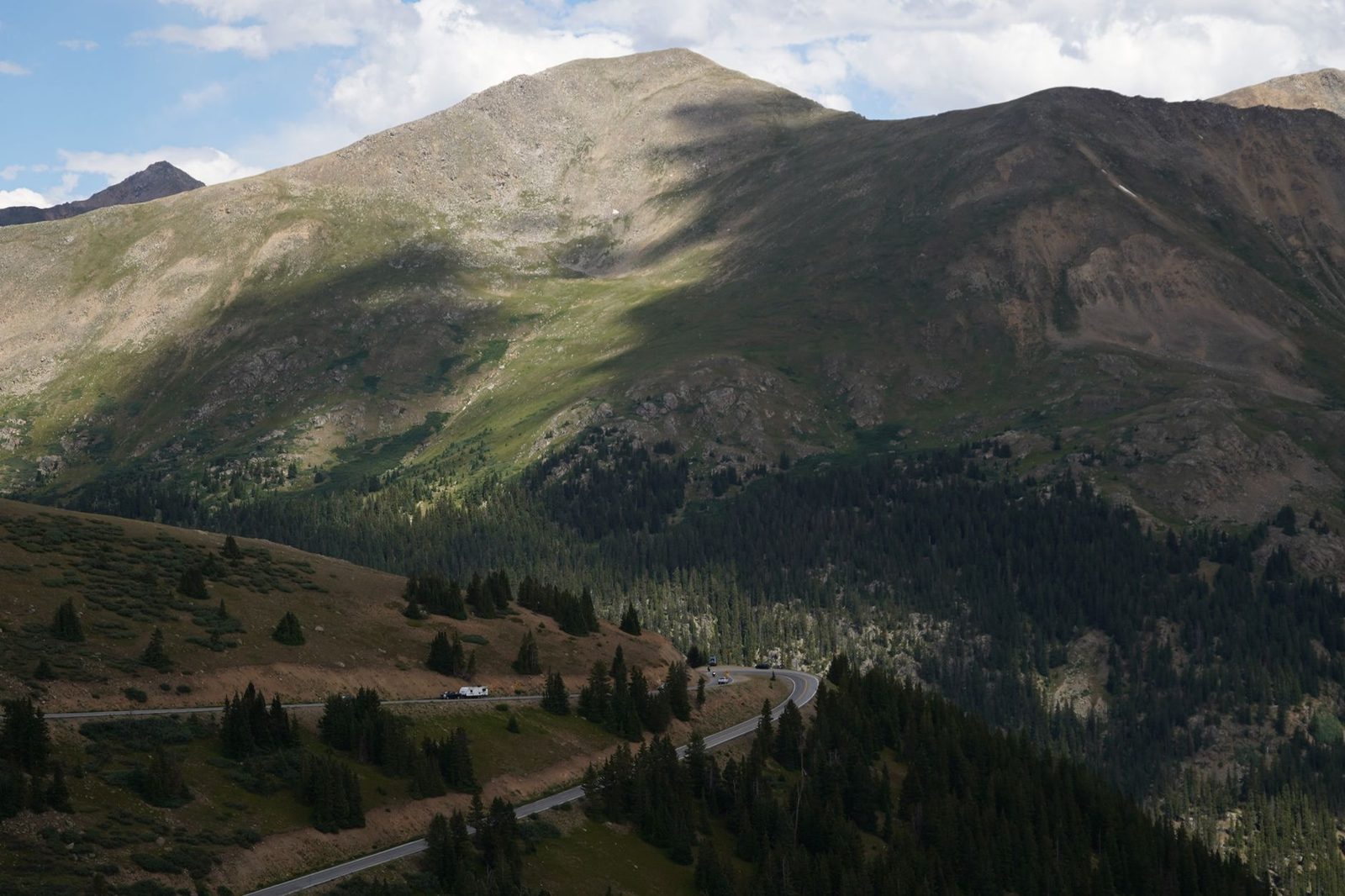
A highway winding through a high Rocky Mountain valley

I-70 mountain corridor

Highway crews, resort projects and summer fire camps work at some of the highest elevations in the country along this corridor. We run trailers to Georgetown, Summit County, Vail, Eagle County and Glenwood Springs, and we plan every trip around the passes.

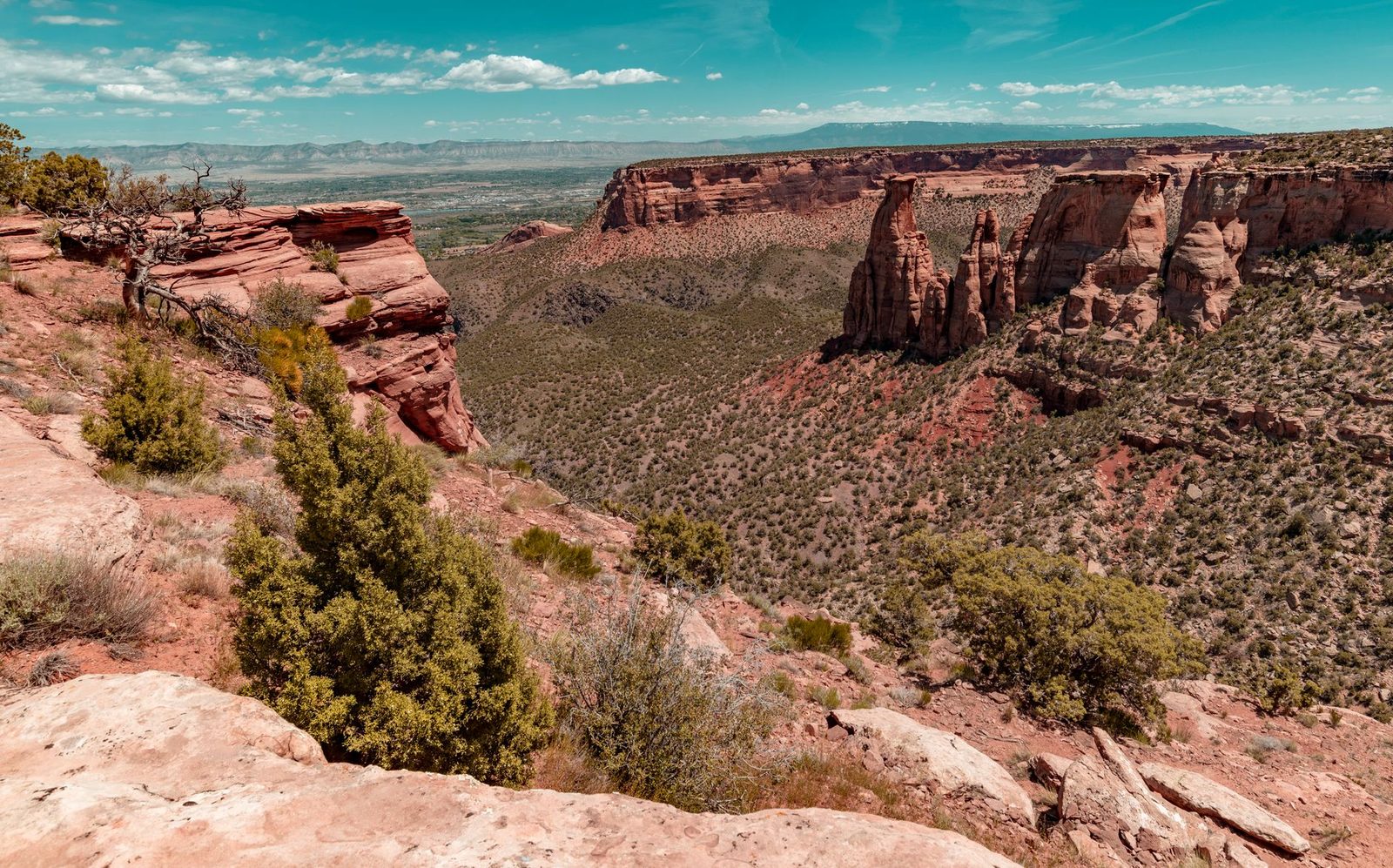
The red rock cliffs of Colorado National Monument above the Grand Valley

Western Slope

Energy crews, orchard country and big dry forests keep demand steady west of the Divide. We deliver to Grand Junction, Rifle, Montrose, Durango and the fire camps that open in Rio Blanco, Ouray and Archuleta counties.

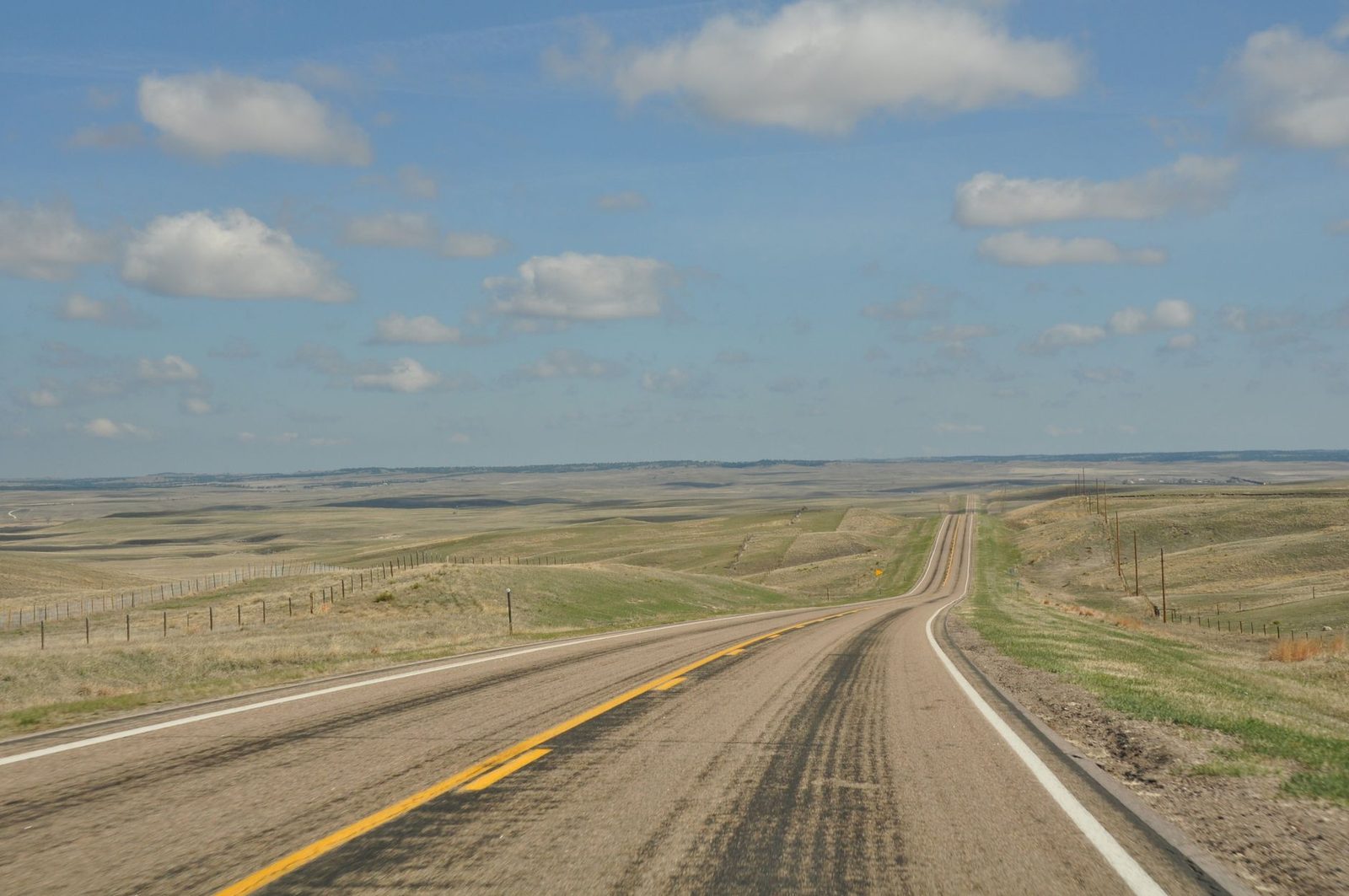
A two-lane highway running straight across the Colorado eastern plains

Eastern Plains

Long power line projects, farm crews and storm recovery work spread across a great deal of open country out here. We reach Sterling, Fort Morgan, Burlington, Limon and Lamar, often a long drive from the nearest public water tap.

Simple Process

How renting a water station trailer in Colorado works

1

Call or request a quote

Tell us the dates, the site, and what you need. Our dispatch line answers 24/7, including emergencies.

2

We size the unit and confirm

We match the right water station trailer to the job and hold delivery on your schedule.

3

Our crew delivers and sets up

We deliver, level, and connect the trailer on site, ready to use the same day.

4

We keep it running

Our own crews refill and sanitize the station on a set schedule, then pick up when the job ends.

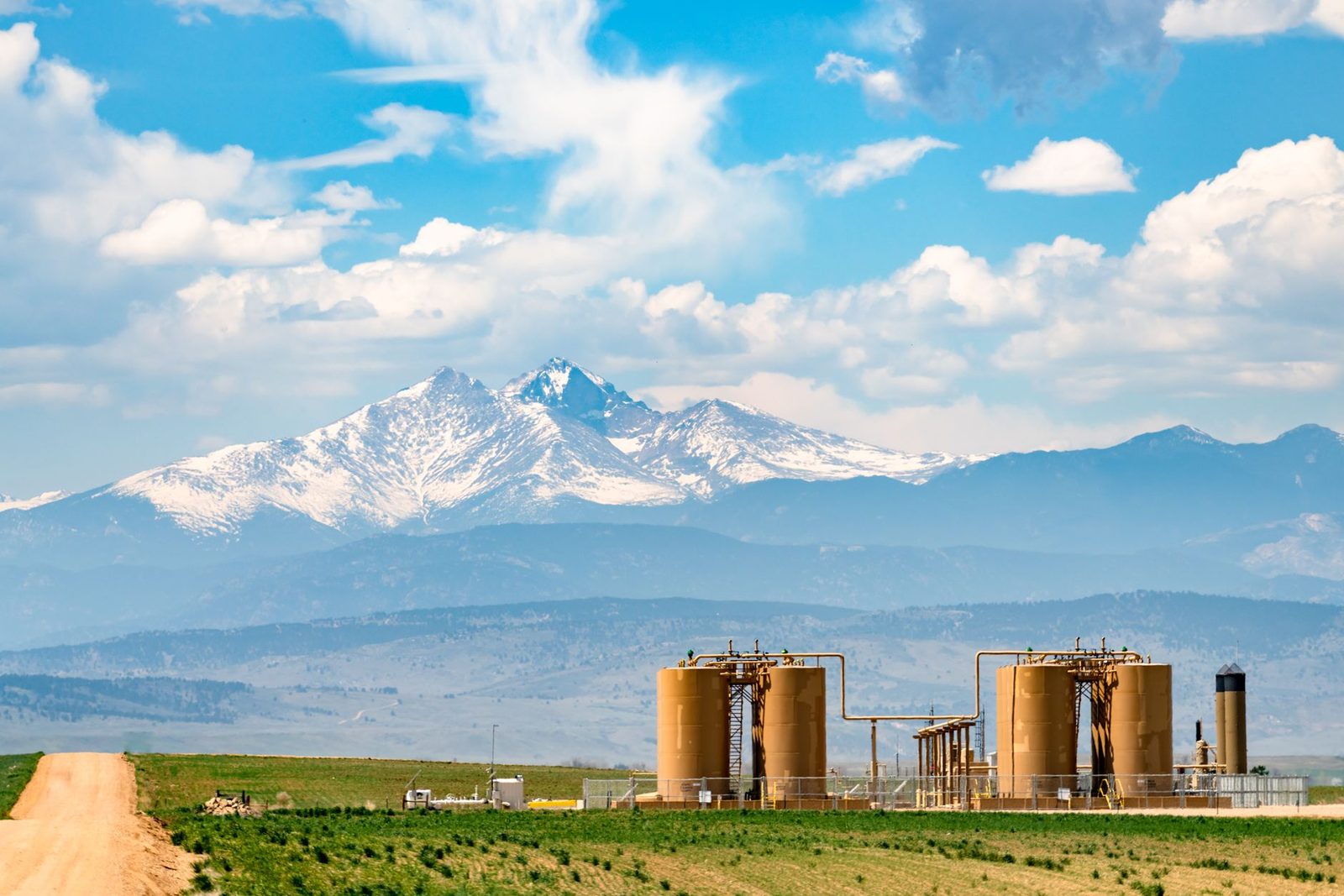
Snow-capped Front Range peaks above farm fields and storage tanks on the plains
Altitude and Dry Air

Why thin, dry mountain air raises water station demand in Colorado

Every Colorado job site is a high altitude job site to some degree. The air up here is thin and very dry, and people breathe faster to get the oxygen they need. Each of those extra breaths carries water out of the body. Sweat also dries on the skin almost as quickly as it forms, so a worker may not feel wet or thirsty even while losing a lot of water, and crews who arrive from lower states often notice it within their first few days.

The sun is harder on people at elevation as well. UV exposure between 5,000 and 10,000 feet runs well above what the same crew would receive at sea level, even on days when the air feels cool, and Front Range and eastern plains summers still push into the 90s and sometimes past 100 degrees. Storms add another risk. Afternoon thunderstorms also build quickly over the mountains and can keep a crew in an exposed position right up until the storm breaks. For those reasons we plan more water per person on Colorado jobs than the thermometer alone would suggest.

Temperature swings are the other challenge. A mountain site can start close to freezing at dawn, turn hot by early afternoon, and drop back toward freezing after dark, all in the same day. The trailer has to deliver cold water in the afternoon and still work the next morning. For higher sites we plan the fill timing and the setup around those daily swings, and we talk through freeze risk with you before the first cold night shows up in the forecast.

Elevation Check

How high Colorado work sites sit, and what that means for a water station plan

Even the lowest ground in Colorado sits higher than the lowest point of any other state. Many of the locations where crews work every summer sit two or three times higher than that.

Elevation in feet above sea level, selected Colorado points
14,440Mount Elbert summit
11,158Eisenhower Tunnel
10,666Vail Pass, I-70
7,500San Luis Valley
7,258Air Force Academy
3,317State low point
The Eisenhower-Johnson Memorial Tunnel is the highest point on the entire Interstate Highway System. The state low point is where the Arikaree River crosses into Kansas.
Why Choose Us

Six things we do differently on a Colorado water station job

Sized for work at altitude

We plan more drinking water per person on a high-elevation site than on a low one. We also match the generator to the altitude, so the cooling unit keeps up through the hottest part of the afternoon.

A live answer at 2 a.m.

Our dispatch line is staffed around the clock by people who can commit a trailer and a delivery truck immediately. You will never be left waiting on a voicemail box that promises to call back on Monday.

We plan the route before we promise a time

Mountain passes, chain-up areas and dirt spur roads all change how long a delivery actually takes in Colorado. We check the route to your camp first and then give you an arrival time we can actually keep.

The trailer follows the camp

When a fire forces the incident camp to relocate, we hitch up and move the unit on the same day. It receives a complete refill before the next operational shift arrives at the new location.

A dated record of every fill

Each trailer carries a service log that lists every fill and every cleaning by date. Your safety officer or finance section can review it at any point during the assignment.

Paperwork that fits agency buying

We work with resource orders, purchase orders and agency contracts every season. Our SAM.gov registration stays current, so a contracting officer can clear us fast.

Our own crews on every visit

The team that delivers the trailer is the same team that refills it and eventually hauls it away. There is no broker in the middle and no unfamiliar driver showing up at your gate.

Customer Stories

How a typical Colorado water station trailer job is set up

How we set up water for a Colorado fire camp

For an incident base camp that goes up with little warning, we plan a trailer filled and moving before the crew count is even final, then add a second unit fast if the camp grows past a few hundred people. If the camp relocates, we tow every unit to the new site and have them full again before the next briefing.

How we set up water for a Colorado shelter activation

For a shelter that opens inside a recreation center or community building, we plan around fountains that were never built for a sudden crowd. We stage a filtered trailer at the entrance the same night, run two fill visits a day, and keep servicing it for as long as the shelter or a boil notice stays in effect.

How we set up water for high-altitude Colorado paving and construction crews

For a crew paving or building above 9,000 feet, we plan for new hires who tire faster than they expect and fill visits timed to the morning shift start. We park the trailer at the staging pull-off closest to the work, and a safety manager can build regular water breaks straight around it.

Colorado Safety Rules

Federal job site water rules in Colorado and how a water station helps you meet them

Colorado is not an OSHA State Plan state, so private construction work here falls under federal OSHA. The General Duty Clause, Section 5(a)(1) of the Occupational Safety and Health Act, requires every employer to keep the workplace free of recognized hazards that are likely to cause death or serious harm. Heat on an outdoor job is one of those hazards. Construction sites are also covered by 29 CFR 1926.51, which requires an adequate supply of potable water on every job, dispensed in a way that keeps it from being contaminated. A common drinking cup is not allowed, and any container used for drinking water has to be clearly marked and used for nothing else.

Federal OSHA also operates a National Emphasis Program on heat hazards, which directs inspectors toward outdoor work on hot days. Its public message is short and plain: water, rest and shade. A water station trailer covers the water part in a way you can show an inspector. The water is cold and filtered, workers fill their own bottles, and the service log records the date of every fill and cleaning. Keep that log with your written heat plan, next to your rest schedule and your shade setup.

Agricultural work has its own Colorado rule. The Agricultural Workers' Rights Act, passed in 2021 as SB21-087, led to the state's Agricultural Labor Conditions Rules at 7 CCR 1103-15. Those rules cover agricultural workers and include heat protections, and the Colorado Department of Labor and Employment runs them. For a grower in the San Luis Valley or on the eastern plains, a trailer that moves from field to field with the crew is a practical way to keep drinking water close to the work. Your own safety lead or legal counsel should confirm exactly what your operation is required to do.

Reviews

Customer reviews of our Colorado water station rentals

H
Holly S.public works director, Western Slope town
★★★★★

A water main break put part of our town under a boil order for most of a week. We set the water station in the town hall parking lot, residents came with jugs all day, and it was easy to set up and easy to remove.

T
Travis K.site superintendent, highway widening in Douglas County
★★★★★

Our work zone moved almost every week, and they kept moving the trailer right along with us. The fill times never slipped, and my foremen finally stopped making gas station runs for cases of water.

A
Angela M.facilities director, school district in the Denver metro
★★★★★

We had plumbing work in a middle school over the summer, so the fountains were shut off. The trailer sat outside the gymnasium for eight weeks, and it was the one part of that renovation project I never had to think about.

D
Derek F.project manager, transmission line build on the eastern plains
★★★★★

Our crews were spread out over miles of open country with no services anywhere nearby. Having one cold water trailer at the morning yard, towed forward as the line progressed, made a real difference for us in July.

Y
Yolanda G.contracting officer, federal land agency in Colorado
★★★★★

Their federal registration was current and the paperwork was clean, which is not always the case with emergency vendors. I could approve the order quickly, and the invoice matched the service log line for line.

P
Pete N.safety manager, mountain corridor paving crew
★★★★★

Altitude wears people down faster than they expect, especially new workers from lower states. We built our water breaks around the trailer, and the afternoon slump improved noticeably. Good crew, and always on schedule.

FAQ

Frequently asked questions

How fast can you get a water station trailer to a Colorado fire camp?
Call the dispatch line with the camp location and the head count. Tell us the best way in, too. We will tell you honestly how soon a trailer can arrive, based on the route and the time of day, before you commit to the order. Mountain camps usually take longer than a Front Range shelter because of passes and slow roads, so the earlier you call, the better. We deploy around the clock, including nights, weekends and holidays.
Can your trailer reach a camp on a steep forest road?
Usually, yes. The trailer tows behind a truck, so it needs a road that a truck pulling a trailer can travel and a reasonably level spot to park. For tight or steep roads we ask for photos or a short description of the turnouts and the last mile. If the road is too rough, we find the closest workable location, such as a staging area at the bottom of the road, and we tell you before we leave.
Do you work under a resource order or an agency purchase order?
Yes. We are a SAM.gov registered federal contractor with FEMA disaster support experience, and we work with resource orders, purchase orders and agency contracts. Tell us which process your agency uses and who approves the order, and we will send the documents your contracting officer needs. Our invoices match the dates recorded in the service log.
How many water stations does a 300-person fire camp need?
It depends on shift length, temperature, altitude and how far the camp sits from a potable fill source. For a camp that size we usually plan more than one trailer, placed where people naturally stop, such as the food line and the supply area. We also build the refill schedule around the busiest times, which are often shift change and the evening meal. Give us your numbers and we will build the plan with you.
Where does the water come from, and how do we know it is safe?
We fill only from potable sources, and every component that touches the water is food grade. The trailer filters and cools the water on board before it reaches the stations. Each unit is sanitized before it goes out and carries a service log with the date of every fill and cleaning, so you can review the record whenever you like.
Does the trailer need power or a water hookup at our site?
No. We can connect to a hydrant or a hose bib when one is available, but the trailer can also operate from its own tank while we refill it by truck. The cooling unit can use site power or a generator we provide. At high elevations we size that generator for the altitude. Engines lose power in thin air.
Will a water station help with our federal OSHA heat plan in Colorado?
It helps with the drinking water portion of your written heat plan. Federal rules call for potable water on construction sites, served in a sanitary way with no shared drinking cup, and our trailer does exactly that. The service log also gives you a dated record you can attach to your written plan. Your plan still needs its own separate procedures for rest breaks and shade.
Can you set up at a shelter in a school gym or recreation center?
Yes, and it is one of the most common ways our trailers are used after a disaster in Colorado. We park the trailer outside near the main entrance, so people can fill bottles without crowding the hallways. The stations sit at ADA height, which helps older evacuees and people who use wheelchairs. If the building goes under a boil order, the trailer keeps working from its own tank.
Can one agreement cover water at several recovery sites after a flood?
Yes. A county may need drinking water at a shelter and a disaster assistance center at the same time after a major storm or flood. The debris yard often needs water too. We place all of them on one agreement and one fill route, with a separate service log for each location. You get one point of contact for the whole recovery instead of managing three different vendors.
Can you deliver inside Denver International Airport or onto a military base?
Yes. Airport and military jobs require badging, escorts and vehicle inspections, and every installation handles access a little differently. Send us the gate requirements and the name of your site access contact as early as possible. We will get our drivers and the truck cleared well before the delivery date.
Can your water stations follow a harvest crew in the San Luis Valley?
Yes. Farm crews move from field to field during harvest, so we tow the trailer to the next field on whatever schedule you set. Colorado's agricultural labor rules include heat protections for farm workers, and a trailer that travels with the crew is a simple way to keep drinking water close to the work.
How long can we keep a water station on a long highway or power line job?
You can keep it for as long as the project continues. Many construction rentals last a full building season, and some carry into a second year. We service the trailer on a regular schedule throughout the rental and relocate it whenever your work zone moves.
Do you rent restrooms, showers and freezer trailers for the same camp?
Yes. Fire camps, shelters and long construction projects usually need more than drinking water. We also rent restroom, shower, laundry, bunkhouse and freezer trailers, and one contract can cover the entire site with a single delivery plan and one service schedule.
Resource Library

Planning guides for Colorado water station jobs

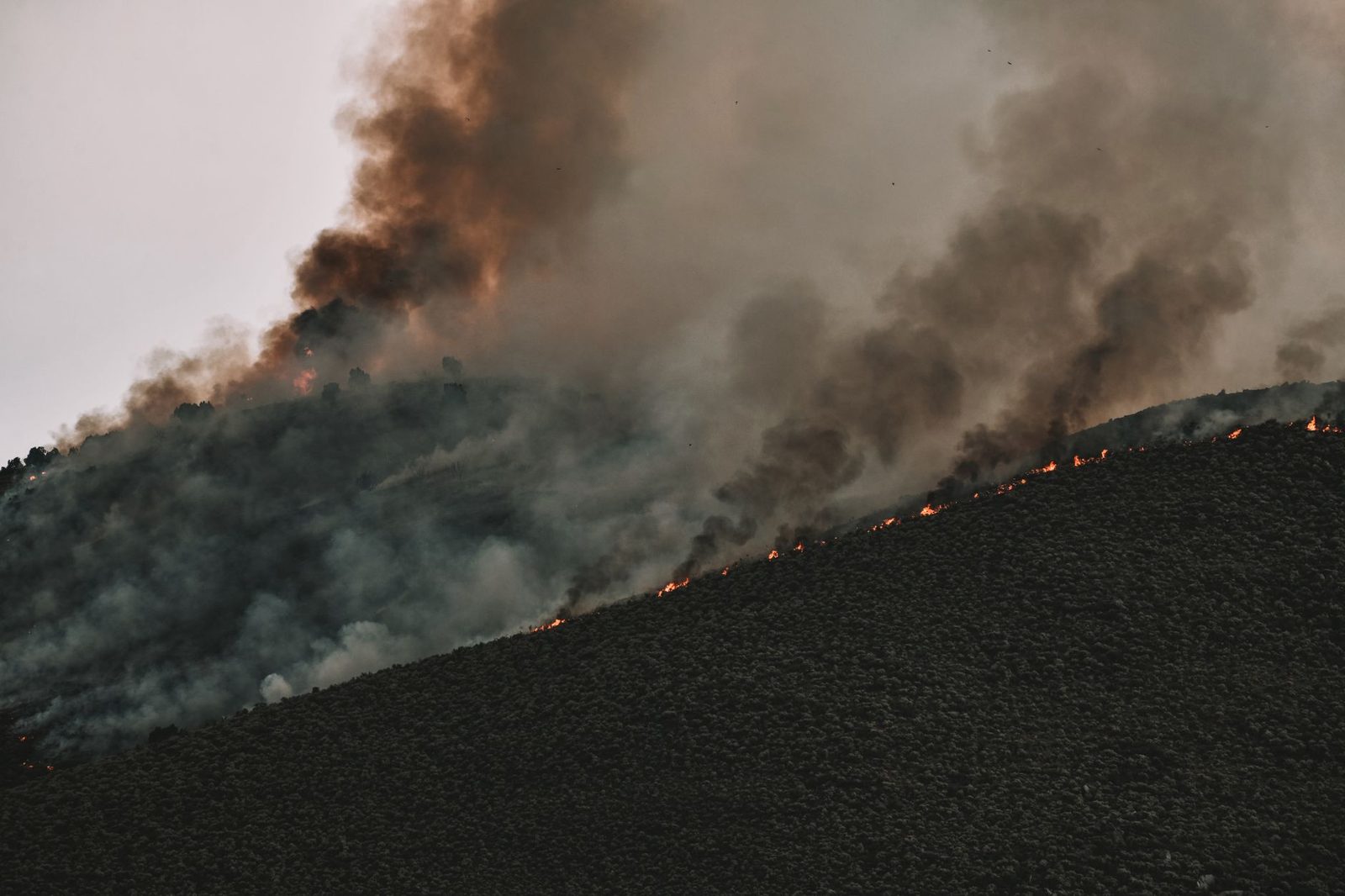
Smoke pouring off a wildfire burning up a steep hillside

Getting a water station vendor on file before Colorado's next fire season

The worst possible time to find a water vendor is the night a fire blows up. Phones ring nonstop, every available truck in the region is already committed, and a contracting officer is trying to approve a company that nobody in the office has worked with before. Agencies that line up their vendors in the spring usually get water to camp faster in August. None of it is complicated, but it has to happen before the smoke shows up.

Start with registration. It is the step that most often slows an order down. Most federal orders and many state orders run through SAM.gov, where a vendor has to maintain an active entity registration. Ask any vendor you are thinking about for their current registration status, and then check it yourself. A lapsed registration can hold up an order for days at the exact moment you cannot afford the delay. Our registration is current, and we are glad to send whatever details your office needs.

Next, get the basic numbers written into your vendor file before anyone needs them. Record how many gallons the trailer holds, how many people can fill at the same time, and what the unit needs from the site before it arrives. Note who answers the phone overnight and exactly what happens when the camp has to relocate. Writing those answers down means the person on duty at 2 a.m. does not have to start the conversation from scratch in the middle of an emergency.

Then think about how your office will actually place the order. Every agency does it differently. Some agencies use resource orders, while others rely on purchase orders, blanket agreements or emergency task orders. Colorado agencies can also request help from other states through EMAC, the Emergency Management Assistance Compact. The state also keeps an all-hazards resource database of equipment it can call on during a disaster. Find out which path your office uses for water and who signs off, and then share that with your vendors so their paperwork matches your process on the first try.

It also helps to understand how your vendor will physically reach you. Ask where the trucks come from, how the vendor plans mountain routes, and whether the same crew that delivers the trailer will also return for refills. A company that relies on brokers may hand your order to a driver who has never seen your area. We use our own crews and our own fleet, and we plan every route to a camp before we give you an arrival time.

Spring is also a good time to talk through a few realistic emergency scenarios with your team. Say a camp of 400 people stands up in a field with no water service, or an emergency shelter opens in a school gymnasium just as the building goes under a boil notice. Walk through who calls whom, how many trailers you would want, and where each one would park on the property. That half hour of planning pays off quickly when the real call comes in.

Finally, keep the vendor file current from year to year. Contacts change, phone numbers change, and registrations expire, so put a reminder on the calendar each spring to review your water vendors along with the rest of your fire season resources. Call us any time before the season begins, and we will walk through a water plan with your office.

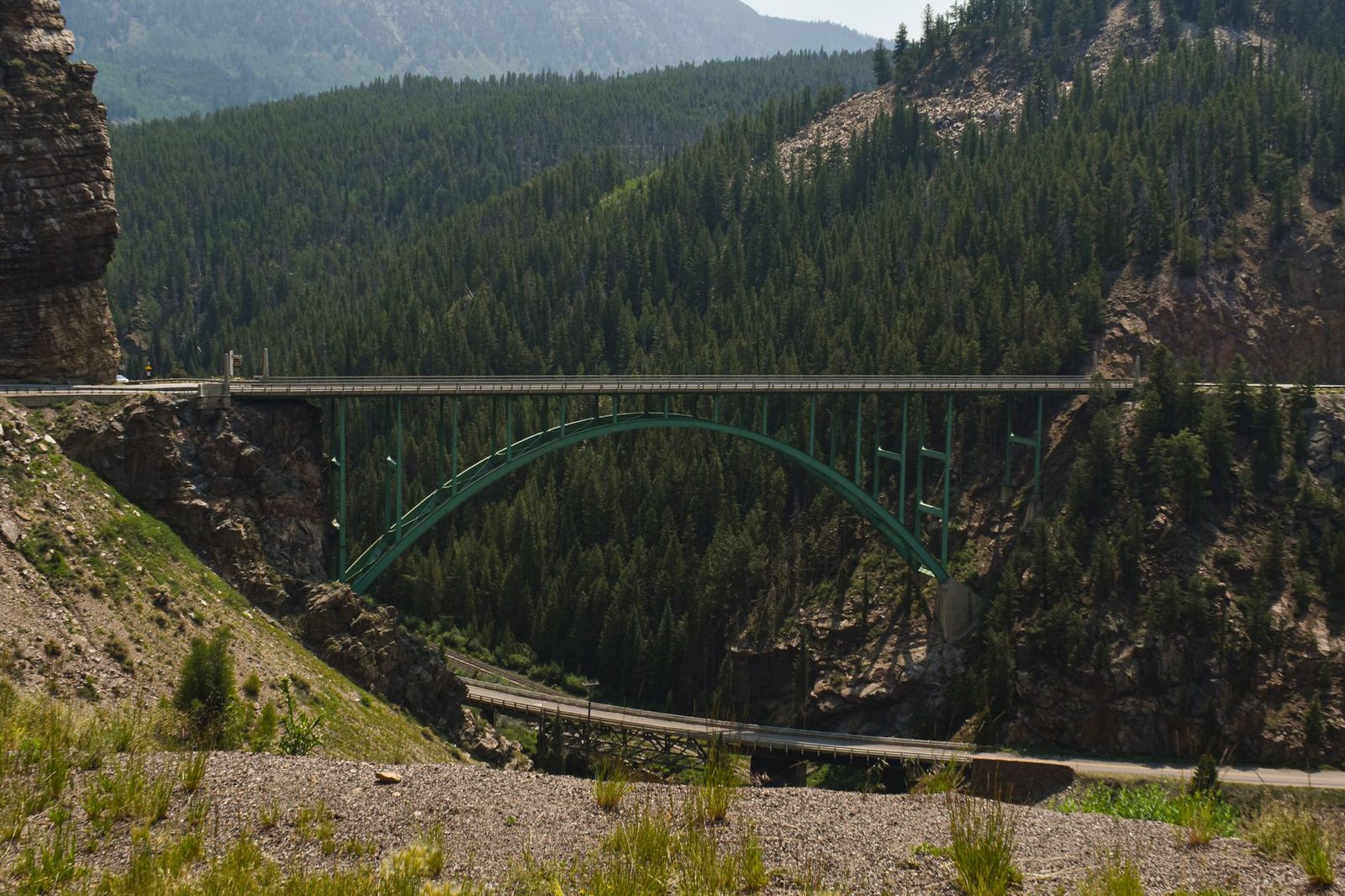
The Red Cliff Bridge on U.S. 24 in the high mountains near Vail

Sizing a water station order for a Colorado crew working at altitude

Most water plans start with the wrong number. Someone counts the crew, orders one trailer, and hopes it works out, and at a Colorado site that plan often falls short by early afternoon because people at elevation lose water faster than they expect. A better plan starts with five simple questions, and working through them takes about ten minutes.

First, count everyone who will actually drink from the trailer. That includes the crew, but it also includes supervisors, inspectors, equipment drivers and anyone else who spends the day on site. On a fire camp, also count the people who staff the camp itself, such as the cooks and the supply staff. The medical unit and the team running the base count too. Those numbers add up quickly.

Second, look closely at the shift. A ten-hour shift in July at 9,000 feet is not the same as a six-hour shift in May on the eastern plains. Longer shifts, harder physical work, hotter days and higher elevations all push water use upward, and federal heat guidance says the same thing in plain terms: drink water often, before you feel thirsty, and plan for more when the work is demanding.

Third, measure the walk from the work to the water. People drink more when water is close, and if the trailer sits a quarter mile from the work, many workers will skip it until lunch. On a spread-out project, two units placed near the work often perform better than one larger setup at the main gate, even though the total amount of water is similar.

Fourth, figure out the refill trip. How far is the site from a potable fill source, and how long does the round trip take on the roads you actually have? A location near Denver can be refilled with a short run, but a camp at the end of a Forest Service road or a pad deep in the Piceance Basin needs a much longer round trip, so we plan extra capacity on site and schedule refills well before the tank runs low.

Fifth, plan for the worst day of the job rather than the average one. The hottest week of the project should set the size of the order. It is easy to scale back if a cool stretch arrives, but it is much harder to add another trailer in the middle of a heat wave, when every other project in the region wants one too.

Altitude adds one more factor that crews from lower states often miss. New arrivals usually need a few days to adjust to the thin air, and during that stretch they tire faster and may need more water than the rest of the crew. If you are bringing in workers from out of state, tell us their start date so we can plan extra capacity for the first week.

Put those answers together and the order almost sizes itself. Call us with your numbers, and we will turn them into a trailer count and a placement plan. We will also set a refill schedule you can add to your safety file.

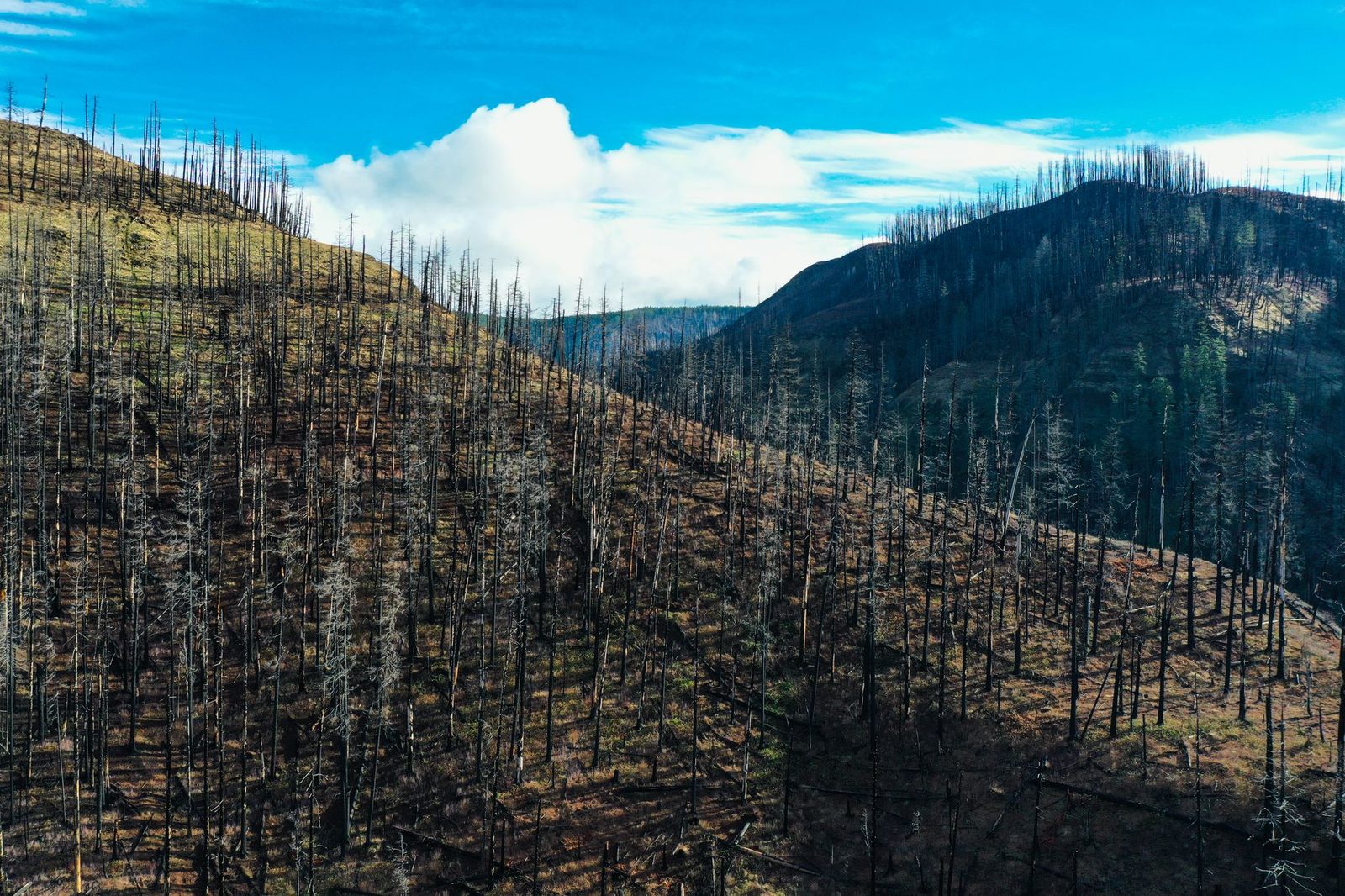
A steep mountain slope of burned, standing dead trees after a wildfire

Drinking water after a burn scar floods in Colorado

In steep Colorado country, a wildfire is often only the first disaster. Once a fire strips away the plants and scorches the soil, the ground stops absorbing rain. The next heavy summer storm can then wash mud, ash and debris straight downhill. That flow can reach creeks and roads, and it can also foul town water intakes. Crews and emergency managers working near burn areas plan for that second event from the day the fire goes out.

It is not a rare pattern in this state. On September 1, 2026, FEMA declared a major disaster for wildfires, flooding and mudslides across Dolores, Ouray, Pueblo and Custer counties, and that single declaration covered the whole chain from fire to flood to mud. The risk lingers. A burn scar can stay risky for more than one season, so a county near an old fire may face this problem more than once.

Small water systems usually feel the impact first. Many rural Colorado towns operate water systems sized for the people who live there and not much more. When ash or mud reaches a creek or a treatment plant, the system may issue a boil notice or shut down part of the distribution line, and at the same moment the town may be hosting road crews, cleanup teams and residents who were pushed out of their homes.

That is where a self-contained trailer proves its value. It carries its own tank, filled from a clean potable source outside the affected area, so it keeps working even when the local tap cannot be trusted. We can park one at the town hall or the fire station. A community center works too, and residents can fill jugs and bottles at the stations throughout the day.

Plan the fill source before the storm arrives. If the local system goes down, we need to know where the nearest clean source is located and how long the round trip takes on roads that may be damaged or partly closed. Sometimes that means a longer haul from a larger town, so we map it out with you ahead of the summer storm season to avoid guessing later.

Think carefully about who actually needs the water. Residents under a boil notice need water for drinking and cooking, while cleanup crews need larger amounts and need it close to where they are working. Shelters need water for both groups, and each of those locations may need its own trailer.

Keep public information simple and visible. Post a clear sign at the trailer stating that the water is safe to drink, and share the refill times with residents through the channels the town already uses. People trust a water source more when they can see someone taking care of it every day.

Finally, decide ahead of time who inside your organization can approve a water order at night. Burn scar floods often come from afternoon and evening storms, and a boil notice can land after the office closes. Call us before storm season, and we will help you plan the setup, the fill source and the approval path.

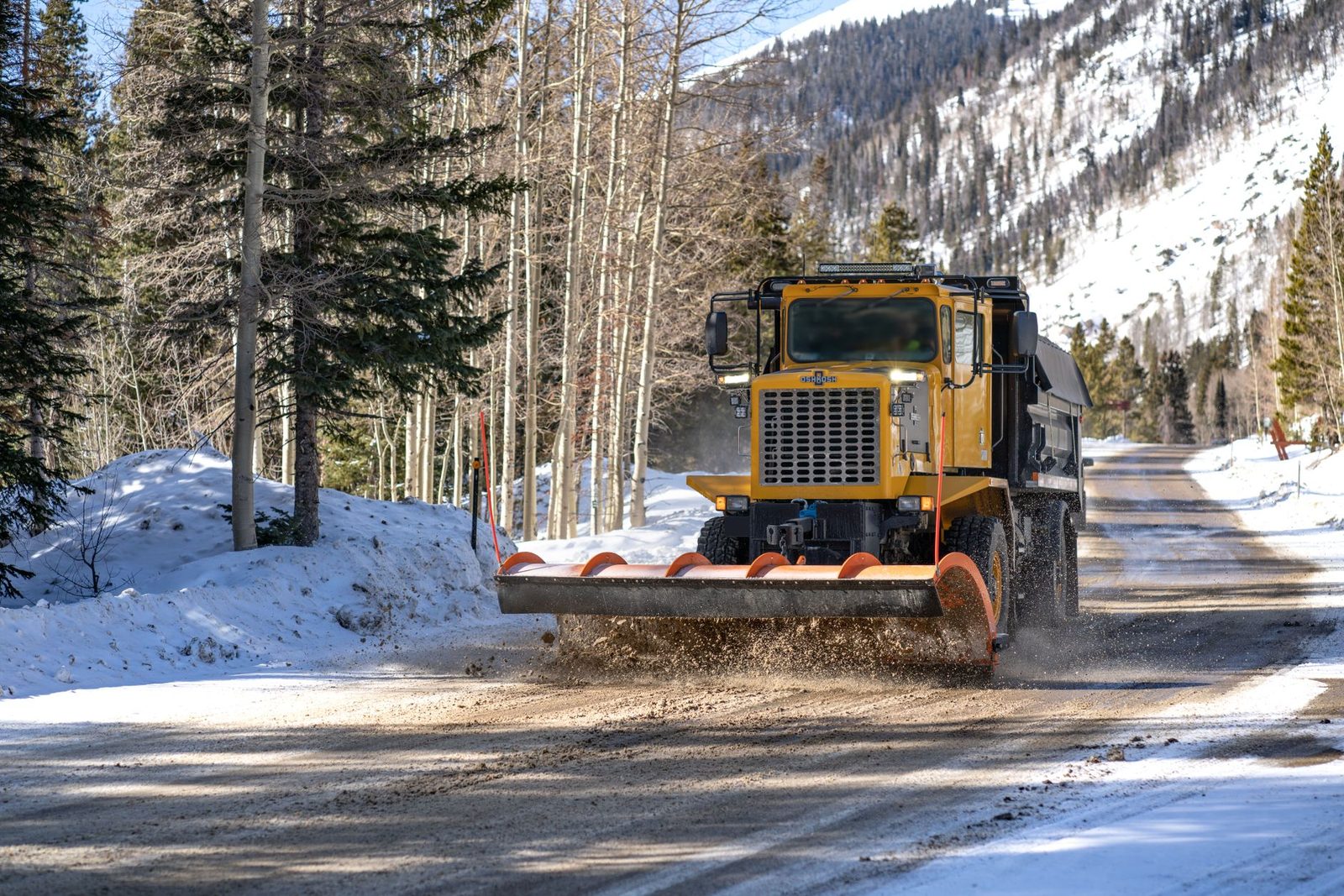
A heavy plow clearing snow from a mountain road through pine and aspen forest

Running a water station through a Colorado winter

Winter does not end the need for drinking water. Road crews, avalanche teams, tunnel staff and shelter workers keep working when it is well below freezing outside, and they still sweat under heavy gear while the dry winter air pulls water out of them with every breath. A water trailer in the cold needs a different plan than one in July.

Freezing is the first concern. Water sitting still in hoses and lines can freeze overnight, even when the tank itself stays liquid. Tell us early if your location will see nights below freezing, and we will plan the placement, the fill timing and how the lines are handled overnight, and we will discuss whether the unit can sit near a heated building or out of the wind.

Placement makes a large difference in cold weather. Wind is the biggest factor. A trailer parked in the open on a ridge takes the full force of the wind, while the same trailer tucked against the sheltered side of a building or a row of vehicles stays noticeably warmer. We review your site layout before delivery and choose the spot together with your site lead.

Winter roads change the whole schedule. Mountain passes close for storms and avalanche control, and a refill that takes an hour in summer can take most of a day in January. We fill fuller and earlier when storms are in the forecast, and we stay in touch with your site lead about closures. Crews at the Eisenhower-Johnson Memorial Tunnel and on the passes near Vail and Glenwood Canyon work through exactly these conditions.

Emergency shelters are the other major winter assignment. A blizzard, a long power outage or a winter wind event can push people out of their homes during bitter cold. The shelter building itself stays warm, and the trailer can sit close to an entrance, so evacuees spend only a moment outside while they fill a bottle.

Check the gear that goes with the water, too. Crews in cold weather often carry insulated bottles or hydration packs under their coats so the water does not freeze on the job. The bottle-fill stations work well with both, and filling a bottle takes only a few seconds, which matters when people are standing in a cold wind. If your crew uses a heated break trailer or a warming tent, tell us where it sits, and we will try to place the water station close by.

Watch your people closely, too. Cold weather hides dehydration. Workers who do not feel hot usually drink less, and they may not notice the problem until they are exhausted, dizzy or making mistakes. A trailer placed where the crew warms up or takes breaks gets used far more than one sitting out by the gate.

Plan winter projects early in the fall. If you know you have a mountain project or a winter shelter plan, call us before the first storm, and we will set up a cold-weather fill plan and a delivery route that account for passes, closures and the shorter daylight hours.

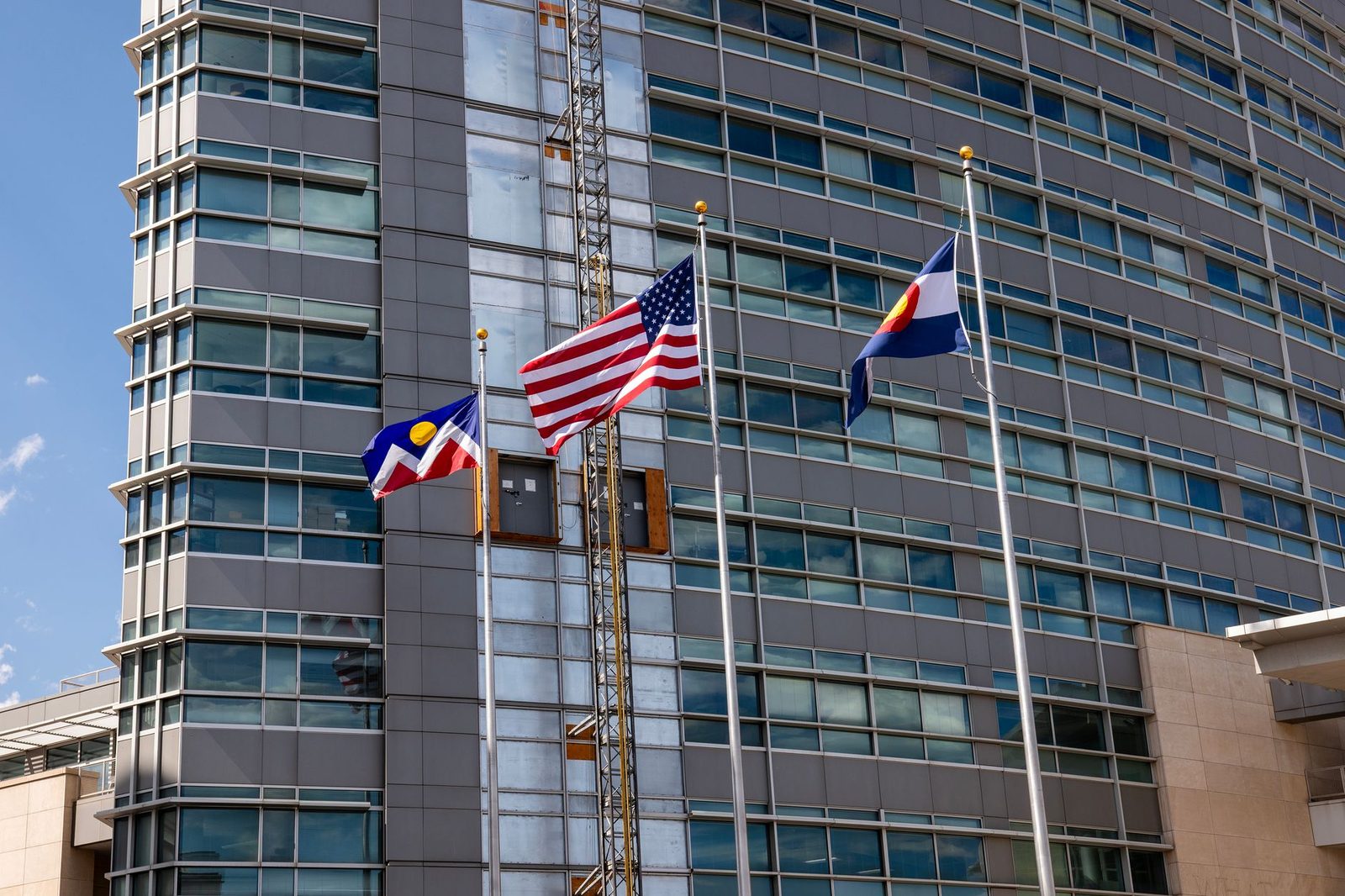
A tower crane beside a Denver building flying the Colorado and Denver flags

Planning water stations around Colorado's short building season and school summer break

Colorado has a short building season. Across most of the state, the weather is dry and warm enough for big outdoor projects from late spring into early fall. That window lines up almost exactly with school summer break, when districts do most of their construction and repair work while the buildings sit empty.

The result is a very crowded summer. Denver Public Schools serves about 90,450 students, Jeffco serves about 75,495, and Douglas County serves close to 63,000, and all three run bond-funded building and repair programs that land in the same few warm months. Highway, utility and campus projects compete for the same crews and equipment during those same weeks.

Book as early as you can. If you know your summer projects by winter, reserve your water stations then. Summer demand is high across the Front Range and the hottest weeks of the year are also the busiest weeks for school construction. An early booking locks in your dates and gives us time to plan each delivery around the rest of your schedule.

Keep crew water separate from the building. On a school project, the building's own water may be shut off, flushed or under repair for much of the summer. A self-contained trailer set outside the work zone keeps the crew supplied without touching the school's plumbing, and it also keeps construction traffic away from staff and students who may still be in the building for summer programs.

Construction sites are also covered by 29 CFR 1926.51, which calls for potable water on every job, served in a sanitary way. A water station with bottle-fill stations meets that requirement without anyone setting out a cooler and a stack of cups. The service log also shows your general contractor and district staff that water was on site and refilled on schedule.

Watch the heat in early June and late August. School construction often peaks right at the start and end of summer break, and those weeks can bring some of the hottest days on the Front Range and the eastern plains. Crews working on roofs, parking lots and new additions spend long hours in full sun at elevation, so we often plan extra capacity for those weeks and fewer refills during milder stretches in between.

Plan for projects that run long. Some summer jobs slip into the first weeks of the school year, and if that is possible on your project, decide in advance where the trailer will sit once students return, so it does not block a bus lane or a parent drop-off line.

Multi-school programs need a route, not just a delivery. When a district runs work at six or eight schools at once, we can put every campus on one fill route with one schedule, which is much easier for your project managers to track than separate orders for each building. Send the list of schools and start dates, and we will lay out the route for you.

Finally, share the plan with everyone involved. Give your superintendent, your safety lead and each school's facilities contact the trailer location, the refill schedule and our phone number. Call us before your summer calendar fills up, and we will match the trailer count to every school on your list.

More Rentals

Other trailers we rent in Colorado

Camps and shelters need more than drinking water. We can add restroom, shower, laundry, freezer and decontamination trailers to the same order for your Colorado site.

Get a Quote

Call now to put a water station on your Colorado incident or job site

Give us the location, the dates and the expected head count, and we will choose the trailer count, map the delivery route and set the refill schedule. Our line answers 24/7, including emergencies.

Get a Quote Call (855) 687-1887
Call (855) 687-1887 - 24/7 Dispatch