Home / Services / Colorado
Colorado

Temporary Portable Freezer Trailer Rentals in Colorado

Mobile freezer trailers delivered across Colorado, from the Denver metro and Colorado Springs to the Western Slope. One adjustable unit runs as a freezer or a refrigerator, plugs into ordinary power or a generator we provide, and holds your product through a walk-in failure, a kitchen rebuild, a fire-camp deployment, or a festival weekend.

Why crews choose us

Colorado's go-to source for mobile freezer trailers

Mavirus Group is a national government, disaster-relief, and large-scale provider, and Colorado is core territory for our freezer and refrigeration fleet. We are a registered federal contractor on SAM.gov, a FEMA disaster-relief partner, a Cal Fire partner, and a United States Forest Service partner, licensed and insured with an A+ BBB rating and more than 11,000 deliveries behind us. Crews choose us because we answer the phone at 2 a.m., we bring the generator when the grid is down, and we place pallet-scale cold storage wherever the work is, whether that is a Front Range loading dock, a Colorado Springs dining facility, or a fire camp near Estes Park.

24/7statewide dispatch
11,000+deliveries completed
50 to -10degrees fahrenheit range
3trailer footprints
Our Freezer Trailer Fleet

Meet the freezer trailers we deliver to Colorado

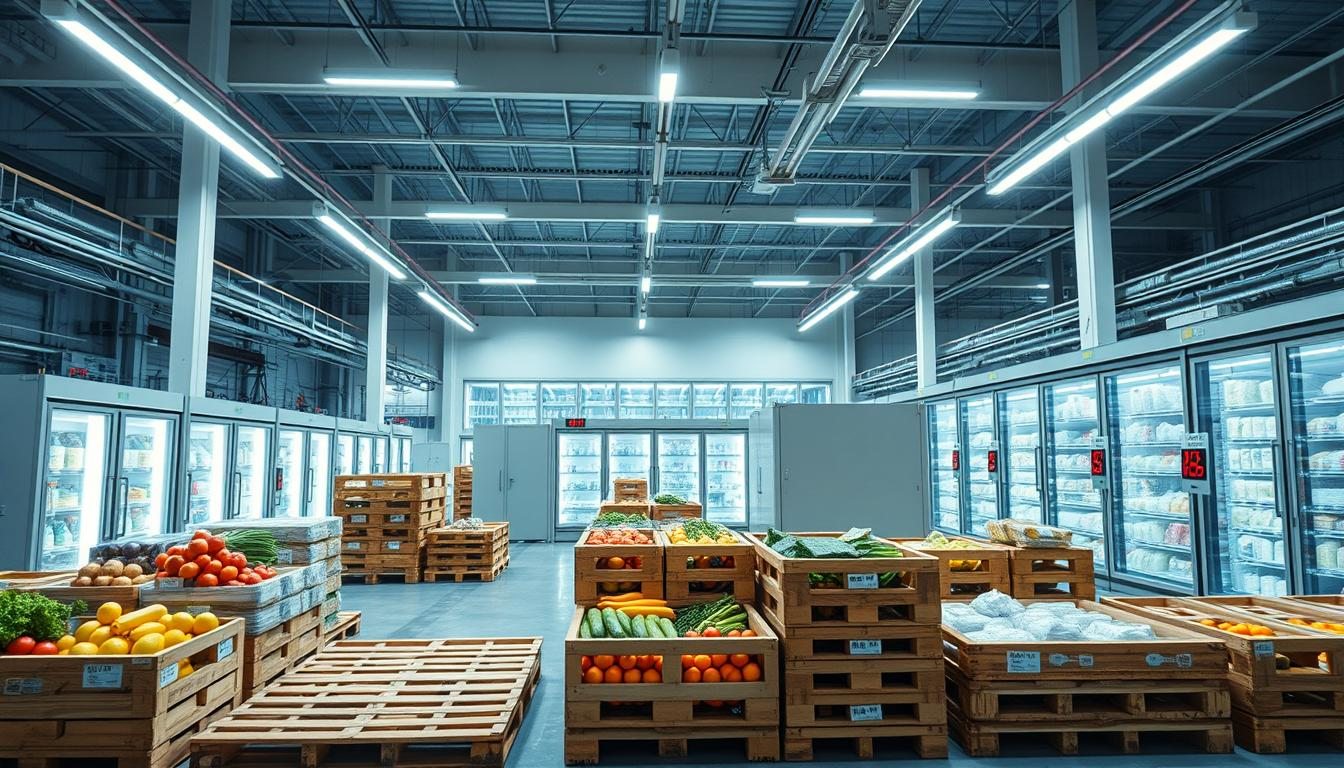
A Mavirus portable freezer trailer holding pallets of frozen product, ready for Colorado delivery
A Mavirus freezer trailer, sub-zero cold storage that plugs into ordinary power

Our freezer trailers hold product sub-zero in a road-towable box that plugs into ordinary 120V power, in three sizes matched to how you actually receive product. A compact unit fits a single parking stall behind a restaurant, the workhorse absorbs a walk-in failure or a renovation, and a long box takes an institutional or disaster feeding load a full pallet at a time.

The trailers are self-contained. Each unit runs off standard power at your dock, and when the grid goes down the fleet keeps running on generators we bring, so a cold chain emergency does not become a total loss. We quote by case count and delivery cadence, not square feet, and match the box to your inventory.

Every unit holds temperature accurately and we keep a written temperature log your auditors will like. Delivery, setup, monitoring, and pickup are all part of the rental, and a dispatcher answers at 2 a.m. when a compressor quits without notice. Across Colorado that adjustable range matters, because one week the call is a Denver grocer holding frozen protein at minus 10 and the next it is a Western Slope orchard holding peaches just above freezing. The same trailer does both, and it draws from a single ordinary circuit or the generator we bring.

Where the fleet works

What our mobile freezer trailers do across Colorado

Colorado runs on cold storage in more places than most people think: restaurant and grocery walk-ins along the Front Range, feeding operations at wildfire and disaster staging sites, dining facilities on and around the state's six military installations, and food banks moving millions of pounds of donated product. Here is how our trailers serve the three demands we see most.

Wildfire and disaster staging

Mobile freezer trailers for Colorado emergency response

Colorado is a genuine disaster-staging state, and freezer and refrigeration trailers are feeding infrastructure during a fire or storm. The Marshall Fire on December 30, 2021 burned more than 6,200 acres in under 24 hours through Louisville, Superior, and Lafayette, destroyed 1,091 structures, and forced roughly 37,500 people to evacuate, the most destructive fire in state history. It struck in winter on the suburban edge of the Denver metro, proof that Colorado disaster demand is neither seasonal nor rural only.

The 2020 season was the largest on record, burning 665,454 acres. The Cameron Peak Fire reached 208,913 acres, the largest in state history and the first to pass 200,000. The East Troublesome Fire burned 193,812 acres, jumped the Continental Divide, and reached the edge of Estes Park. Fire camps at that scale feed hundreds to thousands of personnel and run on frozen and refrigerated logistics whether anyone names it in the planning meeting or not.

As a FEMA disaster-relief partner, a Cal Fire partner, and a United States Forest Service partner, we deploy the way agencies need: pre-chilled trailers on generator power, running for many consecutive days at shelter kitchens and distribution hubs while a service truck tops the fuel on schedule. The smart clients stage proactively. Counties and utilities pre-position units at fairgrounds, armories, and emergency operations center lots ahead of a red-flag forecast so a feeding operation opens the morning after landfall instead of a week later.

Pre-positioning costs a fraction of crisis mobilization, and it is the single biggest reason experienced Colorado emergency managers keep our number on the wall. When the grid goes down, the freezer fleet does not notice, because each unit pairs with a right-sized generator and a fuel plan that keeps both machines honest.

White freezer trailer on generator power at a Front Range wildfire evacuation and feeding staging area at dusk
Unbranded white refrigeration trailer parked beside a large institutional dining facility loading dock near a Colorado military post
Government and military

Mobile freezer trailers for Colorado's defense and public sites

Colorado hosts six active major military installations, and five of the six sit in or around Colorado Springs, one of the most concentrated multi-branch military communities in the country. Fort Carson, south of Colorado Springs, spans about 373,000 acres with a community near 64,750 and is the third-largest employer in the state with roughly 29,500 employees. It is home to the 4th Infantry Division, the 10th Special Forces Group, and the 43rd Sustainment Brigade, among others, and its dining facilities and field rotations create real temporary cold-holding demand.

Peterson Space Force Base hosts NORAD and United States Northern Command headquarters. Schriever Space Force Base runs satellite control and space operations. Buckley Space Force Base in Aurora operates missile-warning satellites. Cheyenne Mountain Space Force Station is the hardened underground alternate command center, and the United States Air Force Academy feeds cadets at scale. Every one of these sites, plus National Guard mobilizations and inter-agency exercises across the Front Range, can draw on temporary refrigeration.

Government cold storage runs on paperwork as much as on temperature. We are a registered federal contractor on SAM.gov, licensed and insured, with an A+ BBB rating and more than 11,000 deliveries completed. That profile fits federal and state procurement for scheduled and emergency cold-storage tasking, so a contracting officer or a dining-facility manager is not starting a vendor from scratch.

The trailers place where the work happens: dock height at a dock, ground access with steps and ramps where there is not one. A single ordinary circuit or a provided generator runs the box, so a field site or a continuity-of-operations location does not need a substation to keep protein cold.

Front Range food chain

Mobile freezer trailers for Colorado kitchens, grocers, and food banks

The Front Range is a real cold-chain corridor. Colorado Cold Connect sits at I-76 and US Highway 34 serving Fort Collins to Pueblo, Symbia Logistics runs 330,000 square feet about seven miles from Denver International Airport, and Denver distributors hold frozen product down to minus 20 degrees. When a permanent freezer bay goes down for a rebuild or a seasonal volume spike overwhelms it, a mobile freezer trailer at the dock adds capacity without a construction project.

The classic call is a dead walk-in cooler. A walk-in is the lifeblood of a back-of-house: proteins, produce, dairy, and every prepped ingredient the kitchen runs on. A packed walk-in that stays shut holds safe temperature for roughly 24 to 48 hours; a half-empty one fails faster. Same-day placement exists because that window is real. Our trailer parks at the dock, plugs into an ordinary circuit or a generator, and the crew transfers product within the hour, across Denver, Colorado Springs, Aurora, Fort Collins, and Boulder.

Food Bank of the Rockies, based in the Denver metro, is the largest hunger-relief organization in the Rocky Mountain region and holds the largest food-bank coverage area in the contiguous United States. It distributed more than 88.5 million pounds of food in 2023, roughly 181,500 meals a day, working with more than 800 partners. Donated frozen protein arrives when a donor truck arrives, and extra cold capacity turns that windfall into 90 days of orderly distribution instead of a frantic giveaway weekend. A long box absorbs a full load in one transfer.

Kitchen renovations always run long. Everyone signs a schedule and nobody believes it. A freezer trailer carries the menu across the whole gap, however wide it gets, and returns the day the new walk-in passes inspection rather than the day the contract guessed.

Long white freezer trailer backed up to a Denver grocery distribution loading dock with pallets staged for transfer
More Colorado demand

Other jobs the fleet covers statewide

Events and festivals

The Great American Beer Festival in Denver, A Taste of Colorado at Civic Center Park, the Colorado Springs Labor Day Lift Off, and Fort Collins street festivals all run concession programs that spike frozen inventory on event days. Trailers stack product on site so vendors skip the mid-event supply run across town.

Stadium and arena concessions

Empower Field at Mile High, Ball Arena, and Coors Field push huge frozen volume on game days. A trailer at the loading area holds overflow so the concession lines never run dry during a Broncos, Nuggets, Avalanche, or Rockies event.

Agriculture and harvest surge

Western Slope orchards around Palisade harvest peaches every August in a short window that outruns permanent cold rooms, and cattle is the region's top commodity. A seasonal trailer beats owning a building sized for one month of the year.

Hunting and game processing

Deer and elk season each fall fills rural Colorado processor capacity fast. A trailer for the six-week crunch holds the harvest without a year-round facility standing half empty the other eleven months.

Renovations and rebuilds

Hospital, campus, and school-district kitchens along the Front Range keep our units through freezer and walk-in rebuilds that run months long. The trailer holds the whole inventory and leaves the day the new equipment passes inspection.

Ice and heat-wave programs

When a Front Range heat wave hits, county operations run bagged-ice distribution out of long boxes, with pallets moving out as fast as sites call for them. Denver averages 43 days a year at 90 degrees or above, so the demand is predictable.

Unbranded white refrigeration trailer parked beside a large institutional dining facility loading dock near a Colorado military post
The altitude factor

How Colorado's elevation and heat shape cold storage

Colorado's high elevation and dry interior-continent air produce large day-to-night temperature swings. The Front Range cities sit at 5,000 to 6,500 feet, and the mountains rise abruptly beyond 7,000 feet. Denver, at 5,279 feet, has hit an all-time high of 110 degrees and averages 43 days a year at 90 or above, 16 of them at 95 or above. Afternoons can reach the 90s and evenings drop into the 50s the same day.

That heat and the intense high-altitude solar load push a freezer's compressor hard on summer afternoons, so shade placement and prompt loading matter more here than at sea level. We coach crews to load the box quickly after delivery, because a fully loaded freezer rides out a brief power interruption far better than an empty one. Thermal mass is the whole game.

In the high country the story flips. Mountain fire camps, resort events, and remote government sites face thin air, long supply distances, and fast-changing weather, which is exactly where a self-contained trailer with a generator package beats a supply run down the canyon. A March 2026 record heat wave ran nearly 30 degrees above normal, a reminder that Colorado shoulder-season spikes are unpredictable and hard on standing cold infrastructure.

Colorado by the numbers

Why the demand is real and statewide

A few Colorado figures we plan around when we stage freezer and refrigeration capacity across the state.

Scale of Colorado cold-storage demand
burned in the 2020 fire season, the largest in state historydisaster staging
distributed by Food Bank of the Rockies in one yearfood-bank cold capacity
active major military sites, five near Colorado Springsgovernment demand
a year Denver reaches 90 degrees or aboveheat and event load
Sources: Colorado wildfire records, Food Bank of the Rockies 2023, Colorado Springs installation count, Denver climate normals.
Why Choose Us

What sets our freezer trailers apart

Generator-backed, whatever the grid is doing

Colorado outages come from wildfire, winter wind, and grid strain, and our units keep running through all three. Each trailer pairs with a right-sized generator and a fuel plan, and our service truck tops the tank and logs the hours so your team feeds people while ours feeds the machines. During major recoveries our units run many consecutive days on generator power without a temperature problem.

Sub-zero on ordinary power

Each trailer plugs into standard 120V power at your dock and holds product sub-zero, so placement is usually the only planning question worth asking.

Sized by how you receive product

Three sizes matched to case count and delivery cadence, from a caterer's overflow box to a long unit that absorbs a facility's whole inventory in one transfer.

Temperature you can document

Every unit holds temperature accurately and we keep a written log, which is exactly what feeding programs, health inspectors, and auditors ask to see.

Runs through a power failure

When the grid goes down the freezer fleet keeps running on generators we bring, so a cold chain emergency does not turn into a total loss.

Built for scale and agencies

From a single restaurant to a multi-box disaster feeding operation, with a 24/7 line for emergencies. As a SAM.gov registered contractor we work directly with government and military agencies.

Answered at 2 a.m.

Frozen logistics never learned about business hours, and neither did we. A dispatcher answers the emergency line around the clock when a walk-in quits without notice.

Customer Stories

A few Colorado jobs we have handled

Denver metro food-bank operations lead, holiday distribution

A donated frozen protein load arrived days before a major holiday distribution with no open freezer bay to hold it. We placed a long box on an ordinary circuit at the warehouse, absorbed the full load in one transfer, and held it through the entire distribution window. Zero product lost, and the program ran on schedule instead of scrambling to give everything away in a weekend.

Colorado Springs institutional dining manager, training surge

A walk-in freezer failed during a training rotation when the dining facility was feeding at peak volume. A mid-size trailer arrived the same day, the crew transferred product within the hour, and the operation carried the full menu through the compressor rebuild. The only schedule change was the pickup date.

Front Range county emergency manager, red-flag forecast

Ahead of a red-flag wildfire forecast, we staged two pre-chilled trailers at a fairgrounds on generator power. When the evacuation order came, the shelter feeding operation opened that same morning instead of a week later. The county director told us pre-positioning cost a fraction of what a crisis mobilization would have.

Around the Region

Colorado regions we serve

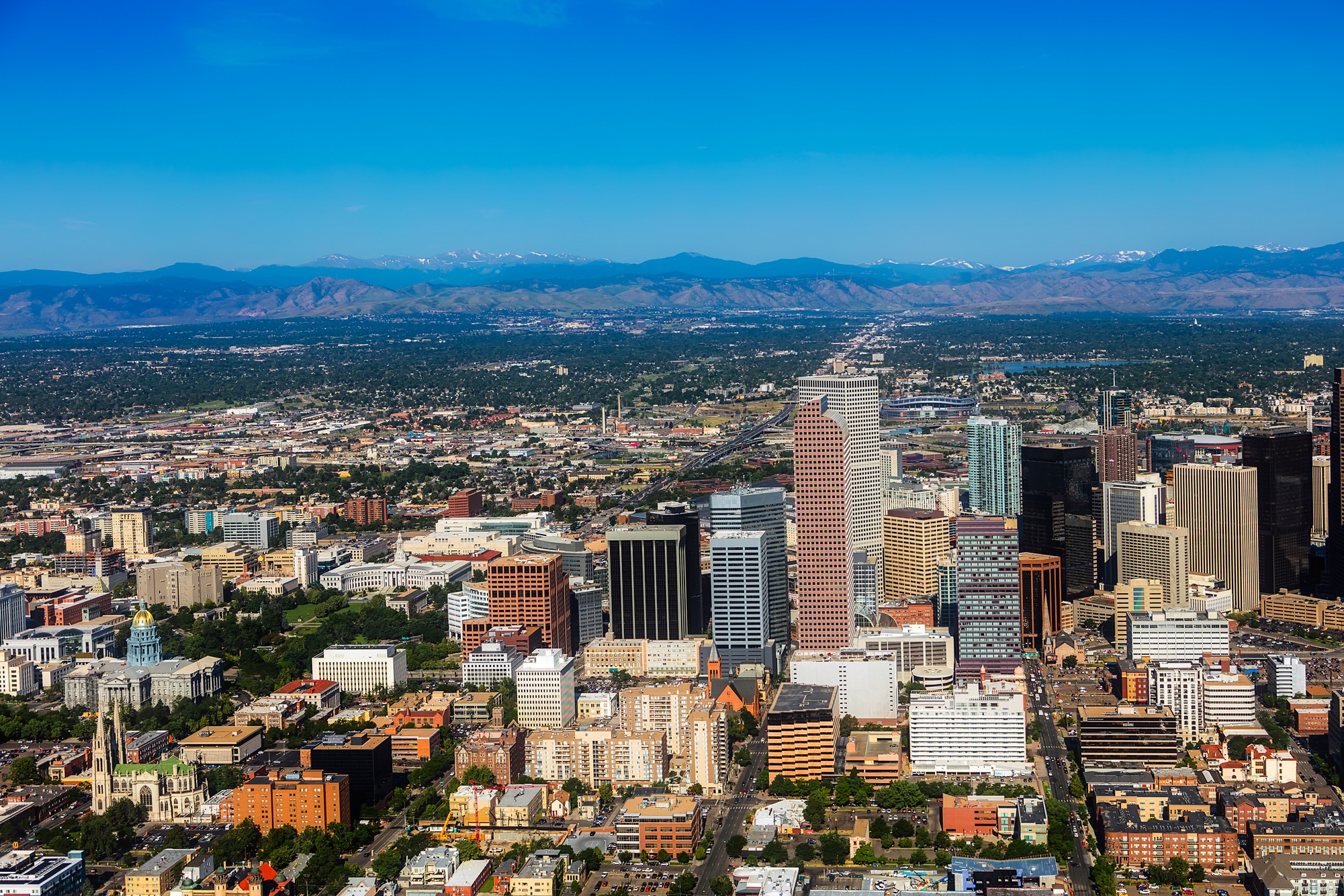
Denver metro and Downtown Denver

The core of Front Range cold-chain and event demand, with dense restaurant and grocery operations, Food Bank of the Rockies, Denver International Airport catering and cargo, stadium and arena concessions, and Civic Center Park festivals. When a walk-in dies or a festival needs cold holding downtown, this is our busiest service area.

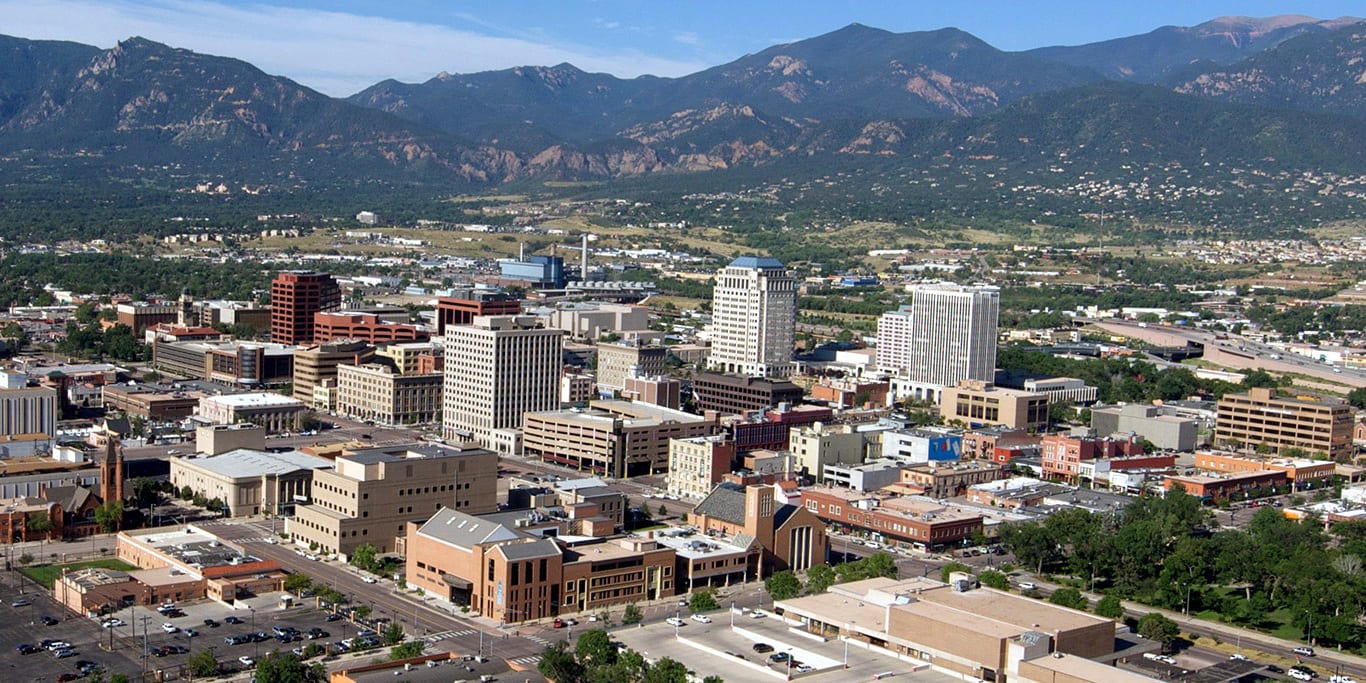
Colorado Springs and El Paso County

Home to five military installations including Fort Carson, plus a growing restaurant and grocery base and the Labor Day Lift Off balloon festival. Government dining, field rotations, and event concessions all draw temporary freezer and refrigeration capacity south of the Palmer Divide.

Aurora

Buckley Space Force Base, the Anschutz Medical Campus with large hospital dining, and diverse foodservice across the eastern metro. Warehousing along the DIA corridor and institutional kitchens both create walk-in-failure and overflow calls we cover same day.

Fort Collins and Northern Colorado

Colorado State University dining, a dense brewery and event scene, and festivals like NewWestFest and FoCoMX, plus proximity to the northern food-distribution corridor and Greeley agricultural processing. Larimer and Weld county operations lean on seasonal and emergency cold storage.

Boulder and Broomfield

The Marshall Fire recovery footprint sits here, along with tech and campus dining and a cluster of natural-foods company headquarters and test kitchens. Disaster staging and commercial cold-chain demand both run through this stretch of the northwest metro.

Western Slope and Grand Junction

Peach and cattle country west of the Continental Divide, where the August Palisade harvest and fall game season outrun permanent cold rooms. Remote agricultural placements and agritourism events make seasonal trailer rental the practical answer out here.

The Colorado details

Rules, power, and paperwork for cold storage in Colorado

Frozen and refrigerated food storage in Colorado follows the state Retail Food Establishment Rules administered through the Colorado Department of Public Health and Environment and county and city health departments, including Denver Public Health and Environment. The FDA Food Code holds refrigerated product at 41 degrees or below, and frozen inventory is held at zero or below, continuously. USDA commodity programs and HACCP plans that food banks and institutional kitchens run against expect continuous cold holding and orderly transfer, which our trailers are built to support.

Powering the trailer is simple. There are two options and only two: a generator we provide and service, or a 120-volt, 20-amp dedicated circuit within 100 feet of the trailer. It is not a 208 to 240 volt hookup, and even five trailers want five ordinary circuits or a modest generator set, not an industrial service upgrade. Before delivery we confirm power source, placement footprint, and site access so day one is a handshake, not a scramble for an extension cord that does not exist in the length anyone hoped.

For government and disaster work, procurement runs through SAM.gov registration and standard federal and state contracting. We are a registered federal contractor and a FEMA, Cal Fire, and United States Forest Service partner, which streamlines emergency and scheduled tasking for public agencies. One honest note on scope: we provide the trailer, the generator option, and delivery, with digital setpoint control on the unit. We do not sell a remote temperature-monitoring, logging, or alarm service, so your team reads and controls the setpoint on the box itself.

Service Area

Colorado cities we deliver to

We deliver mobile freezer and refrigeration trailers across the Front Range, the Western Slope, and the mountain resort corridor. If your city is not listed, call and ask, because our reach across Colorado is statewide.

DenverColorado SpringsAuroraFort CollinsLakewoodThorntonArvadaWestminsterGreeleyPuebloCentennialBoulderHighlands RanchLongmontLovelandBroomfieldCastle RockCommerce CityParkerLittletonBrightonGrand JunctionEnglewoodEstes Park
Reviews

What Colorado crews say about us

Marcus D., operations lead, food bank, Denver metro
Marcus D.operations lead, food bank, Denver metro
★★★★★

A donated frozen load showed up before a big distribution and we had nowhere to put it. Their long trailer was on our dock same day, we moved the whole load into it in one shot, and it held through the entire week on a normal circuit. They understood the USDA side of what we do without us explaining it twice.

Sandra L., dining facility manager, Colorado Springs
Sandra L.dining facility manager, Colorado Springs
★★★★★

Our walk-in freezer quit during a training surge and I called expecting a wait. A trailer was on site the same afternoon and we transferred product within the hour. It carried us through the whole repair with nothing lost. For a site with our contracting requirements, that they were already SAM.gov registered mattered a lot.

Ray P., emergency management, Boulder County
Ray P.emergency management, Boulder County
★★★★★

We staged two of their pre-chilled units at the fairgrounds ahead of a red-flag day. When the order came, the feeding operation opened that morning on generator power. Their service truck handled all the fuel. After what this county has been through with fire, having cold storage that just works is not a small thing.

Jen H., catering director, Fort Collins
Jen H.catering director, Fort Collins
★★★★★

We run festival and wedding season back to back and storage is always the pinch point. Their trailer parked behind our shop and held our overflow all season without a single supply run across town. Ordinary power, no drama, and they answered every time I called.

Tomas R., grocery operations, Aurora
Tomas R.grocery operations, Aurora
★★★★★

Compressor rebuild on our main freezer would have been a disaster in July. The trailer backed right up to our dock, dock height, and my crew walked product straight in with carts. Held minus 10 the whole time even on the hot afternoons. I keep their card on the office board now.

FAQ

Frequently asked questions

Where in Colorado do you deliver freezer trailers?
Statewide. We cover the full Front Range from Fort Collins through the Denver metro to Colorado Springs and Pueblo, the Western Slope around Grand Junction and Palisade, and the mountain resort corridor. If your town is not on our city list, call and ask, because our Colorado reach is broad and we stage from multiple points.
Is the trailer a freezer or a refrigerator?
Both. Every unit is dual purpose and runs from one adjustable control across roughly plus 50 degrees down to minus 10 degrees Fahrenheit. You can hold frozen protein at minus 10 or fresh produce and dairy just above freezing in the same box. Tell us your target temperature and we set the unit to it.
How do you power the trailer in Colorado?
Two ways, and only two. Either a generator that we provide and service, or a 120-volt, 20-amp dedicated circuit within 100 feet of the trailer. It is not a 208 to 240 volt hookup, and it does not need an industrial service upgrade. Even a multi-trailer cold yard runs on ordinary circuits or a modest generator set.
What sizes are available?
Three footprints. A compact unit that fits a single parking stall behind a building or concession stand, a mid-size workhorse for restaurant and institutional walk-in failures and renovations, and a long box for pallet-scale food-bank, disaster-feeding, and full-facility volume. Tell us your case or pallet count and we match the box.
How fast can you respond to a walk-in failure?
Same day in most of the state. We run a 24/7 dispatch line because a packed walk-in only holds safe temperature for about 24 to 48 hours once it fails. We keep pre-chilled units ready, so the trailer that backs up to your dock is already at temperature and your product transfers into cold, not into a promise of cold.
Do you support wildfire and disaster staging in Colorado?
Yes, and it is a core part of what we do. We are a FEMA disaster-relief partner, a Cal Fire partner, and a United States Forest Service partner. We deploy pre-chilled units on generator power to shelters and distribution hubs, run for many consecutive days through an outage, and we encourage counties and utilities to pre-position units ahead of a red-flag forecast so feeding operations open the morning after, not a week later.
Can you work with government and military contracts?
Yes. We are a registered federal contractor on SAM.gov, licensed and insured, with an A+ BBB rating and more than 11,000 deliveries completed. That profile fits federal and state procurement for scheduled and emergency cold-storage tasking on and around Colorado's installations and public sites, so a contracting officer is not starting a vendor from scratch.
Does Colorado's altitude or summer heat affect the freezer?
The units hold temperature fine, but high-altitude solar load and 90-degree afternoons make the compressor work harder, so placement matters. We advise shade where possible and prompt loading, because a fully loaded box rides out a brief power interruption far better than an empty one. In the high country, a self-contained trailer with a generator beats a supply run down the canyon.
Can I keep a trailer for a long renovation or rebuild?
Yes. Because these are trailers rather than trucks, they stay as long as the problem does, whether that is a weekend, a season, or a multi-month rebuild, without a vehicle asset idling in your budget. Hospital, campus, and school-district kitchens routinely keep units through freezer and walk-in projects that run longer than the original schedule.
Do you provide temperature monitoring or logging?
The trailer has digital setpoint control on the unit so your team dials and reads the target temperature on site. We do not sell a remote monitoring, logging, or high-temp-alarm service, so no promises of logged records or remote alarms. What we do is deliver a unit that holds the temperature you set and dispatch a technician if it ever needs attention.
What happens if the power goes out during a rental?
If you are on our generator package, nothing changes for you. Each unit pairs with a right-sized generator and a fuel plan, and our service truck tops the tank on schedule and logs the hours. During major Colorado recoveries our units have run many consecutive days on generator power without a temperature problem. Your team feeds people, ours feeds the machines.
Why rent a trailer instead of a refrigerated truck?
A reefer truck runs a diesel engine around the clock and prices like a vehicle because it is one, with fuel deliveries and a motor droning behind your kitchen. Our trailer draws from a wall circuit or a generator, prices like storage, and places where your crew works at dock height or ground level. Over a month the difference is significant, and the trailer can stay put far longer than a truck company wants its route asset gone.
Resource Library

Colorado freezer and refrigeration resources

Staging freezer trailers for Colorado wildfire and disaster response

Colorado has moved decisively into an era of large, fast-moving wildfires, and cold storage is quietly one of the most important pieces of a disaster feeding operation. When a fire or a wind event forces thousands of people out of their homes, shelters and distribution hubs stand up within hours, and every one of them needs to hold frozen and refrigerated food safely, often on generator power, sometimes for weeks.

The scale is not hypothetical. The Marshall Fire on December 30, 2021 burned more than 6,200 acres in under 24 hours, destroyed 1,091 structures across Louisville, Superior, and Lafayette, and forced roughly 37,500 people to evacuate, making it the most destructive fire in Colorado history. It struck in winter on the suburban edge of the Denver metro, which shattered the assumption that wildfire disaster demand is a summer, high-country problem.

The 2020 season set the modern benchmark. Colorado burned 665,454 acres, its largest season on record, and produced the three biggest fires in state history in a single year. The Cameron Peak Fire reached 208,913 acres, the first Colorado fire to pass 200,000. The East Troublesome Fire burned 193,812 acres, jumped the Continental Divide, and reached the western edge of Estes Park near Rocky Mountain National Park. Fire camps supporting those efforts fed hundreds to thousands of personnel, and that feeding ran on frozen and refrigerated logistics.

There are two ways agencies use a freezer fleet during these events. The reactive path is the one everyone pictures: the fire hits, a shelter opens, frozen commodities need a home tonight, and dispatch starts placing boxes on generator power. It works, and we run it constantly. The proactive path is smarter and cheaper. Counties, utilities, and emergency managers stage pre-chilled trailers at fairgrounds, armories, and emergency operations center lots ahead of a red-flag forecast, so a feeding operation opens the morning after an evacuation order instead of a week later.

Pre-positioning costs a fraction of crisis mobilization, and the experienced Colorado emergency managers already know it. A trailer staged in advance is at temperature and ready when the order comes, while a trailer summoned during the chaos is competing for roads, fuel, and attention with the whole response. The math favors planning every time.

Generator coverage is what makes wildfire work possible, because the grid is frequently the first casualty. Each unit pairs with a right-sized generator, a fuel plan, and a service cadence that keeps both machines honest. During major recoveries our units run many consecutive days on generator power at shelter kitchens, and the fuel is our chore, not the agency's. Our service truck tops the generator on schedule and logs the hours, so the feeding team never touches it.

Credentials matter in this world. Mavirus Group is a FEMA disaster-relief partner, a Cal Fire partner, and a United States Forest Service partner, and a registered federal contractor on SAM.gov, licensed and insured with an A+ BBB rating and more than 11,000 deliveries. That is the exact profile a Colorado county or state agency looks for when it needs to stage cold storage fast and account for it cleanly afterward.

The practical takeaway for any Colorado agency: decide your staging plan before fire season, not during it. Know where your pre-positioned cold storage will sit, confirm the power plan, and have the vendor relationship in place. When the next red-flag day arrives, that preparation is the difference between opening a shelter kitchen at dawn and opening it a week into the emergency.

Cold storage for Colorado's Front Range food-distribution corridor

The Colorado Front Range is one of the Mountain West's real cold-chain corridors, and that concentration of grocery distribution centers, food-service warehouses, and airport cargo creates steady demand for temporary freezer and refrigeration capacity. When a permanent freezer bay goes down or a volume spike overwhelms a dock, a mobile trailer is the fastest way to add cold storage without a construction project.

The infrastructure is substantial. Colorado Cold Connect operates temperature-controlled, food-grade warehousing at the intersection of I-76 and US Highway 34, positioned to serve the Front Range from Fort Collins to Pueblo. Symbia Logistics runs a 330,000-square-foot facility about seven miles from Denver International Airport, serving as a distribution hub for the Rocky Mountain region, the West Coast, and the Midwest. Denver distributors hold frozen product down to minus 20 degrees across dozens of dock doors.

Denver International Airport adds another layer. As one of the country's busiest airports, its catering kitchens and air-cargo cold handling run continuous refrigeration, and the surrounding logistics parks feed the same freight arteries. The I-25, I-70, and I-76 corridors put Colorado at the crossroads of Mountain West grocery and foodservice logistics, so a cold-storage disruption at one node ripples outward quickly.

The most common trailer call in this world is a walk-in or freezer-bay failure. Cold storage is the lifeblood of a distribution operation, and when a compressor quits, thousands of pounds of product start a slow march toward 32 degrees, every degree of it money changing state. A packed cold room that stays shut holds safe temperature for roughly 24 to 48 hours; a half-empty one fails faster. That window is why same-day placement exists.

Our trailer backs up to the dock at dock height, plugs into an ordinary 120-volt circuit or a generator we provide, and the crew transfers product within the hour. Because it is a trailer and not a truck, it can stay through a multi-week rebuild without a route asset idling in the budget, and it places where the crew already works instead of forcing staff to climb a truck bed with cases of product.

Seasonal overflow is the other steady driver. Grocery distribution spikes around holidays, and food-service warehouses surge when their retail and restaurant customers do. Rather than overbuild permanent freezer space for a few peak weeks a year, distributors rent trailers for the surge and return them when volume normalizes. It is the same logic that makes seasonal cold storage smart for orchards and game processors, applied to the loading dock.

Multi-trailer cold yards scale more gracefully than people expect. When one trailer becomes five, the layout follows warehouse logic scaled down: boxes face a common working lane wide enough for pallet jacks and a service truck, and each box still draws an ordinary circuit, so five trailers want five circuits or a modest generator set rather than an industrial service upgrade. A single service visit can walk the whole yard gauge by gauge.

For a Front Range distributor, the value is capacity on demand. The cold chain does not pause for a compressor rebuild or a holiday surge, and a mobile freezer trailer keeps product moving through both without a capital project. That flexibility, backed by a vendor that answers 24/7 and can bring a generator, is why distribution and food-service operations across the Denver metro keep the number handy.

Refrigeration for Colorado's military and government sites

Colorado hosts one of the densest concentrations of military installations in the country, and where there are large dining facilities, field exercises, and continuity-of-operations plans, there is demand for temporary refrigeration. Freezer and refrigeration trailers serve these sites when a permanent unit fails, when a training surge overwhelms standing capacity, or when a field operation needs cold holding where no building exists.

The footprint is remarkable. Colorado has six active major military installations, and five of the six sit in or around Colorado Springs, making it one of the most concentrated multi-branch military communities in the nation. That concentration alone creates a steady baseline of cold-storage demand across El Paso County and the surrounding Front Range.

Fort Carson anchors the Army presence south of Colorado Springs. It spans about 373,000 acres, supports a community near 64,750, and is the third-largest employer in Colorado with roughly 29,500 employees. As home to the 4th Infantry Division, the 10th Special Forces Group, the 43rd Sustainment Brigade, and more, its dining facilities feed at scale and its field rotations create temporary demand that permanent infrastructure does not always cover.

The Space Force footprint is equally significant. Peterson Space Force Base hosts NORAD and United States Northern Command headquarters. Schriever Space Force Base runs satellite control and space operations. Buckley Space Force Base in Aurora operates missile-warning satellites. Cheyenne Mountain Space Force Station is the hardened underground alternate command center, and the United States Air Force Academy feeds thousands of cadets. Every one of these sites can draw on temporary cold storage for dining, commissary overflow, or contingency operations.

Government cold storage runs on procurement as much as on temperature, and this is where a qualified vendor matters. Mavirus Group is a registered federal contractor on SAM.gov, licensed and insured, with an A+ BBB rating and more than 11,000 deliveries completed. That profile fits federal and state contracting for scheduled and emergency cold-storage tasking, so a contracting officer or a dining-facility manager works with a vendor that already meets the baseline requirements.

The units are built for the way government and field sites actually operate. They place at dock height beside a dining facility or on the ground with steps and ramps at a field location. They run on a single ordinary 120-volt circuit or a generator we provide and service, so a continuity site or a training area does not need a substation to keep protein cold. And because they are trailers, they can stay for a short exercise or a long project without a vehicle asset tied up.

Continuity-of-operations and emergency planning extend the demand beyond the posts themselves. National Guard mobilizations, inter-agency exercises, and disaster staging across the Front Range all draw on temporary refrigeration, and the same fleet that serves a dining facility one week can stage at a Front Range emergency operations center the next. The generator coverage that makes wildfire work possible applies here too.

For a Colorado government or military customer, the appeal is simple: a cold-storage vendor that is already contract-ready, that can scale from one trailer to a multi-box yard, and that brings its own power. When standing infrastructure fails or a mission surges, that combination keeps a dining program or a field operation running without a capital project and without a procurement scramble.

Mobile cold storage for Colorado feeding programs and food banks

Feeding programs and food banks run on cold capacity, and in Colorado that demand is enormous. When donated frozen protein and produce arrive faster than permanent freezer space can hold them, a mobile freezer trailer turns a logistical crisis into an orderly distribution, and it does it on an ordinary circuit at the warehouse dock.

The scale in Colorado is hard to overstate. Food Bank of the Rockies, based in the Denver metro, is the largest hunger-relief organization in the Rocky Mountain region and holds the largest food-bank coverage area in the contiguous United States, serving Colorado and Wyoming. It distributed more than 88.5 million pounds of food in 2023, roughly 181,500 meals every day, working with more than 800 partner organizations, and it moved about 100 million pounds in 2020.

The defining challenge of this work is that supply is unpredictable. Donated frozen protein arrives when a donor's truck arrives, in whatever volume that truck holds, and it rarely lines up with the freezer space on hand. Without extra cold capacity, a windfall becomes a frantic giveaway weekend, with product pushed out the door faster than it can be distributed responsibly. With a long trailer on site, that same load becomes 90 days of orderly distribution.

A long box is built for exactly this. When a facility needs to absorb a full donated load, the long trailer takes the entire inventory in one transfer, and it is the format disaster-feeding and commodity clients request by name. A single long box has held a school district's whole summer commodity allocation with room to spare, and the same capacity serves a regional food bank through a holiday surge.

USDA commodity programs add a compliance layer. Programs handling federal commodities work against storage protocols that expect continuous cold holding at the correct temperature, and the FDA Food Code standard holds refrigerated product at 41 degrees or below and frozen inventory at zero or below. Our trailers are built to hold those temperatures reliably, with digital setpoint control on the unit so the operations team dials and reads the target on site.

Summer feeding and school-district programs create a seasonal spike of their own. When school kitchens close for the summer, commodity allocations still need cold storage, and summer feeding sites operate where permanent freezer space may be limited. A trailer bridges that gap for the season and returns when the school-year kitchen reopens, which is far more economical than building permanent capacity for a few months of peak demand.

Disaster and feeding overlap constantly in Colorado. When a wildfire or storm forces a mass-feeding response, the same food banks and partners that run everyday distribution scale up fast, and the cold storage has to scale with them, often on generator power. Because we serve both the everyday food-bank world and the disaster-response world, the transition from routine distribution to emergency feeding is seamless, and the units and the generator coverage are already familiar.

For a Colorado feeding program, the value is capacity that flexes with the mission. Hunger relief does not run on a predictable schedule, and neither do donations or disasters. A mobile freezer trailer, backed by a vendor that answers 24/7 and can bring a generator, lets a food bank say yes to a windfall load and hold it long enough to distribute it the right way.

High-altitude and event cold storage across Colorado

Colorado's altitude, its dry air, and its packed event calendar all shape how cold storage performs and where it is needed. From Denver's summer heat to the Western Slope harvest to the festival crowds downtown, the state creates demand for freezer and refrigeration trailers that a single fixed facility could never cover, and understanding the climate makes every placement smarter.

The climate starts with elevation. The Front Range cities sit at 5,000 to 6,500 feet, and the mountains rise abruptly beyond 7,000 feet. Denver, at 5,279 feet, has recorded an all-time high of 110 degrees and averages 43 days a year at 90 or above, 16 of them at 95 or above. Because the air is dry and thin, an afternoon can hit the 90s and the evening can drop into the 50s the same day.

For a freezer, that heat and the intense high-altitude solar load mean the compressor works harder on summer afternoons than it would at sea level. The practical response is placement discipline: shade where possible, and prompt loading after delivery. A fully loaded box holds cold through a brief power interruption far better than an empty one, because thermal mass is the whole game, so we always advise loading promptly rather than letting a box hum along empty.

The event calendar is a major driver. Denver hosts the Great American Beer Festival, the largest beer festival in the country, along with large downtown food festivals at Civic Center Park that have historically drawn hundreds of thousands of visitors around dozens of food booths. Colorado Springs runs the state's biggest hot-air balloon festival on Labor Day, and Fort Collins fills its streets for NewWestFest and FoCoMX. Every one of these runs concessions that spike frozen inventory on event days.

Stadium and arena concessions add steady, predictable surges. Empower Field at Mile High, Ball Arena, and Coors Field push enormous frozen volume on game days, and a trailer at the loading area holds overflow so the lines never run dry. For caterers, festival and wedding season stack back to back, and a trailer behind the shop holds the overflow all season without a mid-event supply run across town.

Agriculture creates the state's sharpest seasonal crunches. The Western Slope around Palisade harvests its famous peaches every August in a short window, thanks to hot high-altitude days and cool nights that lock in the sugar, and the volume outruns permanent cold rooms. Cattle is the region's top commodity, and apples, grapes, and sweet corn add to the harvest load. A seasonal trailer beats owning a building sized for one month of the year.

The high country flips the equation. Mountain fire camps, resort events near Vail and Aspen and Steamboat, and remote government sites face thin air, long supply distances, and fast-changing weather, which is exactly where a self-contained trailer with a generator package beats a supply run down the canyon. A March 2026 record heat wave that ran nearly 30 degrees above normal is a reminder that Colorado shoulder-season spikes are unpredictable and hard on standing infrastructure.

The common thread is flexibility. Colorado's demand for cold storage moves with the season, the weather, and the calendar, from a July heat wave to an August harvest to an October festival. A mobile freezer trailer, sized to the job and backed by generator power, meets that demand wherever it appears, which is why operators across the Front Range, the Western Slope, and the mountain corridor rent rather than build for their peak weeks.

More Rentals

Other trailers we rent in Colorado

We rent more than freezer trailers. If you are running a feeding operation, a base camp, or a disaster response, we can bring the rest of the trailers too.

Get a Quote

Get your Colorado freezer trailer quote today

Tell us the dates, the case count, and the site, and we will size the cold storage plan and hold the trailer. Booking and emergencies are answered around the clock.

Get a Quote Call (855) 687-1887