Setting hurricane season standby terms for shower trailers before June
The Atlantic hurricane season lasts from June 1 to November 30. Every Texas county on the coast knows a storm could come in any of those months. The time to arrange shower trailers for a response is in the spring, while the phones are quiet and the terms can be worked out calmly.
Standby terms are a simple idea. You agree ahead of time on what you might need, how you'll call for it and how the paperwork will work. Nothing ships until you call. When a storm does turn toward your county, one phone call starts the dispatch instead of a round of emails about pricing and insurance.
Start with a rough count. Think about how many shelters your county usually opens and how many people each one holds. Add the staging yards where recovery crews will gather. Each site needs its own plan, and a shelter needs at least one accessible stall.
Pick the parking spots now. A shower unit needs level ground, room for a truck to back it in and access for a pump truck. Walk each shelter site and note where a trailer would go. Write it down with photos. On landfall day, nobody has time to measure a parking lot.
Think about power. Many shelters lose power in a big storm, and a portable shower trailer needs it to heat water. Decide whether the site has a generator hookup or whether the vendor should bring one. A shelter with cold showers is only a little better than a shelter with none.
Get the paperwork settled. County and state buyers often need a vendor in SAM.gov, a certificate of insurance and a quote in a set format. Clear all of that in April. We are SAM.gov registered, licensed and insured, and we'll match your format.
Finally, test the phone number. Call the vendor's after-hours line once before the season starts, and make sure a real person answers. Ready.gov has a good overview of hurricane planning that pairs well with your own shelter plan.
Sources: Ready.gov hurricane planning guide
Matching shower service to a 14 and 7 hitch rotation
A crew on a 14 and 7 hitch lives on a schedule most people never see. That means fourteen days of 12-hour shifts, then seven days at home. The shower plan at camp should follow that rhythm, not a generic weekly calendar.
Crew change day is the busiest and the worst day for service. One crew is packing up and another is arriving, and both want a shower. We never schedule cleaning on crew change. We set it on a quiet weekday in the middle of the hitch instead.
The evening rush is the next thing to plan for. If the whole day crew comes off at 6 p.m., they'll all head for the showers within the same hour. With metered 1.5 gallon per minute heads, eight cabins can move a lot of people, but a crew of 200 all at once will still wait. A second unit or staggered shift ends fix that.
Night crews have their own rush in the morning. Place the unit so the morning rush doesn't wake the people who just went to bed. A trailer too close to the bunk rows can be loud with doors and fans going.
Federal trucking rules show how long oilfield days can get. Drivers who work only for oil and gas operations can restart their clock after 24 hours off, compared with 34 hours for most other carriers. The FMCSA's summary of the hours of service rules explains how that works. Tired people are more likely to get hurt, and a hot shower and a real bed help them recover between shifts.
Sleep matters as much as the shower. Many Texas camps pair shower units with bunkhouse trailer rentals for Texas hitch crews, and our bunkhouse unit is 34 feet long with three AC units and room for 12 people. Put the showers on the walk between the bunks and the mess hall, and people use them without thinking about it.
Give us your rotation calendar at the start of the contract. We'll set service days around it for as long as the camp stays open.
Sources: FMCSA summary of hours of service rules
Giving families privacy at a shelter shower trailer
People in a disaster shelter give up a lot of privacy. They sleep on cots in a big room, eat in lines and share bathrooms with strangers. A shower is one of the few times in the day they can close a door. The setup should protect that.
Private, locking cabins are the starting point. Open shower bays don't work in a shelter where families, older adults and single travelers all share the same space. Each cabin in our units is its own room with a lock and a bench for changing.
Set clear hours. Some shelters post family hours, women's hours and men's hours on the trailer door. Others keep it open to anyone and rely on the private rooms. Either way, post the times in plain words and in the languages your shelter population speaks.
Think about the walk. The path from the shelter door to the trailer should be short and well lit. At night, a dark parking lot can make people feel unsafe. We set lighting on the path when we place the unit, and shelter staff can add a volunteer at the door during busy hours.
Plan for people who need help. An ADA room with a ramp lets people with walkers or wheelchairs shower without being lifted. A caregiver may need to go in with them, so plan the shower hours with that in mind.
Keep supplies simple. Towels, soap and a clean change of clothes are what people need most. Many shelters run a small table by the trailer door with donated towels and toiletries.
Shelters after big Texas storms have stayed open for weeks. After Harvey, many displaced families spent a long stretch in temporary housing. Plan the shower setup for the long haul, and scale it back as families return home.
Sources: FEMA record for the Hurricane Harvey disaster
What a remote Texas pad needs before a temporary shower trailer arrives
A shower trailer can run almost anywhere, but a few things on the site make delivery day go faster. Sort these out before the truck leaves our yard, and the showers will be running by the time your crew finishes its first shift.
Start with the ground. The unit needs a level spot, firm enough to hold its weight when the tanks are full. Caliche and gravel pads in the Permian usually work well. Soft sand or fresh fill can sink, so point us to the firmest spot on the site.
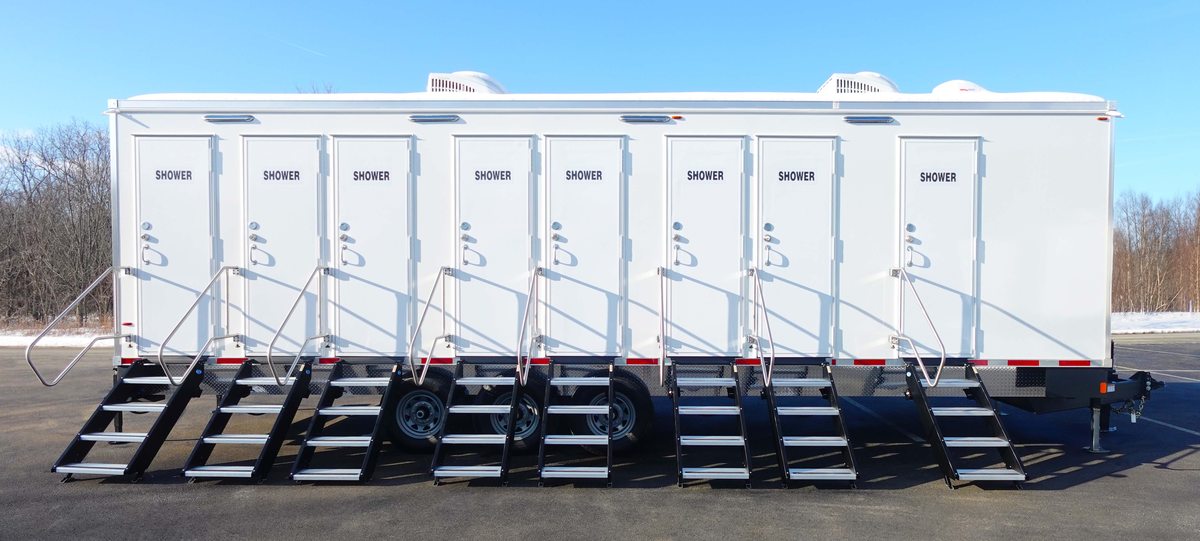
Next is the power. The 8-Station unit needs one 50 amp, 220 volt circuit within 100 feet. If the camp has a generator, check that it has the capacity for showers along with everything else. If not, we can bring one. Water heating is the biggest draw, and it's the part crews notice first when power runs short.
Water comes next. The unit carries 200 gallons of fresh water in its own tank, and it can connect to a site water line. On a remote pad, that line might come from a water hauler's tank. Tell us what you have, and we'll plan the refills.
Then there's waste. The pump truck needs to reach the waste valve without driving through the camp. Leave a clear lane on one side of the trailer. In wet weather, a caliche road can turn to mud, so think about access after a rain.
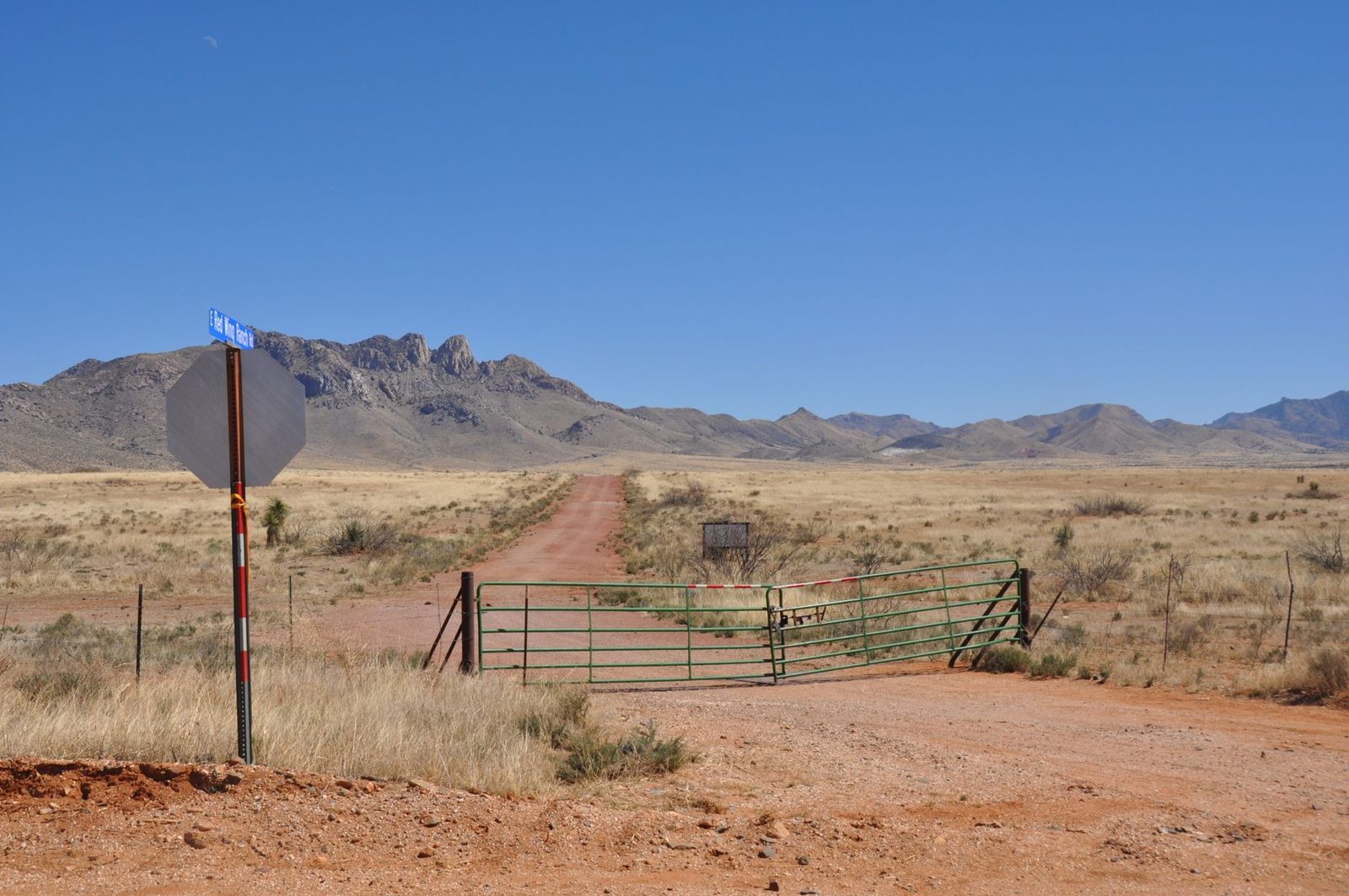
Last is the gate. Many oilfield leases require a safety orientation before anyone drives onto the pad. Send us your lease rules and a contact name, and our driver will be cleared before he arrives.
How storm recovery crews use a staging yard shower trailer
Recovery crews arrive right behind a hurricane. Line workers, tree crews and debris haulers set up at staging yards, often in a big parking lot or a fairground. They work long days in heat and humidity, and many of them sleep in trucks or in camps near the yard.
A staging yard shower setup has a different rhythm from a shelter. Crews leave early and come back late, so the rush happens at dawn and after dark. Place the unit near where crews park, with lights on the path, and set the service visit for midday when the yard is empty.
Mud is a real problem after a flood. Crews come back with it caked on boots and pants. A rinse station near the trailer door keeps some of that mud out of the cabins. Ask your yard manager to set a boot brush and a hose by the steps.
Power is often out for days after a Texas hurricane. Our units need power to heat water, so the yard either needs a generator hookup or we bring one. Plan fuel for it. A generator that runs dry at 9 p.m. leaves a line of tired people with cold water.
Crews rotate out after a few weeks, and new ones arrive. The shower setup often stays longer than any single crew. We keep the same unit in place and change the service schedule as the yard gets busier or quieter.
When the yard closes, call us with the date. We pump the tank one last time and haul the unit out after the last crew leaves.