Sizing a Texas man camp laundry by loads per hitch
Most people size a camp laundry by headcount. That's the wrong starting point. The better number is how many loads your crew will run in a week, and that depends on the work, the hitch and the weather.
Start with the hitch. A crew on a 14 and 7 lives at camp for two weeks straight. Nobody goes home to do laundry, so every load happens on site. A crew on a day job only washes at camp when it has to. The same headcount can mean twice the loads.
Next, think about the work. Drilling hands and pipeline crews get oil, mud and grease into everything. Those clothes need a full wash and sometimes a soak first. Office staff and camp workers produce lighter loads. Count them separately if your camp has both.
Then look at the heat. A Permian summer means sweat-soaked clothes every day, and many crews change twice on the hottest days. Loads climb in July and August. Plan for the high point, not the average.
The last factor is timing. If most of the camp comes off shift at 6 p.m., the machines see a rush right after dinner. A sign-up sheet for that window helps. A second unit also helps if the rush runs too long.
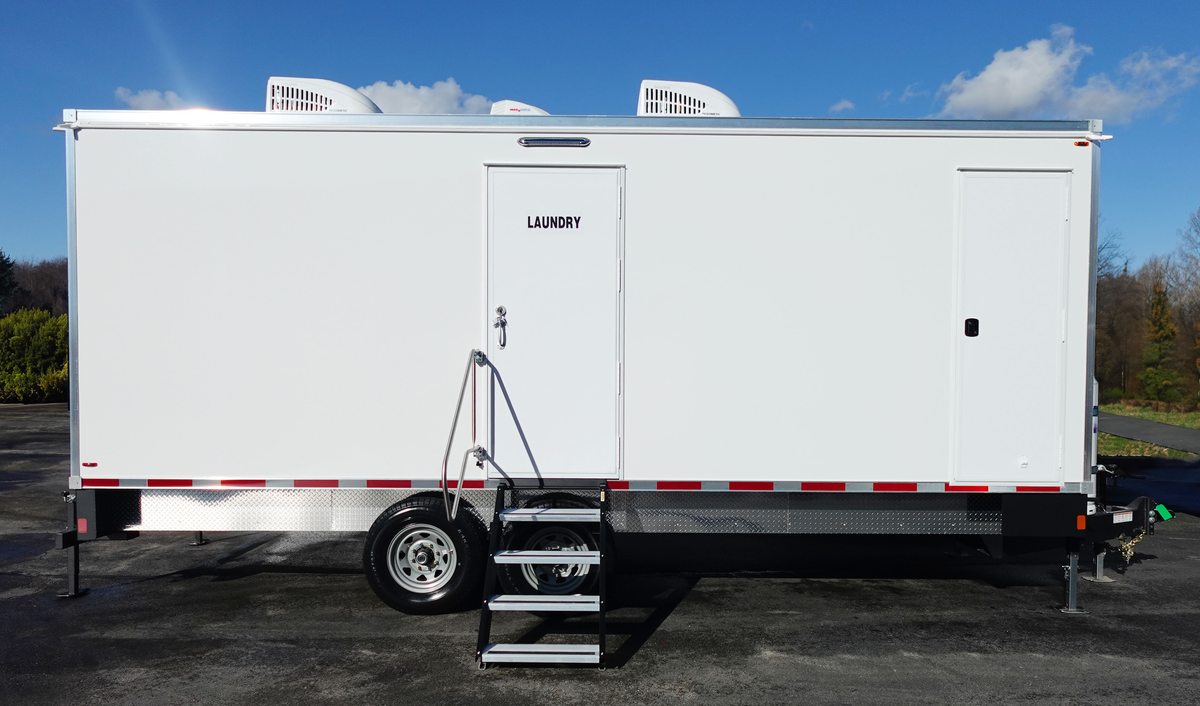
Once you have a weekly load count, we can match the machines. One 8-Station unit handles a lot of loads, and many camps of 100 to 200 people run fine with one. When your count grows, we add a unit. When it drops, we pull one back. Call us with your roster and your hitch, and we'll run the numbers for you.
Running a laundry drop-off system at a Texas disaster shelter
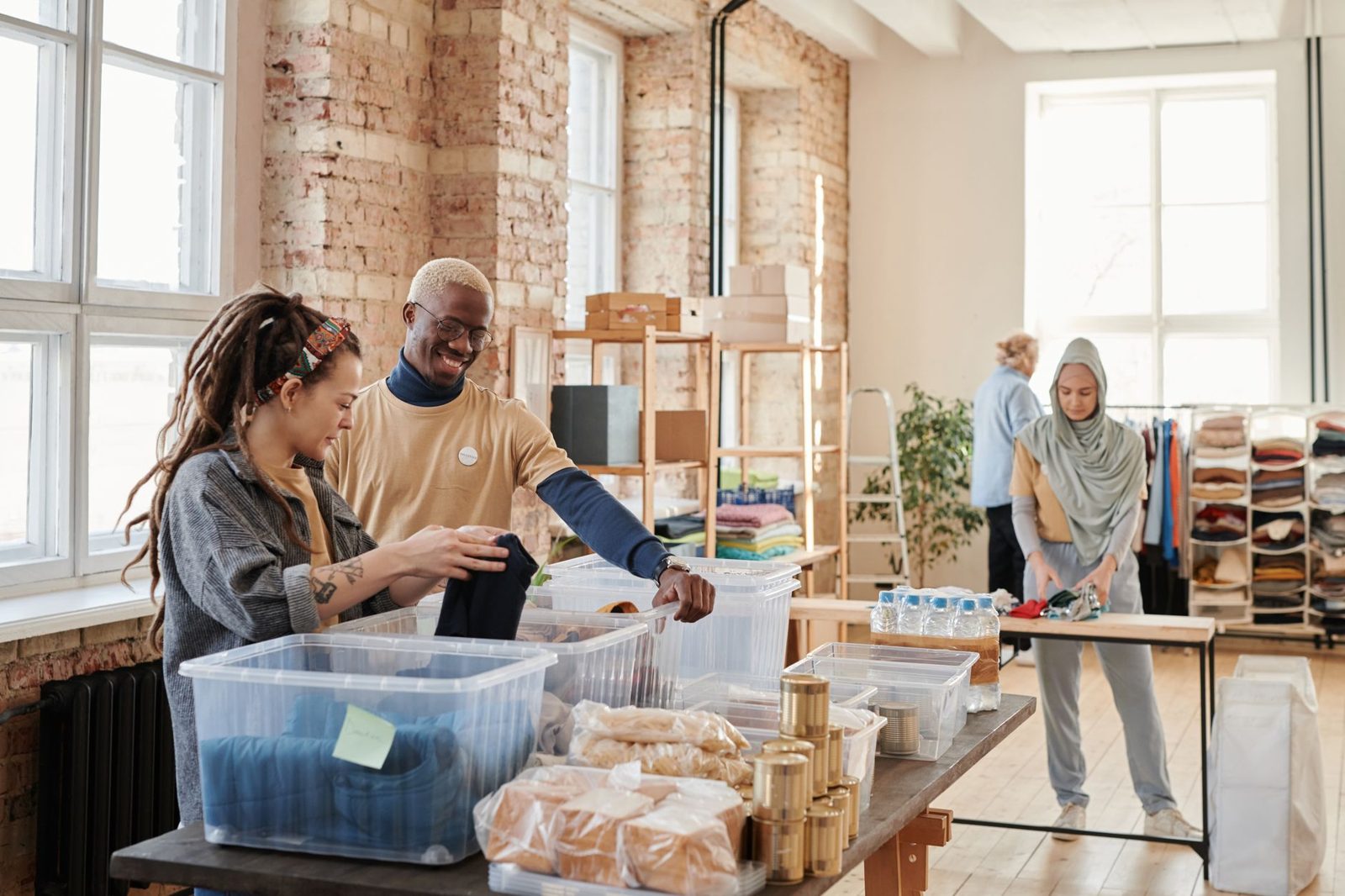
A shelter laundry needs a system, or it turns into a pile. When hundreds of people share a few machines, bags get mixed up and clean clothes go to the wrong family. A simple drop-off setup fixes most of that before it starts.
Give each family a tag. Numbered mesh bags or tags tied to a cot number work well. The family drops the bag at the trailer, and it comes back clean with the same number. Keep a simple list at the drop-off table.
Set drop-off and pickup times. Morning drop-off and afternoon pickup is easy for families to remember. Post the times at the shelter entrance and on the trailer door.
Wash donated clothes before they go out. Shelters in Texas often get boxes of used clothing from churches and neighbors. Washing it first keeps odors and pests out of the shelter and gives families clean clothes that feel new to them.
Keep sick people's laundry apart. If someone in the shelter is ill, their clothes and bedding should go in a separate bag and be handled with gloves. Mark one machine for those loads.
Rotate bedding by section. Washing all the blankets at once swamps the machines. Many shelters wash a few rows of cots each day, so every blanket gets cleaned on a regular cycle.
Plan for the long stay. Shelters after big Texas storms have stayed open for weeks. Ready.gov has good guidance on shelters that pairs well with a laundry plan. Talk to us early about how long you expect to stay open, and we'll set the service schedule to match.
Sources: Ready.gov guidance on shelters
Washing oilfield and fire-resistant work clothes in a camp laundry
Work clothes in a Texas oilfield camp aren't normal laundry. Many crews wear flame-resistant clothing, and nearly everyone's gear carries oil, mud or grease. A few habits keep that gear clean and keep the machines working.
Read the care label first. Most makers of flame-resistant clothing warn against bleach and fabric softener, because both can hurt the fabric or leave a coating on it. Post that warning on the machines so tired crews don't pour in the wrong thing at midnight.
Soak the worst loads. The basin sink in the 8-Station unit is there for oily and muddy clothes. A short soak loosens grease before the wash and keeps grit out of the washer drain.
Don't overload. Heavy denim and coveralls get much heavier when wet. A packed machine won't clean well and can wear out faster. Two lighter loads beat one stuffed load every time.
Keep fire gear separate. Turnout gear used by structural firefighters follows NFPA 1851, which has its own cleaning steps. Wildland crews and fire departments that send engines to a Texas fire may bring that gear to camp. Don't mix it with daily work clothes.
Dry completely. Damp clothes packed into a locker in a hot camp will smell by morning. The dryers in our trailers run a full cycle, so let them finish.
If your company has its own rules about which products can touch its gear, share them with us. We'll plan supplies and post the rules on the machines.
Sources: NFPA 1851 standard for firefighter gear care
Planning laundry for a Texas agency or Guard deployment
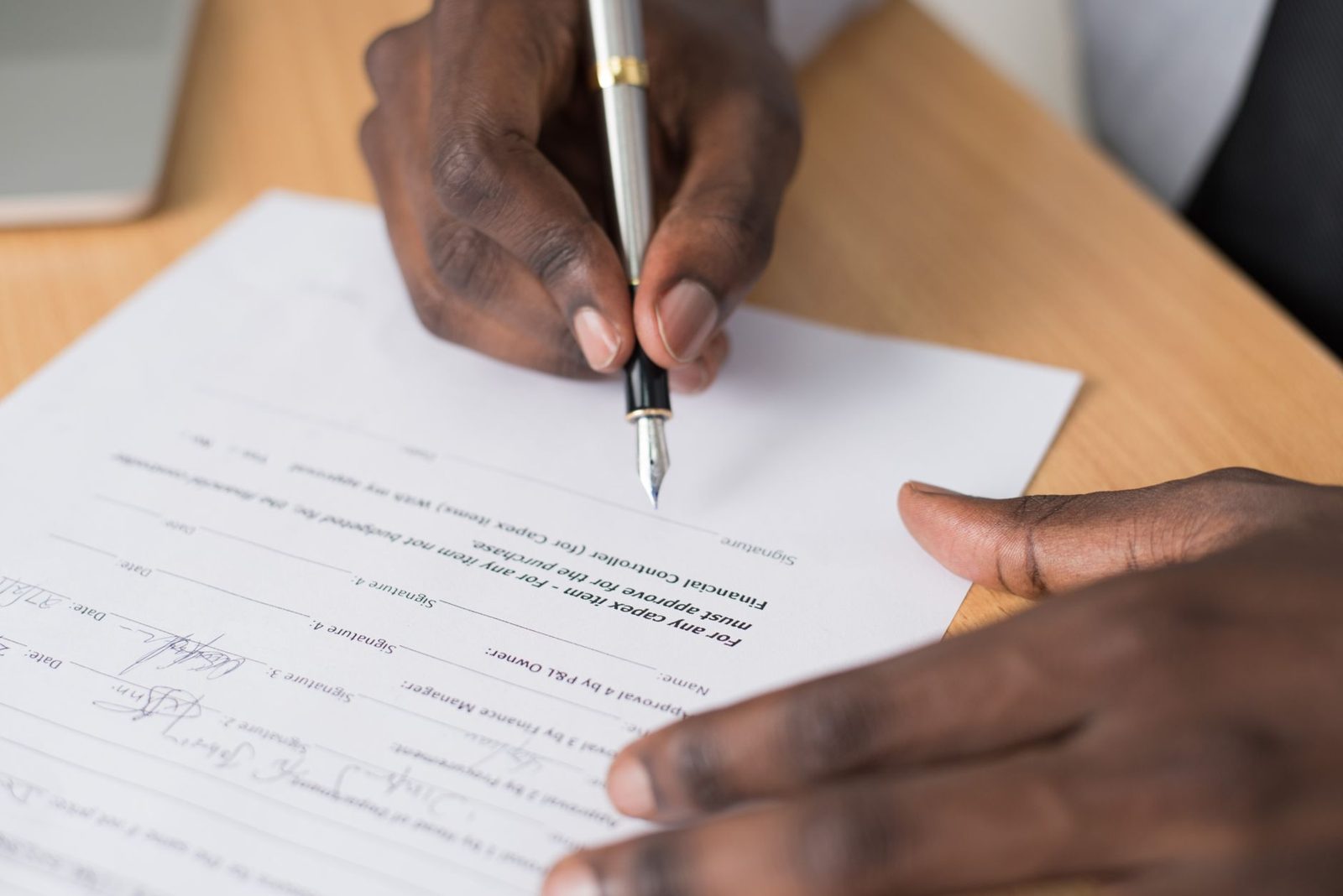
Agency and military deployments move on paperwork as much as on trucks. Laundry for a Guard rotation or a federal field team can arrive quickly if the purchasing side is ready. It can also sit for a week if it isn't.
Start with the vendor record. Federal buyers need a vendor registered in SAM.gov, the federal System for Award Management. State and county offices often ask for the same thing. We are registered with an active CAGE code and UEI, and we're licensed and insured.
Ask about the quote format early. Some offices want line items by week, and others want a single figure for the whole deployment. Tell us what your contracting officer needs, and we'll build the quote that way.
Plan gate access. Bases and secure sites want driver names, truck plates and sometimes escort arrangements before delivery. Send us your security contact, and we'll get those details over at least a week ahead.
Match service to duty hours. Soldiers and agency crews often work shifts that don't line up with normal business hours. Set service visits for the hours when most people are away from the laundry, so our tech isn't in the way.
Plan for the move out. Deployments end on short notice. Put a pickup notice period in the contract, and we'll pump the tank and haul the trailer out on your schedule.
Sources: SAM.gov, the federal System for Award Management
Water and power planning for a laundry trailer at a remote Texas site
A laundry trailer needs more water and power than most camp equipment. Get those two things right before delivery, and the machines will start the day the trailer arrives. Get them wrong, and the crew waits.
Power comes first. The 8-Station unit needs two 50 amp, 240 volt circuits within 100 feet. That's a big load for a camp generator, especially with dryers running during the evening rush. Check the generator size, or ask us to help plan it.
Water is next. The washers need a steady supply. At many remote camps, that means a water tank filled by a hauler. Figure out how many loads a day you expect, and make sure the tank and the hauler schedule can keep up.
Waste goes into the trailer's 750 gallon tank, and our crew pumps it. Leave a clear lane for the pump truck so it can reach the valve without driving through the camp.
Ground matters too. The trailer needs a level, firm spot. Caliche pads work well. Loose sand or fresh fill can shift.
Last, think about where people walk. Put the trailer between the beds and the mess area, with lighting on the path. We'll look at your camp map and suggest a spot that works for crews and for our trucks.