How to size an on-site laundry trailer for an Oahu field exercise or shelter
Sizing starts with the number of people, not the number of machines. Before you call, count how many people will use the laundry each day and how many days the site will stay open. A company in the field for two weeks and a shelter that may stay open for a month need very different plans, even when their head counts match. The longer the stay, the more bedding and towels enter the picture and the more the daily load grows.
The next step is to estimate the daily loads. Say you have 120 people, and each person washes one load every three days, which comes to about 40 loads a day. A shelter adds sheets and towels on top of personal clothing, so the real number is often higher than the simple math suggests. Field units add muddy uniforms, and some of those will need a soak in the basin sink before they ever go into a machine.
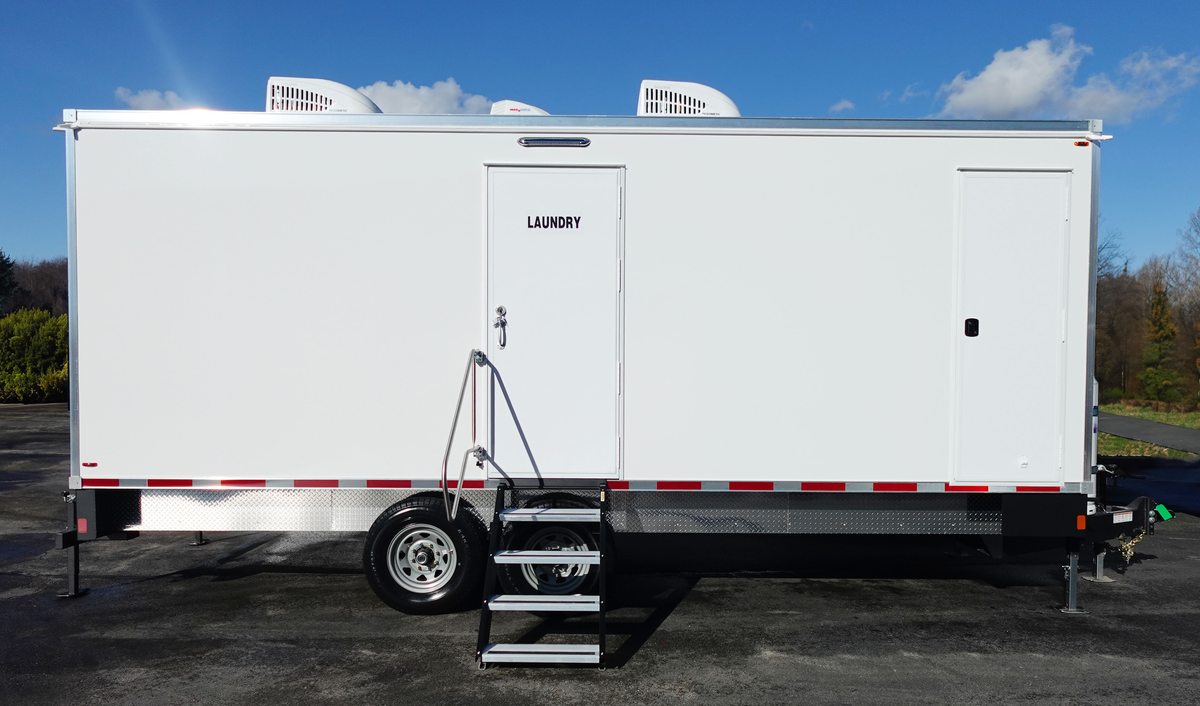
Timing is the third piece. Loads never spread evenly across the day. On a training area, most soldiers wash in the evening after the last scheduled event of the day. In a shelter, the rush usually comes in the morning, when families wake up and strip the bedding from their cots. The 8-Station spreads that rush across eight washers and eight dryers, which keeps the line moving even when everyone shows up at once.
Then match the unit to the site. For a large shelter or a battalion exercise, the 8-Station is where we usually start the conversation. For 30 people or fewer, the 4-Station combo may be enough on its own, and it adds four private baths with showers to the laundry room. A long job with a growing crew may need a second unit later, and it is much easier to reserve space for it on day one than to find space in week three.
Remember to plan for the waste tank. Every load sends water into the 750 gallon onboard tank, and more loads mean more frequent pump-outs, so your load estimate also sets our service schedule. We would rather plan an extra visit from the beginning than have the machines sit idle while a full tank waits for a truck.
Staffing matters as much as the machine count. Someone has to load the washers, move clothes to the dryers and keep the folding table clear. In a shelter, that job often falls to volunteers working in shifts, while in a military unit it may be a detail that rotates each night. Write down who owns the laundry before the trailer arrives, and post the schedule on the door where everyone can see it.
The season changes the math as well. In the wet months, from October through April, uniforms and bedding come in wetter and the dryers work harder on every load. During the drier summer months, heat inside the room becomes the bigger issue, and the air conditioning earns its keep. Tell us the season and the type of site, and we will factor both conditions into the equipment plan.
When you call, have four numbers ready: the number of people, the number of days, the loads per day and the date you need the machines running. With those four figures, we can quote the right unit and a service plan in a single conversation. A rough head count is a fine place to start, and we can adjust the plan once the site settles into a routine.
Getting a mobile laundry trailer set up on an Oahu site: power, water, ground and access
Most setup problems start well before the truck arrives. A mobile laundry trailer needs electrical power, a water feed, level ground and a clear approach for a long rig. If any one of those is missing on delivery day, the machines sit idle until someone fixes it. A short site walk, or a phone call with a few photos, usually solves nearly all of it ahead of time.
Power is the place to start. The 8-Station needs two 50 amp, 240 volt circuits within 100 feet of the trailer. On a base or a hospital campus, your electrician may be able to run a temporary drop from an existing panel. On an open training area, a generator is usually the answer, and you should decide ahead of time whose generator it is, who fuels it and who checks on it overnight.
Water comes next. The 8-Station needs a water feed, so find the nearest hose bib or hydrant connection and tell us the distance from the trailer location. The 4-Station combo carries 105 gallons of fresh water, which helps on a remote stretch where no tap is close. Wastewater from either unit goes into the 750 gallon onboard tank, and we pump it out on a regular schedule.
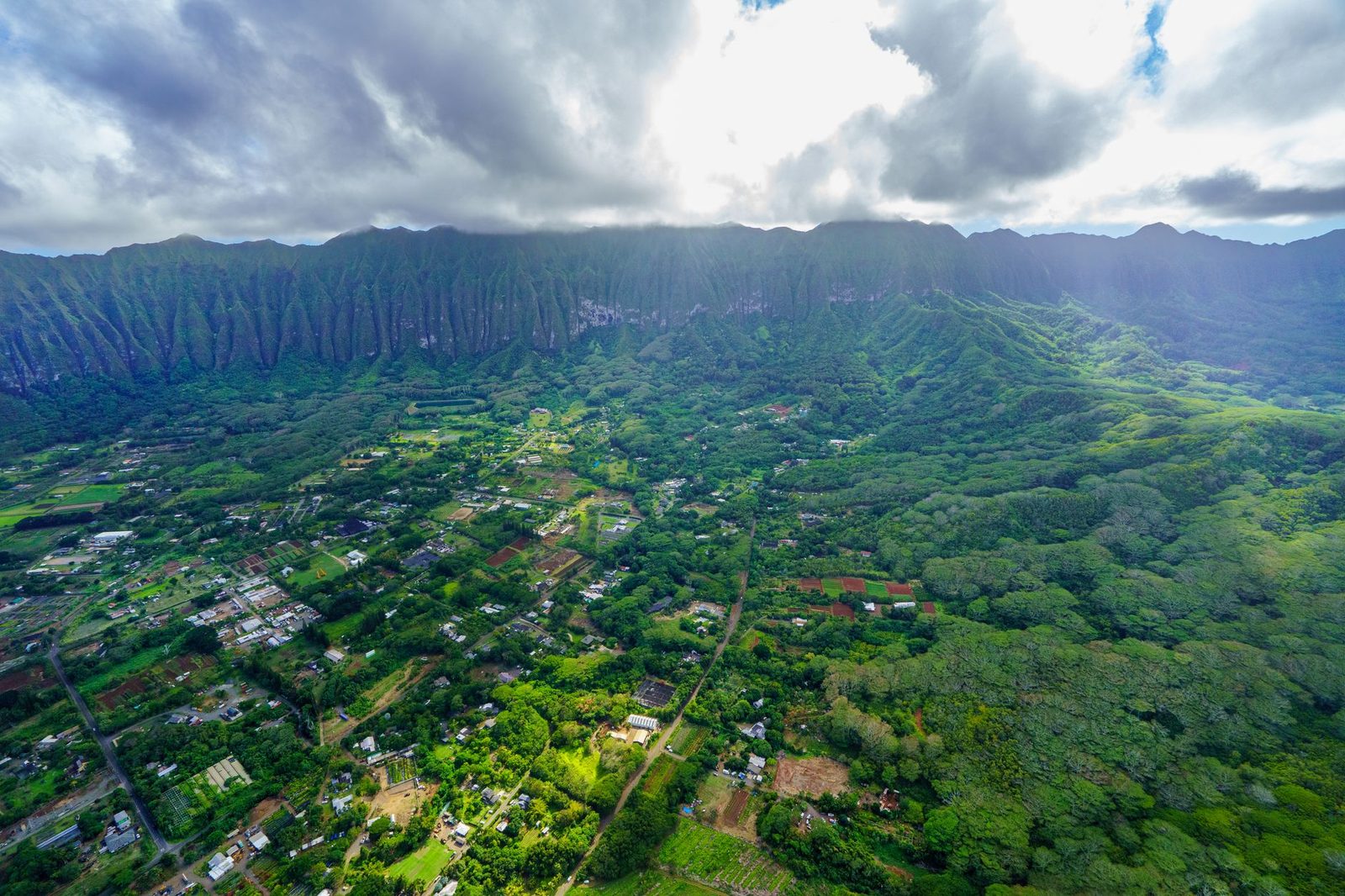
Oahu weather splits by side of the island. Trade winds blow from the northeast on most days from May through September, and the wet season usually runs from October through April. Windward sites near Kaneohe and Kailua receive far more rain than Kapolei or Ewa. On the windward side, choose a location that drains well, away from a drainage swale or the low corner of a gravel lot.
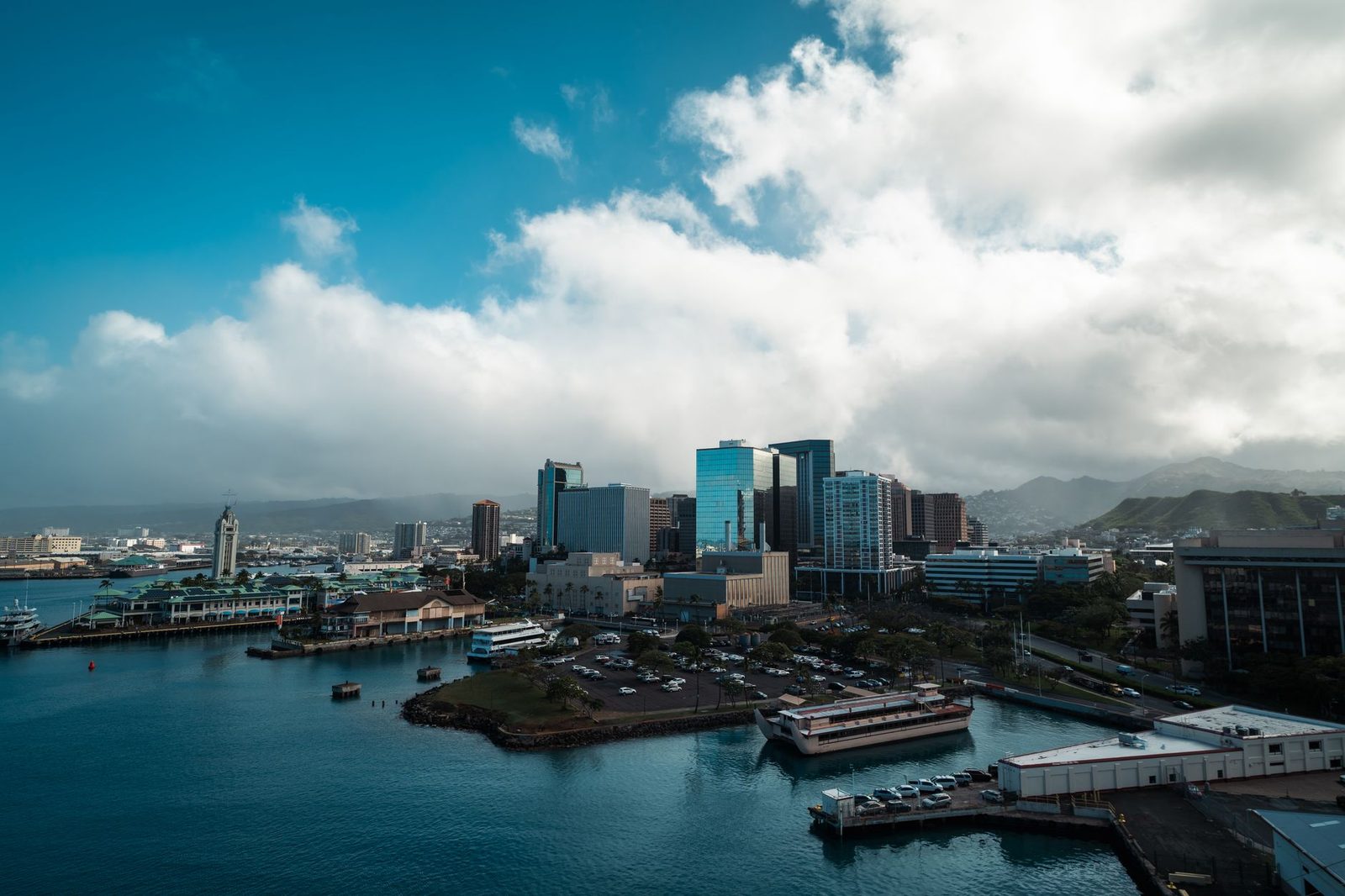
The delivery path deserves its own check. A long rig needs room to swing wide, a firm surface to back across and enough overhead clearance under power lines and tree limbs. On an urban site, look for tight corners, parked cars along the route and soft shoulders that turn to mud after a heavy rain. Photos of the whole path, from the street entrance to the trailer pad, answer most of our delivery questions in advance.
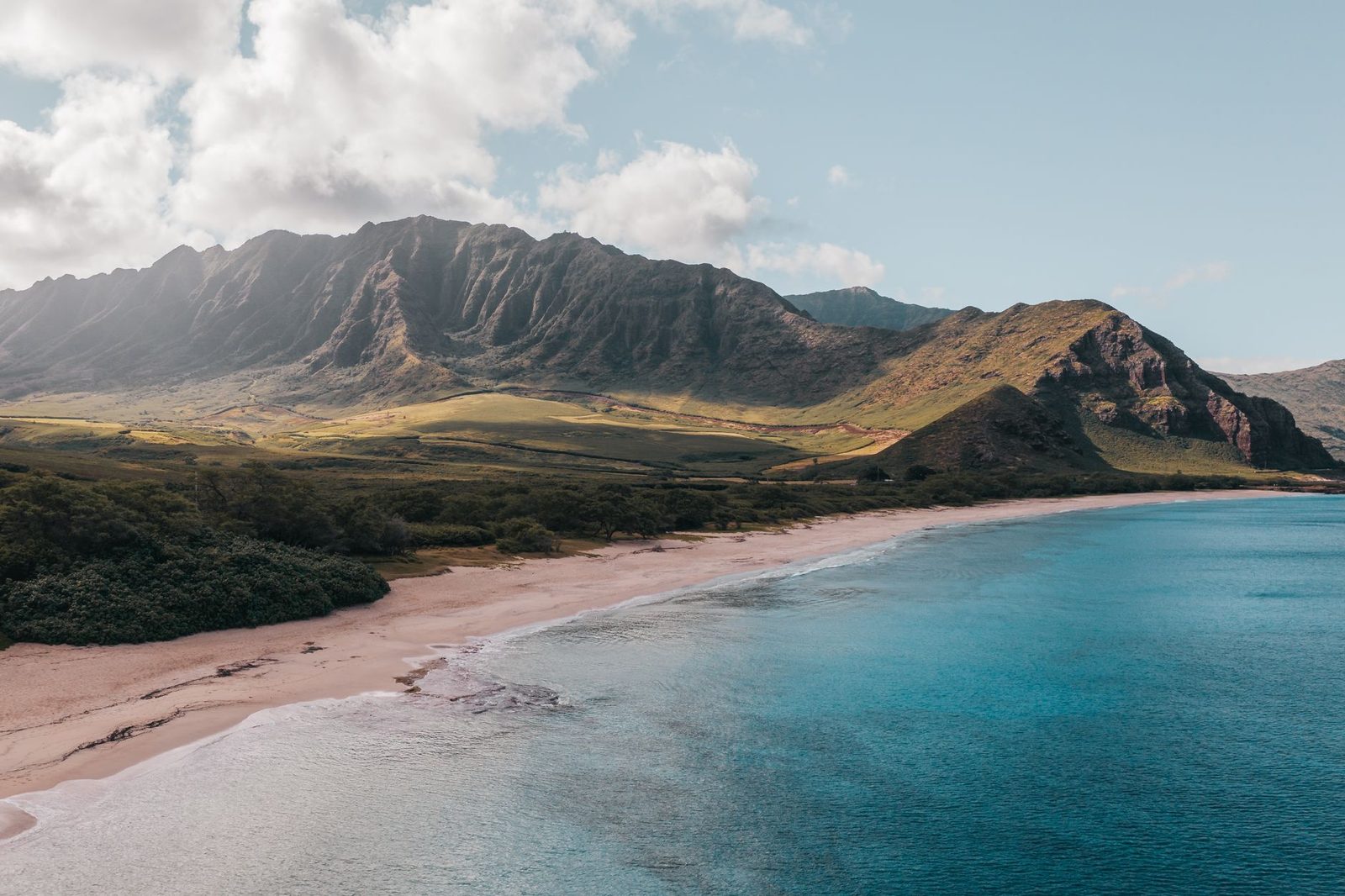
Coastal sites need one more thought. Much of the Oahu shoreline falls inside tsunami evacuation zones. If your shelter or staging area sits in one, place the trailer where people can leave it quickly, and keep the exit path clear of hoses and cords. Your evacuation plan should cover the people working inside the trailer as well as the people in the main building.
The last step is to plan the service path. Our truck comes back on a regular schedule to pump the tank, restock detergent and check the machines, so leave a clear lane to the trailer's waste connection and let us know about any quiet hours. At a hospital or a care home, we can time our visits away from shift change and meal service.
Send us the address, a few photos and the name of your site contact. We will come back with a written setup plan, and most of the open questions get answered before the first delivery truck is even booked.
A hurricane season standby plan for laundry on Oahu
Hurricanes near Hawaii keep to a fairly narrow window. Of the 71 tropical cyclones recorded affecting the state since 1949, close to half arrived in August, and few came before July. That gives agencies, bases and hospitals a clear deadline to work toward. The best time to plan laundry for a storm is May or June, well before a storm shows up on the forecast.
Start by listing who would need laundry if the power went out for a week. For a hospital, the list includes bed linens, patient gowns and the scrubs your staff wear on every shift. A county shelter team needs a plan for guest clothing, bath towels and cot bedding. On a military installation, the need may be a sudden surge of people sheltering in place. Each of those situations points to a different unit and a different location on your property.
Pick the location now, while the weather is calm and your staff has time to think it through. Walk the site with us and mark where the trailer goes, where the power comes from and where a generator would sit if the grid fails. Photos and a simple sketch filed with your emergency plan will save hours on the day you actually need them.
Put the whole plan in writing. A standby agreement lists the unit, the site, the contact names and the steps to activate the order, and it does not need to be complicated. What matters most is that the person on duty at two in the morning knows exactly who to call and what to tell our dispatcher when the line picks up.
Tie the plan to the public system too. On Oahu, the county's Department of Emergency Management leads local response, and HI-EMA supports the counties through its State Emergency Response Team. If your facility or shelter would ask for help through that chain, know where laundry fits in the request. Many planners pair it with freezer trailer rentals in Hawaii for hurricane season, which keep shelter kitchens stocked when the power fails.
Test the plan once before August. Have your facilities lead call our line, confirm the unit and walk through the activation steps out loud with our dispatcher. A dry run turns up the missing extension cord, the locked gate and the outdated phone number while there is still plenty of time to fix them.
Think carefully about the people who will actually run the laundry during a real storm response. Your regular staff may be stretched thin by other emergency duties, and some of them may not be able to reach the site at all. Name a backup person for the laundry in the written plan, and walk that person through the trailer during the spring site visit.
Keep the plan short and current. Check the contact list every spring, and update your head counts whenever your staffing or your patient census changes. Note any construction that now blocks the location you picked last year, and choose a second location as a backup while you are at it.
Call us in the spring and we will schedule a site walk at your facility. The walk usually takes an hour or two, and afterward you receive a written quote and a draft standby plan to take back to your team for review.
Sources: Hawaii Emergency Management Agency (HI-EMA)
What to put in a scope of work for a temporary laundry trailer on Oahu
A clear scope of work saves weeks of back and forth. Contracting offices, facility managers and prime contractors all need the same thing from a laundry vendor: a short list of what gets delivered, when it arrives and how it gets serviced. Whether you are writing a purchase order for a field exercise or a subcontract on a public works job, these are the items worth spelling out.
Start with dates and place. Give the delivery date, the date the laundry must be running and the expected end date, along with how far that end date could slide. Name the site by street address or by gate and training area, and list any rules about delivery hours, quiet times or restricted zones that apply once the trailer is on site.
Then name the unit and the expected load. List the head count and the number of loads per day you anticipate, and say whether you want the 8-Station, the 4-Station combo or a recommendation from us. If the crew will grow over the life of the project, write in the option to add a second unit later without a new solicitation.
Spell out the utilities in plain terms. Say who provides the two 240 volt circuits and who provides the water feed to the trailer. If a generator is part of the plan, say who owns it, who fuels it and who services it during the rental. Vague language about electrical power is one of the most common causes of delivery-day delays on any laundry job.
Service comes next. Set the pump-out schedule for the 750 gallon waste tank, along with detergent restocking and routine machine checks. Say how your site contact reaches us between visits, and how quickly you expect a response when a machine breaks down in the middle of a busy week.
If any laundry may carry blood or body fluids, add a short handling section. Name who handles bagged items from a medical station, where the separate drop point sits and what protective gear your staff will wear. Your safety or infection control lead should approve that part of the scope before it goes out for signature.
Ask for a simple service log in the scope. Each visit should record the date, the pump-out, the detergent restocked and any machine repairs, which gives your contracting officer a clean record for invoice review and final closeout.
Build a simple change process into the scope as well. Head counts move, exercises get extended, and shelters sometimes close earlier than planned. Name the person who can approve a date change or a second unit, and state how much notice our dispatcher needs to make the change.
Finish with the paperwork. Ask for proof of SAM.gov registration, licensing and insurance up front, and name the person who approves each invoice. Include the demobilization date and the condition the site should be left in when the trailer is removed.
Send us a draft and we will mark it up with comments. It usually takes one round to turn a rough scope into something both sides can sign, and the finished version makes the next contract much faster to write.
Sources: 29 CFR 1910.1030, Bloodborne Pathogens (eCFR)
On-site laundry trailer, linen service or a drive to town: comparing options for long Oahu jobs
There are three common ways to keep a work crew or a shelter in clean clothes on Oahu. People drive loads to a laundromat, a linen service picks up and drops off on a schedule, or a portable laundry trailer sits right on the site. The best choice depends on how many people you are supporting, how long the job will run and how far the site sits from the nearest town center.
Driving to a laundromat is the default for small crews on short jobs, and it needs no setup at all. The time adds up quickly, though. Every trip takes a person and a vehicle off the site. From a Waianae Coast yard or a North Shore job, the round trip into town can use up most of an evening, and H-1 traffic makes it longer.
A linen or uniform service works well for a fixed building with steady volume, and the pickup schedule is the main limit. If the truck comes twice a week and a shelter fills up on a Tuesday night, the guests have to wait. Linen services also tend to focus on standard items like sheets and towels, which can leave shelter guests and field crews without a way to wash their own clothing.
An on-site laundry trailer takes more setup than the other two options. It needs power, water and a place to park. In return, the washing happens where the people are and on their own schedule. For a field exercise, a long shelter stay or a public works job that runs for months, that trade usually works out in the trailer's favor.
Several things change the quote for a portable laundry trailer. Rental length is usually the biggest factor, followed by the unit size, the number of service visits and how often the waste tank needs pumping. Generator requirements and access rules on a base or an airport site can add steps as well. We quote every job individually. Two Oahu jobs are rarely alike.
You can also mix the options. Some hospitals keep their regular linen service for daily volume and bring in a trailer only when the building loses power. Some construction projects keep a trailer at the main yard and let a small satellite crew handle its own laundry in town. We are glad to plan the trailer portion and leave the rest of your arrangement exactly as it is.
For public agencies, the choice also comes down to paperwork. A single vendor that is SAM.gov registered, licensed and insured can cover laundry alongside showers, restrooms and other trailers on one order. That keeps the number of contracts down on a job that already has plenty of them.
If you are not sure which option fits your project, call and describe the job to our dispatcher in as much detail as you can. We will tell you plainly when a trailer makes sense for your site and when a drive to town is the simpler choice for your crew.
Sources: SAM.gov, the federal System for Award Management