What 2,400 miles of ocean means for your cold storage in Hawaii
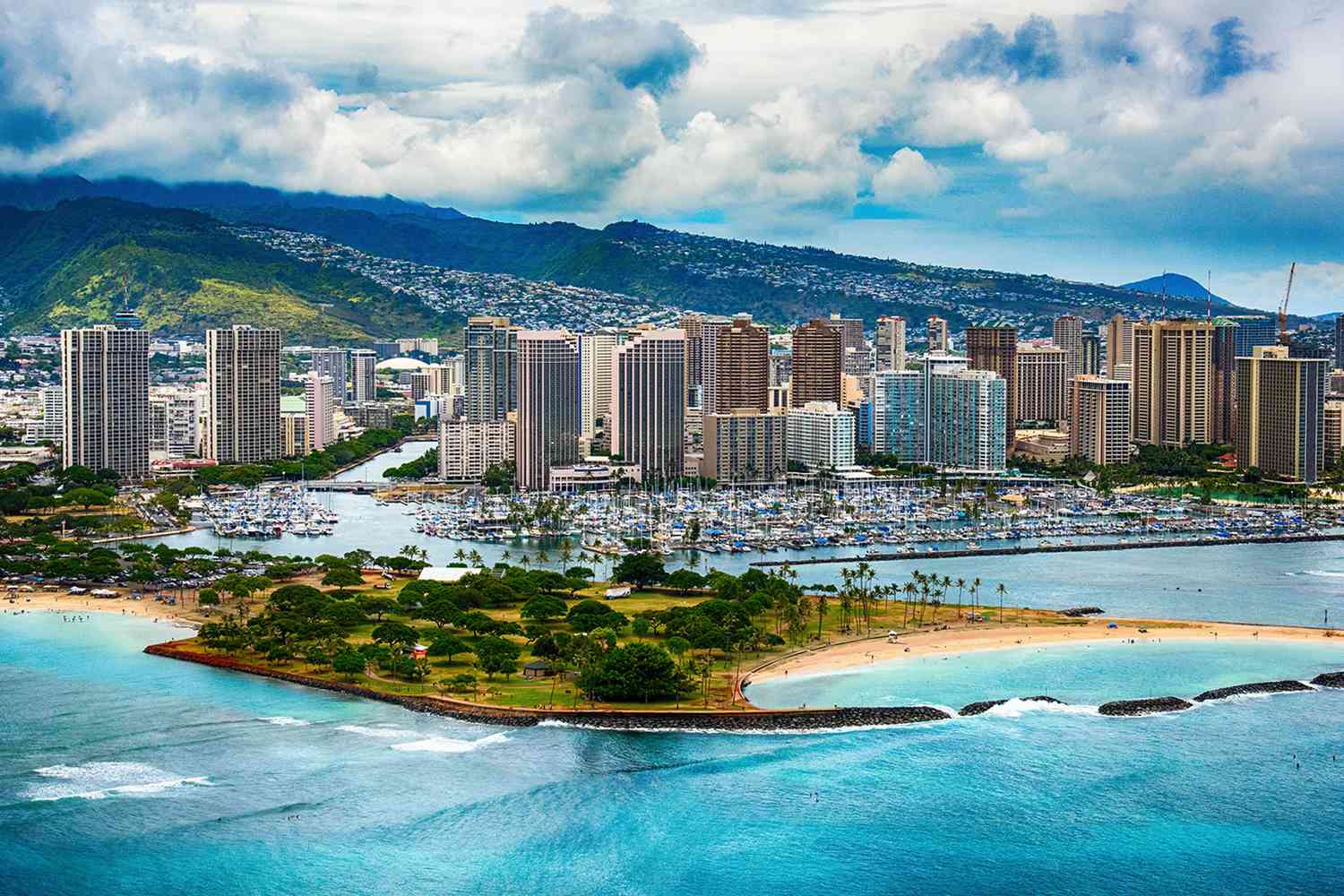
No state leans on its cold chain like Hawaii does. The reason is distance. The islands sit about 2,400 miles from the nearest mainland port. Nearly everything that gets chilled or frozen in a Hawaii kitchen, store, hospital, or mess hall crossed the Pacific to get here. Most of it arrived already cold. When cold storage fails on an island, there is no truck from the next county. A replacement comes by ship or plane. That takes days.
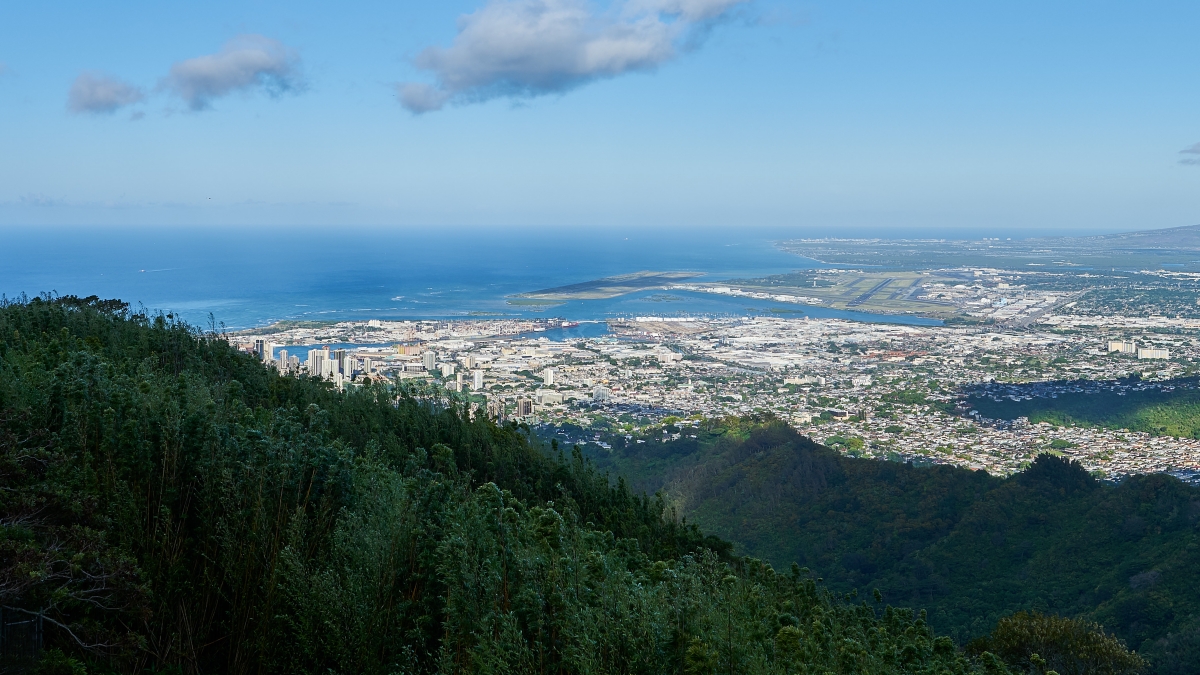
The scale of the import runs deep. One peer-reviewed benchmark study put Hawaii at 88.4 percent of its available food coming from imports. About 400 shipping containers dock in Honolulu every day. That adds up to roughly 1.1 million tons of food a year. Almost all of it has to stay cold from the dock to the shelf.
Modern distribution makes the margin thinner. Grocery and restaurant supply now runs just in time. The big distributors no longer keep large buffer warehouses. That holds costs down on a normal week. But if shipping hiccups, the shelves and the walk-ins empty in days, not weeks. State food-resilience plans have flagged this and asked for more refrigerated storage.
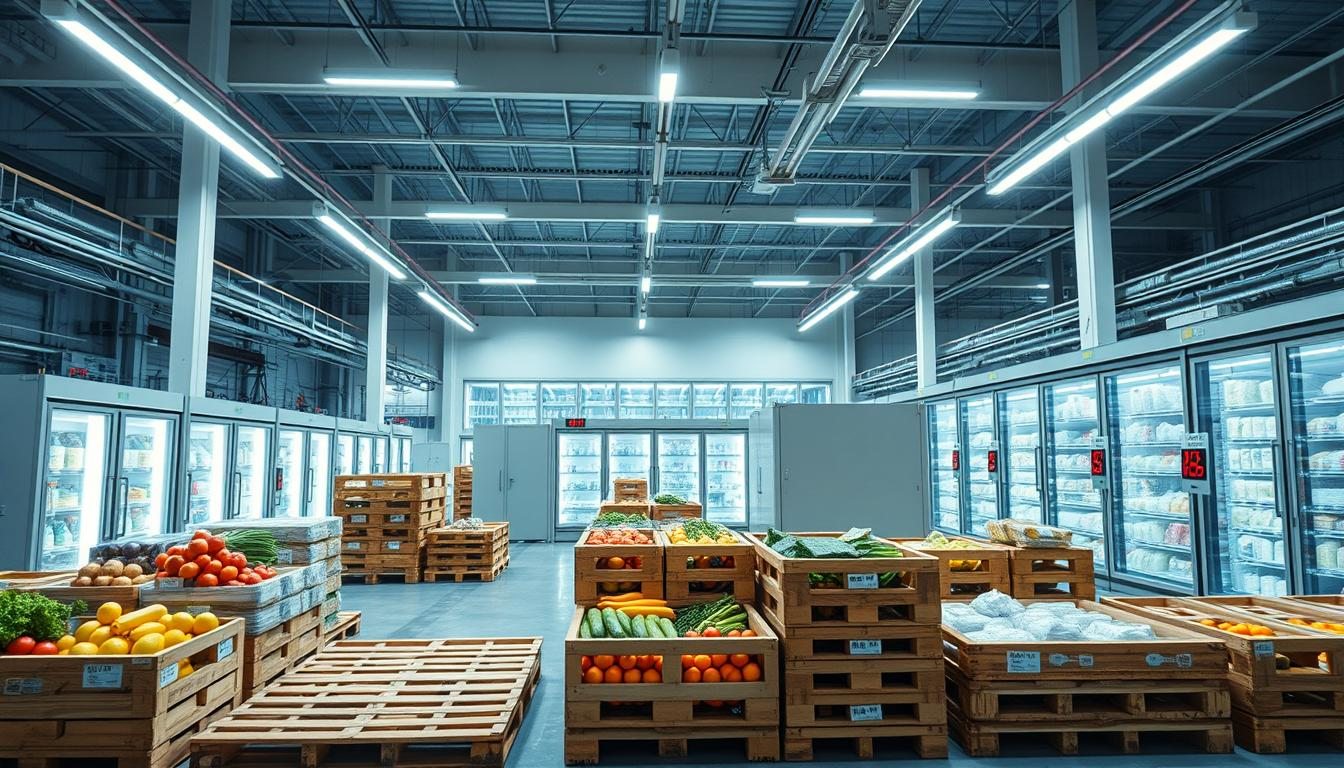
The cold storage that does exist is thin and clustered. The largest refrigerated warehouse in the state sits near the Honolulu piers and the airport. It has served the islands for more than half a century. There is also a HACCP-compliant public cold-storage facility on Oahu. Even so, the total frozen and chilled space is modest next to what the islands eat. And neighbor islands get most goods by barge from Oahu, one more leg that cannot be skipped in a pinch.
So what should an island operator actually do about it? Start by finding where your own cold storage is thin. Know your walk-in's age, know how many days of product you hold, and work out what a failure would cost you in one single afternoon. That picture tells you how much backup you need, and how fast.
Then line up the call before you need it. The worst time to shop for a portable refrigerated trailer is the hour your compressor quits. Pick a provider who already has units on your island, or can barge one in on a schedule you understand. Ask how they handle a grid-down site. Ask how fast they move on the neighbor islands. A private grocer and a public shelter both need those answers.
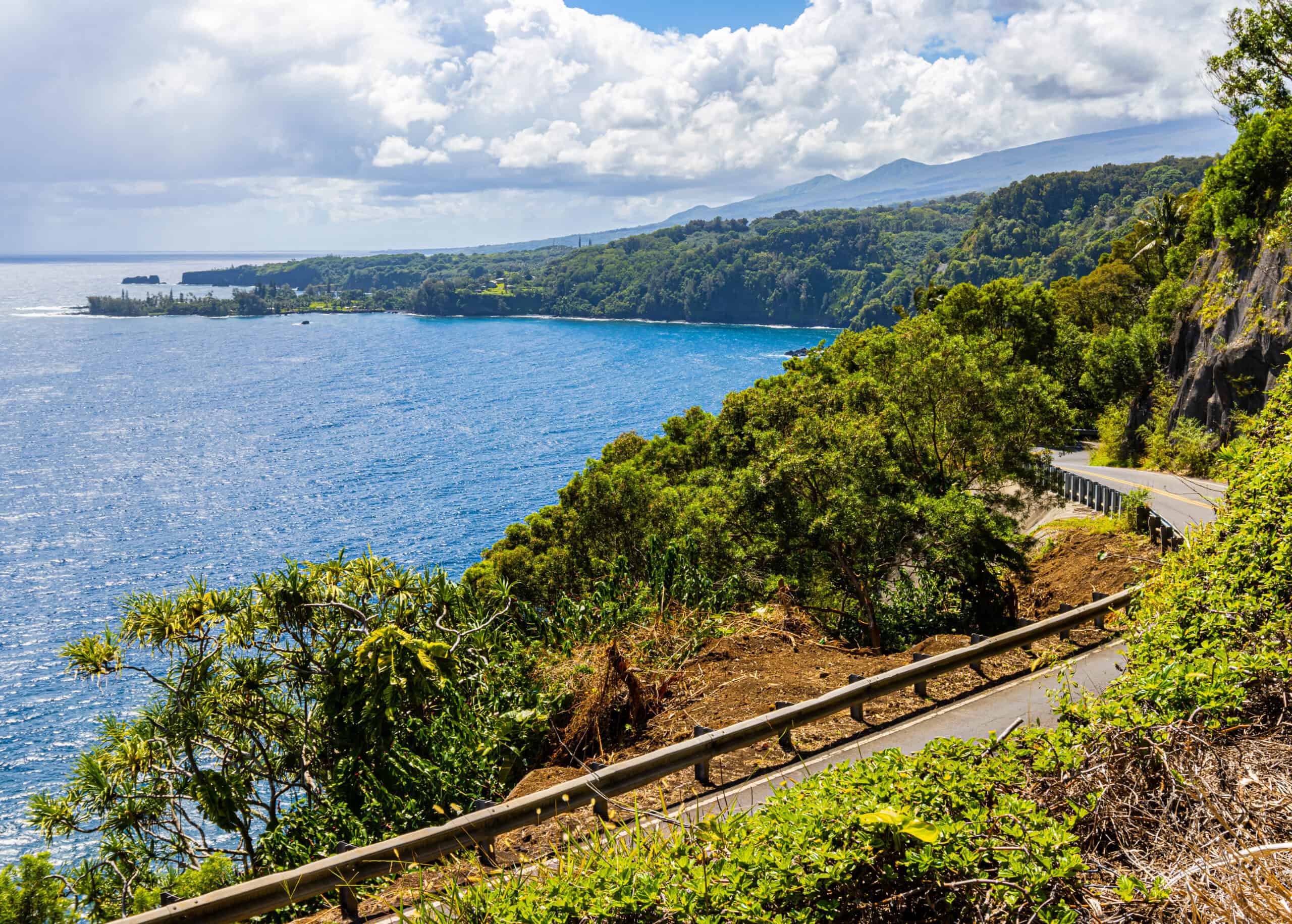
Barge timing is the quiet detail that trips people up. On Oahu a trailer can often land the same day. On Maui, Hawaii Island, and Kauai, delivery follows the barge out of Honolulu or Kalaeloa. So local staging beats a mainland order every time. A unit already on the island is worth more than a bigger one three days away.
For Hawaii, on-island cold storage is not a luxury. It is part of the food-security backbone. Every walk-in, cold room, and freezer is a link that cannot be replaced fast from off-island. Know where yours is weak, and know who you will call. Mavirus Group is that call, statewide.
Sources: Hawaii food consumption and supply sources (Agricultural and Food Economics) · How food secure are we if disaster strikes (Hawaii Sea Grant)
Staging cold storage before Hawaii's hurricane season starts
Hawaii cannot improvise disaster cold storage at the last minute from off-island gear. It has to be planned and staged ahead of time. It is the whole logic behind how the state's emergency managers work. Get the assets close before the season starts, not after a storm is already named.
Hurricane season runs June through November. So the planning window is spring. A county that waits until a storm is in the forecast is already behind. The smart move is to have cold storage lined up by early summer, with a provider who can stage units before landfall and hold them ready.
The Hawaii Emergency Management Agency leans hard on pre-positioning. Refrigerated and freezer trailers fit that model well. They are mobile. They hold at setpoint. And they can sit staged at a yard, then roll to shelters and points of distribution once the emergency center gives the word.
Power is the piece that makes or breaks a storm response. Fixed refrigeration dies when the grid dies. A generator-fed trailer does not. When you plan, confirm the generator, the fuel, and the runtime. A cold box with no way to run through a multi-day outage is not a plan.
Neighbor islands need extra lead time. A trailer bound for Maui, Hawaii Island, or Kauai rides the barge out of Honolulu or Kalaeloa. So a county on those islands should stage capacity locally, well before a storm threatens. Waiting on a barge during an active emergency is not an option.
Think through the sites too. A shelter kitchen. A food-bank handout point. A medical supply cache. Each may need cold or frozen holding, and each may sit somewhere with no permanent cold room. Map those needs before the season, so the right number of units goes to the right place fast.
Do not forget the paperwork. Federal reimbursement after a disaster runs on documentation. A licensed, insured, SAM.gov-registered provider clears access at shelters, harbors, and staging yards, and delivers cold storage with the records a reimbursement process expects. That is easier to line up before the emergency than during it.
So build the relationship in the off-season. Talk to a disaster-experienced provider before June. Walk the plan, the sites, and the power. When the forecast turns bad, the call is already made and the units are already close. Mavirus Group stages that cold across the islands.
Sources: FEMA Hawaii Wildfires disaster declaration 4724 · Hawaii Emergency Management Agency hurricane guidance
How a refrigerated or freezer trailer rental works in Hawaii, from power to temperature to siting
Renting a refrigerated or freezer trailer is simple, and it helps to know how the gear works before you place one. The core of it is a dual-purpose unit. One adjustable trailer runs as a fridge or a freezer, not locked to a single mode. In the islands that flexibility pays off. A caller might need cooler temps one week and frozen the next.
You set the temperature on a digital control. The trailer holds from about +50 degrees down to about -10 degrees. So the same box that backstops a grocery cooler at +38 can flip to hold frozen protein at 0 or below. For food service, that range covers the 41 degrees rule for cold food and the 0 degrees rule for frozen. You pick the number. The trailer holds it.
Power is where island siting gets easy. There are two ways to run a unit. Either the site gives a 120V, 20-amp circuit within 100 feet, which is normal building power. Or we bring a generator. It is not a 240-volt hookup. That ordinary-power design is a real edge on remote sites, older buildings, harbor yards, and grid-down staging areas.
Siting comes down to access and a level spot. The unit needs firm, mostly level ground, with room for the delivery truck and the doors. If it runs on building power, it needs that circuit in reach. A resort, a harbor, a base, or a staging yard each carries its own access rules. Working with a licensed, insured, SAM.gov-registered provider makes clearing them smoother.
Delivery timing follows island logistics. On Oahu, where most demand sits, a trailer can often land the same day in an emergency. On Maui, Hawaii Island, and Kauai, it rides the barge out of Honolulu or Kalaeloa. So we plan around those schedules and stage a self-contained unit locally where we can. A trailer already on-island beats one still waiting to ship.
Here is what the rental covers. The equipment, the delivery, and the placement. The trailer has digital setpoint control your team can see and set. We bring the cold or frozen space. Your operation keeps its own cold-chain records to whatever your food-safety plan asks. Clear roles, no surprises.
Rental length bends to your need. Short emergencies like a walk-in failure or a storm outage. Longer runs like a remodel, a harvest, a build, or a standing agency contract. We scope it to your timeline instead of forcing a fixed term. For big jobs we drop several units together as one deployment.
The point of the whole design is speed and reach. Dual-purpose temperature. Standard power or a generator. Simple siting. Island-aware logistics. Put together, that is cold storage that lands on a Waikiki dock, a Hilo farm, or a grid-down site with equal ease. When you need it placed fast in Hawaii, we bring it.
Sources: Hawaii Department of Health food safety program · FDA Food Code cold-holding standards
What drives the cost of island cold storage, and what does not
We never quote a price on a page, and there is a good reason. Island cold storage does not have one number. What a rental takes depends on a handful of real drivers. Knowing them helps you plan the job and ask better questions.
The first driver is the island. Oahu is the easiest to reach and stage. Maui, Hawaii Island, and Kauai ride the barge out of Honolulu or Kalaeloa. So the neighbor islands carry more logistics in every job. Local staging is how a good provider keeps that from turning into a long wait.
The second is power. A site with a 120V, 20-amp circuit within 100 feet is the simple case. A grid-down or remote site needs a generator, fuel, and a plan to keep it running. A storm job that has to hold through a multi-day outage is a different animal than a dock with a live plug.
The third is how much cold you need, and for how long. One unit for a walk-in failure is one thing. A bank of trailers for a disaster feeding job or a big distributor is another. Case count and delivery cadence shape the plan more than square feet do. We match the box to how you actually receive product.
Timing swings it too. Peak visitor weeks tighten the whole cold chain. Hawaii's summer and holiday peaks push kitchens and grocers well past their built-in space. A trailer booked into a busy stretch competes with more demand than one in a slow month. Plan the busy season early.
Dual-purpose flexibility quietly saves money. One unit that runs cooler or freezer means you do not rent two. Reset the setpoint and the same trailer covers produce this week and frozen protein next week. On an island where every logistics leg adds up, one flexible box beats two single-mode ones.
The last driver is the gap the trailer fills. The state's permanent cold storage is thin, and it cannot flex for every surge or outage. A rental covers that space, exactly when and where the built cold storage runs out. Tell us the island, the load, and the timeline, and we build the plan around it.
Sources: Hawaii Tourism Authority monthly visitor statistics · Hawaii refrigerated warehousing overview (Unicold)