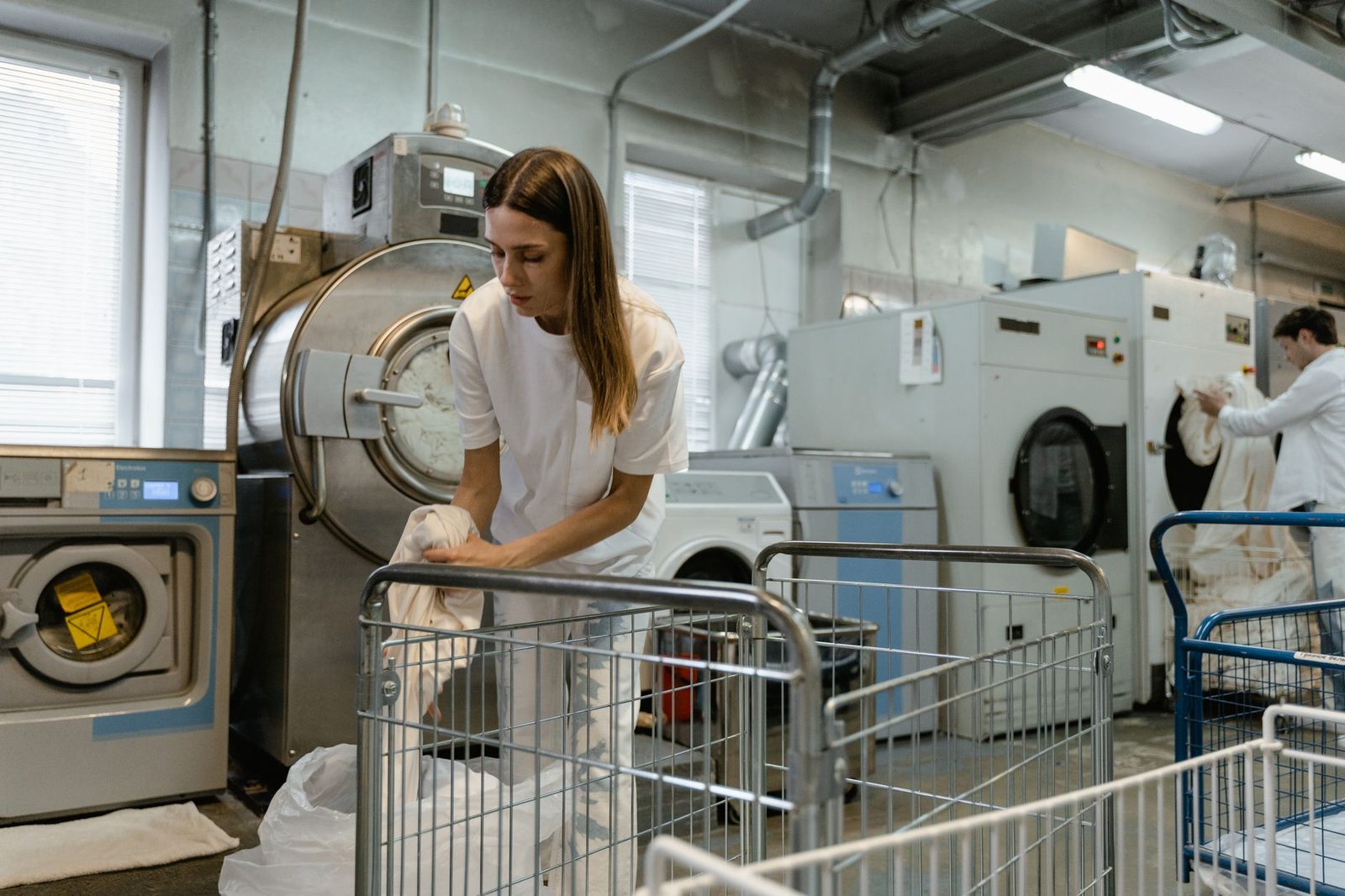
Workers loading linens into industrial washers and dryers in a commercial laundry
Colorado

Mobile Laundry Trailer Rentals in Colorado

Mavirus Group rents mobile laundry trailers to county emergency managers, shelter teams and relief agencies across Colorado. When an evacuation fills a recreation center or a school gym, we deliver commercial washers and dryers to the building and set them up the same day the trailer arrives. Our own crews stock and service the machines for as long as the shelter stays open. Call our 24/7 line or request a quote, and we will get a trailer moving toward your shelter.

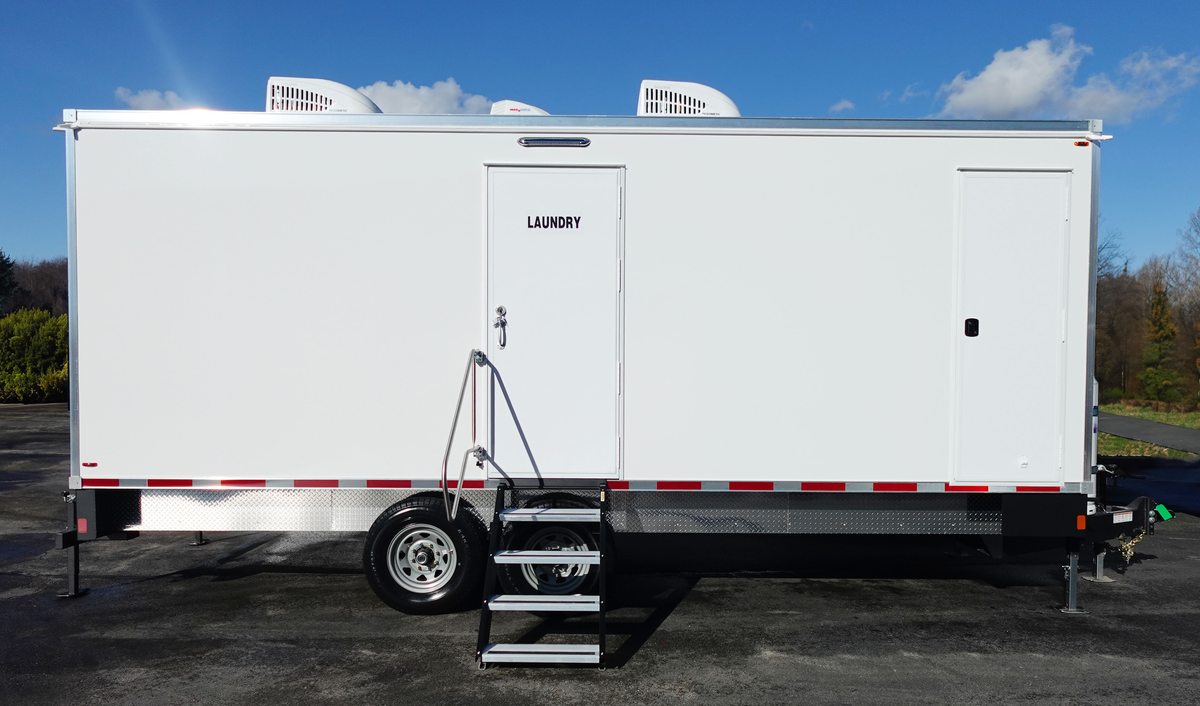
A Mavirus mobile laundry trailer with commercial washers and dryers, ready for Colorado delivery
Nationwide laundry trailer rentals, built for rapid deployment All 50 States 24/7 Dispatch ★★★★★ 5.0
MGDBK
Trusted by construction contractors, government agencies, school districts, and disaster response teams nationwide.
SAM.gov registered federal contractor FEMA disaster support Cal Fire registered

Call now or request a quote. Our dispatch team answers 24/7, including emergencies.

Shelter Laundry, Set Up Fast

Mavirus Group gets mobile laundry trailers working at Colorado shelters the same day they arrive

A shelter can open in an afternoon. Clean clothes take longer, and by the second morning people are already asking where to wash. Mavirus Group plans its whole service around that second morning. Our dispatch line is answered around the clock by someone who can commit a trailer, and our own crews deliver, set up and service our own fleet. Once the unit is parked and connected, the first loads can go in that same day. We supported FEMA during the Hurricane Helene recovery in North Carolina. We are also a Cal Fire registered provider and a SAM.gov registered federal contractor, licensed and insured with an A+ BBB rating. A county purchase order or a state resource request does not hold up the truck. The same crews handle our nationwide laundry trailer rentals for disaster shelters, which means the setup you get in Colorado matches the one we run in any other state. Call us now or request a quote with the shelter address and your best head count, and we will confirm a delivery window.

24/7dispatch for shelters and emergencies
FEMAdisaster support on Hurricane Helene
8 + 8industrial washers and dryers in the 8-Station
750 galonboard waste tank, no sewer hookup
Reviews

What customers say

M
Marisol T.county emergency manager, Front Range
★★★★★

We opened a shelter on a Thursday night and had laundry running outside the building by Friday afternoon. By the weekend, families had clean clothes and every cot had fresh sheets, and you could feel the mood in the gymnasium change.

G
Gordon H.shelter manager, relief agency in Boulder County
★★★★★

Our volunteers were hauling garbage bags of laundry to a coin laundry across town until the trailer showed up. After that, they could stay in the building with the people who needed them. The technician trained two of our shift leads on the machines, and those two trained everyone else.

D
Denise R.emergency services coordinator, southern Colorado county
★★★★★

They took our purchase order without any back and forth. The service records matched what our finance office needed for the reimbursement file, which saved us a week of chasing paper.

Our Laundry Trailer Fleet

The commercial laundry trailers we bring to Colorado shelters and work sites

A Mavirus mobile laundry trailer with commercial washers and dryers, ready for Colorado delivery
Inside the 8-Station: banks of industrial washers and dryers, a sorting table and bright LED lights for night shifts

Our signature unit for shelters and large crews is the 8-Station Laundry Trailer. It carries eight industrial washers and eight industrial dryers, and each machine runs a full wash and dry cycle. The box measures 8 feet 5 inches by 21 feet. Inside there is a large basin sink for soaking, a folding table, and LED lighting, so volunteers can sort and fold long after dark. Two HVAC units keep the room comfortable whether the shelter opened for a July lightning fire or a winter windstorm.

Plan on a footprint of 26 feet 4 inches long with the tongue and 12 feet 4 inches wide with the stairs down. The 8-Station draws power from two 50 amp, 240 volt circuits within 100 feet of where it parks, and it needs one water connection. Wash water drains into a 750 gallon waste tank that our crew pumps on a set schedule, so the site never needs a sewer hookup. A school parking lot or a fairground pad usually works well. Send us a photo of the spot, and we will tell you before delivery day whether the trailer fits and where the cords should run.

For a smaller shelter or a remote crew, the 4-Station Restroom, Shower and Laundry Combo puts a stacked washer and dryer in its own room beside four private baths. Each bath has a toilet, a sink, a shower and an outlet. The combo serves up to 30 crew members or 200 guests, and it carries 105 gallons of fresh water along with a 750 gallon waste tank. It can draw from one 220 volt, 50 amp circuit or from two 110 volt, 20 amp circuits within 100 feet. Families at a small mountain town shelter get showers and clean clothes from one trailer, and you only have one delivery to schedule. For a large Front Range shelter, we usually start with the 8-Station and add a second unit if the stay stretches past the first week. A small mountain town shelter often does fine with the combo, which covers showers as well.

Where We Work in Colorado

Where our portable laundry trailers do the most good in Colorado

Colorado laundry trailer work usually falls into three groups, and shelters and evacuation centers come first. That is where people lose access to clean clothes overnight. Crews living away from home come next, whether they are building employee housing in a ski town or working inside the fence at the airport. Then there are school and campus projects, where the work has to fit around students and a short summer building season. Each one needs a different plan. We set each one up on its own terms, with its own service schedule.

Shelters and Evacuation Centers

Temporary laundry trailers for Colorado evacuation shelters and recovery sites

The Marshall Fire is the case Colorado emergency managers still measure against. It moved through Superior, Louisville and unincorporated Boulder County so fast that the county issued ten separate evacuation notices in a matter of hours. About 37,500 residents, workers and shoppers had to leave. More than a thousand structures were destroyed. Many families reached a shelter with only the clothes they were wearing.

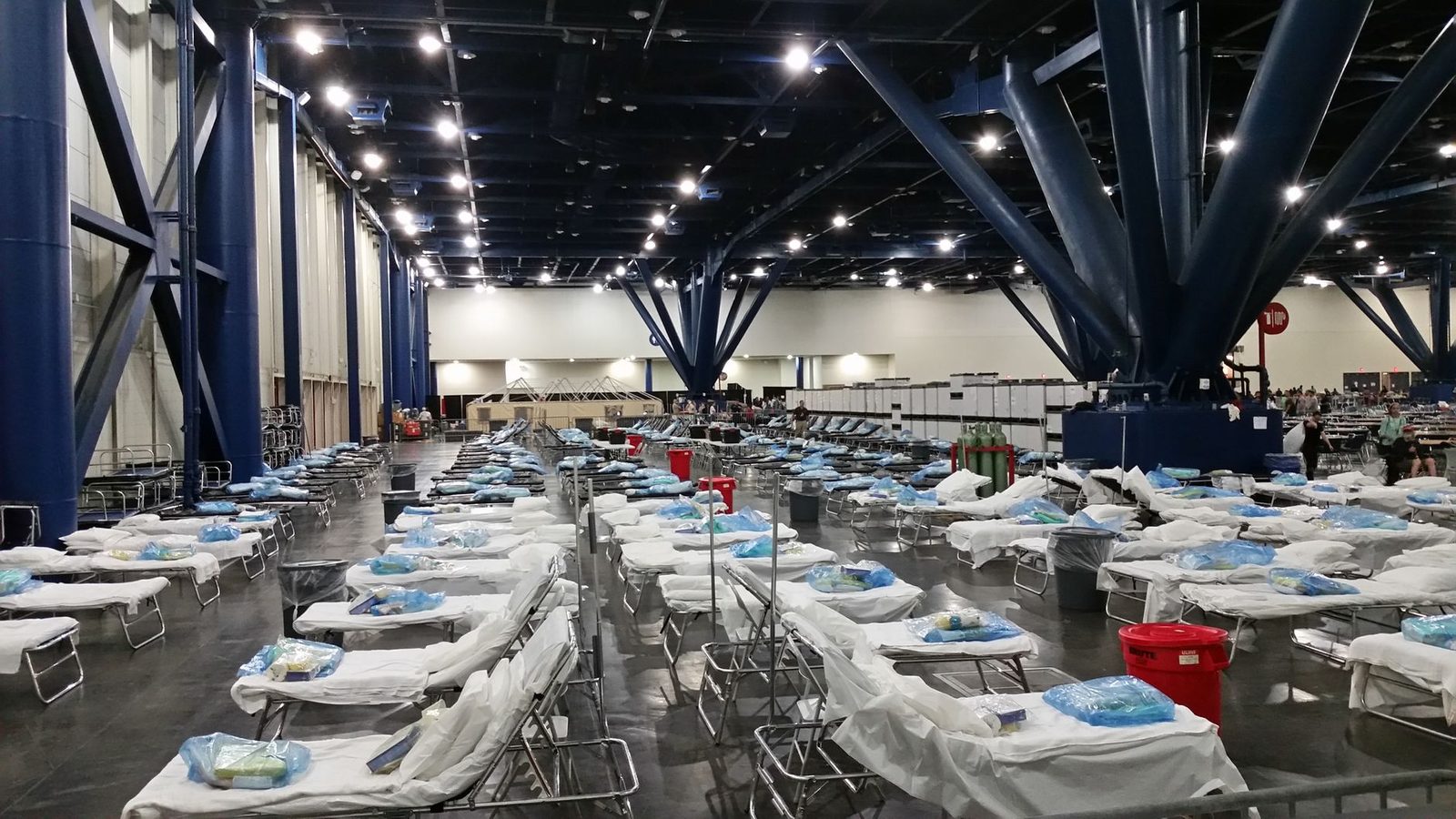
That is what a shelter looks like on day two. People need a change of clothes and clean bedding. A recreation center or a school gym was never designed to handle laundry for hundreds of guests at once. We bring the machines to the building instead of sending volunteers across town with garbage bags. The trailer parks outside, our tech connects power and water, and volunteers can start the first loads the same day it arrives. If guests also need a place to clean up, add shower trailer rentals in Colorado for shelter guests to the same order.

Shelters rarely end cleanly. After a big fire, the evacuation shelter closes and a longer recovery phase begins, with displaced families moving into temporary housing while homes are rebuilt. The laundry need follows those families. We can move a unit from the shelter lot to a recovery site, or swap to the smaller combo when the count drops, and keep the same service day.

Trouble often comes twice in Colorado. Burned slopes shed water fast, so a summer fire can be followed by floods and mudslides in the same counties. That happened in 2026, when a September 1 federal disaster declaration covered wildfires, flooding and mudslides in Dolores, Ouray, Pueblo and Custer counties. A shelter that opened for smoke can reopen for mud a few weeks later, and we keep your site notes ready for that second call.

Rows of cots with folded bedding set up inside a large emergency shelter hall
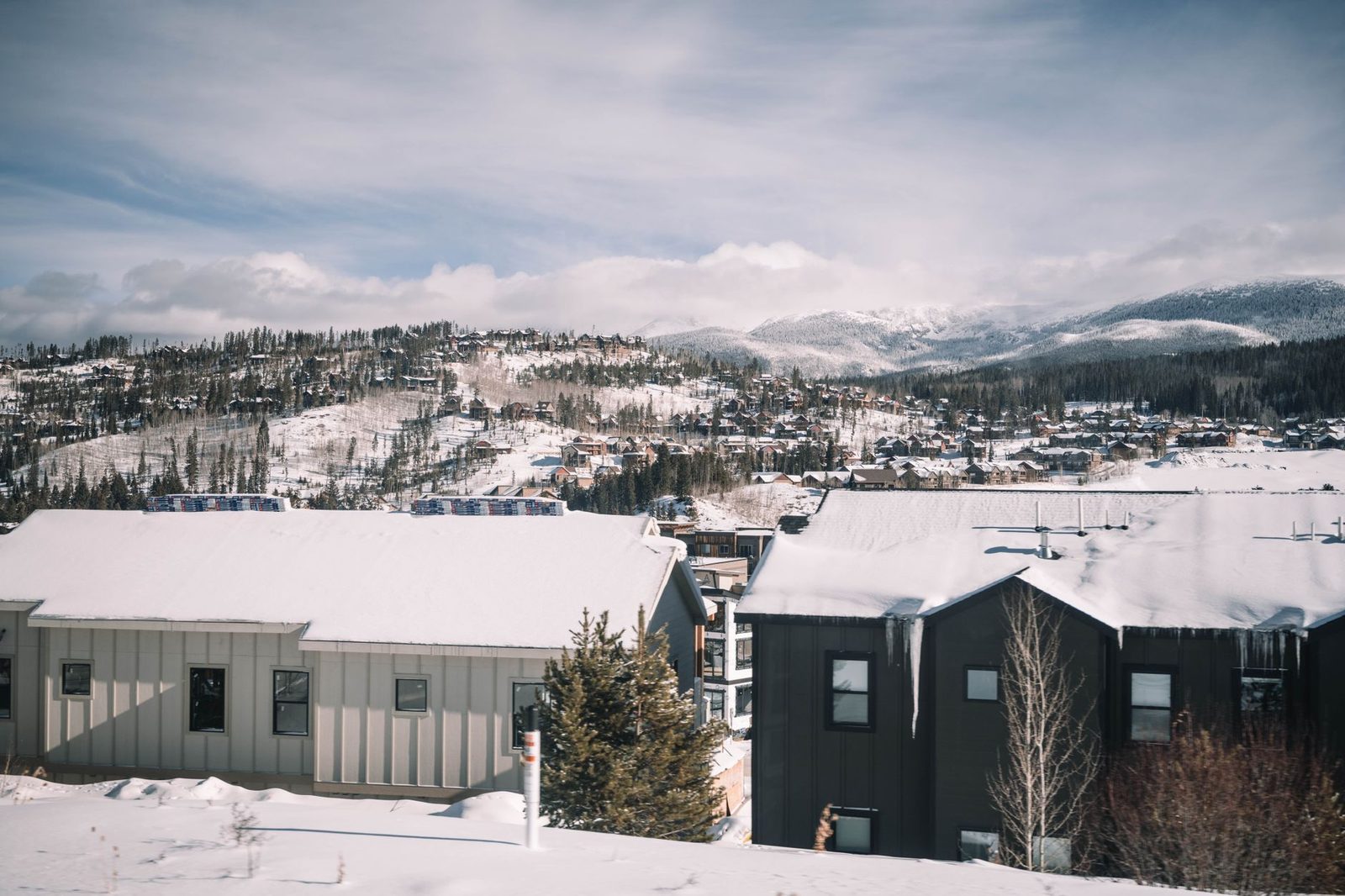
New townhomes on a snowy hillside in a Colorado mountain town
Crew Housing and Long Jobs

Mobile laundry trailers for crew housing in Colorado ski towns and airport builds

Ski towns are hard places to get laundry done in winter. In Summit, Eagle, Pitkin and Routt counties, the season fills every hotel and short-term rental, and the laundries around Breckenridge, Vail, Aspen and Steamboat Springs serve that business first. A construction crew building employee housing or working on resort projects gets in line behind all of it. Some weeks, the crew simply cannot get a load through.

The off-season brings its own catch. Crews want to work when the lifts are closed, and that is exactly when many local laundries cut their hours and reduce their staff until the next winter. The town is quiet, the crew is busy, and there is still nowhere convenient to wash a week of dusty work clothes. A self-contained laundry trailer parked at the crew housing or the staging yard settles the problem for the length of the job. Pair it with bunkhouse trailer rentals for Colorado resort-town crews when beds are as scarce as washers.

Denver International Airport is a different kind of long job. The airport covers 33,531 acres. Its Operation 2045 plan calls for four new concourses and 100 more gates, and a terminal renovation is scheduled to continue through 2027. Crews work inside a secured, badge-controlled area. Sending a rotating crew's laundry off site and back through security every week wastes hours. A portable laundry unit in the contractor's staging area keeps all of it inside the fence.

Highway jobs have their own version of the same problem. The I-25 widening between Castle Rock and Monument, the stretch locals call the Gap, covers 18 miles, and crews on projects like that often live in temporary housing for months at a time. We set up where the crew sleeps rather than where the work is, and we match the service day to the shift schedule so the machines are stocked before the weekend rush. Call us with the start date and your peak head count, and we will quote the first phase and hold machines for the next one.

Schools and Campuses

Commercial laundry trailers for Colorado school and campus projects

Colorado school construction gets squeezed into summer break. Denver Public Schools, Jeffco and Douglas County RE-1 enroll roughly 90,000, 75,000 and 63,000 students, and much of their bond-funded work happens while the buildings sit empty. That crowds a lot of crews into the same few months, often with workers brought in from out of town.

Out-of-town crews on a tight summer schedule need clean work clothes without losing an evening to them. A commercial laundry trailer in the staging area lets them wash at shift change. We plan the hookups with your superintendent so the machines never compete with the building work, and we keep the unit clear of the fire lanes. When the building's own restrooms are torn out, add Colorado bathroom trailer rentals for campus projects on the same delivery.

Universities work on a bigger scale. CU Boulder has 38,808 students on a 786-acre campus, and Colorado State University in Fort Collins has 34,412, with more than 8,000 acres of satellite campuses and research land. Big building projects on these campuses go on while classes continue. We place the unit away from student foot traffic and time service visits around campus delivery hours.

Schools often double as shelters, too. When a county needs a large indoor space in a hurry, a high school gymnasium is one of the most common choices. It has restrooms, parking and room for hundreds of cots. A district that already knows us from a summer construction project has our number when the gym fills up during an evacuation. We keep your site notes on file, which usually makes the second delivery noticeably faster than the first.

A historic building wrapped in scaffolding during a renovation
Other Colorado Jobs

Other Colorado jobs where we set up portable laundry trailers

Fort Carson rotations at Piñon Canyon

The Piñon Canyon Maneuver Site is one of the most remote training areas the Army uses, about 150 miles from Fort Carson's main post. A multi-week exercise out there is cut off from garrison laundry for the whole run, and support contractors face the same gap. We set a unit at the field support area and plan service around range access.

Harvest housing in the San Luis Valley

Potato and seed-crop harvests around Alamosa bring in a seasonal workforce far bigger than the valley's towns were built for. Farm worker housing is often temporary and sits well past the edge of town. A mobile laundry unit at the housing site saves crews a long drive after a full day in the field.

Laundry plant outages at Pueblo hospitals

Pueblo's large hospitals process linens around the clock. When a laundry plant breaks down or closes for renovation, the backlog starts within hours. We can set a commercial unit on a service lot and keep clean linens moving until repairs finish, and rural hospitals an hour or more from a backup service face the same problem.

Fire camps above Fort Collins and Boulder

In 2024 the Alexander Mountain Fire in Larimer County and the Stone Mountain Fire, which reached into Boulder County, both earned federal fire declarations. Camps for fires like these need laundry for crew clothes and camp bedding for weeks. We set up near the sleeping area so crews can wash between shifts.

Transmission crews on the Eastern Plains

Plains county seats usually have one or two laundries sized for the people who live there. A transmission crew building the Colorado Power Pathway across eastern Colorado, with most of the work aimed at finishing by 2027, can fill them in a week. We put the machines at the crew's base instead.

Storm and tornado recovery sites

The August 2023 federal declaration for severe storms, flooding and tornadoes covered fourteen counties, from the southeast corner of the state to the Denver suburbs. Recovery sites after storms like that need laundry for work crews and for families at the same time. At a small site, a combo unit handles both.

Service Area

Delivery of mobile laundry trailers from the Front Range to the San Luis Valley

About 84 percent of Colorado's people live in the Front Range corridor between the Wyoming line and Pueblo, and that is where most large shelters open. Fires, floods and big crews also land in mountain towns, farm valleys and plains counties hours from any city, and we deliver to all of them. Some of those drives are long. Our service area covers all 50 states with rapid deployment, so no corner of Colorado is outside our reach. Send the shelter address or a GPS pin, and we will plan the route, the setup and the first service day before the truck rolls.

SuperiorLouisvilleBoulderBroomfieldWestminsterArvadaGoldenDenverAuroraLittletonParkerCastle RockFort CollinsLovelandGreeleyColorado SpringsFountainPuebloCanon CityTrinidadAlamosaMonte VistaSalidaFriscoAvonAspenSteamboat SpringsGrand Junction
Service area: Colorado
Around the Region

Colorado regions where we deliver portable laundry trailers

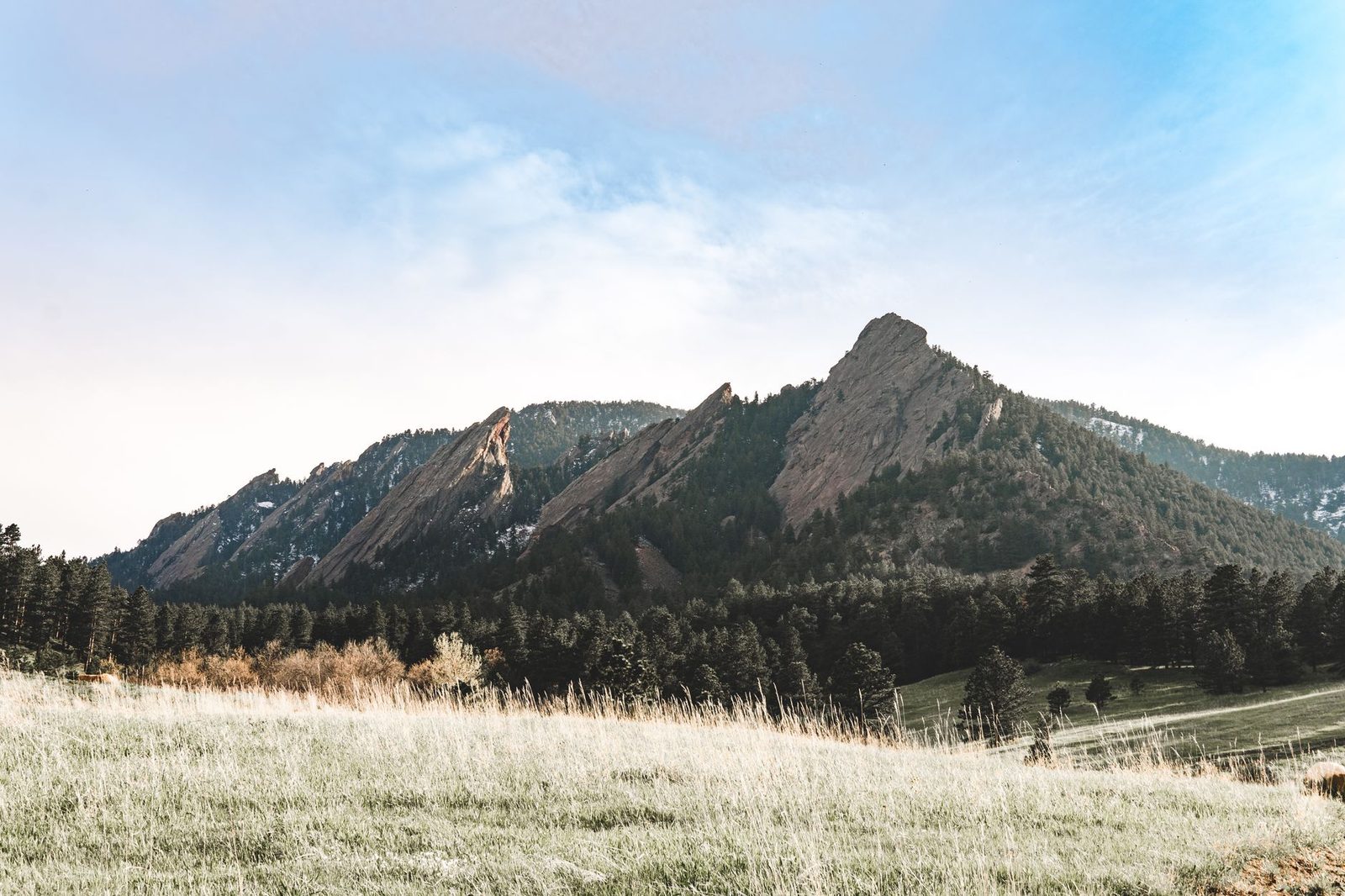
The Flatirons rising above open grassland at the edge of Boulder

Boulder County: Superior, Louisville and Boulder

Grass fires pushed by downslope winds can reach dense neighborhoods here within hours. We plan shelter laundry around recreation centers and school gyms, and we can shift a unit to recovery housing once the shelter closes.

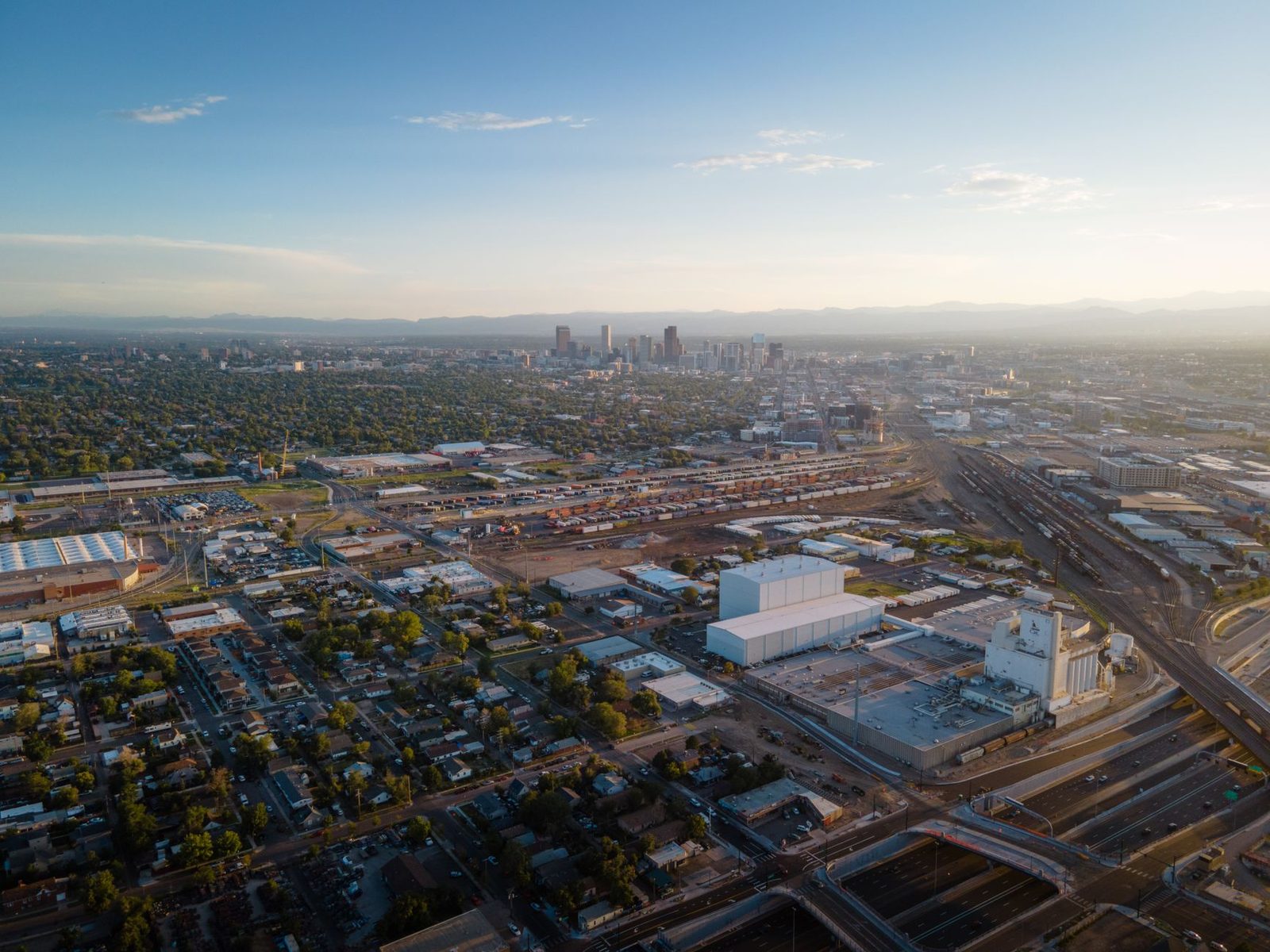
An aerial view of Denver's neighborhoods and downtown skyline with the Front Range on the horizon

Denver and the Jefferson County foothills

The 2024 Quarry Fire burned close enough to threaten suburban Jefferson County. Metro shelters open fast and fill fast, and we deliver to Denver, Lakewood, Golden and the foothill towns on short notice.

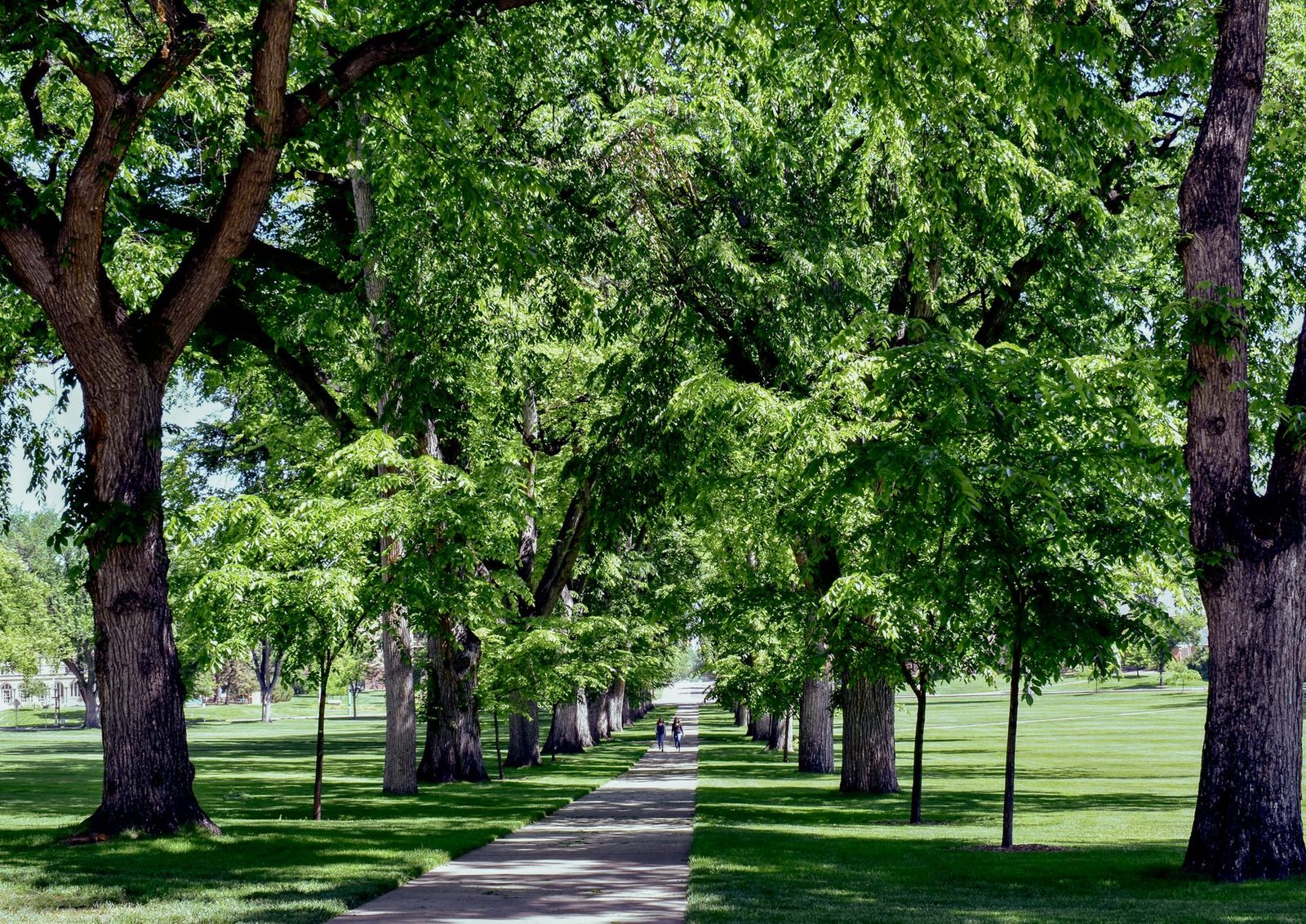
The elm-lined walkways of the Oval at Colorado State University in Fort Collins

Fort Collins and Larimer County

Colorado State University's campuses and the canyon communities west of Fort Collins and Loveland both show up in our planning. Fire season can put a camp in the canyons and a shelter in town during the same week, and we can set up both.

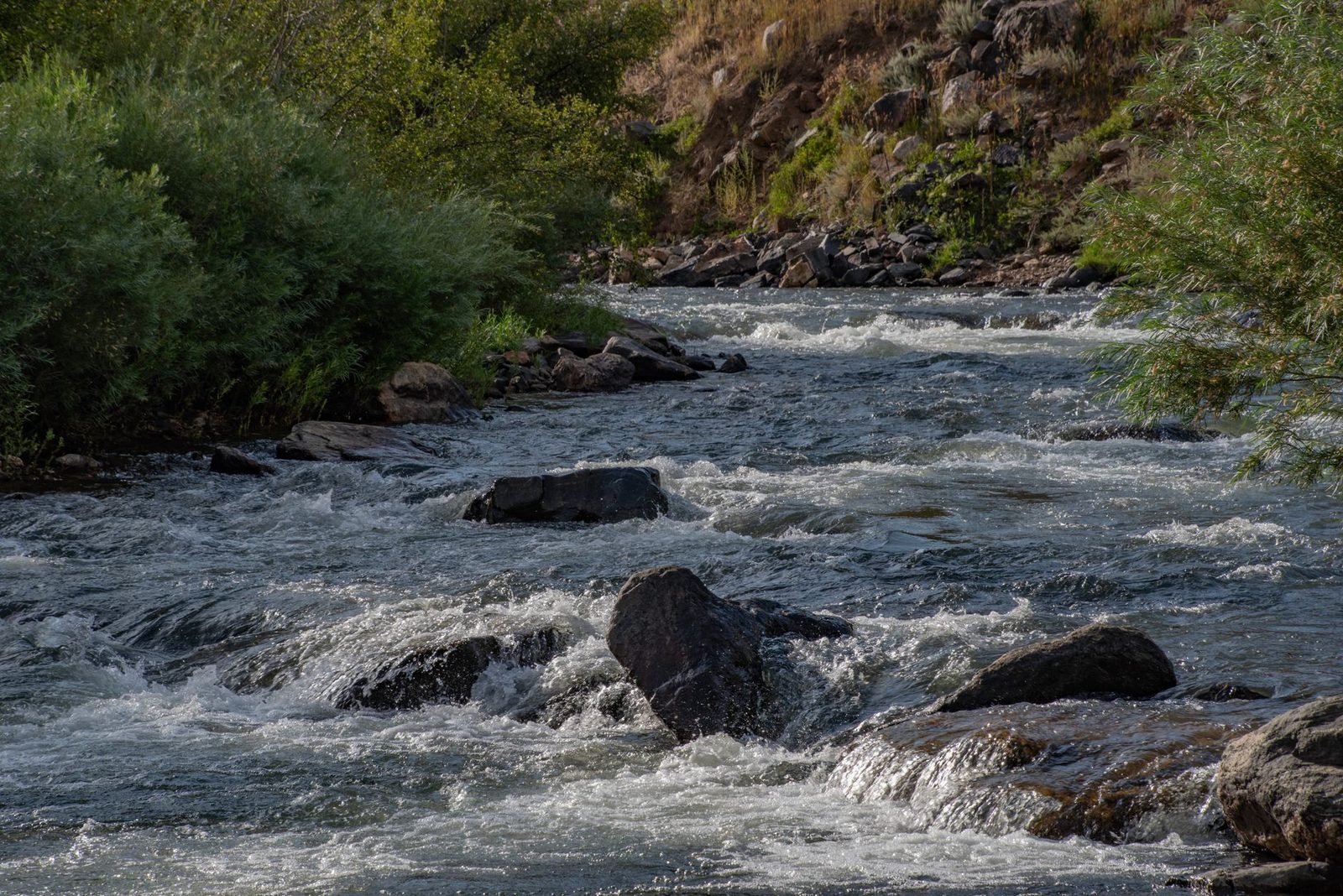
Whitewater on a Colorado river running over granite boulders

Pueblo and the Arkansas Valley

Pueblo is the service hub for southern Colorado, with I-25 running north to Colorado Springs and south toward Trinidad. We run units to shelters, hospital lots and crew housing across Pueblo, Fremont and Huerfano counties.

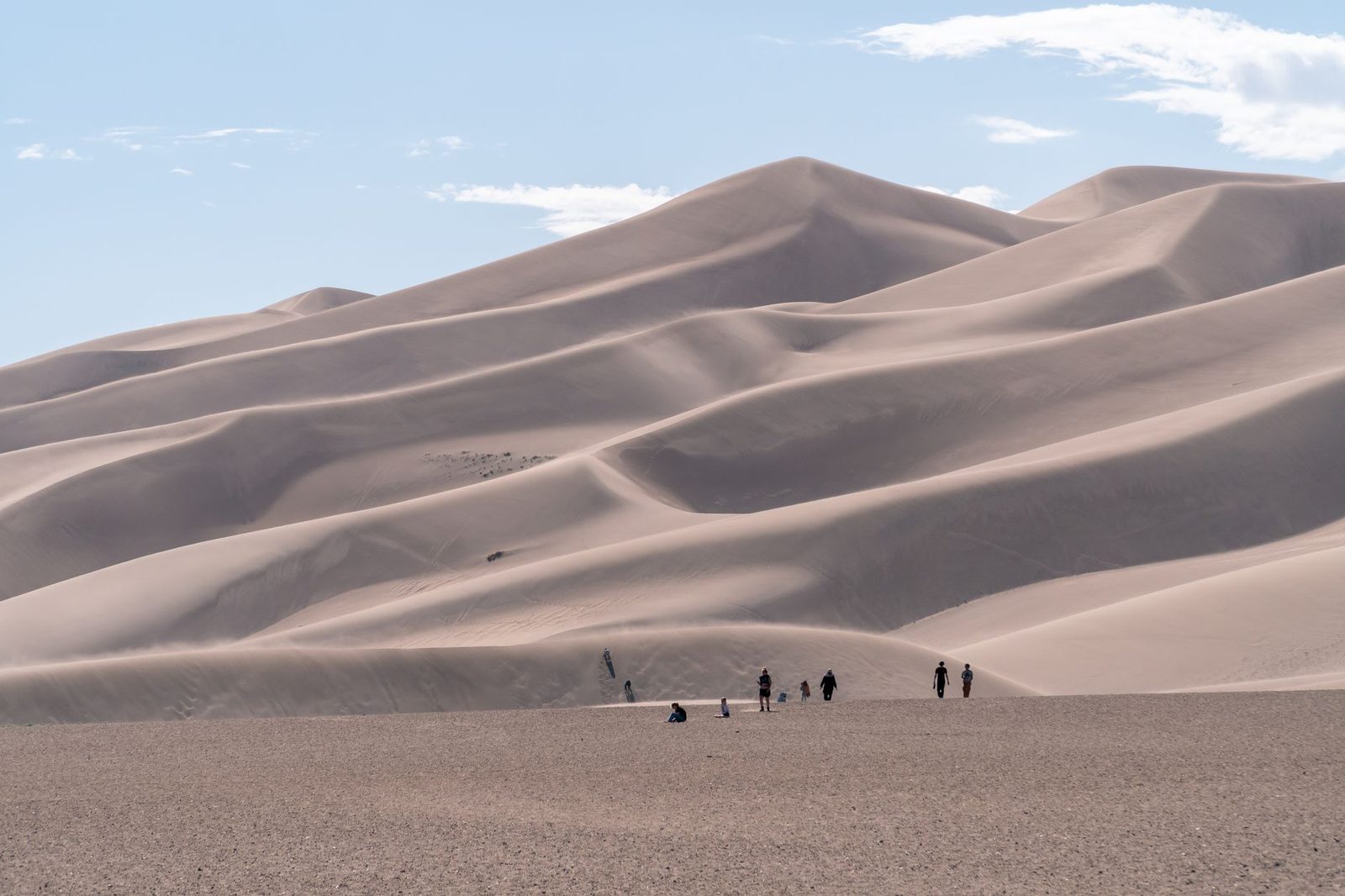
Hikers crossing Great Sand Dunes National Park in the San Luis Valley

San Luis Valley: Alamosa and Monte Vista

This is the state's most remote farming region, set between the Sangre de Cristo and San Juan mountains. We deliver to Alamosa, Monte Vista and the farm housing sites around them, and we plan service around harvest traffic on the valley roads.

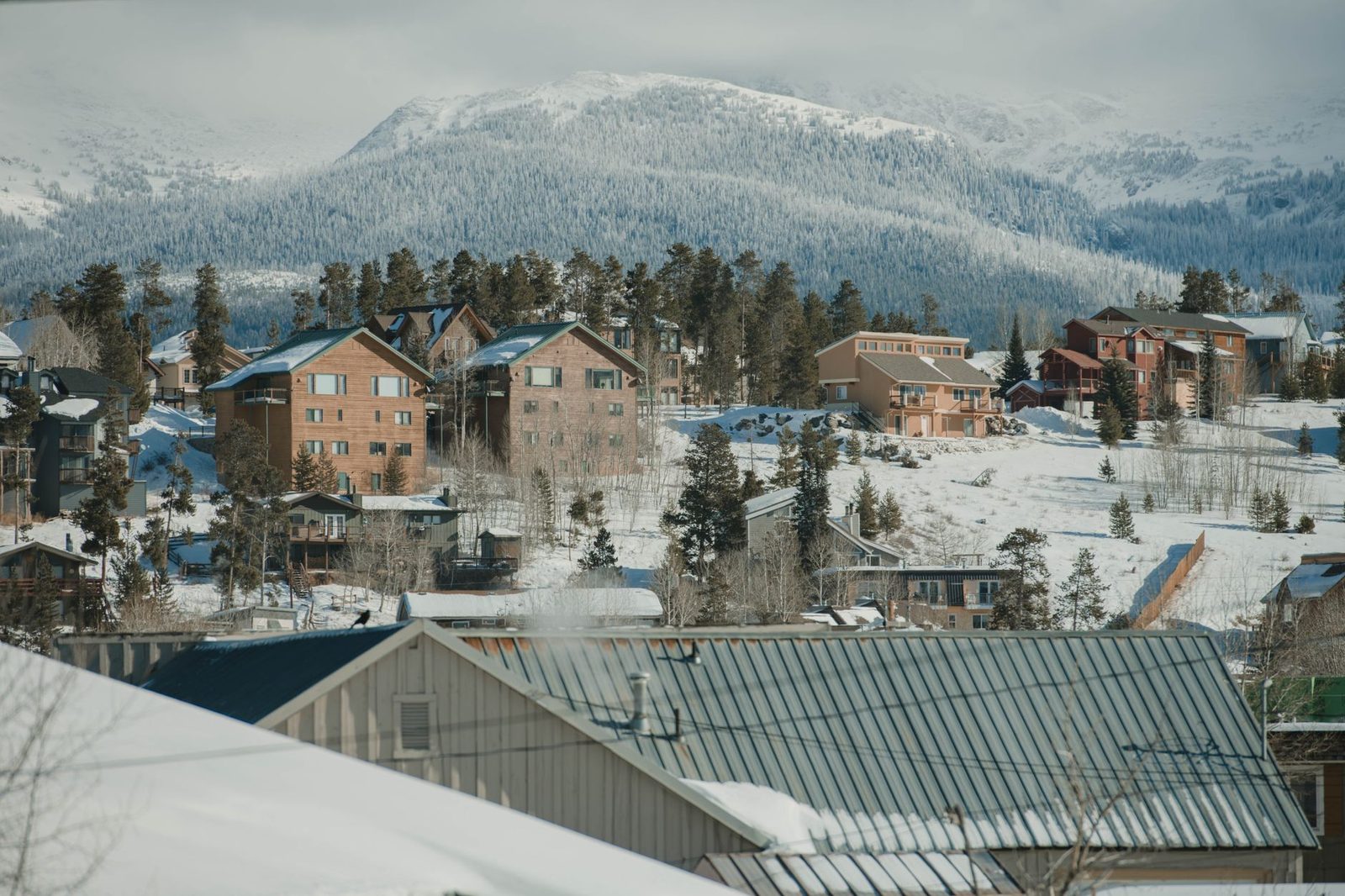
Snow-covered homes in Breckenridge with high peaks behind them

Summit, Eagle, Pitkin and Routt counties

Mountain passes set the delivery plan up here. We route trailers over I-70 and the side highways to Frisco, Avon, Aspen and Steamboat Springs, and we build service dates around winter storms.

Simple Process

How renting a laundry trailer in Colorado works

1

Call or request a quote

Tell us the dates, the site, and what you need. Our dispatch line answers 24/7, including emergencies.

2

We size the unit and confirm

We match the right laundry trailer to the job and hold delivery on your schedule.

3

Our crew delivers and sets up

We deliver, level, and connect the trailer on site, ready to use the same day.

4

We keep it running

Our own crews restock detergent and service the machines on a set schedule, then pick up when the job ends.

Fire Declarations by Year

Colorado fire declarations by year, and what they mean for shelter laundry trailers

A Fire Management Assistance declaration is the fast federal help FEMA gives for a single large fire. Colorado receives them in most years. Each one tends to bring evacuations, and often a shelter and a fire camp open during the same week.

FEMA Fire Management Assistance declarations for Colorado, selected seasons
12016
22017
32018
32024
32025
32026
Counts come from FEMA's declarations database. The 2026 count runs through early July, and major disaster declarations are tracked separately and are not shown here.
Why Choose Us

How Mavirus Group sets up a self-contained laundry trailer differently

Ready for a winter shelter

Colorado shelters open in cold months as well as hot ones. The 8-Station's two HVAC units keep the room workable in January, and we plan short, protected hose runs so nothing freezes overnight.

Working the first day, not the first week

We plan the electrical and water hookups with you before the truck leaves, so nobody is hunting for an outlet when the trailer pulls in. Once it is level and connected, the first loads can start that afternoon.

A wash schedule that keeps lines short

We help shelter staff organize a sign-up sheet by family or by cot row. That keeps the machines busy throughout the day, and nobody ends up waiting in a hallway holding an armful of sheets.

A separate path for soiled items

Linens from a first aid corner should never share a drum with a family's clothing. We label the machines and set up a bagged drop point beside the door, so volunteers have a clear system from the very first hour.

Purchasing paperwork that clears fast

Mavirus Group is SAM.gov registered, licensed and insured, and rated A+ by the BBB. County, state and federal buyers get a quote their purchasing office can process without a pile of follow-up questions.

Our own techs on every visit

The crew that delivers the unit also restocks detergent, services the machines and pumps the tank. You deal with one company and one phone number from drop-off to pickup.

The unit moves when the shelter moves

Shelters consolidate, relocate and hand off to recovery housing. We hitch up and reset the trailer at the new site, often the same day, so the laundry plan does not start over.

Customer Stories

How a typical Colorado laundry trailer job is set up

County emergency manager planning a repeat shelter after a burn scar floods

When the same county reopens a shelter months after an earlier fire response, we'd plan to reuse the earlier site notes: the same pad, the same power panel, and the same service day. That lets volunteers start loads the day the trailer arrives instead of relearning the setup from scratch, and the unit can stay until families move into temporary housing.

Facilities lead planning laundry coverage during a plant outage

For a building whose own laundry plant goes down for renovation, with the nearest backup service more than an hour away, we'd place an 8-Station unit on a service lot and let staff run it on their normal shifts. Contaminated items stay on the building's own handling process the whole time, and our tech comes on a fixed weekday to service the machines and pump the tank until the new equipment is running.

Project manager planning winter crew housing in a Colorado resort county

When every coin laundry in a ski town is packed with season business, we'd set a combo unit at the crew's housing lot so people can shower and wash in one stop instead of losing a morning off to it. Service lands on the same weekday all winter, with a day of slack built in for storms on the pass.

Shelter and Laundry Rules

Shelter, clinic and fire gear rules that shape a Colorado laundry trailer plan

In Colorado, county emergency managers lead the local response, and the state Division of Homeland Security and Emergency Management sends incident teams and field managers to support them. Shelter guidance from the American Red Cross and FEMA treats laundry as a standard part of a shelter once it runs past the first day or two. It is expected, not a bonus. For a county, that means a shelter plan should say where laundry will happen and who will run it. It should also say how soiled bedding gets handled from the very first night, and a mobile laundry trailer answers all of it in one place.

Contaminated laundry has its own federal rule. OSHA's bloodborne pathogens standard, 29 CFR 1910.1030, applies wherever workers handle laundry that may carry blood or other infectious materials. It says to handle that laundry as little as possible and without shaking it out. Bag it at the place where it was used, and do not sort or rinse it there. Wet items go in leak-resistant bags, and every bag carries the biohazard label or color code. Workers handling it wear gloves and other protective gear. If the load goes to an outside laundry that does not follow universal precautions, it has to be bagged and labeled the same way before it ever leaves the building.

Fire gear follows a national fire service standard. NFPA 1851 covers how departments select, care for and maintain structural firefighting gear. That split matters. It separates routine cleaning, which can happen at or near an incident, from advanced cleaning after heavy contamination, which goes through a dedicated process rather than a standard wash. At a Colorado fire camp, we set up the trailer for crew clothing, uniforms and camp bedding, and turnout gear that needs advanced cleaning stays on your department's own process. Ask your safety officer to sort out which items go where before the first load.

Reviews

Reviews of our temporary laundry trailers in Colorado

B
Brent O.project superintendent, employee housing build in Eagle County
★★★★★

My crew was losing a day off every week waiting on washers in town during ski season. The combo unit at our housing lot solved that problem and gave everyone a hot shower after work as well.

K
Kelsey V.facilities director, school district in the Denver metro
★★★★★

Summer construction schedules are tight in our district. Having laundry on site for the out-of-town crew kept the contractor on schedule and kept workers out of our buildings after hours.

L
Luis A.environmental services manager, southern Colorado hospital
★★★★★

Our laundry plant went down for a major rebuild, and the trailer carried the hospital through the entire project. Service visits arrived on time every single week, and the linen staff adjusted within a couple of days.

N
Nora B.logistics lead, fire camp in Larimer County
★★★★★

Crews could wash between shifts instead of wearing smoky clothes into the next operational period. When the camp got smaller, they swapped us to a smaller unit without any interruption in service.

C
Craig P.contracting officer, federal field training support
★★★★★

Remote site, strict gate rules, long exercise. They submitted the access paperwork early, and the unit was set up and operating before the training rotation started.

J
Janet K.public works director, mountain town
★★★★★

After the storm we had public works crews and displaced residents who both needed laundry at the same time. One phone call covered both groups, and the paperwork was simple for our finance department.

FAQ

Frequently asked questions

How quickly can you have a laundry trailer running at a Colorado shelter?
Our dispatch line answers 24/7, and we start moving a unit as soon as you give us the address and a rough head count. Drive time depends on where the trailer is coming from and on the route, especially over mountain passes, so we give you a delivery window we can keep instead of a guess. Once the trailer is on site, setup is a same-day job. We park it, level it, connect power and water, and the first loads can go in.
What does a school or recreation center need to provide for a laundry trailer?
The 8-Station needs two 50 amp, 240 volt circuits within 100 feet, along with one water connection. The combo can use either one 220 volt, 50 amp circuit or two 110 volt, 20 amp circuits. Both units need a fairly level spot about 26 feet 4 inches long and 12 feet 4 inches wide with the stairs down. Wash water goes into the onboard waste tank, so you do not need a sewer connection. If the building's electrician is unsure about the panel, we can talk through the details before delivery.
How many washers and dryers does an evacuation shelter need?
It depends on how many people are staying, how long you expect the shelter to remain open, and whether you are washing bedding along with clothing. We work it out from the number of loads per day rather than the number of cots. A large shelter usually starts with the 8-Station, which has eight industrial washers and eight industrial dryers. A small shelter can often get by with the combo, and we add a second unit if the population climbs.
Where does the wash water go if the shelter has no sewer hookup?
It drains into a 750 gallon waste tank built into the trailer. Our crew pumps the tank on a set schedule and hauls the water away, so nothing goes onto the ground or into a storm drain. We set the pumping schedule from your expected load count, and we tighten it if the shelter gets busier than anyone planned.
Can we keep first aid or medical linens separate from family laundry?
Yes, and you should. We set up a separate, marked drop point and assign machines so those items never share a drum with anyone's clothes. Items that may carry blood or other infectious material get bagged and labeled where they were used, following your medical lead's instructions. Some shelters keep those bags on a completely different path to an outside medical laundry, and we plan around whichever route you pick.
Who runs the machines, your staff or our volunteers?
Shelter staff or volunteers usually load and unload, and most shelters post a sign-up sheet by family or by cot row. That system works. Our tech shows your leads how the machines work on delivery day. After that, our crew handles restocking detergent, servicing the machines and pumping the tank on the scheduled visits, and our 24/7 line takes the call if anything stops working.
Will a portable laundry trailer work at a shelter in the middle of a Colorado winter?
Yes. The 8-Station has two HVAC units, so the laundry room stays comfortable on a cold night. In winter, the bigger risk is usually the water supply line rather than the machines themselves. We keep hose runs short and protected, and we plan the setup so nothing sits full of standing water overnight. Tell us whether the site has a heated building entry nearby. That makes the water connection much easier.
Can the trailer stay after the shelter closes and families move into recovery housing?
Yes. Many rentals start at a shelter and end months later at a recovery site. We can move the unit to the new location, or swap the 8-Station for the smaller combo once the head count drops. The service schedule carries over, so your families do not lose laundry access during the handoff.
Can fire crews wash turnout gear in the trailer?
Crew clothing, uniforms, base layers and camp bedding are what the trailer handles best. Structural turnout gear that needs advanced cleaning after heavy contamination should follow your department's own cleaning process. Your safety officer makes that call, and we set up the drop points to match.
Can you deliver a laundry trailer to a ski town during the winter season?
Yes, with some planning. Parking is tight in most resort towns, so we usually set up at a staging yard or at the crew housing lot rather than on a busy street in town. We watch the mountain pass forecasts closely and build a day of slack into each service visit, so a storm closure on I-70 does not leave the waste tank full.
Can a commercial laundry trailer help a hospital through a laundry plant outage?
Yes. When a hospital's own laundry plant breaks down or closes for renovation, we can place a commercial unit on a service lot. Your linen staff can run it on their normal shifts. Your infection control team decides which items go through the trailer and which stay on your existing process for contaminated linen. Planned renovations are the easiest to set up, so call early if one is on the calendar.
Is the combo unit enough for a small mountain town shelter?
Often it is. The combo serves up to 30 crew members or 200 guests, with four private baths and a stacked washer and dryer in a separate laundry room. For a small shelter, that covers both showers and laundry in a single trailer. If the stay runs long or more displaced families arrive, we can bring in an 8-Station and set it up alongside the combo.
What should we have ready when we call for a quote?
Have the site address or a GPS pin ready, along with your best head count and how long you expect to need the unit. It also helps to know what electrical power is available and who will meet the truck when it arrives. A few phone photos of the parking spot save a lot of back and forth. If you are ordering through a county or state purchasing process, tell us the path up front so the paperwork matches from the start.
Resource Library

Colorado planning guides for shelter and crew laundry trailers

Getting a laundry trailer through a Colorado resource request

Most Colorado shelters start at the county level. The county emergency manager opens the shelter, figures out what is missing, and then decides whether to buy it locally or ask the state for help. Laundry often lands on that list by the second day, right after cots, food and restrooms. How the request is written can decide whether a trailer shows up the next day or sits in a queue behind vaguer requests.

When an incident is large enough, the Division of Homeland Security and Emergency Management activates the State Emergency Operations Center. The center works on tiered Response and Recovery Levels. It uses WebEOC software to track resource requests between state agencies, counties and federal partners. A county request for laundry becomes a line item that many people will read, often late at night. Write it so a stranger understands it the first time.

Be specific about the equipment. "Laundry support" is vague. "One mobile laundry trailer with eight washers and eight dryers, needing two 50 amp, 240 volt circuits and one water connection, delivered to the north lot of the recreation center" is something a logistics desk can act on right away. Add the start date, the expected duration and a site contact with a phone number that someone will actually answer at any hour.

The state also keeps a Colorado All-Hazards Resource Database of equipment and capabilities. For very large events, Colorado belongs to the Emergency Management Assistance Compact. That is the mutual aid system states use to send people and equipment to each other. Both are worth knowing. Those tools matter most when local vendors are tapped out. A county that already has a vendor on file can often move faster by placing its own order and documenting it carefully.

Documentation is where many counties lose time later. Reviewers read everything. The state Office of Grants Management administers federal and state disaster funding, including FEMA public assistance, and reimbursement reviews look for clean, complete records. Keep the delivery ticket and the dated service logs together in one folder from the first day. Add the pickup record and the invoice to that folder as they come in. Our service logs show the date of every visit, which makes that folder much easier to build.

It also helps to get a vendor on file before fire season. Check that the company is registered in SAM.gov, carries the insurance your county requires, and can accept a purchase order without a long credit process. Mavirus Group is SAM.gov registered, licensed and insured. Having that paperwork approved in May is far better than chasing it at midnight in August while a shelter fills up.

Think about how the request describes the site as well. A logistics desk needs to know whether the trailer can reach the building without crossing soft ground, whether the parking lot has height restrictions, and whether a fire lane has to stay open. Those details sound small. They decide whether the driver can position the unit on the first attempt or has to wait while someone relocates vehicles.

One last tip from the field. Name one person on your side who can approve a site change without calling a meeting. Shelters move and parking lots get reassigned in the middle of a response. When the trailer has to shift fifty feet because the fire department needs the lane, a quick yes from the right person keeps the machines running instead of sitting idle.

A stack of freshly folded towels ready to go back out

Sizing laundry for a Colorado shelter that might last a week or a month

Nobody knows on the first day how long a shelter will stay open. A grass fire that burns out overnight might mean a two-night stay in a school gymnasium. A fire that destroys entire neighborhoods can mean weeks in a shelter, followed by months of temporary housing for the families who lost their homes. We size shelter laundry in phases, adjusting as the situation develops, rather than committing to one big guess.

Start with the first 72 hours. Guests usually arrive with only what they are wearing, and bedding quickly becomes the heaviest part of the laundry load. Every cot needs sheets and a blanket, and those get washed more often than most planners expect, especially when children, older guests and pets are staying in the building. In this first phase you want the full 8-Station if the head count is large. A laundry backlog builds fast and is hard to catch up on.

Think in loads, not people. Count the families first. Most households wash their clothing together, and then add bedding loads for each row of cots based on how often volunteers plan to change the sheets. Add a reasonable buffer for spills, illness and wet weather. All three show up in a crowded building. That daily total, compared with the number of available machines, tells you whether a single unit can keep up. Give us your estimates, and we will work through the calculation with you before the truck leaves.

The second week usually looks different. Some guests find a relative's couch to sleep on. Others book a hotel room or a short-term rental. The head count drops, but the people who remain tend to be the ones with the fewest options, and they need regular, reliable laundry access. This is often the point where a shelter can step down from the 8-Station to the combo, which also provides four private baths with showers.

Food service changes the plan too. Kitchens are messy. A shelter with a full kitchen produces towels, aprons and cleaning rags every single day, and those should stay in their own loads, away from bedding and clothing. If the kitchen is also short on cold storage for donated food, freezer trailer rentals in Colorado for shelter kitchens can arrive on the same delivery as the laundry unit.

Weather matters more in Colorado than in many other states. A December shelter means heavy coats, snow pants and wet boots coming through the door, and those items take longer to wash and dry. A July shelter means smoke-soaked clothing that people want cleaned right away, before the smell settles into everything else. Both push the daily load count up, just in different ways.

Pets add their own laundry. When a shelter accepts animals, either inside the building or in a separate area, pet bedding and towels should never go into the same machines as people's clothes. Set aside one washer for animal items, label it clearly, and tell your volunteers about it during the first shift briefing.

Finally, plan the space around the trailer. Leave room for a folding table outside the door and a covered spot where bagged items can wait. Keep a clear path open from the building entrance. A trailer that is easy to reach gets used steadily throughout the day, and steady use keeps the line from bunching up at dinnertime.

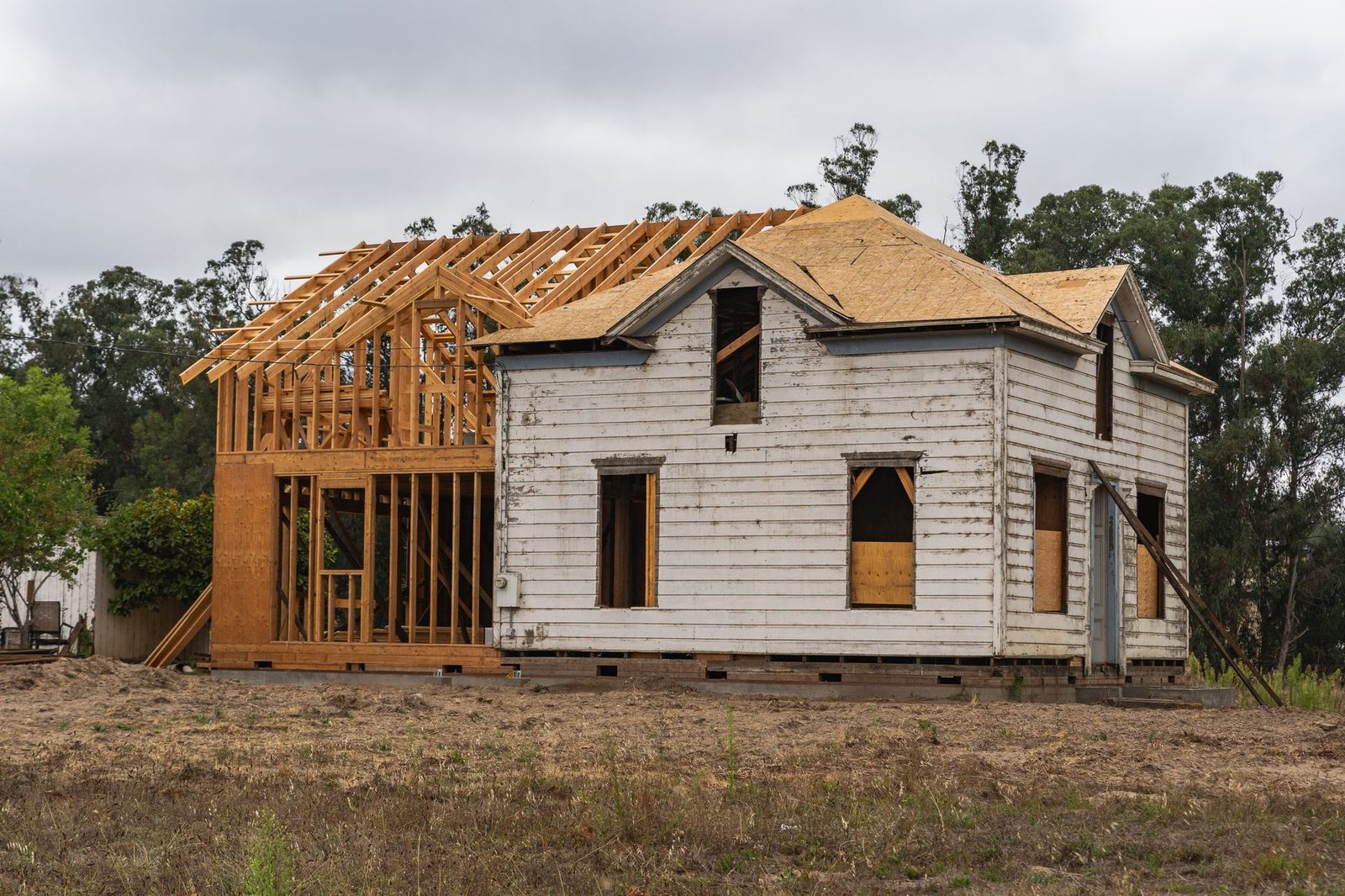
A house being rebuilt with new wood framing

What changes when a Colorado shelter turns into recovery housing

The shelter phase gets the headlines, but the recovery phase lasts much longer. After a big Colorado disaster, many displaced families move out of the gym and into temporary housing, RV sites or short-term rentals while their homes are cleaned up or rebuilt. Laundry needs do not end when the shelter closes. They simply move somewhere else.

The first change is location. A school gymnasium has to go back to being a school gymnasium, often within days or weeks of the evacuation. Recovery housing might be a church lot or a county fairground. It can also be a group of rental units or a temporary site the county sets up on public land. We can move the trailer and reset it on the new site, so families do not lose access during the handoff.

The second change is the head count. Recovery sites are usually smaller than the shelter was, but they stay open far longer, and that changes the equipment math. Many sites step down from the 8-Station to the combo, which puts a stacked washer and dryer beside four private baths. For a group of families living in travel trailers or small units, that combination covers most of what they need from day to day.

The third change is who runs the machines. In a shelter, volunteers often manage the laundry for everyone. In recovery housing, families usually do their own, which means clear posted instructions, a simple sign-up system and a phone number to call if a machine stops working. Our crew handles restocking and service on the scheduled visits, and the 24/7 line covers everything in between.

The fourth change is the contract itself. Shelter rentals are measured in days, while recovery rentals are measured in months, and the end date moves every time the rebuilding schedule moves. Ask for terms that let you extend without starting a new purchasing process each time. We write long rentals so they can continue month to month once the first period ends.

Relief agencies play a big part in this phase. Groups like the American Red Cross provide shelter, meals and recovery support after disasters. They often work alongside county recovery staff for weeks after the shelter closes. If your county is coordinating with a relief agency, share the laundry plan with them early. That way nobody doubles up on equipment or leaves a gap during the transition.

Privacy matters more in this phase as well. In a shelter, people accept a crowded laundry line because everything feels temporary. In recovery housing, families are trying to rebuild a normal routine, and a laundry room that feels private and predictable helps with that. Set posted hours, keep the area well lit at night, and make sure someone checks the space every day.

Keep the families at the center of the plan. After a disaster, a working washer and a clean set of clothes may seem like small things, but they make a difficult month noticeably easier for people who have lost almost everything else. A little extra planning at handoff time keeps that support from getting lost between agencies.

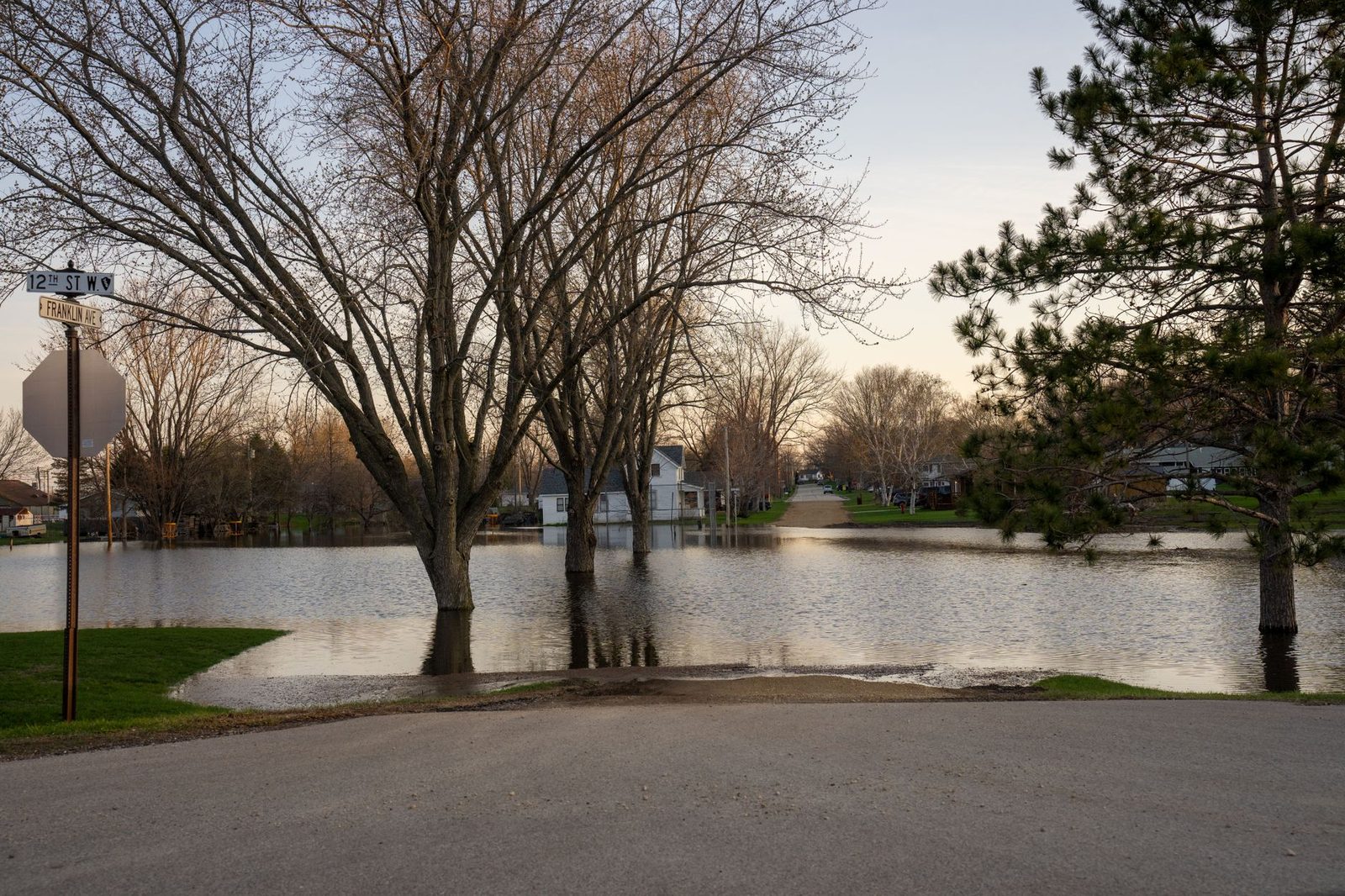
Floodwater spreading across a park after heavy rain

Planning shelter laundry for Colorado's fire-then-flood season

A burned hillside changes how water moves across the land. When a fire strips away the plants and scorches the soil, the ground can stop soaking up rain the way it normally would. A heavy summer storm over a fresh burn scar can then send mud, rocks and water down a canyon within minutes. In Colorado, a fire can be followed by floods and debris flows in the same area only weeks later.

The US Geological Survey publishes post-fire debris flow hazard assessments for many large fires in the West. Those maps estimate which drainages below a burn scar are most likely to produce debris flows during a storm. They are public. County emergency managers use them to plan evacuations and road closures. They are just as useful when you are choosing where to put a shelter and its support trailers.

Pick shelter locations with the next hazard in mind. A school that worked well during the fire may sit near a drainage that becomes dangerous once the summer thunderstorms arrive. Before you reuse a site, compare it against the debris flow maps and the local flood warning plan. The laundry unit should also sit on high, firm ground, well away from the low spots where storm water tends to collect.

Keep your vendor notes from the first shelter. When a shelter reopens after a flood, the fastest setup is the one you have already done once. Record which power panel the trailer used, where the water connection was, where the unit parked and who signed off on the placement. We keep those notes on our side too, but having them in your own file means anyone on your team can place the order.

Recovery sites often need more than laundry after a flood. Mud gets into everything. Mud-covered homes mean that crews and families need clean water, restrooms and showers at the same time they need clean clothes. If your site lacks a reliable drinking water supply, water station trailer rentals for Colorado recovery sites can come on the same order as the laundry unit.

Watch the calendar. In much of Colorado, the fire season and the summer thunderstorm season overlap. A shelter opened in late June may be followed by a second one in August or September, sometimes in the same building. Build a short plan for that second event before the first one ends, covering who makes the call, where the shelter goes and which equipment comes back.

Flood shelters also bring a different kind of laundry. Treat it differently. Clothing and bedding soaked in floodwater can carry mud, sewage and debris, and families often arrive with items they hope to save. Keep those loads separate from ordinary laundry, knock off heavy mud outside before anything goes into a machine, and ask your local health department which items should be thrown away instead.

Don't let the first shelter close without that second-event plan. A fifteen-minute debrief while the trailer is still on site can save hours of scrambling when the next warning arrives from the National Weather Service.

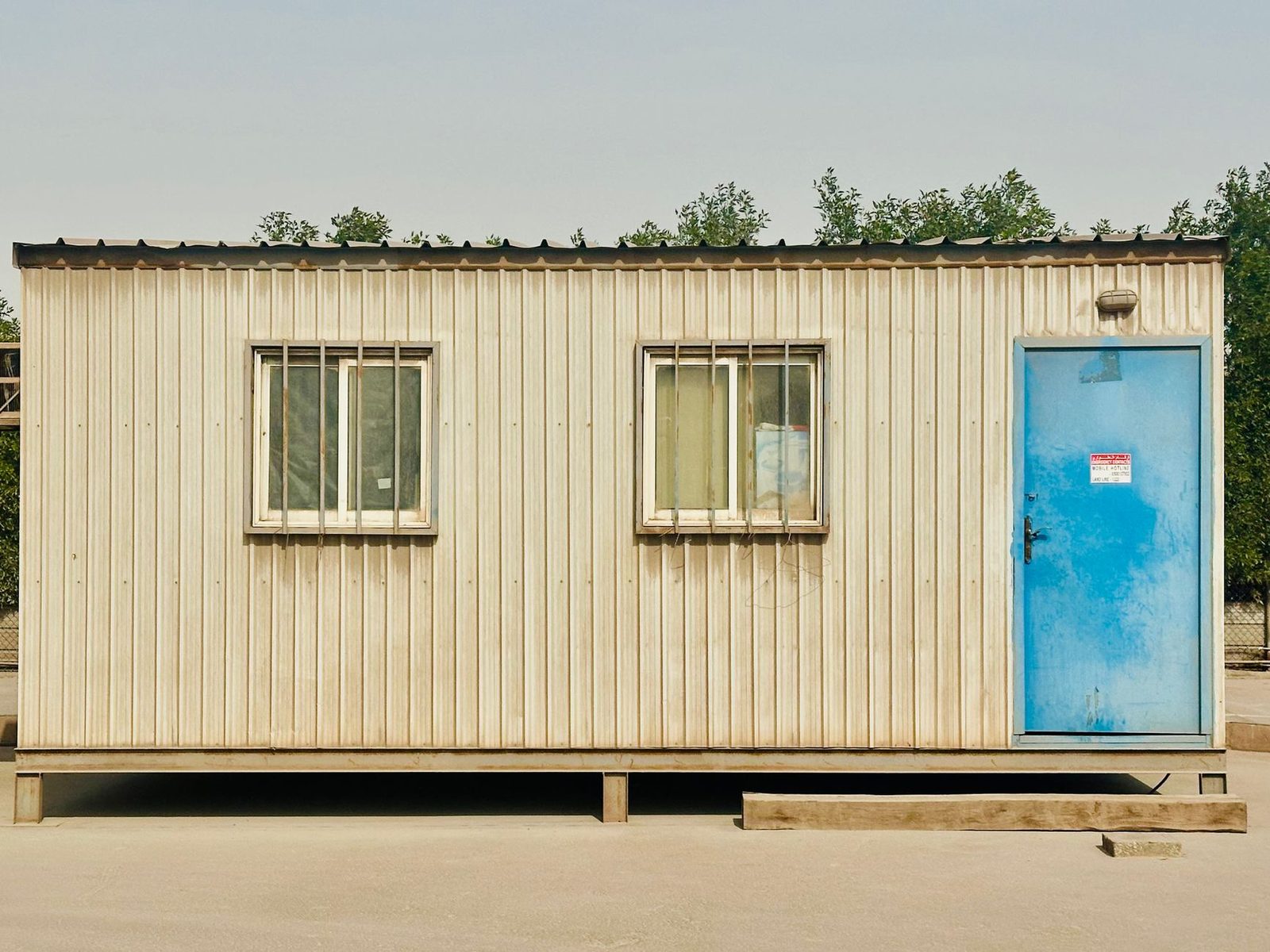
A modular building unit set up on a job site

Questions to ask before you rent a laundry trailer for a Colorado job site

Renting a temporary laundry trailer for a construction crew or a remote camp is not complicated. Campus projects work the same way. Asking a few questions up front can save a lot of trouble later in the job. These are the questions we tell contractors and facilities managers to ask any laundry vendor, including us.

What power does the unit need, and how far can it sit from the panel? The 8-Station needs two 50 amp, 240 volt circuits within 100 feet of where it parks. If your site power sits farther away, or if the job draws power from generators, sort that out before delivery day. A generator sized for lights and hand tools may not be enough for sixteen commercial machines running at once.

Where does the wash water go, and who pumps it? A unit with a 750 gallon waste tank does not need a sewer connection, but somebody has to pump that tank on a regular schedule. Ask who handles it, how often the service truck comes, and what happens if a snowstorm or a road closure delays the visit. The answer tells you how well the vendor actually understands the conditions in your area.

Who restocks detergent and services the machines? Some vendors drop off the trailer and disappear until pickup day, while others send a technician on a fixed schedule for the entire rental. On a job that continues for months, that difference becomes obvious within the first few weeks. Ask exactly what a service visit includes and how quickly someone comes out if a machine stops in the middle of a shift.

Can the unit grow or shrink with the crew? Head counts usually rise during the main phase of a project and drop toward the end. Ask whether the vendor can add a second unit, or swap to a smaller one, without writing a brand new contract. On a campus job squeezed into summer break, that flexibility matters even more. The schedule rarely leaves room for delays.

What paperwork do they carry? Ask for copies. For a school district or a university, ask about insurance certificates, SAM.gov registration and whether they can work with your purchase order process. A public agency should ask the same questions. For a secured site like an airport or a military post, ask how they handle badges, escorts and gate lists before the first delivery.

How does winter change the plan? In Colorado, that question is not optional. Ask how the vendor protects water lines overnight, whether the trailer has heat, and how they schedule service visits around storms on the mountain passes. A vendor with a clear, specific answer has probably done the work before.

Where exactly will the unit park? Walk the site with the vendor or send photographs, and choose a location that is level, firm and out of the way of deliveries, cranes and fire lanes. Consider the walking path from the crew parking area to the laundry door as well. If that walk is long or muddy, people will use the machines less often, and the rental delivers less value for your crew.

Last, ask who answers the telephone at two in the morning when a machine stops or a storm moves in. The right answer is a real person with the authority to dispatch a truck.
More Rentals

Other trailers we rent in Colorado

Laundry is usually one piece of a bigger setup. The same dispatch call can add restroom, shower, sleeper, freezer and water station trailers to your Colorado site.

Get a Quote

Call for a Colorado laundry trailer quote before the next shelter opens

Send us the site address, the start date and your best estimate of the head count. We will come back with a written quote and a delivery window, and our dispatch line is answered around the clock, including weekends and holidays.

Get a Quote Call (855) 687-1887
Call (855) 687-1887 - 24/7 Dispatch