What to do in the first four hours when a Texas kitchen loses power
The first four hours of an outage decide whether a kitchen saves its food or throws it out. Federal food safety guidance says refrigerated food is safe for only about four hours without power, and in a Texas summer that clock feels short. A school or a feeding program can use those hours well by following a few simple steps.
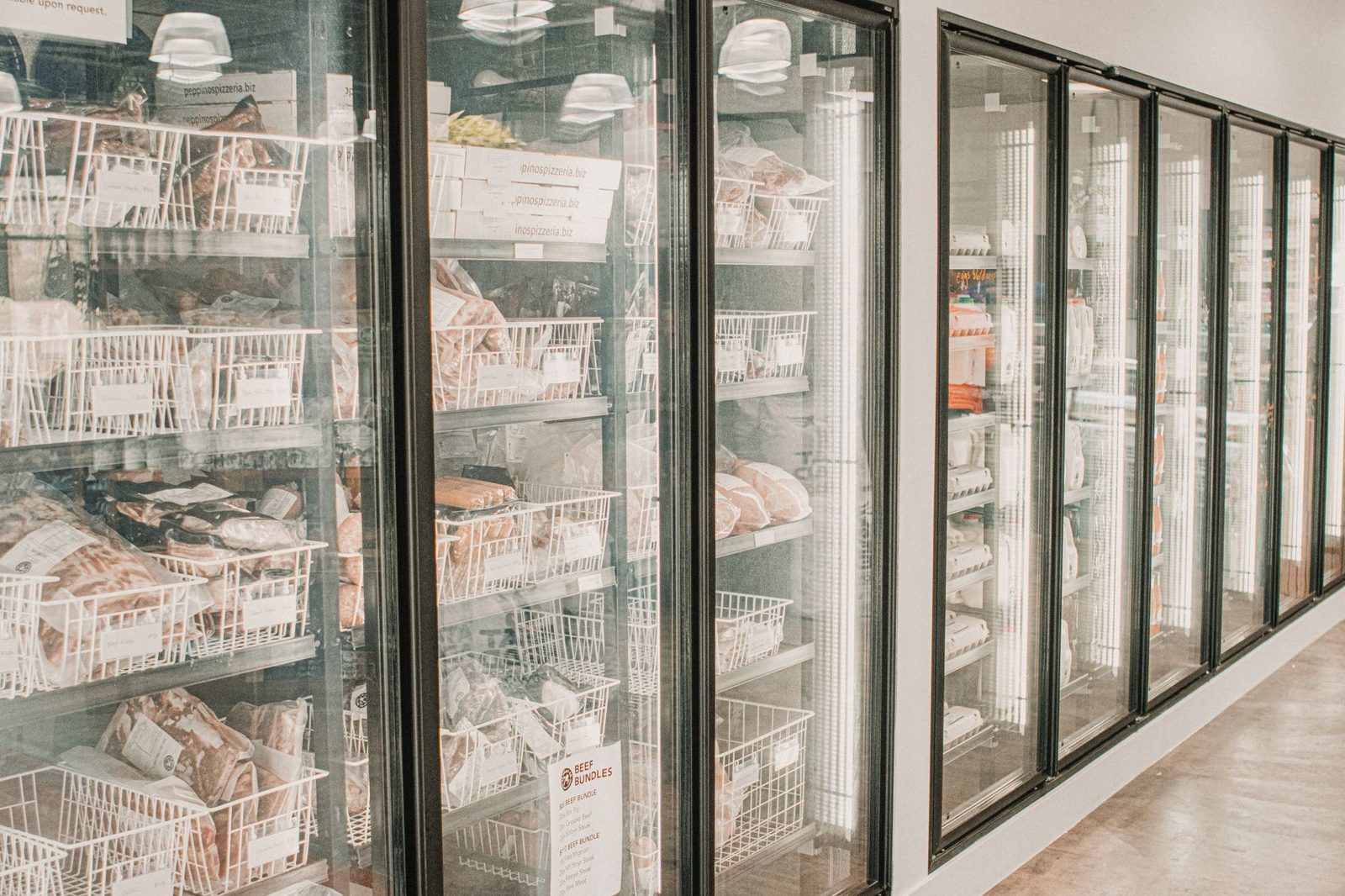
Keep the doors shut from the first minute. Every time someone opens a walk-in or a freezer to check on it, warm air rushes in and the food warms faster. Post a sign on each door and assign one person to decide when a door gets opened.
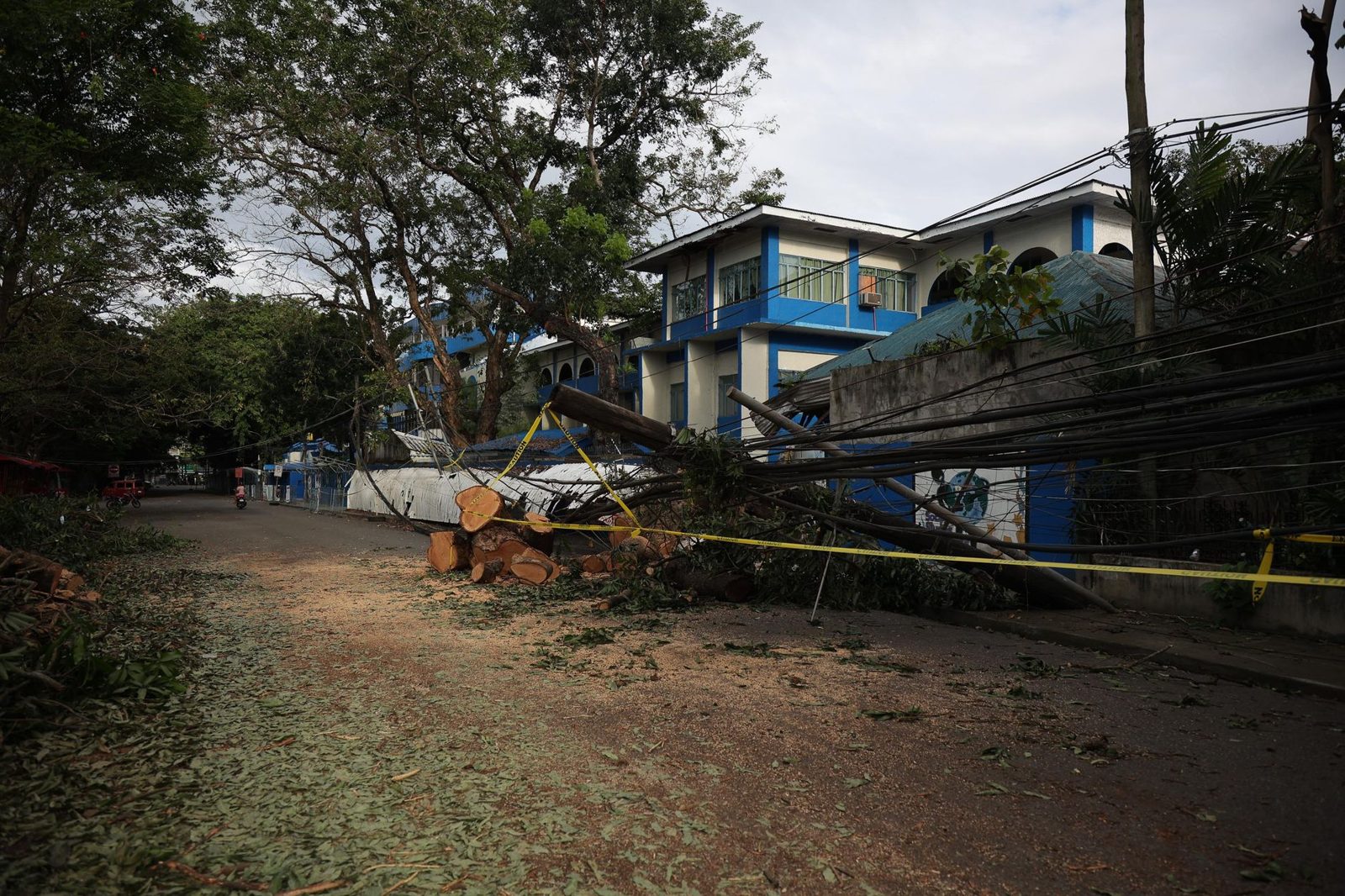
Call for cold storage right away rather than waiting to see if the power comes back. Outages after a Texas hurricane can last days, and the trucks and generators get spoken for quickly across a whole region. A call in the first hour puts you near the front of the line.
Take a quick inventory while you wait. Write down what's in each cooler and freezer, and put the most expensive or hardest-to-replace items at the top of the list. When the trailer arrives, those items move first.
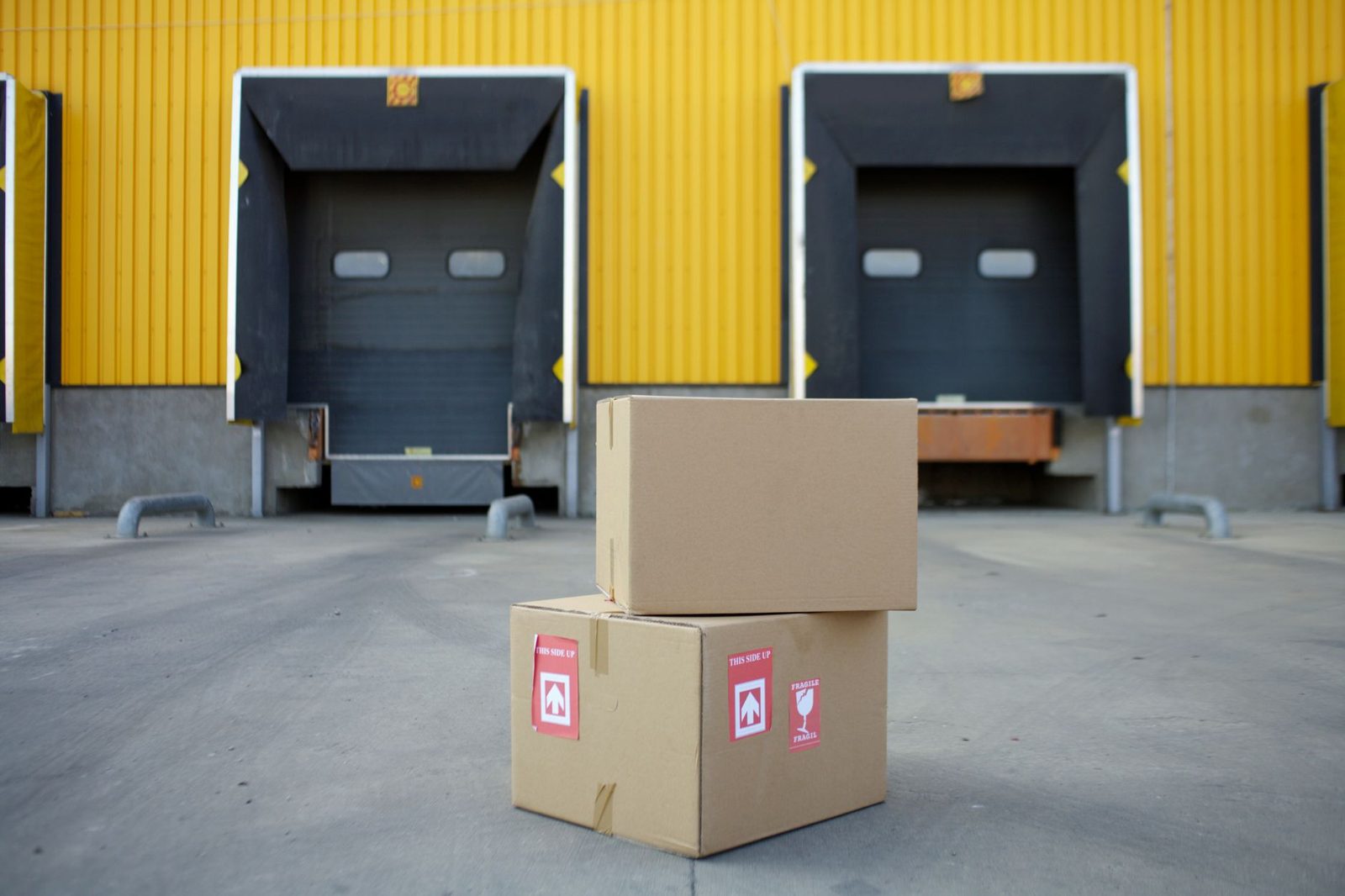
Plan the transfer before the trailer gets there. Clear a path from the kitchen to the loading door, line up carts or dollies and decide who will load. A trailer parked right at the dock can take a full kitchen's frozen inventory in an hour or two if the crew is ready.
Record temperatures as you go. Write down the temperature of each cooler when the outage starts and again when you move the food, since that record matters to inspectors and auditors later. The trailer's own log picks up from there. FoodSafety.gov keeps a clear chart of what to keep and what to toss after an outage.
Sources: FoodSafety.gov guide to food safety during a power outage
Receiving donated frozen food into a disaster freezer trailer
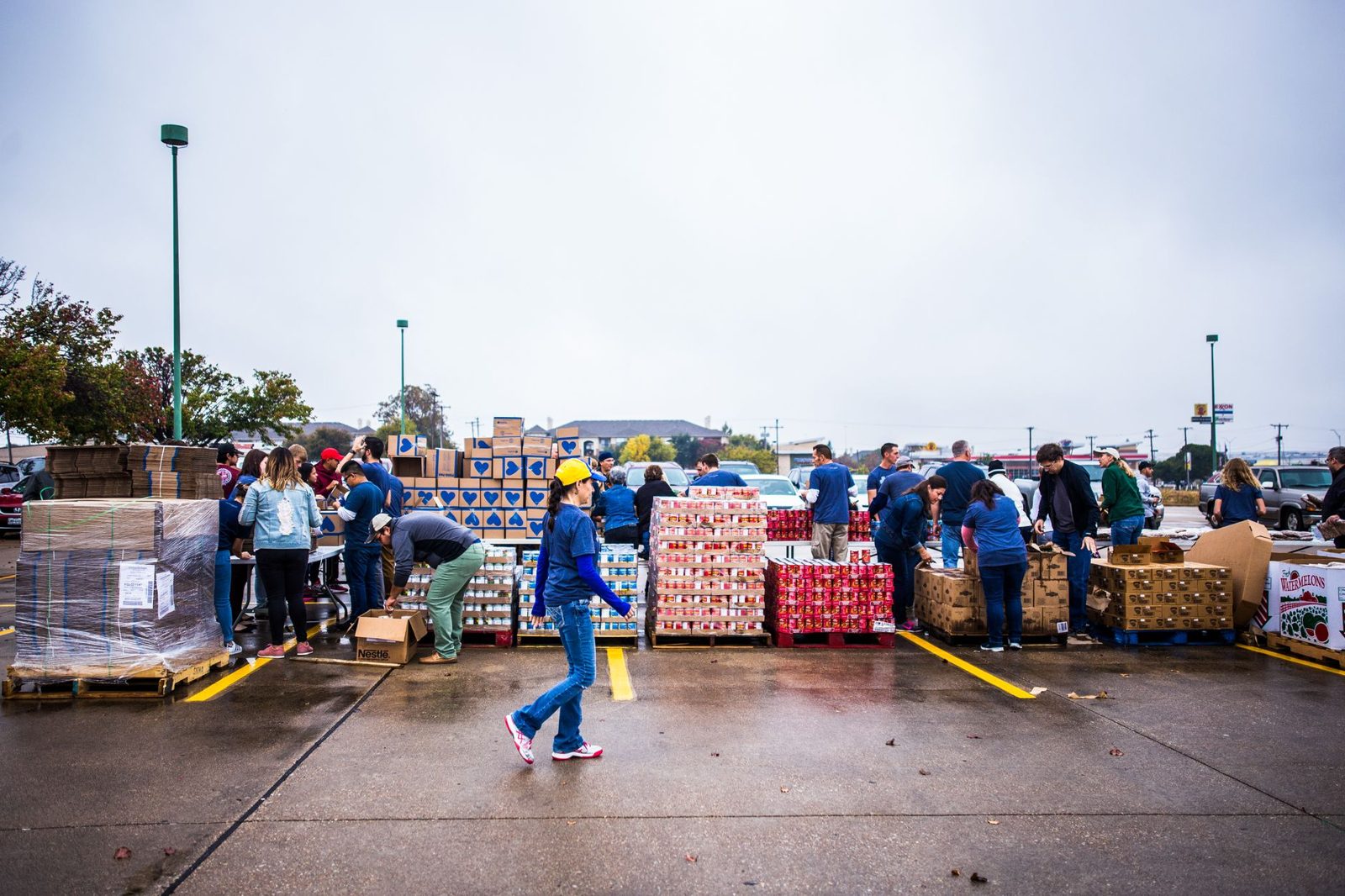
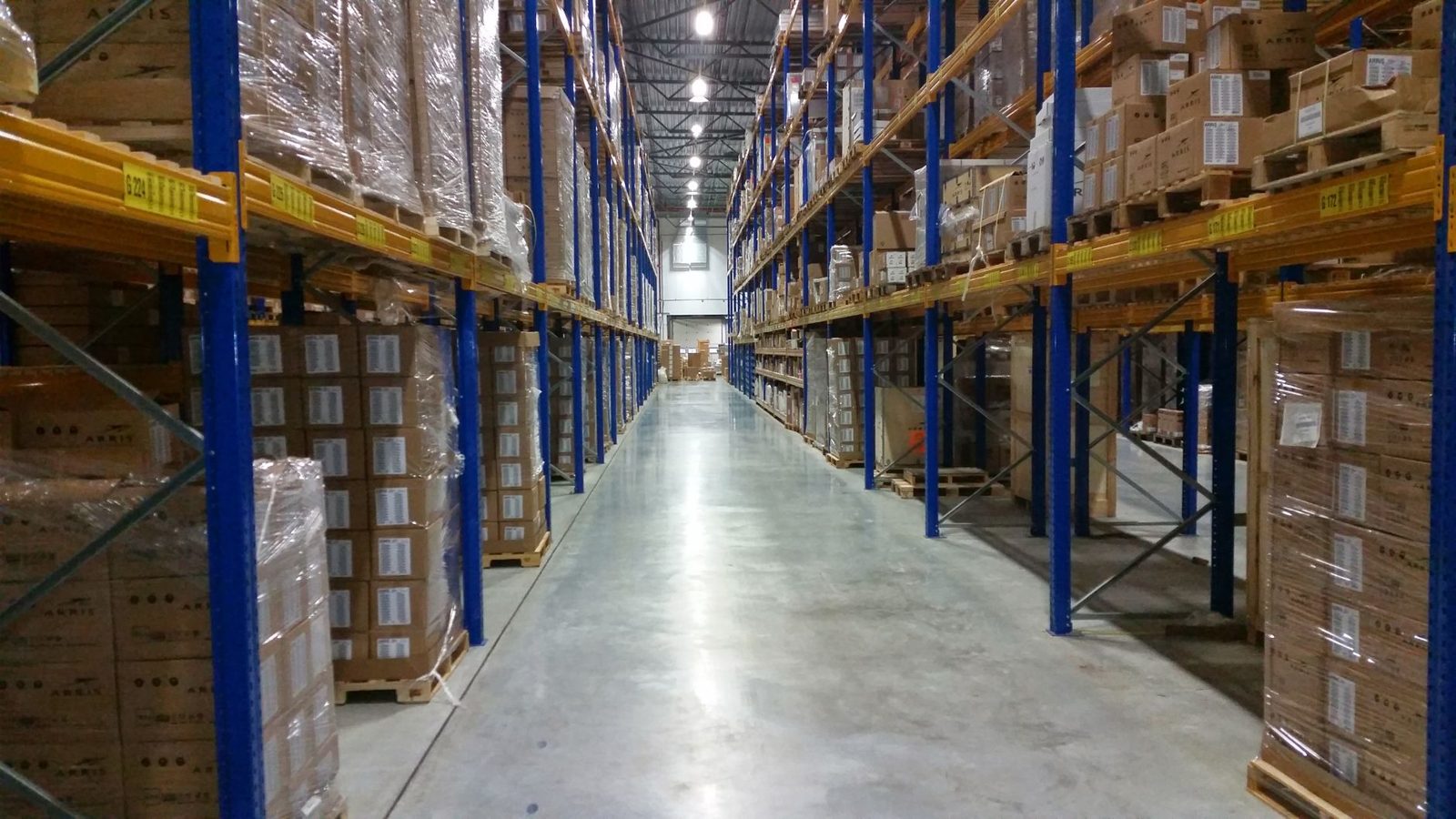
After a Texas disaster, donated food can arrive faster than a food bank can sort it. Trucks show up from other regions, local grocers send what they can, and a warehouse that may already be short on power fills up quickly. A freezer trailer gives that food a safe place to wait, but only if the receiving process is organized.
Check the temperature of every incoming load before it goes in the trailer. Frozen food should arrive frozen solid, and anything that has thawed on the truck should be set aside for a decision by your food safety lead. Write down the temperature and the source of each load.
Label pallets with the date they arrived. The oldest food should go out first, and a simple date label on each pallet makes that easy even when volunteers change every shift.
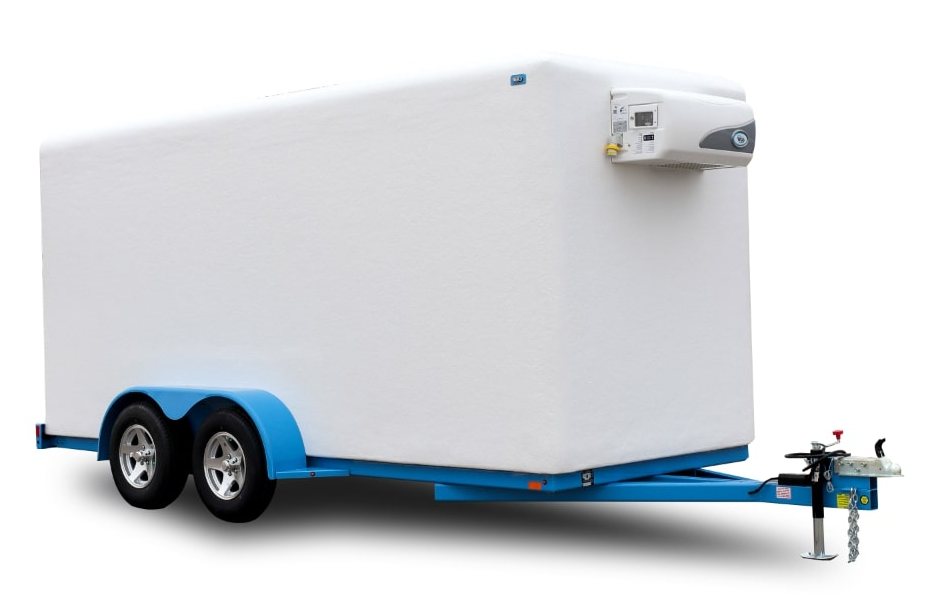
Keep an aisle open inside the trailer so staff can reach the back pallets without unloading the front ones. A packed trailer with no aisle means the door stays open longer every time someone needs something from the back.
Limit who opens the door. Assign one or two people to handle the trailer during each shift, which keeps the door closed more of the time and makes it clear who is responsible for the log.
Feeding Texas has written about how its food banks built mobile disaster capacity after Harvey, including the West Texas Food Bank's mobile pantry. A freezer trailer fits the same idea by adding cold storage that can move to where the food is needed.
Sources: Feeding Texas on the Disaster Response Mobile Pantry
Generator planning for a freezer trailer in a long Texas outage
A freezer trailer is only as good as the power behind it. In a long Texas outage, that power usually comes from a generator, and the generator is only as good as its fuel plan. Plan both before the storm, not during it.
Size the generator to the trailer and to the heat. Compressors work harder on a hot afternoon, so the generator needs enough capacity to handle the hottest part of the day. We size generators for our trailers and bring them with the unit when a site needs one.
Plan the fuel deliveries in writing. Decide who brings fuel, how often and what happens if roads are blocked. After a hurricane, fuel can be hard to find locally, so a written plan with a set delivery schedule matters a great deal.
Place the generator safely. It should sit outside, away from doors, windows and air intakes, with enough space around it for air to move. Carbon monoxide poisoning from improvised heating was one of the leading causes of death in Texas during Winter Storm Uri, and a generator run in the wrong place carries the same risk after a hurricane.
Check it every day. Someone should look at the fuel level, the trailer temperature and the generator's condition each morning, and our techs do the same on every visit. A problem caught at 8 a.m. is much easier to fix than one found at midnight.
Plan for the power coming back. When grid power returns, the trailer can switch to a standard outlet at your dock, and we can pick up the generator on the next visit.
Writing cold storage into a Texas county mass care plan
County mass care plans usually cover shelters, meals and supplies in detail, and cold storage often gets a single line or none at all. After a big Texas storm, that line matters, because shelters and feeding sites can't serve meals from food they can't keep cold.
Start by listing every place food will be stored or prepared during a response. That usually includes shelter kitchens, the county's main feeding site and any food bank warehouse the county relies on. Note which ones have backup power and which don't.
Estimate how much food each site will hold. A shelter serving three meals a day to a few hundred people needs several days of frozen food on hand, and a central feeding site needs much more. Those estimates tell you how many trailers and what sizes to plan for.
Pick parking spots for each trailer now. The trailer needs level ground and a way for trucks to reach it. Sites with no backup power also need room for a generator. Walk each site and take photos.
Set standby terms with a vendor before the season. The American Red Cross described the aftermath of Hurricane Beryl as a dire food emergency in southeast Texas, largely because of the long outage and the heat. Counties that already have a cold storage vendor on standby can move within hours.
Finally, decide who makes the call. Name the person on your staff who can order cold storage during an activation, and give them our number along with the standby terms.
Sources: American Red Cross on the Hurricane Beryl response
Planning a school district's cold storage backup before hurricane season
School districts along the Texas coast hold a lot of frozen food in central kitchens and campus cafeterias. A long outage can wipe out weeks of inventory, and districts often reopen as shelters or feeding sites after a storm, which makes their food even more important.
Start with an inventory of cold storage across the district. List each central kitchen and campus cafeteria, how much frozen food it usually holds and whether it has backup power. That list shows where the risk is highest.
Decide which kitchens get a trailer first. Central kitchens with the most inventory usually come first, followed by campuses the district uses as shelters or meal sites. Our Texas school campus freezer trailer rentals can place a freezer at each priority kitchen on the same order.
Pick the spots and check the power. Each trailer needs a place near the kitchen's loading door and either a standard outlet or room for a generator. Write down the spot for each campus and share it with the district's maintenance staff.
Plan how food moves. Staff need to know who moves food into the trailer, in what order and how the temperatures get recorded. A one-page checklist posted in each kitchen makes that easy during a stressful day.
Talk to us before June. Districts that set standby terms in the spring get a faster response when a storm hits, and the paperwork is already done when the call comes in.