Counting restroom stations for a Texas jobsite by crew size and shift
The federal construction rule gives you a starting number for restrooms, and on a big Texas job that number is only the floor. Under 29 CFR 1926.51, a site with more than 200 workers needs at least one toilet seat and one urinal for every 50 people, so a crew of 1,000 needs at least 20 of each before you think about shifts, heat or distance.
Shifts change the count in two ways. A site that runs two shifts of 500 people each only needs to cover 500 at a time, but the handoff between shifts can put both crews on site together for half an hour. Plan for that overlap, because it is the moment the lines get long.
Distance changes the count as well. On a campus-sized job, a restroom on the far side of the site might as well not exist, since people won't walk ten minutes each way on a hot afternoon. Spreading units across the work zones means more units than the minimum, but it also means less lost time at every break.
Heat pushes usage up during the summer months. Crews drink more water in July and August, and they use the restrooms more often as a result, so a service schedule that works in April may leave tanks full by Thursday in August. We watch the tank levels on each visit and tighten the schedule before it becomes a problem.
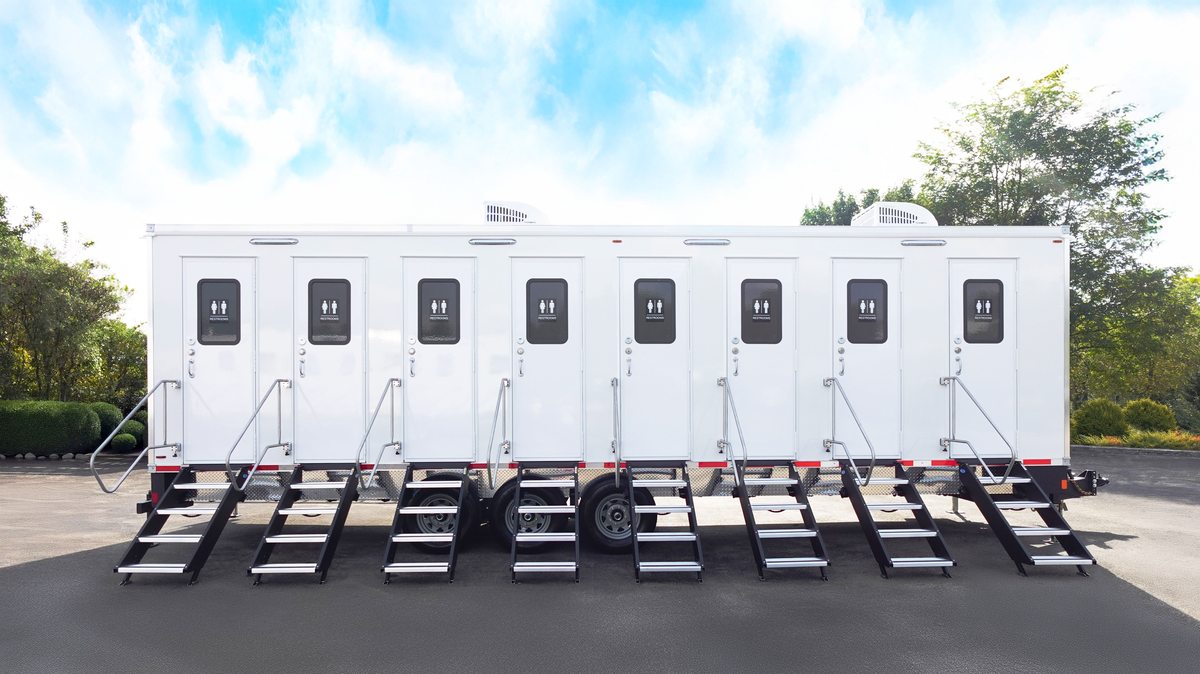
Mixed crews are easier to cover with unisex stalls. Each stall in our 8-Station unit has its own toilet, urinal and sink behind a locking door, so the unit covers everyone without separate men's and women's lines. That helps a lot on sites where the crew mix changes from week to week.
Once you have your headcount, your shift pattern and your site plan, we can put the numbers together. Send us all three, and we'll mark suggested restroom locations on the plan along with the service schedule.
Sources: 29 CFR 1926.51 sanitation rule for construction
Placing restroom trailers on an occupied Texas school campus
Renovating an open school is a balancing act. The contractor needs restrooms close to the work, the district needs students kept well away from construction traffic, and everyone needs the school day to run without surprises.
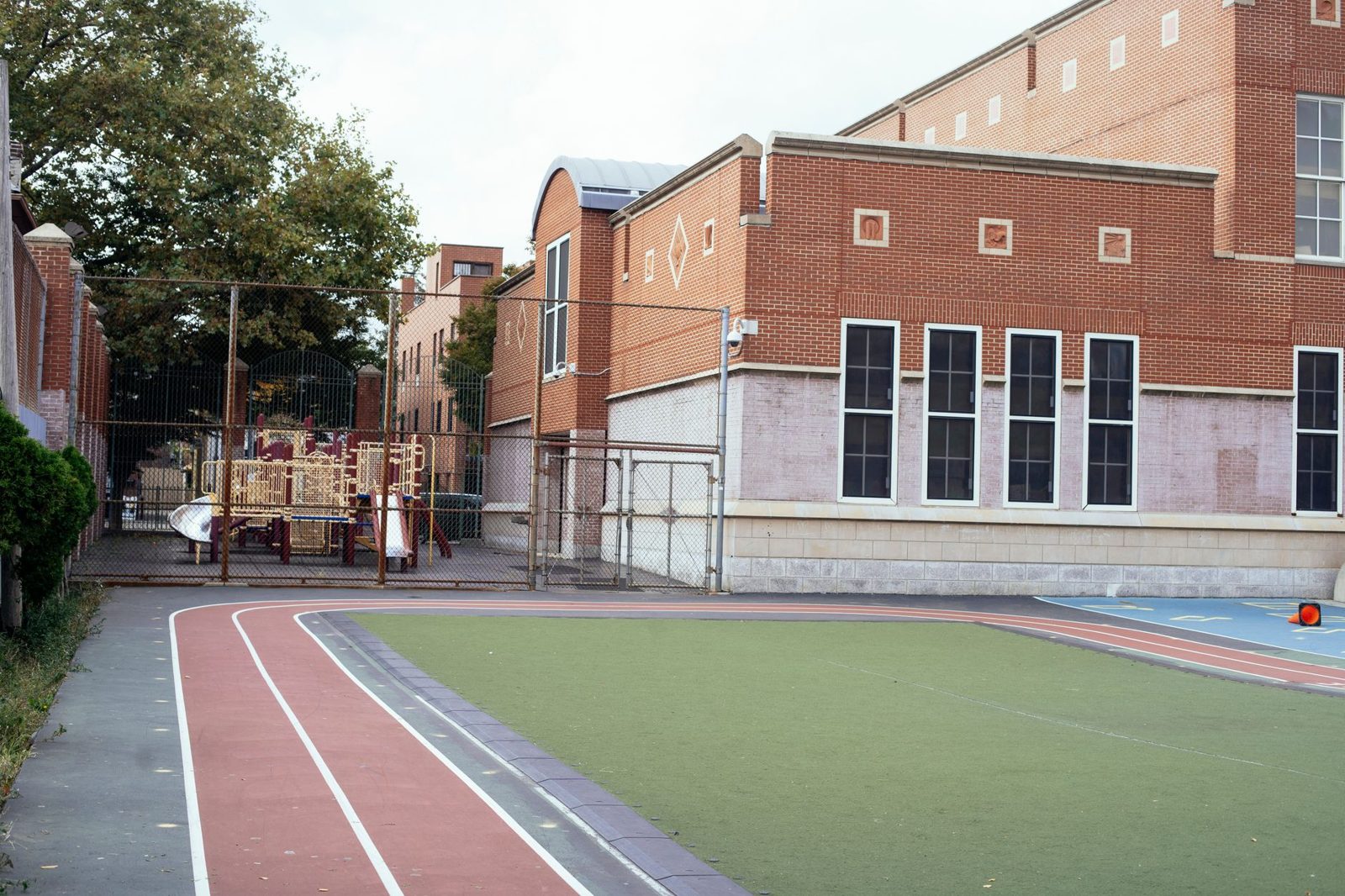
Start with the fence line. The restroom trailer for the construction crew belongs inside the construction fence, so workers never need to walk through student areas to reach it. That also keeps students from wandering into a unit meant for the crew.
Time every truck around the bell schedule. Delivery, service and pickup should all happen outside of drop-off and pickup windows, and ideally during class time or after the last bus has gone. Share the bell schedule with the vendor before the first delivery, not after a truck gets stuck behind a line of buses.
Think about the school's own restrooms as well. Renovation work sometimes takes a wing's restrooms offline for weeks or months. When that happens, a separate unit for students and staff, placed near a walkway the school still uses, keeps the building working, and an ADA unit in that spot covers anyone who needs an accessible stall.
Keep the route level and clear. Any restroom the school's students or staff will use should sit on firm, level ground with a smooth path from the building, so people aren't crossing gravel or mud to reach it.
Plan the summer as a separate phase. Many districts push the heaviest work into June and July when classes are out, which means more crew members and more restroom demand. Tell us the summer schedule early, and we'll add units for those months and pull them back when school starts again.
What an agency should put in a restroom trailer solicitation
A clear solicitation gets better quotes and fewer surprises once the units are on site. Agencies that spell out the details up front usually get restrooms delivered faster, because vendors don't have to guess what the job needs.
Start with the numbers. State the expected headcount and the shift pattern along with the number of sites, and say how long the rental is likely to last, including any options to extend it. A vendor can't size the job without those basics.
Describe the sites plainly. Note whether each site has power and water, what the ground looks like and whether trucks can reach it in wet weather. If a site is inside a secure perimeter, say so and name the badging or escort rules.
Spell out the service expectations. Say how often you want units pumped and cleaned, what supplies should be restocked and how quickly the vendor must respond to a problem. Ask for a written service log if your office needs one.
List the accessibility needs. If the public or employees with disabilities will use the restrooms, ask for accessible units at each cluster and name the standard you expect them to meet.
Confirm the vendor record. Federal buyers need vendors registered in SAM.gov, the federal System for Award Management, and many state and local offices check it as well. We are registered with an active CAGE code and UEI, and we're licensed and insured.
Finally, ask for the quote in your format. If your office needs line items by unit, by week or by site, say so in the solicitation, and we'll match it on the first submission.
Sources: SAM.gov, the federal System for Award Management
Keeping restroom trailers clean on a round-the-clock Texas site
A site that never stops is hard on restrooms. Data centers, plant turnarounds and LNG builds often run day and night, and there is no natural closing time when a service tech can clean without someone waiting outside the door.
The answer is to find the quietest hour. Most 24-hour sites have one, usually the gap between shifts or the middle of the night crew's lunch break. We ask your superintendent when that hour falls and set every service visit inside it.
Tank levels decide the schedule more than the calendar does. A unit serving 500 people on two shifts will fill much faster than one serving 100, so we check the waste and fresh water levels on each visit and move the next one up when the numbers call for it.
Supplies run out before tanks do. Paper, soap and hand towels go fast on a busy site, and an empty dispenser at 2 a.m. is what workers remember. Our techs restock every stall on each visit, and we can leave extra supplies with your site staff for the overnight hours.
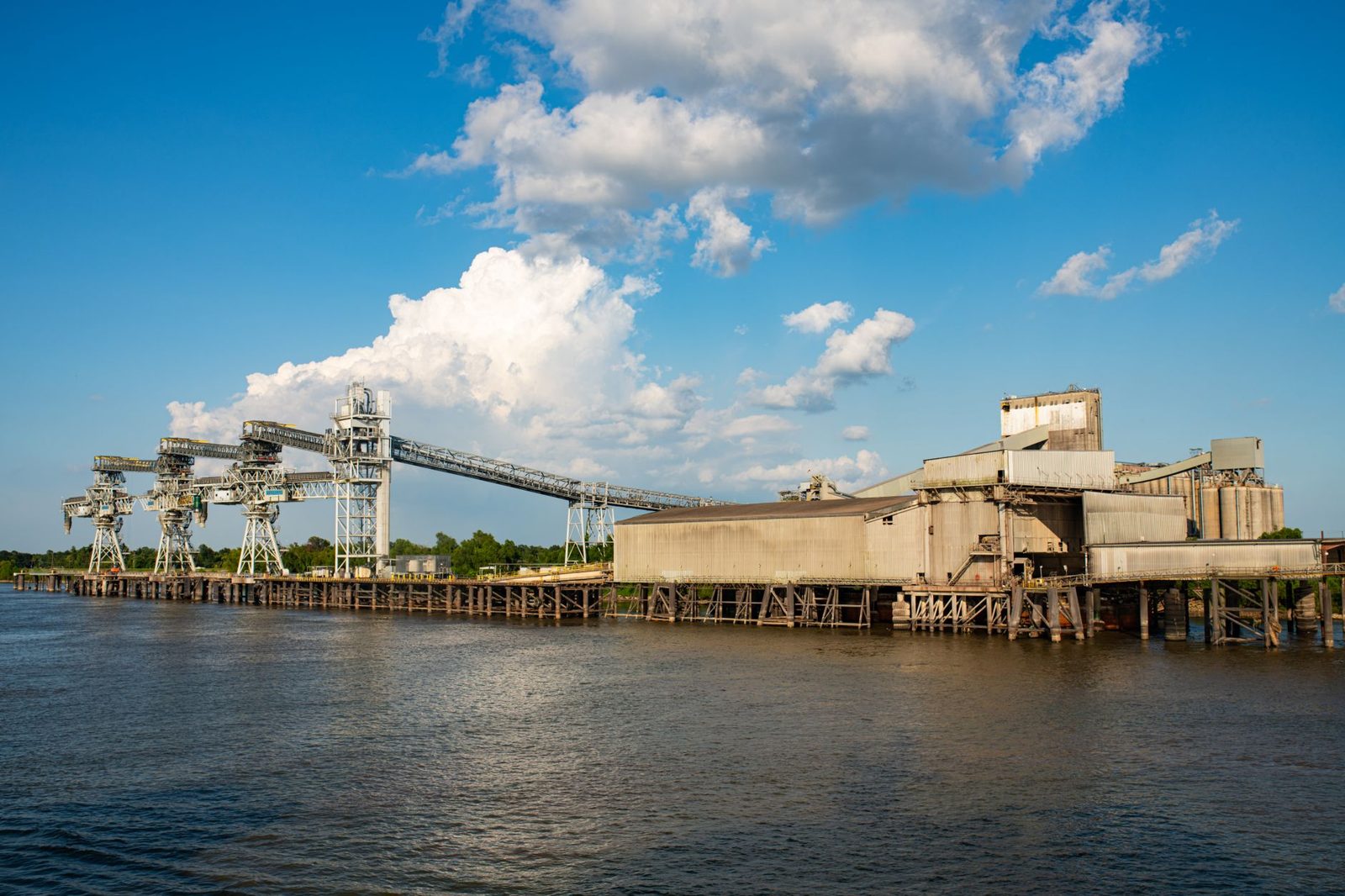
Plant turnarounds deserve special planning. Outside crews pour into a refinery or a chemical plant for a few intense weeks, and the restroom count needs to jump on day one. Our corporate facility restroom trailer rentals in Texas can be set at contractor gates before the turnaround starts and pulled the week it ends.
Give the crew a way to report problems. A simple sign with the site contact's number, and our line behind it, means a clogged stall gets fixed that shift instead of sitting until the next visit.
Planning accessible restrooms for Texas public jobs and campuses
Accessible restrooms are easy to forget on a construction job until someone needs one. Public projects, school campuses and any site where visitors walk in should plan for them from the start, not after a complaint.
The rule of thumb comes from the 2010 ADA Standards. Where portable units are clustered at one location, at least 5 percent of them, and never fewer than one, need to be accessible. A cluster of four restroom trailers still needs one accessible unit.
Placement matters as much as the unit itself. An accessible trailer parked on loose gravel or at the end of a muddy path doesn't serve anyone, so the route from the parking area or the building should be firm, level and wide enough for a wheelchair.
Our ADA +6 trailer handles both needs at once. It has one unisex ADA room reached by a built-in ramp, plus six standard stations split between men's and women's sides, so a single unit covers the accessible requirement and a good share of the everyday use.
Signs help people find the accessible room. A simple sign at the ramp and another along the path from the parking area make sure the people who need the ADA room can find it without asking.
The U.S. Access Board publishes the accessibility guidelines behind these standards, and it's a good place to check the details for your project. If you're unsure how many accessible units you need, send us the site plan and we'll help you work it out.
Sources: U.S. Access Board ADA standards