What a base contracting office needs from a restroom vendor
Buying restroom trailers for a military site follows federal rules, and the vendor side can speed that up or slow it down. The Federal Acquisition Regulation sets the ground rules for most federal buying. Knowing what the contracting office will ask for saves days.
Registration comes first. Federal contracting offices need a vendor with an active SAM.gov registration, and the CAGE code and UEI tie the vendor to that record. Mavirus Group's registration is active. Ask us for both numbers, and we'll put them on the quote.
The scope comes next. Spell out the number of units, the dates, the location and the service schedule. Include any escort rules or restricted hours. A clear scope lets the contracting office compare quotes without guessing.
Insurance and site rules follow. Many installations require a certificate of insurance and a list of drivers and vehicles. Some require a safety plan for work on the installation. Tell us early, and we'll have each document ready before the order is placed.
Think about the full training year. Commands with regular exercises can set up an agreement that covers repeat orders. That lets a unit call for trailers without restarting the process each time.
Keep a record of service. Our techs log every pump-out and cleaning. When the invoice arrives, it matches a log your team can check.
Sources: Federal Acquisition Regulation at Acquisition.gov
Sizing restrooms for a multi-day field training exercise
A field exercise puts a crowd in a place with no buildings. Getting the restroom count right on day one keeps troops focused on training instead of lines.
Start with peak head count. Count everyone in the field at the busiest point, including support staff, observers and contractors. Use that number, not the average across the week.
Look at the daily rhythm. Restroom use spikes at wake-up, meals and shift changes. Units near the tent line handle the morning rush, and units near the dining area handle meals. Splitting units between those areas cuts lines at both.
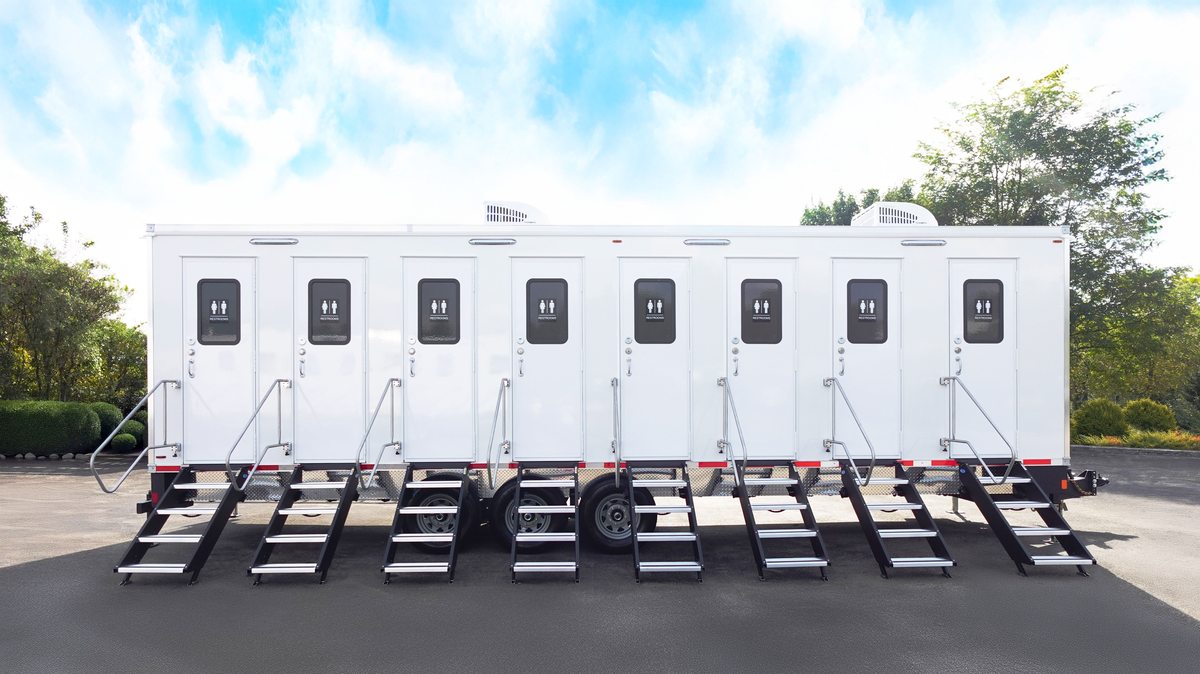
Plan for access. The ADA +6 unit puts an accessible room with a ramp near the command post or medical area. Observers, visitors and anyone with an injury will use it.
Set the service rhythm. Exercises that run around the clock need pump-outs on a steady schedule, often at night when trucks can move freely. We set that schedule with your logistics staff before the first unit arrives.
Handwashing matters in the field. Our units have running water sinks, and we refill fresh water on every visit. Good washing cuts the spread of stomach bugs that can sideline a unit in a crowded camp.
Sources: Cal/OSHA Title 8 Section 3366, washing facilities
Restroom plans for Santa Ana wind evacuations
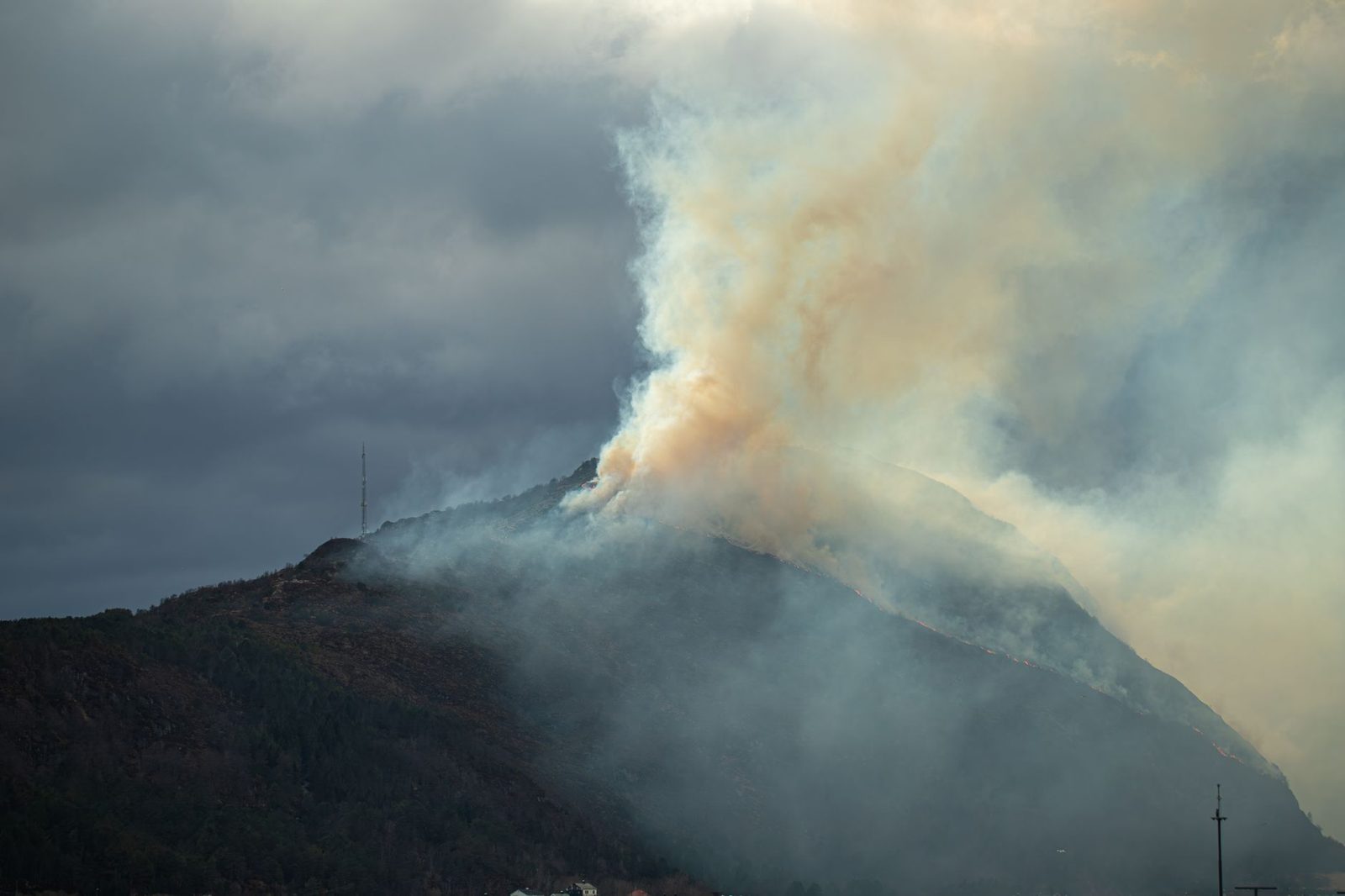
Santa Ana wind fires move fast. The 2007 Witch Creek Fire led to the evacuation of about 500,000 people in San Diego County, It was part of the largest evacuation in California history up to that time. Shelters opened with little notice.
Shelters in schools, arenas and churches have restrooms built for normal use. When hundreds of evacuees stay overnight, those restrooms run short within hours. Trailers outside the building add capacity quickly.
Plan before fire season. Emergency planners can list likely shelter sites and mark a spot for trailers at each one. Look for level ground, a path to the door and room for a service truck. The county's ReadySanDiego program lists the steps families take, and shelter planning belongs alongside it.
Watch the warnings. When a Red Flag Warning goes up, call us to hold units. A trailer that is already hitched and waiting saves hours once a shelter opens.
Plan for everyone. Evacuees include older adults, people using wheelchairs and families with small children. An ADA +6 unit covers accessible needs, and private stalls give families room to help young kids.
Keep service going after the fire. Some evacuees can't go home for days or weeks. Set the pump-out schedule for the long stay and cut it back as people leave.
Sources: ReadySanDiego emergency preparedness
Keeping restrooms running through a power shutoff
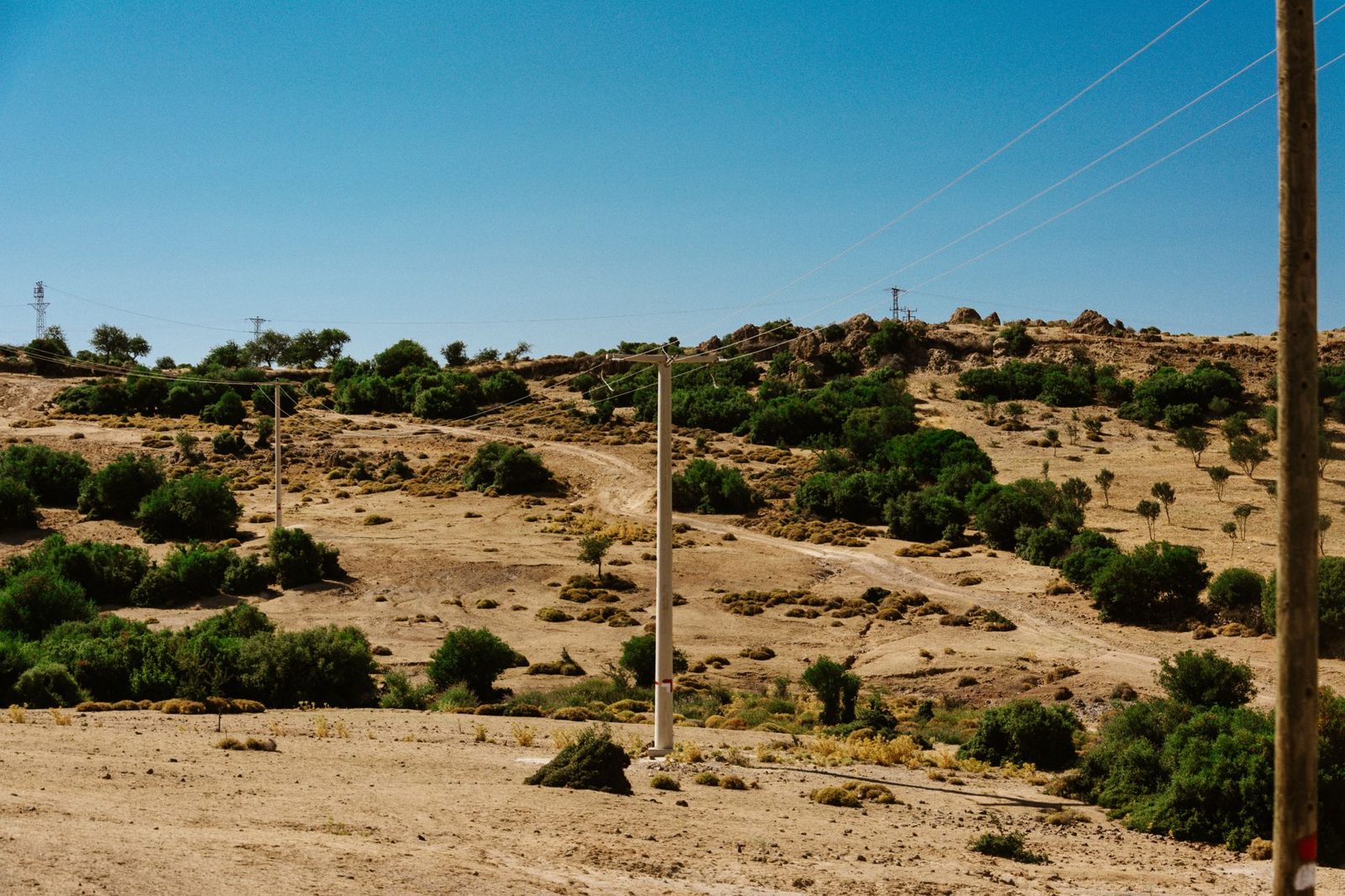
Utilities in California may shut off power during high fire risk to keep lines from starting fires. In San Diego County, those shutoffs tend to come with Santa Ana winds. A site can lose power for a day or more even when no fire is nearby.
Restroom trailers handle this better than most buildings. Toilets and sinks run from onboard tanks, so the basic function keeps working. Lights, fans and air conditioning need power, and that's where planning comes in.
Know your zone. Utilities publish shutoff information and alerts. Check whether your site sits in an area that has been shut off before, and let us know when you order.
Plan backup power. A small generator can carry a 2-Station unit on one 20 amp circuit. Larger units need two circuits. We'll work out the power need with you so the generator is sized right.
Move service up. When a wind event is forecast, we can pump tanks ahead of time. That way a trailer starts the outage with an empty waste tank and a full fresh tank.
Check after the wind. High winds can shift a unit or damage steps. Our techs check leveling and entry stairs on the first visit after the event.
Sources: California Public Utilities Commission, Public Safety Power Shutoffs
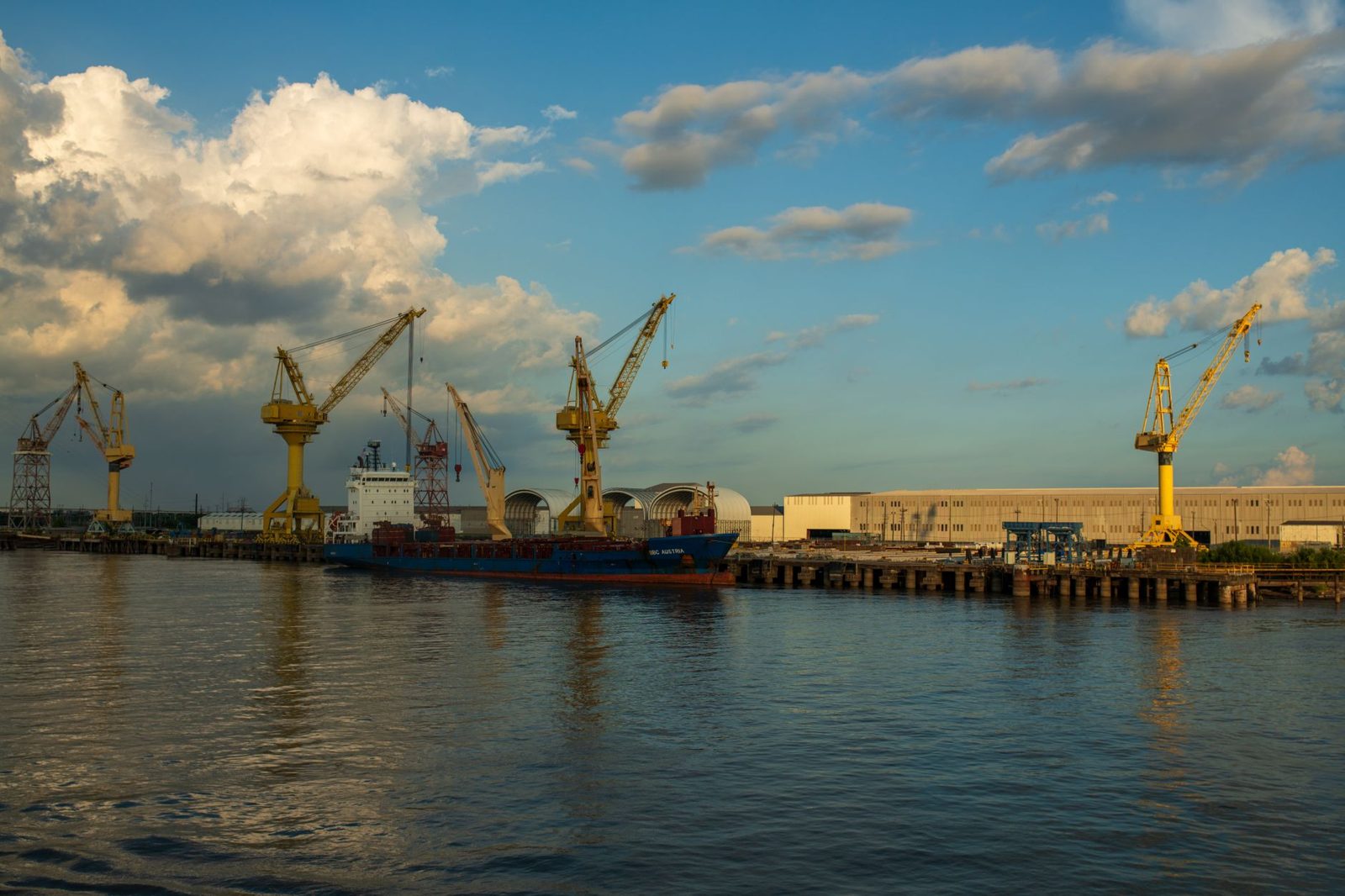
Restroom placement on shipyard and pier projects
Waterfront work spreads crews along long piers and yards. The walk to a building restroom can eat a large share of every break. Placement on these sites takes more thought than on a normal lot.
Map the walk. Mark where crews work and where the nearest restroom is. If the walk runs more than a few minutes, a trailer closer to the work pays for itself in time saved.
Pick solid ground. Pier aprons and yard pavement are usually fine. Stay clear of crane paths, forklift lanes and edges where splash reaches. Your safety office will know the lanes to avoid.
Title 8 Section 1526 still applies on waterfront construction. Facilities must be clean, private and stocked, and nonwater-carriage toilets are allowed where a sewer isn't practical. Self-contained trailers fit piers well for that reason.
Plan for salt air. Metal parts wear faster near the water. Our techs check hinges, closers and stairs on every visit and replace parts before they fail.
Time service with shifts. Yards often run more than one shift. We service units between shifts, so crews never find a truck parked at the restroom door.