Buying temporary restrooms through a government purchase order
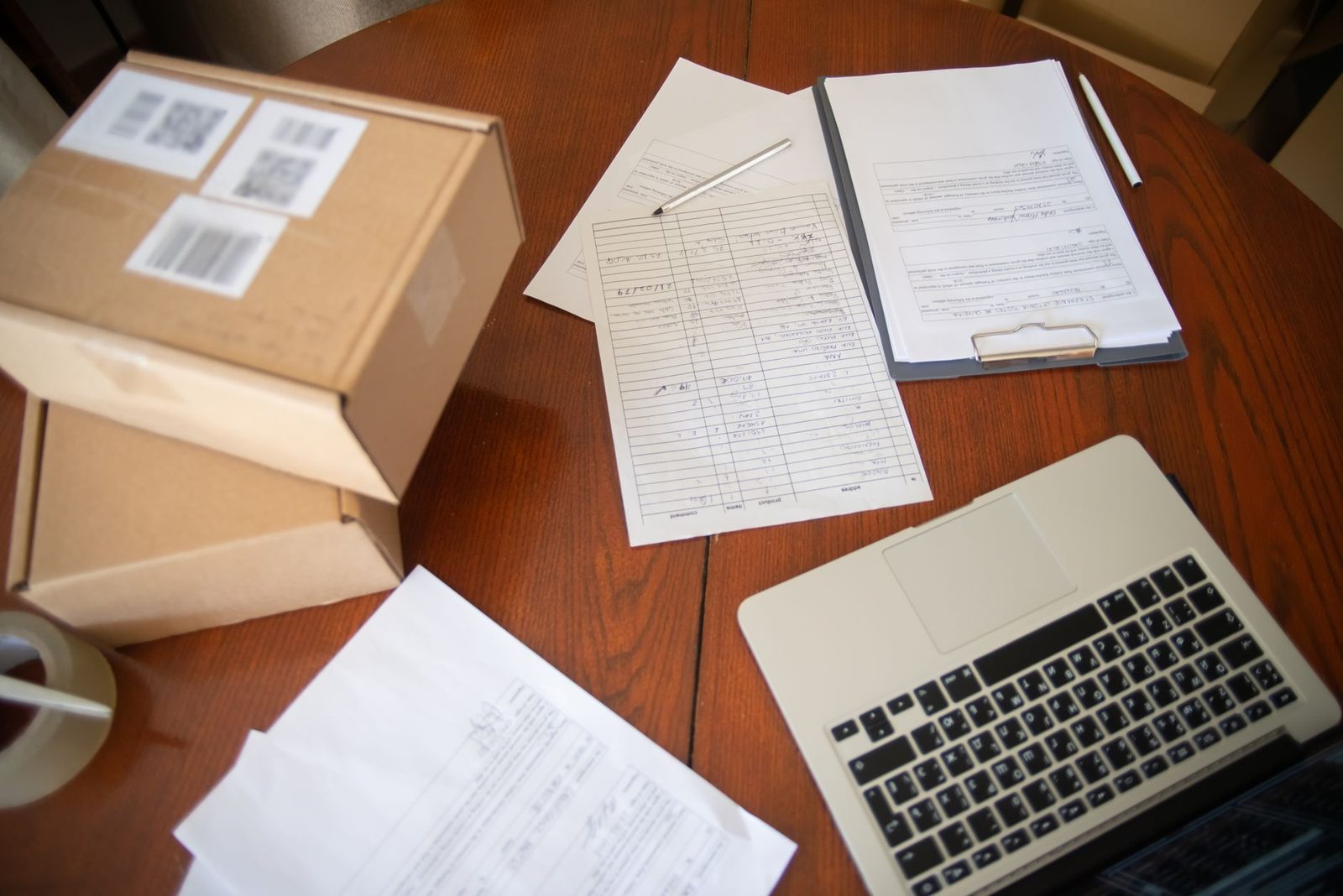
Most delays on agency restroom rentals have nothing to do with the trailer. They come from paperwork that doesn't match what the purchasing office expects. A quote in the wrong format can hold up a delivery for days. The same goes for an insurance certificate that leaves out a named insured.
Start with registration. Federal buyers, and many state and local buyers using federal money, need a vendor registered in SAM.gov, the federal contractor registry. Mavirus Group is registered, with an active CAGE code and UEI. Ask your contracting officer early whether your funding source requires it.
Next, ask your office what the quote has to show. Some offices want a line for each trailer and each service visit. Others want a monthly rate with delivery and pickup listed separately. Tell us the format, and we'll build the quote to match it the first time.
Insurance is the third step. Many agencies need to be named as additional insured on the vendor's certificate, with specific wording. Send us that wording, and we'll have the certificate ready before the delivery date. Your risk office can check it while the order is still being processed.
Then think about the full year. A standing order or a blanket agreement lets a department call for a trailer without starting from zero each time. That matters most in fire season and flood season, when the need shows up on short notice. We can price a blanket order for the units you use most.
Finally, name the person who signs for service visits. Our techs leave a record of each pump-out and cleaning. When your office knows who signs, invoices match the log and nothing sits in a queue waiting for approval.
Sources: SAM.gov, the federal System for Award Management
Reading Title 8 Section 1526 before you order jobsite restrooms
Section 1526 is short, and every superintendent in California should read it once. It covers toilets at construction jobsites and applies to any site with more than one worker. The rule sets expectations for the number of toilets, for their condition and for their privacy.
Condition comes first in practice. Facilities have to be kept clean and in good working order, with toilet paper on hand. A unit that works on Monday and overflows on Friday doesn't meet that standard. That is why the service calendar matters as much as the trailer.
Privacy is the second piece. The rule calls for facilities designed to assure privacy. Our trailers use stalls with locking doors inside a closed, lit building, which goes well past what a basic booth offers.
The third piece is the no-sewer case. When a site has no sanitary sewer or adequate water supply, the rule allows nonwater-carriage toilets. Early utility phases at places like the Railyards fit that description. A self-contained trailer with its own tanks covers the site until permanent plumbing is in.
Single-user restrooms may also be designated all-gender under Health and Safety Code Section 118600. Cal/OSHA still enforces the total fixture count, so a switch in signage doesn't reduce the number of stations you need. Count your peak crew, not your average crew.
Keep records. A simple service log on the trailer door shows when each unit was cleaned and pumped. If an inspector asks, you can point to it instead of searching through emails.
Sources: Cal/OSHA Title 8 Section 1526, Toilets at Construction Jobsites
Adding restrooms to a county cooling site during a heat wave
Cooling sites open fast. Sacramento County times its activations to the National Weather Service HeatRisk forecast, and a library or community center may become a cooling site with a day's notice. The building's restrooms were sized for regular visitors, not for a crowd that stays through the hottest hours.
Plan the restroom side before summer. List the buildings you would open, and mark where a trailer could park at each one. Look for level pavement, a clear path to the door and room for a service truck. A few minutes with a site map in May saves hours in July.
Think about who will use the site. Cooling sites draw older adults, people with medical conditions and people without housing. An accessible restroom is not optional here. The ADA +6 trailer puts a ramp entry and an accessible room in the same delivery as the standard stations.
Placement matters in the heat. Park the trailer on the shaded side of the building if you can, away from walls that throw heat back. The unit's air conditioning keeps the stalls cool, but a shaded walk to the door helps too.
Set the service schedule around your open hours. A morning pump-out before the doors open keeps the unit fresh for the day. If the heat wave stretches past a few days, we add visits rather than wait for a full tank.
When the heat breaks, close out cleanly. Give us the last day the site will be open, and we'll pull the unit the next morning. The same parking spot can be written into next year's plan.
Sources: National Weather Service HeatRisk forecast
Restroom planning for a flood evacuation south of Sacramento
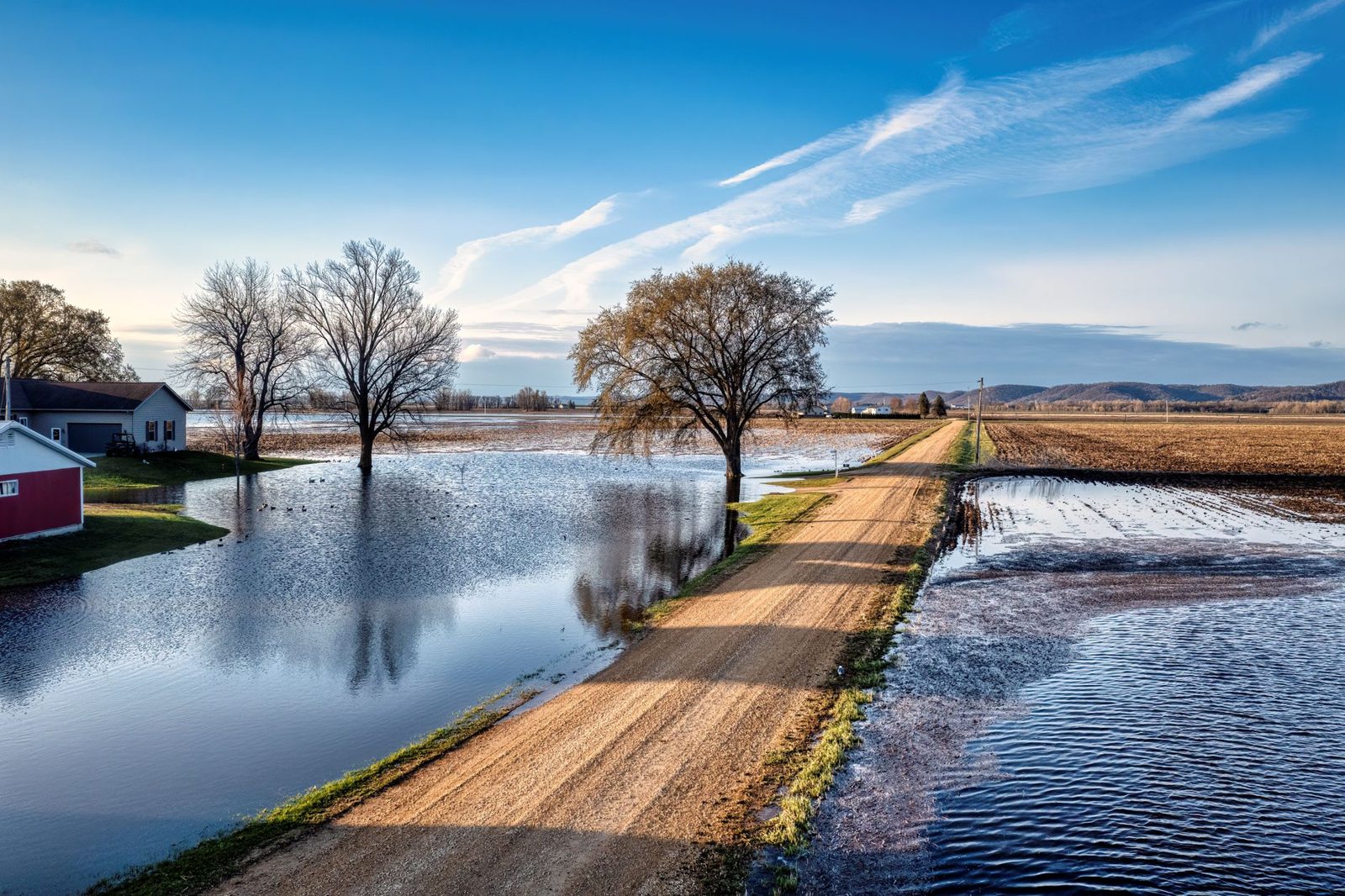
The January 2023 storms showed how fast a flood evacuation can start in the south county. Levees on the Cosumnes River broke near Wilton, Highway 99 closed south of Elk Grove and thousands of residents were told to leave. Evacuation centers opened in buildings never meant for overnight stays.
Floods create a restroom problem that fires don't. Local plumbing near the flood zone may be damaged or shut off. Even shelters on dry ground can see sewer systems stressed by storm water. A self-contained trailer that runs on its own tanks avoids both problems.
Put the unit where the water can't reach it. Pick the highest firm ground on the shelter lot, away from low corners and drainage paths. Our crew will check the spot on arrival and move it if the ground looks soft.
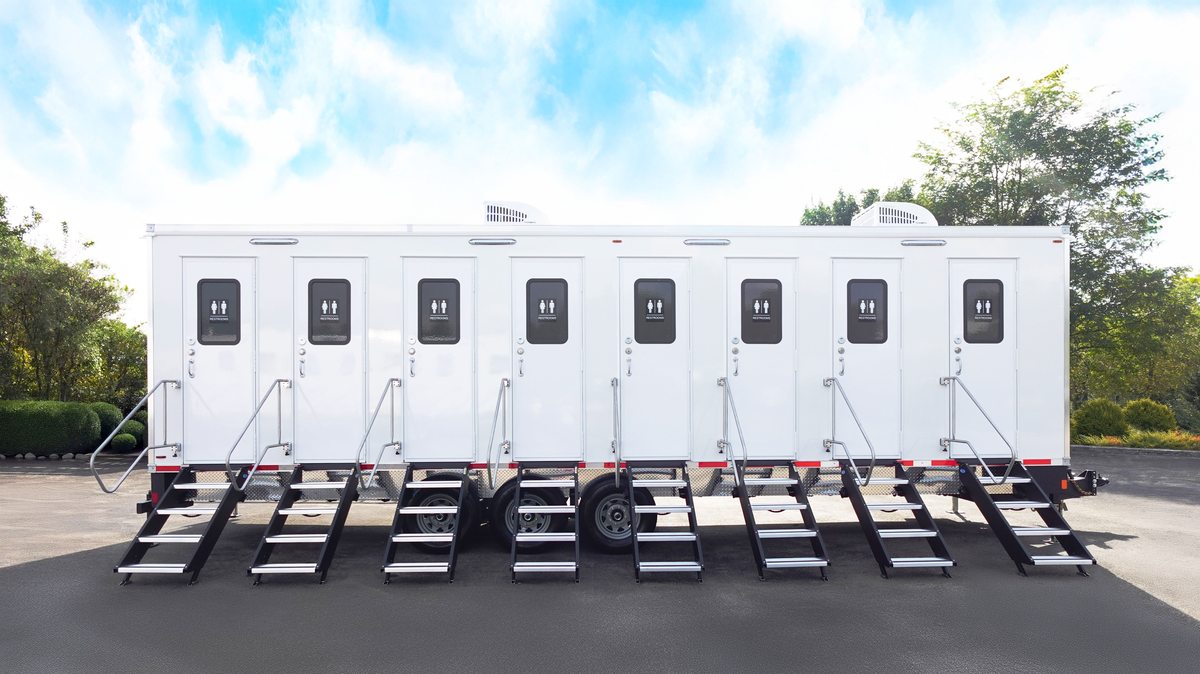
Plan for families, not just adults. Parents with small children need space to help them, and older evacuees may need grab bars and a ramp. The ADA +6 trailer handles both in one unit. Standard stalls in an 8-Station unit cover the rest of the crowd.
Flood shelters can stay open longer than planned. Roads stay closed, homes need drying out and some families have nowhere to go back to. Set the service schedule for two weeks at the start and shorten it as people leave.
Write the plan down now. Cal OES coordinates through the Standardized Emergency Management System, and counties with a named restroom source in their shelter plan move faster when the call comes. A plan that already lists the parking spot saves the first few hours.
Sources: California Governor's Office of Emergency Services
Choosing accessible restroom trailers for public-facing agency sites
Agency sites that serve the public carry a duty that a closed jobsite doesn't. Visitors of every ability have to be able to use the facilities. That changes which trailers you order and where you put them.
The ADA +6 trailer is our usual answer. It has a unisex accessible restroom with a self-contained ramp built to federal and California standards, plus six standard stations. One delivery covers both needs, and the ramp comes with the unit.
Plan the approach, not just the trailer. The ramp needs a firm, level landing and a clear path from the parking area or building door. Gravel, grass and steep slopes make even a good ramp hard to use. Tell us what the ground looks like, and we'll suggest the spot.
Signage helps people find it. Post a sign at the building entrance that points to the trailer, and mark the accessible room clearly. Visitors shouldn't have to ask a staff member where the restroom is.
Think about staff as well as visitors. An employee with a disability needs the same access during a long shift at a staging area as a visitor does at a counter. Count them when you size the order.
Keep the accessible room in service. Our techs clean it on every visit and check the ramp and rails. If anything needs repair, we fix it or swap the unit rather than leave a site without an accessible restroom.