How much drinking water a Texas crew needs on a hot shift
Most water plans start with a guess. Somebody orders a pallet of bottled water, it runs out by noon, and the foreman sends a truck to the gas station. A better plan starts with a simple number for each person and each hour, then builds up from there.
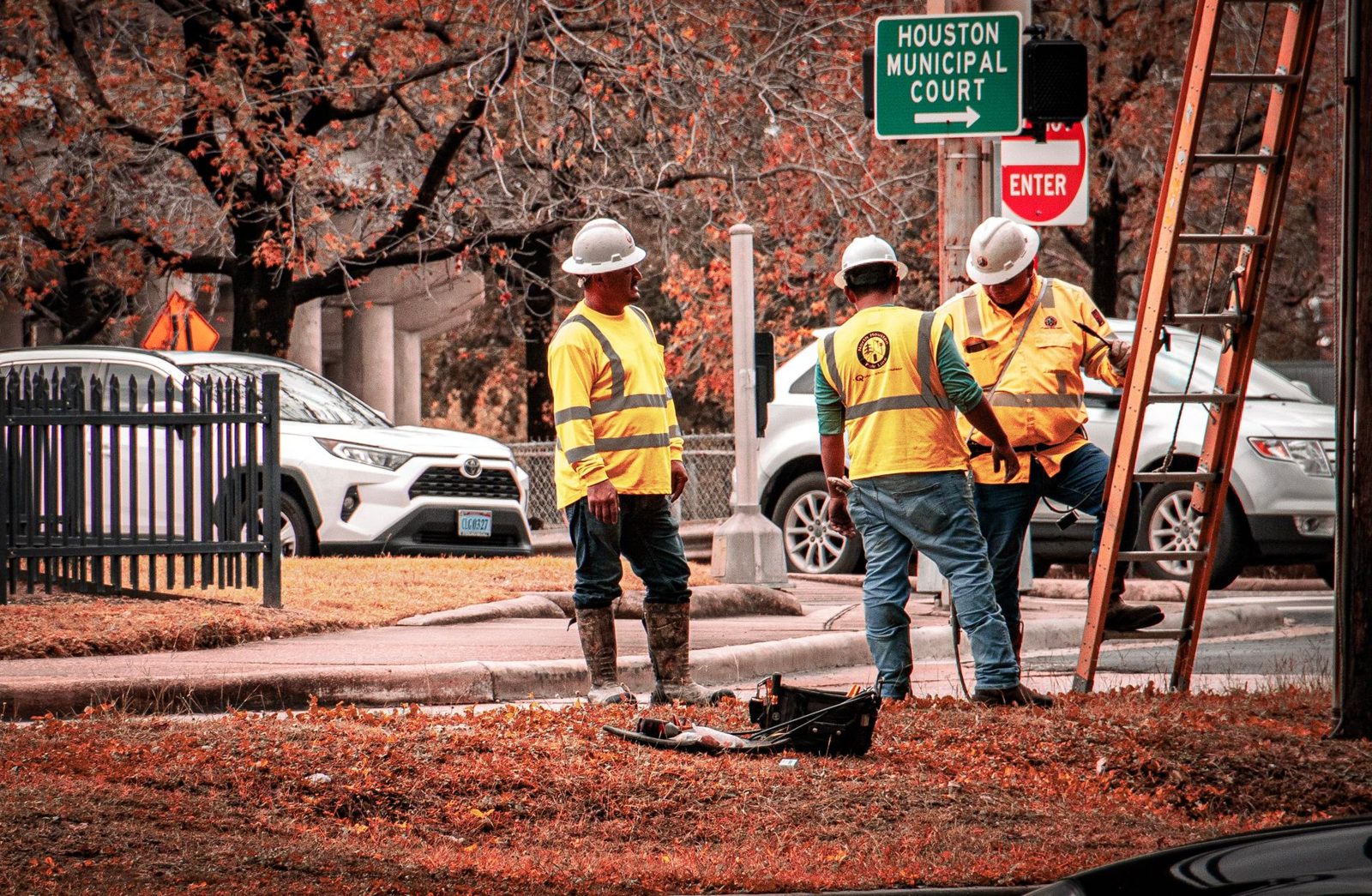
The CDC's National Institute for Occupational Safety and Health says workers in the heat should drink about one cup of water every 15 to 20 minutes. That works out to roughly a quart an hour for each person. On a ten-hour shift, that's about two and a half gallons for every worker on the site. Multiply it by your crew count, and the numbers get big quickly.
Take a crew of 200 on a ten-hour summer day. At a quart an hour, they need around 500 gallons over the shift. Not everyone drinks that much, and some drink more. Heavy work in direct sun pushes the number up. Shaded or indoor work pulls it down. The point is to plan for the high side in July and August rather than the average.
Shift patterns matter as much as the total. A crew that takes one big lunch break will hit the bottle fillers all at once. A crew with staggered breaks spreads the load out. We ask about both when we size a job, because a trailer that holds enough water can still leave a long line if everyone shows up in the same ten minutes.
Distance is the other half of the math. People drink less when the water is far away. If the nearest filler is a five-minute walk across a dusty lot, a lot of workers will wait for the next scheduled break. Placing trailers inside each work zone, close to where people stand, gets more water into more people without anyone forcing it.
New workers need extra attention. People who haven't built up to the heat are more likely to get sick in their first week on a hot job. A crew lead who knows that will point new hires to the water early and often. Having cold water right there makes that easy to do.
Once you have a daily number, the rest is scheduling. We take your crew count, your shift times and your site plan, then set the number of trailers and the refill visits to match. When the crew grows or the heat climbs, we change the plan. Call us with your numbers, and we'll show you the math for your site.
Sources: CDC NIOSH guidance on heat stress
What a water service record should show on a Texas construction job
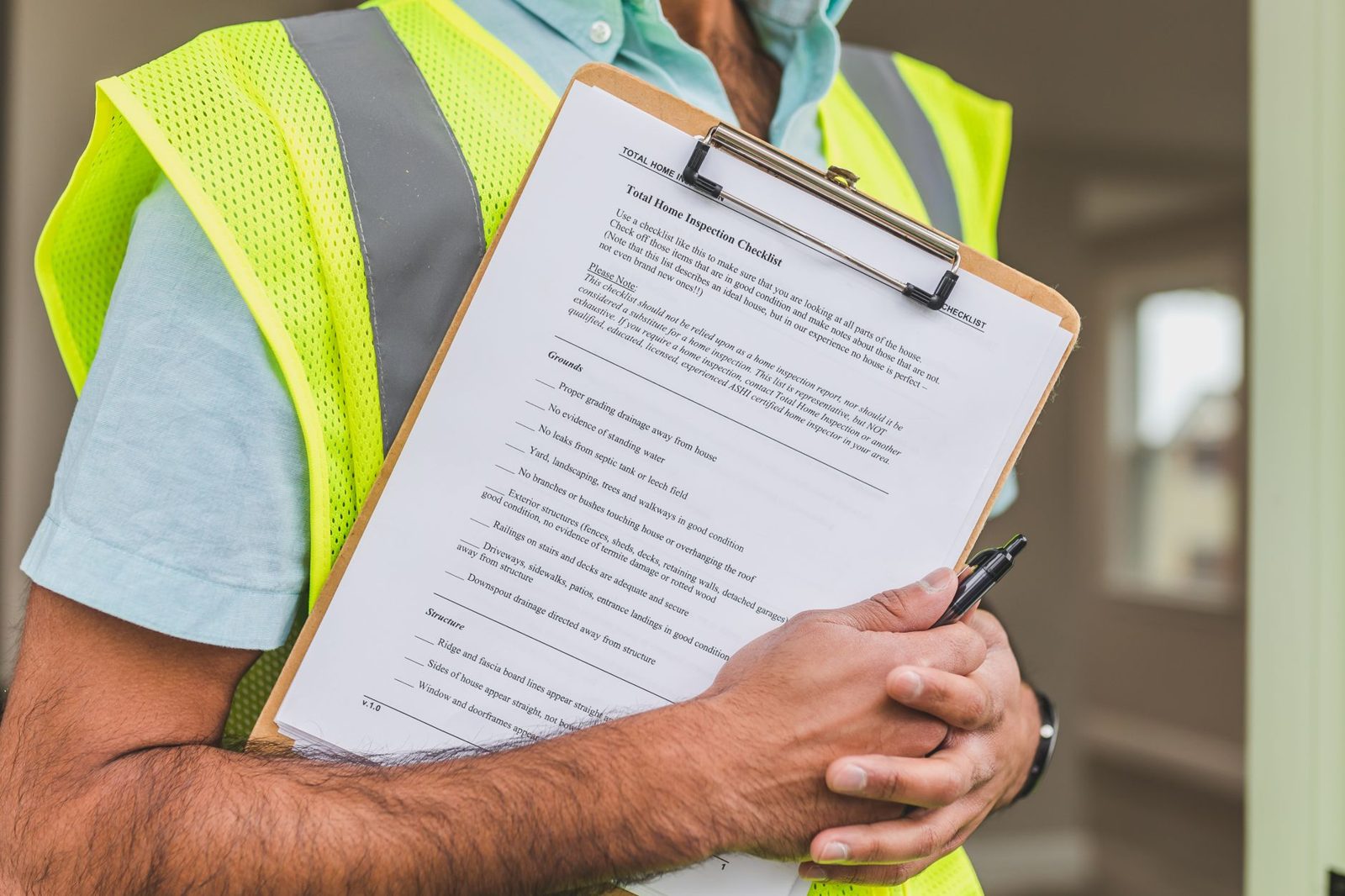
A water trailer on site is only part of the story. The other part is being able to show that it was full, cold and clean on every working day. A good service record does that without anyone on your crew keeping a separate log.
Start with the basics. Each entry should show the date and time of the visit and the name of the tech who did the work. The trailer's unit number belongs on it too. It should also say what was done, whether that was a refill, a filter change or a chiller check. Short and plain is fine. It just needs to be complete.
Tank levels are worth writing down too. A note that the tank was at a quarter when the tech arrived tells you the crew is drinking hard and the schedule may need to tighten. A note that it was still three quarters full tells you the opposite. Over a few weeks, those numbers show a pattern you can plan around.
Keep the record where people can find it. We leave a copy with the trailer and email a weekly summary to the safety manager or superintendent. Many contractors file those summaries with the heat illness plan for the job. If an inspector or a corporate safety team asks how water was handled, the answer is already on paper.
Problems belong in the record as well. If a bottle filler was slow or the chiller needed a reset, the entry should say so and say what fixed it. A record that only ever says everything was fine is less useful than one that shows problems getting handled.
The federal construction rule on drinking water, 29 CFR 1926.51, is short. It asks for enough potable water for the whole site and no shared cups. A service record doesn't replace your own heat plan, but it backs up the water part of it with dates and names. Ask us for a sample record when you request a quote, and you'll see exactly what your team would get each week.
Sources: 29 CFR 1926.51 sanitation rule for construction
Keeping a Texas campus or facility supplied during a boil water notice
A boil water notice can land on any Texas town with very little warning. A main breaks, pressure drops, and the local water system tells everyone not to drink from the tap until testing clears. For a school or a large office, that can mean hundreds of people with no safe water by mid-morning.
These notices are not rare. The 2025 ASCE report card for Texas pointed to a doubling of boil water advisories between 2019 and 2023. A facility manager who has never dealt with one should plan as if the first one is coming this year.
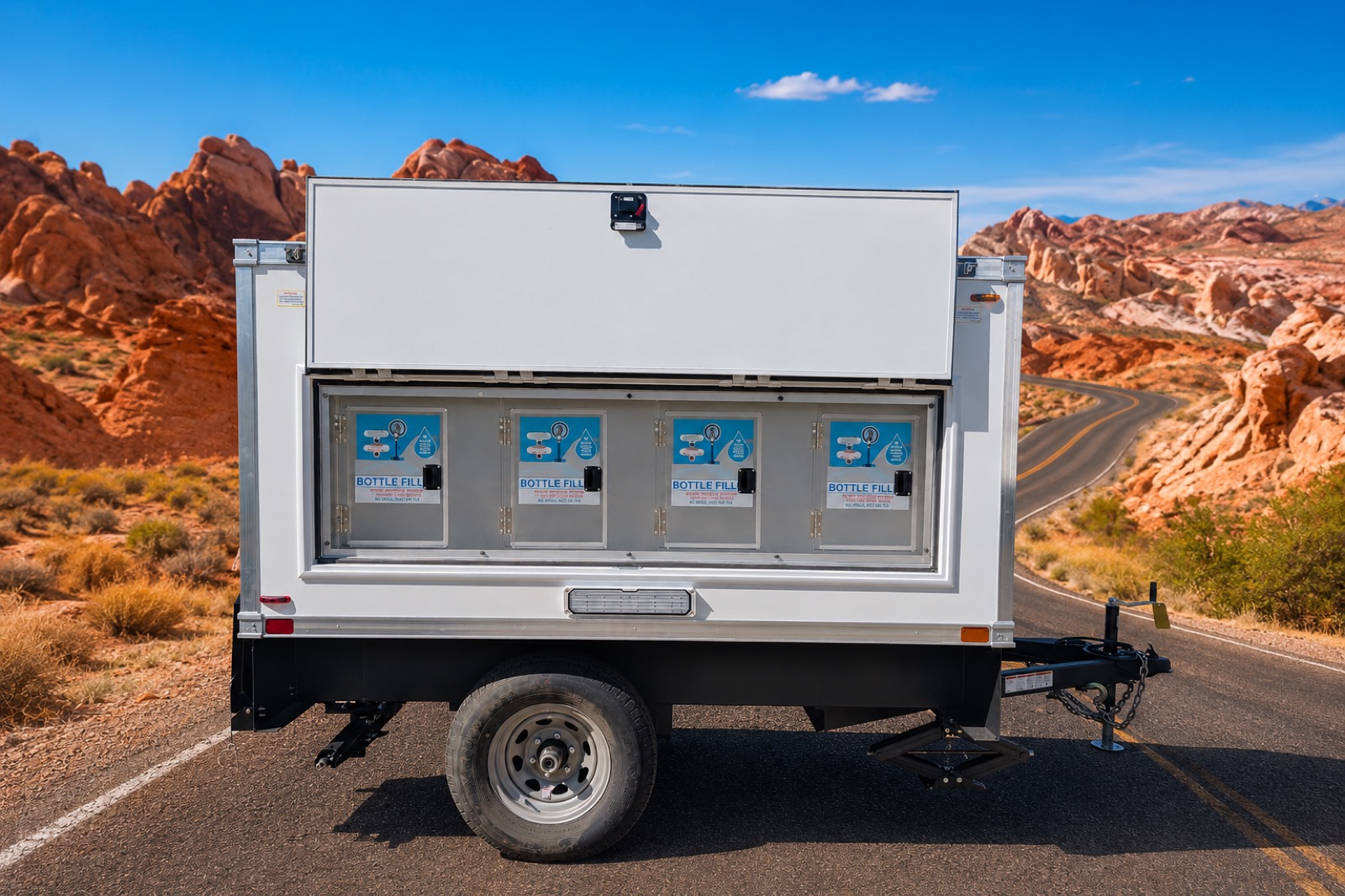
Bottled water is the usual first move, and it works for a day. After that it gets hard to manage. Cases need storage space, somebody has to hand them out, and the empty bottles pile up fast. A chilled water trailer outside the main entrance gives people a place to fill their own bottles instead.
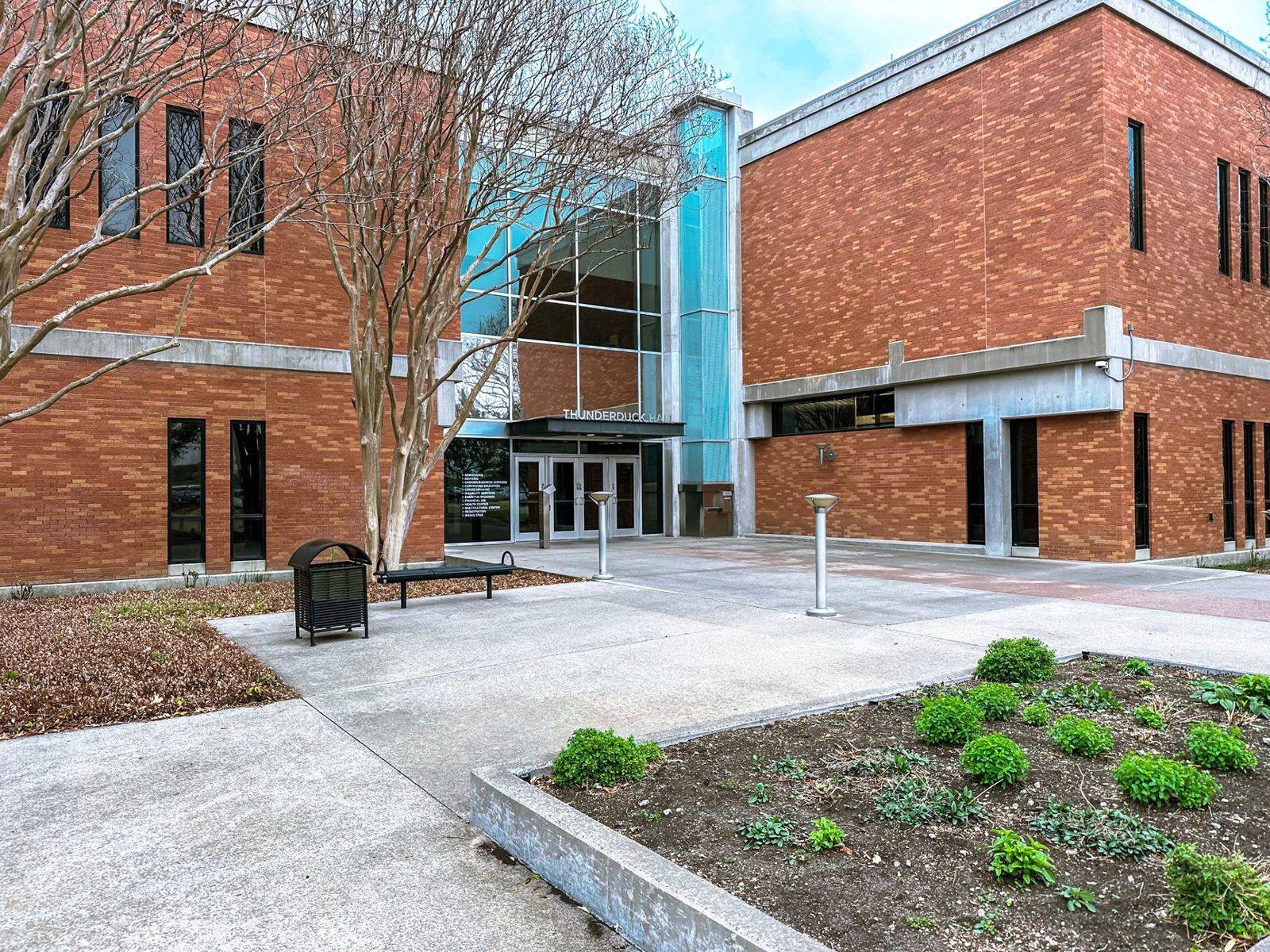
Placement matters on a campus. Put the trailer where people already walk, close to a main entrance or a cafeteria, with a clear path from the building. Keep it out of bus lanes and fire lanes. At a school, the trailer should sit where staff can see it during passing periods.
Tell people what the water is for. A simple sign that says the trailer holds safe drinking water, filled from a potable source, cuts down on questions. Staff can send students and visitors there instead of to the fountains that are shut off.
Plan for how long it might last. Some notices clear in a day or two, and others stretch for a week or more while the system gets tested. We refill on a schedule that fits your headcount and can keep a trailer in place until your local water system lifts the notice.
The easiest time to set this up is before it happens. Put our number in your emergency plan, note where a trailer would park at each building and decide who on your staff makes the call. When the notice comes, one phone call gets the trailer moving.
Sources: ASCE Texas infrastructure report card
Questions to settle with a water station vendor before a Texas summer job starts
The worst time to shop for water service is the first week of a heat wave. By then every vendor is busy and every crew is already thirsty. Settle these questions in the spring, and the summer goes a lot smoother.
Ask how the vendor will size the job. A good answer starts with your crew count, your shifts and your site plan. A vendor who quotes one trailer for any job without asking those things is guessing, and your crew will find out in July.
Ask who does the refills and how often. Some vendors drop a trailer and leave the refills to you. Ours includes scheduled refills and cleaning with the rental, and we move the schedule up when the heat climbs. Find out what triggers a change and who you call to ask for one.
Ask about power. The chiller needs it, and on a remote pad or a new campus the site power may not be ready. Know whether the vendor will bring a generator and who keeps it fueled. A warm water trailer is only a little better than no trailer at all.
Ask what records you will get. You want dated service entries that your safety manager can file. Ask to see a sample before you sign.
Ask what else the vendor can bring. Crews that need cold water also need clean restrooms, and it's easier to manage one company than three. We can add portable restroom trailer rentals for the same Texas site on a single order, with the same service calendar.
Last, ask about the end of the job. Find out how much notice the vendor needs for pickup and when the rental stops counting. Get it in writing. Then put the vendor's after-hours number somewhere your night foreman can find it, and test it once before the job starts.
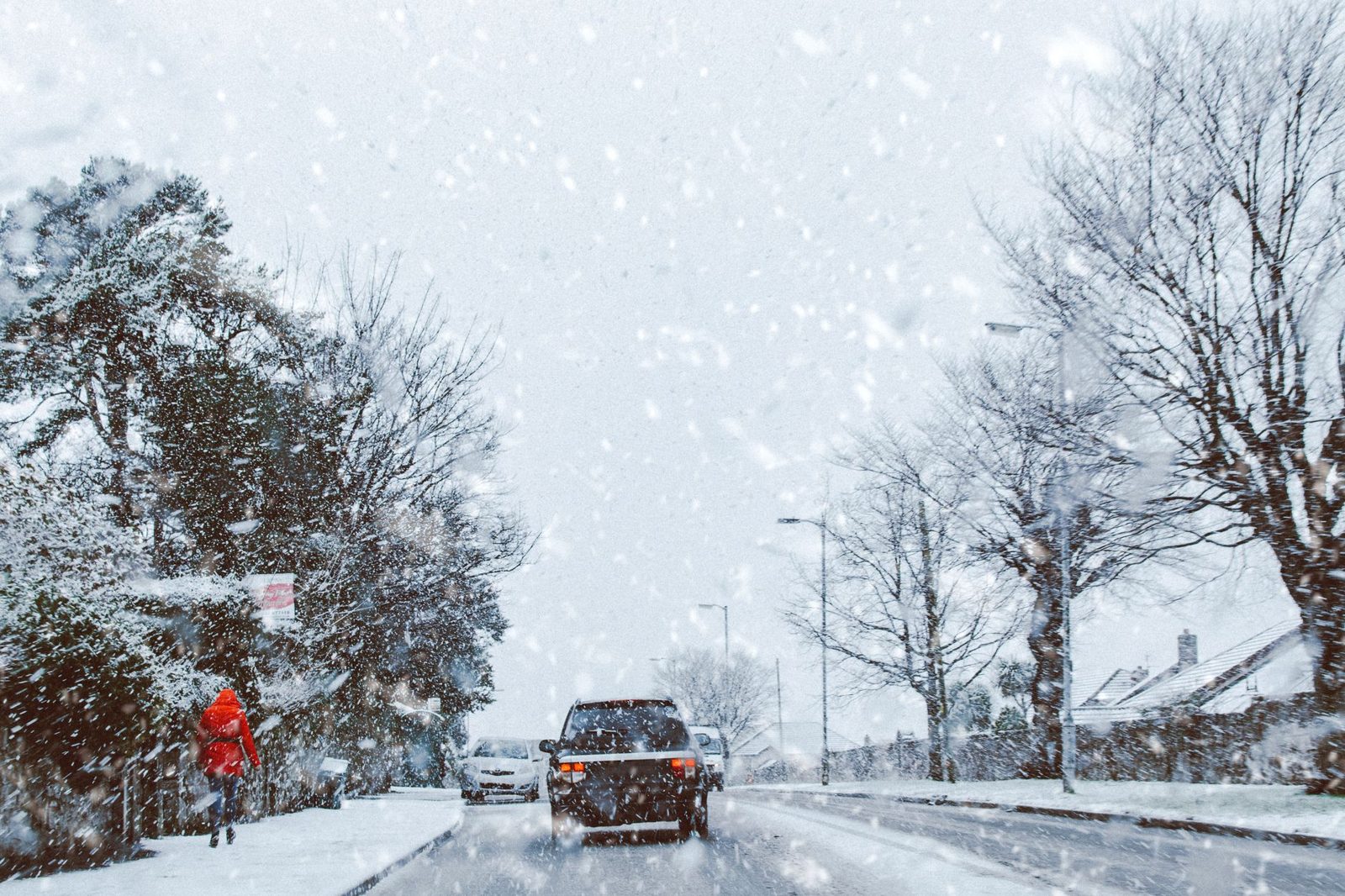
Running a water station trailer through a Texas winter storm
Texas water planning is mostly about heat, but winter can break a setup just as badly. Winter Storm Uri in February 2021 brought cold, snow and ice to all 254 Texas counties at once.
A water trailer faces the same risk as any other plumbing left outside. Water in a hose or a line can freeze overnight. When it thaws, a cracked fitting can leak or stop working. The tank itself holds a lot of water and cools slowly, but the lines that feed the bottle fillers are more exposed.
We plan for that before a cold front arrives. Supply hoses get shortened or disconnected so the trailer runs from its own tank. Exposed lines get insulated. When a hard freeze is in the forecast, we may drain parts of the system and refill them once temperatures rise. The chiller also doesn't need to work as hard in cold weather, which frees up power for other gear.
Winter storms can also knock out power. During Uri, the state's grid managers ordered rolling blackouts, and a huge number of Texans lost electricity. A trailer with a full tank and its own power can keep a crew or a shelter supplied while power and water service recover.
Roads are the other problem. Ice on bridges and overpasses can slow our trucks, and some routes close. We move refill visits up ahead of a storm so the tank is full going into it. If your site will stay open through a winter storm, tell us early, and we'll build the freeze plan into your service calendar. The Texas Division of Emergency Management keeps a record of the Uri response that shows how wide the damage spread.
Sources: TDEM record of Winter Storm Uri