How many shower stalls does your Arizona group need? A planning worksheet
The number of stalls you need is simple math, and a few minutes with a pencil can save you from a line that wraps around the trailer. This worksheet walks through the numbers we use when we size an order. The examples are arithmetic, not claims about past jobs, so use them as a template for your own head count.
Start with the people. Count everyone who will use the showers, not just the number on the roster. For a camp, that includes counselors and staff. For a work site, count every shift, but think about who gets off at the same time. A crew of 80 that ends at 4 pm all at once needs far more stalls than a crew of 80 split across three shifts.
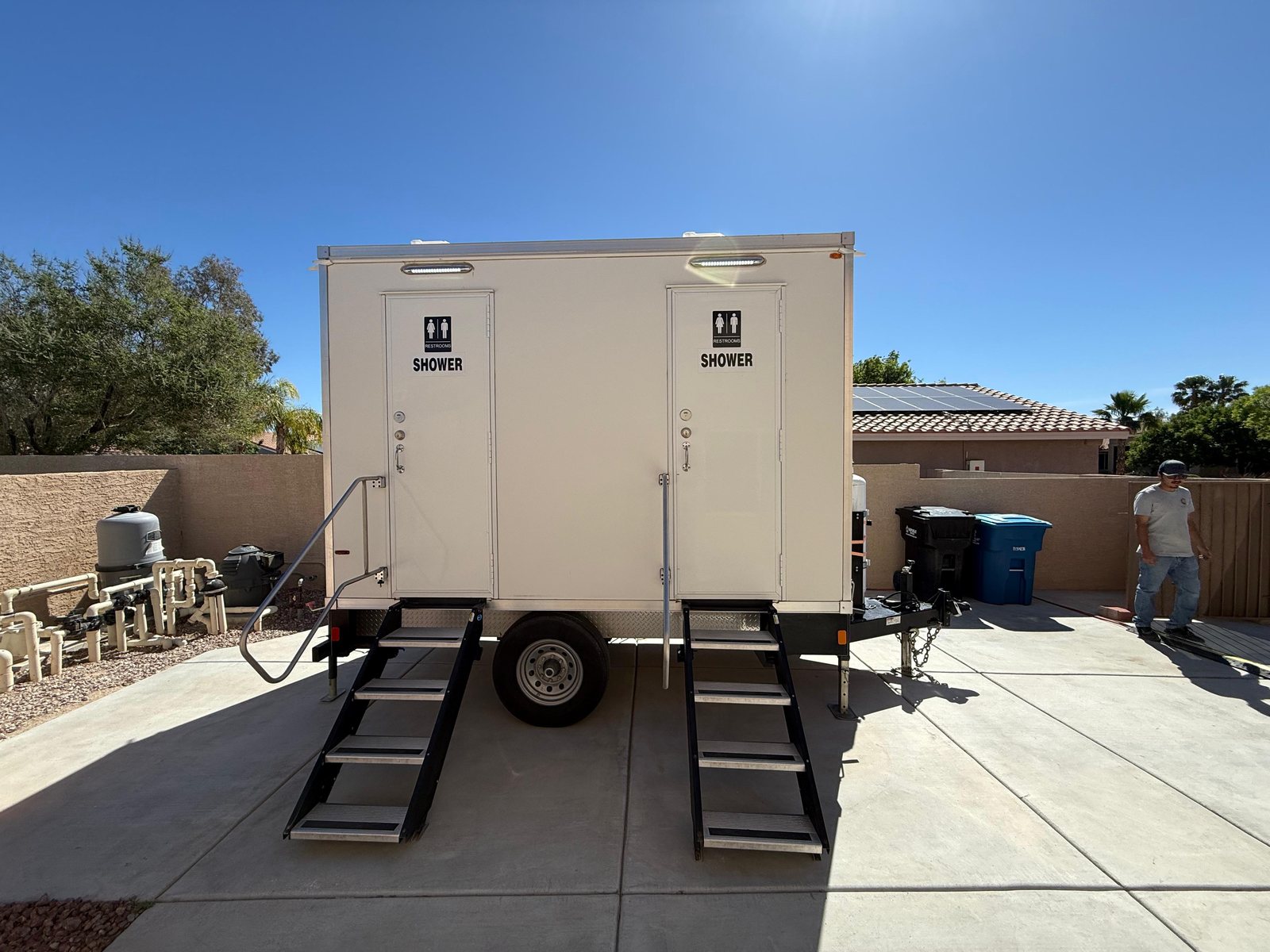
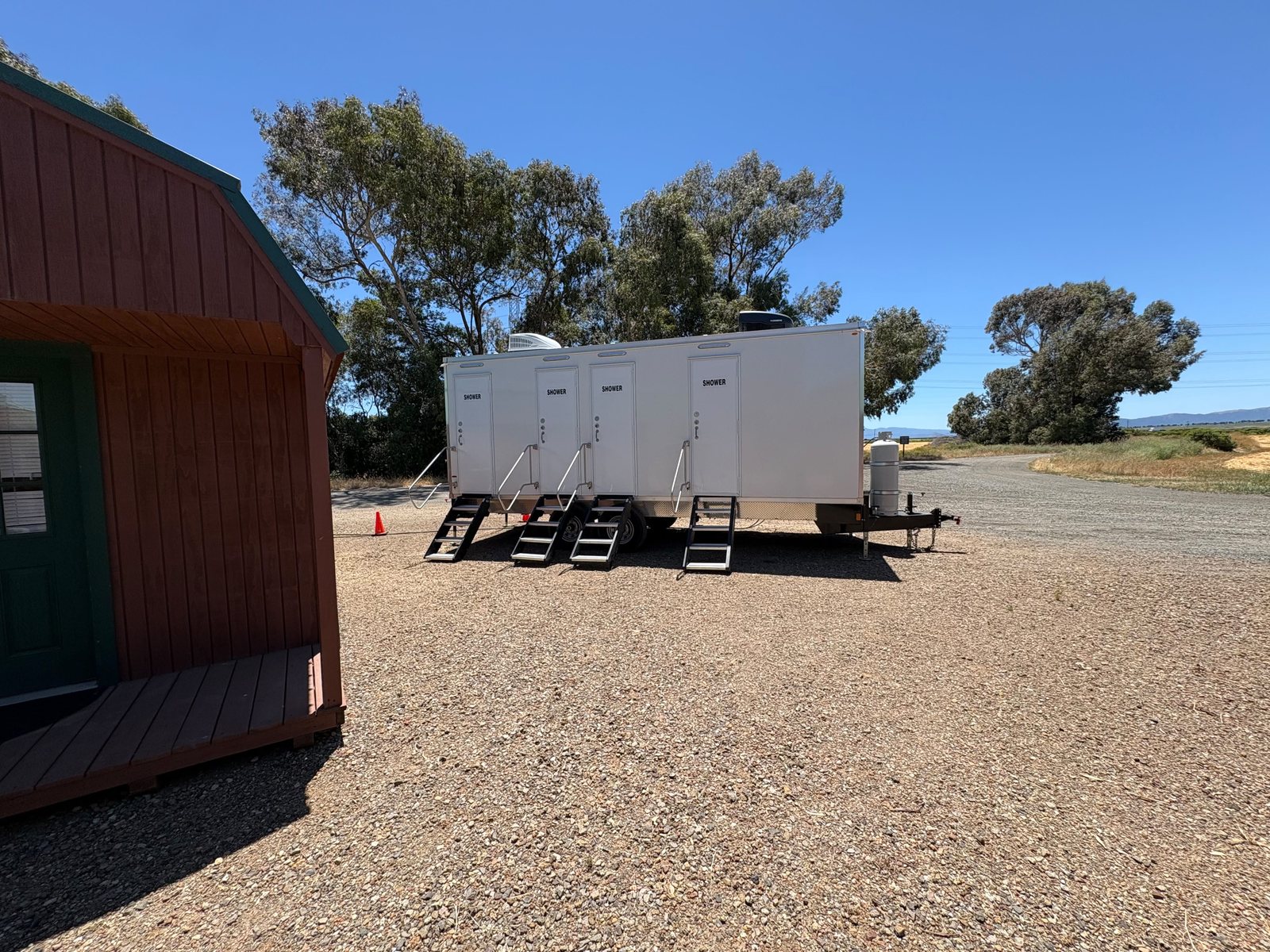
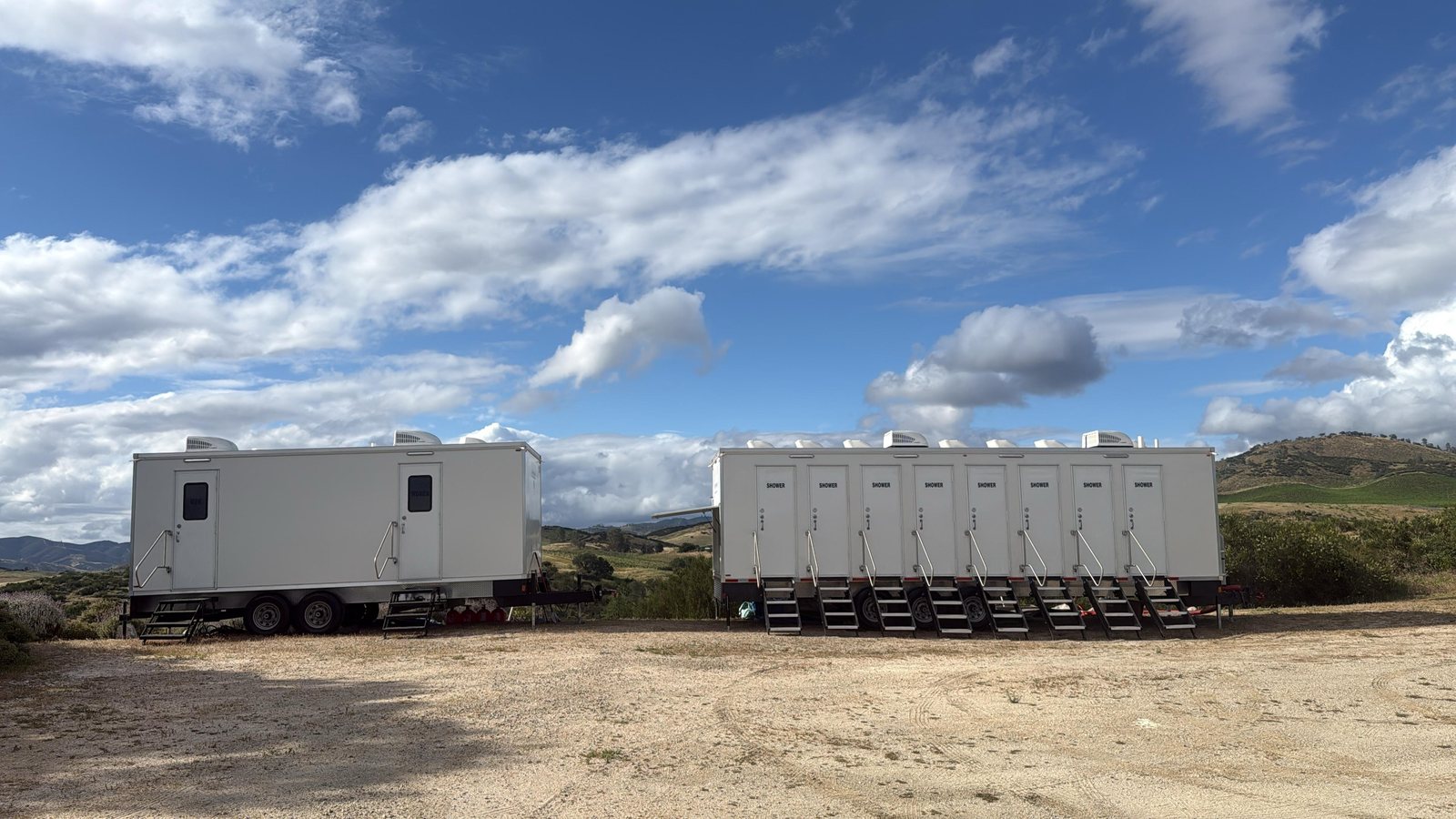
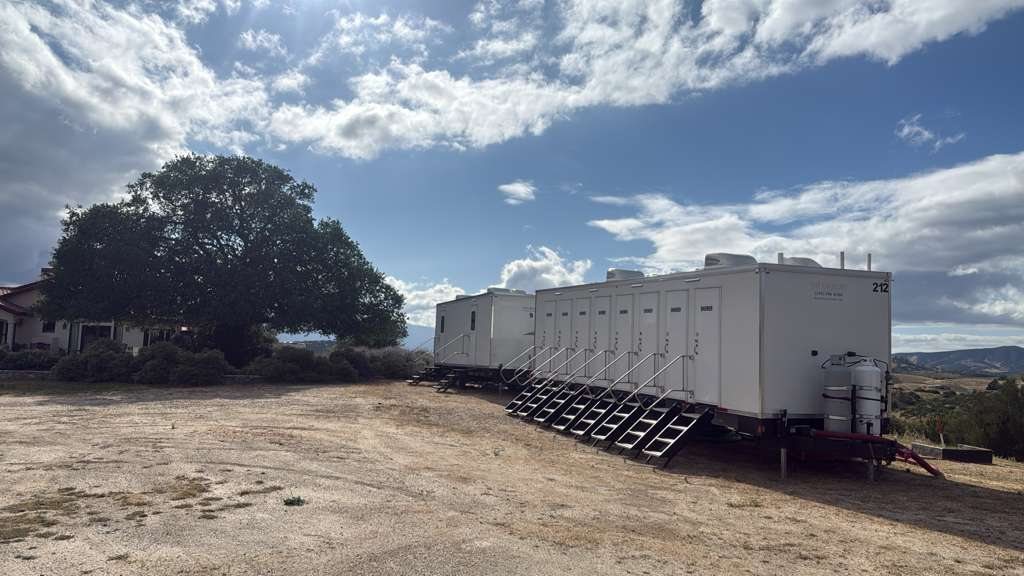
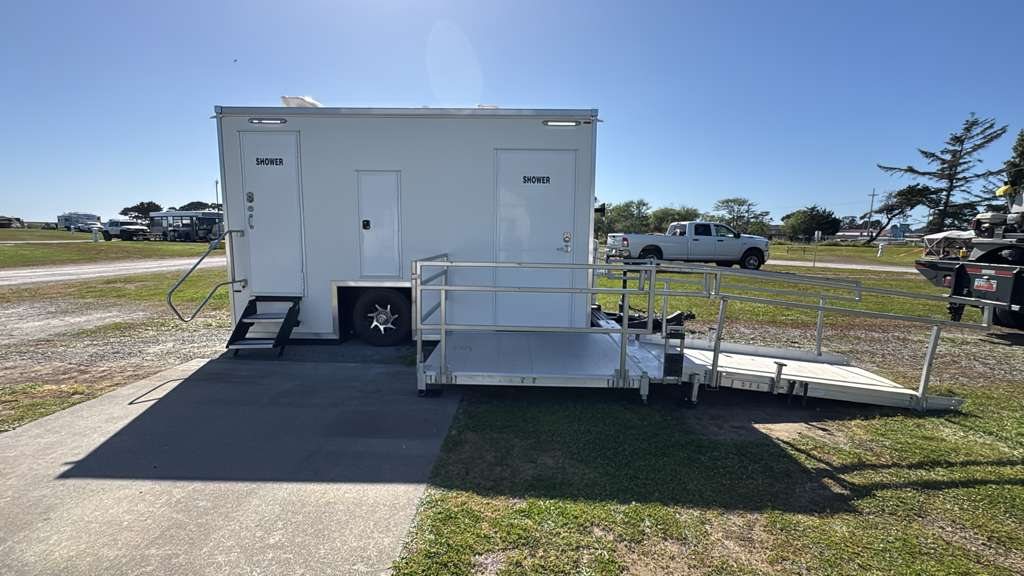
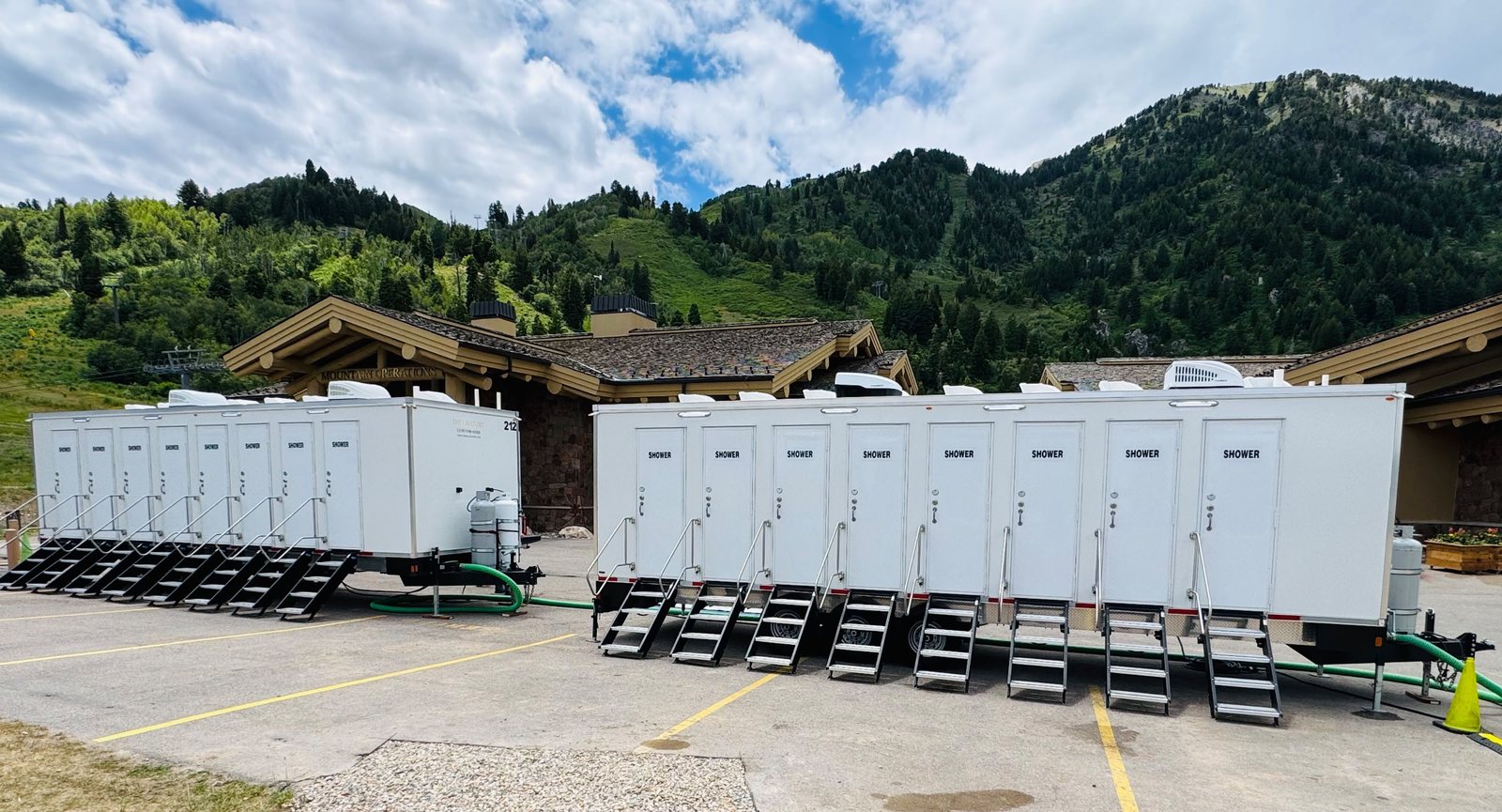
Next, think about time. A typical shower takes about 10 to 15 minutes including the walk, getting dressed and clearing the stall. If you want everyone through in a two-hour window, one stall serves roughly 8 to 12 people. A group of 100 with a two-hour window needs about 8 to 12 stalls, which means two or three trailers of different sizes. Our team will confirm the exact stall count of each unit when you call.
Now add a buffer. People do not arrive evenly, and the first 20 minutes of any window is always the busiest. We usually add one or two stalls above the arithmetic so the line never feels long. If the group is a youth program, add more, because kids take longer and supervision rules may require extra space.
Think about days. A trailer that runs for three days needs a different service plan than one that runs for six months. Longer rentals need scheduled pumping, cleaning and restocking, and the schedule affects how many stalls you need because a clean stall is a usable stall. Brief us on the length of the job so we can plan the route.
Finally, think about growth. Camps often double in size when the full crew arrives, and projects add phases. It is easier to lay out a pad for six trailers and start with two than to move everything later. Brief us on the peak head count, even if the early weeks are smaller.
A worked example: a school summer program with 150 people, a two-hour evening window and a short line target needs about 13 to 15 stalls by the math above. A 60 person crew on a single shift ending at the same time, with the same window, needs about 5 to 6. A multi-shift camp of 300 split into three groups needs about the same stalls as the single group of 100, since only one group is showering at a time.
Bring your numbers to the first call. We will confirm stall counts, hookups and the service schedule, and send a spec sheet for the units that fit. If you are not sure of the head count, brief us on a range and we will plan for the high end.
What to ask any shower trailer company before you sign a long contract
A long rental is a relationship, not a delivery. The questions below help you tell a company that will still be showing up in month four from one that only looks good on the quote. Use them with any provider, including us.
Who owns the trailers and who services them? A direct rental company delivers and services its own fleet with its own team. A broker hands the job to someone else, and when something goes wrong you call a number that reaches a dispatcher instead of the person with the keys. Ask who will actually be on your site.
Who answers the phone? On a job site or at a camp, a problem at 6 am on a Saturday is still your problem. Ask whether a person picks up, and ask what happens when you call after hours. A recorded message does not fix a dirty stall.
What is on the service schedule? Ask how often the tanks are pumped, how often stalls are cleaned and when supplies are restocked, and ask for it in writing. If the answer is vague, the service will be vague. We set the schedule before delivery so you know what to expect each week.
What are the hookup needs? Each unit needs a certain kind of power and water, and the site has to provide them or the provider has to plan around them. Ask for the numbers per unit, and ask what happens if the site cannot provide them. Do not accept a general answer.
What is included in the rental? Delivery, setup, scheduled service and pickup should all be clear. Ask what changes the quote, such as distance, number of days or number of units, and ask what would trigger an extra charge. A good company will explain without making you guess.
How do additions work? If the crew grows, ask how fast you can add a unit and whether it will sit beside the first. If the answer is that you will need a new contract, plan for that.
Can they move the trailer? Linear projects like highways and pipelines move. Ask whether the provider will pick up and reset the unit, and whether service continues through the move.
Finally, ask for references or reviews. Read them for specifics: service on time, clean units, a person who answered. The best proof is a customer who talks about week eight, not day one.
Placing a shower trailer on desert and mountain ground: a site checklist
Where the trailer sits decides how well it works. Arizona sites range from graded Valley pads to rocky desert, forest clearings and canyon floors, and each has its own traps. This checklist covers what we look at before delivery.
Start with the ground. The trailer needs firm, level ground that can hold its weight when full of water and people. Soft sand, loose fill and steep slopes cause leveling problems that show up as doors that stick and drains that do not run right. If the pad is new fill, give it time to settle or compact it before delivery.
Check for washes. Dry channels in the desert fill fast when a monsoon storm hits, even if the rain falls miles away. Never set a trailer in a wash, a drainage way or a low spot. Higher ground with a clear path out is worth the extra walk for the crew.
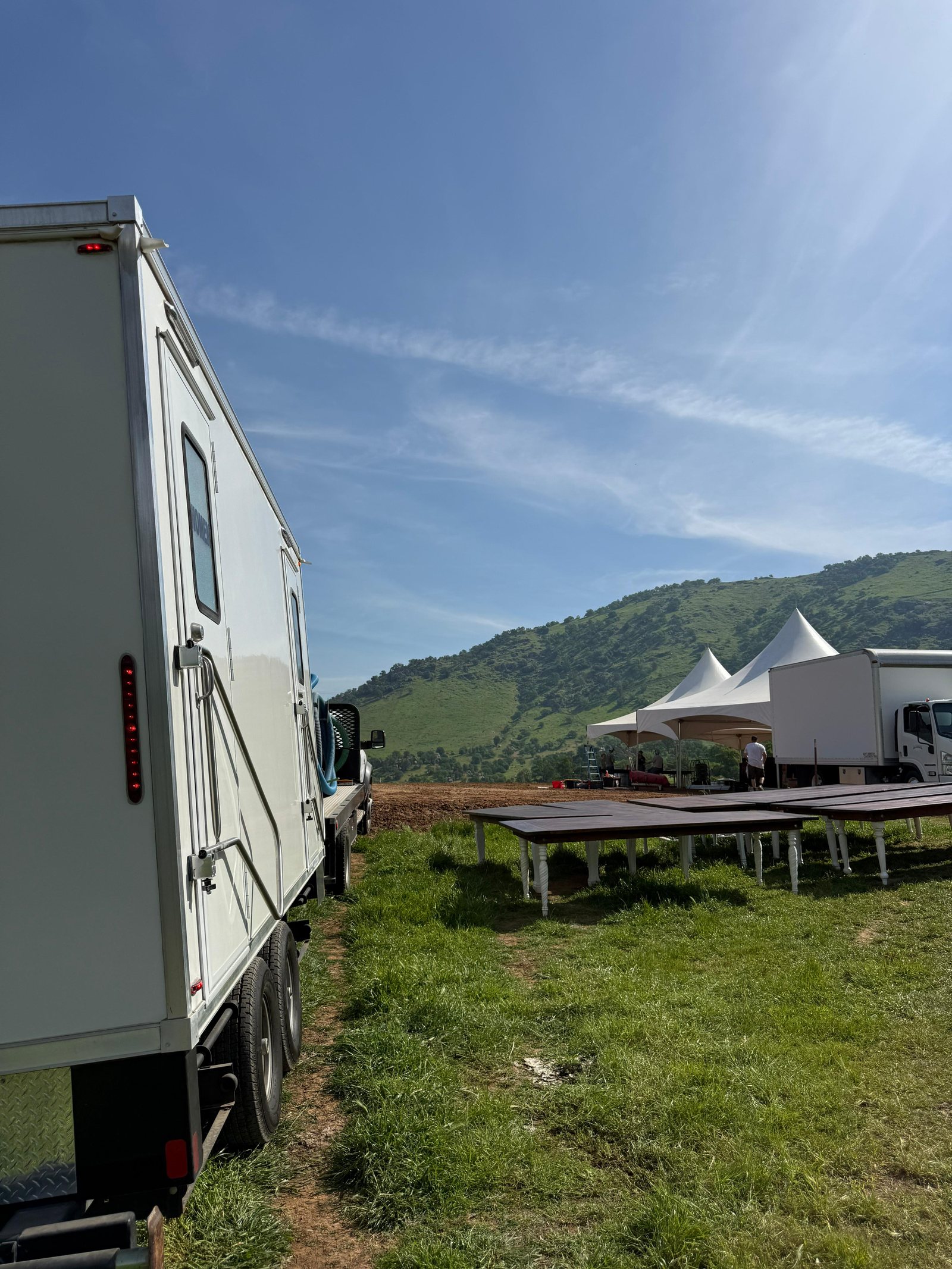
Think about the turn. Our delivery truck needs room to swing, and a trailer cannot be pulled out of a tight spot easily. Measure gates, check for overhead lines and low branches and walk the route. We ask for a photo or a pin for this reason.
Plan the service route. The truck that pumps tanks and restocks supplies comes back every few days for months. If the only road is a narrow haul road shared with heavy equipment, we need a plan so the service truck does not block it. A pad at the edge of the yard is better than one in the middle.
Think about water. Some units need a water connection and some are filled on a schedule. Know where the nearest supply is and how the line will run. If the site has no water, we plan refills as part of the service.
Think about the people. A shower trailer works best close to where people finish their day, not across a work site in the heat. Add a walkway with decent footing and lighting for evening use. Keep it away from loud equipment and dust.
Please check the rules before you book, since the state's rule for public portable toilets, A.A.C. R9-8-303, requires that tanks be pumped on a regular basis and that units keep a clean, sanitary condition. Showers are a different system, but the same principle applies to your service schedule.
Consider the season. In summer, shade makes a big difference for the line. In winter in the high country, placement out of the wind and a cleared path keep things usable. Brief us on the dates and the elevation.
Sources: Arizona Administrative Code R9-8-303, public portable toilets
A seasonal calendar for renting shower trailers in Arizona
Arizona's calendar runs differently from most states. The cool months, October through April, are the busy season for events, and the summer heat shapes job-site demand in a different way. Knowing the pattern helps you plan the rental.
October through April is when outdoor events and many construction schedules run at full speed. Sports tournaments, spring training season and fall and winter festivals all fall here, and campus programs run through the school year. If your project falls in this window, plan your order early and send your dates in the first call.
May through September is monsoon and heat season. From mid-June through late September, storms bring flash floods, wind and power outages, which means utility restoration work picks up. Crews working outdoors in 100 degree weather also need a place to clean up, and the new statewide heat rules for outdoor job sites add attention to site facilities.
Wildfire season overlaps with both. Fires in the high country and the desert edge, like the Pocket Fire near Sedona in June 2026, can lead to evacuation shelters and base camps with little warning. These are the jobs where a trailer with its own tanks and a clear service plan matters most.
School calendars create their own cycle. Summer camps run from late May through July, and university move-in and fall sports begin in August. Campus remodel work is usually crammed into the summer break, which is when crews and students share a site.
Winter in the high country is the cold case. Flagstaff, Prescott, Payson and Show Low see freezing nights and snow, and any camp or crew there needs a setup planned for access and wind. Ask for a site plan that covers snow days.
Long projects cross seasons. A build that starts in the cool months will run through a summer, and the service plan should change with it. Ask your provider how the schedule adjusts for heat, storms and snow.
The simple rule is to give us your dates, your site and your head count as early as you can. We will tell you what to expect for that window and plan the service to match.