California's Cold Chain and Why Temporary Freezer Trailers Fill the Gaps
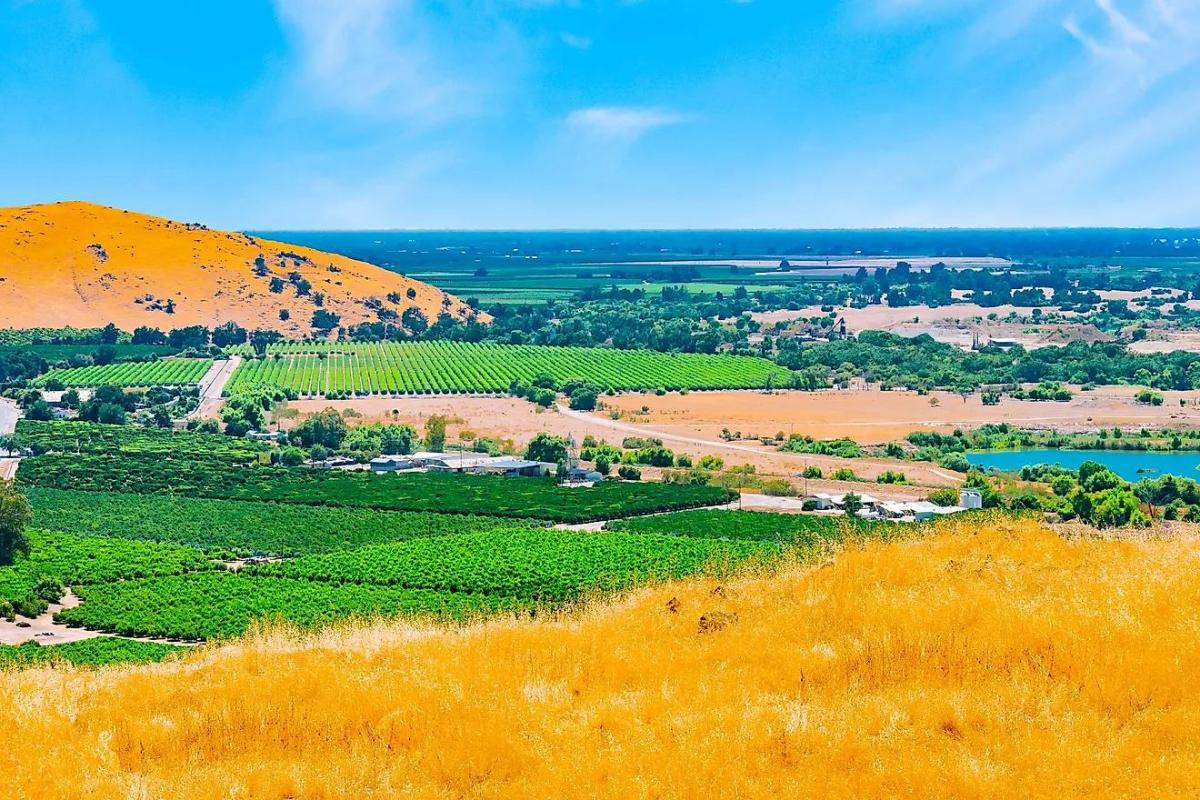
California runs one of the largest and most demanding cold chains in the world. It starts in the fields of the Central Valley. Fresno County alone produced 9.03 billion dollars in agricultural output in 2024, the highest of any farm county in the nation, and the counties next door add billions more. Grapes and raisins, almonds, pistachios, tomatoes, citrus, dairy. All of it leaves the field on a clock that never stops. And the cold chain that carries it has very little room for a miss.
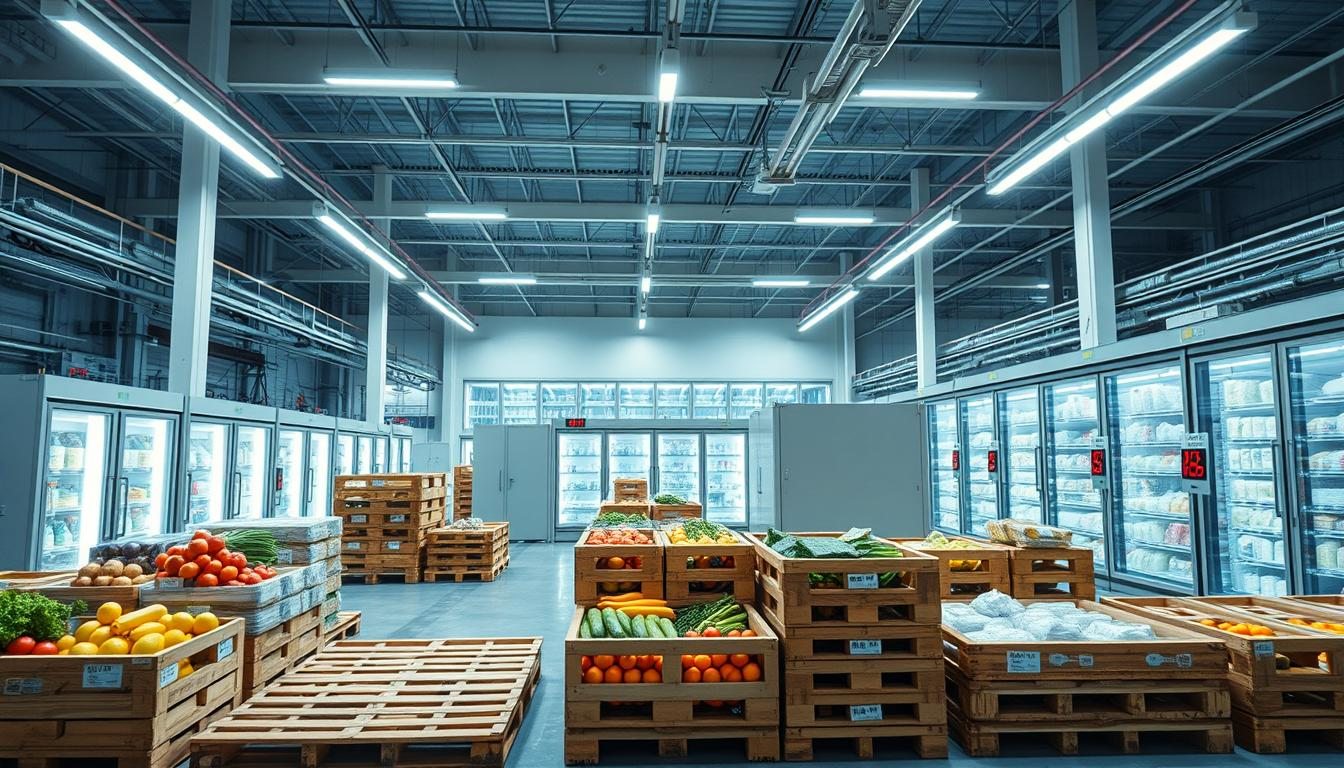
The most fragile moment is the first mile, the gap between harvest and pre-cooling. Produce that is not pre-cooled within roughly two to four hours of harvest can lose a real chunk of its total shelf life. Hours, not days. So packing houses pour money into fixed cold rooms and hydro-coolers. But when that fixed capacity drops offline mid-harvest, from a compressor failure, a power outage, or simply running full, the loss curve starts right away. A temporary refrigeration trailer parked at the dock is the bridge that holds the load until the fixed system is back.
The valley's fixed cold storage is enormous, and still tight at peak. United States Cold Storage has served Fresno since 2007 and is expanding toward roughly 90,000 pallet positions, moving around 60 million pounds of product a month in the Fresno area. Central Valley Cold Storage in Madera runs 254,000 square feet of multi-temperature space on Highway 99. It sits at the center of the state's produce and nut corridor. These places are the backbone of the chain. And when they hit capacity or take a line down, portable units add surge cold without a permanent build.
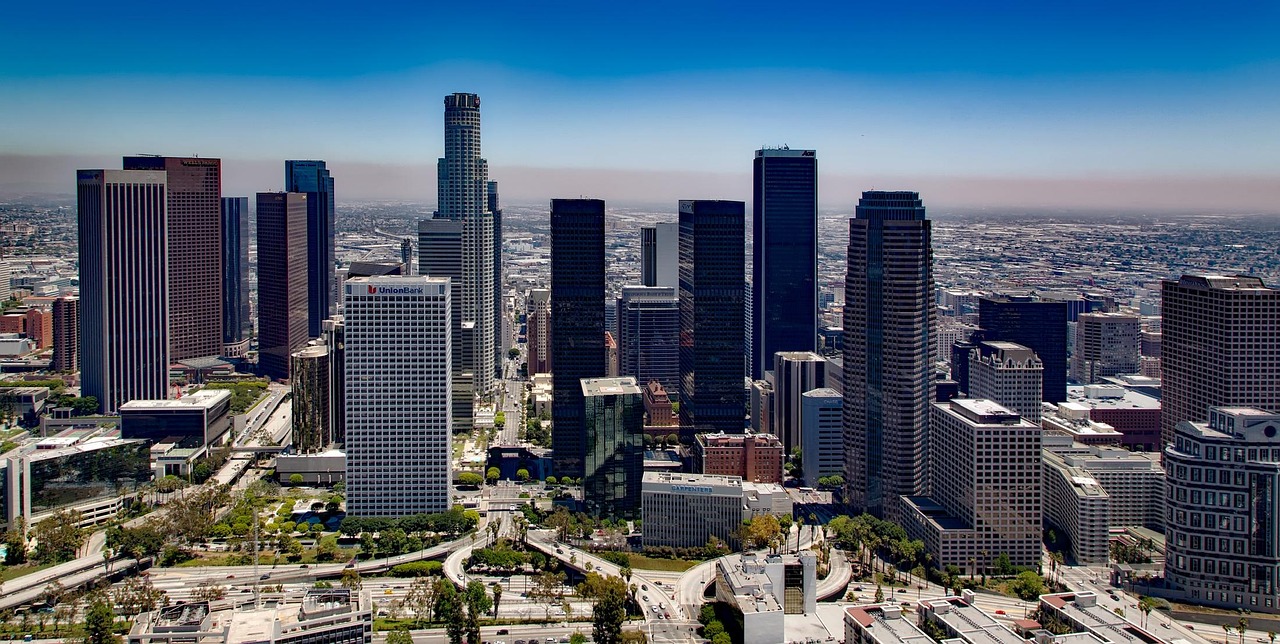
The ports carry the imported half. The Port of Los Angeles handles close to a million metric tons of fruit every year. It also moves meat, fish, and shellfish that arrive in refrigerated containers. Reefer cargo needs an immediate plug-in, rapid unloading, and a fast transfer into cold storage. Any delay raises dwell time and risk. So when a transload backs up or dock cold space runs short, a self-contained reefer holds the perishables and keeps the cargo moving. The same pattern repeats at the Port of Oakland and across Bay Area docks.
Downstream, grocery chains, foodservice distributors, and restaurant groups from San Diego to Redding all live on the same continuous cold. A single failed walk-in cooler can bring an entire back of house to a stop, because that one box holds the proteins, produce, dairy, and prepped ingredients the kitchen runs on. It is not a question of if but when. The operations that bounce back fastest are the ones that already know who to call.
Here is where the specs earn their keep. Knowing them before the emergency is the difference between a scramble and a phone call. A unit runs as a refrigerator or a freezer down to -10 degrees. It needs only a 120V dedicated circuit or a generator. It comes in three footprints sized by case count and pallet position. We place a portable trailer the same day, the inventory moves into cold, and the kitchen keeps running while the repair or the peak passes.
The through line is reliability at scale. California's cold chain does not fail politely or on schedule. The gaps open at harvest peak, at import surge, and on the worst possible afternoon in August. For a grower, a packer, a distributor, or a grocer, a temporary freezer trailer is the plan for that risk. You size it to the case count, park it at the dock, and keep loading.
Sources: California Department of Food and Agriculture statistics · FDA Food Code
Cold Storage for California Wildfire and Disaster Response
California's disaster tempo is unlike any other state, and the January 2025 fires made it plain. From January 7 to 31, fourteen destructive wildfires hit the Los Angeles metro and San Diego County. The Palisades Fire burned 23,448 acres. The Eaton Fire in Altadena burned 14,021 acres. Combined, the January fires burned more than 50,000 acres, destroyed over 18,000 homes and structures, killed at least 31 people, and forced more than 200,000 to evacuate, driven by Santa Ana winds that reached 100 miles an hour.
Behind every large fire is a feeding operation most people never see. A Cal Fire base camp is a mobile city built overnight, with a mobile kitchen, a communication center, a medical center, an automotive repair site, and more than a dozen sleeping trailers. Officials talk about standing up the whole camp in hours, so it does not drain the resources a community still needs. It is one of the most demanding temporary feeding environments there is, and it shows up wherever the fire does.
The calorie math is brutal. Roughly 4,400 a day. Wildland firefighters burn that keeping pace with the work. They get a hot breakfast, a sack lunch, and a hot dinner. Cal Fire is required to feed personnel within the first 24 hours of an emergency, before the mobile kitchen is even fully in place. Feeding thousands of crew at that intensity means holding proteins and perishables at safe temperature at volume. A self-contained reefer does exactly that beside the kitchen line, running on regular 120V power or a generator.
During the Eaton Fire, mobile kitchen units cooked meals for crews returning to the incident command post set up at the Rose Bowl. That kind of operation depends on an unbroken cold chain from the supply truck to the serving line. Any gap is a risk. As a Cal Fire partner, a US Forest Service partner, and a FEMA disaster-relief partner, we stage cold storage into that response the way an incident logistics team needs it.
The civilian side of disaster feeding runs through food banks, and they work with almost no margin. In 2025 the USDA suspended roughly 330 truckloads bound for California food banks. About 90 truckloads were tied up for the Los Angeles Regional Food Bank alone, and the Central California Food Bank had 13 truckloads canceled between April and July. So when commodity flows get disrupted while a disaster spikes demand, food banks need surge cold storage to hold whatever frozen product does arrive. And a long-box trailer can absorb an entire inventory in one transfer.
Some food banks carry a formal emergency role. FIND Food Bank, for one, is the state-designated Disaster Response food bank for its region, which means its cold storage has to scale on short notice when a disaster hits. Temporary freezer trailers give that kind of organization elastic capacity without forcing a permanent build it may only need during a crisis.
Speed is the entire point in a disaster. The closed-door window on a failed or overwhelmed cold box is measured in hours. So our 24/7 dispatch and same-day placement exist to beat that clock. Trailers arrive pre-chilled and ready to load. Product transfers into cold rather than into a promise of cold. For an incident commander, a county emergency manager, or a disaster food bank, that is the difference between fed crews and a loss report. A mobile city can be built overnight. But it cannot feed anyone if the frozen storage falls behind.
Sources: Cal Fire · FEMA
Serving California Military Bases and Government Sites
California hosts 44 military installations, more than any other state, supporting all six branches of the armed forces. These are not small footprints. Camp Pendleton trains more than 40,000 Marines and Sailors at a time as they prepare to deploy. Naval Base San Diego is the principal homeport of the Pacific Fleet, with more than 50 ships. Travis Air Force Base near Sacramento is home to the largest air mobility wing in the Air Force, and Edwards Air Force Base is the second largest base in the Air Force by area. Fort Irwin in the Mojave runs the Army's premier combat training center.
Every one of those installations runs food operations that sometimes need temporary cold storage. Dining facilities, commissaries, field feeding. All of it lives on continuous refrigeration. When a base kitchen goes offline for a renovation or a walk-in fails, the mission does not pause to wait for a repair. A mid-size unit holds the facility's cold inventory through a multi-week project, no diesel reefer idling on the installation, running on a dedicated 120V circuit or a generator we supply.
Clean power is a bigger factor on a California base than most people expect. The California Air Resources Board regulates diesel transport refrigeration units and is moving toward zero-emission standards. So a unit that runs on a wall circuit avoids the diesel-reefer emissions and idling that draw scrutiny. No engine out back. For a buyer who has to answer for both compliance and cost, a quiet electric trailer behind the dining facility is often the obvious call.
The desert installations raise the difficulty. Fort Irwin's National Training Center, the Marine Corps base at Twentynine Palms, and Edwards Air Force Base sit in country that regularly pushes past 110 degrees in summer. Large rotational populations, long distances to the nearest fixed cold storage. Field feeding in that heat needs cold backup you can drop where the exercise is happening, not where a permanent freezer happens to sit. A portable unit that arrives pre-chilled and runs on a generator solves a problem fixed systems simply cannot reach.
Procurement is where a lot of vendors fall out, and it is where we are built to fit. We are registered on SAM.gov as a federal contractor, we are licensed and insured, and we carry an A+ BBB rating along with partnerships with FEMA, Cal Fire, and the US Forest Service. Those are exactly the credentials a contracting officer or a base logistics team screens for before a unit ever rolls onto an installation. With more than 11,000 deliveries behind us, the track record backs the registration.
Government work runs well past the bases. Cities and counties across California stage cold storage for emergency preparedness, public feeding programs, and facility projects at community centers, correctional facilities, and shelters. Think a county feeding a displaced population after a disaster, or a municipal department managing a kitchen renovation. They need the same reliable temporary cold storage a base does. And the same credentials give them confidence in the vendor.
The common thread is simple. Government and military buyers cannot tolerate a cold-chain break. They cannot tolerate a vendor who is not set up to work inside their systems. A national B2G provider that speaks SAM.gov registration, insurance certificates, and partner agencies takes the friction out. The unit holds refrigerator or sub zero freezer temperatures on one dial. It needs only a dedicated 120V circuit or a generator. It comes in three footprints. And it stays in place for as long as the mission requires.
Sources: SAM.gov federal contractor registration · California Air Resources Board Transport Refrigeration Unit program
Cold-Storage Compliance in California: CalCode, HACCP, and CARB
Cold storage in California sits under a stack of rules that all point the same way: keep product cold, keep it cold without a break, and be able to prove it. Getting that stack straight helps an operator rent the right unit and keep the right records. It is also why a temporary freezer trailer has to do more than get cold on delivery day. It has to stay cold and stay documented.
The foundation is the California Retail Food Code, the state's version of the FDA Food Code. Refrigerated potentially hazardous food has to hold at or below 41 degrees. Frozen product has to stay at 0 degrees or below, held continuously. County environmental health inspectors enforce those limits. No log, no proof. So continuous cold-chain evidence matters as much as the temperature itself. And a rental with a service-visit record is worth more than a box that merely runs.
For food banks and processors, the bar is higher. USDA commodity storage programs and Hazard Analysis Critical Control Point plans both demand documented continuous cold storage, and food banks holding federal commodities lean on that paperwork hardest. Our service visits check the setpoint against the actual reading on each unit. And that record drops straight into a HACCP file or a commodity storage log. The trailer also carries a digital setpoint an operator can read on site, so the current status is never a guess.
The California Air Resources Board adds a dimension most states do not have. CARB regulates diesel transport refrigeration units, the engines that power reefer trucks and containers. It is phasing them toward zero-emission standards to cut diesel exhaust near communities and worksites. A trailer that runs on a 120V wall circuit or a clean generator sidesteps that idling reefer. No engine, no exhaust. And that matters more every year for institutional and government buyers who have to account for emissions along with food safety.
Heat safety rules cross paths with cold storage on outdoor worksites. The Cal/OSHA Heat Illness Prevention standard governs outdoor work when temperatures climb. California has extended heat protections to indoor workplaces too. On a hot site, keeping product cold and keeping crews safe are two sides of one job. A reliable cold box means workers do not climb a truck bed with heavy cases in triple-digit heat. That job is part of a safer worksite.
The electrical prerequisite is the simplest rule of all, and the one most often forgotten until delivery day. A portable unit needs either a 120V, 20-amp dedicated circuit within 100 feet of it, or a generator. The entire electrical ask, and it is well within what most commercial and institutional sites can provide. Where a site cannot, the generator makes the placement work anywhere, which is how remote packing sheds, fire camps, and desert bases stay in compliance and in cold.
Put it together and the compliance picture rewards planning. An operator who knows the frozen threshold, keeps the service-visit record, picks clean electric power, and confirms the circuit before delivery is an operator whose next inspection is uneventful. The rules are strict. But they are predictable. We treat documentation and clean power as part of the rental, so the paperwork is ready before the inspector asks for it.
Sources: California Department of Public Health retail food program · California Air Resources Board TRU regulation
California Heat and the Cold-Backup Plan
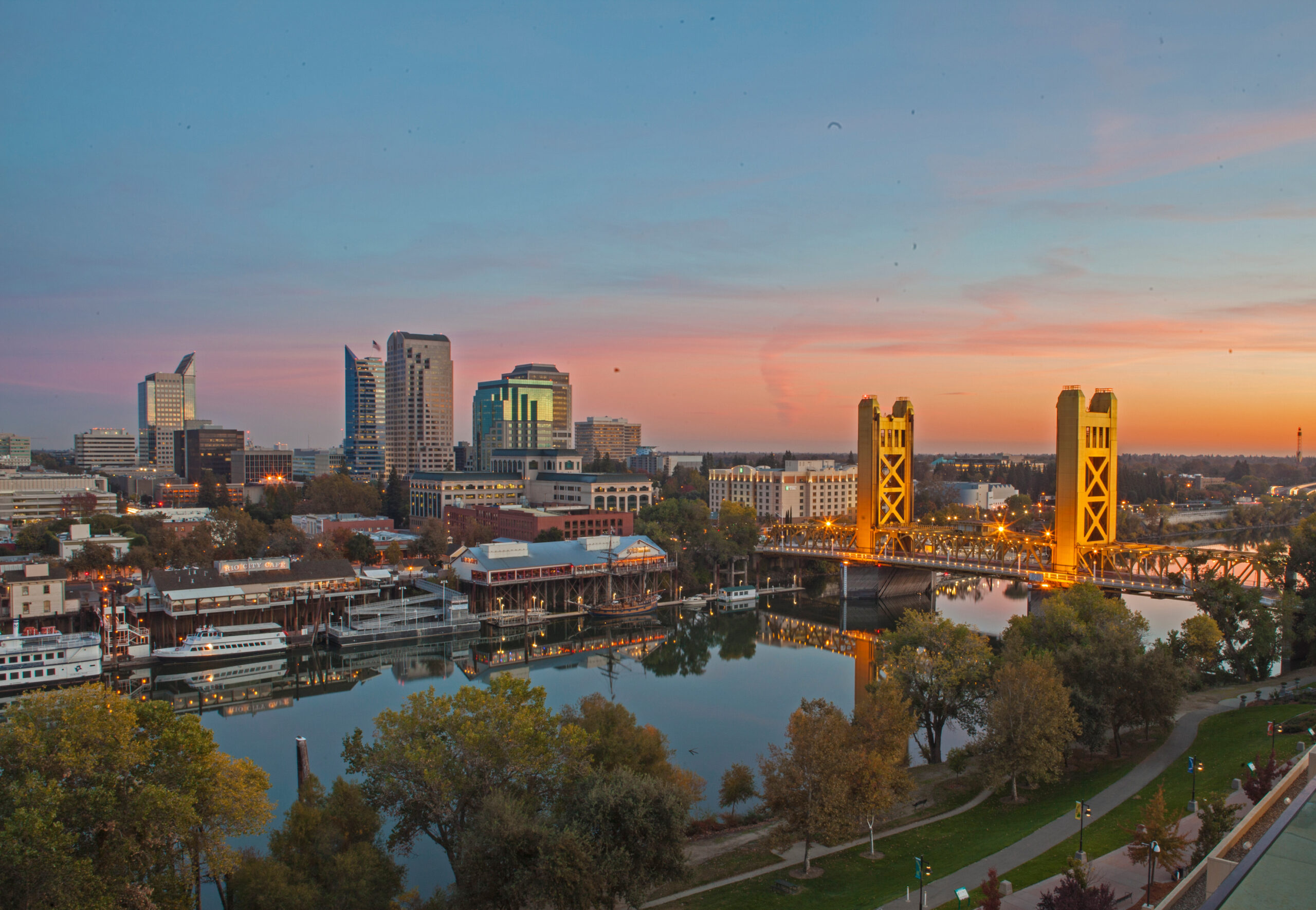
For most of the interior of California, heat is not a summer event. It is a season that keeps setting records, and it changes the math on cold storage. Sacramento logged 45 triple-digit days in 2024, breaking the previous record of 44 set just two years earlier, against a long-term average of about 23 such days a year. The June to July stretch in 2024 was the hottest 20-day run ever recorded downtown, averaging highs of 103.8 degrees, and on July 6 the downtown gauge hit 113 degrees.
Fresno ran even hotter. It saw 60 days over 100 degrees in 2024, with daily records of 102 and 105 degrees as late as early October. The Mojave, where Fort Irwin, Twentynine Palms, and Barstow sit, and the Coachella Valley around Indio and Palm Springs routinely push past 110 in the height of summer. This is where fixed refrigeration works hardest. And where it is most likely to fall behind.
Extreme, sustained heat attacks cold storage from two directions. First, the load. It piles onto every compressor and walk-in. Fixed systems that run fine in spring start struggling to hold setpoint on an August afternoon. And marginal equipment fails at the exact moment demand peaks. Then prolonged heat stresses the electrical grid, which raises the odds of a power outage that takes a cold room down. A heat wave and a blackout arriving together is not a rare scenario in California. It is a recurring one.
A temporary freezer trailer is the backup that matters most on those days. Thermal mass is the quiet advantage. A fully loaded cold box rides out a brief power interruption far better than an empty one, because the stored cold buys time. A pre-chilled unit added before the fixed system is overwhelmed gives a site margin it does not otherwise have. And when the grid does drop, a trailer on a generator keeps holding while the walk-in warms.
Events sharpen the heat problem in a different way. Coachella and Stagecoach draw around 250,000 people to Indio across April, in a desert that is already hot and getting hotter. The two festivals together generate roughly 700 million dollars for the local economy. Mass catering in that heat lives entirely on vendor cold storage and a steady ice supply. Refrigeration trailers staged on site are what make it work. The same holds for summer fairs, marathons, and stadium events across the state.
The coast is the honest exception. And it is worth naming. San Francisco, the immediate Bay, and coastal San Diego stay mild through the summer, so heat is not the driver there. Demand on the coast comes from ports, dense restaurant and grocery networks, and events. The statewide point still holds, because the interior valleys and deserts, where most of California's agriculture, many of its bases, and its biggest festivals sit, run hot enough that cold backup is a plan rather than a luxury.
The operators who come through a record-heat summer without a loss are the ones who treated cold storage as infrastructure, not an emergency. They confirmed the specs ahead of time. They knew a portable trailer holds sub zero on a 120V circuit or a generator. And they had a provider on hand who could deliver same day when the forecast turned. So they made one call before the heat wave, not three during it.
Sources: National Weather Service · California Energy Commission